http://www.spark946.org/bugsboard/index.php?BBS=s_news&action=viewForm&uid=2789&page=1
임진각 대북전단 살포 중단하라!
- 2011년 4월 29일, 임진각 -
Stop the flying leaflets against North Korea
Imjingak near the Korean DMZ
April 29, 2011
Showing posts with label psychology war. Show all posts
Showing posts with label psychology war. Show all posts
Saturday, April 30, 2011

Sunday, April 24, 2011
Text Fwd: N.Korea threatens strikes over propaganda leaflets
http://english.hani.co.kr/arti/english_edition/e_northkorea/474513.html
N.Korea threatens strikes over propaganda leaflets
: The threat has increased from aimed to full-scale strikes
April 23, 2011
N.Korea threatens strikes over propaganda leaflets
: The threat has increased from aimed to full-scale strikes
April 23, 2011
Sunday, March 27, 2011
Fwd: Residents in Cheolwon, prevent again the anti-North Korean leaflet distribution on March 26
______________________________
* Related blog
Saturday, March 26, 2011
Fwd: South Korean Residents near the DMZ oppose and prevent the right wing’s leaflet distribution against North Korea
_______________________________
* The below is the summary translation of the SPARK article(same source with the below images), uploaded on March 27.
*All the image source: Solidarity for Peace And Reunification of Korea 평화와 통일을 여는 사람들(클릭)
The Cheolwon residents are preventing right wing groups' truck filled with ballons and leaflets mobilizing their own cultivators and tractors on March 26, 2011.
* Related blog
Saturday, March 26, 2011
Fwd: South Korean Residents near the DMZ oppose and prevent the right wing’s leaflet distribution against North Korea
_______________________________
* The below is the summary translation of the SPARK article(same source with the below images), uploaded on March 27.
*All the image source: Solidarity for Peace And Reunification of Korea 평화와 통일을 여는 사람들(클릭)
The Cheolwon residents are preventing right wing groups' truck filled with ballons and leaflets mobilizing their own cultivators and tractors on March 26, 2011.


 A South Korean military's introduction notice to the local residents regarding Anti-NK leaflet distribution
___________________________________
On March 26, the residents in Cheolwon, mobilizing cultivators and tractors prevented the anti-North Korean groups’ anti-North Korean leaflet distribution plan which was in the height upon the 1st year anniversary of the Cheonan ship incident. The similar thing happened on March 18 as well when the groups attempted to make entry of 3buses and a truck loaded with gas and leaflets like on March 26. Such residents’ protests have happened in Paju on March 10, March 18 and 26 in Cheolwon and Paekryongdo on March 24.
Such current well reflect South Koreans’ changing consciousness, having gone through the Cheonan ship and Yeonpyeong-do incident last year. Whatever the reasons are, there seem widely spreading sentiments in South Korea that the South Korea should not provoke North Korea, which brings militaristic clash with her and that the inter-Korean militaristic tension and confrontation should be resolved with peace that should be realized soon.
Among many civilian letters, there was a letter by a resident in Cheolwon as the below:
“I am one of the third generation of a family who have been living near 90 years through four generations in Cheolwon. You may leave Cheolwon after make flying balloons that provoke North Korea in our town, being satisfied with your jobs done. The 50,000 soldiers in Cheolwon are living under the North Koreans’ fire range. Even though there may be many opinions, please do not take anything that may provoke North Korea. I do not know either politics, ideology or any political idea. My only wish is that my family live peacefully without any disastrous accidents. You may detour your methods if you think your deed may cause damage to the others. Most of Cheolwon residents came from the refugees during the Korean War. Taken off with our hometowns, we are poor people waiting for unification, living nevertheless in the nearest place from the North where we look for our robbed hometowns.”
Saturday, March 26, 2011
Fwd: South Korean Residents near the DMZ oppose and prevent the right wing’s leaflet distribution against North Korea


* Image source: Solidarity for Peace And Reunification of Korea, Incheon port, March 25, 2011 평화와 통일을 여는 사람들(클릭)

* Image source: Incheon branch of the Solidarity for Peace And Reunification of Korea, Incheon port, March 24, 2011 평화와 통일을 여는 사람들 (클릭)
'Stop the anti-NK leaflet distribution that brings militaristic clash in the west sea and threatens the local residents' rights to live!'
_____________________________________
평화와 통일을 여는 사람들 기사 1(클릭), 기사 2(클릭), 기사 3(클릭), 논평(클릭) 참조
The below summary translation of the articles is thanks to the SPARK who uploaded the reference articles in its site.
According to an article, the South Korean residents near the inter-Korean border areas are back-to-back repelling against the anti-NK groups leaflet distribution against North Korea.
According to the group, “Movement for direct help of North Korean Brothers’ and police the article quoted, the group had intended the flying of anti-NK balloons with 1,300,000 leaflets throughout North Korea near the old remained building of the Labor Party in Cheolwon, Gangwon province on March 18 but about 20 local residents strongly protested therefore the group had to move to another place.
Such same or similar local residents’ protests against the right wings’ anti-NK distribution are also happening in the areas of Paju and Baekryong-do near the DMZ as well.
The article explains that it is because the local residents are concerned about the prospect that the anti-NK leaflet distribution would be followed by the North Korean artillery attack like the Yonpyeong-do incident last November
The unification and peace groups in South Korea such as Solidarity for Peace And Reunification of Korea have been protesting against the Lee Myung-Bak government’s support of those right wings whose activities are intended to bring psychological war fare against North Korea. See the photos above.
Friday, March 11, 2011
Photos Fwd: [SPARK] Stop the distribution of anti-NK leaflets/ Abolish the defense reform 307 plan!
* Click the links for more photos
Solidarity for Peace And Reunification of Korea, March 10, 2011
평화와 통일을 여는 사람들, 2011년 3월 10일(클릭)
남북 군사적 충돌 부르고 주민생존 위협하는 대북전단 살포를 중단하라!
- 2011년 3월 10일 낮 12시, 임진각 망배단 앞 -
Stop the distribution of anti-NK leaflets that brings inter-Korean military clashes and threatens the residents' right to live!
-12pm, March 10, 2011, Imjingak, Paju-
 Solidarity for Peace And Reunification of Korea, March 9, 2011평화와 통일을 여는 사람들, 2011년 3월 9일(클릭)
이른바 ‘307 계획’은 국방개혁안이 아니라 국방개악안이다.
역대 최대의 국방개악안인 ‘307 계획’을 즉각 폐기하라!
2011년 3월 9일(수) 오전 11시 30분, 국방부(합참) 정문 앞
Solidarity for Peace And Reunification of Korea, March 10, 2011
평화와 통일을 여는 사람들, 2011년 3월 10일(클릭)
남북 군사적 충돌 부르고 주민생존 위협하는 대북전단 살포를 중단하라!
- 2011년 3월 10일 낮 12시, 임진각 망배단 앞 -
Stop the distribution of anti-NK leaflets that brings inter-Korean military clashes and threatens the residents' right to live!
-12pm, March 10, 2011, Imjingak, Paju-
Solidarity for Peace And Reunification of Korea, March 9, 2011평화와 통일을 여는 사람들, 2011년 3월 9일(클릭)이른바 ‘307 계획’은 국방개혁안이 아니라 국방개악안이다.
역대 최대의 국방개악안인 ‘307 계획’을 즉각 폐기하라!
2011년 3월 9일(수) 오전 11시 30분, 국방부(합참) 정문 앞
So called '307plan' is not the defense reform plan but a change for the worse of defense! Immediately abolish the '307 plan, 'the worst change for the worse defense in the history!
-11: 30am, March 9, 2011 In front of the Ministry of National Defense-

Thursday, March 3, 2011
More Protest Photos: Stop the U.S.-SK Key Resolve Militray Exercise!
* See more photos by clicking the links
_______________________________
* Image source: Solidarity for Peace And Reunification of Korea, Feb. 28, 2011
평화와 통일을 여는 사람들, 2011년 2월 28일(클릭)
_______________________________
* Image source: Solidarity for Peace And Reunification of Korea, Feb. 28, 2011
평화와 통일을 여는 사람들, 2011년 2월 28일(클릭)


 _____________________________
* Image source: Solidarity for Peace And Reunification of Korea, March 2, 2011
평화와 통일을 여는 사람들, 2011년 3월 2일(클릭) No psychology warfare against North Korea!
_____________________________
* Image source: Solidarity for Peace And Reunification of Korea, March 1, 2011
평화와 통일을 여는 사람들, 2011년 3월 1일(클릭)


No ROK-Japan militray agreement! No US-Japan-ROK trilateral militray alliance!
________________________________________
* Image source: People's Solidarity for Participatory Democracy, Feb. 28, 2011 참여 연대, 2011년 2월 28일(클릭) 
 Stop the Key Resolve!
Sunday, February 27, 2011
Text Fwd: N. Korea threatens to shoot directly at S. Korean border facilities
 * South Korean propaganda aginst North Korea
Yonhap News
N. Korea threatens to shoot directly at S. Korean border facilities
Feb. 27, 2011
SEOUL, Feb. 27 (Yonhap) -- North Korea on Sunday threatened to fire aimed shots at South Korean facilities involved in "psychological warfare" in a self-defense action, unless the South suspends its propaganda campaign.
"The on-going psychological warfare by the puppet military in the frontline area is a treacherous deed and a wanton challenge to the demand of the times and desire of all the fellow countrymen to bring about a new phase of peaceful reunification and national prosperity through all-round dialogue and negotiations," a North Korean military official told the North's state-run Korean Central News Agency (KCNA).
"We officially notify that our army will stage a direct fire at the (Imjin) Pavilion and other sources of the anti-DPRK psychological warfare to destroy them on the principle of self-defense, if such actions last despite our repeated warning," the official added. "The group of traitors in South Korea must stop the anti-DPRK psychological warfare at once, squarely seeing the seriousness of the prevailing situation."
DPRK is an acronym of the North's official name, the Democratic People's Republic of Korea.
Also on Sunday, North Korean representatives at Panmunjom, the inter-Korean border village, reiterated their usual threat against the annual Key Resolve military drills between South Korea and the U.S. forces, which will begin Monday.
The North Korean officials said their armed forces would launch "an all-out war of unprecedented scale" and turn Seoul into "a sea of fire" if the South Korean and the U.S. "invaders" provoked Pyongyang with a threat of war.
Imjingak, a tourism pavilion located just south of Panmunjom, has made headlines, as hundreds of South Korean activists frequently sent anti-North Korea flyers and materials from there.
The North's warning of the direct strike came in light of a recent admission by the Ministry of National Defense in Seoul that the South Korean military has been sending propaganda leaflets in balloons to North Korea, mixing them with life supplies. The leaflets warned the North Korean regime about the consequences of dictatorship, according to a report by the ministry.
A South Korean government source said on Sunday that these leaflets contained details about recent anti-government movements in Libya, Tunisia and Egypt, countries where civilian activists have tried to take down long-time rulers.
"I understand thousands of leaflets talked about what has taken place in Egypt and Libya and argued that dictatorship and hereditary regimes (such as the one in Pyongyang) are bound to fail," the official said. "We plan to update the ongoing developments in the Middle East and send more leaflets sometime next month."
North Korea, which has carved a cult of personality for its leader, Kim Jong-il, and his regime, has balked at South Korean activists' sending of balloons carrying leaflets criticizing the communist state and at Seoul's refusal to stop them. South Korea in 2004 agreed to halt such activities amid warming relations.
But after a multinational investigation in May last year found Pyongyang responsible for the deadly sinking of a South Korean warship, Cheonan, in March, Seoul announced a plan to blast anti-North Korea messages through loudspeakers along the border. The North threatened to strike the speakers if they are turned on.
Before Christmas last year, South Korea lit up a giant Christmas tree on top of a border hill -- an action North Korea sees as part of psychological warfare -- for the first time since 2003, a month after North Korea fired artillery at the South Korean western island of Yeonpyeong.
The glowing tree had served as a symbol of prosperity in the South and provided a stark contrast to the destitute North, which had been concerned that the lights would weaken the communist regime's ideological stranglehold of its people.
North Korea, which has carved a cult of personality for its leader, Kim Jong-il, and his regime, has balked at South Korean activists' sending of balloons carrying leaflets criticizing the communist state and at Seoul's refusal to stop them. South Korea in 2004 agreed to halt such activities amid warming relations.
But after a multinational investigation in May last year found Pyongyang responsible for the deadly sinking of a South Korean warship, Cheonan, in March, Seoul announced a plan to blast anti-North Korea messages through loudspeakers along the border. The North threatened to strike the speakers if they are turned on.
Before Christmas last year, South Korea lit up a giant Christmas tree on top of a border hill -- an action North Korea sees as part of psychological warfare -- for the first time since 2003, a month after North Korea fired artillery at the South Korean western island of Yeonpyeong.
The glowing tree had served as a symbol of prosperity in the South and provided a stark contrast to the destitute North, which had been concerned that the lights would weaken the communist regime's ideological stranglehold of its people. (jeeho@yna.co.kr)
N. Korea threatens to shoot directly at S. Korean border facilities
Feb. 27, 2011
SEOUL, Feb. 27 (Yonhap) -- North Korea on Sunday threatened to fire aimed shots at South Korean facilities involved in "psychological warfare" in a self-defense action, unless the South suspends its propaganda campaign.
"The on-going psychological warfare by the puppet military in the frontline area is a treacherous deed and a wanton challenge to the demand of the times and desire of all the fellow countrymen to bring about a new phase of peaceful reunification and national prosperity through all-round dialogue and negotiations," a North Korean military official told the North's state-run Korean Central News Agency (KCNA).
"We officially notify that our army will stage a direct fire at the (Imjin) Pavilion and other sources of the anti-DPRK psychological warfare to destroy them on the principle of self-defense, if such actions last despite our repeated warning," the official added. "The group of traitors in South Korea must stop the anti-DPRK psychological warfare at once, squarely seeing the seriousness of the prevailing situation."
DPRK is an acronym of the North's official name, the Democratic People's Republic of Korea.
Also on Sunday, North Korean representatives at Panmunjom, the inter-Korean border village, reiterated their usual threat against the annual Key Resolve military drills between South Korea and the U.S. forces, which will begin Monday.
The North Korean officials said their armed forces would launch "an all-out war of unprecedented scale" and turn Seoul into "a sea of fire" if the South Korean and the U.S. "invaders" provoked Pyongyang with a threat of war.
Imjingak, a tourism pavilion located just south of Panmunjom, has made headlines, as hundreds of South Korean activists frequently sent anti-North Korea flyers and materials from there.
The North's warning of the direct strike came in light of a recent admission by the Ministry of National Defense in Seoul that the South Korean military has been sending propaganda leaflets in balloons to North Korea, mixing them with life supplies. The leaflets warned the North Korean regime about the consequences of dictatorship, according to a report by the ministry.
A South Korean government source said on Sunday that these leaflets contained details about recent anti-government movements in Libya, Tunisia and Egypt, countries where civilian activists have tried to take down long-time rulers.
"I understand thousands of leaflets talked about what has taken place in Egypt and Libya and argued that dictatorship and hereditary regimes (such as the one in Pyongyang) are bound to fail," the official said. "We plan to update the ongoing developments in the Middle East and send more leaflets sometime next month."
North Korea, which has carved a cult of personality for its leader, Kim Jong-il, and his regime, has balked at South Korean activists' sending of balloons carrying leaflets criticizing the communist state and at Seoul's refusal to stop them. South Korea in 2004 agreed to halt such activities amid warming relations.
But after a multinational investigation in May last year found Pyongyang responsible for the deadly sinking of a South Korean warship, Cheonan, in March, Seoul announced a plan to blast anti-North Korea messages through loudspeakers along the border. The North threatened to strike the speakers if they are turned on.
Before Christmas last year, South Korea lit up a giant Christmas tree on top of a border hill -- an action North Korea sees as part of psychological warfare -- for the first time since 2003, a month after North Korea fired artillery at the South Korean western island of Yeonpyeong.
The glowing tree had served as a symbol of prosperity in the South and provided a stark contrast to the destitute North, which had been concerned that the lights would weaken the communist regime's ideological stranglehold of its people.
North Korea, which has carved a cult of personality for its leader, Kim Jong-il, and his regime, has balked at South Korean activists' sending of balloons carrying leaflets criticizing the communist state and at Seoul's refusal to stop them. South Korea in 2004 agreed to halt such activities amid warming relations.
But after a multinational investigation in May last year found Pyongyang responsible for the deadly sinking of a South Korean warship, Cheonan, in March, Seoul announced a plan to blast anti-North Korea messages through loudspeakers along the border. The North threatened to strike the speakers if they are turned on.
Before Christmas last year, South Korea lit up a giant Christmas tree on top of a border hill -- an action North Korea sees as part of psychological warfare -- for the first time since 2003, a month after North Korea fired artillery at the South Korean western island of Yeonpyeong.
The glowing tree had served as a symbol of prosperity in the South and provided a stark contrast to the destitute North, which had been concerned that the lights would weaken the communist regime's ideological stranglehold of its people. (jeeho@yna.co.kr)
_______________________________
See also Korea Times
Sunday, September 12, 2010
Text Fwd: Pentagon Plan: Buying Then Destroying Books to Keep Secrets
 Jamie Rose for The New York Times
Anthony A. Shaffer, a former Defense Intelligence Agency officer and a lieutenant colonel in the Army Reserve, wrote "Operation Dark Heart."
* From the CLG News on Sept. 12, 2010
The New York Times
September 9, 2010
Pentagon Plan: Buying Books to Keep Secrets
By SCOTT SHANE
WASHINGTON — Defense Department officials are negotiating to buy and destroy all 10,000 copies of the first printing of an Afghan war memoir they say contains intelligence secrets, according to two people familiar with the dispute.
The publication of “Operation Dark Heart,” by Anthony A. Shaffer, a former Defense Intelligence Agency officer and a lieutenant colonel in the Army Reserve, has divided military security reviewers and highlighted the uncertainty about what information poses a genuine threat to security.
Disputes between the government and former intelligence officials over whether their books reveal too much have become commonplace. But veterans of the publishing industry and intelligence agencies could not recall another case in which an agency sought to dispose of a book that had already been printed.
Army reviewers suggested various changes and redactions and signed off on the edited book in January, saying they had “no objection on legal or operational security grounds,” and the publisher, St. Martin’s Press, planned for an Aug. 31 release.
But when the Defense Intelligence Agency saw the manuscript in July and showed it to other spy agencies, reviewers identified more than 200 passages suspected of containing classified information, setting off a scramble by Pentagon officials to stop the book’s distribution.
Release of the book “could reasonably be expected to cause serious damage to national security,” Lt. Gen. Ronald L. Burgess Jr., the D.I.A. director, wrote in an Aug. 6 memorandum. He said reviewers at the Central Intelligence Agency, National Security Agency and United States Special Operations Command had all found classified information in the manuscript.
The disputed material includes the names of American intelligence officers who served with Colonel Shaffer and his accounts of clandestine operations, including N.S.A. eavesdropping operations, according to two people briefed on the Pentagon’s objections. They asked not to be named because the negotiations are supposed to be confidential.
By the time the D.I.A. objected, however, several dozen copies of the unexpurgated 299-page book had already been sent out to potential reviewers, and some copies found their way to online booksellers. The New York Times was able to buy a copy online late last week.
The dispute arises as the Obama administration is cracking down on disclosures of classified information to the news media, pursuing three such prosecutions to date, the first since 1985. Separately, the military has charged an Army private with giving tens of thousands of classified documents to the organization WikiLeaks.
Steven Aftergood, who directs the Project on Government Secrecy at the Federation of American Scientists, said the case showed that judgments on what is classified “are often arbitrary and highly subjective.” But in this case, he said, it is possible that D.I.A. reviewers were more knowledgeable than their Army counterparts about damage that disclosures might do.
Mr. Aftergood, who generally advocates open government but has been sharply critical of WikiLeaks, said the government’s move to stop distribution of the book would draw greater attention to the copies already in circulation.
“It’s an awkward set of circumstances,” he said. “The government is going to make this book famous.”
Colonel Shaffer, his lawyer, Mark S. Zaid, and lawyers for the publisher are near an agreement with the Pentagon over what will be taken out of a new edition to be published Sept. 24, with the allegedly classified passages blacked out. But the two sides are still discussing whether the Pentagon will buy the first printing, currently in the publisher’s Virginia warehouse, and at what price.
A Pentagon spokesman, Cmdr. Bob Mehal, said the book had not received a proper “information security review” initially and that officials were working “closely and cooperatively” with the publisher and author to resolve the problem.
In a brief telephone interview this week before Army superiors asked him not to comment further, Colonel Shaffer said he did not think it contained damaging disclosures. “I worked very closely with the Army to make sure there was nothing that would harm national security,” he said.
“Operation Dark Heart” is a breezily written, first-person account of Colonel Shaffer’s five months in Afghanistan in 2003, when he was a civilian D.I.A. officer based at Bagram Air Base near Kabul.
He worked undercover, using the pseudonym “Christopher Stryker,” and was awarded a Bronze Star for his work. Col. Jose R. Olivero of the Army, who recommended Colonel Shaffer for the honor, wrote that he had shown “skill, leadership, tireless efforts and unfailing dedication.”
But after 2003, Colonel Shaffer was involved in a dispute over his claim that an intelligence program he worked for, code named Able Danger, had identified Mohammed Atta as a terrorist threat before he became the lead hijacker in the Sept. 11, 2001, attacks. An investigation by the Defense Department’s inspector general later concluded that the claim was inaccurate.
In 2004, after Colonel Shaffer returned from another brief assignment in Afghanistan, D.I.A. officials charged him with violating several agency rules, including claiming excessive expenses for a trip to Fort Dix, N.J. Despite the D.I.A. accusations, which resulted in the revocation of his security clearance, the Army promoted him to lieutenant colonel from major in 2005. He was effectively fired in 2006 by D.I.A., which said he could not stay on without a clearance, and now works at a Washington research group, the Center for Advanced Defense Studies.
Even before the Able Danger imbroglio, Colonel Shaffer admits in his book, he was seen by some at D.I.A. as a risk-taking troublemaker. He describes participating in a midday raid on a telephone facility in Kabul to download the names and numbers of all the cellphone users in the country and proposing an intelligence operation to cross into Pakistan and spy on a Taliban headquarters.
In much of the book, he portrays himself as a brash officer who sometimes ran into resistance from timid superiors.
“A lot of folks at D.I.A. felt that Tony Shaffer thought he could do whatever the hell he wanted,” Mr. Shaffer writes about himself. “They never understood that I was doing things that were so secret that only a few knew about them.”
The book includes some details that typically might be excised during a required security review, including the names of C.I.A. and N.S.A. officers in Afghanistan, casual references to “N.S.A.’s voice surveillance system,” and American spying forays into Pakistan.
David Wise, author of many books on intelligence, said the episode recalled the C.I.A.’s response to the planned publication of his 1964 book on the agency, “The Invisible Government.” John A. McCone, then the agency’s director, met with him and his co-author, Thomas B. Ross, to ask for changes, but they were not government employees and refused the request.
The agency studied the possibility of buying the first printing, Mr. Wise said, but the publisher of Random House, Bennett Cerf, told the agency he would be glad to sell all the copies to the agency — and then print more.
“Their clumsy efforts to suppress the book only made it a bestseller,” Mr. Wise said.
Wednesday, July 7, 2010
Text Fwd: USFK commander voices opposition about loudspeaker broadcasts
 'USFK Commander Gen. Walter Sharp shares words of encouragement with South Korean soldiers at a dock on Baeknyeong Island, April 7.'
 Hankyoreh
USFK commander voices opposition about loudspeaker broadcasts
: U.S. experts have noted that the broadcasts may cause a rift with the U.S.
Posted on : Jul.7,2010 12:13 KST
 Modified on : Jul.7,2010 14:44 KST
By Lee Jae-hoon
United States Forces Korea (USFK) Commander Gen. Walter Sharp has reportedly expressed his virtual opposition to the South Korean Army’s plan to restart loudspeaker broadcasts at the DMZ aimed at North Korea. Sharp reportedly expressed this view when he met with Joint Chiefs of Staff Chairman Lee Sang-eui after the Lee Myung-bak administration’s announcement on May 24 of measures pertaining to the sinking of the Cheonan.
Multiple military sources connected to South Korea-U.S. relations said Tuesday that Sharp had doubts as to the aim and effectiveness of the loudspeaker broadcasts, and asked if there was a contingency plan should a firefight erupt between North Korean and South Korean troops. The sources said Sharp’s expressed opinion has been interpreted as opposition to the restart of propaganda broadcasts. Sharp reportedly expressed his opinion during a breakfast meeting with Lee in early June.
The military sources also said Sharpe expressed regret that South Korean military authorities did not confer with the UN Command, a party by international law to matters pertaining to the Military Demarcation Line (MDL), prior to the announcement of plans to restart the loudspeaker broadcasts.
Military authorities installed loudspeakers at 11 locations along the MDL after announcing a plan to restart loudspeaker broadcasts as part of the measures aimed at North Korea announced by the Lee administration on May 24. Actual broadcasts have thus far not restarted, and the plan to operate LED screens for psychological warfare use has been virtually canceled. A military source said cooperation between the United States and South Korean military authorities regarding psychological warfare operations has not been smooth.
North Korea has responded to South Korea’s plan to restart loudspeaker broadcasts through repeated threats. The head of North Korea’s delegation for inter-Korean military talks issued a threat to fire on the loudspeakers on May 26, and the North Korean military’s general staff threatened to launch a full-scale war and turn Seoul into a “sea of fire” on June 12.
Appearing before a parliamentary special committee on the sinking of the Cheonan on June 11, Defense Minister Kim Tae-young said in regards to the loudspeaker broadcasts that the ministry had decided to delay as both South Korea and the United States felt it would be best to start them after the UN Security Council finishes taking measures against North Korea. It appears the South Korea’s military’s reserved attitude on the matter was greatly influenced by the negative attitude of the United States.
In response, Donald Gross, Asia policy advisor to Barack Obama during his presidential campaign, stated through a column in the Hankyoreh on June 21 that the South Korean army’s psychological warfare operation could ignite a wide-ranging military conflict on the Korean Peninsula of which the end would be impossible to accurately predict. Cautioning that it would have the unintended effect of causing a fissure in the South Korea-U.S. alliance, Gross called for the plan to be indefinitely postponed or scrapped all together.
Please direct questions or comments to [englishhani@hani.co.kr]
___________________________________________________________
* Related blog
http://nobasestorieskorea.blogspot.com/2010/05/text-fw-defense-ministry-considers.html
Wednesday, May 11, 2010
[Text Fwd] Defense Ministry considers resuming psychological warfare against N.Korea
Friday, May 14, 2010
[No Jeju Naval Base] Video Fwd: PD Note (May 5, 2009): Exposing the Navy, NIS, Island Government’ s Psychology Warfare against the Gangjeong Villagers
Video Fwd: PD Note (May 5, 2009)_Part 1: Exposing the Navy, NIS, Police, and Island Government’ s Psychology Warfare against the Gangjeong Villagers (Video URL)
Video Fwd: PD Note (May 5, 2009)_Part 2: Exposing the Navy, NIS, Island Government’ s Psychology Warfare against the Gangjeong Villagers(Video URL)
In this about 10 min. (1st part) and 3min. (2nd part) editions by Mr. Koh (Gangjeong village, Jeju Island) of the original 812th ‘PD Note’ program (about 14min.), ‘Why the Gangjeong Villagers, Jeju Island, Are Furious?’ broadcasted by MBC on May 5, 2009, one can glance how the naval base plan issue has been brought up to the Gangjeong village in an undemocratic way, how it brought the conflicts among the villagers and how it caused the fury and wound, frustration among the villagers.
제주도 강정 마을에 사시는 고선생님의 2009년 5월 5일 MBC에서 방영된 ‘PD 수첩’ 812회 프로그램, '제주도 강정마을 왜 분노하는가' 원방송의 약 9분 편집분 (첫번째 파트)과 3분 편집분(두번째 파트) 에서 해군 기지 건설 계획이 어떻게 비민주적 절차로 들어왔는지, 어떻게 마을에 갈등을 가져왔는지, 어떻게 주민들에게 분노와 상처와 좌절을 가져왔는지 알 수 있읍니다.
A blog(click) has forwarded the Jeju Sori’s article. Thanks to the people in Gangjeog, I could pay attention to this video and article. Thanks to Mr. Koh.
한 블로그가 제주 소리 기사를 포워드 햇읍니다. 강정의 분들덕택에 이 비디오와 기사에 주의를기울일 수 있게 되었읍니다. 고 선생님께 감사드립니다.
The villagers have said it was like a kind of military operation (meaning psychology and information warfare) when the navy has brought the issue in the village. It was not only in Gangjeong, but in the 1st and 2nd candidate areas of Hwasoon and Weemee as well).
마을 주민들은 해군이 이슈를 들여왔을 때 그것이 군사 작전의(심리 작전과 정보 작전을 의미함) 일종 같았다고 말해왔읍니다. 그것은 강정 뿐만 아니라 첫번째, 두번째 후보지였던 화순과 위미도 마찬가지 였읍니다.
This video will provide one clue of how the military utilize the division strategy to install the bases in the places.
이 비디오는 군대가 기지를 설치하기 위하여 어떤 군사 전략을 활용하는지 한 단서를 제공할 것입니다.
The most striking evidence of the navy’s psychology operation against the villagers is shown around 8mim. from the beginning of the video.
해군의 주민들에 대한 심리 작전에 대한 충격적 증거는 비디오가 시작되는 8분 부터 보여질 것입니다.
Here is the rough translation of the transcript of the edition from that part.
여기 그 부분에 대해 대략 원고의 번역이 있읍니다.
_______________________________________________________________
7min.53 sec. 7분 53초
이것은 취재중 PD 수첩이 입수한 문건입니다. 해군 기지와 관련해서 유관 기관이 회의한 내용이 담겨 있읍니다. 과연 어떤 말들이 오갔을 까요? 그 내용은 충격적입니다.
This is the document that the 'PD Note' has gotten during the coverage. It contains the meeting contents by institutes, related to the naval base plan. What content was possibly discussed? The [exposed] content is shocking.
8min.10 sec. 8분 10초
지난 9월경 해군 기지 건설 문제로 유관 기관 회의가 있었읍니다.
There was the meeting on the naval base construction issue by the related institutes last September.
8min.15 sec. 8분 15초
제주 환경부 지사
Governor of the Environment Department, Jeju Island
'이제는 추진 단계, 걸림돌은 제거하고 가야…
Now is the stage to drive [the plan]. An obstacle should be removed…
해군이 주도해서 공세적으로 해야 한다.
With the navy’s lead, one has to be aggressive.
분열은 좋은 상황. 공세적 법집행 필요함.
Division brings a good situation. Aggressive law execution is needed.'
8min. 27 sec.
경찰 Police
'도에서 조그마한 것이라도 공세적으로 고소 고발해야 경찰도 조치 가능
The Island has to accuse and prosecute even if it is a small thing. Only then the police can work with measure…
인신 구속 있어야 수위 낮아져…
Only if there are the personal restraints, the level of [resistance] will be low.'
8min. 40 sec. 8분 40초
국정원:
National Intelligence Service
제주 지검 차장 만나 해군 기지 관련 불법 행위에 대해 엄격히 법 집행 요구…
The National Intelligence Service met the vice-director of the Jeju Public Prosecutors’ Office and has demanded the strict law execution against the illegal activities related to naval base.
“외부 세력 개입에 대해 서는 강정 찬성 측에서 문제 제기하면 국정원, 경찰이 측면 지원”
“About the outside supporters, if the Gangjeong group who is in favor of the plan raise the issue, the NIS and police will side-support to them.”
[...] [...]
10min. 18sec. 10분 18초
Reporter 보도자:
"이상하게도 회의록에서 논의된 내용은 마을 내에서 실제 벌어지고 있었읍니다.
Strangely, The content that has been discussed in the meeting report was actually happening in the village.
특히 고소 고발 건은 이미 이 마을에서 낯선 일이 아닙니다.
Specially, accusations and prosecutions are not unacquainted things any more.
주민들에 따르면 (공무 집행 방해등) 해군 기지 관련해 접수된 것이 총 32건입니다.
According to the villagers, the cases registered, related to the naval base issues (such as the 'interruption of the government business execution') are total 32."
__________________________________________________________
2002년 유네스코에 의해 그 범섬 근처의 바다가 생물 보존 지역으로 설정되었고 제주도에서 드물게 맑고 풍부한 물을 보유한 물의 마을 강정, 400년 이상 자연 부락으로 전통과 역사, 화합을 중시했던 강정 마을과 온 영혼과 몸을 다 바쳐 싸웠던 강정 주민분들을 지키는것 외에 제주도에 해군 기지를 건설하려는 군대와 정부의 분열 전략에 맞선 우리의 방향은 무엇일까요? 시야의 확장, 도 전체의 연대, 한국과 아시아 태평양 그리고 전 세계에 걸친 연대는 그 하나가 될 수 있을 것입니다.
Gangjeong of which the sea in front of the Beom Island has been designated as the preservation area for the creatures by the UNESCO and Gangjeong, a 'Village of Water', that has retained the clear and abundant water which is rare in the Jeju Island. Beside keeping the Gangjeong, a natural village that has been formed for more than 400 years and that has made importance of tradition, history & cooperation and Gangjeong villagers who have struggled with all their spirits and bodies, what should be our direction against the division strategy of the military and government who try to construct the naval base in the Jeju Island then? Expansion of our vision, solidarity crossing the Island, solidarity crossing Korea and Asia Pacific and the world could be one of it.
하나의 해군 기지가 건설되면 도 전체에 기지가 범람하게 되는 것은 시간 문제입니다. 제주 해군 기지는 미국의 중국에 대한 동북아시아에서의 봉쇄를 최종적으로 완성하며 청정한 자연과 평화를 추구하는 평화의 섬, 제주도를 미국의 미사일 방어망 (실제로 공격망)으로 쓰이게 하여 전쟁이 일어나면 제주도는 제 1의 명중 대상이 될 것입니다.
Once a base is constructed, it is a matter of time that the whole Island becomes full of the military bases. The Jeju naval base will finally complete the blockade against China in the North East Asia; the Island of Peace that has pursued the clean nature and peace will be used as the United States’ missile defense system (in fact, offense system); and if war is brought out, the Jeju Island will be the 1st target
제주도가 파괴되면 우리가 소중히 보존했던 1948년 4. 3 항쟁, Korea 에서 미군정에 제일 먼저 맞선 한 역사도 그 의미가 감퇴됩니다. 역사의 진정한 물길을 만들어야 될 이들은 후손들이기 때문입니다.
If the Jeju Island is destroyed, the April 3 uprising in 1948, the meaning of the history that first stood up against the US Military government will also fade. It is because we, the descendants that have to make the true water way in history.
작은 것에서 큰 것까지 분열 전략을 깹시다!
Let’s break the division strategy from the small to the big!
두 인용을 하겠읍니다:
I will have the two citations:
"미국 원주민 인디언들은 신성한 고리, 신성한 원이 끊겼다고 말합니다. 우리 스스로 신성한 고리와 우리의 분열된 영혼을 치유할 때가 왔읍니다." (브루스 개그논)
"The Native American Indians said that the sacred hoop, the sacred circle, was broken. The time has come for us to heal the sacred hoop and our broken spirits." (Bruce Gagnon)
“핵없고 독립적인 태평양 운동은 지배보단 연대로 아시아 태평양을 연결하는 ‘Ka Moana Nui 카 모아나 누이’ 개념을 대중화해왔읍니다. 하와이 개념을 빌리면, “haku” 합니다. 그것은 핵과 군사 테러등을 통하여 전쟁들과 지배를 만드는 힘있는 세력들을 저지하기 위하여 개별적 가닥들보다 끊어질 수 없는 끈으로 우리의 투쟁들을 더욱 훨씬 튼튼히 꼰다는 뜻입니다." (카일 카지히로)
"The Nuclear Free and Independent Pacific movement popularized the concept of Ka Moana Nui, the great ocean that connects the Asia Pacific through solidarity rather than hegemony. To borrow a Hawaiian concept, let us “haku”, that is braid our struggles into an unbreakable cord much stronger than its individual strands to restrain the powerful forces that make wars and rule through nuclear and military terror." (Kyle Kajiriro)
Video Fwd: PD Note (May 5, 2009)_Part 2: Exposing the Navy, NIS, Island Government’ s Psychology Warfare against the Gangjeong Villagers(Video URL)
In this about 10 min. (1st part) and 3min. (2nd part) editions by Mr. Koh (Gangjeong village, Jeju Island) of the original 812th ‘PD Note’ program (about 14min.), ‘Why the Gangjeong Villagers, Jeju Island, Are Furious?’ broadcasted by MBC on May 5, 2009, one can glance how the naval base plan issue has been brought up to the Gangjeong village in an undemocratic way, how it brought the conflicts among the villagers and how it caused the fury and wound, frustration among the villagers.
제주도 강정 마을에 사시는 고선생님의 2009년 5월 5일 MBC에서 방영된 ‘PD 수첩’ 812회 프로그램, '제주도 강정마을 왜 분노하는가' 원방송의 약 9분 편집분 (첫번째 파트)과 3분 편집분(두번째 파트) 에서 해군 기지 건설 계획이 어떻게 비민주적 절차로 들어왔는지, 어떻게 마을에 갈등을 가져왔는지, 어떻게 주민들에게 분노와 상처와 좌절을 가져왔는지 알 수 있읍니다.
A blog(click) has forwarded the Jeju Sori’s article. Thanks to the people in Gangjeog, I could pay attention to this video and article. Thanks to Mr. Koh.
한 블로그가 제주 소리 기사를 포워드 햇읍니다. 강정의 분들덕택에 이 비디오와 기사에 주의를기울일 수 있게 되었읍니다. 고 선생님께 감사드립니다.
The villagers have said it was like a kind of military operation (meaning psychology and information warfare) when the navy has brought the issue in the village. It was not only in Gangjeong, but in the 1st and 2nd candidate areas of Hwasoon and Weemee as well).
마을 주민들은 해군이 이슈를 들여왔을 때 그것이 군사 작전의(심리 작전과 정보 작전을 의미함) 일종 같았다고 말해왔읍니다. 그것은 강정 뿐만 아니라 첫번째, 두번째 후보지였던 화순과 위미도 마찬가지 였읍니다.
This video will provide one clue of how the military utilize the division strategy to install the bases in the places.
이 비디오는 군대가 기지를 설치하기 위하여 어떤 군사 전략을 활용하는지 한 단서를 제공할 것입니다.
The most striking evidence of the navy’s psychology operation against the villagers is shown around 8mim. from the beginning of the video.
해군의 주민들에 대한 심리 작전에 대한 충격적 증거는 비디오가 시작되는 8분 부터 보여질 것입니다.
Here is the rough translation of the transcript of the edition from that part.
여기 그 부분에 대해 대략 원고의 번역이 있읍니다.
_______________________________________________________________
Transcript 원고
7min. 53 to 9min. 7분 53초 부터 9분 까지 and 10min. 18sec. 10분 18초
7min. 53 to 9min. 7분 53초 부터 9분 까지 and 10min. 18sec. 10분 18초
7min.53 sec. 7분 53초
이것은 취재중 PD 수첩이 입수한 문건입니다. 해군 기지와 관련해서 유관 기관이 회의한 내용이 담겨 있읍니다. 과연 어떤 말들이 오갔을 까요? 그 내용은 충격적입니다.
This is the document that the 'PD Note' has gotten during the coverage. It contains the meeting contents by institutes, related to the naval base plan. What content was possibly discussed? The [exposed] content is shocking.
8min.10 sec. 8분 10초
지난 9월경 해군 기지 건설 문제로 유관 기관 회의가 있었읍니다.
There was the meeting on the naval base construction issue by the related institutes last September.
8min.15 sec. 8분 15초
제주 환경부 지사
Governor of the Environment Department, Jeju Island
'이제는 추진 단계, 걸림돌은 제거하고 가야…
Now is the stage to drive [the plan]. An obstacle should be removed…
해군이 주도해서 공세적으로 해야 한다.
With the navy’s lead, one has to be aggressive.
분열은 좋은 상황. 공세적 법집행 필요함.
Division brings a good situation. Aggressive law execution is needed.'
8min. 27 sec.
경찰 Police
'도에서 조그마한 것이라도 공세적으로 고소 고발해야 경찰도 조치 가능
The Island has to accuse and prosecute even if it is a small thing. Only then the police can work with measure…
인신 구속 있어야 수위 낮아져…
Only if there are the personal restraints, the level of [resistance] will be low.'
8min. 40 sec. 8분 40초
국정원:
National Intelligence Service
제주 지검 차장 만나 해군 기지 관련 불법 행위에 대해 엄격히 법 집행 요구…
The National Intelligence Service met the vice-director of the Jeju Public Prosecutors’ Office and has demanded the strict law execution against the illegal activities related to naval base.
“외부 세력 개입에 대해 서는 강정 찬성 측에서 문제 제기하면 국정원, 경찰이 측면 지원”
“About the outside supporters, if the Gangjeong group who is in favor of the plan raise the issue, the NIS and police will side-support to them.”
[...] [...]
10min. 18sec. 10분 18초
Reporter 보도자:
"이상하게도 회의록에서 논의된 내용은 마을 내에서 실제 벌어지고 있었읍니다.
Strangely, The content that has been discussed in the meeting report was actually happening in the village.
특히 고소 고발 건은 이미 이 마을에서 낯선 일이 아닙니다.
Specially, accusations and prosecutions are not unacquainted things any more.
주민들에 따르면 (공무 집행 방해등) 해군 기지 관련해 접수된 것이 총 32건입니다.
According to the villagers, the cases registered, related to the naval base issues (such as the 'interruption of the government business execution') are total 32."
__________________________________________________________
2002년 유네스코에 의해 그 범섬 근처의 바다가 생물 보존 지역으로 설정되었고 제주도에서 드물게 맑고 풍부한 물을 보유한 물의 마을 강정, 400년 이상 자연 부락으로 전통과 역사, 화합을 중시했던 강정 마을과 온 영혼과 몸을 다 바쳐 싸웠던 강정 주민분들을 지키는것 외에 제주도에 해군 기지를 건설하려는 군대와 정부의 분열 전략에 맞선 우리의 방향은 무엇일까요? 시야의 확장, 도 전체의 연대, 한국과 아시아 태평양 그리고 전 세계에 걸친 연대는 그 하나가 될 수 있을 것입니다.
Gangjeong of which the sea in front of the Beom Island has been designated as the preservation area for the creatures by the UNESCO and Gangjeong, a 'Village of Water', that has retained the clear and abundant water which is rare in the Jeju Island. Beside keeping the Gangjeong, a natural village that has been formed for more than 400 years and that has made importance of tradition, history & cooperation and Gangjeong villagers who have struggled with all their spirits and bodies, what should be our direction against the division strategy of the military and government who try to construct the naval base in the Jeju Island then? Expansion of our vision, solidarity crossing the Island, solidarity crossing Korea and Asia Pacific and the world could be one of it.
하나의 해군 기지가 건설되면 도 전체에 기지가 범람하게 되는 것은 시간 문제입니다. 제주 해군 기지는 미국의 중국에 대한 동북아시아에서의 봉쇄를 최종적으로 완성하며 청정한 자연과 평화를 추구하는 평화의 섬, 제주도를 미국의 미사일 방어망 (실제로 공격망)으로 쓰이게 하여 전쟁이 일어나면 제주도는 제 1의 명중 대상이 될 것입니다.
Once a base is constructed, it is a matter of time that the whole Island becomes full of the military bases. The Jeju naval base will finally complete the blockade against China in the North East Asia; the Island of Peace that has pursued the clean nature and peace will be used as the United States’ missile defense system (in fact, offense system); and if war is brought out, the Jeju Island will be the 1st target
제주도가 파괴되면 우리가 소중히 보존했던 1948년 4. 3 항쟁, Korea 에서 미군정에 제일 먼저 맞선 한 역사도 그 의미가 감퇴됩니다. 역사의 진정한 물길을 만들어야 될 이들은 후손들이기 때문입니다.
If the Jeju Island is destroyed, the April 3 uprising in 1948, the meaning of the history that first stood up against the US Military government will also fade. It is because we, the descendants that have to make the true water way in history.
작은 것에서 큰 것까지 분열 전략을 깹시다!
Let’s break the division strategy from the small to the big!
두 인용을 하겠읍니다:
I will have the two citations:
"미국 원주민 인디언들은 신성한 고리, 신성한 원이 끊겼다고 말합니다. 우리 스스로 신성한 고리와 우리의 분열된 영혼을 치유할 때가 왔읍니다." (브루스 개그논)
"The Native American Indians said that the sacred hoop, the sacred circle, was broken. The time has come for us to heal the sacred hoop and our broken spirits." (Bruce Gagnon)
“핵없고 독립적인 태평양 운동은 지배보단 연대로 아시아 태평양을 연결하는 ‘Ka Moana Nui 카 모아나 누이’ 개념을 대중화해왔읍니다. 하와이 개념을 빌리면, “haku” 합니다. 그것은 핵과 군사 테러등을 통하여 전쟁들과 지배를 만드는 힘있는 세력들을 저지하기 위하여 개별적 가닥들보다 끊어질 수 없는 끈으로 우리의 투쟁들을 더욱 훨씬 튼튼히 꼰다는 뜻입니다." (카일 카지히로)
"The Nuclear Free and Independent Pacific movement popularized the concept of Ka Moana Nui, the great ocean that connects the Asia Pacific through solidarity rather than hegemony. To borrow a Hawaiian concept, let us “haku”, that is braid our struggles into an unbreakable cord much stronger than its individual strands to restrain the powerful forces that make wars and rule through nuclear and military terror." (Kyle Kajiriro)
Thursday, May 13, 2010
Text Fwd: USFK to hold English camp for Korean students
Korea Times
USFK to hold English camp for Korean students
05-12-2010
Dozens of South Korean high school students will have a week-long stay at the homes of American soldiers stationed in Seoul as part of an annual English immersion program hosted by the U.S. Forces Korea (USFK).
USFK has organized the English camp every year since 2005 under its ``Good Neighbor'' community outreach program designed to improve relations with the host nation.
Sixty students, including five children of North Korean defectors, will stay at 42 homes of American soldiers for seven days starting May 16, the command said in a release.
``This program helps Korean students get intensive exposure to the English language and have a vivid experience of American culture as they stay at the American soldiers' homes,'' the release said. ``For American soldiers, it will help them understand regional society and promote USFK's roles.''
As part of the program, students will attend American classes, visit the border village of Panmunjom, U.S. army and air force bases, and attend a U.S. military concert and sports competition, it said.
mailto:gallantjung@koreatimes.co.kr
USFK to hold English camp for Korean students
05-12-2010
Dozens of South Korean high school students will have a week-long stay at the homes of American soldiers stationed in Seoul as part of an annual English immersion program hosted by the U.S. Forces Korea (USFK).
USFK has organized the English camp every year since 2005 under its ``Good Neighbor'' community outreach program designed to improve relations with the host nation.
Sixty students, including five children of North Korean defectors, will stay at 42 homes of American soldiers for seven days starting May 16, the command said in a release.
``This program helps Korean students get intensive exposure to the English language and have a vivid experience of American culture as they stay at the American soldiers' homes,'' the release said. ``For American soldiers, it will help them understand regional society and promote USFK's roles.''
As part of the program, students will attend American classes, visit the border village of Panmunjom, U.S. army and air force bases, and attend a U.S. military concert and sports competition, it said.
mailto:gallantjung@koreatimes.co.kr
Wednesday, May 12, 2010
[Text Fwd] Defense Ministry considers resuming psychological warfare against N.Korea
 Hankyoreh
Defense Ministry considers resuming psychological warfare against N.Korea N.Korea and S.Korea agreed to suspend propaganda activities along the MDL in 2004
Posted on : May.11,2010 12:29 KST
Soldiers remove equipment used to make propaganda statements against the North Korean government at the MDL in Paju, Gyeonggi Province as a part of the agreement during general-level military talks on June 4, 2004.
The Ministry of National Defense announced Monday it is considering a plan to resume psychological warfare against North Korea. This would include announcements to North Korea along the Military Demarcation Line (MDL) as a measure in response to the sinking of the Patrol Combat Corvette (PCC) Cheonan. Such broadcasts have been suspended since June 2004. There has been concern that if South Korea resumes loudspeaker broadcasts to North Korea, it could result in a seriously detrimental effect on inter-Korean relations as a whole.
Defense Ministry spokesman Won Tae-jae said a working-level team was examining whether to restart psychological warfare against North Korea as part of research to cultivate various responses if the joint civilian-military investigation team looking into the sinking of the Cheonan finds that the ship was sunk by North Korea. He said the Defense Ministry plans to wait until the investigation results come out, and that nothing has yet been decided upon. Defense Minister Kim Tae-young reportedly directed the ministry last week to report how much time and money would be needed to restart the broadcasts.
The two Koreas agreed during general-level military talks on June 4, 2004 to end propaganda activities along the MDL and remove propaganda equipment. In fact, North Korea and South Korea ended propaganda activities on June 15, 2004, the fourth anniversary of the June 15 Joint Declaration, and by August 15 of that year removed all propaganda equipment, including loudspeakers, in a three-stage process. In the agreement made at the time, the two Koreas also agreed not to reinstall the propaganda equipment or restart propaganda activities. If South Korea were to unilaterally restart loudspeaker broadcasts, it would signify that South Korea was the first to break the agreement.
In response, Won said they were considering psychological warfare against North Korea predicated on North Korea being directly involved in the sinking of the Cheonan. He said if North Korea was involved in the sinking, this would be a violation of the Armistice Agreement itself, so South Korea would not have broken existing agreements first.
Experts expressed criticism that resuming loudspeaker broadcasts would be an impromptu response, made with conservative domestic opinion calling for a hardline response in mind that would collapse the foothold of military confidence building that was assembled amid much difficulty. PeaceNetwork representative Cheong Wook-sik said that if South Korea restarts broadcasts, North Korea would respond. He said foundational measures for building military trust is not to slander one another, and if mutual slanderous broadcasts catch fire along the MDL, reducing military tensions and confidence building will disappear.
Moreover, in consideration of North Korea’s multiple warnings that if private South Korean groups did not stop sending leaflets condemning North Korea, it would have a negative effect on inter-Korean relations, there is concern that if South Korean military authorities restart loudspeaker broadcasts aimed at North Korea, inter-Korean tensions and confrontation could reach a point where from which they will be unable to recover.
Please direct questions or comments to [englishhani@hani.co.kr]
_________________________________________________________________
* Related Korean article:
Hankyoreh
U.S. State Department says OPCON transfer unconnected to Cheonan sinking
: Attention is focusing on James Steinberg’s comment as representative of the opinion at the U.S. Department of State
Posted on : May.12,2010
Saturday, April 10, 2010
Text Fw: N. Korea warns S. Korea over propaganda activities
Yonhap News
N. Korea warns S. Korea over propaganda activities
SEOUL, April 10 (Yonhap) -- North Korea's military warned Saturday that it would take "necessary measures" if South Korea does not draw up plans to prevent propaganda activities such as sending leaflets to the communist state.
The two Koreas agreed in 2004 to stop decades of propaganda warfare across the Demilitarized Zone dividing the nations, but the South Korean government says it can not prevent [right wing] activists from sending the leaflets, citing freedom of speech.
"We will take corresponding decisive measures soon unless the South side takes an understandable measure to discontinue the despicable psychological smear campaign and formally notifies the North side of it," the country's the official Korean Central News Agency cited comments by military officials.
For the past couple of years, South Korean activists have flown tens of thousands of leaflets criticizing North Korean leader Kim Jong-il into the North, and some of them also burned North Korean flags with Kim's picture printed on them.
"Such foolish acts are a wanton violation and blatant challenge to the agreement reached between the two sides to stop all the propaganda activities against each other," the agency reported.
sam@yna.co.kr
(END)
N. Korea warns S. Korea over propaganda activities
SEOUL, April 10 (Yonhap) -- North Korea's military warned Saturday that it would take "necessary measures" if South Korea does not draw up plans to prevent propaganda activities such as sending leaflets to the communist state.
The two Koreas agreed in 2004 to stop decades of propaganda warfare across the Demilitarized Zone dividing the nations, but the South Korean government says it can not prevent [right wing] activists from sending the leaflets, citing freedom of speech.
"We will take corresponding decisive measures soon unless the South side takes an understandable measure to discontinue the despicable psychological smear campaign and formally notifies the North side of it," the country's the official Korean Central News Agency cited comments by military officials.
For the past couple of years, South Korean activists have flown tens of thousands of leaflets criticizing North Korean leader Kim Jong-il into the North, and some of them also burned North Korean flags with Kim's picture printed on them.
"Such foolish acts are a wanton violation and blatant challenge to the agreement reached between the two sides to stop all the propaganda activities against each other," the agency reported.
sam@yna.co.kr
(END)
Saturday, October 31, 2009
Text Fwd: Spy Chief Says Cyber Attacks Work of N. Korea
 Image Source/ caption: Same as below
'Won Se-hoon, chief of National Intelligence Service'
Korea Times
10-30-2009 19:19
Spy Chief Says Cyber Attacks Work of N. Korea:
By Kim Sue-young, Staff Reporter
The nation's spy chief has named North Korea's telecommunications ministry as the source of cyber attacks on Web sites in South Korea and the United States last July, lawmakers said Friday.
This is the first government confirmation of North Korea launching a series of cyber attacks using DDoS (distributed denial-of-service) which targeted major Web sites in the two countries.
``After tracking down the routes of the DDoS attacks, we found a line coming from China,'' Won Se-hoon, chief of the National Intelligence Service (NIS), was quoted as saying.
It turned out to be an IP that North Korea's Ministry of Post and Telecommunications is renting, Won said during a closed-door National Assembly inspection of the agency Thursday.
But Won refused to elaborate, saying, ``Revealing further details could expose national strategies.''
A DDoS attack is an attempt to make a computer resource unavailable to its intended users.
The flood of incoming messages to a target system forces it to shut down and leads to denial of service to legitimate users.
After Web sites here and in the United States were severely attacked using this method, rumors arose that North Korea might have been behind the cyber attack.
The government, however, had remained silent.
ksy@koreatimes.co.kr
Monday, September 7, 2009
[국문 번역: Site Forward ] [Bruce Gagnon] Coordinator Trip Report – Japan & South Korea
| Coordinator Trip Report from Japan & South Korea July 22 - August 23 2009 From: Bruce Gagnon | ||
| This trip report covers the period of July 22-August 23 as I traveled to Japan and South Korea for my longest and most successful speaking tour ever. The trip happened because Mayor Tadatoshi Akiba from Hiroshima invited me to speak at the International Symposium for Peace that his city hosted on August 1 and then again on August 8 in Nagasaki at the General Conference of Mayors for Peace that he chairs. Using this opportunity our Global Network (GN) Japanese board members (Atsushi Fujioka, Makiko Sato, Koji Sugihara, and Hibiki Yamaguchi) set out to organize a six-city speaking tour for me that would last for three weeks across their country. From there I traveled to Seoul, South Korea where again GN board members (Wooksik Cheong and Sung-Hee Choi) prepared a busy weeklong schedule for me. On July 24 I began with three media interviews at the offices of Hibiki Yamaguchi in Tokyo. The last one, with a Mr. Kaku, was quite impressive as he showed me a full-size poster he had created for the Hiroshima-Nagasaki remembrance days that included several photos and short stories about the GN’s space organizing efforts. He told me that the poster would be placed in 100 high schools across the country. He also wanted to interview me for a newsletter that he publishes for the students’ parents. Since 1995 he said the right-wing in Japan had been attacking “peace minded” teachers. On the poster was a photo of former GN board member Satomi Oba who passed away a few years ago. She had made extraordinary efforts to bring the space issue to Japan and often translated our annual Keep Space for Peace Week poster into Japanese and once translated a Karl Grossman space video as well. Throughout my time in Japan many people would approach me and say they were friends of Satomi. On August 6 in Hiroshima, Satomi’s daughter, now a TV personality, came to hear my talk at one event and afterwards said she must do more to help our efforts. On July 25 Koji Sugihara and his partner took me for a tour of the Yokosuka US Navy base where I learned that nine ships are now deployed there including several Aegis destroyers outfitted with “missile defense” systems. The nuclear aircraft carrier George Washington’s presence at the base is stirring up much resentment from the public as well. After a wonderful trip to speak in Nagoya, where I was warmly received, I made my way to Kyoto where Atsushi Fujioka and Makiko Sato made sure I had time to visit some temples and a castle in this remarkable city. Atsushi took us to see the expanded peace museum at Ritsumeikan University where he teaches economics. My speech in Kyoto was attended by members of the Association of Korean Residents in Japan, many of whom are descendants of workers forcibly brought to Japan by the once imperial Army. After my talk one of the members of the Korean association was asked to speak and he pointed out the sheer hypocrisy of the US and Japan criticizing North Korea for launching missiles and producing nuclear weapons when the US leads the world in this department. In fact, the US in July, and again on August 23, fired a nuclear Minuteman missile from Vandenberg AFB in California that landed at Kwajalien Atoll in the Pacific Ocean. How can the US test nuclear delivery systems at will yet attempt to lecture and selectively punish others for doing virtually the same thing? I raised this fundamental question in all of my speeches. It was in Hiroshima that I finally had the opportunity to meet Steve Leeper, who works for Mayor Akiba, and who was most responsible for getting me invited to speak there and in Nagasaki on August 8. I immediately liked this tall gentle man, an American who spent the first seven years of his life living in Japan and who fell in love with the Japanese people. He returned to Japan as a businessman during the 1980’s but became active in the peace movement and now works full-time for the abolition of nuclear weapons. Steve had seen the GN’s space video “Arsenal of Hypocrisy” and urged Mayor Akiba to watch it. Feeling that the US introduction of space technology would trump any hopes for nuclear disarmament, the invitation for me to speak was to follow. The August 1 peace symposium in Hiroshima was co-sponsored by the Asahi Shimbun newspaper company, the third largest paper in the country. They ran a feature story following the conference that took my message to many readers nationwide. While in Hiroshima I not only spoke to the several hundred people assembled at the city’s peace symposium but I was also invited to speak at several other important conferences held during the same time. In fact I was to speak seven times during the course of several days leading up to August 6, the 64th anniversary of the US atomic bombing. I next headed to Nagasaki where I spoke on August 8 to about 400 people attending the Mayors for Peace conference. Over 3,000 cities in 134 countries and regions have joined Mayors for Peace, the international network of local authorities campaigning for the elimination by 2020 of the estimated 24,000 nuclear warheads that exist today. I was quite pleased that following my speech mayors from all over the world approached me asking for a copy of my speech. Particularly exciting was that many of the requests came from African mayors and ambassadors who found my mention of US and NATO expansion into Africa for resource control on the continent (through the new Pentagon command AfriCom) of great interest and concern. My last talk in Japan was on August 11 when I spoke in the city of Fukuoka. It was very special to speak there because, in 1984, I made my first trip to Japan and made my first speech in this city. Physics professor Kouichi Toyoshima and Makiko Sato did a fine job of organizing this event and I left the meeting deeply touched by the words of Hiroko Watanabe who briefly spoke after my talk about their opposition to US and Japanese deployments of the PAC-3 missile defense system in her community. Her talk, entitled “I’ll Never Lose My Will” was so heart-wrenching that I put it on my blog the next morning. The next day Kouichi and Makiko took me swimming in the ocean which felt great after nearly three weeks of a busy schedule. Later that day Kouichi took me to a nearby spa hotel where he taught me the wonders of traditional Japanese spa baths. I was so relaxed after that experience I could hardly walk back to my room. (See TV interview at http://www.ourplanet-tv.org/asx/090805contact_500.asx) In South Korea On August 14 I arrived in Seoul, South Korea and was met by Sung-Hee Choi and taken to a traditional Korean boarding house where I would stay for the next week. Sung-Hee was a key person in the organizing of the GN’s annual space organizing conference that was held in Seoul just last April. She helped pull together about a dozen South Korean peace and reunification organizations who served as hosts and co-sponsors for our very successful 17th annual conference. For this last week of my trip Sung-Hee went back to many of these same co-sponsoring groups and requested that we meet so they could brief me on the current political situation in North and South Korea and so that I could at the same time share more details about the work of the GN. It was a remarkable learning experience to meet with union organizers, citizens fighting against corporate “redevelopment” of their neighborhoods, peace activists, socialist scholars, reunification activists, members of Korean Veterans for Peace, and many church leaders. One group, called the Pan Korean Alliance for Reunification (PKAR), was a co-sponsor of our April space conference and has recently been under severe attack by South Korea’s right-wing government. In May, soon after we got home from our trip to South Korea for our space conference, six reunification activists were arrested by the government under the anachronistic “National Security Law” (a throwback to Japanese occupation law) and three have already been tried and sentenced to three or four year jail sentences for simply working to reunify their torn and fractured nation. (I reported after our April trip that 1 out-of-every 4 South Korean families have relatives in the north and that hope for reunification burns deep in the hearts of the nation.) One of the activists arrested for her reunification efforts was 36 year-old Eun-A Choi who had actually chaired the plenary panel I spoke on during our April conference in Seoul. I was able to visit her at the prison where she has been detained since May as she awaits her trial. It was an unbelievable experience to see her, dressed in drab green jail clothes, behind the glass window with a woman jail keeper sitting behind her recording our conversation on paper - and this was happening in the so-called “free and democratic” South Korea. (While earlier visiting the PKAR office I had met two men who served 36 and 26 years respectively in South Korean prisons for their reunification efforts. Today there are 550 political prisoners in South Korean jails.). During the cab ride to the prison Sung-Hee and I heard that familiar “air raid siren” come across the car radio but little did I know that this was more than just a test. All traffic on busy Seoul streets was instructed to stop for five-full minutes. The voice on the radio said that this was “like a sports team that must practice defensive exercises” and that everyone should “stay at home and save water.” The nation was being made to fear an invasion from North Korea. This is “Psyops,” psychological operations, I wrote into my diary as the cab sat in the gridlocked mid-day downtown traffic. (I was later told that this five-minute “everyone stops air raid drill” happens once a month!)
In fact just the day before I had participated in a news conference and protest vigil at the joint HQ command base for the US-South Korean military war game that was rehearsing an attack and occupation of North Korea. The US and South Korean military practice such a preemptive strike on North Korea twice a year keeping the overwhelmed folks in the north in a constant state of siege. (After all, they have recently witnessed the US attack and occupy Iraq and Afghanistan. They must wonder if they are next on the list.) One of the greatest events I participated in during the trip was to watch and speak at a cultural rally on the evening of August 15 that drew about 10,000 people. This incredible event commemorated the 64th anniversary of the Korean liberation from Japanese colonialism in 1945. In my meeting with several leaders and staff from the GN affiliate group called SPARK (Solidarity for Peace & Reunification of Korea) they briefed me about the dangerous US program called PSI (Proliferation Security Initiative) that was created by former V-P Dick Cheney and neo-con John Bolton and now is being used by President Obama to stop North Korean ships on the high seas ostensibly looking for “weapons of mass destruction.” Just days ago I read in my local newspaper a report that the US had boarded a North Korean ship carrying “conventional weapons.” The US is now using PSI in such a provocative manner that it could create a pretext for a shooting match with North Korea, even an excuse for war. (The irony is of course that the US is currently the worlds largest exporter of weapons. There goes that “hypocrisy” thing again!) In addition, the talks with SPARK also focused on NATO expansion into the Asian-Pacific region. Not only is the US dragging NATO into Africa and Afghanistan, but under the name of “Global Partnership,” is now bringing South Korea, Japan, and Australian military forces into the aggressive NATO military expansion that is being used to surround Russia and China.
In my two major speeches in Hiroshima and Nagasaki, and in most of my other talks throughout this trip, I quoted former Soviet president Mikhail Gorbachev who told an anti-nuclear conference in Rome last spring, “In the final analysis, the nuclear danger can only be removed by abolishing nuclear weapons. But could one regard as realistic the prospect of one country retaining the quantities of conventional weapons that exceed the combined arsenals of practically all other nations — the prospect of one country achieving absolute global superiority? Unless we address the need to demilitarize international relations, reduce military budgets, put an end to the creation of new kinds of weapons and prevent weaponization of outer space, all talk about a nuclear-weapon-free world will be just inconsequential rhetoric.” Mayor Akiba of Hiroshima is excited about President Obama calling for negotiations to get rid of nuclear weapons. He, and many others in Japan, often quoted Obama during the time I was there. But unless the Obama administration backs away from NATO expansion, cuts US military spending, ends the wars in Iraq and Afghanistan, and halts plans for expansion of “missile defense” in Europe and the Asian-Pacific there will be little real hope for serious and lasting nuclear disarmament. There is indeed change going on in Japan and South Korea today. On August 30 the Japanese people overwhelming threw their right-wing government out of power after decades of one-party rule in that country. The newly-elected centrist Democratic Party of Japan is promising a return to economic vitality but my activist friends there warn not to expect much change in their increasingly larger role as junior partner to the US military empire. A Japanese version of the military industrial complex is now in full development in their country, with particular emphasis on space technology. As I was preparing to return home from South Korea, their most popular president ever, Kim Dae-Jung died. Kim, twice imprisoned for pro-democracy organizing during the many years of US-backed totalitarian dictatorships, served as president of South Korea from 1998-2003. While in office he did more than any other leader to end the brutal policies of the corporate dominated leadership that the US put into power after the Korean War. His policy of positive engagement with North Korea has been termed the "June 15 joint statement". In 2000, he participated in the first of two North-South presidential summits with North Korea's leader Kim Jong-il, which later led to his winning the Nobel Peace Prize. Kim actively called for restraint against the North Koreans after they detonated a nuclear weapon and defended the continued warming towards Pyongyang by South Korea. The change today in South Korea is that the current right-wing government is attempting to roll back all the gains secured by the people during the good years of Kim Dae-Jung’s presidency. I know this report is longer than others I usually do after my trips. I could write another dozen pages worth and barely touch the deep and lasting images now locked in my heart and mind from this remarkable journey. There are so many people to thank for being so kind and generous to me that I can’t begin to do it. Most of all though I must thank our dedicated Global Network board members in Japan and South Korea, who by working together so well, made this such a fine organizing trip. In the end I spoke about 16 times and was interviewed by various media outlets at least 15 times. I counted no less than 15,000 people that I directly addressed in my various talks, some longer than others. Most importantly though this trip was about expanding the contacts and the space organizing of the Global Network in Japan and South Korea. To that end this trip was a smashing success. I will return for two more weeks to South Korea in mid-October to follow-up and expand upon our work there. I’m certain that trip will be as rich of an experience as this one was. To read my full speech that I delivered in Nagasaki at the Mayors for Peace conference just click on this link Bruce K. Gagnon | |||
| | |||


브루스 개그논 씀
( globalnet@mindspring.com )
브루스 개그논, 한국-일본 여행 보고서
2009년 9월 2일
원제: Coordinator Trip Report – Japan & South Korea
-위 사이트 이미지 캡션(한국 부분)-
*최성희씨는 서울 향린 교회에서 열린 저의 8월 20일 연설을 필름에 담았읍니다. 여기서 볼 수 있읍니다.
* 한국 평화 재향 군인회는 메인주 지도자 탐 스턴트번트를 대신해 제가 전한 [미 평화 재향 군인회]의 깃발을 받았읍니다
이 보고서는 7월 22일부터 8월 23일까지 저의 가장 길고 가장 성공적이었던 일본과 남한으로의 연설 여행에 관한 것입니다.
이 여행은 히로시마 시장 아키바 타다도시께서 그의 시가 8월 1일 주관한 평화를 위한 국제 심포지움과 다시 8월 8일 나가사키에서 그가 의장으로 있는 평화를 위한 시장 모임 일반 회담에서 제가 연설하도록 초청한 계기로 일어났읍니다.
이 기회를 이용, 글로벌 넷워크의 보드 멤버들 (아슈시 후지오카, 마키코 사토, 코지 수기하라, 그리고 히비키 야마구치)은 저를 위하여 일본 전역에 걸쳐 3주 동안 6개 도시에서 지속될 연설 여행을 계획했읍니다. 그곳에서 저는 글로벌 넷워크의 한국 보드 멤버들 (정욱식과 최성희)이 저를 위하여 바쁜 일주일간 스케줄을 마련한 대한민국 서울로 향했읍니다.
7월 24일, 저는 도쿄에 있는 히비키 야마구치씨 사무실에서 세 언론 인터뷰를 가졌읍니다. 미스터 카쿠와의 마지막 인터뷰는 꽤 인상적이었는데 그는 저에게 그가 히로시마-나가사키 기념일들을 위하여 만든 전면 크기 포스터를 보여 주었읍니다. 그 포스터는 글로벌 넷워크의 우주 이슈 조직화 노력을 담은 몇가지 사진들을 담은 것이었읍니다. 그는 저에게 그 포스터들이 나라 전역에 걸쳐 100 여개의 고등학교에 붙여질 것이라 말했읍니다. 그는 또한 학생들의 부모들을 위해 그가 출판하는 뉴스레터에 실을 기사로 저를 인터뷰하길 원했읍니다. 1995년 이후 그는 일본의 우익들이 “평화 정신”을 가진 선생님들을 공격하고 있었다 말했읍니다.
포스터에는 몇 년전에 사망한 전 글로벌 넷워크 보드 멤버 사토미 오바씨의 사진이 있었읍니다. 그는 일본에 우주 이슈를 전하기 위하여 참으로 열심히 노력을 했는데 우리의 연간 우주 평화 주간 포스터를 일본어로 번역했고 칼 그로스만의 비디오를 또한 한 번 번역하기도 했읍니다.
제가 일본에 있을 동안 많은 사람들이 저에게 와서 그들이 사토미의 친구라 말했읍니다.
8월 6일, 히로시마에서 현재 방송인으로 일하는 사토미의 딸이 한 행사의 제 연설을 들으러 왔고 이 후 말하길 그는 우리의 노력을 돕기 위해 더 많은 노력을 해야 할 것 같다 말했읍니다.
7월 25일, 코지 수기하라씨와 그의 파트너는 요코스카 미 해군 기지로 저를 투어에 데리고 갔읍니다. 저는 서너개의 “미사일 방어망’으로 장착된 이지스 구축함들을 포함, 9개의 군함들이 그 곳에 배치되어 있다는 것을 알게 되었읍니다. 기지내 핵무장 항공 모함 조지 워싱턴의 존재는 대중들로부터 많은 분개를 또한 자아내고 있읍니다.
따뜻하게 환영 받은 나고야에서 훌륭한 연설 여행을 한 후, 저는 아슈시 후지오카씨와 마키코 사토씨가 주목할 만한 도시인 교토의 몇 절들과 성채들을 방문할 수 있도록 배려한 교토로 향했읍니다. 아슈시는 그가 경제학을 가르치는 리추메이컨 대학의 확장된 평화 박물관으로 저를 데리고 갔읍니다. 교토에서의 제 연설에 재일 한국인 거주자 연합 회원들이 참석했는데, 그 들 중의 많은 이들이 한때 제국주의 군대에 의해 일본으로 강제로 끌려온 노동자들의 자손이었읍니다. 제 연설이 끝난 이 후 한국인 연합의 회원들의 한 사람이 연설하도록 요청받았고 그는 북한이 미사일을 발사하고 핵무기를 생산하는 것에 대한 미국과 일본의 순전한 위선을 지적했읍니다. 이 부분에 미국이 전 세게의 선두를 달리고 있는데도 말이예요.
사실, 미국은 7월에, 그리고 8월 23일 또 다시 캘리포니아 밴던버그 공군 기지에서 태평양 콰잘렌 아톨에 떨어진 핵 미뉴트맨 미사일을 발사했읍니다. 어떻게 미국 자신이 목적의식적으로 핵무기 발사 시스템을 실험하면서 거의 같은 짓을 하고 있다고 다른 나라들에게 훈도하고 구미대로 나라들을 골라 벌을 내리려 한단 말입니까? 저는 제 모든 연설 내내 이 근본적인 질문을 던졌읍니다.
제가 마침내 스티브 리퍼씨를 만날 기회를 가졌던 것은 히로시마였는데 그는 아키바 시장을 위해 일하며 제가 그 곳과 나가사키에서 8월 8일 연설하도록 초대하는데 가장 애쓴 인물이었읍니다. 저는 곧 이 키크고 상냥한 인물을 좋아하게 되었는데, 그는 미국인으로 일본에서 생애 첫 7년을 보내기도 했고 일본인들을 사랑하게 된 사람입니다. 그는 1980년대 사업가로 변신, 일본으로 돌아갔으나 평화 운동에 적극적이게 되었고 현재 핵무기 폐지를 위해 전적인 시간을 바치고 있읍니다. 스티브는 글로벌 넷워크의 우주 비디오, *“위선의 무기”를 보았고 아키바 시장이 그 것을 보도록 촉구했읍니다. 미국의 우주 기술 소개가 비핵화를 위한 어떠한 희망도 무산시킬 것같은 그들의 예감이 저를 연설하도록 초대하게 만든 계기가 되었읍니다.
8월 1일 히로시마에서 있었던 평화 심포지움은 일본에서 세 번째로 큰 아사히 신문에 의해 공동 후원되었읍니다. 그들은 회담이 끝난 후 나라 전체의 독자들에 저의 메시지를 전달했던 특집 기사를 실었읍니다.
히로시마에 있을 동안 저는 시의 평화 심포지움에 모인 수백명의 사람들에게 연설했을 뿐만 아니라 동시에 몇 개의 다른 중요한 회담에 연설하도록 초대되었읍니다. 사실 저는 미국의 핵폭탄 투하 64 주년을 기념하는 8월 6일까지 삼사일 동안 7개의 연설을 하게 되었읍니다.
다음 여정은 나가사키였는데 저는 그 곳에서 8월 8일, 약 400여명이 참가한 평화를 위한 시장 모임에서 연설했읍니다. 134개 국가와 지역의 3천 도시들 이상이 오늘날, 현존하는 2만 4천개의 핵탄두들을 2020년까지 제거하기 위한 지방 당국들의 국제 넷워크인 평화를 위한 시장 모임에 참가했읍니다. 제 연설이 끝난 후 전 세계의 시장들이 저에게 와 제 연설 사본을 구하러 와서 무척 기뻤읍니다. 특별히 흥분되었던 것은 많은 요청들이 아프리카 시장들과 대사들에 의해 되었기 때문인데, (새로운 미국방부 사령기지인 아프리카 사령부를 통해) 아프리카 대룩의 자원 통제를 위한 미국과 북대서양 조약 기구 (NATO) 확장에 대한 저의 언급이 그들의 흥미와 관심을 끌었기 때문입니다.
저의 일본에서의 마지막 연설은 8월 11일, 후쿠오카 시였읍니다. 그 곳에서 연설한 것은 매우 특별한데 1984년 저의 일본으로의 첫 여행이 이루어졌고 이 도시에서 첫 연설을 했기 때문입니다. 물리학 교수인 코이치 토요시마씨와 마키코 사토씨는 훌륭하게 이 행사를 조직했읍니다. 저는 미국과 일본의 PAC-3 미사일 방어망 시스템이 자신의 공동체에 배치되는 것을 반대하는 것에 대해 간략히 언급한 히로코 와타나베씨의 말에 깊은 감명을 받은 채로 그 모임을 떠났읍니다.
“나는 의지를 잃지 않을 것이다” 라 제목 붙여진 그녀의 연설은 너무도 마음을 사무치게 하는 것이어서 그 다음날 아침 *제 블로그에 올리기도 했읍니다.
그 다음날, 코이치와 마키코는 거의 3주간의 바쁜 스케줄 이 후 몸을 풀기 훌륭하도록 수영할 수 있는 바다로 저를 데리고 갓읍니다.
그 날 늦게 코이치는 근처 온천장 호텔로 저를 데리고 갔는데 그 곳에서 그는 일본 전통 온천 목욕의 경이에 대해 가르쳐 주었읍니다. 저는 그 목욕 이후 너무도 몸이 쫙 풀려서 휘청거리며 호텔 제 방으로 돌아왔읍니다.
(*일본에서의 TV 인터뷰는 여기를 클릭하시길)
한국에서
8월 [13일 저녁], 저는 남한 서울에 도착했고 최성희씨를 만났읍니다. 그는 제가 1주일 간 머물게 될 전통식 한국 숙소로 데리고 갔읍니다.
성희는 지난 4월 서울에서 열렸던 글로벌 넷워크 연간 우주 조직 회담을 조직했던 주요 인물 중의 한 사람입니다. 그는 우리의 매우 성공적인 17번째 연간 회담의 주관과 공동 후원자들이었던 약 12개 가량의 남한 평화와 통일 조직들을 하나로 모으는데 돕기도 했읍니다.
제 여행의 마지막 주를 위해 성희는 같은 공동 후원 조직들의 많은 곳을 되찾아가 우리가 다시 만나 그들이 현재 북한과 남한의 정치적 상황에 대해 저에게 설명하고 동시에 제가 글로벌 넷워크에 대해 좀 더 상세히 공유하도록 요청했읍니다. 노조 활동가들, 기업의 “재개발”이 그들 이웃 지역에 영향끼치는 것을 반대하기 위해 싸우는 시민들, 평화 활동가들, 사회주의 학자들, 통일 활동가들, 평화 재향 군인회 회원들, 그리고 많은 교회 지도자들을 만난 것은 두드러진 배움의 기회였읍니다.
조국 통일 범민족 연합 남측 본부(범민련)라 불리는 한 그룹은 우리의 4월 우주 회담을 공동 후원했던 [진보 연대 소속 단체로] 최근 남한 우익 정부에 의해 가혹한 공격을 받았읍니다. 5월, 우리가 우주 이슈 회담이 있었던 남한을 떠나 귀국한 직후, 6명의 통일 운동가들이 정부의 시대 착오적 “국가 보안법” (일본 점령 당시 법으로의 회귀인)에 의해 체포되었고 3명이 이미 재판을 받았으며 그들의 찢어지고 분할된 조국을 재통일 하기 위해 일했을 뿐인데 3~4년의 형을 받았읍니다. [역주: 충주 교도소 3 인](저는 우리의 4월 여행 직후 대한 민국 가족의 4분의 일이 북한에 친인척이 있고 나라의 재통일을 위한 희망이 그들의 나라, 마음 깊숙이 타오르고 있다는 것을 보고한 바 있읍니다.
재통일을 위한 노력으로 구속된 활동가들의 일인은 36살 최은아씨로 우리의 서울 4월 회담시 제가 연설했던 팬널의 사회자를 맡기도 했읍니다.
저는 그가 체포되었던 5월 이후 [구치소]에 억류되어 있는 그를 보러 *[구치소]를 방문할 수 있었는데 그 곳에서 그는 재판을 기다리고 있읍니다. 유리창 너머로 여교도관이 그의 뒤에 앉아 종이위에 우리의 대화를 기록하고 있는 가운데 칙칙한 녹색의 죄수복을 입은 그를 만난 것은 믿을 수 없는 경험이었읍니다- 그리고 이러한 일이 이른바 “자유 민주주의” 남한에서 일어나고 있다니요. (전 날 있었던 범민련 사무실 방문에서 저는 재통일을 위한 그 들의 노력으로 각각 36년과 24년을 남한 감옥에서 살아야 했던 두 분을 만난 바 있읍니다. 오늘날 남한에 약 550여명의 양심수들이 있읍니다.
구치소로 가는 택시안에서 성희와 저는 익숙한 “공습 사이렌” 소리가 차 라다오에서 흘러 나오는 것을 들었는데 이 것이 단순한 시험이 아니라는 것외에 아는 바가 거의 없었읍니다. 서울의 바쁜 거리의 모든 교통은 5분 동안 멈추도록 안내되었읍니다. 라디오의 목소리는 이 것이 “방어적인 연습을 해야하는 스포츠 팀과 같다” 했고 모든 이들은 “집에 머물러 물을 저장해야 한다” 고 했읍니다. 이 나라는 북한의 침략을 두려워 하도록 만들어졌읍니다. 바둑판처럼 도로들이 선 한 낮 도심의 교통에 차가 선 가운데 저는 일기에 이것은 “심리 작전 Psyops”, psychological operations 이라고 썼읍니다. (저는 후에 ”모든 이들이 공습 경보에 의해 멈추는” 이 5분이 매 달 일어난다는 것을 알게 되었읍니다.)
사실, 전 날 저는 북한에 대한 공격과 점령을 예행 연습하는 한미 연합 사령부 전쟁 게임 사령부 기지에서 열린 *뉴스 회담과 시위에 참석했읍니다. 미국과 남한군대는 매 해 두 번 북한에 대한 선제 공격 연습을 하며 북한 사람들을 그러한 부단한 봉쇄에 몰아 넣으며 압도하고 있읍니다. ( 결국, 북한은 최근 이라크와 아프가니스탄에 대한 미국의 공격과 점령을 목격했읍니다. 그들은 그들이 리스트의 다음 순서가 아닐까하고 생각함에 틀림없읍니다.)
여행 중 제가참석했던 훌륭한 행사 중의 하나는 1만 여명이 모인 8월 15일 저녁 문화 집회에서 제가 관람하고 연설했던 것입니다. 이 믿을 수 없을 정도로 경이로운 행사는 1945년 일본 식민지로부터 한국이 해방된 64주년을 기념했읍니다.
평통사(평화와 통일을 여는 사람들)라 불리는 글로벌 넷트 워크 동맹 그룹의 몇 지도자들과 스탶과의 만남에서 그들은 전 부통령 딕 체니와 네오콘 존 볼튼에 위해 만들어진 미국의 위험한 프로그램 PSI( Proliferation Security Initiative,비확산 구상)에 대해 간략히 설명했읍니다. 그것은 현재 오바마 대통령이 해상의 북한 선박에서 “대량 살상 무기”를 구체적으로 찾는 것입니다. 며칠전 저는 제가 사는 지역신문에서 미국이 “재래식 무기”를 실은 북한 선박들에 올라갔다는 기사를 읽은 일이 있읍니다.
미국은 현재 그러한 자극을 촉발시키는 방법으로 PSI를 이용, 북한과 사격하는 구실, 전쟁까지 로의 구실을 만들려 합니다. (물론 아이러니는 미국이 전 세계에서 가장 큰 무기 수출 국가라는 사실입니다. “위선”과 관련된 일이 다시 벌어지고 있는 것이지요!)
그 외에 평통사와의 대화는 아시아-태평양 지역의 북대서양 조약 기구 (NATO) 확산에 또한 촛점이 맞추어졌읍니다. 미국은 NATO를 아프리카와 아프가니스탄에 끌어들이려 할 뿐 아니라 “글로벌 파트너쉽” 이란 이름아래 남한, 일본, 그리고 호주 군사력을 공격적인 NATO의 군사적 확장에 연결하고 있는데 그 것은 러시아와 중국을 봉쇄하기 위한 것입니다.
[결론]
*히로시마와 나가사키의 제 두 주요 연설, 그리고 여행 내내 저의 다른 연설에서 저는 전 소비에트 대통령 미하일 고르바초프가 지난 봄 로마에서 비핵 회담시 한 말을 인용했읍니다.
“최종 분석에서 [나타나듯] 핵 위험은 핵무기를 폐지하는 것에 의해서만 제거될 수 있다. 그러나 실제적으로 다른 모든 나라의 무기들을 합친 것보다 많은 재래식 무기를 갖춘 국가의 전망-한 국가가 절대적 전 지구적 우월성을 성취하는 전망을 사실적이라 볼 수 있는가? 우리가 국제 관계를 비무장화 할 필요성을 연설하지 않는 한, 군사 예산을 축소하지 않는 한, 새로운 종류의 무기들을 만드는 것을 끝장 내지 않는 한, 그리고 외계 우주의 무기화들을 막지 않는 한, 비핵 세상에 관한 모든 대화는 단지 결과없는 수사가 될 것이다.”
히로시마 시장 아키바는 오바마 대통령이 핵무기를 제거하기 위한 협상을 촉구하는 것에 흥분되어 있읍니다. 그와 일본의 다른 많은 사람들은 제가 그 곳에 있을 동안 자주 오바마를 인용했읍니다. 그러나 오바마 행정부가 NATO 확장으로부터 물러나지 않는다면, 미국의 군사 지출을 삭감하지 않는다면, 이라크와 아프가니스탄의 전쟁들을 끝내지 않는다면, 그리고 유럽과 아시아 태평양 지역의 “미사일 방어망 확장”을 중단하지 않는다면, 진지하고 지속되는 비핵무장에 대한 희망은 거의 없을 것입니다.
오늘날 일본과 남한에 실제로 변화가 진행되고 있읍니다. 8월 30일 일본 국민들은 그들 국가에서 몇 십년간 계속된 일당 지배를 끝내고 우익 정부를 권좌에서 압도적으로 몰아냈읍니다. 새로 선출된 일본의 중도적 민주당은 경제적 활력의 부활을 약속하고 있읍니다만 그 곳에 있는 제 활동가 친구들은 그들 국가의 미 군사 제국주의의 주니어 파트너로서 증대하는 역활에 많은 기대를 갖지 말 것을 경고하고 있읍니다. 군산 복합체의 일본 판은 우주 기술에 대한 특별한 강조와 더불어 그들 국가에서 현재 완전한 개발 단계에 있읍니다.
제가 남한으로부터 귀국 준비를 할 때, 남한 [역사상] 가장 대중적인 *김대중 대통령께서 돌아가셨읍니다. 많은 세월, 미국에 의해 뒷받침된 전체주의적 독재 정권들 시절, 민주주의 조직화로 두 번 수감된 김 대통령은 1998년 부터 2003년까지 대한민국의 대통령이었읍니다. 재임시 그는 역대 어는 지도자들보다 미국이 한국 전쟁 이후 권력에 올린 기업에 의해 지배된 지도력의 야만적인 정책들을 끝내려 했읍니다.
그의 북한과의 긍정적 참여 정책은 *“6.15 공동 선언”으로 불려집니다. 2000년도에 그는 [역사상] 두 번 있었던 남북 대통령 정상 회담의 첫번째를 북한 지도자 김정일과 성사시켰는데 그 것은 후에 그가 노벨 평화상을 받게 한 계기가 되었읍니다. 김 대통령은 북한이 핵무기를 폭팔 실험했을 때 북한에 대한 비판을 자제할 것을 적극적으로 요청했으며 남한이 평양을 향해 따뜻한 관계를 계속할 것을 옹호했읍니다.
오늘날 남한의 변화는 현재 우익 정부가 김 대중 대통령 재임의 좋은 시절 중 민중들에 의해 확보되었던 것들을 역전시키려는 데서 나타납니다.
저는 이 보고서가 제가 보통 제 여행 이후 했던어떤 것들보다 긴 것을 압니다. 저는 12 페이지 가량을 더 쓸 수 있었으며 이 주목할 만한 여행에서 제 마음과 정신에 새겨진 깊고 지속되는 이미지들을 간신히 짚었을 뿐입니다.
제가 어떻게 시작을 꺼내야 할 지 모를 정도로 감사를 표현해야 할, 저에게 너무도 친절하고 관대했던 아주 많은 사람들이 있읍니다. 그래도 저는 누구보다 일본과 남한의 헌신적인 글로벌 넷워크 보드 멤버들에게 감사드려야 한다 생각합니다. 그들은 같이 매우 잘 일함으로써 이렇게 훌륭한 조직 여행을 성사시켰읍니다.
결국 저는 약 16번을 연설했으며 적어도 15 번이나 다양한 미디아에 의해 인터뷰받았읍니다. 저는 제 다양한 연설에서 직접적으로 연설한 사람들이 적어도 1만 5천명 이상이라고 계산합니다. 어떤 것은 다른 것보다 길었읍니다.
이 여행에서 가장 중요하게는 일본과 남한의 연락 체계와 우주 [이슈에 관한]조직화를 확산시켰다는 점입니다. 여행이 말미로 가며 이 여행은 크나큰 성공이었다는 것을 확신 할 수 있었읍니다.
저는 10월 중순에 약 2주 가량 더 우리의 일을 후속 작업하고 확장하기 위해 남한으로 다시 갑니다. 저는 그 여행이 이 여행 만큼이나 풍부한 경험이 될 것임을 확신합니다.
제가 나가사키의 평화를 위한 시장 모임에서 전달했던 *연설 전문을 읽기 위해 여기를 클릭하시길.
브루스 K. 개그논 (Bruce K. Gagnon)
우주의 무기와 핵을 반대하는 글로벌 넷워크
코디네이터
( Coordinator, Global Network Against Weapons & Nuclear Power in Space)
미국 메인주 브런스윅 우편함 652
( PO Box 652, Brunswick, ME 04011)
(207) 443-9502
http://www.space4peace.org
globalnet@mindspring.com
http://space4peace.blogspot.com (Blog)
* Relate blog (관련 블로그)
http://nobasestorieskorea.blogspot.com/2009/08/bruce-gagnon-blog-collections-on-seoul.html
Bruce Gagnon, Blog Collections on Seoul Visit, Aug. 13~21, 2009
브루스 개그논, 2009년 8월 13~21일 서울 방문기 블로그 모음
( 7월 23일~8월 23일, 한일 강연 여행 중)
( globalnet@mindspring.com )
브루스 개그논, 한국-일본 여행 보고서
2009년 9월 2일
원제: Coordinator Trip Report – Japan & South Korea
-위 사이트 이미지 캡션(한국 부분)-
*최성희씨는 서울 향린 교회에서 열린 저의 8월 20일 연설을 필름에 담았읍니다. 여기서 볼 수 있읍니다.
* 한국 평화 재향 군인회는 메인주 지도자 탐 스턴트번트를 대신해 제가 전한 [미 평화 재향 군인회]의 깃발을 받았읍니다
이 보고서는 7월 22일부터 8월 23일까지 저의 가장 길고 가장 성공적이었던 일본과 남한으로의 연설 여행에 관한 것입니다.
이 여행은 히로시마 시장 아키바 타다도시께서 그의 시가 8월 1일 주관한 평화를 위한 국제 심포지움과 다시 8월 8일 나가사키에서 그가 의장으로 있는 평화를 위한 시장 모임 일반 회담에서 제가 연설하도록 초청한 계기로 일어났읍니다.
이 기회를 이용, 글로벌 넷워크의 보드 멤버들 (아슈시 후지오카, 마키코 사토, 코지 수기하라, 그리고 히비키 야마구치)은 저를 위하여 일본 전역에 걸쳐 3주 동안 6개 도시에서 지속될 연설 여행을 계획했읍니다. 그곳에서 저는 글로벌 넷워크의 한국 보드 멤버들 (정욱식과 최성희)이 저를 위하여 바쁜 일주일간 스케줄을 마련한 대한민국 서울로 향했읍니다.
7월 24일, 저는 도쿄에 있는 히비키 야마구치씨 사무실에서 세 언론 인터뷰를 가졌읍니다. 미스터 카쿠와의 마지막 인터뷰는 꽤 인상적이었는데 그는 저에게 그가 히로시마-나가사키 기념일들을 위하여 만든 전면 크기 포스터를 보여 주었읍니다. 그 포스터는 글로벌 넷워크의 우주 이슈 조직화 노력을 담은 몇가지 사진들을 담은 것이었읍니다. 그는 저에게 그 포스터들이 나라 전역에 걸쳐 100 여개의 고등학교에 붙여질 것이라 말했읍니다. 그는 또한 학생들의 부모들을 위해 그가 출판하는 뉴스레터에 실을 기사로 저를 인터뷰하길 원했읍니다. 1995년 이후 그는 일본의 우익들이 “평화 정신”을 가진 선생님들을 공격하고 있었다 말했읍니다.
포스터에는 몇 년전에 사망한 전 글로벌 넷워크 보드 멤버 사토미 오바씨의 사진이 있었읍니다. 그는 일본에 우주 이슈를 전하기 위하여 참으로 열심히 노력을 했는데 우리의 연간 우주 평화 주간 포스터를 일본어로 번역했고 칼 그로스만의 비디오를 또한 한 번 번역하기도 했읍니다.
제가 일본에 있을 동안 많은 사람들이 저에게 와서 그들이 사토미의 친구라 말했읍니다.
8월 6일, 히로시마에서 현재 방송인으로 일하는 사토미의 딸이 한 행사의 제 연설을 들으러 왔고 이 후 말하길 그는 우리의 노력을 돕기 위해 더 많은 노력을 해야 할 것 같다 말했읍니다.
7월 25일, 코지 수기하라씨와 그의 파트너는 요코스카 미 해군 기지로 저를 투어에 데리고 갔읍니다. 저는 서너개의 “미사일 방어망’으로 장착된 이지스 구축함들을 포함, 9개의 군함들이 그 곳에 배치되어 있다는 것을 알게 되었읍니다. 기지내 핵무장 항공 모함 조지 워싱턴의 존재는 대중들로부터 많은 분개를 또한 자아내고 있읍니다.
따뜻하게 환영 받은 나고야에서 훌륭한 연설 여행을 한 후, 저는 아슈시 후지오카씨와 마키코 사토씨가 주목할 만한 도시인 교토의 몇 절들과 성채들을 방문할 수 있도록 배려한 교토로 향했읍니다. 아슈시는 그가 경제학을 가르치는 리추메이컨 대학의 확장된 평화 박물관으로 저를 데리고 갔읍니다. 교토에서의 제 연설에 재일 한국인 거주자 연합 회원들이 참석했는데, 그 들 중의 많은 이들이 한때 제국주의 군대에 의해 일본으로 강제로 끌려온 노동자들의 자손이었읍니다. 제 연설이 끝난 이 후 한국인 연합의 회원들의 한 사람이 연설하도록 요청받았고 그는 북한이 미사일을 발사하고 핵무기를 생산하는 것에 대한 미국과 일본의 순전한 위선을 지적했읍니다. 이 부분에 미국이 전 세게의 선두를 달리고 있는데도 말이예요.
사실, 미국은 7월에, 그리고 8월 23일 또 다시 캘리포니아 밴던버그 공군 기지에서 태평양 콰잘렌 아톨에 떨어진 핵 미뉴트맨 미사일을 발사했읍니다. 어떻게 미국 자신이 목적의식적으로 핵무기 발사 시스템을 실험하면서 거의 같은 짓을 하고 있다고 다른 나라들에게 훈도하고 구미대로 나라들을 골라 벌을 내리려 한단 말입니까? 저는 제 모든 연설 내내 이 근본적인 질문을 던졌읍니다.
제가 마침내 스티브 리퍼씨를 만날 기회를 가졌던 것은 히로시마였는데 그는 아키바 시장을 위해 일하며 제가 그 곳과 나가사키에서 8월 8일 연설하도록 초대하는데 가장 애쓴 인물이었읍니다. 저는 곧 이 키크고 상냥한 인물을 좋아하게 되었는데, 그는 미국인으로 일본에서 생애 첫 7년을 보내기도 했고 일본인들을 사랑하게 된 사람입니다. 그는 1980년대 사업가로 변신, 일본으로 돌아갔으나 평화 운동에 적극적이게 되었고 현재 핵무기 폐지를 위해 전적인 시간을 바치고 있읍니다. 스티브는 글로벌 넷워크의 우주 비디오, *“위선의 무기”를 보았고 아키바 시장이 그 것을 보도록 촉구했읍니다. 미국의 우주 기술 소개가 비핵화를 위한 어떠한 희망도 무산시킬 것같은 그들의 예감이 저를 연설하도록 초대하게 만든 계기가 되었읍니다.
8월 1일 히로시마에서 있었던 평화 심포지움은 일본에서 세 번째로 큰 아사히 신문에 의해 공동 후원되었읍니다. 그들은 회담이 끝난 후 나라 전체의 독자들에 저의 메시지를 전달했던 특집 기사를 실었읍니다.
히로시마에 있을 동안 저는 시의 평화 심포지움에 모인 수백명의 사람들에게 연설했을 뿐만 아니라 동시에 몇 개의 다른 중요한 회담에 연설하도록 초대되었읍니다. 사실 저는 미국의 핵폭탄 투하 64 주년을 기념하는 8월 6일까지 삼사일 동안 7개의 연설을 하게 되었읍니다.
다음 여정은 나가사키였는데 저는 그 곳에서 8월 8일, 약 400여명이 참가한 평화를 위한 시장 모임에서 연설했읍니다. 134개 국가와 지역의 3천 도시들 이상이 오늘날, 현존하는 2만 4천개의 핵탄두들을 2020년까지 제거하기 위한 지방 당국들의 국제 넷워크인 평화를 위한 시장 모임에 참가했읍니다. 제 연설이 끝난 후 전 세계의 시장들이 저에게 와 제 연설 사본을 구하러 와서 무척 기뻤읍니다. 특별히 흥분되었던 것은 많은 요청들이 아프리카 시장들과 대사들에 의해 되었기 때문인데, (새로운 미국방부 사령기지인 아프리카 사령부를 통해) 아프리카 대룩의 자원 통제를 위한 미국과 북대서양 조약 기구 (NATO) 확장에 대한 저의 언급이 그들의 흥미와 관심을 끌었기 때문입니다.
저의 일본에서의 마지막 연설은 8월 11일, 후쿠오카 시였읍니다. 그 곳에서 연설한 것은 매우 특별한데 1984년 저의 일본으로의 첫 여행이 이루어졌고 이 도시에서 첫 연설을 했기 때문입니다. 물리학 교수인 코이치 토요시마씨와 마키코 사토씨는 훌륭하게 이 행사를 조직했읍니다. 저는 미국과 일본의 PAC-3 미사일 방어망 시스템이 자신의 공동체에 배치되는 것을 반대하는 것에 대해 간략히 언급한 히로코 와타나베씨의 말에 깊은 감명을 받은 채로 그 모임을 떠났읍니다.
“나는 의지를 잃지 않을 것이다” 라 제목 붙여진 그녀의 연설은 너무도 마음을 사무치게 하는 것이어서 그 다음날 아침 *제 블로그에 올리기도 했읍니다.
그 다음날, 코이치와 마키코는 거의 3주간의 바쁜 스케줄 이 후 몸을 풀기 훌륭하도록 수영할 수 있는 바다로 저를 데리고 갓읍니다.
그 날 늦게 코이치는 근처 온천장 호텔로 저를 데리고 갔는데 그 곳에서 그는 일본 전통 온천 목욕의 경이에 대해 가르쳐 주었읍니다. 저는 그 목욕 이후 너무도 몸이 쫙 풀려서 휘청거리며 호텔 제 방으로 돌아왔읍니다.
(*일본에서의 TV 인터뷰는 여기를 클릭하시길)
한국에서
8월 [13일 저녁], 저는 남한 서울에 도착했고 최성희씨를 만났읍니다. 그는 제가 1주일 간 머물게 될 전통식 한국 숙소로 데리고 갔읍니다.
성희는 지난 4월 서울에서 열렸던 글로벌 넷워크 연간 우주 조직 회담을 조직했던 주요 인물 중의 한 사람입니다. 그는 우리의 매우 성공적인 17번째 연간 회담의 주관과 공동 후원자들이었던 약 12개 가량의 남한 평화와 통일 조직들을 하나로 모으는데 돕기도 했읍니다.
제 여행의 마지막 주를 위해 성희는 같은 공동 후원 조직들의 많은 곳을 되찾아가 우리가 다시 만나 그들이 현재 북한과 남한의 정치적 상황에 대해 저에게 설명하고 동시에 제가 글로벌 넷워크에 대해 좀 더 상세히 공유하도록 요청했읍니다. 노조 활동가들, 기업의 “재개발”이 그들 이웃 지역에 영향끼치는 것을 반대하기 위해 싸우는 시민들, 평화 활동가들, 사회주의 학자들, 통일 활동가들, 평화 재향 군인회 회원들, 그리고 많은 교회 지도자들을 만난 것은 두드러진 배움의 기회였읍니다.
조국 통일 범민족 연합 남측 본부(범민련)라 불리는 한 그룹은 우리의 4월 우주 회담을 공동 후원했던 [진보 연대 소속 단체로] 최근 남한 우익 정부에 의해 가혹한 공격을 받았읍니다. 5월, 우리가 우주 이슈 회담이 있었던 남한을 떠나 귀국한 직후, 6명의 통일 운동가들이 정부의 시대 착오적 “국가 보안법” (일본 점령 당시 법으로의 회귀인)에 의해 체포되었고 3명이 이미 재판을 받았으며 그들의 찢어지고 분할된 조국을 재통일 하기 위해 일했을 뿐인데 3~4년의 형을 받았읍니다. [역주: 충주 교도소 3 인](저는 우리의 4월 여행 직후 대한 민국 가족의 4분의 일이 북한에 친인척이 있고 나라의 재통일을 위한 희망이 그들의 나라, 마음 깊숙이 타오르고 있다는 것을 보고한 바 있읍니다.
재통일을 위한 노력으로 구속된 활동가들의 일인은 36살 최은아씨로 우리의 서울 4월 회담시 제가 연설했던 팬널의 사회자를 맡기도 했읍니다.
저는 그가 체포되었던 5월 이후 [구치소]에 억류되어 있는 그를 보러 *[구치소]를 방문할 수 있었는데 그 곳에서 그는 재판을 기다리고 있읍니다. 유리창 너머로 여교도관이 그의 뒤에 앉아 종이위에 우리의 대화를 기록하고 있는 가운데 칙칙한 녹색의 죄수복을 입은 그를 만난 것은 믿을 수 없는 경험이었읍니다- 그리고 이러한 일이 이른바 “자유 민주주의” 남한에서 일어나고 있다니요. (전 날 있었던 범민련 사무실 방문에서 저는 재통일을 위한 그 들의 노력으로 각각 36년과 24년을 남한 감옥에서 살아야 했던 두 분을 만난 바 있읍니다. 오늘날 남한에 약 550여명의 양심수들이 있읍니다.
구치소로 가는 택시안에서 성희와 저는 익숙한 “공습 사이렌” 소리가 차 라다오에서 흘러 나오는 것을 들었는데 이 것이 단순한 시험이 아니라는 것외에 아는 바가 거의 없었읍니다. 서울의 바쁜 거리의 모든 교통은 5분 동안 멈추도록 안내되었읍니다. 라디오의 목소리는 이 것이 “방어적인 연습을 해야하는 스포츠 팀과 같다” 했고 모든 이들은 “집에 머물러 물을 저장해야 한다” 고 했읍니다. 이 나라는 북한의 침략을 두려워 하도록 만들어졌읍니다. 바둑판처럼 도로들이 선 한 낮 도심의 교통에 차가 선 가운데 저는 일기에 이것은 “심리 작전 Psyops”, psychological operations 이라고 썼읍니다. (저는 후에 ”모든 이들이 공습 경보에 의해 멈추는” 이 5분이 매 달 일어난다는 것을 알게 되었읍니다.)
사실, 전 날 저는 북한에 대한 공격과 점령을 예행 연습하는 한미 연합 사령부 전쟁 게임 사령부 기지에서 열린 *뉴스 회담과 시위에 참석했읍니다. 미국과 남한군대는 매 해 두 번 북한에 대한 선제 공격 연습을 하며 북한 사람들을 그러한 부단한 봉쇄에 몰아 넣으며 압도하고 있읍니다. ( 결국, 북한은 최근 이라크와 아프가니스탄에 대한 미국의 공격과 점령을 목격했읍니다. 그들은 그들이 리스트의 다음 순서가 아닐까하고 생각함에 틀림없읍니다.)
여행 중 제가참석했던 훌륭한 행사 중의 하나는 1만 여명이 모인 8월 15일 저녁 문화 집회에서 제가 관람하고 연설했던 것입니다. 이 믿을 수 없을 정도로 경이로운 행사는 1945년 일본 식민지로부터 한국이 해방된 64주년을 기념했읍니다.
평통사(평화와 통일을 여는 사람들)라 불리는 글로벌 넷트 워크 동맹 그룹의 몇 지도자들과 스탶과의 만남에서 그들은 전 부통령 딕 체니와 네오콘 존 볼튼에 위해 만들어진 미국의 위험한 프로그램 PSI( Proliferation Security Initiative,비확산 구상)에 대해 간략히 설명했읍니다. 그것은 현재 오바마 대통령이 해상의 북한 선박에서 “대량 살상 무기”를 구체적으로 찾는 것입니다. 며칠전 저는 제가 사는 지역신문에서 미국이 “재래식 무기”를 실은 북한 선박들에 올라갔다는 기사를 읽은 일이 있읍니다.
미국은 현재 그러한 자극을 촉발시키는 방법으로 PSI를 이용, 북한과 사격하는 구실, 전쟁까지 로의 구실을 만들려 합니다. (물론 아이러니는 미국이 전 세계에서 가장 큰 무기 수출 국가라는 사실입니다. “위선”과 관련된 일이 다시 벌어지고 있는 것이지요!)
그 외에 평통사와의 대화는 아시아-태평양 지역의 북대서양 조약 기구 (NATO) 확산에 또한 촛점이 맞추어졌읍니다. 미국은 NATO를 아프리카와 아프가니스탄에 끌어들이려 할 뿐 아니라 “글로벌 파트너쉽” 이란 이름아래 남한, 일본, 그리고 호주 군사력을 공격적인 NATO의 군사적 확장에 연결하고 있는데 그 것은 러시아와 중국을 봉쇄하기 위한 것입니다.
[결론]
*히로시마와 나가사키의 제 두 주요 연설, 그리고 여행 내내 저의 다른 연설에서 저는 전 소비에트 대통령 미하일 고르바초프가 지난 봄 로마에서 비핵 회담시 한 말을 인용했읍니다.
“최종 분석에서 [나타나듯] 핵 위험은 핵무기를 폐지하는 것에 의해서만 제거될 수 있다. 그러나 실제적으로 다른 모든 나라의 무기들을 합친 것보다 많은 재래식 무기를 갖춘 국가의 전망-한 국가가 절대적 전 지구적 우월성을 성취하는 전망을 사실적이라 볼 수 있는가? 우리가 국제 관계를 비무장화 할 필요성을 연설하지 않는 한, 군사 예산을 축소하지 않는 한, 새로운 종류의 무기들을 만드는 것을 끝장 내지 않는 한, 그리고 외계 우주의 무기화들을 막지 않는 한, 비핵 세상에 관한 모든 대화는 단지 결과없는 수사가 될 것이다.”
히로시마 시장 아키바는 오바마 대통령이 핵무기를 제거하기 위한 협상을 촉구하는 것에 흥분되어 있읍니다. 그와 일본의 다른 많은 사람들은 제가 그 곳에 있을 동안 자주 오바마를 인용했읍니다. 그러나 오바마 행정부가 NATO 확장으로부터 물러나지 않는다면, 미국의 군사 지출을 삭감하지 않는다면, 이라크와 아프가니스탄의 전쟁들을 끝내지 않는다면, 그리고 유럽과 아시아 태평양 지역의 “미사일 방어망 확장”을 중단하지 않는다면, 진지하고 지속되는 비핵무장에 대한 희망은 거의 없을 것입니다.
오늘날 일본과 남한에 실제로 변화가 진행되고 있읍니다. 8월 30일 일본 국민들은 그들 국가에서 몇 십년간 계속된 일당 지배를 끝내고 우익 정부를 권좌에서 압도적으로 몰아냈읍니다. 새로 선출된 일본의 중도적 민주당은 경제적 활력의 부활을 약속하고 있읍니다만 그 곳에 있는 제 활동가 친구들은 그들 국가의 미 군사 제국주의의 주니어 파트너로서 증대하는 역활에 많은 기대를 갖지 말 것을 경고하고 있읍니다. 군산 복합체의 일본 판은 우주 기술에 대한 특별한 강조와 더불어 그들 국가에서 현재 완전한 개발 단계에 있읍니다.
제가 남한으로부터 귀국 준비를 할 때, 남한 [역사상] 가장 대중적인 *김대중 대통령께서 돌아가셨읍니다. 많은 세월, 미국에 의해 뒷받침된 전체주의적 독재 정권들 시절, 민주주의 조직화로 두 번 수감된 김 대통령은 1998년 부터 2003년까지 대한민국의 대통령이었읍니다. 재임시 그는 역대 어는 지도자들보다 미국이 한국 전쟁 이후 권력에 올린 기업에 의해 지배된 지도력의 야만적인 정책들을 끝내려 했읍니다.
그의 북한과의 긍정적 참여 정책은 *“6.15 공동 선언”으로 불려집니다. 2000년도에 그는 [역사상] 두 번 있었던 남북 대통령 정상 회담의 첫번째를 북한 지도자 김정일과 성사시켰는데 그 것은 후에 그가 노벨 평화상을 받게 한 계기가 되었읍니다. 김 대통령은 북한이 핵무기를 폭팔 실험했을 때 북한에 대한 비판을 자제할 것을 적극적으로 요청했으며 남한이 평양을 향해 따뜻한 관계를 계속할 것을 옹호했읍니다.
오늘날 남한의 변화는 현재 우익 정부가 김 대중 대통령 재임의 좋은 시절 중 민중들에 의해 확보되었던 것들을 역전시키려는 데서 나타납니다.
저는 이 보고서가 제가 보통 제 여행 이후 했던어떤 것들보다 긴 것을 압니다. 저는 12 페이지 가량을 더 쓸 수 있었으며 이 주목할 만한 여행에서 제 마음과 정신에 새겨진 깊고 지속되는 이미지들을 간신히 짚었을 뿐입니다.
제가 어떻게 시작을 꺼내야 할 지 모를 정도로 감사를 표현해야 할, 저에게 너무도 친절하고 관대했던 아주 많은 사람들이 있읍니다. 그래도 저는 누구보다 일본과 남한의 헌신적인 글로벌 넷워크 보드 멤버들에게 감사드려야 한다 생각합니다. 그들은 같이 매우 잘 일함으로써 이렇게 훌륭한 조직 여행을 성사시켰읍니다.
결국 저는 약 16번을 연설했으며 적어도 15 번이나 다양한 미디아에 의해 인터뷰받았읍니다. 저는 제 다양한 연설에서 직접적으로 연설한 사람들이 적어도 1만 5천명 이상이라고 계산합니다. 어떤 것은 다른 것보다 길었읍니다.
이 여행에서 가장 중요하게는 일본과 남한의 연락 체계와 우주 [이슈에 관한]조직화를 확산시켰다는 점입니다. 여행이 말미로 가며 이 여행은 크나큰 성공이었다는 것을 확신 할 수 있었읍니다.
저는 10월 중순에 약 2주 가량 더 우리의 일을 후속 작업하고 확장하기 위해 남한으로 다시 갑니다. 저는 그 여행이 이 여행 만큼이나 풍부한 경험이 될 것임을 확신합니다.
제가 나가사키의 평화를 위한 시장 모임에서 전달했던 *연설 전문을 읽기 위해 여기를 클릭하시길.
브루스 K. 개그논 (Bruce K. Gagnon)
우주의 무기와 핵을 반대하는 글로벌 넷워크
코디네이터
( Coordinator, Global Network Against Weapons & Nuclear Power in Space)
미국 메인주 브런스윅 우편함 652
( PO Box 652, Brunswick, ME 04011)
(207) 443-9502
http://www.space4peace.org
globalnet@mindspring.com
http://space4peace.blogspot.com (Blog)
* Relate blog (관련 블로그)
http://nobasestorieskorea.blogspot.com/2009/08/bruce-gagnon-blog-collections-on-seoul.html
Bruce Gagnon, Blog Collections on Seoul Visit, Aug. 13~21, 2009
브루스 개그논, 2009년 8월 13~21일 서울 방문기 블로그 모음
( 7월 23일~8월 23일, 한일 강연 여행 중)
Subscribe to:
Posts (Atom)
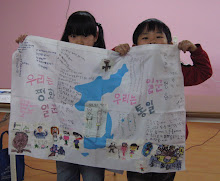
![[URGENT PLEA: In Update] EMERGENCY in GANGJEONG Since AUG. 24, 2011](https://blogger.googleusercontent.com/img/b/R29vZ2xl/AVvXsEiQvpaNf6EePZVucu97_JphYsFS5IgumnSiA4YAmen1PZcim6vMmW7XjZ7J6nLh-Cu36mwBN5n1evrA3ey0vYMpwlAGsgnSFggv6a1w4Qx9BvvqOB0hy0BIcBkL2Exfs3zIxBsBuDGa1kzg/s227/jejusit.jpg)


![[Solidarity from Japan for the Jeju] 253 individuals and 16 groups/organizations](https://blogger.googleusercontent.com/img/b/R29vZ2xl/AVvXsEivji7100kBkr0hzvqYfh4IBBilkZ6XgDIg89jOxS6kTssxsVKC6Wm-fZbKOEsiy3zcO-9gW6GHspD5R_2C9WsGx5S1Z5VPj_OVRF7H6dxdaT0S-2H1eqsDsYvIwOV26VscxTHnKmP5iZmh/s227/jeju_12_10j.jpg)

![[Translation] Korean organizations' statement: Immediately cancel the joint ROK-US drill Nov 26](https://blogger.googleusercontent.com/img/b/R29vZ2xl/AVvXsEgfKDMo-qyEjm5asUtHlREyJY_5Ou-2tyB8SH6aUxiViRbbKR-8W_rirFiGp5DYSoD_KaeNOPMWR0af0ZPUIbJKmR89ImDvADHsGAIqsJVBvJNBEIl5wLd3G_zhPDW3Z2SxsHXadOsXe8st/s227/1.jpg)
![HOT! [Hankyoreh Hani TV] Beneath the Surface: the investigation into the sinking of the Cheonan](https://blogger.googleusercontent.com/img/b/R29vZ2xl/AVvXsEh80rL3Qv9GnfHSqbYMfivdqX5gZN-1O_VQj3A_Gk3yjWdybHwJCsprA3l6cEQB0cYCP2oNeaLo2ohLGIy0Uqqkv_fRkBevGJ2f-qkKD5eP1ZGsKeQ-r-jHUUb79WvucIN7hpEtXza4xXCL/s227/HaniTV+Cheonan.gif)


![[Translation]Statement against illegal inspection and unjust lay-off by the Kunsan USAFK!(Nov_2010)](https://blogger.googleusercontent.com/img/b/R29vZ2xl/AVvXsEg3JlQ-lreusCIJo5Yv2e3ZrRwrSMUE7UQxlrDVjmBehl0Pa24QZIAbZ5vUpgnnExbkKL9PdCwxVYSHWJkr_XK0FM4EhU3CMFhqfborVNu_p4v3bEFpNm3ia-aEHnvMMuEBI27aB7_BETuJ/s227/gunsan+protest.gif)
![[Translation] Korean organizations' statement against dispatching special force to the UAE on Nov.](https://blogger.googleusercontent.com/img/b/R29vZ2xl/AVvXsEiU7TNhTDLLwZkKP0Z78JsCZKp6je-QSFll3_ThmLES_y_nPLXEzeakrsZXoNxhN5blopEhy6xGV2tneJrniPdTR-JvOQMmSLr_HhlucxFvbusxk4oKvvMO2laBOHSIkB9OOeOxrQlqCA0O/s227/antiwarpeace.jpg)
![[Translation] Stop, Joining MD!: South Korean activists' statement and writing on Oct. 25, 2010](https://blogger.googleusercontent.com/img/b/R29vZ2xl/AVvXsEggGIHVei8j7LCJPJB5HIrspd942q436daNTquP-pFd45Cl70Ml_1JFiFDHgKu6FcoqNgFVKIFqjeuSPau2k_BwGHhx0cqFFL2-4ybZSTlmua0_AsERBtKYQa7jZk7uNj41LX6rj2vksHbo/s227/StopMD.jpg)
![[In Update] People First, NO G-20 (Nov. 6 to 12, Korea)](https://blogger.googleusercontent.com/img/b/R29vZ2xl/AVvXsEhZl8VTqeL7o2ndliGIE-sZFCikbTgfB9KCc3AtZvDaYijBBEhdfultMEOpyrCaD5gzpH8mqfWjU20KXMbSUl-5KM7yQeHU6z3BWV8tiOy4UKaCudz9VKWoi5x58xdC_gQpJTjkR5u7O9xf/s227/left21_G20.jpg)
![[International Petition] Stop US helipad plan in Okinawa to save great nature](https://blogger.googleusercontent.com/img/b/R29vZ2xl/AVvXsEihgYmdb0N8ViPvTFC_5i-Psbt4eX_LnAUEOtZkUngv_pGvRyWag1r6W60NicLLyTgWq-sPT1hBxLY5SadEIVv5McfZQ5uIhe-W0VoflQNqojsYZjFW6AH-gB1jsmSDGnGuKIFk2UkvNbFG/s227/yanbaru_w.jpg)
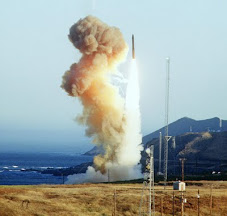
![[Global Network] against the first launch of Quasi-Zenith Satellite, Japan, on Sept. 11, 2010](https://blogger.googleusercontent.com/img/b/R29vZ2xl/AVvXsEj2sYpfodDDMIA7qXwuda0DmKapxXFB479fDnn8RKy7QNZqz0VEvWucNd-DleZ37hWNXC-Z8QtaqtM37VuPwac5SgclJ9_khBBSWOedvm19MRXIP1j1kcWrK6EW5IFjQdEEY2h7E6xuyNvC/s227/Qzss-45-0_09.jpg)
![[In update] Some collections on the Koreans’ protests against the sanction & war on Iran](http://4.bp.blogspot.com/_gnM5QlRx-4c/TJMvke6t8zI/AAAAAAAAFO4/tamQ8LUnOOA/S227/No+Sanction+on+Iran.jpg)
![[Three International Petitions] to End the Korean war and peace treaty(or peace resolution)](https://blogger.googleusercontent.com/img/b/R29vZ2xl/AVvXsEhlohLVYtpCg7iMsZhNYY4hBbhTi2dIheHMHWLDph9X2y78cjgZV1LeSfUJeu80elhJm70Q9E059q72lK-spSPvsRG4bPuCDIytltJB9IH3mWt9OG98HqhnTsPakwhvNeoCFUgF1xoxQ2EZ/s227/border.jpg)


![[Collection of Documents] No Base Learning and Solidarity Program_Korea(June 14 to 20, 2010)](https://blogger.googleusercontent.com/img/b/R29vZ2xl/AVvXsEix_HzjToh3nNGHBc-_5gasq-ykcaZ6GInLixILmZVyRJ5xoeHCxWOyYd9fSM7bmnuFsjSrYOGEPnQOwB1Dcyo-sN4Pw0cFPhUtKig_qlVnGL1Wi82ClvPqbEPWYhJiqdNF0DyzLIBETMB9/s227/No-Base-banner.jpg)
![Site Fwd:[John Hines] A U.S. Debate coach’s research trip on the Issues of Korea](https://blogger.googleusercontent.com/img/b/R29vZ2xl/AVvXsEg8yRra0zNhKHN74Auqhd3Nx9tZ7BWCGflRJHGH4CfzBT_yjhZ8Nl9b3OZuLpYWJ2exsjmR0oVl-Qq_cf832p2VdmOZhUi-lCFzCNeDSyVtweX1lWZPC-RlHmDMLtilHwHjNFTenBiM4Fk4/s227/Jeju-Peace-Tour.jpg)


![[News Update] Struggle Against the Jeju Naval Base since Jan. 18, 2010](https://blogger.googleusercontent.com/img/b/R29vZ2xl/AVvXsEhKfSTRC5QKBBSFIq_m7QIqXdlbL4-gF5GJYn9Q-pN__k7sV7uxGDcLY5L8xmU7QuWuUhBT_GhG-URBPO80RT3AfWfDrWJr06h1hFuZC6ZBVKe4U6PS1Cd7Kr6olO8TYQtk13Drox7IS6ea/s226/scrum1.jpg)


![[Urgent] Please spread the Letter!: There was no Explosion! There was no Torpedo! (May 26, 2010)](https://blogger.googleusercontent.com/img/b/R29vZ2xl/AVvXsEhSd2yWZ3xGwnJQXB73z5FgXCqSosAoB9_33-GLYprOmLqjmvgSAQp1BYI7e4slK1FDxHRi9KK4um-OpDaj8QOkXwAScVAgvvq6-ehbDA-hbkr96wT9oHNNmWnBPv8GU4hoZp9X8F9AZBX4/s227/grounded.jpg)
![Text Fwd: [Stephen Gowans]The sinking of the Cheonan: Another Gulf of Tonkin incident](https://blogger.googleusercontent.com/img/b/R29vZ2xl/AVvXsEi_L6hB3RZ1MovTXHe0A8yn_RfgMALGR0kM6poBuGp809xwvHtB_-PGWtS_WpyPWatyd9lB2pPqL2gOLc4dTCEdJ9sMvxJWEdapl-mMLm7WHAsV-jVpgqarVh8XBtdz_0c-Vohdh3HtJahD/s227/lee-myung-bak.jpg)
![[Japan Focus]Politics in Command: The "International" Investigation into the Sinking of the Cheonan](https://blogger.googleusercontent.com/img/b/R29vZ2xl/AVvXsEiHmTo8v-uCJnabRhMdnBAkC9J3s5bb2JsDKiT5leJHwbK8IDJHxfJmqQ_C0Is_bPC6UGMf05CA0exF2y4r2x9RhFUHT0kjsKviaME_MZXKnq775UyYAdb7w2SAzE75XvBfHp1al2q6i3cf/s227/wen_jiabao_and_lee_myungbak.png)
![[Japan Focus] Who Sank the SK Warship Cheonan? A New Stage in the US-Korean War and US-China](https://blogger.googleusercontent.com/img/b/R29vZ2xl/AVvXsEiKSS5ULT5QBaMGYpXXqBMX9jtwLwMLuK469b6Ku72GTJYKUObzTANaPjZqvvpPzYMJgPF53sjhvhK3DVa88ipYlggsJageykXlkxY6s8TW05xcU-_vfhf-pACUoaWuFbT-fsU1qEhm_yIi/s227/buoy_map.gif)
![[Updated on 12/13/10] [Translation Project] Overseas Proofs on the Damages by the Military Bases](https://blogger.googleusercontent.com/img/b/R29vZ2xl/AVvXsEikADE6JovUNspQyZUWVMTLAQg7yQNqXpVUbqZPk8f4uc_1723_xm1Cco6WAmstQXVPnaJAcb1mZA8Ny_3xONT_f5uh8MNLPnUhtqdGgy3HCtC1Vbbz4Q0ZY1Cssu-4cJEVNdrvznbS5UzO/s227/missile.jpg)
![[International Petition] Close the Bases in Okinawa](https://blogger.googleusercontent.com/img/b/R29vZ2xl/AVvXsEhNpQiHklwFbWVlFK7GDFXnBSOOSFEj3Il-We-N3uTDldKiidL2NGZs7X_LtTnatzTo_r8CexRkFe8NhfxYqmgp1knEEslROTfNjI5_mSb57cdbhPkftvanveYBaevAD9xuKDGoIxiTwoSb/s227/2.jpg)
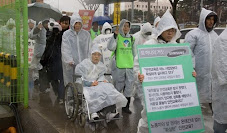
![[In Update]Blog Collection: No Korean Troops in Afghanistan](https://blogger.googleusercontent.com/img/b/R29vZ2xl/AVvXsEjjEmCRXSNAG7_QBxKWbdksmxoWR4nyAovQTTdR1G2AuXh0jxtqNkI9OmYgYWRoLAJShvtBvE840QXuBWSVh3u3zMYqkNAFX6OWy3m5Nur4HM7uNK-pKT1ycyApJp-VLyhIFRRcoisYAh0E/s226/No-Troops-to--Afghanistan.jpg)


