Korea Times
Conspiracy theory on Lotte whodunit
By Jung Sung-ki
A spy break-in of an Indonesian special envoy’s hotel room in Seoul last week made headlines here and abroad and cast doubts on a number of angles.
On the operational side, the state spy agency, the National Intelligence Service (NIS), was rightly scorned. Its maneuvers to obtain information on Indonesia’s plans, including the potential purchase of T-50 Golden Eagle supersonic trainer aircraft, jointly developed by Korea Aerospace Industries (KAI) and Lockheed Martin of the United States were amateurish.
As for the political side, suspicion erupted about a test of authority between the NIS and the Defense Security Command (DSC), the military’s top intelligence-gathering branch. The two agencies have competed hard to gain up-to-date information about arms sales, which President Lee Myung-bak has called a new growth engine.
Some political insiders and intelligence officials depicted the spy scandal as the results of a simmering power game in the NIS between those supporting NIS chief Won Se-hoon and a group allegedly under the command of President Lee’s elder brother, Lee Sang-deuk.
The media was the subject of debate for making public the details of the botched intelligence operation at the risk of a diplomatic feud.
In all events, the finger was pointed at the NIS in the end for “harming national interest” on T-50 export negotiations that may have been close to a final agreement.
Citing unidentified government sources, many local newspapers claimed the bungled espionage attempt would likely deal a fatal blow to Seoul’s first chance of selling the luxury trainer jet.
It seems they took it for granted that Jakarta was in favor of the $25 billion Korean aircraft over Russia’s subsonic Yak-130 in its advanced trainer aircraft contest to buy 16 planes.
At this point, I can’t help raising my own doubt: Did Indonesia came close to buying the T-50?
From a nationalistic point of view, I hope that they did. But from a journalistic perspective, I can say that’s not the case now.
I’m not against the T-50, but no decision has been made by Indonesia regarding the aircraft, and the prospects for its export remain bleak due mainly to the jet’s high price tag, according to high-ranking officials at the Defense Acquisition Program Administration (DAPA), the NIS and the DSC.
After returning from Indonesia in December, former DAPA Commissioner Chang Soo-man, who stepped down last week over a bribery scandal, admitted that the T-50 sale to Indonesia had virtually failed because Jakarta was negative about the Golden Eagle’s high price tag and was being lobbied intensively by the Kremlin. Chang was a key member of President Lee Myung-bak’s delegation at the time.
“When President Lee and (Susilo Bambang) Yudhoyono held a summit, I sat just beside them and listened carefully to their conversation, hoping that the Indonesian leader would mention something about the T-50. But I couldn’t hear any mention of the ‘T’ word, and President Lee was also very disappointed,” Chang recalled in a meeting with reporters.
Following the trip Lee ordered efforts to speed up the privatization of the KAI, as his patience was wearing thin over exporting the T-50. The Korea Finance Corp. subsequently announced plans to sell its 30.1 percent stake in KAI by the year’s end.
On top of that, the head of state is said to have directed an audit of the KAI to look into alleged management failures in exporting the T-50.
A DAPA official in charge of weapons exports also voiced concerns on the outlook for T-50 sales.
“We’ve not engaged in specific negotiations with Indonesians over the T-50, and Indonesia hasn’t given any positive signal for the aircraft purchase,” said the official. “There were a few discussions about the T-50 when the Indonesian delegation visited Seoul last week. I don’t know why such groundless reports have been published, and I’m worried that such hasty action could provoke a backlash in negotiations.”
The T-50 is South Korea’s flagship weapons system and its export will serve as a springboard for the country to quadruple overseas arms sales to $4 billion by 2020 and become a top seven weapons exporter.
Against that backdrop, Cheong Wa Dae could be pressed to make the first sale of the T-50 and show off the CEO-turned-President’s business skills, following the back-to-back defeats in attempts to sell the Golden Eagle to the United Arab Emirates and Singapore.
One more conspiracy theory occurs to me. Are Lee’s office and KAI smiling behind the scenes because they’ve shifted the blame for an anticipated failure in sales of the T-50 to Indonesia to the NIS? More conspiracy theories may be conjured up before this spy saga ends.
gallantjung@koreatimes.co.kr
Showing posts with label Korea Aerospace Industries. Show all posts
Showing posts with label Korea Aerospace Industries. Show all posts
Tuesday, March 22, 2011

Sunday, February 6, 2011
[Jeju Update] Samsung workers, Samsung, and the Jeju naval base 삼성 노동자들, 삼성, 그리고 제주 해군 기지
* 본문 국문은 영문 밑을 보시길.
 * Image source: Ku Do-Hee, Voice of People, Feb. 4, 2011 민중의 소리 구도희 기자, 2011년 2월 4일(클릭)
'portrait of Kim Joo-Hyun, the deceased Samsung worker in mortuary
'빈소에 있는 고 김주현 노동자의 초상'

* Image source: Samsung General Labor Union, Jan. 26, 2011 삼성 일반 노조 웹사이트, 2011년 1월 26일(클릭)
' Workers and activists have been doing relay one-man protest in front of the Samsung factories in Suwon and Cheonan, every Wednesday, to demand the withdrawal of unjust lay-off of a worker who claimed for company's acknowledgement on labor union.'
'노동자들과 활동가들은 수원, 천안 삼성 공장 앞에서 매부 수요일, 노조 인정을 요구했던 한 노동자의 부당 해고 철회를 요구하며 매주 일인 시위를 벌이고 있습니다.'
________________________________________
Despite New Year holidays (Feb. 2 to 6) in lunar calendar in Korea, there are people who cannot enjoy them. The bereaved family members of the deceased Mr. Kim Joo-Hyun, a worker in the Samsung Electronics LCD, City of Cheonan are part of those.
Even though, it was Jan. 11 when Mr. Kim Joo Hyun made suicide by jumping from the rooftop of the factory dormitory, his family members are still keeping mortuary where his portrait is still being placed on, demanding acknowledgement and apology from Samsung for the cause of Kim’s death. The investigations on the cause of his death, such as excessive working time and on company's negligence on his suicide have been still going on as well, the Voice of People reports.
The Stop Samsung blog has reported on Jan. 14:
‘He suffered from skin disease due to chemicals and depression because of severe job stress. This shocking news is even more disturbing since it follows a rash of similar suicides by young workers at the Foxconn factory in China and inspires us to increase our determination to bring justice for the Samsung workers and families. He is the second suicide at Samsung this month! See the article by Elizabeth Grossman HERE for more background and details. In memory of Kim Joo hyun, we ask that you join the Samsung Accountability Campaign on the Causes page HERE.'
For Samsung workers’ occupational deaths and protests, see HERE and HERE as well.
Samsung is not only infamous for its no-labor union policy but also for its omnipotent abuse of power throughout South Korea. The Republic of Korea is called as the Samsung Republic in satire.
Samsung is also involving in Korea Aerospace industries along with Hyundae (The current president Lee Myung-Bak is originally from Hyundae) and Daewoo etc., producing and exporting many weapon systems, for example its branch, Samsung Tales, the South Korea's leading maker and exporter of naval combat systems.
It has been alarming when the Jeju media (Jeju Sori1, Jeju Sori 2, Media Jeju) reported that the Jeju Island government had made contract for partnership with Samsung C & T to achieve export of 1trillion won on Jan. 21, 2011.
It reported that the Jeju Island and Samsung made contact to collaborate on scouting for bright export goods, supporting for foreign marketing and inheriting on export know-how for the Jeju Island government officers.
The Samsung C & T is told to be the matrix of Samsung with its total sale price exceeding 10 trillion 876 billion won last year, which is near four times of the Jeju Island budget this year. It was also told that all the information and resources acquired during the process of execution on the agreement conclusion would be ‘absolute secrete.’
Further, the Samsung C & T has made contract with the navy for the naval base construction along with Daerim who is involving the construction on space museum through its consortium. The Samsung C & T is also being involved in KEPCO (Korea Electric Power Corporation) consortium along with the KEPCO, Hyundae and Doosan Heavy Industry, which has made contract with the United Arab Emirates on nuclear power plant in Dec. , 2009.
Jan. 21 was the next day when the Jeju media reported the contradictory decision by the members of the special committee on the settlement of the conflict on naval base, Island Council, who were told to have decided to urge the prime minister for earlier legislation on the revised bill on the Jeju special law which included the support basis on the Jeju naval base, while 40% of the members had voiced on the unjust process on the annulment of the absolute preservation areas in the Gangjeong village.
The Samsung, supporting the drive by the central and Jeju Island government, Jeju Island Council for Jeju being one of the seven wonders of nature, is grasping the Jeju Island, as it has wielded power throughout South Korea. Please watch Samsung. Please boycott Samsung product in your countries and if you can, protest on its oppression of workers and involvement in the Jeju naval base construction.
음력 새해 휴일(2월 2일에서 6일) 에도 불구, 휴일을 즐길 수 없는 사람들이 있습니다. 천안시 삼성 전자 LCD의 고인이 된 노동자 김주현님의 가족들이 그 일부입니다.
김주현님께서 공장 기숙사 옥상에서 뛰어내림으로서 자살한 것은 1월 11일이었음에도 불구, 그의 가족들은 김씨의 죽음의 원인에 대해 삼성이 인정하고 사과할 것을 요구하며 그의 영정이 아직 안치되어 있는 빈소를 지키고 있습니다. 민중의 소리는 과도한 노동 시간, 그의 자살에 대한 회사의 회피등 그의 죽음의 원인에 대한 조사들도 아직 진행되고 있는 중이라고 보도합니다.
스탑 삼성 블로그는 1월 14일 보도한 바 있습니다:
그는 화학 물질들로 인한 심각한 피부병과 과도한 직장 스트레스로 인한 우울로 괴로워했습니다. 이 충격적 소식은 중국 팍스콘 공장에서의 젊은 노동자들의 유사한 다발적 자살뒤에 이어진 것이기 때문에 한층 괴로운 것으로 삼성에 정의를 가져오기 위한 결심을 확대하도록 우리의 열망을 불러일으킵니다. 그는 이달 두번째 자살자입니다. 좀더 자세한 배경과 세부는 엘리자베쓰 그로스의 기사를 여기서 보시길. 김주현님을 기억하며 ‘원인들에 대한 삼성 감시 캠페인’ 페이지는 여기를 보시길 부탁드립니다.
삼성 노동자들의 직업병에 의한 사망과 항의들은 또한 여기와 여기를 보시길.
삼성은 무노조 정책뿐만 아니라 남한 전체를 통하여 무소불위의 권력 남용으로도 악명이 높습니다. 대한민국은 삼성 공화국으로 풍자화됩니다.
삼성은 현대(현재 이명박 대통령은 원래 현대에서 왔음)와 대우 등과 함께 한국 우주 항공 산업에 참여하면서 많은 무기 시스템들을 생산하고 수출하는데 그 예로서 남한의 해군 전투 시스템을 주도적으로 생산하고 수출하는 지회사인 삼성 탈레스가 있습니다.
2011년 1월 21일 제주 언론 (제주 소리1, 제주 소리 2, 미디아 제주)이 제주도정이 삼성 물산과 1조원 수출을 달성하기 위해 삼성과 협력 계약을 맺었다고 보도했을 때 그것은 경계할만한 것이었다.
제주 언론은 제주도와 삼성이 유망 수출 상품 발굴, 해외 시장 지지, 그리고 제주 도정 공무원들에게 수출 노하우를 전수하는 것을 협력하기 위한 계약을 했다고 보도했습니다.
삼성 물산은 작년 총매출액이 1조 8760억원 가량을 초과하는 것과 더불어 삼성의 모태라 하는데 그것은 올해 제주도 예산의 4배에 가까운 것이라 합니다. 또한 협약 체결 실행 과정 동안 획득되는 모든 정보와 자료들은 ‘절대 비밀’이라고 합니다
게다가 삼성 물산은 콘소티움을 통해 참여하는 우주 박물관 건설에 관여하는 대림과 함께 해군 기지 건설을 위해 계약을 한바 있습니다. 삼성 물산은 또한 한국 전력, 현대, 두산 중공업과 함께 2009년 12월 유나이티드 아랍 에미레이츠와 원자력 공장 수출 계약을 맺은 한국 전력 콘소티움에 참여하고 있습니다.
1월 21일은 제주 언론이 도의회 해군 기지 갈등 해소를 위한 특별 위원회의 모순되는 결정을 보도한 다음날인데 40 % 가량의 회원들이 강정 마을 절대 보전 지역들 해제의 부단한 과정에 대해 목소리를 냈던 바 있던 특위는 제주 해군 기지 지지 근거를 포함한 제주 특별법에 대한 개정안의 이른 입법화를 총리에게 촉구하기로 결정하기로 알려졌습니다.
제주가 7대 경관이 되기 위한 중앙 정부, 제주 도정, 제주 도의회의 추진을 지지하는 삼성은 자신이 남한을 통틀어 권력 행세를 하였던 것처럼 제주도를 움켜쥐고 있습니다,. 삼성을 감시하길. 여러분들 나라 삼성 제품들을 보이콧하고 하실 수 있다면 삼성의 노동자들에 대한 탄압과 제주 해군 기지 건설 참여에 항의하길 부탁드립니다.
 * Image source: Ku Do-Hee, Voice of People, Feb. 4, 2011 민중의 소리 구도희 기자, 2011년 2월 4일(클릭)
 'portrait of Kim Joo-Hyun, the deceased Samsung worker in mortuary
'빈소에 있는 고 김주현 노동자의 초상'

* Image source: Samsung General Labor Union, Jan. 26, 2011 삼성 일반 노조 웹사이트, 2011년 1월 26일(클릭)
' Workers and activists have been doing relay one-man protest in front of the Samsung factories in Suwon and Cheonan, every Wednesday, to demand the withdrawal of unjust lay-off of a worker who claimed for company's acknowledgement on labor union.'
'노동자들과 활동가들은 수원, 천안 삼성 공장 앞에서 매부 수요일, 노조 인정을 요구했던 한 노동자의 부당 해고 철회를 요구하며 매주 일인 시위를 벌이고 있습니다.'
________________________________________
Despite New Year holidays (Feb. 2 to 6) in lunar calendar in Korea, there are people who cannot enjoy them. The bereaved family members of the deceased Mr. Kim Joo-Hyun, a worker in the Samsung Electronics LCD, City of Cheonan are part of those.
Even though, it was Jan. 11 when Mr. Kim Joo Hyun made suicide by jumping from the rooftop of the factory dormitory, his family members are still keeping mortuary where his portrait is still being placed on, demanding acknowledgement and apology from Samsung for the cause of Kim’s death. The investigations on the cause of his death, such as excessive working time and on company's negligence on his suicide have been still going on as well, the Voice of People reports.
The Stop Samsung blog has reported on Jan. 14:
‘He suffered from skin disease due to chemicals and depression because of severe job stress. This shocking news is even more disturbing since it follows a rash of similar suicides by young workers at the Foxconn factory in China and inspires us to increase our determination to bring justice for the Samsung workers and families. He is the second suicide at Samsung this month! See the article by Elizabeth Grossman HERE for more background and details. In memory of Kim Joo hyun, we ask that you join the Samsung Accountability Campaign on the Causes page HERE.'
For Samsung workers’ occupational deaths and protests, see HERE and HERE as well.
Samsung is not only infamous for its no-labor union policy but also for its omnipotent abuse of power throughout South Korea. The Republic of Korea is called as the Samsung Republic in satire.
Samsung is also involving in Korea Aerospace industries along with Hyundae (The current president Lee Myung-Bak is originally from Hyundae) and Daewoo etc., producing and exporting many weapon systems, for example its branch, Samsung Tales, the South Korea's leading maker and exporter of naval combat systems.
It has been alarming when the Jeju media (Jeju Sori1, Jeju Sori 2, Media Jeju) reported that the Jeju Island government had made contract for partnership with Samsung C & T to achieve export of 1trillion won on Jan. 21, 2011.
It reported that the Jeju Island and Samsung made contact to collaborate on scouting for bright export goods, supporting for foreign marketing and inheriting on export know-how for the Jeju Island government officers.
The Samsung C & T is told to be the matrix of Samsung with its total sale price exceeding 10 trillion 876 billion won last year, which is near four times of the Jeju Island budget this year. It was also told that all the information and resources acquired during the process of execution on the agreement conclusion would be ‘absolute secrete.’
Further, the Samsung C & T has made contract with the navy for the naval base construction along with Daerim who is involving the construction on space museum through its consortium. The Samsung C & T is also being involved in KEPCO (Korea Electric Power Corporation) consortium along with the KEPCO, Hyundae and Doosan Heavy Industry, which has made contract with the United Arab Emirates on nuclear power plant in Dec. , 2009.
Jan. 21 was the next day when the Jeju media reported the contradictory decision by the members of the special committee on the settlement of the conflict on naval base, Island Council, who were told to have decided to urge the prime minister for earlier legislation on the revised bill on the Jeju special law which included the support basis on the Jeju naval base, while 40% of the members had voiced on the unjust process on the annulment of the absolute preservation areas in the Gangjeong village.
The Samsung, supporting the drive by the central and Jeju Island government, Jeju Island Council for Jeju being one of the seven wonders of nature, is grasping the Jeju Island, as it has wielded power throughout South Korea. Please watch Samsung. Please boycott Samsung product in your countries and if you can, protest on its oppression of workers and involvement in the Jeju naval base construction.
음력 새해 휴일(2월 2일에서 6일) 에도 불구, 휴일을 즐길 수 없는 사람들이 있습니다. 천안시 삼성 전자 LCD의 고인이 된 노동자 김주현님의 가족들이 그 일부입니다.
김주현님께서 공장 기숙사 옥상에서 뛰어내림으로서 자살한 것은 1월 11일이었음에도 불구, 그의 가족들은 김씨의 죽음의 원인에 대해 삼성이 인정하고 사과할 것을 요구하며 그의 영정이 아직 안치되어 있는 빈소를 지키고 있습니다. 민중의 소리는 과도한 노동 시간, 그의 자살에 대한 회사의 회피등 그의 죽음의 원인에 대한 조사들도 아직 진행되고 있는 중이라고 보도합니다.
스탑 삼성 블로그는 1월 14일 보도한 바 있습니다:
그는 화학 물질들로 인한 심각한 피부병과 과도한 직장 스트레스로 인한 우울로 괴로워했습니다. 이 충격적 소식은 중국 팍스콘 공장에서의 젊은 노동자들의 유사한 다발적 자살뒤에 이어진 것이기 때문에 한층 괴로운 것으로 삼성에 정의를 가져오기 위한 결심을 확대하도록 우리의 열망을 불러일으킵니다. 그는 이달 두번째 자살자입니다. 좀더 자세한 배경과 세부는 엘리자베쓰 그로스의 기사를 여기서 보시길. 김주현님을 기억하며 ‘원인들에 대한 삼성 감시 캠페인’ 페이지는 여기를 보시길 부탁드립니다.
삼성 노동자들의 직업병에 의한 사망과 항의들은 또한 여기와 여기를 보시길.
삼성은 무노조 정책뿐만 아니라 남한 전체를 통하여 무소불위의 권력 남용으로도 악명이 높습니다. 대한민국은 삼성 공화국으로 풍자화됩니다.
삼성은 현대(현재 이명박 대통령은 원래 현대에서 왔음)와 대우 등과 함께 한국 우주 항공 산업에 참여하면서 많은 무기 시스템들을 생산하고 수출하는데 그 예로서 남한의 해군 전투 시스템을 주도적으로 생산하고 수출하는 지회사인 삼성 탈레스가 있습니다.
2011년 1월 21일 제주 언론 (제주 소리1, 제주 소리 2, 미디아 제주)이 제주도정이 삼성 물산과 1조원 수출을 달성하기 위해 삼성과 협력 계약을 맺었다고 보도했을 때 그것은 경계할만한 것이었다.
제주 언론은 제주도와 삼성이 유망 수출 상품 발굴, 해외 시장 지지, 그리고 제주 도정 공무원들에게 수출 노하우를 전수하는 것을 협력하기 위한 계약을 했다고 보도했습니다.
삼성 물산은 작년 총매출액이 1조 8760억원 가량을 초과하는 것과 더불어 삼성의 모태라 하는데 그것은 올해 제주도 예산의 4배에 가까운 것이라 합니다. 또한 협약 체결 실행 과정 동안 획득되는 모든 정보와 자료들은 ‘절대 비밀’이라고 합니다
게다가 삼성 물산은 콘소티움을 통해 참여하는 우주 박물관 건설에 관여하는 대림과 함께 해군 기지 건설을 위해 계약을 한바 있습니다. 삼성 물산은 또한 한국 전력, 현대, 두산 중공업과 함께 2009년 12월 유나이티드 아랍 에미레이츠와 원자력 공장 수출 계약을 맺은 한국 전력 콘소티움에 참여하고 있습니다.
1월 21일은 제주 언론이 도의회 해군 기지 갈등 해소를 위한 특별 위원회의 모순되는 결정을 보도한 다음날인데 40 % 가량의 회원들이 강정 마을 절대 보전 지역들 해제의 부단한 과정에 대해 목소리를 냈던 바 있던 특위는 제주 해군 기지 지지 근거를 포함한 제주 특별법에 대한 개정안의 이른 입법화를 총리에게 촉구하기로 결정하기로 알려졌습니다.
제주가 7대 경관이 되기 위한 중앙 정부, 제주 도정, 제주 도의회의 추진을 지지하는 삼성은 자신이 남한을 통틀어 권력 행세를 하였던 것처럼 제주도를 움켜쥐고 있습니다,. 삼성을 감시하길. 여러분들 나라 삼성 제품들을 보이콧하고 하실 수 있다면 삼성의 노동자들에 대한 탄압과 제주 해군 기지 건설 참여에 항의하길 부탁드립니다.
Thursday, January 20, 2011
[Jeju Update] Is the Jeju Island on the way of high-tech space center?
___________________________________________________
* See also Organizing Notes, Breaking the Rocks(Jan. 20, 2011)
* Thanks, M.S. Anatakara, for the translation in Japanese
* Thanks, Martha Duenas, Guam, for spreading info.
___________________________________________________
 * Image source: Sisa Jeju, Jan. 19, 2011 시사 제주, 2011년 1월 19일
▲ Scene of the field offices, Jeju naval base business/ photo= Jeju naval base business committee
▲ 제주해군기지건설사업 부지 현장사무실 모습/사진=제주해군기지사업단 제공
 * Image source: Kim Tae-Hong, Jeju Hwangyung (* Environmemt) Ilbo, Jan. 18, 2011
_________________________________________
It was known that the naval base business committee has been considering the ‘simple’ opening ceremony on the ‘field offices’, in which the navy and personnel related to building companies join.
It was known that the committee has decided its inner policy to complete all the constructions on the Jeju naval base by the end of 2014.
Even though the Gangjeong Village People’s Council have requested the navy and government to stop construction during the period of appeal [against the Jeju local court decision on Dec. 15, 2010 when the lawsuit on the cancellation on the annulment of absolute preservation areas was dismissed by that court that made reason of improper qualifications of the plaintiffs (the Gangjeong villagers)] on Jan. 7, the navy has delivered the village its official letter in which it rejected the villagers’ demand, for the reason of construction delay and cost following it on Jan. 17.
The civic organizations against naval base are also planning more vital activities.
The Pan-Island Committee for the Prevention of the Jeju Military Base and for the Realization of Peace Island starts relay one man protest in front of the Island Hall from Jan. 24, separately from the villagers’ own relay one man protest.
It was also known that it was planning pan-Korean appeal movement to denounce the [Dec. 15] court decision of dismissal of the plaintiffs (the villagers) on the lawsuit on the absolute preservation areas, which had been filed by the villagers, by connecting with social organizations in the other areas.
Even though the controversy on the naval base is currently being processed, it is pointed out that the Jeju Island government and Island Council who should mediate are only waiting and seeing.
Otherwise, according to the Jeju Hwankyung (* meaning Environment) Ilbo, Byon Jeong-Il, the President of the Jeju Free International Development City Development Center (JDC, afterward) has announced on Jan. 18 that the center would make the Jeju Aero Space Museum [that would be completed in 2013, according to plan] as one of the famous tourism sites while he announced the center’s initiative for 2011.
The Seogwipo Daily Newspaper has reported on March 23, 2010 that the Daerim inc. consortium was selected as the company to build the ‘Aerospace museum’ in Seokwang-ri, Anduk-myeon [1gich is 40 minutes car distance from the Gangjeong village], City of Seogwipo, Jeju Island. The Daerim inc. consortium is composed of Daerim Industry (42%), Hanwha Construction (20%), Hwasung Industry (18%) and other two companies(each 10%)
Daerim Inc. is one of the companies, with Samsung, who have involved in the Yongsan tragedy, and is to take charge of the 1st construction part of bay & harbor for the planned Jeju naval base. Hanwha is infamous for the production & export of the cluster bombs.
The government and navy seem to have been very cautious not to leak the contents related to the military in the 'eco-friendly' economic development of the Jeju Island. But the recent flow shows that they are also working on the expansion and development of some harbors that could be strategic key points-such as Hawsoon, Moseulpo-under the name of civilian usage, which could be converted into military usage any time.
The sea lanes between Pyeongtaek-Jeju and Kunsan-Jeju are also being developed. The Pyeongtaek and Kunsan are those key locations where the U.S. bases are located and being developed as the parts of the Missile Defense Belt in the West Sea (Yellow Sea).
The Jeju Island, not to mention of naval base currently in controversy seems to be secretly being driven for another center for the space facilities that can be surely imagined of military use.
Still, being ambitious with the prospect to be chosen as one of the seven wonders of nature in the world, the central government, Island government and Island Council seem to be intentionally silent on those important things through media control.
_________________________
See also
Sunday, March 28, 2010
Jeju Aerospace Museum in the Seogwipo City, by 2013?
Friday, June 11, 2010
Some points that should be Noticed from the failed Naro Rocket launch
Jeju Weekly
April 30, 2009
Towards Sky and Space, Jeju Aero Space Museum to be Built
* See also Organizing Notes, Breaking the Rocks(Jan. 20, 2011)
* Thanks, M.S. Anatakara, for the translation in Japanese
* Thanks, Martha Duenas, Guam, for spreading info.
___________________________________________________
 * Image source: Sisa Jeju, Jan. 19, 2011 시사 제주, 2011년 1월 19일
 ▲ Scene of the field offices, Jeju naval base business/ photo= Jeju naval base business committee
▲ 제주해군기지건설사업 부지 현장사무실 모습/사진=제주해군기지사업단 제공
 * Image source: Kim Tae-Hong, Jeju Hwangyung (* Environmemt) Ilbo, Jan. 18, 2011
 _________________________________________
According to the Sisa Jeju article on Jan. 19, 2011, the Jeju naval base business committee has said on Jan. 19 that construction on the field offices, which started with turmoil in which 34 people were arrested in their peaceful press interview against naval base construction on last Dec. 27, was finished.
The below is the translation of the article in part:
It was known that the naval base business committee has been considering the ‘simple’ opening ceremony on the ‘field offices’, in which the navy and personnel related to building companies join.
It was known that the committee has decided its inner policy to complete all the constructions on the Jeju naval base by the end of 2014.
Even though the Gangjeong Village People’s Council have requested the navy and government to stop construction during the period of appeal [against the Jeju local court decision on Dec. 15, 2010 when the lawsuit on the cancellation on the annulment of absolute preservation areas was dismissed by that court that made reason of improper qualifications of the plaintiffs (the Gangjeong villagers)] on Jan. 7, the navy has delivered the village its official letter in which it rejected the villagers’ demand, for the reason of construction delay and cost following it on Jan. 17.
The civic organizations against naval base are also planning more vital activities.
The Pan-Island Committee for the Prevention of the Jeju Military Base and for the Realization of Peace Island starts relay one man protest in front of the Island Hall from Jan. 24, separately from the villagers’ own relay one man protest.
It was also known that it was planning pan-Korean appeal movement to denounce the [Dec. 15] court decision of dismissal of the plaintiffs (the villagers) on the lawsuit on the absolute preservation areas, which had been filed by the villagers, by connecting with social organizations in the other areas.
Even though the controversy on the naval base is currently being processed, it is pointed out that the Jeju Island government and Island Council who should mediate are only waiting and seeing.
Otherwise, according to the Jeju Hwankyung (* meaning Environment) Ilbo, Byon Jeong-Il, the President of the Jeju Free International Development City Development Center (JDC, afterward) has announced on Jan. 18 that the center would make the Jeju Aero Space Museum [that would be completed in 2013, according to plan] as one of the famous tourism sites while he announced the center’s initiative for 2011.
The Seogwipo Daily Newspaper has reported on March 23, 2010 that the Daerim inc. consortium was selected as the company to build the ‘Aerospace museum’ in Seokwang-ri, Anduk-myeon [1gich is 40 minutes car distance from the Gangjeong village], City of Seogwipo, Jeju Island. The Daerim inc. consortium is composed of Daerim Industry (42%), Hanwha Construction (20%), Hwasung Industry (18%) and other two companies(each 10%)
Daerim Inc. is one of the companies, with Samsung, who have involved in the Yongsan tragedy, and is to take charge of the 1st construction part of bay & harbor for the planned Jeju naval base. Hanwha is infamous for the production & export of the cluster bombs.
The Korea Times has reported on May 5, 2009 as below:
“Tourist haven Jeju Island, famous for flowers, rocks and wind, could become a technology hub when an aerospace museum is completed by 2013.
The Ministry of Land, Transport and Maritime Affairs started construction at Shinhwa Park, Seogwipo, and Tuesday with a planned investment of some 130 billion won ($100 million) in the project.
The ministry, the Air Force and the Jeju Special Self-Governing Province have teamed up to bring the museum to fruition.
The 330,000-square-meter complex is to be composed of an ``experience center'' where people can try programs related to the space industry and view ``exhibitions'' showing basic information about air and space, which are still considered largely irrelevant to many people here.
Pilot training, simulators, entertainment facilities, training centers and a three-dimensional cinema and planetarium are to be built to attract the younger generation. A history museum focusing on Korean space studies and the Air Force will appeal to other age groups, the ministry said.
The museum surroundings will feature five theme parks where people can sit in aircraft exhibits.
“Tourist haven Jeju Island, famous for flowers, rocks and wind, could become a technology hub when an aerospace museum is completed by 2013.
The Ministry of Land, Transport and Maritime Affairs started construction at Shinhwa Park, Seogwipo, and Tuesday with a planned investment of some 130 billion won ($100 million) in the project.
The ministry, the Air Force and the Jeju Special Self-Governing Province have teamed up to bring the museum to fruition.
The 330,000-square-meter complex is to be composed of an ``experience center'' where people can try programs related to the space industry and view ``exhibitions'' showing basic information about air and space, which are still considered largely irrelevant to many people here.
Pilot training, simulators, entertainment facilities, training centers and a three-dimensional cinema and planetarium are to be built to attract the younger generation. A history museum focusing on Korean space studies and the Air Force will appeal to other age groups, the ministry said.
The museum surroundings will feature five theme parks where people can sit in aircraft exhibits.
Simulated Air Force combat, operational training and a military transport for soldiers are also to be exhibited.”
The remarkable thing in the current flow of the Jeju media is that there are little mentions on the military relationship to the current development projects by the JDC.
The remarkable thing in the current flow of the Jeju media is that there are little mentions on the military relationship to the current development projects by the JDC.
The government and navy seem to have been very cautious not to leak the contents related to the military in the 'eco-friendly' economic development of the Jeju Island. But the recent flow shows that they are also working on the expansion and development of some harbors that could be strategic key points-such as Hawsoon, Moseulpo-under the name of civilian usage, which could be converted into military usage any time.
The sea lanes between Pyeongtaek-Jeju and Kunsan-Jeju are also being developed. The Pyeongtaek and Kunsan are those key locations where the U.S. bases are located and being developed as the parts of the Missile Defense Belt in the West Sea (Yellow Sea).
The Jeju Island, not to mention of naval base currently in controversy seems to be secretly being driven for another center for the space facilities that can be surely imagined of military use.
Still, being ambitious with the prospect to be chosen as one of the seven wonders of nature in the world, the central government, Island government and Island Council seem to be intentionally silent on those important things through media control.
_________________________
Sunday, March 28, 2010
Jeju Aerospace Museum in the Seogwipo City, by 2013?
Friday, June 11, 2010
Some points that should be Noticed from the failed Naro Rocket launch
Jeju Weekly
April 30, 2009
Towards Sky and Space, Jeju Aero Space Museum to be Built
Monday, December 6, 2010
Text Fwd: UAW takes a stand against unfair treatment of Hyundai workers in South Korea 미 자동차 노조 연합 노동자들, 남한의 부당한 현대 노동자 처분에 반대해 연대
 * Image source: same as the link
'Korean autoworkers rally for their rights.'
 * Image source: same as the link
Police use pepper spray against Korean autoworkers.
_______________________________________________________________
* Text thankfully forwarded by Steve Zeltzer and then Lotus Fong during Dec. 5 to 6, 2010
United Automobile, Aerospace and Agricultural Implement Workers of America (UAW)
전미 자동차, 우주 항공 그리고 농업 이행 노동자들 연합(UAW)
UAW takes a stand against unfair treatment of Hyundai workers in South Korea
12/03/10
Frustrated by their temporary status, auto workers at a Hyundai Motor Co.mpany plant in Ulsan, South Korea, declared a strike on Nov. 15, and one desperate worker set himself on fire in protest of the company’s refusal to offer secure jobs. About 500 workers have since led an occupation of various plants in the Hyundai compound.
Plagued by unfair dismissals and miserably low wages, precarious workers, known in the United States as temporary or contract workers, are shutting down assembly lines to voice their discontent. The occupation of auto plants has resulted in company losses totaling $173 million as of Dec. 1. Mainly affected is production of the recently unveiled Hyundai Accent. Countless pre-orders on this new sub-compact vehicle have now been left unfilled.
The cost of Hyundai’s refusal to negotiate with striking workers increases exponentially every day. The estimated$225 million that a concession in this particular case would cost is not much more than the toll the work stoppage has taken so far, but the automaker is doubtlessly interested in longer term outcomes.
Hyundai is the fastest-growing company in the auto industry, and that means it’s quickly becoming a force to reckon with for companies like Toyota which is notorious for keeping temporary workers on low wages for years and dismissing them with ease.
To anyone interested in workplace fairness, the resolution of the Ulsan Hyundai workers’ strike is critical. It could either speed up progress toward ensuring global living wages, or provide a green light on the race to the bottom the auto industry began years ago – — with Toyota and Hyundai getting a head start.
READ MORE_______________________________________________________________
* See also FireDog Lake
UAW To Support NAFTA-Style Korea Free Trade, Sells Out Taxpayers Who Bailed Them Out
By: Jane Hamsher Friday December 3, 2010 8:25 pm
(* Text thankfully forwarded by Lee Jesse C. on Dec. 3 and Steve Zeltzer and then Lotus Fong during Dec. 5 to 6, 2010)
_______________________________________________________________
* Related blog
Sunday, December 5, 2010
Text Fwd: 12/6 Ann Arbor UAW demonstration organized by in support of striking precarious workers at Hyundai plant in Korea
미국 미시간 노동자들, 현대 파업 노동자들 지지
Monday, December 6, 2010
Text Fwd: KORUS FTA concessions part of MB’s U.S.-centered strategy, analysts say
분석가들은 한미 FTA가 이명박 정부의 미중심 전략에 부분적으로 양보했다고 말함
Thursday, November 4, 2010
Text Fwd: Spy plane development hits snag 백두 정찰기 사업 난항
 * Image & caption source: A plastic model of the Baekdu reconnaissance aircraft / Korea Times
Korea Times
Spy plane development hits snag
11-02-2010
Arms agency blamed for delaying procurement programs
By Jung Sung-ki
A plan to develop a new reconnaissance aircraft to gather North Korean signal intelligence (SIGINT) has hit a snag after one of the two contenders dropped its bid, a source said Tuesday.
The contender in question — Korea Aerospace Industries (KAI) — blamed the government for offering too small a budget and poor management of arms procurement programs, the source said.
As a result, the deployment of two Baekdu signal-intelligence (SIGINT) planes, which was originally planned for 2014, will be postponed, affecting the country’s pursuit of an independent intelligence, surveillance and reconnaissance capability to prepare for the 2015 transition of wartime operational command from the United States to Korea.
“KAI didn’t submit its proposal until the Oct. 29 deadline, while its competitor, Korean Air, presented its proposal to the Defense Acquisition Program Administration (DAPA),” the source told The Korea Times. DAPA was supposed to select the preferred bidder Nov. 5 after reviewing the proposals from the two aircraft companies.
According to the source, KAI believes the allocated budget of some 90 billion won ($80 million) is too small to develop an advanced SIGINT plane. The aircraft manufacturer also claims there are too many risks to meet the required operational capability of the high-tech plane.
“For example, the military has demanded that the new Baekdu aircraft be equipped with domestically-built SIGINT equipment,” said the source. “But local precision electronics makers — Samsung Thales and LIG Nex1 — have only developed SIGINT equipment for ships. They have to make the naval equipment suitable for aircraft.”
It’s rare to install a ship-based SIGINT device on a surveillance aircraft, he said.
The Air Force currently operates four Raytheon Hawker 800XP aircraft-based Baekdu SIGINT planes bought in 2000. Equipped with a remote control and signaling system, the Baekdu plane flies near the border with North Korea to gather signals intelligence.
Fitted with more advanced signal and communications equipment, the new Baekdu planes would be able to detect and gather signals from missile and nuclear sites in the North around the clock.
The fiasco of the Baekdu project is the latest in a series of delays in key arms procurement programs due to DAPA’s poor management.
DAPA has failed to conclude a deal on the purchase of up-to-date military transport planes due to a disagreement on the price of the product, according to industry sources.
The failure in the projected contract of the C-130J Super Hercules built by U.S. Lockheed Martin was largely due to a “miscalculation” of the program costs by the arms agency, they say.
“The agency was trying hard in recent months to revive the negotiations over the C-130J purchase, but there is a large gap between the DAPA-estimated costs and those presented by Lockheed Martin,” a foreign industry official said.
“DAPA focuses too much on low cost arms programs but often falls short of its goals of effectiveness and professionalism in arms acquisition,” the official said. “That’s good for South Korean interests in some sense, but you should keep in mind that the top priority for soldiers in the field is to get the right systems at the right time.”
He continued, “When a contract is delayed past the planned time frame or to next year, costs for spare parts, for example, are often readjusted, so price negotiations must begin from scratch.”
DAPA was also blamed for a legal dispute earlier this year over the Tactical Information Communication Network (TICN).
Samsung Thales, one of the main bidders for the 4 trillion won program, argued that the agency changed the standards of evaluation in an arbitrary manner in favor of its competitor LIG Nex1.
The company then filed for an injunction to prevent DAPA from proceeding with the program, and the court upheld the appeal.
Samsung Thales voluntarily withdrew its lawsuit last month to get the program going. But due to a year-long dispute, the development of TICN is to be postponed by a year to 2014.
TICN is a cutting-edge digital command-and-control and sensor-to-shooter battlefield system expected to replace the existing SPIDER communication systems run by the Army by 2020.
It is designed to advance into a high-speed, large-capacity, long-distance wireless relay transmission system. SPIDER can only transmit still images and voice data, but TICN allows for the integrated transmission of video, image and voice data at more than 10 times the current speed.
_______________________________________________
[단독] 백두 정찰기 사업 난항
- 잇따른 주요 무기사업 지연에 방위사업청 사업관리 능력 도마위에
정성기 기자
북한 미사일과 핵시설의 신호를 수집하는 정찰기 사업이 난항을 겪고 있는 것으로 확인됐다.
최근 잇따른 주요 무기체계 사업이 지연되거나 법률 소송에 휘말리는 등 방위사업청의 사업관리 능력에 대한 비판이 잇따르고 있다.
소식통에 의하면 신형 백두 정찰기 사업에 체계통합 업체로 참여할 예정이었던 한국항공우주산업(KAI)이 지난 10월 29일 마감 시한까지 입찰 제안서를 제출하지 않았다.
KAI측은 해당 사업의 예산이 너무 낮게 책정되어 있고 체계개발 방안이 국방과학연구소 주도에서 업체 주도로 갑자기 변경되는 등의 ‘리스크’를 이유로 든 것으로 알려진다.
결국 신형 백두 신호수집 정찰기를 2014년까지 2대 배치 하겠다는 계획에는 차질이 빚어질 것으로 보인다. 한국군은 2015년 전시작전권 전환에 맞춰 독자적인 정보수집, 감시, 정찰 능력을 강화하는데 힘쓰고 있으며 백두 정찰기 배치는 이러한 노력의 핵심 무기 사업이다.
소식통은 “KAI는 지난 29일 마감시한까지 입찰 제안서를 제출하지 않았고, 대한항공만 제출한 상태”라며 “원래는 11월 5일 우선협상 대상자를 선정할 계획이었으나 이에 차질이 빚어질 것으로 보인다”라고 말했다.
그는 “KAI측은 약 900억원 정도로 책정되어 있는 예산이 너무 적고 군이 요구하는 성능을 업체 주관으로 개발하는 데에는 리스크가 많다라는 이유로 입찰을 포기한 것으로 안다”라고 말했다.
소식통은 “예를 들어, 군에선 백두 정찰기에 국내개발된 SIGINT 장비 탑재를 원하고 있지만 현재 국내 개발업체인 삼성탈레스와 LIG Nex1은 함정용 SIGING장비만을 개발한 상태” 라며 “함정용 장비를 개조해 정찰 항공기에 탑재하는 것은 드문 일이기 때문에 성능에 대한 리스크가 분명히 있을 것”이라고 말했다.
신형 백두정찰기는 북한의 핵과 미사일 기지를 24시간 감시하며 신호를 탐지 및 수집하는 역할을 하게 된다.
백두 정찰기 사업과 같이 최근 주요무기 사업이 지연되는데에는 방사청의 사업 관리 부실에 책임이 있다는 지적이 일고 있다.
방사청은 올해 초 마무리를 짓기로 예정되어 있던 대형수송기 구매 사업도 가격 협상 실패로 난항을 겪고 있는 것으로 알려진다.
업계 관계자들은 애초부터 너무 낮은 가격으로 협상에 임하면서 C-130J 제조사인 록히드마틴사와 큰 입장 차를 보였다고 전한다.
한 외국 업계 관계자는 “방사청은 최근 C-130J 협상타결을 위해 최대한 노력했지만 양측의 가격차가 너무 커서 이견을 좁히는 데 어려움이 있는 것으로 안다”고 말했다.
그는 “방사청은 싼 가격으로 무기를 들여오는데 너무 집중하지만 결국 무기 도입의 효율성과 전문성에는 부족함을 드러내는 게 사실이다”라며 “싼 가격의 무기 도입은 국익에 일면 국익에 도움이 되긴 하겠지만, 야전에 배치된 병사들은 필요한 무기가 제때 들어오기를 바라는 점은 간과하고 있는 것”이라고 꼬집었다.
그는 또 “계약이 기한을 넘거나 한 해를 넘길 경우 부품 가격은 올라가거나 다시 재조정되야 하고 결국 가격 협상은 처음부터 다시 해야 하는 번거로움이 있다”라고 불만을 토로했다.
방사청의 사업관리 부실은 법률 소송으로 비화됐던 TICN 전술통신체계 사업에서 여실히 드러난다.
입찰업체였던 삼성탈레스는 방위사업청이 경쟁사인 LIG Nex1에게 유리하도록 평가 기준을 바꿨다는 점에 이의를 제기, 가처분 소송을 진행하기까지 이르렀다.
법원은 삼성탈레스의 입장에 손을 들어줬지만 지난달 업체 측이 자발적으로 소송을 취하하면서 논란은 일단락 됐다. 하지만 이와 같은 일년 간의 논쟁과 법률 소송으로 4조원 가량의 TICN개발과 전력화는 적어도 1년 가량 지연될 전망이다.
gallantjung@koreatimes.co.kr
Saturday, October 23, 2010
Text Fwd: KAI cries foul over selection of UAV maker 한국항공우주산업, 사단급 무인기 업체 선정 불복
__________________________________________________________
* 국문은 영문 밑으로 내려가세요.
삼성 탈레스에 관해서는 여기와 여기를 보세요.
__________________________________________________________
Korea Times
10-22-2010 15:59
KAI cries foul over selection of UAV maker
By Jung Sung-ki
Korea Aerospace Industries (KAI) has filed a complaint with the Defense Acquisition Program Administration (DAPA) about the selection of the preferred bidder to develop a medium-altitude unmanned aerial vehicle (UAV) to be operated by division-level Army units.
The complaint submitted Oct. 6 by state-owned KAI comes after the arms agency chose Korean Air’s Aerospace Division as the preferred bidder last month.
KAI argues that some classified information on the company’s proposal for the “D-UAV” program were leaked to Korean Air because one of its subcontractors engaged in dual contracts with both competitors.
KAI said it had signed an exclusive agreement with the subcontractor ― Samsung Thales (STC) Co. ― over the supply of the electro-optical (EO)/infrared (IR) sensor systems.
KAI demands the DAPA cancel the selection of the D-UAV developer and is considering bringing a civil suit against STC.
The DAPA and STC dismiss KAI’s claims.
“The D-UAV bidding was not a competition among consortiums of companies,” a DAPA official said. “So there’s nothing wrong with the selection of the D-UAV developer, and we reviewed all legal aspects of proposals presented by the competitors.”
Instead, the official said, KAI could have tried to compromise an environment of free competition in the defense industry by demanding a subcontractor for an exclusive contract. Such a move could be interpreted as a violation of the Monopoly Regulation and Fair Trade Act, the official noted.
The agency sent a message to KAI, rejecting the aircraft maker’s demand Oct. 12, he said.
“We’re concerned KAI’s complaint could delay the D-UAV program, a key arms development program for Seoul’s pursuit of a self-reliant defense posture,” he added.
STC denied the allegation that the company had been engaged in double contracts with KAI and Korean Air.
“Korean Air’s proposal didn’t categorize our company as an official subcontractor because we didn’t make any formal agreement with the firm,” an STC official said. “As a sole domestic supplier of the EO/IR sensor, we just had to open a possibility of cooperation with Korean Air.”
Korean Air officials say without cooperation with STC, the company planned to buy EO/IR sensors from Israel and the United States.
“We could buy foreign sensor systems, but that would eventually harm the competitiveness of the domestic defense industry. In that sense, KAI’s demand for an exclusive agreement with the sole supplier of key sensor systems was a self-centered move, a Korean Air official said.
Korean Air’s Aerospace Division will develop a tactical D-UAV by 2013 based on its KUS-9 concept model. About 30 sets of the D-UAV, with each set including four aircraft, a launcher and a ground-control station, will be deployed beginning 2014.
____________________________________________________
코리아 타임즈 국문: 같은 링크
KAI, 사단급 무인기 업체 선정 불복
정성기 기자
한국항공우주산업 (KAI)이 최근 방위사업청에 사단급 무인기 개발업체 선정에 대한 이의신청을 낸 것으로 확인됐다.
KAI는 지난 10월 6일 이와 같은 신청서를 제출하면서 협력업체인 삼성탈레스가 경쟁업체인 대한항공과 이중계약을 맺으면서 중요 제안서 정보가 유출됐다고 주장한 것으로 알려진다.
KAI는 삼성탈레스와 광학/적외선 센서 장비 공급에 대한 독점 계약을 맺었다고 주장하면서, 방사청이 사업자 선정을 취소하길 요구하고 있다. 삼성탈레스 측엔 민사 소송 제기를 검토하고 있는 것으로 알려진다.
방사청과 삼성탈레스 측은 이와 같은 주장을 정면 반박했다.
방사청의 한 관계자는 “사다급 무인기 개발은 컨소시움 경쟁이 아니다”라면서 “따라서 사업자 선정에는 문제가 없고 경쟁업체들이 제출한 제안서의 법률적 문제들도 모두 검토된 상태”라고 말했다.
이 관계자는 오히려 이와같은 협력업체와의 배타적 독점 계약은 국내 방산 시장의 경쟁력을 저하시킬 우려가 있다고 말하며, 해석하기에 따라서는 공정거래법 위반의 소지도 있다고 덧붙였다.
그는 또 방사청 입장에선 자주 국방력 강화의 중요 사업인 사단급 무인기 배치가 KAI의 이의제기로 인해 지연될 것을 우려하고 있다고 말했다.
삼성탈레스 역시 이중계약을 하지 않았다고 주장한다. 삼성탈레스 관계자는 “대한항공의 입찰 제안서에는 탈레스가 협력 업체로 지정되어 있지 않다”면서 “단지 국내 유일 광학.적외선 센서 공급 업체로서 향후 대한항공과의 협력 가능성을 열어 둔 것 일뿐”이라고 말했다.
대한항공 측은 “삼성탈레스와 협력이 없다면 외국 업체의 장비를 들여올 계획이었지만, 이는 결국 장기적으로 국내 방사 물자의 경쟁력을 저하시키는 일이 아니겠냐”며 반문했다.
gallantjung@koreatimes.co.kr
__________________________________________________________
* About Samsung Tales, see HERE and HERE.
* 국문은 영문 밑으로 내려가세요.
삼성 탈레스에 관해서는 여기와 여기를 보세요.
__________________________________________________________
Korea Times
10-22-2010 15:59
KAI cries foul over selection of UAV maker
By Jung Sung-ki
Korea Aerospace Industries (KAI) has filed a complaint with the Defense Acquisition Program Administration (DAPA) about the selection of the preferred bidder to develop a medium-altitude unmanned aerial vehicle (UAV) to be operated by division-level Army units.
The complaint submitted Oct. 6 by state-owned KAI comes after the arms agency chose Korean Air’s Aerospace Division as the preferred bidder last month.
KAI argues that some classified information on the company’s proposal for the “D-UAV” program were leaked to Korean Air because one of its subcontractors engaged in dual contracts with both competitors.
KAI said it had signed an exclusive agreement with the subcontractor ― Samsung Thales (STC) Co. ― over the supply of the electro-optical (EO)/infrared (IR) sensor systems.
KAI demands the DAPA cancel the selection of the D-UAV developer and is considering bringing a civil suit against STC.
The DAPA and STC dismiss KAI’s claims.
“The D-UAV bidding was not a competition among consortiums of companies,” a DAPA official said. “So there’s nothing wrong with the selection of the D-UAV developer, and we reviewed all legal aspects of proposals presented by the competitors.”
Instead, the official said, KAI could have tried to compromise an environment of free competition in the defense industry by demanding a subcontractor for an exclusive contract. Such a move could be interpreted as a violation of the Monopoly Regulation and Fair Trade Act, the official noted.
The agency sent a message to KAI, rejecting the aircraft maker’s demand Oct. 12, he said.
“We’re concerned KAI’s complaint could delay the D-UAV program, a key arms development program for Seoul’s pursuit of a self-reliant defense posture,” he added.
STC denied the allegation that the company had been engaged in double contracts with KAI and Korean Air.
“Korean Air’s proposal didn’t categorize our company as an official subcontractor because we didn’t make any formal agreement with the firm,” an STC official said. “As a sole domestic supplier of the EO/IR sensor, we just had to open a possibility of cooperation with Korean Air.”
Korean Air officials say without cooperation with STC, the company planned to buy EO/IR sensors from Israel and the United States.
“We could buy foreign sensor systems, but that would eventually harm the competitiveness of the domestic defense industry. In that sense, KAI’s demand for an exclusive agreement with the sole supplier of key sensor systems was a self-centered move, a Korean Air official said.
Korean Air’s Aerospace Division will develop a tactical D-UAV by 2013 based on its KUS-9 concept model. About 30 sets of the D-UAV, with each set including four aircraft, a launcher and a ground-control station, will be deployed beginning 2014.
____________________________________________________
코리아 타임즈 국문: 같은 링크
KAI, 사단급 무인기 업체 선정 불복
정성기 기자
한국항공우주산업 (KAI)이 최근 방위사업청에 사단급 무인기 개발업체 선정에 대한 이의신청을 낸 것으로 확인됐다.
KAI는 지난 10월 6일 이와 같은 신청서를 제출하면서 협력업체인 삼성탈레스가 경쟁업체인 대한항공과 이중계약을 맺으면서 중요 제안서 정보가 유출됐다고 주장한 것으로 알려진다.
KAI는 삼성탈레스와 광학/적외선 센서 장비 공급에 대한 독점 계약을 맺었다고 주장하면서, 방사청이 사업자 선정을 취소하길 요구하고 있다. 삼성탈레스 측엔 민사 소송 제기를 검토하고 있는 것으로 알려진다.
방사청과 삼성탈레스 측은 이와 같은 주장을 정면 반박했다.
방사청의 한 관계자는 “사다급 무인기 개발은 컨소시움 경쟁이 아니다”라면서 “따라서 사업자 선정에는 문제가 없고 경쟁업체들이 제출한 제안서의 법률적 문제들도 모두 검토된 상태”라고 말했다.
이 관계자는 오히려 이와같은 협력업체와의 배타적 독점 계약은 국내 방산 시장의 경쟁력을 저하시킬 우려가 있다고 말하며, 해석하기에 따라서는 공정거래법 위반의 소지도 있다고 덧붙였다.
그는 또 방사청 입장에선 자주 국방력 강화의 중요 사업인 사단급 무인기 배치가 KAI의 이의제기로 인해 지연될 것을 우려하고 있다고 말했다.
삼성탈레스 역시 이중계약을 하지 않았다고 주장한다. 삼성탈레스 관계자는 “대한항공의 입찰 제안서에는 탈레스가 협력 업체로 지정되어 있지 않다”면서 “단지 국내 유일 광학.적외선 센서 공급 업체로서 향후 대한항공과의 협력 가능성을 열어 둔 것 일뿐”이라고 말했다.
대한항공 측은 “삼성탈레스와 협력이 없다면 외국 업체의 장비를 들여올 계획이었지만, 이는 결국 장기적으로 국내 방사 물자의 경쟁력을 저하시키는 일이 아니겠냐”며 반문했다.
gallantjung@koreatimes.co.kr
__________________________________________________________
* About Samsung Tales, see HERE and HERE.
Wednesday, September 8, 2010
Text Fwd: Int'l aerospace forum opens in Gyeongju
Korea Times
09-08-2010
[Int'l aerospace forum opens in Gyeongju
By Jung Sung-ki
GYEONGJU, North Gyeongsang Province _ Scores of aerospace industry experts at home and abroad gathered in Gyeongju Sept. 7 to hold a forum on the future of the domestic aircraft industry.
The Gyeongbuk International Aero Forum 2010 opened at Gyeongju Hilton Hotel. The theme of the two-day forum is “Nurturing Strategy of Aero Parts Industry.”
“The forum will stimulate the interchange of the most modern technologies of the next-generation aerospace parts industry, helping to find mutual cooperation based on the ‘aero parts industry strategy,’” Governor Kim Kwan-yong of North Gyeongsang Province said in his welcoming message.
“The forum will establish opportunities for sharing political and technical information in the field of aerospace. Plus, the forum might help domestic and foreign industrial circles and academia to respond to the high oil price and dramatic climate change,” the governor said.
The forum is co-hosted by the province and Yeongcheon City. It is organized by Gyeongbuk Technopark, the Korea Society for Aeronautical & Space Sciences and the Korea Defense & Security Forum.
“South Korea develops and produces lots of aircraft now, but most aircraft parts are imported from other nations,” Retired Maj. Gen. Lee Jin-hak, a head of the Aerospace Technology Innovation Center, told The Korea Times. “This forum, against that backdrop, will help come up with measures to boost the domestic aircraft parts industry.”
South Korea’s Air Force has often faced difficulties supplying aging aircraft with relevant spare parts, so that the government should spend about 500 to 600 billion won every year to obtain those from foreign nations, Lee said.
Once the domestic aircraft spare parts industry grows, such expenditures would be saved to a greater extent, which will then lead to a remarkable development in the aerospace industry, he added.
A roadmap to develop an indigenous fighter aircraft is also a key agenda item for the forum with four debate sessions.
The government plans to develop an F-16+ class KF-X jet by 2020 in partnership with foreign nations to replace the aging fleet of F-4 and F-5 aircraft.
Key participants at the forum include Joseph Song, vice president of Asia-Pacific international business development with Boeing Defense, Space and Security; Maj. Gen. Choi Cha-kyu, director general of DAPA’s aircraft programs’ bureau; Cho Jin-soo, dean of the college of engineering at Hanyang University in Seoul; Bryant C. Jublou, regional director of Pratt & Whitney Military Engine Program; Maj. Gen. Lee Sang-gil, commander of the Air Force Logistics Command; and Yoon Cha-young, vice president of the Korea Aerospace Industries Assocation.
Sponsors include the Ministry of Knowledge Economy, the Ministry of Land, Transport and Maritime Affairs, the Defense Acquisition Program Administration, and the Air Force Logistics Command.
gallantjung@koreatimes.co.kr
09-08-2010
[Int'l aerospace forum opens in Gyeongju
By Jung Sung-ki
GYEONGJU, North Gyeongsang Province _ Scores of aerospace industry experts at home and abroad gathered in Gyeongju Sept. 7 to hold a forum on the future of the domestic aircraft industry.
The Gyeongbuk International Aero Forum 2010 opened at Gyeongju Hilton Hotel. The theme of the two-day forum is “Nurturing Strategy of Aero Parts Industry.”
“The forum will stimulate the interchange of the most modern technologies of the next-generation aerospace parts industry, helping to find mutual cooperation based on the ‘aero parts industry strategy,’” Governor Kim Kwan-yong of North Gyeongsang Province said in his welcoming message.
“The forum will establish opportunities for sharing political and technical information in the field of aerospace. Plus, the forum might help domestic and foreign industrial circles and academia to respond to the high oil price and dramatic climate change,” the governor said.
The forum is co-hosted by the province and Yeongcheon City. It is organized by Gyeongbuk Technopark, the Korea Society for Aeronautical & Space Sciences and the Korea Defense & Security Forum.
“South Korea develops and produces lots of aircraft now, but most aircraft parts are imported from other nations,” Retired Maj. Gen. Lee Jin-hak, a head of the Aerospace Technology Innovation Center, told The Korea Times. “This forum, against that backdrop, will help come up with measures to boost the domestic aircraft parts industry.”
South Korea’s Air Force has often faced difficulties supplying aging aircraft with relevant spare parts, so that the government should spend about 500 to 600 billion won every year to obtain those from foreign nations, Lee said.
Once the domestic aircraft spare parts industry grows, such expenditures would be saved to a greater extent, which will then lead to a remarkable development in the aerospace industry, he added.
A roadmap to develop an indigenous fighter aircraft is also a key agenda item for the forum with four debate sessions.
The government plans to develop an F-16+ class KF-X jet by 2020 in partnership with foreign nations to replace the aging fleet of F-4 and F-5 aircraft.
Key participants at the forum include Joseph Song, vice president of Asia-Pacific international business development with Boeing Defense, Space and Security; Maj. Gen. Choi Cha-kyu, director general of DAPA’s aircraft programs’ bureau; Cho Jin-soo, dean of the college of engineering at Hanyang University in Seoul; Bryant C. Jublou, regional director of Pratt & Whitney Military Engine Program; Maj. Gen. Lee Sang-gil, commander of the Air Force Logistics Command; and Yoon Cha-young, vice president of the Korea Aerospace Industries Assocation.
Sponsors include the Ministry of Knowledge Economy, the Ministry of Land, Transport and Maritime Affairs, the Defense Acquisition Program Administration, and the Air Force Logistics Command.
gallantjung@koreatimes.co.kr
Tuesday, July 13, 2010
Text Fwd: Samsung attempts to cover up industrial accidents with money

'A civic organization member in support of the human rights of workers in the semiconductor industry holds a signboard during a one-person demonstration mourning the death Park Ji-hyeon, a Samsung Electronics employee who passed away due to complications from leukemia, in front of the Samsung Headquarters in Seoul‘s Seocho neighborhood, April 2.'
Hankyoreh
Samsung attempts to cover up industrial accidents with money
: Employees and bereaved family members say Samsung withheld consolation money until suits were dropped to dodge court recognition of industrial accidents
July 13, 2010
By Heo Jae-hyeon
A number of people have come forward and claimed that Samsung Electronics has offered large settlements to employees and their families in order to persuade them to drop industrial accident claims. Employees filed the claims after contracting diseases such as leukemia while working in the company’s semiconductor and liquid crystal display (LCD) plants. Surviving family members of employees who have already died from diseases, as well as employees currently suffering from disease and their family members, have claimed that Samsung has offered hundreds of millions of won in settlements in order to persuade them to drop their industrial accident claims and terminate contact with civic organizations.
______________________________________________________
• [Hankyoreh 21] Samsung and Hyundai’s feast amid famine-2
• [Hankyoreh 21] Samsung and Hyundai’s feast amid famine-1
• [Hankyoreh 21] International investors request explanation from Samsung over occupational hazards allegations
• Handbook reportedly confirming dangerous chemicals at Samsung semiconductor factory to be released
• Samsung Life makes strong stock market debut
• Samsung management succession process in spotlight following Samsung Life IPO
• Supreme Court fines Samsung $10M for unfair subcontracting practices
• Samsung Life IPO surpasses predictions
• Samsung opens Giheung plant to media amid increasing concerns
Tuesday, June 29, 2010
Text Fwd: [Exclusive] New spy planes to be deployed by 2014
 A plastic model of the Baekdu reconnaissance aircraft
/ Korea Times photo by Jung Sung-ki
Korea Times
Signal, communications intelligence from NK missile, nulcear sites to be monitored
By Jung Sung-ki, Staff reporter
June 28, 2010
South Korea plans to deploy two new reconnaissance aircraft to be used in gathering North Korean signal intelligence by 2014, a year before taking over wartime operational control of its troops, defense and procurement officials said Monday.
The Defense Acquisition Program Administration (DAPA) will release a request for proposals next month to local and foreign bidders who wish to participate in the integration of the new "Baekdu" signal-intelligence (SIGINT) planes. Final bidders will be selected by year's end.
The South Korean Air Force currently operates four Raytheon Hawker 800XP aircraft-based Baekdu SIGINT planes bought in 2000. Equipped with a remote control and signaling system, the Baekdu plane flies near the border with North Korea to gather signal intelligence.
The acquisition of upgraded Baekdu planes was proposed last year after North Korea conducted its second underground nuclear test in April. Fitted with more advanced signal and communications intelligence equipment, the new Baekdu would be able to detect and gather signals from missile and nuclear sites in the North around the clock.
"The Baekdu reconnaissance aircraft is one of the ROK military's key intelligence, surveillance and reconnaissance (ISR) assets, the key element for Seoul's takeover of OPCON," an official privy to the second-phase Baekdu acqusition program told The Korea Times on condition of anonymity.
"Baekdu planes and other ISR systems are scheduled to be operational with the ROK military by 2014 and 2015. I believe those time frames have apparently affected the latest readjustment of the timeline for the OPCON transition," he said.
The aircraft will be delivered to the Air Force by 2012 before beginning full operations by 2014, the official added.
LIG Nex1 and Samsung Thales, two rival precision electronics companies in South Korea, will bid to supply communication, electronic and foreign instrumentation signals intelligence systems, while U.S. company Gulfstream Aerospace and Canada's Bombardier will compete to make the airframes.
Korea Aerospace Industries, South Korea's only aircraft maker, and the national flag-carrier Korean Air will bid to perform the systems integration.
Officials at Cheong Wa Dae and the Ministry of National Defense cited Seoul's lack of ISR systems as a main reason why the leaders of South Korea and the United States agreed to delay the transfer of OPCON to Dec. 1, 2015.
"By 2015, our military will be better equipped with intelligence-gathering, C4I, combined fire-control and precision-strike systems," Jang Kwang-il, deputy minister for policy, told reporters. "That means the ROK military will have an improved capability to lead combat operations on the peninsula and be able to take over OPCON in a more stable manner."
South Korea had sought to buy four Global Hawk unmanned aerial vehicles by 2011 to beef up its independent ISR capability for its takeover of OPCON in 2012. But the timeline was delayed to 2015 due to budget constraints and restrictions on overseas sales of the high-end aircraft.
The Global Hawk can survey vast areas with near pinpoint accuracy from as high as 65,000 feet for up to 35 straight hours.
The ROK Air Force operates four Geumgang aircraft that collect imagery with synthetic aperture and moving target indicator radars.
The Guemgang, based in Seongnam air base, has a mission of taking pictures of key North Korean facilities 70 to 80 kilometers away from the border by flying near the Military Demarcation Line.
[단독] 신형 대북 정찰기 2014년 전력화
정성기 기자
북한의 통신 정보를 수집하는 신형 '백두' 대북 정찰기 2대가 2015년 전시작전통제권 환수 1년 전인 2014년에 전력화 예정인 것으로 확인됐다.
방사청은 다음달 사업제안 요청서를 해당 업체에 발송해 경쟁입찰을 시작한다. 최종 기종선택은 올 연말께 이뤄질 예정이다.
현재 한국 공군은 미국 레이시온사의 800XP기종을 개조한 4대의 백두 통신.감청기를 2000년부터 운용중이다.
군 관계자에 따르면 신형 백두정찰기 사업은 작년 4월 북한이 2차 핵실험을 감행한 이후 소요가 제기 된 것으로 알려진다. 신형 백두 정찰기는 업그레이드된 신호.통신.정보수집 장비를 탑재하여 북한의 미사일과 핵시설에서 발생하는 특정 신호음을 포착할 수 있다.
한 군 소식통은 "백두 정찰기는 대한민국 정보.감시.정찰 자산의 핵심 장비이자 전시작전통제권 환수의 핵심 전력"이라며 "백두 정찰기와 다른 정보감시 장비가 2014년과 2015년 경 전력화가 이루어지는 스케줄이 분명히 전작권 전환 시기 연기에 감안이 됐을 것"이라고 말했다.
2차 백두 사업에는 LIG Nex1과 삼성탈레스가 통신, 전자, 신호정보 장치 납품에 경쟁하고 있으며 미국의 걸프스트림사와 캐나다의 봄바디어 사가 동체 납품에 경쟁하고 있다.한국항공우주산업과 대한항공은 백두정찰기 체계통합 사업에 경쟁할 것으로 보인다.
청와대와 군 관계자들은 이미 정보.감시.정찰 장비 부족이 전작권 전환 시기 연기의 주된 이유임을 밝힌 바 있다.
국방부 장광일 정책 실장은 "2015년경에 우리군의 정보 능력, c4i, 합동화력운용체제, 정밀 타격능력 등 핵심 전력이 2012년 보다 더욱 구비되어 한국군이 주도적인 역할을 수행할 수 있는 여건이 보다 향상될 것"이라고 말했다.
한국군은 당초 2011년까지 미국의 글로벌호크 무인 정찰기 도입을 추진해 왔으나 예산부족과 글로벌호크 해외판매 제한 사항때문에 도입 시기를 2015년경으로 미뤄놓은 상태다.
현재 한국 공군은 백두 정찰기 외에 금강 영상수집기를 4대 운용하고 있다. 성남 기지에서 운용중인 금강 정찰기는 MDL 이북 70-80키로 지역에 있는 북한 핵심 시설들을 촬영하는 임무를 갖고 있다.
gallantjung@koreatimes.co.kr
Sunday, June 27, 2010
Text Fwd: S. Korea's 1st geostationary ocean-weather satellite placed into orbit

Yonhap News
SEOUL, June 27 (Yonhap) -- South Korea's first geostationary ocean-weather satellite has successfully reached Earth's orbit after being launched from Guiana Space Center in Kourou, French Guiana, the government said Sunday.
The Ministry of Education, Science and Technology said the Chollian communication, ocean and meteorological satellite (COMS) blasted off from French Guiana on an Ariane 5-ECA rocket at 6:41 a.m. (Korea Time) after encountering minor technical problems on Thursday and Friday that delayed the launch.
The Chollian successfully reached "geostationary transfer orbit" and separated from the second stage rocket roughly 32 minutes after takeoff at an altitude of little over 2,000 kilometers, the ministry in charge of the country's space program said.
It said the Dongara ground station in Australia established initial contact with the Chollian at 7:19 a.m., indicating that the satellite has reached a correct orbital path and its electrical, on-board equipment and flight position were all normal. Additional contacts are to be made with ground stations in Hawaii, Italy and Chile for around-the-clock communications uplink with COMS.
First communication with the state-run Korea Aerospace Research Institute (KARI) -- in charge of the satellite -- is expected to take place 10 days after liftoff.
About 30 technicians from South Korea and France will be on hand to check the overall condition of the satellite and communications status at all times in the initial weeks of operations.
A series of tests will be conducted on its onboard equipment in the coming months with communications, maritime observation and weather services to be offered from late December.
The ministry said if there are no unforeseen problems, the satellite should start to deploy its solar panels and use its small booster rockets to reach stable orbital altitude of 36,000 kilometers in the next eight days.
It will be in a fixed orbit circling the equator at east longitude 128.2 degrees that can give 24-hour coverage over the Korean Peninsula.
Kim Young-shik, deputy minister of science and technology, said the successful launch of the Chollian marks a milestone in South Korea's space technology development and will positively affect everyday life.
The satellite was built in cooperation with France's EADS Astrium with South Korean engineers from the Electronics and Telecommunications Research Institute (ETRI) and the Korea Ocean Research and Development Institute playing a key role in its development, design and production. ETRI built the communications equipment for the satellite.
"The satellite is special because it can offer communication services as well as timely weather and oceanographic information that can benefit peoples' lives," the official said after the launch.
The 2,460-kilogram satellite is the world's first geostationary ocean monitoring satellite that is designed to give the country timely and accurate data in such areas as the movement of tide, ocean temperatures and environmental changes that can be used to better control maritime resources.
The Chollian also makes South Korea the seventh country after the United States, the European Union, Japan, China, India and Russia to operate an independent weather satellite and the 10th to build its own communications satellite.
The science ministry and KARI said the new satellite is designed to send weather and oceanographic data every 15 minutes and can reduce the interval to every 8 minutes in emergency situations such as when a typhoon is approaching the country. At present, Seoul gets its weather information from foreign satellites operated by Japan every 30 minutes, and less frequent data from a U.S. satellite.
Seoul spent more than 354.9 billion won (US$295.4 million) and took eight years to build the high-tech satellite that has a design life of roughly seven years.
The blastoff, meanwhile, was postponed several days because engineers from France's Arianespace SA, which built the rocket and is responsible for the launch, detected a "launch vehicle pressurization anomaly" prior to blastoff. The glitch was centered on the liquid fuel, cryogenic first stage booster that lifts the rocket and satellite payload into space.
Originally, the liftoff for the Ariane rocket was set for Thursday at 6:41 a.m., but was pushed back a full day, before being rescheduled for Sunday morning after Arianespace engineers fixed the problem.
yonngong@yna.co.kr
_____________________________________________________________
* Related articles
Yonhap News: Chronology of events leading to launch of S. Korea's ocean weather satellite
2010/06/27
Yonhap News: Chollian marks major leap in S. Korea's satellite program
2010/06/27
Friday, June 11, 2010
Some points that should be Noticed from the failed Naro Rocket launch
 The Naro space rocket with the payload of a science satellite lifts off from the launch pad at the space center in Goheung, South Jeolla Province, Thursday evening. At right are three sequential shots taken from footage by television station KBS that show, from top, the rocket exploding. / Korea Times
 * Image source: Jeju News, May 13, 2008 'Jeju tracking center'
 * Image source: Global Security, 'Naro Space Center'
"The Naro Space Center is on 5 million square meters of reclaimed land on Naro Island in Goheung County, South Jeolla, about 485 kilometers south of Seoul. The spaceport, under the management of the Korea Aerospace Research Institute, includes a launch pad, a control building, rocket assembly and test facilities, facilities for satellite control testing and assembly, electric power station, a space science museum and a landing field.
The construction of the Korea Space Center began in August 2003 with a budget of 315.5 billion won.As of November 2008, the Naro Space Center had already completed construction of the launch pad, the main control center, radar tracking stations and other facilities. Engineers were conducting autonomous tests of the facilities which were expected to be completed by the year's end. The first launch was originally planned for December 2008 but was postponed till 2Q, 2009. Once the facility becomes fully operational, Korea will be able to achieve its goal of building a satellite and rocket with local technology and launching it into space from its own launch center."
 * Image source: hankyoreh on June 8, 2010
# According to the Korea Times regarding the failed rocket launch, on June 10, 2010,
"A number experts of also suggested that the country was fortunate to
avoid a disaster as ground control was unable to command the wayward
rocket to self-destruct with communications being out, which may have
led to shuddering consequences had debris crashed onto land."
"KARI later confirmed that the debris has fallen in the waters off the
southern coast of Jeju Island."
# The Jeju tracking station in the Korean bird-eye view in the Korean Hankyoreh newspaper on June 8, 2010
# More on Naro Space Center
__________________________________________________________
# Related blog
http://nobasestorieskorea.blogspot.com/2009/08/2_30.html
[영문 번역: Article Fwd] Why Don't Make Voice against the Rocket Naro?
Weekly Kyunghyang, Sept. 1, 2009
[인터뷰] 왜 나로호에 목소리 내지 않는가?, 위클리 경향, 2009년 9월 1일자 발간
Weekly Kyunghyang, Sept. 1, 2009
[인터뷰] 왜 나로호에 목소리 내지 않는가?, 위클리 경향, 2009년 9월 1일자 발간
Wednesday, June 9, 2010
Text Fwd: [Breaking news] Launch of NARO Space Rocket Postponed

Hankyoreh
[Breaking news] Launch of NARO Space Rocket Postponed
June 9, 2010
The launch of the first Korea Space Launch Vehicle NARO was postponed due to a malfunction in the fire extinguishing equipment on the launch pad, June 9.
The Ministry of Education, Science and Technology said agents found defects in the fire extinguishing equipment installed at the launch pad to put out any fires resulting from the rocket’s launch.
The ministry said the Naro rocket management committee decided to suspend the launch and South Korean and Russian experts are trying to find out what caused the malfunction. The committee said the launch would be rescheduled, which had been set for 5 p.m. Wednesday.
____________________________________________________________
* Related article
Korea Times
Korea delays rocket launch
June 9, 2010
Tuesday, June 8, 2010
Text Fwd: Space rocket to be launched as scheduled
Korea Times
Space rocket to be launched as scheduled
06-08-2010 10:27
The government decided Tuesday to go forward with the scheduled launch of its locally assembled space rocket after engineers corrected a problem in the electrical system.
The Ministry of Education, Science and Technology, and the Korea Aerospace Research Institute (KARI) said the Naro-1 rocket will be launched on Wednesday as planned since the problem with the ground measurement system (GMS) has been corrected.
The system allows rocket controllers to determine the state of the rocket before it blasts off into space.
"A rocket control committee headed by Vice Science Minister Kim Jung-hyun, which met earlier in the day, opted to move forward with the launch since the problem has been fixed," a ministry official said.
Engineers on Monday detected abnormal signals from the GMS while the rocket was being connected to the erector arm on the launch pad.
After dissembling and checking the connectors on the electrical system, South Korean engineers said they had corrected the problem.
KARI, meanwhile, said that it will move forward with final systems checks starting at 11 a.m. to see if the rocket is ready for launch. The final approval for the blastoff is expected to be made Wednesday.
Space rocket to be launched as scheduled
06-08-2010 10:27
The government decided Tuesday to go forward with the scheduled launch of its locally assembled space rocket after engineers corrected a problem in the electrical system.
The Ministry of Education, Science and Technology, and the Korea Aerospace Research Institute (KARI) said the Naro-1 rocket will be launched on Wednesday as planned since the problem with the ground measurement system (GMS) has been corrected.
The system allows rocket controllers to determine the state of the rocket before it blasts off into space.
"A rocket control committee headed by Vice Science Minister Kim Jung-hyun, which met earlier in the day, opted to move forward with the launch since the problem has been fixed," a ministry official said.
Engineers on Monday detected abnormal signals from the GMS while the rocket was being connected to the erector arm on the launch pad.
After dissembling and checking the connectors on the electrical system, South Korean engineers said they had corrected the problem.
KARI, meanwhile, said that it will move forward with final systems checks starting at 11 a.m. to see if the rocket is ready for launch. The final approval for the blastoff is expected to be made Wednesday.
Wednesday, May 26, 2010
Text Fwd: Navy looking for 20 new anti-sub helicopters by 2014
 NHIndustries NH90 helicopter
Korea Times
05-25-2010 19:34
[Exclusive] Navy looking for 20 new anti-sub helicopters by 2014
By Jung Sung-ki
Staff reporter
The Defense Acquisition Program Administration (DAPA) will open bidding for the procurement of new helicopters for anti-submarine warfare (ASW) and naval operations in coming months, a military source said Tuesday.
The timeline for the project, which was originally scheduled to begin next year, has been advanced as part of efforts to bolster the country's coastal defenses against North Korean incursions, the source said on condition of anonymity.
The move apparently follows the sinking of a South Korean warship on March 26. Investigators confirmed last week that a North Korean submarine fired a homing torpedo that exploded under the frigate Cheonan, splitting it in two and killing 46 crewmembers.
The Navy temporarily suspended its fleet of anti-submarine Lynx helicopters last month after two of the aircraft crashed. The service had operated 25 Lynxes for anti-submarine and surface warfare.
"The Navy requested the Joint Chiefs of Staff last month to purchase new anti-submarine helicopters earlier than scheduled in an effort to beef up its maritime defense against the infiltration of North Korean submarines," the source told The Korea Times.
DAPA will release a request for proposal (RfP) for the purchase of anti-submarine helicopters to local and foreign manufacturers wishing to participate in the project, he said. The RfP would call for buying 20 ASW helicopters by 2014, he added.
In a related move, the Weapons Systems Concept Development and Application Research Center of Konkuk University, commissioned by DAPA to examine the feasibility of the program, suggested last month that buying a foreign ASW helicopter would be more effective than modifying the Surion utility helicopter developed by Korea Aerospace Industries, according to the source.
KAI, South Korea's only aircraft maker, rolled out the first prototype of the Surion in July last year. The 8.7 metric ton class aircraft was co-developed by Eurocopter.
The company argues Surion's modified variants could be able to meet the required operational capabilities for attack, landing/maritime operations, evacuation or firefighting.
But some critics say the Surion built for Army operations is inherently unstable to conduct maritime/anti-submarine operations. Surion's maritime version is expected to be operational by 2017, too late for the required timeline, they say.
In the feasibility report to DAPA, the center mentioned potential candidates. It referred to the European NH90 helicopter as an option. Other candidates include the U.S. Sikorsky's MH-60, a Surion naval variant and the Future Lynx developed by the U.K.-Italy helicopter maker, AgustaWestland. Sikorsky S-76 was also mentioned as a candidate.
The NH90 built by a consortium that includes three companies ― AgustaWestland, Eurocopter, Stork Fokker ― is a medium-sized, twin-engine helicopter whose maiden flight was made in 1995. It has been ordered by several nations including Germany, Spain, Italy and France.
The 16-meter-long helicopter can carry two pilots and has a seating capacity of 20 troops. It has a top speed of 300 km/h and a range of 800 kilometers. The helicopter is equipped with infrared and night vision systems and can therefore operate in darkness and adverse weather.
Its state-of-the-art sonar can detect submarines at great distances. It is armed with two torpedoes and a heavy 12.7 mm machine gun. The aircraft also features self-defense systems in the form of flares against missiles.
Thursday, May 13, 2010
Text Fwd: T-50 trainer jets in full service
 A T-50 supersonic trainer jet sits on a runway of the Air Force’s 1st Fighter Wing in Gwangju, Gyeonggi Province, Thursday, after completing its ceremonial flight marking the acceptance of the last of the planned delivery of 50 T-50 aircraft to the service. / Courtesy of Air Force.
Korea Times
05-13-2010 18:50
T-50 trainer jets in full service
By Jung Sung-ki
Staff Reporter
The Air Force said Thursday that it has received the 50th and last of the advanced T-50 Golden Eagle supersonic trainer jets from the aircraft's manufacturer Korea Aerospace Industries (KAI).
The delivery of the T-50 trainer jets jointly built by Lockheed Martin of the United States began in December 2005. KAI is the prime contractor, and Lockheed Martin is the principal subcontractor, assisting with development and international marketing.
The Air Force placed an order for 82 T-50 variants, including 50 advanced jet trainers, 22 TA-50 light armed aircraft and 10 other T-50Bs modified for aerobatic performances.
``I sincerely congratulate you on being fully operational with the world's best T-50 advanced trainer jet," President Lee Myung-bak said in a congratulatory message. "I expect the successful production of T-50 aircraft with outstanding pilot training capability will help achieve our dream of entering the world's seventh largest aerospace power within 10 years.''
The single-engine trainer aircraft features digital flight controls and a modern ground-based training system, which helps new pilots smoothly transition into advanced fighters, such the F-22 Raptor and F-35 Lightening II, as well as the F-16 Fighting Falcon.
It has a top speed of Mach 1.5. The per-unit price is about $25 million.
The government is accelerating efforts to make its first overseas sale of the``luxury'' T-50, tying the success of the jet to becoming a major arms exporter and reviving its economy.
The government aims to reach $3 billion in defense exports by 2012, and industry and government officials agree that sales of the T-50 are essential to attaining that goal.
But thus far, the marketing of the trainer has produced no tangible results.
The T-50 is competing with Italy's M-346 over deals in the United Arab Emirates, Singapore, Israel and Iraq.
The United States is also said to be looking to open a bid for trainer acquisition in the near future.
gallantjung@koreatimes.co.kr
Wednesday, May 5, 2010
[Jeju Update] The Candidate of the Ruling Party, for the Island Governor, was Once the Figure of Samsung, the Navy-Contracting Company
_____________________________________________________________
* See all the blogs about the issues of Jeju Naval Base (total 109)
* 제주 해군 기지 이슈에 대한 모든 블로그는 여기를 가시길(109개)
______________________________________________________________
* See all the blogs about the issues of Jeju Naval Base (total 109)
* 제주 해군 기지 이슈에 대한 모든 블로그는 여기를 가시길(109개)
______________________________________________________________
 * image source: 'Hyun Myung-Gwan'
Surrounding his corporate career and wrong remarks, Hyun Myung-Gwan, the current preliminary candidate of the conservative Grand National Party, for the Island governor position, has been in focus. It happened on May 3 because of his Samsung career and on May 4, because of his remarks with which he infuriated the villagers and civil organizations.
________________________________________________________________
1. Woo Geun-Min, an independent candidate for the Island governor has pointed out the two problems in Hyun’s position.
Above all, related to the postponement of the ceremony for the setting up of the naval base construction, Woo questioning that, “In the press interview, on the matter of the selection of the new area, the candidate Hyun has announced his position that the cruise should be the main while the military vessels should be the side. However, he has not expressed any of his views when the navy attempted to enforce the ceremony. Isn’t the silence the favor [of the naval base]?’ asked Hyun of what was his view on the postponement of the ceremony. (Sisa Jeju)
 * Image source: Jeju Sori 'Woo Geun-Min'
According to Sisa Jeju, Woo claimed, “The Samsung C&T corporation has contracted on the construction related to the naval base in Gangjeong village in July 2009. The preliminary candidate Hyun was the executive advisor of the Samsung C&T since [May] 2008 . During the time of the naval base construction contact, Hyun, the preliminary candidate was clearly the person interest-concerned.’ Woo demanded as, “The candidate Hyun should clearly answer whether he was the very core person concerned, related to the Gangjeong village naval base issue and whether he could be the qualified as the fair intercessor.” (see the Media Jeju, as well)
Samsung is infamous for wielding power through all the political matters, with its enormous economic power; for unprecedented oppression of workers; and lastly for its status as one of the Korea Aero space industries with Hyundae and Daewoo. Samsung is also arms product and arms export company. (See all the blogs labeled as, “Samsung’)
Otherwise, Woo is an independent candidate, a former Island governor, and once chosen as the candidate of the Democratic Party but cancelled because of his sexual harassment career during his term. His current public pole is the second, after Hyun Myung-Gwan.
Koh Hee-Beom, the preliminary candidate of the Democratic Party and the former President of the Hankyoreh Press Inc, having the criticism on Hyun’s remarks on May 4 that, “It is natural that the company participates for the company interest,” denounced that, “There is not a bit his heart loving Jeju.” (Media Jeju) * Image source: Google, 'Koh Hee Beom'
______________________________________________________________
2. As Hyun Myung-Kwan, Grand Nation Party, preliminary candidate for the governor of the Jeju Island has told, visiting the press room in the Jeju city Hall at 10:30am, in the morning of April 4, that, “The Gangjeong village naval base was decided by the villagers’ vote,” the Pan-Island committee against the Jeju Naval Base and Realization for peace, having a statement, announced that, “The remarks of the preliminary candidate Hyun reveals he has not grasped even the minimum factual relationship related to the naval base business that is the biggest current issue in the Jeju Island.”
The Pan-Island Committee said that, “It is the minimum ‘fact’ that a preliminary candidate for Island governor should naturally know that it was the ‘villagers’ votes’ that the Gangjeong villagers have requested for last three years.” (Media Jeju) (Sisa Jeju)
The Gangjeong villagers themselves have had their own votes more than twice in 2007 and 2008. In August 10, 2007, 740 villagers joined the vote and more than 680 opposed the naval base plan. Therefore, more than 94% were, in opposition against the naval base. In the second vote, near 900 villagers gathered and the opposition rate was similar, as well. For reference, Gangjeong is with 2000 villagers with 600 households. Therefore tit means that almost every adult in the each household opposes the naval base plan. And even though the villagers have become very tired after three years’ systematic government oppression, the numbers of the villagers opposing against the base plan have been increased. Still, the Island government and the central government have never acknowledged the villagers vote and if the villagers demand the official vote from the conviction of their victory, the government officials would withdraw their claim itself.
Subscribe to:
Posts (Atom)
![[URGENT PLEA: In Update] EMERGENCY in GANGJEONG Since AUG. 24, 2011](https://blogger.googleusercontent.com/img/b/R29vZ2xl/AVvXsEiQvpaNf6EePZVucu97_JphYsFS5IgumnSiA4YAmen1PZcim6vMmW7XjZ7J6nLh-Cu36mwBN5n1evrA3ey0vYMpwlAGsgnSFggv6a1w4Qx9BvvqOB0hy0BIcBkL2Exfs3zIxBsBuDGa1kzg/s227/jejusit.jpg)


![[Solidarity from Japan for the Jeju] 253 individuals and 16 groups/organizations](https://blogger.googleusercontent.com/img/b/R29vZ2xl/AVvXsEivji7100kBkr0hzvqYfh4IBBilkZ6XgDIg89jOxS6kTssxsVKC6Wm-fZbKOEsiy3zcO-9gW6GHspD5R_2C9WsGx5S1Z5VPj_OVRF7H6dxdaT0S-2H1eqsDsYvIwOV26VscxTHnKmP5iZmh/s227/jeju_12_10j.jpg)

![[Translation] Korean organizations' statement: Immediately cancel the joint ROK-US drill Nov 26](https://blogger.googleusercontent.com/img/b/R29vZ2xl/AVvXsEgfKDMo-qyEjm5asUtHlREyJY_5Ou-2tyB8SH6aUxiViRbbKR-8W_rirFiGp5DYSoD_KaeNOPMWR0af0ZPUIbJKmR89ImDvADHsGAIqsJVBvJNBEIl5wLd3G_zhPDW3Z2SxsHXadOsXe8st/s227/1.jpg)
![HOT! [Hankyoreh Hani TV] Beneath the Surface: the investigation into the sinking of the Cheonan](https://blogger.googleusercontent.com/img/b/R29vZ2xl/AVvXsEh80rL3Qv9GnfHSqbYMfivdqX5gZN-1O_VQj3A_Gk3yjWdybHwJCsprA3l6cEQB0cYCP2oNeaLo2ohLGIy0Uqqkv_fRkBevGJ2f-qkKD5eP1ZGsKeQ-r-jHUUb79WvucIN7hpEtXza4xXCL/s227/HaniTV+Cheonan.gif)


![[Translation]Statement against illegal inspection and unjust lay-off by the Kunsan USAFK!(Nov_2010)](https://blogger.googleusercontent.com/img/b/R29vZ2xl/AVvXsEg3JlQ-lreusCIJo5Yv2e3ZrRwrSMUE7UQxlrDVjmBehl0Pa24QZIAbZ5vUpgnnExbkKL9PdCwxVYSHWJkr_XK0FM4EhU3CMFhqfborVNu_p4v3bEFpNm3ia-aEHnvMMuEBI27aB7_BETuJ/s227/gunsan+protest.gif)
![[Translation] Korean organizations' statement against dispatching special force to the UAE on Nov.](https://blogger.googleusercontent.com/img/b/R29vZ2xl/AVvXsEiU7TNhTDLLwZkKP0Z78JsCZKp6je-QSFll3_ThmLES_y_nPLXEzeakrsZXoNxhN5blopEhy6xGV2tneJrniPdTR-JvOQMmSLr_HhlucxFvbusxk4oKvvMO2laBOHSIkB9OOeOxrQlqCA0O/s227/antiwarpeace.jpg)
![[Translation] Stop, Joining MD!: South Korean activists' statement and writing on Oct. 25, 2010](https://blogger.googleusercontent.com/img/b/R29vZ2xl/AVvXsEggGIHVei8j7LCJPJB5HIrspd942q436daNTquP-pFd45Cl70Ml_1JFiFDHgKu6FcoqNgFVKIFqjeuSPau2k_BwGHhx0cqFFL2-4ybZSTlmua0_AsERBtKYQa7jZk7uNj41LX6rj2vksHbo/s227/StopMD.jpg)
![[In Update] People First, NO G-20 (Nov. 6 to 12, Korea)](https://blogger.googleusercontent.com/img/b/R29vZ2xl/AVvXsEhZl8VTqeL7o2ndliGIE-sZFCikbTgfB9KCc3AtZvDaYijBBEhdfultMEOpyrCaD5gzpH8mqfWjU20KXMbSUl-5KM7yQeHU6z3BWV8tiOy4UKaCudz9VKWoi5x58xdC_gQpJTjkR5u7O9xf/s227/left21_G20.jpg)
![[International Petition] Stop US helipad plan in Okinawa to save great nature](https://blogger.googleusercontent.com/img/b/R29vZ2xl/AVvXsEihgYmdb0N8ViPvTFC_5i-Psbt4eX_LnAUEOtZkUngv_pGvRyWag1r6W60NicLLyTgWq-sPT1hBxLY5SadEIVv5McfZQ5uIhe-W0VoflQNqojsYZjFW6AH-gB1jsmSDGnGuKIFk2UkvNbFG/s227/yanbaru_w.jpg)
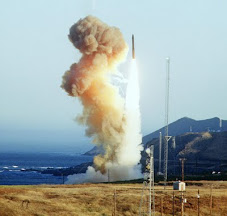
![[Global Network] against the first launch of Quasi-Zenith Satellite, Japan, on Sept. 11, 2010](https://blogger.googleusercontent.com/img/b/R29vZ2xl/AVvXsEj2sYpfodDDMIA7qXwuda0DmKapxXFB479fDnn8RKy7QNZqz0VEvWucNd-DleZ37hWNXC-Z8QtaqtM37VuPwac5SgclJ9_khBBSWOedvm19MRXIP1j1kcWrK6EW5IFjQdEEY2h7E6xuyNvC/s227/Qzss-45-0_09.jpg)
![[In update] Some collections on the Koreans’ protests against the sanction & war on Iran](http://4.bp.blogspot.com/_gnM5QlRx-4c/TJMvke6t8zI/AAAAAAAAFO4/tamQ8LUnOOA/S227/No+Sanction+on+Iran.jpg)
![[Three International Petitions] to End the Korean war and peace treaty(or peace resolution)](https://blogger.googleusercontent.com/img/b/R29vZ2xl/AVvXsEhlohLVYtpCg7iMsZhNYY4hBbhTi2dIheHMHWLDph9X2y78cjgZV1LeSfUJeu80elhJm70Q9E059q72lK-spSPvsRG4bPuCDIytltJB9IH3mWt9OG98HqhnTsPakwhvNeoCFUgF1xoxQ2EZ/s227/border.jpg)


![[Collection of Documents] No Base Learning and Solidarity Program_Korea(June 14 to 20, 2010)](https://blogger.googleusercontent.com/img/b/R29vZ2xl/AVvXsEix_HzjToh3nNGHBc-_5gasq-ykcaZ6GInLixILmZVyRJ5xoeHCxWOyYd9fSM7bmnuFsjSrYOGEPnQOwB1Dcyo-sN4Pw0cFPhUtKig_qlVnGL1Wi82ClvPqbEPWYhJiqdNF0DyzLIBETMB9/s227/No-Base-banner.jpg)
![Site Fwd:[John Hines] A U.S. Debate coach’s research trip on the Issues of Korea](https://blogger.googleusercontent.com/img/b/R29vZ2xl/AVvXsEg8yRra0zNhKHN74Auqhd3Nx9tZ7BWCGflRJHGH4CfzBT_yjhZ8Nl9b3OZuLpYWJ2exsjmR0oVl-Qq_cf832p2VdmOZhUi-lCFzCNeDSyVtweX1lWZPC-RlHmDMLtilHwHjNFTenBiM4Fk4/s227/Jeju-Peace-Tour.jpg)


![[News Update] Struggle Against the Jeju Naval Base since Jan. 18, 2010](https://blogger.googleusercontent.com/img/b/R29vZ2xl/AVvXsEhKfSTRC5QKBBSFIq_m7QIqXdlbL4-gF5GJYn9Q-pN__k7sV7uxGDcLY5L8xmU7QuWuUhBT_GhG-URBPO80RT3AfWfDrWJr06h1hFuZC6ZBVKe4U6PS1Cd7Kr6olO8TYQtk13Drox7IS6ea/s226/scrum1.jpg)


![[Urgent] Please spread the Letter!: There was no Explosion! There was no Torpedo! (May 26, 2010)](https://blogger.googleusercontent.com/img/b/R29vZ2xl/AVvXsEhSd2yWZ3xGwnJQXB73z5FgXCqSosAoB9_33-GLYprOmLqjmvgSAQp1BYI7e4slK1FDxHRi9KK4um-OpDaj8QOkXwAScVAgvvq6-ehbDA-hbkr96wT9oHNNmWnBPv8GU4hoZp9X8F9AZBX4/s227/grounded.jpg)
![Text Fwd: [Stephen Gowans]The sinking of the Cheonan: Another Gulf of Tonkin incident](https://blogger.googleusercontent.com/img/b/R29vZ2xl/AVvXsEi_L6hB3RZ1MovTXHe0A8yn_RfgMALGR0kM6poBuGp809xwvHtB_-PGWtS_WpyPWatyd9lB2pPqL2gOLc4dTCEdJ9sMvxJWEdapl-mMLm7WHAsV-jVpgqarVh8XBtdz_0c-Vohdh3HtJahD/s227/lee-myung-bak.jpg)
![[Japan Focus]Politics in Command: The "International" Investigation into the Sinking of the Cheonan](https://blogger.googleusercontent.com/img/b/R29vZ2xl/AVvXsEiHmTo8v-uCJnabRhMdnBAkC9J3s5bb2JsDKiT5leJHwbK8IDJHxfJmqQ_C0Is_bPC6UGMf05CA0exF2y4r2x9RhFUHT0kjsKviaME_MZXKnq775UyYAdb7w2SAzE75XvBfHp1al2q6i3cf/s227/wen_jiabao_and_lee_myungbak.png)
![[Japan Focus] Who Sank the SK Warship Cheonan? A New Stage in the US-Korean War and US-China](https://blogger.googleusercontent.com/img/b/R29vZ2xl/AVvXsEiKSS5ULT5QBaMGYpXXqBMX9jtwLwMLuK469b6Ku72GTJYKUObzTANaPjZqvvpPzYMJgPF53sjhvhK3DVa88ipYlggsJageykXlkxY6s8TW05xcU-_vfhf-pACUoaWuFbT-fsU1qEhm_yIi/s227/buoy_map.gif)
![[Updated on 12/13/10] [Translation Project] Overseas Proofs on the Damages by the Military Bases](https://blogger.googleusercontent.com/img/b/R29vZ2xl/AVvXsEikADE6JovUNspQyZUWVMTLAQg7yQNqXpVUbqZPk8f4uc_1723_xm1Cco6WAmstQXVPnaJAcb1mZA8Ny_3xONT_f5uh8MNLPnUhtqdGgy3HCtC1Vbbz4Q0ZY1Cssu-4cJEVNdrvznbS5UzO/s227/missile.jpg)
![[International Petition] Close the Bases in Okinawa](https://blogger.googleusercontent.com/img/b/R29vZ2xl/AVvXsEhNpQiHklwFbWVlFK7GDFXnBSOOSFEj3Il-We-N3uTDldKiidL2NGZs7X_LtTnatzTo_r8CexRkFe8NhfxYqmgp1knEEslROTfNjI5_mSb57cdbhPkftvanveYBaevAD9xuKDGoIxiTwoSb/s227/2.jpg)
![[In Update]Blog Collection: No Korean Troops in Afghanistan](https://blogger.googleusercontent.com/img/b/R29vZ2xl/AVvXsEjjEmCRXSNAG7_QBxKWbdksmxoWR4nyAovQTTdR1G2AuXh0jxtqNkI9OmYgYWRoLAJShvtBvE840QXuBWSVh3u3zMYqkNAFX6OWy3m5Nur4HM7uNK-pKT1ycyApJp-VLyhIFRRcoisYAh0E/s226/No-Troops-to--Afghanistan.jpg)


