* Text fwd from Martha Duenas on May 14, 2011
http://www.dispatchjapan.com/blog/
Pressure Builds for US Shift on Okinawa
Pressure is growing on the Obama Administration to significantly alter plans for US Marine basing arrangements on Okinawa, but chances seem slim for a policy shift at least until Defense Secretary Robert Gates departs office late next month.
Several factors have converged to give the issue new urgency. Opposition remains strong on Okinawa to construction of a new facility in the Henoko Bay area, to replace the US Marine Air Station Futenma, which has been slated for closure since 1995. There is simply no momentum in Japan to move forward with the project, a situation made more stark by the Great Eastern Earthquake of March 11. Tokyo is intensely focused on reconstruction efforts; neither the financial nor political capital is available to push the Henoko project through.
Meanwhile, construction delays and cost overruns continue to bedevil a critical, related portion of the plan: the relocation of over 8,000 Marines and 9,000 family members from Okinawa to Guam.
And in Washington, an increasingly debt-weary Congress is asking whether it is worth the cost of building the new Henoko facility and the new Marine housing and related facilities on Guam, when cheaper force configurations more conducive to strategic needs in Asia might be found.
Diplomats are under stress to find some answers because of plans for a “2+2” meeting of defense and foreign ministers from the two countries, to be followed by a summit meeting between President Barack Obama and Prime Minister Naoto Kan. With leaders in Japan tied down with reconstruction efforts, no schedule has yet been set for either meeting, though staging both by the end of June has been discussed.
When those meetings do occur, it won’t be possible to simply ignore Futenma and related Okinawa issues. It is very possible Washington and Tokyo will agree to state the obvious: the 2014 deadline to complete the Okinawa and Guam force structure realignment will have to be pushed back. It is also possible the administration will accept a very low-key statement of continued support for the Henoko plan, rather than a high-profile emphasis, so as to avoid the issue returning as a major irritant at the top of the bilateral agenda.
There remain pockets of hope within the Obama administration that White House will force the Pentagon to accept a review of the whole base realignment plan for Okinawa prior to the Obama-Kan summit, but that seems very unlikely.
PENTAGON BOTTLENECK: Secretary Gates remains adamantly opposed, and there does not yet exist within the administration the necessary correlation of political forces willing to force Gates to accept a new approach. The Pentagon’s rigid stance is worsened by the lack of a replacement yet for General Chip Gregson, who retired recently as assistant secretary of defense for Asian affairs.
Senior Pentagon officials continue to say the administration is committed to the Henoko plan. But with the Pentagon leadership in transition, with CIA director Leon Panetta set to take over once Gates departs, the senior officials are exceedingly reluctant to veer from established policy, even if they want to. Officials at this level are in a bind: aware of the opposition in Japan, aware of the enormous investment the US Marines, and US diplomacy, have in the existing policy, but not politically strong enough to even push for, much less win, a policy change.
AWAITING LIPPERT: The White House has tapped Obama confidante Mark Lippert to replace Gregson, but Lippert has been bruised a bit as he works his way through the administration’s internal political gauntlet. Some Pentagon officials have quietly raised concerns that Lippert might have the kind of strained relations with senior military officers that could hinder his effectiveness.
Lippert, who has served in Iraq as a Navy intelligence officer, is “pro-military,” and is known to have functioned as a bit of a window into the US armed forces for then-Senator and presidential candidate Barack Obama. But Lippert is not “pro-Pentagon.” Lippert is an international relations major from Stanford University who has served in the military with pride, but is committed to the military as a tool of policy, not out of institutional loyalty. His loyalty is to Obama.
For much of Obama’s first year in office, Lippert served as chief of staff for the National Security Council (NSC). He clashed with General Douglas Lute, a holdover from the Bush administration as “war czar” for Iraq and Afghanistan. He also had tense relations with his nominal boss, then-National Security Advisor General Jim Jones. Critics say Lippert flaunted his close relationship with Obama. But the close tie with Obama is real, and strong, and Obama personally would like to see Lippert overseeing Asia policy for the Pentagon. That is still likely to happen, though those harboring reservations could trip him up.
ASIA POLICY SHIFT: Evidence continues to grow that President Obama and his top aides would like to see a major US strategic shift toward greater emphasis on Asia, which should be particularly evident when the President hosts the APEC summit in Hawaii next November.
It’s notable that in a recent New Yorker analysis of Obama’s foreign policy, NSC director Tom Donilon, deputy director Ben Rhodes (Obama’s long-time chief foreign policy speechwriter), and Assistant Secretary of State for East Asia Kurt Campbell were all quoted outlining just such a strategic “rebalancing” of American foreign policy. The Pentagon’s top policy chief, Michelle Flournoy, outlined a similar policy in a recent talk at Johns Hopkins.
The administration is looking to energize America’s role in East Asia by fomenting a system of open and transparent economic and security cooperation in the region, defining the terms of engagement to which China has to respond. The economic component, for now, is the Trans-Pacific Partnership regional trade initiative. And the security component involves building on America’s traditional bilateral security alliances in the region to include a network of overlapping bilateral, trilateral, and multilateral security relationships from India, through Vietnam and Indonesia, to Australia, and up to Korea and Japan.
Japan is already cultivating security ties with India and Vietnam, and deepening ties with South Korea, including discussion of formal military agreements involving information sharing and the exchange of military goods and services. China and South Korea both provided relief assistance to Japan after March 11, opening the door to expansion of the existing “Plus Three” dialogue between Tokyo, Seoul, and Beijing.
Washington is supportive of these steps by Japan, as they indirectly extend the influence of the US-Japan alliance, while providing Tokyo a far greater degree of self-determination than possible through the exclusively bilateral US-Japan security alliance.
THE FUTENMA DILEMMA: The problem Washington faces is that continued focus on the Futenma dispute threatens to distract the US and Japan from this broader strategic goal, allowing a relatively minor base dispute to disrupt the whole alliance. Excess focus on Futenma also detracts from the absolutely critical role played by the naval facility at Yokosuka, where the US home ports the USS George Washington carrier group, and the role of the huge Kadena Air Force base on Okinawa. Together, Kadena and Yokosuka allow the US to project enormous power throughout East Asia, and are the principle means to deter North Korean aggression, and to balance China’s rising military role in the region.
Tokyo continues to insist Japan fully backs the plan for a new facility at Henoko, fearful that admitting the plan is dead will cause tension with Washington. And Washington continues to back the Henoko plan, because no political decision has been made to abandon the bureaucratic status quo.
With no decision yet made to abandon the Henoko project, none of the necessary talks about a new plan can proceed. That leaves the US-Japan alliance dangerously vulnerable to a crisis in the event of a helicopter crash at the Futenma facility, which is surrounded by civilian communities.
CONGRESSIONAL INTRIGUE: Into this bureaucratic quagmire have stepped three senior and very influential US senators: Carl Levin, Chairman of the Armed Services Committee; John McCain, the Ranking Republican on Armed Services; and, Jim Webb, chairman of the Asia subcommittee of Senate Foreign Relations. On May 13, the three senators issued a joint statement calling for the Defense Department to “re-examine plans to restructure U.S. military forces in East Asia.” The senators said the US “strongly supports a continuous and vigorous US presence in the region,” but emphasized that they “believe the current DoD realignment plans are unrealistic, unworkable, and unaffordable.”
While the statement was “joint,” Senator Levin seemed to emphasize the need for restraint, and cost-effectiveness, in defense spending, especially in the construction of new overseas facilities. Senator McCain tended to emphasize strategy, saying: “The Asia-Pacific region’s growing role in the global distribution of power requires us to consistently view and update plans for the U.S. military’s role in the region.” And Webb forcefully challenged the Marine Corps claims that construction of a new facility in Henoko Bay to replace the Futenma air station is indispensable to the Marine presence in, and thus the stability of, East Asia.
Webb brings to the issue years of experience as a Naval Academy graduate, a highly-decorated Marine officer, a military planner, a former Secretary of the Navy, and now almost a full term as a US senator.
With Webb taking the lead, the three senators proposed a dramatic overhaul of the US Marine presence in East Asia. The key elements would include: a) “abandonment” of the Henoko project at Camp Schwab as a replacement for the Futenma facility; b) integration of the Marine Corps assets at Futenma into Kadena Air Force base, while dispersing some Air Force assets now at Kadena to other areas of the Pacific; c) home-basing in Hawaii or at Camp Pendleton the 8,000 Marines now scheduled to redeploy to Guam, and deploy those Marines on a rotating basis throughout the Pacific.
THE JONES ROLE: Most intriguing is that retired Marine Corps General Jim Jones, who was President Obama’s national security advisor until last October, played an important role in helping Webb craft these proposals. It will be difficult for the current Marine Corps leadership to argue to legendary Marine veterans Jones and Webb that their proposals would be harmful to the Marine Corps, and are otherwise operationally unrealistic.
Jones first publicly revealed his apparently evolving views on Okinawa in a meeting last week with a group of Japanese parliamentarians, including former Chief Cabinet Secretary Yasuhisa Shiozaki (LDP) and Mikio Shimoji, policy research chief for the People’s New Party (PNP). According to Shiozaki and Shimoji, who met with reporters after their meeting with Jones and displayed their written notes, Jones said that he had always thought the best approach on Okinawa was to merge into the Kadena air base the Marine aircraft operations now based at Futenma. The Henoko project was not needed.
It remains unclear what, if anything, Jones did to try to change American policy toward Futenma while he was national security advisor.
THE SKEPTICAL VIEW: Some sources very close to the situation are skeptical that the Obama administration will shift Okinawa policy any time soon. According to this view, it makes sense that the administration would seek to kick the Futenma-Henoko issue down the road a while longer.
Pushing back the 2014 deadline would amount to acknowledging the obvious, and acknowledging the difficulties to proceed so soon after the March 11 natural disasters would also buy more time to find a permanent solution.
But Senator Webb is proposing a wholesale rethinking of American strategy and force structure in the Western Pacific, and only the Secretary of Defense and/or the President himself can make those kinds of decisions. Without that heavy push from the White House, according to this view, it would not be possible to shake the bureaucracy out of its policy rut.
From a strategy standpoint, opponents of a shift in Okinawa policy will argue that it would signal a US retreat from Asia, and reduce the American deterrence of China.
WORKING WITH CONGRESS: But the White House continues to send signals that it is serious about a shiftin strategy toward Asia. A restructured US force posture would not be seen as retreat, but rather an effective region-wide “hedge” in the event China tries to throw its growing weight around in the region. And sources close to Kurt Campbell say that he is convinced that continued US and Japanese wrangling over Futenma will threaten the whole “shift” strategy, because it can’t work without a vibrant US-Japan alliance.
Campbell is prepared to work with Webb and others in Congress on a new basing arrangement for the Marines in the Pacific. Once Panetta takes over as defense secretary, and assuming Lippert becomes his top deputy for Asia, the White House would have in place an administration-wide team to pursue an expanded role in the region.
Showing posts with label Futenma AFB. Show all posts
Showing posts with label Futenma AFB. Show all posts
Sunday, May 15, 2011

Monday, May 9, 2011
Texts Fwd: Complete Set of Asahi Shimbun Wikileaks Stories on DC-Tokyo re Okinawa
* Text fwd by J. D. on May 7 and Martha Duenas on May 8
The Asahi Shimbun
http://www.asahi.com/english/TKY201105050102.html
EDITORIAL: Leaked Documents Reveal Shocking Japan-U.S. Diplomacy
2011/05/06
WikiLeaks has published vast troves of internal and confidential government documents that normally would have been kept inaccessible to the public for a certain, usually long, period, such as 25 years, before being released after careful screening.
The anti-secrecy website has disclosed shocking facts about the U.S.-led war in Afghanistan and American diplomacy through the releases of classified government documents by whistleblowers. Now, the wave has hit Japanese diplomacy.
The Asahi Shimbun has obtained nearly 7,000 U.S. diplomatic cables from the site, which shed light on the unknown side of diplomacy between Japan and the United States mainly between 2006 and early 2010.
This is the period from the final days of the Liberal Democratic Party's rule to the era of the first Democratic Party of Japan administration led by then Prime Minister Yukio Hatoyama.
The Hatoyama administration pledged to relocate U.S. Marine Corps Air Station Futenma out of Okinawa Prefecture at the least.
Between late 2009 and early 2010, however, the Hatoyama administration secretly told Washington that Japan would go along with the 2006 bilateral agreement to move the base to a northern location in the same prefecture if no viable alternative to the existing plan was found. It was half a year before Hatoyama publicly said he had decided to break his promise to relocate the base outside Okinawa.
There are certainly some elements in diplomatic negotiations that should be kept secret from the public.
But the Hatoyama administration's lying about its basic policy concerning the Futenma issue amounts to an unpardonable betrayal of the people.
After the DPJ government assumed office, senior bureaucrats at the Foreign and Defense Ministries gave the United States some advice that could undermine the DPJ administration's efforts to solve the Futenma problem, such as Washington should not show flexibility (over the issue) too early.
If bureaucrats have objections to the government's policy, they should express their opinions to their own country's administration.
These foreign and defense ministry officials showed a gross misunderstanding of their roles when they tried to influence the new government's actions by communicating secretly with the negotiation partner.
But questionable diplomatic actions are not the exclusive preserve of the DPJ government.
Concerning the cost of transferring thousands of U.S. Marines from Okinawa to Guam, the previous government of the LDP-New Komeito coalition agreed with the U.S. administration to pad related expenses as a gimmick to make Japan's share of the financial burden look smaller than it actually was.
These cables, not intended for immediate publication, contain many facts about behind-the-scenes goings-on in the bilateral diplomacy.
Since they reflect U.S. interpretations of what actually happened, the documents may be silent about things the U.S. administration might find inconvenient.
But reading through these documents without reading too much into specific words and phrases throws into sharp relief some serious problems with Japanese diplomacy.
What emerged from the documents is a deplorable spectacle of Japanese politicians and bureaucrats making haphazard responses to the situation in order to protect existing policies or their own interests.
Their actions showed no sign that they were thinking consistently from the viewpoint of what was in the best interest of the Japanese people.
If there is any one thread running through their actions, it is consideration of the need to keep Japan's relations with the United States on good terms.
In addition, Japanese actors who were distrustful of each other talked fairly candidly about what was going on within the Japanese government to American officials. That's shocking rather than surprising.
If this distressing picture is a true picture of the state of our country's diplomacy, we need to start our efforts to rebuild it by confronting this reality.
What do the DPJ government, Japanese diplomats and the LDP really think about Japan's diplomacy as revealed by these cables? Their answers to this question should be seen as a starting point to debate.
--The Asahi Shimbun, May 5, 2011
http://www.asahi.com/english/TKY201105050102.html
_____________________________
THE ASAHI SHIMBUN
THE TRUTH BEHIND JAPAN-U.S. TIES (1): DPJ Government Never Committed to Futenma Alternatives
2011/05/04
THE TRUTH BEHIND JAPAN-U.S. TIES (2): U.S. Used 'China Card' to Thwart Futenma Alternatives
2011/05/04
THE TRUTH BEHIND JAPAN-U.S. TIES (3): Numbers Inflated in Marine Relocation Plan to Increase Political Impact
2011/05/04
THE TRUTH BEHIND JAPAN-U.S. TIES (4): LDP Ministers Made Secret Promises to Okinawa Governor on Futenma
2011/05/04
THE TRUTH BEHIND JAPAN-U.S. TIES (6): Japanese Bureaucrats Also Critical of DPJ Government
2011/05/04
Part 1 - http://www.asahi.com/english/TKY201105040063.html
Part 2 - http://www.asahi.com/english/TKY201105040065.html
Part 3 - http://www.asahi.com/english/TKY201105040066.html
Part 4 - http://www.asahi.com/english?TKY201105040067.html
Part 5 - http://www.asahi.com/english/TKY201105040068.html
Part 6 - http://www.asahi.com/english/TKY201105040069.html
The Asahi Shimbun
http://www.asahi.com/english/TKY201105050102.html
EDITORIAL: Leaked Documents Reveal Shocking Japan-U.S. Diplomacy
2011/05/06
WikiLeaks has published vast troves of internal and confidential government documents that normally would have been kept inaccessible to the public for a certain, usually long, period, such as 25 years, before being released after careful screening.
The anti-secrecy website has disclosed shocking facts about the U.S.-led war in Afghanistan and American diplomacy through the releases of classified government documents by whistleblowers. Now, the wave has hit Japanese diplomacy.
The Asahi Shimbun has obtained nearly 7,000 U.S. diplomatic cables from the site, which shed light on the unknown side of diplomacy between Japan and the United States mainly between 2006 and early 2010.
This is the period from the final days of the Liberal Democratic Party's rule to the era of the first Democratic Party of Japan administration led by then Prime Minister Yukio Hatoyama.
The Hatoyama administration pledged to relocate U.S. Marine Corps Air Station Futenma out of Okinawa Prefecture at the least.
Between late 2009 and early 2010, however, the Hatoyama administration secretly told Washington that Japan would go along with the 2006 bilateral agreement to move the base to a northern location in the same prefecture if no viable alternative to the existing plan was found. It was half a year before Hatoyama publicly said he had decided to break his promise to relocate the base outside Okinawa.
There are certainly some elements in diplomatic negotiations that should be kept secret from the public.
But the Hatoyama administration's lying about its basic policy concerning the Futenma issue amounts to an unpardonable betrayal of the people.
After the DPJ government assumed office, senior bureaucrats at the Foreign and Defense Ministries gave the United States some advice that could undermine the DPJ administration's efforts to solve the Futenma problem, such as Washington should not show flexibility (over the issue) too early.
If bureaucrats have objections to the government's policy, they should express their opinions to their own country's administration.
These foreign and defense ministry officials showed a gross misunderstanding of their roles when they tried to influence the new government's actions by communicating secretly with the negotiation partner.
But questionable diplomatic actions are not the exclusive preserve of the DPJ government.
Concerning the cost of transferring thousands of U.S. Marines from Okinawa to Guam, the previous government of the LDP-New Komeito coalition agreed with the U.S. administration to pad related expenses as a gimmick to make Japan's share of the financial burden look smaller than it actually was.
These cables, not intended for immediate publication, contain many facts about behind-the-scenes goings-on in the bilateral diplomacy.
Since they reflect U.S. interpretations of what actually happened, the documents may be silent about things the U.S. administration might find inconvenient.
But reading through these documents without reading too much into specific words and phrases throws into sharp relief some serious problems with Japanese diplomacy.
What emerged from the documents is a deplorable spectacle of Japanese politicians and bureaucrats making haphazard responses to the situation in order to protect existing policies or their own interests.
Their actions showed no sign that they were thinking consistently from the viewpoint of what was in the best interest of the Japanese people.
If there is any one thread running through their actions, it is consideration of the need to keep Japan's relations with the United States on good terms.
In addition, Japanese actors who were distrustful of each other talked fairly candidly about what was going on within the Japanese government to American officials. That's shocking rather than surprising.
If this distressing picture is a true picture of the state of our country's diplomacy, we need to start our efforts to rebuild it by confronting this reality.
What do the DPJ government, Japanese diplomats and the LDP really think about Japan's diplomacy as revealed by these cables? Their answers to this question should be seen as a starting point to debate.
--The Asahi Shimbun, May 5, 2011
http://www.asahi.com/english/TKY201105050102.html
_____________________________
THE ASAHI SHIMBUN
THE TRUTH BEHIND JAPAN-U.S. TIES (1): DPJ Government Never Committed to Futenma Alternatives
2011/05/04
THE TRUTH BEHIND JAPAN-U.S. TIES (2): U.S. Used 'China Card' to Thwart Futenma Alternatives
2011/05/04
THE TRUTH BEHIND JAPAN-U.S. TIES (3): Numbers Inflated in Marine Relocation Plan to Increase Political Impact
2011/05/04
THE TRUTH BEHIND JAPAN-U.S. TIES (4): LDP Ministers Made Secret Promises to Okinawa Governor on Futenma
2011/05/04
THE TRUTH BEHIND JAPAN-U.S. TIES (6): Japanese Bureaucrats Also Critical of DPJ Government
2011/05/04
Part 1 - http://www.asahi.com/english/TKY201105040063.html
Part 2 - http://www.asahi.com/english/TKY201105040065.html
Part 3 - http://www.asahi.com/english/TKY201105040066.html
Part 4 - http://www.asahi.com/english?TKY201105040067.html
Part 5 - http://www.asahi.com/english/TKY201105040068.html
Part 6 - http://www.asahi.com/english/TKY201105040069.html
Friday, January 28, 2011
Text Fwd: Okinawan Prefectural Assembly Delegation tells Speaker Judith Won Pat they are still v. opposed to mega-base at Henoko
* Text Fwd by J. D. on Jan. 27, 2011
Pacific News Center
Okinawan Prefectural Assembly Delegation Visits Lawmkaers
Written by Clynt Ridgell Thursday, 27 January 2011 17:04
Guam News - Guam News
Guam - A delegation of Okinawan prefecture members is on Guam as part of a fact finding mission.
The delegation met with lawmakers this afternoon in speaker Judi Wonpat's conference room. According to Speaker Wonpat the Okinawan legislators told her that Okinawans are still very opposed to the movement of the Futenma marine air base to the northern part of Okinawa. She says they indicated that progress on that move may be stalled. "They're saying that as things slow there they will definitely slow down here as well,” said Speaker Wonpat.
The move of Futenma has been called the lynchpin the the japan us realignment agreement that would send 10 thousand marines and their families to Guam.
Pacific News Center
Okinawan Prefectural Assembly Delegation Visits Lawmkaers
Written by Clynt Ridgell Thursday, 27 January 2011 17:04
Guam News - Guam News
Guam - A delegation of Okinawan prefecture members is on Guam as part of a fact finding mission.
The delegation met with lawmakers this afternoon in speaker Judi Wonpat's conference room. According to Speaker Wonpat the Okinawan legislators told her that Okinawans are still very opposed to the movement of the Futenma marine air base to the northern part of Okinawa. She says they indicated that progress on that move may be stalled. "They're saying that as things slow there they will definitely slow down here as well,” said Speaker Wonpat.
The move of Futenma has been called the lynchpin the the japan us realignment agreement that would send 10 thousand marines and their families to Guam.
Text Fwd: We Are Guahan Questions Buildup Estimate
 Attorney Leevin Camacho, We Are Guahan member, yesterday disputed Governor Eddie Calvo’s claim that $15 billion is coming to Guam from the military buildup. Photo by Matt Weiss
 ___________________________________________________________
* Texts fwd from Martha Duenas on Jan. 28, 2011
Marianas Variety
$15 Billion Disputed
We Are Guahan Questions Buildup Estimate
Jennifer Naylor Gesick
Friday, 28 January 2011
Attorney Leevin Camacho, We Are Guahan member, yesterday disputed Governor Eddie Calvo’s claim that $15 billion is coming to Guam from the military buildup and that the entire buildup may stop because of the disagreement over Pagat.
Camacho made this statement when he addressed members of the Rotary Club of Guam yesterday.
Camacho said he does not know where the $15 billion figure is coming from, because according to documents the Department of Defense has released, the Government of Guam is only set to receive $1.78 billion to be spread out over 10 years, and even that figure has been overstated.
“No one has looked at how much the buildup is going to cost GovGuam,” he said. “In terms of net, the $1.78 billion is an overstatement, it’s generous, and it does not take into account any increasing costs,” said Camacho.
Camacho also stated that according to University of Guam professor and economist Dr. Claret M. Ruane, the $1.78 billion figure from the Department of Defense’s Environmental Impact Statement may be overestimated by 18 to 41 percent because information from Hawaii was used to prepare the figures.
Camacho asked: “If the Governor thinks the money coming for projects inside the fence will go to Guam, of the projects that were awarded how many were given to Guam companies?”
Camacho said We Are Guahan is concerned mostly about the ancient village of Pagat being turned into a series of firing ranges.
But the group is also worried about public education, housing, traffic and health care being negatively affected by the relocation of 8,400 U.S. Marines and their over 9,000 dependants from Okinawa to Guam.
“Are the benefits greater than the cost? I’m not sure,” he said.
Camacho also told Rotary Club of Guam members that Governor Calvo’s statements that the buildup may stop because of the dispute over Pagat “are untrue.”
There are over 160 projects identified in the Programmatic Agreement, said Camacho. The Programmatic Agreement is an agreement that governs the handling of projects related to the buildup with respect to cultural and historic sites.
Camacho said that Pagat has taken centerstage, but in reality most of those projects are not disputed. But he said the military has taken an “all or nothing approach to the buildup.”
Pagat is the only ancient Chamorro village with public access, said Camacho. And it is still being used by indigenous healers and for cultural practices like fishing. All other villages are on DoD property and those without base access are usually unable to visit the sites, said Camacho.
He said that the military has disregarded all other options, including splitting up the series of five firing ranges and keeping them on property DoD currently controls, which is 28.5 percent of the island.
Camacho also said that DoD’s recent claims that they will be firing over Pagat and into the water, thus leaving the area open all the time for people to visit the site does not seem logical, and he can’t imagine anyone wanting to go down there while fifty caliber machine guns are going off.
The lawsuit filed over Pagat by the Guam Preservation Trust, We Are Guahan, and the National Trust for Historic Preservation in Hawaii has a scheduling hearing in the second week of February with a response from the defendants expected by Feb. 14.
___________________________________
See also
Pacific News Center
We Are Guahan Faces Skepticism & Though Questions At Rotary Meeting
Clynt Ridgell
Thursday, 27 January 2011 18:24
Marianas Variety
Ghost Town: Abandoned Construction Project?
Jennifer Naylor Gesick Variety News Staff
Friday, 28 January 2011
[video]
Camacho replied saying, "Unless you care about something for the entire time at no point can you realize how important something is and that's incorrect I think it's awesome it's awesome and incredible that people now are looking at cultures being valuable outside of being strictly monetary. People want to learn about Pagat now. That's unfortunate that it's taken DOD's plans to acquire it and build a grenade launcher and machine gun range over it but that doesn't mean that it's any less valid to argue that DOD should stay within it's footprint and leave Pagat alone."
Marianas Variety
The Silent Sentinels Editorial
Friday, 28 January 2011
Pacific News Center
Okinawan Delegation Tells Speaker Delays in Futenma Move Will Delay Buildup
Clynt Ridgell
Thursday, 27 January 2011 17:04
KUAM News
Okinawan Officials on Fact-Finding Mission
Nick Delgado
January 27, 2011
Kuam News
Calvo: Buildup Goals Must Be Good for Guam
Mindy Aguon
January 26, 2011
KUAM News
GovGuam Awaits Japan's Word on Upgrades
Sabrina Salas Matanane
January 25, 2011
Japan Update
Futenma Move Not Coming Any Time Soon
January 20, 2011
KUAM News
Definition of "Pagat" Unclear
Michele CatahayJanuary 21, 2011
KUAM News
Cruz Pens Letter to DoD
Michele Catahay
January 21, 2011
Tuesday, January 25, 2011
Text Fwd: A new class-action by Okinawans over noises from US jetfighters
* Text fwd from M. S. Japan, also forwarded by Corzon Valdez Fabros on Jan. 25, 2011
Friends,
Okinawans have stood up in anger, again. 22,000 Okinawans have filed a new ( the third time) collective lawsuit against Japanese central government, requesting tens of billion yen in compensation, over the unbearable noise arising from the U.S.Kadena Air Base.
The current situation at the base is unusual: such a big temporary buildup of US jet-fighters.
http://headlines.yahoo.co.jp/hl?a=20110122-00000007-ryu-oki
More than 30 USAF jet-fighers, including F-16 fighters from Alaska and F-22 fighters
have arrived for USAF military trainings at the US Kadena AFB, staying there till mid-Febrary.
They are planned to stage mid-air war drills with F-15 fighters based at Kadena AFB.
In the similar drill last year, the highest, 108 decibel noise, was recorded.
This year, those fighters began its full-scale training around Monday, but already since 18th,
150 times of noises over 70 decibel were recorded everyday, and especially on 20th,
such noise was recorded 180 times. Last year, the average number of noises over 70
decibel per day was 113 times.
The situation is the same in Futenma. Oct. 5th last year, the record of 123.6 decibel
noise was marked when F-15s based at Kadena AFB came to Futenma.
It is said the noise of 120 decibel is similar to that heard when you are near the engine
of an moving airplane--the limitation of human hearing sense.
Such US fighters conducted last year, regardless of the request by the Mayor of Ginowan,
' low-approach flight training' withouth landing, making all-the more unbearable noises to those living around.
Japan's Defense Ministry has done nothing to the request by locals, also in this year.
The new class-action may have been the reason why R.Gates was softened
as to the Futenma relocation issue when he came to Japan last week.
The first, and the second lawsuits were won by Okinawans, but our government has done nothing as well.
Instead, they are now just discussing moving some such drills of F-15s based at Kadena AFB
to Guam, with the relocation cost paid by Japanese tax payers, along with relocations of the US Marines' military drills to the mainland of Japan also paid by Japanese.
Friends,
Okinawans have stood up in anger, again. 22,000 Okinawans have filed a new ( the third time) collective lawsuit against Japanese central government, requesting tens of billion yen in compensation, over the unbearable noise arising from the U.S.Kadena Air Base.
The current situation at the base is unusual: such a big temporary buildup of US jet-fighters.
http://headlines.yahoo.co.jp/hl?a=20110122-00000007-ryu-oki
More than 30 USAF jet-fighers, including F-16 fighters from Alaska and F-22 fighters
have arrived for USAF military trainings at the US Kadena AFB, staying there till mid-Febrary.
They are planned to stage mid-air war drills with F-15 fighters based at Kadena AFB.
In the similar drill last year, the highest, 108 decibel noise, was recorded.
This year, those fighters began its full-scale training around Monday, but already since 18th,
150 times of noises over 70 decibel were recorded everyday, and especially on 20th,
such noise was recorded 180 times. Last year, the average number of noises over 70
decibel per day was 113 times.
The situation is the same in Futenma. Oct. 5th last year, the record of 123.6 decibel
noise was marked when F-15s based at Kadena AFB came to Futenma.
It is said the noise of 120 decibel is similar to that heard when you are near the engine
of an moving airplane--the limitation of human hearing sense.
Such US fighters conducted last year, regardless of the request by the Mayor of Ginowan,
' low-approach flight training' withouth landing, making all-the more unbearable noises to those living around.
Japan's Defense Ministry has done nothing to the request by locals, also in this year.
The new class-action may have been the reason why R.Gates was softened
as to the Futenma relocation issue when he came to Japan last week.
The first, and the second lawsuits were won by Okinawans, but our government has done nothing as well.
Instead, they are now just discussing moving some such drills of F-15s based at Kadena AFB
to Guam, with the relocation cost paid by Japanese tax payers, along with relocations of the US Marines' military drills to the mainland of Japan also paid by Japanese.
Saturday, January 15, 2011
Text Fwd: Gates: U.S. troops needed in Japan to keep China, North Korea in check
* Text sent by Mr. Lee Haeng-Woo and Bruce Gagnon on Jan. 14, 2011
Gates Signals U.S. Is Flexible on Moving Air Base in Japan
By MARTIN FACKLER and ELISABETH BUMILLER
Thank God men cannot fly, and lay waste the sky as well as the earth. ~Henry David Thoreau
Gates Signals U.S. Is Flexible on Moving Air Base in Japan
By MARTIN FACKLER and ELISABETH BUMILLER
TOKYO — Striking a conciliatory tone on an issue that has divided Japan and the United States, Defense Secretary Robert M. Gates said Thursday that the Obama administration would follow Tokyo’s lead in working to relocate an American air base on Okinawa.
During talks with Japanese leaders in Tokyo, Mr. Gates said he also discussed a sophisticated new antimissile system that the United States is jointly developing with the Japanese, and the two nations’ response to North Korea’s recent military provocations against the South.
But a top item on the agenda was the relocation of the United States Marine Corps Air Station Futenma, an emotional issue here that drove an uncharacteristic wedge between the allies last year when the prime minister at the time, Yukio Hatoyama, wavered on whether to keep the base on Okinawa.
While the two nations finally agreed in May to relocate the noisy helicopter base to a less populated part of Okinawa by 2014, local resistance has made that time frame look increasingly unrealistic.
On Thursday, Mr. Gates said the administration did not want the Futenma issue to overshadow the countries’ overall security alliance, which last year reached its 50th anniversary. He signaled that the United States was willing to be flexible in allowing Tokyo to resolve the domestic political resistance to the relocation plan.
“We do understand that it is politically a complex matter in Japan,” he said after meeting Defense Minister Toshimi Kitazawa. “And we intend to follow the lead of the Japanese government in working with the people of Okinawa to take their interests and their concerns into account.”
The softer tone is a departure from Mr. Gates’s visit to Tokyo in October 2009, when he pushed Mr. Hatoyama’s fledgling government to honor an earlier deal to relocate the base on Okinawa. Those pressure tactics backfired, creating resentment in the government that the United States was trying to bully it.
Mr. Hatoyama eventually stepped down amid criticism that he had mishandled the alliance. His successor, Prime Minister Naoto Kan, has worked to strengthen security ties with Tokyo’s traditional protector.
At Keio University in Tokyo on Friday, Mr. Gates said the rising tensions in the region, including North Korea’s pursuit of nuclear weapons and China’s expanding military, made it essential to fortify the security alliance between the United States and Japan. “Our alliance is more necessary, more relevant and more important than ever,” he said.
He said it was essential for American military forces to remain in Japan, particularly as a deterrent against North Korean aggression and the ever-bolder Chinese armed forces. Without the American presence, he said, “North Korea’s military provocations could be even more dangerous or worse.” China, he said, “might behave more assertively towards its neighbors.”
On Thursday, Mr. Gates and Mr. Kitazawa discussed one of the nations’ largest joint projects, the development of the antimissile system, which will be fired from ships to intercept larger ballistic missiles in midflight.
Washington wants to be able to sell the system, known as the SM-3, to other nations, including possibly South Korea. But that would require Japan to rewrite its tight restrictions on weapons exports, a pillar of the nation’s post-World War II pacifism.
While Mr. Gates said Washington hoped to defray development costs by exporting the system, he was aware that this was a delicate matter in Japan. “It makes economic sense to make it available to others,” he said of the new interceptor. “But we understand there are certain processes that have to be gone through here.”
Prime Minister Kan has called for a public debate on revising the restrictions, a step that many Japanese see as necessary for closer security cooperation with the United States in responding to China and North Korea.
Mr. Gates, whose next stop is South Korea, said he had asked Japan for help in pressuring the North not to strike South Korea again. He has said he is worried that South Korea might feel forced to make a strong retaliation after already suffering North Korean attacks last year on an island and a warship. Pyongyang has denied involvement in the sinking of the warship.
“It’s a longstanding principle that every country has the right to protect itself and defend itself against an unprovoked attack,” Mr. Gates said. “The objective that we all have in common is, how do we prevent another provocation from taking place?”
Global Network Against Weapons & Nuclear Power in Space
PO Box 652
Brunswick, ME 04011
(207) 443-9502
globalnet@mindspring.com
www.space4peace.org
http://space4peace.blogspot.com/ (blog)
PO Box 652
Brunswick, ME 04011
(207) 443-9502
globalnet@mindspring.com
www.space4peace.org
http://space4peace.blogspot.
Thank God men cannot fly, and lay waste the sky as well as the earth. ~Henry David Thoreau
Friday, January 14, 2011
Text Fwd: Okinawa: a grassroots voice
* Text thanks to J.D. on Jan. 13, 2011
From Yoshio Shimoji on Jan. 13, 2011
VOICE OF OKINAWA
Criticizing Japan-US foreign-ministerial meeting
Yoshio Shimoji
At the meeting between Japanese Foreign Minister Seiji Maehara and U.S. Secretary of State Hillary Rodham Clinton in Washington, both agreed to accelerate and strengthen the bilateral alliance to pave the way for Prime Minister Naoto Kan's visit to the United States later this spring. During the talks, Clinton never failed to remind Maehara that the strengthening of the alliance also meant the relocation of Futenma's function to Henoko ("Japan, U.S. to start mapping new goals," The Japan Times: January 8). Why, in the world, does the U.S. persist in demanding Futenma's relocation to Henoko, stomping our appeal for its all-out removal from Okinawa?
The U.S. Marine Corps Air Station Futenma sits on the private lands which were encroached upon with impunity by the U.S occupation army during and after World War II in blatant violation of the Hague Convention, Article 46 of which clearly states that "(f)amily honour and rights, the lives of persons, and private property, as well as religious convictions and practice, must be respected. Private property cannot be confiscated." The U.S. army thus requisitioned the land by violent means, completely disregarding the international convention. This cannot be allowed by any moral principles, either.
Secretary Clinton must be well aware of this and think that, if Futenma's function were to be moved to Henoko in northern Okinawa, the U.S. would be exonerated from not only the violation of the Hague Convention but also an offense against humanity. When dirty money is transacted from one bank to another to conceal its illegal source, we call it "money laundering." Futenma's relocation to Henoko is exactly like money laundering or, should I say, "base laundering." Washington's aim is thus to conceal the shameful history of the base and maintain the status quo of military function of all the bases on Okinawa, Futenma included, indefinitely, making Okinawa's northern area a new military complex complete with airfields, helipads for Osprays, combat training areas and port facilities. Remember also that expenses for this "realignment" project of the Pentagon are entirely borne by the cash-strapped Tokyo government, namely, us Japanese taxpayers. What stupidity! What absurdity!
From Yoshio Shimoji on Jan. 13, 2011
VOICE OF OKINAWA
Criticizing Japan-US foreign-ministerial meeting
Yoshio Shimoji
At the meeting between Japanese Foreign Minister Seiji Maehara and U.S. Secretary of State Hillary Rodham Clinton in Washington, both agreed to accelerate and strengthen the bilateral alliance to pave the way for Prime Minister Naoto Kan's visit to the United States later this spring. During the talks, Clinton never failed to remind Maehara that the strengthening of the alliance also meant the relocation of Futenma's function to Henoko ("Japan, U.S. to start mapping new goals," The Japan Times: January 8). Why, in the world, does the U.S. persist in demanding Futenma's relocation to Henoko, stomping our appeal for its all-out removal from Okinawa?
The U.S. Marine Corps Air Station Futenma sits on the private lands which were encroached upon with impunity by the U.S occupation army during and after World War II in blatant violation of the Hague Convention, Article 46 of which clearly states that "(f)amily honour and rights, the lives of persons, and private property, as well as religious convictions and practice, must be respected. Private property cannot be confiscated." The U.S. army thus requisitioned the land by violent means, completely disregarding the international convention. This cannot be allowed by any moral principles, either.
Secretary Clinton must be well aware of this and think that, if Futenma's function were to be moved to Henoko in northern Okinawa, the U.S. would be exonerated from not only the violation of the Hague Convention but also an offense against humanity. When dirty money is transacted from one bank to another to conceal its illegal source, we call it "money laundering." Futenma's relocation to Henoko is exactly like money laundering or, should I say, "base laundering." Washington's aim is thus to conceal the shameful history of the base and maintain the status quo of military function of all the bases on Okinawa, Futenma included, indefinitely, making Okinawa's northern area a new military complex complete with airfields, helipads for Osprays, combat training areas and port facilities. Remember also that expenses for this "realignment" project of the Pentagon are entirely borne by the cash-strapped Tokyo government, namely, us Japanese taxpayers. What stupidity! What absurdity!
Saturday, January 8, 2011
Text Fwd: Koreans’ solidarity statement to support the people in Okinawa 韓国市民の連帯声明 오키나와인들의 투쟁을 지지하는 한국인들의 연대 성명서
_________________________________________
Update on Jan. 12, 2011:
J. D. in the Ten Thousand Things thankfully informed as the below on Jan. 11, 2011. J. D. says:
"Futenma is not an AFB (Air Force Base). These are bases under US Air Force jurisdiction. It's US Marine Corps Air Station. Newspapers shorten it to Marine Air Station.
Marine Corps Air Station Futenma or MCAS Futenma (ICAO: ROTM) is a United States Marine C"
Otheriwise, M. S., Anatakara, Japan and Satoko Norimatsu, Peace Philosophy Center, Japan/ Canada informed the bad news that the reconstruction of the helipads in Takae were resumed on Jan. 11, 2011. Satoko Norimatsu informed The January 10 action in Tokyo drew about 100 people and the link on the protest news. See the videos and photos, here. (http://d.hatena.ne.jp/hansentoteikounofesta09/ )
2011 년 1월 12일 업데이트:
'1만개의 것' 블로그의 J. D. 가 2011년 1월 1일 아래와 같이 감사히 알려왔습니다. J. D. 는 말하길:
"후텐마 기지는 공군 기지가 아닙니다. 이 곳은 미공군 관할 하에 있습니다. 이 곳은 미 해병대 공군 기지입니다. 신문들은 해병대 공군 기지라고 축약합니다.
후텐마 해병대 공군 기지 또는 후텐마 MCAS Futenma ICAO: ROTM) 는 미국 해병대 군단입니다. "
한편 일본 아나타카라 사이트의 M. S. 와 재 캐나다 일본사이트인 평화 철학 센터의 사토코 노리마투가 타카에의 헬리콥터 발착장이 재개되었다는 나쁜 소식을 2011년 1월 11일 알려왔습니다. 사토코 노리마투는 도쿄의 1월 10일 행동에 약 100여명이 모였으며 시위 소식 링크를 알려왔습니다. 비디오와 사진들을 보시길. http://d.hatena.ne.jp/hansentoteikounofesta09/ )
_________________________________________
* Related 관련: Click 클릭
Korean solidarity signatories to Okinawa : 123 individuals and 18 organizations, total 141
오키나와 연대를 위한 한국 서명자들: 123 개인과 18개 단체, 총 141 서명
_________________________________________

 * Image source: Anatakara, Japan (video clip, Click HERE to watch video on the incident of the U.S. marines' destruction of the Takae residents' protest tent )
* 이미지 소스: 아나타카라, 일본(클릭)( 비디오 클립, 미 해병대의 타카에 거주인들의 농성 천막 파괴 사건에 대한 비디오를 보시려면 여기 클릭)
 * Image source: Peace Philosophy Centre 'Takae protest tent''
* 이미지 소스: 평화 철학 센터, '타카에 농성 천막': 클릭
 * Image source: Ten Thousand Things (Okinawa Woodpecker. Image: Center for Biological Diversity)
* 이미지 소스: '1만개의 것 '블로그(클릭) (오키나와 딱따구리. 이미지: 생물 다양성 센터)
 * Image source: Peace Philosophy Centre 'Yanbaru Kuina' (photo from Gaku's blog)
* 이미지 소스: 평화 철학 센터, '얀바루 쿠이나(얀바루 숲 힌눈썹 뜸부기)' (가쿠의 블로그 사진) : 클릭

 http://d.hatena.ne.jp/hansentoteikounofesta09/
Jan.2nd, 2011 高江を救え!」アピール&デモの映像
(* Image and link thankfully informed by Anatakara)
 * Image and caption source: Anatakara(클릭)
沖縄の基地の負担軽減とは、古くなって使い勝手が悪くなった基地を返し、その代わりに新しい基地を作るということです。これが今日本政府が言っている、沖縄の人たちの負担軽減という言葉の本当の意味です。
'Reduction of the burden of Okinawa' means returning to Okinawa current U.S. bases which have become obsolete and thus inconvenient and instead building a new base. This is the true meaning of Japanese administration's propaganda of the burden- reduction for Okinawa.
'오키나와의 부담 축소'는 못쓰게 되어 불편해진 현재의 미군 기지들을 오키나와에 돌려 주는 것으로 대신 새로운 기지를 짓는 것을 말합니다. 이것이야 말로 일본 정부가 오키나와의 부담 축소라 선전하는 것의 진정한 의미입니다.
 * Image and caption source: Anatakara(클릭)
たとえば、ご飯を食べて庭に洗濯物を干しに行くと、目の前の藪の中からブル武装をして鉄砲を持ったアメリカの兵隊が実戦と同じ格好をして、出てくるんです。それで「腹減ったから食い物よこせ」と言ってきたりするんです。
For example, when I finish lunch and go out to hang the wash to dry in the sun, suddenly out of the bush in front of me, a full-armed US Marine, as if in real war, appears, saying, "I'm hungry. Give me something to eat. "
예를 들어 제가 점심 식사를 마치고 햇빛에 세탁을 말리려 할 때 제 앞에 있는 수풀에서 진짜 전쟁때 처럼 완전 무장한 미 해병대 군인이 나와, "배고프다. 뭔가 먹을 것을 달라."라고 말하며 나타납니다.
From the video clips of
http://www.youtube.com/watch?v=
mkC8JR-OWqo&feature=player_embedded#!
(link source: same as above)
_________________________________________
Koreans’ solidarity statement to support the people in Okinawa
who oppose against the additional construction of the U. S. marine helipads
And relocation of the Futenma U.S. AFB to Henoko
我々平和を愛する韓国市民は、沖縄の高江における米海兵隊ヘリパッドの増設に反対し、また12月23日の米海兵隊ヘリコプターのホバリングによる監視テント破壊に抗議して、2011年1月10日東京の米国大使館と防衛省の前で抗議行動を行う高江の人々に温かい連帯を送りその運動を支持します。
我々はまた、普天間飛行場の辺野古への移転に反対してテント小屋での監視を行っている、沖縄名護市辺野古の人々へも連帯と深い愛情を送ります。
沖縄の地勢が他の地区との物理的な接触を遅らせるため、そのような活動を継続している地元の人々は孤独であるかもしれません。さらにその深い森とわずか160名の地域住民数であることにより、高江で運動をしている人々の逼迫した気持ちは、想像によっても十分感じ取ることができます。
そのように孤立した場所で、米海兵隊のヘリコプターが轟音を立てて低空飛行を行い、それにより監視テントにいる地域住民に脅威を与え、テントを壊しさえしたのです。それ以前、訴訟が継続中であるにも関わらず、沖縄防衛局とその委託建設会社がヘリパッド増設建設工事を再開してしまいました。我々は高江の住民に対するそのような抑圧にショックを受け、激しい憤りを感じずにはおられません。
米国海兵隊は、ヤンバルクイナやノグチゲラのような絶滅の危機に瀕した動物が暮らす高江の原生林を1957年以来、訓練基地として使用してきました。ここには22のヘリパッドが点在し、そのため頻繁に事故が起こり、市民の平和な生活が破壊されているというのに、日本政府当局は、生存権を主張する15名の勇気ある地元住民を小学生ひとりを含んで起訴しました。その小学生に対するものを含み13名の人々への起訴は取り下げられましたが、それでも我々はその起訴の知らせにショックを受け、これまで世界にはあまり知られていなかった高江での闘争が我々韓国市民の注目するところとなったのでした。さらにまた、高江の人々が発進する情報が外界に伝わらないよう意図的に妨害が行われてきたことも知りました。我々は闘争の勝利への信念を失わず正義のために立ち上がっている高江の人々に敬意と温かい連帯を送ります。
現在韓国では、クンサン郡パジュのピョンテクと平和の島であるJeju(済州)島においてそれぞれ、前者では米軍基地施設の拡張に対し、後者では表向きは韓国軍施設でありながら米軍により使われる重要施設となる海軍基地に対して、住民による反対運動が粘り強く高まっています。最近Jeju道知事が済州島でのその海軍基地建設の場所を決定したため、Gagnjeong村の絶対保護地域の一方的取り消しを行った前知事、および彼が提出したその法案に2009年12月17日多数派でかすめ取るようにして可決した道議会の合意に抗議して訴訟を起こしたGaunjeong村民は、Jeju地裁により原告としての資格不十分の理由で、不当にもその訴訟を取り下げられてしまいました。その地裁の判断は政治的なものであったにちがいありません、なぜなら12月20日に数台のセメントミキサー車を含む15台のトラックが、それに続いて12月27日には基地建設反対の記者会見を平和的に行っていた34名の市民を警察が逮捕する状況の中、60台のトラックが建設工事のために村に入ってきたからです。逮捕者のうち、映画評論家Yang Yoon-Mo氏をのぞき33名は即日解放されましたが、現在これら逮捕者に対する検事告発が手続きされていると言われています。
Jeju島当局は、海軍基地に反対し12月27日の無差別逮捕に抗議して島議会の建物前で平和的な座り込みテントを設営しようとした市民たちを、Jeju市長自身がまるで国家警察庁の所長のようにふるまって、市職員、放水車、サーチライトを投入して妨害さえし、雨から身を守るために市民が使おうとしたビニールすら広げさせませんでした。その出来事の間、夫とふたりの娘を持つ女性が、目撃者によれば市職員に押されたために、溝に落ちて3本の歯を折り、そのかけらは歯医者でも見つけられないほど口の中の肉に埋もれ、頬には外から見て歯がのぞくほどの穴があき、頬から耳まで40針縫うほど顔面をめちゃくちゃにされるという重傷を負いました。市当局と道議会は彼女に対し誠実な謝罪も正当な補償も行っていません。
この抑圧は翌日28日にも続き、道議会職員が道議会に対する市民の監視テント設営を妨害しました。しかしながら、Gagnjeongの村人と島の人々は、12月30日の道庁舎の前での雪の日の沈黙の抗議行動を含み、様々な方法で運動を続けています。
高江と辺野古の人々にみられるように沖縄の人々は、沖縄に対する終わりのみえない米国の占領にも関わらず、その健康的な楽観主義を失わず、アジア太平洋における軍事基地に反対して運動を行っている、兄弟の島々すべてに真の勇気と希望を示しています。我々韓国市民は、皆さんの闘いの勝利のために心からの声援と、皆さんの意気軒昂な運動に深い連帯の気持ちを送ります。
共に強い連帯を築いて不正義に立ち向かい、それにより太平洋という言葉の語義である「平和」を現実の世界で実現しましょう。アジア太平洋の全ての島々が、米国の支配戦略に対する真の独立と平和を達成できる日がくるよう、共に協力しましょう。
―米海兵隊当局は、脅威を与え監視テントを破壊した、その行為を高江の人々に謝罪するべきである!
―訴訟が審理中であるにも関わらず、クリスマスの最中にヘリパッド増設工事を再開した、沖縄防衛局と委託建設工事会社は、高江住民と日本の市民に謝罪すべきだ!
―米海兵隊当局と日本政府当局は、住民が合意しておらず彼らの抵抗を生むだけのヘリパッドの増設工事を中止すべきだ!
―我々は生存権を守ろうとする高江住民の気高い闘いに対し、温かい支援の気持ちと連帯を送る。我々はまた長年にわたりその不屈の闘いを失うことのない、名護市辺野古の人々へも温かい支援の気持ちを送る。美しい自然と沖縄の人々の生活を破壊する米軍はすべて、沖縄から撤退すべきだ!
―アジア太平洋のすべての地域の真の活力はすべて、その地域に住む人々から生じる。我々は我々のすむ地域が米国の訓練場と軍事基地のために使われていることに反対する。なぜならその状況が、我々よりもっと悪い状況下にある多くの場所において米国が戦争を継続するのを可能にするからだ。外国軍として駐留する地域から米国軍はすべて撤退すべきだ、そして各国の軍国主義は平和主義へと変えられるべきだ!
2011年1月日
平和を愛する韓国市民署名者一同
Update on Jan. 12, 2011:
J. D. in the Ten Thousand Things thankfully informed as the below on Jan. 11, 2011. J. D. says:
"Futenma is not an AFB (Air Force Base). These are bases under US Air Force jurisdiction. It's US Marine Corps Air Station. Newspapers shorten it to Marine Air Station.
Marine Corps Air Station Futenma or MCAS Futenma (ICAO: ROTM) is a United States Marine C"
Otheriwise, M. S., Anatakara, Japan and Satoko Norimatsu, Peace Philosophy Center, Japan/ Canada informed the bad news that the reconstruction of the helipads in Takae were resumed on Jan. 11, 2011. Satoko Norimatsu informed The January 10 action in Tokyo drew about 100 people and the link on the protest news. See the videos and photos, here. (http://d.hatena.ne.jp/
2011 년 1월 12일 업데이트:
'1만개의 것' 블로그의 J. D. 가 2011년 1월 1일 아래와 같이 감사히 알려왔습니다. J. D. 는 말하길:
"후텐마 기지는 공군 기지가 아닙니다. 이 곳은 미공군 관할 하에 있습니다. 이 곳은 미 해병대 공군 기지입니다. 신문들은 해병대 공군 기지라고 축약합니다.
후텐마 해병대 공군 기지 또는 후텐마 MCAS Futenma ICAO: ROTM) 는 미국 해병대 군단입니다. "
한편 일본 아나타카라 사이트의 M. S. 와 재 캐나다 일본사이트인 평화 철학 센터의 사토코 노리마투가 타카에의 헬리콥터 발착장이 재개되었다는 나쁜 소식을 2011년 1월 11일 알려왔습니다. 사토코 노리마투는 도쿄의 1월 10일 행동에 약 100여명이 모였으며 시위 소식 링크를 알려왔습니다. 비디오와 사진들을 보시길. http://d.hatena.ne.jp/
_________________________________________
* Related 관련: Click 클릭
Korean solidarity signatories to Okinawa : 123 individuals and 18 organizations, total 141
오키나와 연대를 위한 한국 서명자들: 123 개인과 18개 단체, 총 141 서명
_________________________________________

 * Image source: Anatakara, Japan (video clip, Click HERE to watch video on the incident of the U.S. marines' destruction of the Takae residents' protest tent )
* 이미지 소스: 아나타카라, 일본(클릭)( 비디오 클립, 미 해병대의 타카에 거주인들의 농성 천막 파괴 사건에 대한 비디오를 보시려면 여기 클릭)
 * Image source: Peace Philosophy Centre 'Takae protest tent''
 * 이미지 소스: 평화 철학 센터, '타카에 농성 천막': 클릭
 * Image source: Ten Thousand Things (Okinawa Woodpecker. Image: Center for Biological Diversity)
* 이미지 소스: '1만개의 것 '블로그(클릭) (오키나와 딱따구리. 이미지: 생물 다양성 센터)
 * Image source: Peace Philosophy Centre 'Yanbaru Kuina' (photo from Gaku's blog)
* 이미지 소스: 평화 철학 센터, '얀바루 쿠이나(얀바루 숲 힌눈썹 뜸부기)' (가쿠의 블로그 사진) : 클릭

 http://d.hatena.ne.jp/hansentoteikounofesta09/
Jan.2nd, 2011 高江を救え!」アピール&デモの映像
(* Image and link thankfully informed by Anatakara)
 * Image and caption source: Anatakara(클릭)
沖縄の基地の負担軽減とは、古くなって使い勝手が悪くなった基地を返し、その代わりに新しい基地を作るということです。これが今日本政府が言っている、沖縄の人たちの負担軽減という言葉の本当の意味です。
'Reduction of the burden of Okinawa' means returning to Okinawa current U.S. bases which have become obsolete and thus inconvenient and instead building a new base. This is the true meaning of Japanese administration's propaganda of the burden- reduction for Okinawa.
'오키나와의 부담 축소'는 못쓰게 되어 불편해진 현재의 미군 기지들을 오키나와에 돌려 주는 것으로 대신 새로운 기지를 짓는 것을 말합니다. 이것이야 말로 일본 정부가 오키나와의 부담 축소라 선전하는 것의 진정한 의미입니다.
 * Image and caption source: Anatakara(클릭)
たとえば、ご飯を食べて庭に洗濯物を干しに行くと、目の前の藪の中からブル武装をして鉄砲を持ったアメリカの兵隊が実戦と同じ格好をして、出てくるんです。それで「腹減ったから食い物よこせ」と言ってきたりするんです。
For example, when I finish lunch and go out to hang the wash to dry in the sun, suddenly out of the bush in front of me, a full-armed US Marine, as if in real war, appears, saying, "I'm hungry. Give me something to eat. "
예를 들어 제가 점심 식사를 마치고 햇빛에 세탁을 말리려 할 때 제 앞에 있는 수풀에서 진짜 전쟁때 처럼 완전 무장한 미 해병대 군인이 나와, "배고프다. 뭔가 먹을 것을 달라."라고 말하며 나타납니다.
From the video clips of
http://www.youtube.com/watch?v=
mkC8JR-OWqo&feature=player_embedded#!
(link source: same as above)
_________________________________________
Great thanks to Anatakara.com(click)and Peace Philosophy Center(click)
to review the content on the part of Takae in the statement.
Great thanks to Anatakara.com for translation of the statement in Japanese.
성명서의 타카에 부분을 검토해 주신 Anatakara.com(클릭)과 Peace Philosophy Center(클릭)
에 진심으로 감사드립니다.
일본어로 번역해주신 Anatakara.com 에 감사드립니다.
_________________________________________
The statements are in English, Japanese and Korean language versions in order.
성명서는 영어, 일본어, 국문 차례순입니다.
_________________________________________
to review the content on the part of Takae in the statement.
Great thanks to Anatakara.com for translation of the statement in Japanese.
성명서의 타카에 부분을 검토해 주신 Anatakara.com(클릭)과 Peace Philosophy Center(클릭)
에 진심으로 감사드립니다.
일본어로 번역해주신 Anatakara.com 에 감사드립니다.
_________________________________________
The statements are in English, Japanese and Korean language versions in order.
성명서는 영어, 일본어, 국문 차례순입니다.
_________________________________________
See also
Peace Philosophy Center
Friday, January 07, 2011
US for Okinawa Letter to Ambassador Roos
US・フォー・沖縄からルース大使へ
'오키나와를 위한 미국' 이 주일 대사 로스에게 보내는 편지
Ten Thousand Things
Tuesday, January 4, 2011
Save Takae Village and the biodiversity of Yanbaru Forest
: More on what is at stake in the Takae residents' struggle to save their village and Yanbaru Forest...
타카에 마을과 얀바루 숲의 생물 다양성을 지킵시다. : 마을과 얀바루 숲을 지키기 위한 타카에 주거인들의 투쟁의 이슈들에 더 관하여
No Base Stories of Korea
Monday, January 3, 2011
[국문 번역] [Petition Fwd] Please Join Action for Takae at US Embassy!
타카에를 위한 미 대사관 항의 행동에 참여 해주세요!
No Base Stories of Korea
Saturday, January 1, 2011
[국문 번역] Video Fwd: ARMY HELICOPTERS ON OKINAWA DRIVING PEOPLE CRAZY
오키나와 타카에의 미군 헬리콥터 , 사람들을 위협함
_________________________________________
Peace Philosophy Center
Friday, January 07, 2011
US for Okinawa Letter to Ambassador Roos
US・フォー・沖縄からルース大使へ
'오키나와를 위한 미국' 이 주일 대사 로스에게 보내는 편지
Ten Thousand Things
Tuesday, January 4, 2011
Save Takae Village and the biodiversity of Yanbaru Forest
: More on what is at stake in the Takae residents' struggle to save their village and Yanbaru Forest...
타카에 마을과 얀바루 숲의 생물 다양성을 지킵시다. : 마을과 얀바루 숲을 지키기 위한 타카에 주거인들의 투쟁의 이슈들에 더 관하여
No Base Stories of Korea
Monday, January 3, 2011
[국문 번역] [Petition Fwd] Please Join Action for Takae at US Embassy!
타카에를 위한 미 대사관 항의 행동에 참여 해주세요!
No Base Stories of Korea
Saturday, January 1, 2011
[국문 번역] Video Fwd: ARMY HELICOPTERS ON OKINAWA DRIVING PEOPLE CRAZY
오키나와 타카에의 미군 헬리콥터 , 사람들을 위협함
_________________________________________
Koreans’ solidarity statement to support the people in Okinawa
who oppose against the additional construction of the U. S. marine helipads
And relocation of the Futenma U.S. AFB to Henoko
We, peace-loving Koreans, sending our warm solidarity to the people in Takae, support the struggle of the residents in Takae, who plan to protest in front of the United States Embassy and Ministry of Defense, Japan, in Tokyo on Jan. 10, 2011, opposing against the additional construction of U.S. marine helipads in Takae, Okinawa and protesting against the U.S. marines’ blowing up of a vigil tent by hovering over it on Dec. 23.
We also send our support, solidarity and deep affection to the residents in Henoko, Nago City, Okinawa, who have done a tent vigil opposing against the relocation of the Futenma AFB to Henoko.
The geographic condition of Island may cause loneliness for the people who maintain the struggle there because of physically slow traffic with the people in the other regions. Further, with its thick forest and small number of 160 residents, the urgency of the people who are struggling there can be felt even by imagination. In such isolated place, the U. S. marine helicopters have made low flights with horrible noise therefore threatened the residents in a vigil tent and even blown up their tents. Before it, the officials of the Ministry of Defense, Japan and its construction contractors resumed the additional constructions of the helipads, despite the lawsuit still being in process. We cannot but be shocked and infuriated by such oppression of the residents in Takae .
The U.S. marines have used the Takae’s pristine Yanbaru forest where the endangered species such as Yambaru Kuina (Okinawan Rail) and Noguchi Gera (Okinawan Woodpecker) live, as their military training base since1957. Now 22 helipads of theirs are scattered in this area, causing frequent accidents around, destroying the peaceful lives of people, but still, the Japanese authorities have prosecuted15 courageous people who claimed their rights to live, including a schoolchild.
Even though it was told that the charges towards the 13 people, including that of the schoolchild, have been dropped, we Koreans have come to notice the struggle in Takae, which has not been well known to the world, being shocked at the news. We have also come to know that the Takae news has even been intentionally interrupted to be known to the outside world. We send our deep respect and warm solidarity to the residents in Takae, who have stood up for justice without losing their faith in victory of struggle.
Currently, in Pyeongtaek, Paju, Kunsan and the Jeju Island that is the Island of Peace, the residents’ struggles against the expansion of the U. S. military facilities or the construction of the naval base which is a South Korean facility in surface but clearly and importantly to be used by the U.S. military have been tenaciously growing. Since the Island governor has issued his decision on the location for the naval base construction, the Gangjeong villagers who have filed a lawsuit protesting the ex-Island governor’s unilateral annulment of the absolute preservation areas in their village and Island Council’s passage of the agreement bill with the Island governor’s proposal in snatched way on Dec. 17, 2009, have unjustly been dismissed of the lawsuit, reasoned of their improper qualification as the plaintiffs by the Jeju local court. It must have been a political court decision because 15 trucks including cement-mixer trucks made entry on Dec. 20, followed by about 60 trucks that came for naval base construction on Dec. 27, with the police arresting 34 people who were doing a peaceful press interview opposing against base construction. Even though 33people were released on the day, except for a movie critic, Yang Yoon-Mo, it is told that the prosecutors’ indictments are currently being processed against the arrested.
On Dec. 27, the Jeju Island authorities have even prevented the citizens who were against the naval base construction and were to have a peaceful tent vigil in front of the Island Council, in protest against the indiscriminating arrest, with the Jeju City mayor mobilizing the city officers, watering cart & search light, as if he is a chief of the National Police Agency, and even preventing vinyl that the people were to use for covering themselves from rain. During the accident, a woman with a husband and two daughters, has been pushed by a city officer, according to a witness, fallen into a ditch being broken of her three teeth of which the doctors could not find their fragments that have been deeply put inside her mouth, having a hole in the chin through which even her teeth were shown, and having been torn from the chin to ear with 40 stitches. The City authorities and Island Council have neither made a sincere apology nor righteous reparation to her.
The oppression has continued on Dec. 28 as well and the Island Council officers have even prevented a citizens’ tent vigil on an Island Council. However the Gangjeong villagers and Island people have been continuing their struggle through various ways including a silent protest amidst snowstorms in front of the Island Hall on Dec. 30
The Okinawans such as in Takae and Henoko, have not lost their healthy optimism despite the other countries’ endless occupation of Okinawa, and have shown true courage and hope to all its brother Islands who are struggling against military bases in the Asia Pacific. We, Koreans cheer you from our deep heart for your victorious struggle, sending our deep solidarity for your high-spirited struggle.
Let’s make hot solidarity and stand against injustice so that the word, ‘peace’ in the words of the Pacific can come true in the real world. Let’s be together so that the day when all the Islands in the Asia Pacific can achieve true independence and peace against the domination strategy of the United States.
-The U.S. marine authorities should apologize to the residents in Takae for threatening them and blowing their vigil tent!
-The Japanese authorities and construction contractors who resumed the additional construction of the helipads during the season of Christmas, despite a lawsuit in process, should apologize to the residents in Takae and people in Japan !
-The United States marine authorities and Japanese authorities should stop the construction of additional helipads with which the residents do not agree and which only brings their resistance!
-We send our warm support and solidarity to the noble struggle by the residents in Takae, who are to protect their rights to live. We also send our warm support to the residents on Henoko, Nago City, who have not lost their unbending struggle for a long time! All the U.S. military who destroy pristine nature and people’s lives in Okinawa should withdraw from Okinawa!
-All the true power of all the regions in the Asia Pacific comes from the residents in the areas. We oppose our regions are used for the United States’ training fields and military bases, which enables her to continue wars in many areas in the world whose conditions are more difficult than ours. All the United States military which are foreign powers should withdraw and each country’s militarism should be converted to pacifism!
Jan. 7, 2011
Signatories of peace-loving Koreans (individual or organizations)
We also send our support, solidarity and deep affection to the residents in Henoko, Nago City, Okinawa, who have done a tent vigil opposing against the relocation of the Futenma AFB to Henoko.
The geographic condition of Island may cause loneliness for the people who maintain the struggle there because of physically slow traffic with the people in the other regions. Further, with its thick forest and small number of 160 residents, the urgency of the people who are struggling there can be felt even by imagination. In such isolated place, the U. S. marine helicopters have made low flights with horrible noise therefore threatened the residents in a vigil tent and even blown up their tents. Before it, the officials of the Ministry of Defense, Japan and its construction contractors resumed the additional constructions of the helipads, despite the lawsuit still being in process. We cannot but be shocked and infuriated by such oppression of the residents in Takae .
The U.S. marines have used the Takae’s pristine Yanbaru forest where the endangered species such as Yambaru Kuina (Okinawan Rail) and Noguchi Gera (Okinawan Woodpecker) live, as their military training base since1957. Now 22 helipads of theirs are scattered in this area, causing frequent accidents around, destroying the peaceful lives of people, but still, the Japanese authorities have prosecuted15 courageous people who claimed their rights to live, including a schoolchild.
Even though it was told that the charges towards the 13 people, including that of the schoolchild, have been dropped, we Koreans have come to notice the struggle in Takae, which has not been well known to the world, being shocked at the news. We have also come to know that the Takae news has even been intentionally interrupted to be known to the outside world. We send our deep respect and warm solidarity to the residents in Takae, who have stood up for justice without losing their faith in victory of struggle.
Currently, in Pyeongtaek, Paju, Kunsan and the Jeju Island that is the Island of Peace, the residents’ struggles against the expansion of the U. S. military facilities or the construction of the naval base which is a South Korean facility in surface but clearly and importantly to be used by the U.S. military have been tenaciously growing. Since the Island governor has issued his decision on the location for the naval base construction, the Gangjeong villagers who have filed a lawsuit protesting the ex-Island governor’s unilateral annulment of the absolute preservation areas in their village and Island Council’s passage of the agreement bill with the Island governor’s proposal in snatched way on Dec. 17, 2009, have unjustly been dismissed of the lawsuit, reasoned of their improper qualification as the plaintiffs by the Jeju local court. It must have been a political court decision because 15 trucks including cement-mixer trucks made entry on Dec. 20, followed by about 60 trucks that came for naval base construction on Dec. 27, with the police arresting 34 people who were doing a peaceful press interview opposing against base construction. Even though 33people were released on the day, except for a movie critic, Yang Yoon-Mo, it is told that the prosecutors’ indictments are currently being processed against the arrested.
On Dec. 27, the Jeju Island authorities have even prevented the citizens who were against the naval base construction and were to have a peaceful tent vigil in front of the Island Council, in protest against the indiscriminating arrest, with the Jeju City mayor mobilizing the city officers, watering cart & search light, as if he is a chief of the National Police Agency, and even preventing vinyl that the people were to use for covering themselves from rain. During the accident, a woman with a husband and two daughters, has been pushed by a city officer, according to a witness, fallen into a ditch being broken of her three teeth of which the doctors could not find their fragments that have been deeply put inside her mouth, having a hole in the chin through which even her teeth were shown, and having been torn from the chin to ear with 40 stitches. The City authorities and Island Council have neither made a sincere apology nor righteous reparation to her.
The oppression has continued on Dec. 28 as well and the Island Council officers have even prevented a citizens’ tent vigil on an Island Council. However the Gangjeong villagers and Island people have been continuing their struggle through various ways including a silent protest amidst snowstorms in front of the Island Hall on Dec. 30
The Okinawans such as in Takae and Henoko, have not lost their healthy optimism despite the other countries’ endless occupation of Okinawa, and have shown true courage and hope to all its brother Islands who are struggling against military bases in the Asia Pacific. We, Koreans cheer you from our deep heart for your victorious struggle, sending our deep solidarity for your high-spirited struggle.
Let’s make hot solidarity and stand against injustice so that the word, ‘peace’ in the words of the Pacific can come true in the real world. Let’s be together so that the day when all the Islands in the Asia Pacific can achieve true independence and peace against the domination strategy of the United States.
-The U.S. marine authorities should apologize to the residents in Takae for threatening them and blowing their vigil tent!
-The Japanese authorities and construction contractors who resumed the additional construction of the helipads during the season of Christmas, despite a lawsuit in process, should apologize to the residents in Takae and people in Japan !
-The United States marine authorities and Japanese authorities should stop the construction of additional helipads with which the residents do not agree and which only brings their resistance!
-We send our warm support and solidarity to the noble struggle by the residents in Takae, who are to protect their rights to live. We also send our warm support to the residents on Henoko, Nago City, who have not lost their unbending struggle for a long time! All the U.S. military who destroy pristine nature and people’s lives in Okinawa should withdraw from Okinawa!
-All the true power of all the regions in the Asia Pacific comes from the residents in the areas. We oppose our regions are used for the United States’ training fields and military bases, which enables her to continue wars in many areas in the world whose conditions are more difficult than ours. All the United States military which are foreign powers should withdraw and each country’s militarism should be converted to pacifism!
Jan. 7, 2011
Signatories of peace-loving Koreans (individual or organizations)
韓国市民の連帯声明―
米国海兵隊ヘリパッド増設と辺野古への普天間代替施設移転に反対する沖縄の人々を支援して
米国海兵隊ヘリパッド増設と辺野古への普天間代替施設移転に反対する沖縄の人々を支援して
我々平和を愛する韓国市民は、沖縄の高江における米海兵隊ヘリパッドの増設に反対し、また12月23日の米海兵隊ヘリコプターのホバリングによる監視テント破壊に抗議して、2011年1月10日東京の米国大使館と防衛省の前で抗議行動を行う高江の人々に温かい連帯を送りその運動を支持します。
我々はまた、普天間飛行場の辺野古への移転に反対してテント小屋での監視を行っている、沖縄名護市辺野古の人々へも連帯と深い愛情を送ります。
沖縄の地勢が他の地区との物理的な接触を遅らせるため、そのような活動を継続している地元の人々は孤独であるかもしれません。さらにその深い森とわずか160名の地域住民数であることにより、高江で運動をしている人々の逼迫した気持ちは、想像によっても十分感じ取ることができます。
そのように孤立した場所で、米海兵隊のヘリコプターが轟音を立てて低空飛行を行い、それにより監視テントにいる地域住民に脅威を与え、テントを壊しさえしたのです。それ以前、訴訟が継続中であるにも関わらず、沖縄防衛局とその委託建設会社がヘリパッド増設建設工事を再開してしまいました。我々は高江の住民に対するそのような抑圧にショックを受け、激しい憤りを感じずにはおられません。
米国海兵隊は、ヤンバルクイナやノグチゲラのような絶滅の危機に瀕した動物が暮らす高江の原生林を1957年以来、訓練基地として使用してきました。ここには22のヘリパッドが点在し、そのため頻繁に事故が起こり、市民の平和な生活が破壊されているというのに、日本政府当局は、生存権を主張する15名の勇気ある地元住民を小学生ひとりを含んで起訴しました。その小学生に対するものを含み13名の人々への起訴は取り下げられましたが、それでも我々はその起訴の知らせにショックを受け、これまで世界にはあまり知られていなかった高江での闘争が我々韓国市民の注目するところとなったのでした。さらにまた、高江の人々が発進する情報が外界に伝わらないよう意図的に妨害が行われてきたことも知りました。我々は闘争の勝利への信念を失わず正義のために立ち上がっている高江の人々に敬意と温かい連帯を送ります。
現在韓国では、クンサン郡パジュのピョンテクと平和の島であるJeju(済州)島においてそれぞれ、前者では米軍基地施設の拡張に対し、後者では表向きは韓国軍施設でありながら米軍により使われる重要施設となる海軍基地に対して、住民による反対運動が粘り強く高まっています。最近Jeju道知事が済州島でのその海軍基地建設の場所を決定したため、Gagnjeong村の絶対保護地域の一方的取り消しを行った前知事、および彼が提出したその法案に2009年12月17日多数派でかすめ取るようにして可決した道議会の合意に抗議して訴訟を起こしたGaunjeong村民は、Jeju地裁により原告としての資格不十分の理由で、不当にもその訴訟を取り下げられてしまいました。その地裁の判断は政治的なものであったにちがいありません、なぜなら12月20日に数台のセメントミキサー車を含む15台のトラックが、それに続いて12月27日には基地建設反対の記者会見を平和的に行っていた34名の市民を警察が逮捕する状況の中、60台のトラックが建設工事のために村に入ってきたからです。逮捕者のうち、映画評論家Yang Yoon-Mo氏をのぞき33名は即日解放されましたが、現在これら逮捕者に対する検事告発が手続きされていると言われています。
Jeju島当局は、海軍基地に反対し12月27日の無差別逮捕に抗議して島議会の建物前で平和的な座り込みテントを設営しようとした市民たちを、Jeju市長自身がまるで国家警察庁の所長のようにふるまって、市職員、放水車、サーチライトを投入して妨害さえし、雨から身を守るために市民が使おうとしたビニールすら広げさせませんでした。その出来事の間、夫とふたりの娘を持つ女性が、目撃者によれば市職員に押されたために、溝に落ちて3本の歯を折り、そのかけらは歯医者でも見つけられないほど口の中の肉に埋もれ、頬には外から見て歯がのぞくほどの穴があき、頬から耳まで40針縫うほど顔面をめちゃくちゃにされるという重傷を負いました。市当局と道議会は彼女に対し誠実な謝罪も正当な補償も行っていません。
この抑圧は翌日28日にも続き、道議会職員が道議会に対する市民の監視テント設営を妨害しました。しかしながら、Gagnjeongの村人と島の人々は、12月30日の道庁舎の前での雪の日の沈黙の抗議行動を含み、様々な方法で運動を続けています。
高江と辺野古の人々にみられるように沖縄の人々は、沖縄に対する終わりのみえない米国の占領にも関わらず、その健康的な楽観主義を失わず、アジア太平洋における軍事基地に反対して運動を行っている、兄弟の島々すべてに真の勇気と希望を示しています。我々韓国市民は、皆さんの闘いの勝利のために心からの声援と、皆さんの意気軒昂な運動に深い連帯の気持ちを送ります。
共に強い連帯を築いて不正義に立ち向かい、それにより太平洋という言葉の語義である「平和」を現実の世界で実現しましょう。アジア太平洋の全ての島々が、米国の支配戦略に対する真の独立と平和を達成できる日がくるよう、共に協力しましょう。
―米海兵隊当局は、脅威を与え監視テントを破壊した、その行為を高江の人々に謝罪するべきである!
―訴訟が審理中であるにも関わらず、クリスマスの最中にヘリパッド増設工事を再開した、沖縄防衛局と委託建設工事会社は、高江住民と日本の市民に謝罪すべきだ!
―米海兵隊当局と日本政府当局は、住民が合意しておらず彼らの抵抗を生むだけのヘリパッドの増設工事を中止すべきだ!
―我々は生存権を守ろうとする高江住民の気高い闘いに対し、温かい支援の気持ちと連帯を送る。我々はまた長年にわたりその不屈の闘いを失うことのない、名護市辺野古の人々へも温かい支援の気持ちを送る。美しい自然と沖縄の人々の生活を破壊する米軍はすべて、沖縄から撤退すべきだ!
―アジア太平洋のすべての地域の真の活力はすべて、その地域に住む人々から生じる。我々は我々のすむ地域が米国の訓練場と軍事基地のために使われていることに反対する。なぜならその状況が、我々よりもっと悪い状況下にある多くの場所において米国が戦争を継続するのを可能にするからだ。外国軍として駐留する地域から米国軍はすべて撤退すべきだ、そして各国の軍国主義は平和主義へと変えられるべきだ!
2011年1月日
平和を愛する韓国市民署名者一同
타카에의 미 해병대 헬리콥터 발착장 증설과
후텐마 기지를 헤노코로 이전하는 것에 반대하는
오키나와인들의 투쟁을 지지하는 한국인들의 연대 성명서
후텐마 기지를 헤노코로 이전하는 것에 반대하는
오키나와인들의 투쟁을 지지하는 한국인들의 연대 성명서
우리 평화를 사랑하는 한국인들은 오키나와 타카에 미 해병대 발착장 증설에 반대하고 12월 23일 미 해병대 헬리콥터가 공중 정지함으로서 농성 천막을 날려버린 것에 항의, 2011년 1월 10일 토쿄 미 대사관 앞과 관방부 앞 항의 행동을 하는 타카에 주민들의 투쟁을 지지하며 뜨거운 연대를 보냅니다.
또한 후텐마 기지 이전에 반대, 6년간 천막 농성을 해온 오키나와 나고시 헤노코 주민들에게도 지지와 연대, 깊은 애정을 보냅니다.
섬 이라는 지형적 조건은 물리적으로 교통을 더디게 하여 그 곳의 투쟁을 지속하는 사람들에게 때로 외로움을 안겨줄지 모릅니다. 더구나 타카에는 우거진 숲과 160명이라는 적은 숫자의 거주자 가 상상만으로도 그 곳에서 투쟁하는 사람들의 절박함을 멀리서도 느낄 수 있게 합니다. 그런 외딴 곳에 미 해병대 헬리콥터들은 12월 23일 무시무시한 굉음을 내며 낮게 날아 농성 천막을 하는 주민들을 위협하고 그들의 농성 천막을 날려버리기 까지 했습니다. 그 전에 일본 관방부 관리들과 건설 업자들은 법 소송이 진행 중인 상황이었는데도 불구, 주민들의 동의 없이 발착장 증설 건설을 재개하였습니다. 우리는 경악하고 또 분노하지 않을 수 없습니다.
미 해병대는 1957년 이래 흰눈썹 뜸부기와 딱다구리등 멸종 위기 동물이 사는 그 청정한 숲을 자신들의 사격 훈련장을 비롯, 군사 훈련 기지로 썼습니다. 현재 미 해병대의 22개 헬리콥터 발착장들이 이 지역에 흩어져 있으며 근처에 종종 사고를 일으키고 주민들의 평화로운 삶을 파괴합니다. 그러나 일본 당국은 초등학생 어린이를 비롯, 15명을 기소하기도 하였습니다. 다행히 초등학생 어린이를 비롯, 13명에 대한 기소는 기각되었다 하나 우리 한국인들은 그 소식에 경악하며 세계에 잘 알려지지 않았던 타카에의 투쟁을 주목하게 되었습니다. 또한 타카에의 소식이 외부로 전달되는 것이 고의적으로 방해된 적도 있다는 사실도 알게 되었읍니다. 그런 외딴 곳에도 신념을 잃지 않고 정의롭게 일어선 타카에 주민들에게 우리는 깊은 존경과 뜨거운 연대를 보냅니다.
지금 이곳 평택에서, 무건리에서, 군산에서, 그리고 평화의 섬, 제주도에서 미국 군사 시설의 확장 또는 겉으로는 남한 시설이지만 미군의 용도로 주요하게 쓰일 것이 분명한 해군 기지 건설에 반대하는 주민들이 투쟁이 완강하게 일어나고 있습니다. 현 제주도 도지사가 2010년 11월 말 기지건설 위치를 확정 선언한 이래, 전 도지사의 일방적인 절대보전지역 해제와 전 도의회의 2009년 12월 17일 날치기 동의에 항의하며 법 소송을 낸 바 있던 강정 주민들이 2010년 12월 15일 제주 지법에서 부당하게도 원고 각하 판결을 받은 바 있습니다. 그 것은 정치적 판결이었음이 분명한데 12월 20일 15대의 시멘트 믹서 트럭들을 필두로 트럭들이 오고 12월 27일에는 60여대의 트럭이 해군 기지 건설을 위해 오더니 평화롭게 기자 회견을 하던 시민들 34명을 경찰이 연행하는 사태가 발생했습니다. 영화 평론가, 양윤모 님을 제외하고 그 33명을 당일 석방되었지만 검찰의 기소가 진행 중이라 합니다.
제주도 당국은 또한 12월 27일 제주시 도의회 앞에서 해군 기지에 반대하고 무차별 연행에 항의하며 평화롭게 농성 천막을 하려던 시민들을 제주 시장이 마치 경찰청 총수인양 공무원들, 살수차와 서치라이트를 동원, 천막 설치는 커녕, 비가 와 덮으려는 비닐도 쓰지 못하게 저지했습니다. 이 와중에 남편과 두 딸이 있는 여성이 한 기자의 증언에 의하면 시 공무원에 떠밀려 앞니가 3 개가 부러지고- 의사들이 그 파편을 찾지 못할 만큼 잎 속 깊숙이 박히고 –턱에 이까지 보일 정도의 구멍이 생기고 턱에서 귀까지 찢어져 40 바늘을 꼬매야 했습니다. 시당국과 도의회는 여기에 대해 한마디 사과도, 정당한 배상도 하고 있지 않은 상태입니다.
탄압은 12월 28일에도 이어져 도의회 공무원들은 시민들이 도의회안에서 천막 농성을 하는 것조차 저지했습니다. 그러나 강정 주민들과 도민들은 1월 30일 도청 앞 눈보라 속 침묵 시위와 여러 다양한 방법들을 통해 투쟁을 지속하고 있습니다.
타카에, 그리고 헤노코를 비롯한 오키나와인들은 타국의 끊임없는 점령에도 늘 그 건강성과 낙관성을 잃지 않으며 아시아 태평양 군사 기지 반대 싸움을 하는 모든 형제 섬들에 용기와 희망을 주었습니다. 우리 한국인들은 여러분들의 투쟁과 드높은 정신에 깊은 연대를 보내며 여러분의 싸움이 승리할 수 있길 마음 깊이 응원합니다.
평화를 뜻하는 태평양의 ‘태평’이라는 단어가 현실에서 완전히 이루어질 수 있도록, 우리 모두 뜨겁게 연대하고 불의에 맞서 일어섭시다. 아시아 태평양 모든 섬들이 미국의 지배 전략에 맞서 진정한 독립과 평화를 이루는 그날이 오도록 우리 모두 함께 합시다.
_타카에의 미 해병대 당국은 타카에의 주민들을 위협하고 농성 천막을 파손시킨 것에 대하여 사죄하라!
_법 소송이 진행 중임에도 불구, 크리스마스 시즌에 발착장 증설 건설 재개를 시도한 일본 당국과 건설 업자들은 타카에의 주민들과 일본 국민들에 사죄하라!
-미 해병대 당국과 일본 당국은 주민의 동의 없이 저항만 가져오는 발착장 증설을 중단하라!
_ 우리는 생존권을 수호하려는 타카에 주민들의 고귀한 투쟁에 뜨거운 지지와 연대를 보낸다. 또한 장기간 그 꿋꿋한 투쟁을 잃지 않았던 나고시 헤노코 주민들에게도 뜨거운 지지를 보낸다. 오키나와의 청정한 자연과 사람들의 삶을 파괴하는 모든 미군은 오키나와에서 물러가라!
-아시아 태평양의 모든 지역의 진정한 힘은 지역의 거주인들로 부터 나온다. 우리는 우리의 지역이 우리보다 더 어려운 세계의 여러 지역에서 전쟁을 지속하기 위한 미국의 훈련장과 군사기지로 쓰이는 것을 반대한다. 외세인 모든 미국 군대는 철수하고 각 나라의 군사주의는 평화주의로 전환하라!
2011년 1월 7일
평화를 사랑하는 한국인 서명 일동(개인 또는 단체)
또한 후텐마 기지 이전에 반대, 6년간 천막 농성을 해온 오키나와 나고시 헤노코 주민들에게도 지지와 연대, 깊은 애정을 보냅니다.
섬 이라는 지형적 조건은 물리적으로 교통을 더디게 하여 그 곳의 투쟁을 지속하는 사람들에게 때로 외로움을 안겨줄지 모릅니다. 더구나 타카에는 우거진 숲과 160명이라는 적은 숫자의 거주자 가 상상만으로도 그 곳에서 투쟁하는 사람들의 절박함을 멀리서도 느낄 수 있게 합니다. 그런 외딴 곳에 미 해병대 헬리콥터들은 12월 23일 무시무시한 굉음을 내며 낮게 날아 농성 천막을 하는 주민들을 위협하고 그들의 농성 천막을 날려버리기 까지 했습니다. 그 전에 일본 관방부 관리들과 건설 업자들은 법 소송이 진행 중인 상황이었는데도 불구, 주민들의 동의 없이 발착장 증설 건설을 재개하였습니다. 우리는 경악하고 또 분노하지 않을 수 없습니다.
미 해병대는 1957년 이래 흰눈썹 뜸부기와 딱다구리등 멸종 위기 동물이 사는 그 청정한 숲을 자신들의 사격 훈련장을 비롯, 군사 훈련 기지로 썼습니다. 현재 미 해병대의 22개 헬리콥터 발착장들이 이 지역에 흩어져 있으며 근처에 종종 사고를 일으키고 주민들의 평화로운 삶을 파괴합니다. 그러나 일본 당국은 초등학생 어린이를 비롯, 15명을 기소하기도 하였습니다. 다행히 초등학생 어린이를 비롯, 13명에 대한 기소는 기각되었다 하나 우리 한국인들은 그 소식에 경악하며 세계에 잘 알려지지 않았던 타카에의 투쟁을 주목하게 되었습니다. 또한 타카에의 소식이 외부로 전달되는 것이 고의적으로 방해된 적도 있다는 사실도 알게 되었읍니다. 그런 외딴 곳에도 신념을 잃지 않고 정의롭게 일어선 타카에 주민들에게 우리는 깊은 존경과 뜨거운 연대를 보냅니다.
지금 이곳 평택에서, 무건리에서, 군산에서, 그리고 평화의 섬, 제주도에서 미국 군사 시설의 확장 또는 겉으로는 남한 시설이지만 미군의 용도로 주요하게 쓰일 것이 분명한 해군 기지 건설에 반대하는 주민들이 투쟁이 완강하게 일어나고 있습니다. 현 제주도 도지사가 2010년 11월 말 기지건설 위치를 확정 선언한 이래, 전 도지사의 일방적인 절대보전지역 해제와 전 도의회의 2009년 12월 17일 날치기 동의에 항의하며 법 소송을 낸 바 있던 강정 주민들이 2010년 12월 15일 제주 지법에서 부당하게도 원고 각하 판결을 받은 바 있습니다. 그 것은 정치적 판결이었음이 분명한데 12월 20일 15대의 시멘트 믹서 트럭들을 필두로 트럭들이 오고 12월 27일에는 60여대의 트럭이 해군 기지 건설을 위해 오더니 평화롭게 기자 회견을 하던 시민들 34명을 경찰이 연행하는 사태가 발생했습니다. 영화 평론가, 양윤모 님을 제외하고 그 33명을 당일 석방되었지만 검찰의 기소가 진행 중이라 합니다.
제주도 당국은 또한 12월 27일 제주시 도의회 앞에서 해군 기지에 반대하고 무차별 연행에 항의하며 평화롭게 농성 천막을 하려던 시민들을 제주 시장이 마치 경찰청 총수인양 공무원들, 살수차와 서치라이트를 동원, 천막 설치는 커녕, 비가 와 덮으려는 비닐도 쓰지 못하게 저지했습니다. 이 와중에 남편과 두 딸이 있는 여성이 한 기자의 증언에 의하면 시 공무원에 떠밀려 앞니가 3 개가 부러지고- 의사들이 그 파편을 찾지 못할 만큼 잎 속 깊숙이 박히고 –턱에 이까지 보일 정도의 구멍이 생기고 턱에서 귀까지 찢어져 40 바늘을 꼬매야 했습니다. 시당국과 도의회는 여기에 대해 한마디 사과도, 정당한 배상도 하고 있지 않은 상태입니다.
탄압은 12월 28일에도 이어져 도의회 공무원들은 시민들이 도의회안에서 천막 농성을 하는 것조차 저지했습니다. 그러나 강정 주민들과 도민들은 1월 30일 도청 앞 눈보라 속 침묵 시위와 여러 다양한 방법들을 통해 투쟁을 지속하고 있습니다.
타카에, 그리고 헤노코를 비롯한 오키나와인들은 타국의 끊임없는 점령에도 늘 그 건강성과 낙관성을 잃지 않으며 아시아 태평양 군사 기지 반대 싸움을 하는 모든 형제 섬들에 용기와 희망을 주었습니다. 우리 한국인들은 여러분들의 투쟁과 드높은 정신에 깊은 연대를 보내며 여러분의 싸움이 승리할 수 있길 마음 깊이 응원합니다.
평화를 뜻하는 태평양의 ‘태평’이라는 단어가 현실에서 완전히 이루어질 수 있도록, 우리 모두 뜨겁게 연대하고 불의에 맞서 일어섭시다. 아시아 태평양 모든 섬들이 미국의 지배 전략에 맞서 진정한 독립과 평화를 이루는 그날이 오도록 우리 모두 함께 합시다.
_타카에의 미 해병대 당국은 타카에의 주민들을 위협하고 농성 천막을 파손시킨 것에 대하여 사죄하라!
_법 소송이 진행 중임에도 불구, 크리스마스 시즌에 발착장 증설 건설 재개를 시도한 일본 당국과 건설 업자들은 타카에의 주민들과 일본 국민들에 사죄하라!
-미 해병대 당국과 일본 당국은 주민의 동의 없이 저항만 가져오는 발착장 증설을 중단하라!
_ 우리는 생존권을 수호하려는 타카에 주민들의 고귀한 투쟁에 뜨거운 지지와 연대를 보낸다. 또한 장기간 그 꿋꿋한 투쟁을 잃지 않았던 나고시 헤노코 주민들에게도 뜨거운 지지를 보낸다. 오키나와의 청정한 자연과 사람들의 삶을 파괴하는 모든 미군은 오키나와에서 물러가라!
-아시아 태평양의 모든 지역의 진정한 힘은 지역의 거주인들로 부터 나온다. 우리는 우리의 지역이 우리보다 더 어려운 세계의 여러 지역에서 전쟁을 지속하기 위한 미국의 훈련장과 군사기지로 쓰이는 것을 반대한다. 외세인 모든 미국 군대는 철수하고 각 나라의 군사주의는 평화주의로 전환하라!
2011년 1월 7일
평화를 사랑하는 한국인 서명 일동(개인 또는 단체)
Wednesday, January 5, 2011
Text Fwd: Yomiuri Shimbun - Some F-15 training to be moved from Okinawa to Guam
* Texts sent by Joseph Gerson and Corazon Valdez Fabros on Jan. 4, 2011
Yomiuri Shinbun
Some Okinawa F-15s to move training to Guam
Jan. 4, 2011
Japan and the United States have agreed to move some exercises involving F-15 fighters based in Okinawa Prefecture to Guam, possibly in the next fiscal year, according to Defense Ministry sources.
Although training of F-15s stationed at Kadena Air Base in Okinawa has been shifted to other bases in Japan since spring 2007, it is the first relocation of exercises outside Japan.
The decision, aimed at reducing noise caused by aircraft based at Kadena, was included in a joint declaration issued at the "two plus two" foreign and defense ministerial talks held in May 2010. Negotiations have since continued between the two sides.
Defense Minister Toshimi Kitazawa conveyed the decision to Prime Minister Naoto Kan and other involved ministers Friday, the sources said.
Meanwhile, Japan is expected to foot the bill for transferring the exercises overseas. The measure will require revising a special agreement on which host nation support is based. The current agreement on Japanese outlays to cover basic expenses incurred by the hosting of U.S. bases expires at the end of March.
Foreign Minister Seiji Maehara and U.S. Ambassador John Roos are expected to sign a draft revision of the agreement by the end of this month, after which Kan will submit the bill to the Diet for approval by the end of March.
The exercises to be moved are part of drills conducted on a daily basis in training areas in and around Okinawa Prefecture. Under the plan, Japanese Air Self-Defense Force fighters are also expected be sent to Guam to participate in joint exercises there.
According to the Defense Ministry, no exact date or scale for the relocation has been decided, but officials said they hope to begin the process in fiscal 2011.
"We hope to see the relocation of exercises of one of two squadrons (totaling 50 aircraft based at Kadena)," said a senior Defense Ministry official.
Since March 2007, U.S. forces have moved some of their F-15 exercises to six ASDF bases in other parts of Japan to cut down noise, but the moves have had little effect, officials said.
(This article was written by Takateru Doi and Masahiro Tsuruo)
______________________________
See also
Kyodo News
Kan U.S. trip communique to skip stand on Futenma
______________________________
The below is thanks to nukefreepacifik through the famoksaiyanfriendson Jan. 6, 2010
F-15s to Train in Guam
Therese Hart | Variety News Staff
Wednesday, 05 January 2011
A recent agreement between Japan and the United States would move some
training functions of F-15 fighters stationed at Kadena Air Base in
Okinawa to Guam, according to a report from the Yomiuri Shimbun.
The airbase is home to two F-15 squadrons of the U.S. Air Force’s 18th
Wing. The move is expected to happen this year, according to Japanese
government sources cited by the report.
If final approval is granted, it will be the first time exercises of U.S.
forces stationed in Okinawa Prefecture have been moved out of that
country.
U.S. Defense Secretary Robert Gates and Defense Minister Toshimi Kitazawa
are expected to finalize the agreement on Jan. 13 during a two-day visit
by Gates to Japan.
The agreement is seen as a type of offering to Okinawa as a reduction of
the “burden borne by the prefecture in hosting U.S. bases, and hopes to
use it as a beachhead to get the prefecture's cooperation on the stalled
plan to relocate the U.S. Marine Corps' Futenma Air Station within the
prefecture,” the sources said.
The U.S. has kept two fighter squadrons -- each currently comprised of 24
F-15s -- permanently stationed at the Kadena base, which is one of the
United States' largest strategic military locations outside the U.S.
mainland.
Local residents in Okinawa have often complained of the noise pollution
produced by the base's aircraft.
The Japanese government has been trying to have the United States move the
training functions of as much as one full F-15 squadron to Guam.
The sources said fuel and other costs associated with the transfer of
exercises will be financed by the exercise-relocation portion of the
so-called “sympathy budget,” which are funds paid by Japan to cover the
costs of having U.S. forces stationed in this nation.
The special supplemental accord to the Japan-U.S. Status of Forces
Agreement that is the legal basis for the sympathy budget will expire at
the end of March, so the relocation costs will be incorporated in a new
agreement that will come into effect from fiscal 2011, which starts on
April 1, according to the Yomiuri Shimbun.
U.S. Secretary of State Hillary Clinton and Foreign Minister Seiji Maehara
are expected to confirm the basic agreement on the transfer during a
five-day visit to the United States by Maehara, scheduled to begin
Thursday, according to the sources.
Maehara plans to sign a draft accord with U.S. Ambassador to Japan John
Roos shortly.
The government hopes the accord will gain Diet approval by the end of
March, during the ordinary Diet session that begins this month.
----------------------------
Report: F-15 Training May Shift to Andersen
Brett Kelman | Pacific Daily News
January 6, 2011
Japan and the United States are discussing a plan to shift some training
for Air Force F-15 Eagles to Guam to ease American military presence on
Okinawa.
According to a report by Kyodo News, Japanese Defense Minister Toshimi
Kitazama said Wednesday he will discuss the training plan with U.S.
Defense Secretary Robert Gates on Jan. 13.
The F-15 jets are housed at Kadena Air Force Base in Okinawa. Although
much of their training has moved out of Okinawa in the last three years,
Kitazama said the military must "considerably expand" the period during
which the drills are held away from the prefecture, the Kyodo report said.
"If (the period of drills outside Okinawa) is not expanded by twofold or
threefold, the people in Okinawa would not actually feel that their burden
has been eased,'' Kitazama said, according to the Kyodo report.
Residents and politicians in Okinawa, including recently re-elected Gov.
Hirokazu Nakaima, are dissatisfied that the Guam military buildup won't
move all American troops out of Okinawa.
The Defense Department plans to dissolve Futenma Air Base in Ginowan,
Okinawa, move about 8,000 of the Marines to a new base on Guam and move
the airstrip to Camp Schwab, which is in a less-populated part of Okinawa.
Nakaima wants the airstrip off Okinawa completely and has vowed to stop
the relocation plan. Because of his authority under Japan's Public Water
Body Reclamation Law, Nakaima could block a key component to the Futenma
shift -- a landfill on reclaimed land in the Oura Bay.
The plan to increase fighter jet training outside of Okinawa could be a
concession intended to soften public perception of the current Futenma
relocation plan.
There are 54 F-15's at Kadena, and they leave Okinawa to train regularly
-- including some trips to Guam -- said Kadena base spokesman Ed Gulick.
Most of these training ventures go to other air bases in Japan and last
about a week, Gulick said. The most recent training, in November, lasted
two weeks, with a dozen planes flying on weekdays.
Gulick said he had no information on the proposed plan to increase the
F-15 training in Guam.
Neither did Tech. Sgt. Mike Andriacco, a spokesman for Andersen Air Force
Base. Any decisions about that kind of training are made high up the
military chain, he said.
"We've seen the reports and we have requested more information from our
higher headquarters," Andriacco said.
--------------------------------
Japan, US Agree on Guam F-15 Training
Sabrina Salas Matanane | KUAM News
January 04, 2011
Guam - The online edition of the Yomiuri Shimbun is reporting that the
United States and Japan have reached an agreement that would relocate some
training functions of F-15 fighter jets stationed at Kadena Air Base in
Okinawa Prefecture to Guam. The transfer according to the article would
occur within this fiscal year at the earliest.
U.S. Defense Secretary Robert Gates and Japan's Defense Minister Toshimi
Kitazawa reportedly will finalize the agreement on January 13, when Gates
visits Japan. Kadena Air Base is home to two F-15 squadrons.
Yomiuri Shinbun
Some Okinawa F-15s to move training to Guam
Jan. 4, 2011
Japan and the United States have agreed to move some exercises involving F-15 fighters based in Okinawa Prefecture to Guam, possibly in the next fiscal year, according to Defense Ministry sources.
Although training of F-15s stationed at Kadena Air Base in Okinawa has been shifted to other bases in Japan since spring 2007, it is the first relocation of exercises outside Japan.
The decision, aimed at reducing noise caused by aircraft based at Kadena, was included in a joint declaration issued at the "two plus two" foreign and defense ministerial talks held in May 2010. Negotiations have since continued between the two sides.
Defense Minister Toshimi Kitazawa conveyed the decision to Prime Minister Naoto Kan and other involved ministers Friday, the sources said.
Meanwhile, Japan is expected to foot the bill for transferring the exercises overseas. The measure will require revising a special agreement on which host nation support is based. The current agreement on Japanese outlays to cover basic expenses incurred by the hosting of U.S. bases expires at the end of March.
Foreign Minister Seiji Maehara and U.S. Ambassador John Roos are expected to sign a draft revision of the agreement by the end of this month, after which Kan will submit the bill to the Diet for approval by the end of March.
The exercises to be moved are part of drills conducted on a daily basis in training areas in and around Okinawa Prefecture. Under the plan, Japanese Air Self-Defense Force fighters are also expected be sent to Guam to participate in joint exercises there.
According to the Defense Ministry, no exact date or scale for the relocation has been decided, but officials said they hope to begin the process in fiscal 2011.
"We hope to see the relocation of exercises of one of two squadrons (totaling 50 aircraft based at Kadena)," said a senior Defense Ministry official.
Since March 2007, U.S. forces have moved some of their F-15 exercises to six ASDF bases in other parts of Japan to cut down noise, but the moves have had little effect, officials said.
(This article was written by Takateru Doi and Masahiro Tsuruo)
______________________________
See also
Kyodo News
Kan U.S. trip communique to skip stand on Futenma
______________________________
The below is thanks to nukefreepacifik through the famoksaiyanfriendson Jan. 6, 2010
F-15s to Train in Guam
Therese Hart | Variety News Staff
Wednesday, 05 January 2011
A recent agreement between Japan and the United States would move some
training functions of F-15 fighters stationed at Kadena Air Base in
Okinawa to Guam, according to a report from the Yomiuri Shimbun.
The airbase is home to two F-15 squadrons of the U.S. Air Force’s 18th
Wing. The move is expected to happen this year, according to Japanese
government sources cited by the report.
If final approval is granted, it will be the first time exercises of U.S.
forces stationed in Okinawa Prefecture have been moved out of that
country.
U.S. Defense Secretary Robert Gates and Defense Minister Toshimi Kitazawa
are expected to finalize the agreement on Jan. 13 during a two-day visit
by Gates to Japan.
The agreement is seen as a type of offering to Okinawa as a reduction of
the “burden borne by the prefecture in hosting U.S. bases, and hopes to
use it as a beachhead to get the prefecture's cooperation on the stalled
plan to relocate the U.S. Marine Corps' Futenma Air Station within the
prefecture,” the sources said.
The U.S. has kept two fighter squadrons -- each currently comprised of 24
F-15s -- permanently stationed at the Kadena base, which is one of the
United States' largest strategic military locations outside the U.S.
mainland.
Local residents in Okinawa have often complained of the noise pollution
produced by the base's aircraft.
The Japanese government has been trying to have the United States move the
training functions of as much as one full F-15 squadron to Guam.
The sources said fuel and other costs associated with the transfer of
exercises will be financed by the exercise-relocation portion of the
so-called “sympathy budget,” which are funds paid by Japan to cover the
costs of having U.S. forces stationed in this nation.
The special supplemental accord to the Japan-U.S. Status of Forces
Agreement that is the legal basis for the sympathy budget will expire at
the end of March, so the relocation costs will be incorporated in a new
agreement that will come into effect from fiscal 2011, which starts on
April 1, according to the Yomiuri Shimbun.
U.S. Secretary of State Hillary Clinton and Foreign Minister Seiji Maehara
are expected to confirm the basic agreement on the transfer during a
five-day visit to the United States by Maehara, scheduled to begin
Thursday, according to the sources.
Maehara plans to sign a draft accord with U.S. Ambassador to Japan John
Roos shortly.
The government hopes the accord will gain Diet approval by the end of
March, during the ordinary Diet session that begins this month.
----------------------------
Report: F-15 Training May Shift to Andersen
Brett Kelman | Pacific Daily News
January 6, 2011
Japan and the United States are discussing a plan to shift some training
for Air Force F-15 Eagles to Guam to ease American military presence on
Okinawa.
According to a report by Kyodo News, Japanese Defense Minister Toshimi
Kitazama said Wednesday he will discuss the training plan with U.S.
Defense Secretary Robert Gates on Jan. 13.
The F-15 jets are housed at Kadena Air Force Base in Okinawa. Although
much of their training has moved out of Okinawa in the last three years,
Kitazama said the military must "considerably expand" the period during
which the drills are held away from the prefecture, the Kyodo report said.
"If (the period of drills outside Okinawa) is not expanded by twofold or
threefold, the people in Okinawa would not actually feel that their burden
has been eased,'' Kitazama said, according to the Kyodo report.
Residents and politicians in Okinawa, including recently re-elected Gov.
Hirokazu Nakaima, are dissatisfied that the Guam military buildup won't
move all American troops out of Okinawa.
The Defense Department plans to dissolve Futenma Air Base in Ginowan,
Okinawa, move about 8,000 of the Marines to a new base on Guam and move
the airstrip to Camp Schwab, which is in a less-populated part of Okinawa.
Nakaima wants the airstrip off Okinawa completely and has vowed to stop
the relocation plan. Because of his authority under Japan's Public Water
Body Reclamation Law, Nakaima could block a key component to the Futenma
shift -- a landfill on reclaimed land in the Oura Bay.
The plan to increase fighter jet training outside of Okinawa could be a
concession intended to soften public perception of the current Futenma
relocation plan.
There are 54 F-15's at Kadena, and they leave Okinawa to train regularly
-- including some trips to Guam -- said Kadena base spokesman Ed Gulick.
Most of these training ventures go to other air bases in Japan and last
about a week, Gulick said. The most recent training, in November, lasted
two weeks, with a dozen planes flying on weekdays.
Gulick said he had no information on the proposed plan to increase the
F-15 training in Guam.
Neither did Tech. Sgt. Mike Andriacco, a spokesman for Andersen Air Force
Base. Any decisions about that kind of training are made high up the
military chain, he said.
"We've seen the reports and we have requested more information from our
higher headquarters," Andriacco said.
--------------------------------
Japan, US Agree on Guam F-15 Training
Sabrina Salas Matanane | KUAM News
January 04, 2011
Guam - The online edition of the Yomiuri Shimbun is reporting that the
United States and Japan have reached an agreement that would relocate some
training functions of F-15 fighter jets stationed at Kadena Air Base in
Okinawa Prefecture to Guam. The transfer according to the article would
occur within this fiscal year at the earliest.
U.S. Defense Secretary Robert Gates and Japan's Defense Minister Toshimi
Kitazawa reportedly will finalize the agreement on January 13, when Gates
visits Japan. Kadena Air Base is home to two F-15 squadrons.
Sunday, January 2, 2011
[국문 번역]Text Fwd: New options on Futenma under review / Relocation to Hokkaido, Honshu eyed 후텐마 [미군 기지]의 새로운 대안들에 대한 검토 진행중/ 홋카이도와 혼슈 주목됨
 * Image source 이미지 소스: Yomiuri, Jan. 1, 2011 요미우리, 2010년 1월 1일
 * Image source: click here여기 클릭
'U.S. bases in Okinawa 오키나와 미군 기지들'

U.S. bases in Japan 일본 내 미군 기지들
_____________________________
* Text informed by Corazon Valdez Fabros on Jan. 1, 2011
* 2011년 1월 1일 코라존 발데즈 파브로스에 의해 기사 정보 받음
_____________________________________
The Yomiuri Shimbun
요미우리 신문
New options on Futenma under review / Relocation to Hokkaido, Honshu eyed
후텐마 [미군 기지]의 새로운 대안들에 대한 검토 진행중/ 홋카이도와 혼슈 주목됨
Jan 1, 2011
2011년 1월 1일
The government has begun studying the feasibility of transferring some functions of the U.S. Marine Corps' Futenma Air Station in Okinawa Prefecture to one or more candidate sites in Hokkaido and Honshu, The Yomiuri Shimbun has learned.
요미우리 신문은 [일본] 정부가 오키나와 현 미 해병대의 후텐마 공군 기지의 몇 직무들을 홋카이도나 혼슈의 한 곳 또는 몇 후보 지역들에 이전하는 실행 가능성에 대해 연구하기 시작했음을 알게 되었다.
The proposal to relocate some training functions of the Futenma station's helicopter unit aims to help reduce the burden that hosting U.S. military bases places on residents of the prefecture.
후텐마 기지 헬리콥터 부대의 몇 훈련 직무들을 이전하자는 제안은 미군 기지들의 배치가 현의 거주자들에 씌우는 부담을 경감하도록 하는 것을 목적으로 한다.
Government sources familiar with the matter made the disclosure Thursday.
그 문제에 대해 잘 아는 정부 정보통들은 목요일 폭로했다.
The transfer of the Futenma functions--which if effected would be the first of its kind--would do much to reduce the hazards posed by the Futenma facility, which is located in a densely populated area, the sources said.
그 정보통들은 효과적이라면 그러한 종류의 첫번째가 될 수 있을 후텐마 직무들의 이전이 인구 밀집 지역에 위치한 후텐마 기지에 의해 발생하는 해악들을 축소할 것이라고 말했다.
Under consideration as candidate sites for the transfer are a number of Ground Self-Defense Force training areas in Honshu, Kyushu and Hokkaido, according to the sources.
그 정보통들에 따르면, 이전의 후보 지역들로 고려되는 지역들은 혼슈, 큐슈, 와 홋카이도의 많은 육상 자위대 훈련 지역들이다.
Prime Minister Naoto Kan, during a visit to Washington scheduled for spring, will ask for the United States' cooperation in alleviating Okinawa Prefecture's base-hosting burden, including the possible transfer of the helicopter unit's training functions outside the prefecture, they said.
그들은 나오토 칸 수상이 봄에 예정된 워싱턴 방문시 현 외 지역 헬리콥터 부대의 가능한 이전을포함, 오키나와 현 기지내 배치부담을 완화하기 위해 미국의 협조를 구할 것이라고 말했다.
Defense Minister Toshimi Kitazawa has instructed government officials concerned to begin looking into the feasibility of the proposed transfer.
관방 장관 토시미 키타자와는 관계된 정부 관리들에게 제안된 이전의 실행가능성을 살피는 것을 시작할 것을 지시했다.
A major mission of the Futenma helicopter unit is the transportation of ground troops, the sources said.
그 정보통들은 후텐마 헬리콥터 부대의 한 주요 임무는 지상 부대들의 수송이라 말했다.
The unit is responsible for flying troops to Camp Hansen and other training sites in the north of Okinawa Island, where integrated ground- and air-squad maneuvers are conducted, they said.
그 부대는 지상과 공군 분대의 통합 기동 연습이 행해지는 오키나와 섬 북부 캠프 한센 및 다른 훈련 지역들에 군대를 공중 수송 하게 하는 책임이 있다.
The leading candidate sites for the transfer are large or midsize GSDF training areas suitable for such maneuvers, the sources said.
이전을 위해 가장 선호되는 장소들은 그러한 기동 연습들을 위해 적합한 크거나 중간 크기의 육상 자위대 훈련 지역들이라고 그 정보통들은 말했다.
Specifically, those training grounds include Yausubetsu in northeastern Hokkaido, to where U.S. forces' live-weapons training has been moved from Okinawa Prefecture under a 1996 Japan-U.S. agreement; Ojojihara in Miyagi Prefecture; Kita-Fuji in Yamanashi Prefecture; Higashi-Fuji in Shizuoka Prefecture; and Hijudai in Oita Prefecture, the sources said.
특별히 그 훈련 지대들은 1996년 일본-미국 동의 하 오키나와 현으로부터 옮겨진 미국군대의 실전 무기 훈련이 옮겨진 북동부 홋카이도 야우스비추를 포함하는데 정보통은 그 훈련 지대들이 미야기 현 오요지하라, 야마나시 현 키타-후지, 시즈오카 현 히가시-후지, 그리고 오이타 현 히주다이라고 말했다.
Also under consideration is the rotational use of midsize GSDF training grounds on Honshu and Hokkaido that already host joint Japan-U.S. ground exercises, they said.
그들은 또한 검토 아래 있는 것이 이미 일-미 지상 공동 연습으로 쓰이는 혼슈와 홋카이도의 중간급 크기 지상 자위대 훈련 지대들의 순환 사용이라고 말했다.
In talks with U.S. President Barack Obama in November, Kan pledged to make "utmost efforts" to resolve the Futenma issue.
칸은 11월 미 대통령 버락 오바마와의 대화에서 후텐마 이슈를 풀기 위한 “최선의 노력”을 다 할 것을 맹세했다.
Okinawa Gov. Hirokazu Nakaima, who was elected for a second four-year term in November, has been steadfast in his calls for relocating the Futenma facility outside the prefecture.
11월에 두번째로 4년 임기에 당선된 오키나와 현 지사 히로카즈 나카이마는 후텐마 시설을 현 바깥으로 재배치해달라는 그의 요청을 꾸준하게 해왔다.
Officials in the government and the ruling Democratic Party of Japan hope Nakaima will soften his stance if his persistent demands for alleviating the prefecture's base-hosting burden are met.
정부 관리들과 정권 지배 세력인 일본 민주당은 나카이마의 현내 기지 배치의 부담을 완화시켜달라는 그의 끈질긴 요구가 충족된다면 그가 자세를 누그러뜨리길 희망하고 있다.
Any plan to transfer the Futenma functions will be dependent on the consent of the United States, the sources said.’
그 정보통은 후텐마 직무들을 이전하려는 어떠한 계획도 미국의 동의에 의존할 것이라고 말했다.
The government plans to negotiate a list of candidate sites with the United States by the end of 2011, while also consulting with local governments concerned, they said.
그들은 [일본] 정부가 2011년 말까지 관련된 지방 정부들과 협의하는 한편 미국과 후보 지역들의 목록을 협상하려는 계획을 가지고 있다고 말했다.
Plans to move some of the U.S. forces' exercises out of Okinawa Prefecture have been floated several times, but have never materialized because the United States has not been satisfied with the suitability of the transfer sites proposed, the sources said.
정보통들은 미국 군대들의 몇 연습들을 오키나와 현 바깥으로 옮기려는 계획들이 서너번거론되었으나 미국이 제안된 이전 장소들의 적합성에 만족하지 못했기 때문에 현실화되지 않았었다고 말했다.
The sources said that when the GSDF conducted a joint maneuver with the U.S. Marine Corps in December at the Kirishima training ground, which stretches across the Miyazaki-Kagoshima prefectural border, the Defense Ministry requested the participation of the Futenma helicopter unit on a trial basis--with a view to a partial transfer of its operations to Kirishima--but was turned down by the U.S. side.
그 정보통들은 육상 자위대가 12월 미 해병대와 함께 미야자키-카고시마 현 경계를 가로지르는 키리쉬마 훈련 지대에서 합동 기동 훈련을 했을 때 관방 장관이 후텐마 헬리콥터 부대의 운영들을 키리쉬마로 부분적으로 이전하려는 생각아래 실험 목적으로 후텐마 헬리콥터 부대의 참여를 요청했으나 미국쪽에 의해 거절되었다고 말했다.
The ministry made a similar request regarding a joint exercise scheduled for February to March this year at the Aibano training ground in Shiga Prefecture, which was also rejected by the United States, they said.
그 정보통들은 관방부가 올해 2월에서 3월에 시가 현 아이바노 훈련 지대에서 있을 계획된 합동 연습과 관련, 유사한 요청을 한 바 있으나 미국에 의해 또한 거절되었다고 말했다.
* 2011년 1월 1일 코라존 발데즈 파브로스에 의해 기사 정보 받음
_____________________________________
The Yomiuri Shimbun
요미우리 신문
New options on Futenma under review / Relocation to Hokkaido, Honshu eyed
후텐마 [미군 기지]의 새로운 대안들에 대한 검토 진행중/ 홋카이도와 혼슈 주목됨
Jan 1, 2011
2011년 1월 1일
The government has begun studying the feasibility of transferring some functions of the U.S. Marine Corps' Futenma Air Station in Okinawa Prefecture to one or more candidate sites in Hokkaido and Honshu, The Yomiuri Shimbun has learned.
요미우리 신문은 [일본] 정부가 오키나와 현 미 해병대의 후텐마 공군 기지의 몇 직무들을 홋카이도나 혼슈의 한 곳 또는 몇 후보 지역들에 이전하는 실행 가능성에 대해 연구하기 시작했음을 알게 되었다.
The proposal to relocate some training functions of the Futenma station's helicopter unit aims to help reduce the burden that hosting U.S. military bases places on residents of the prefecture.
후텐마 기지 헬리콥터 부대의 몇 훈련 직무들을 이전하자는 제안은 미군 기지들의 배치가 현의 거주자들에 씌우는 부담을 경감하도록 하는 것을 목적으로 한다.
Government sources familiar with the matter made the disclosure Thursday.
그 문제에 대해 잘 아는 정부 정보통들은 목요일 폭로했다.
The transfer of the Futenma functions--which if effected would be the first of its kind--would do much to reduce the hazards posed by the Futenma facility, which is located in a densely populated area, the sources said.
그 정보통들은 효과적이라면 그러한 종류의 첫번째가 될 수 있을 후텐마 직무들의 이전이 인구 밀집 지역에 위치한 후텐마 기지에 의해 발생하는 해악들을 축소할 것이라고 말했다.
Under consideration as candidate sites for the transfer are a number of Ground Self-Defense Force training areas in Honshu, Kyushu and Hokkaido, according to the sources.
그 정보통들에 따르면, 이전의 후보 지역들로 고려되는 지역들은 혼슈, 큐슈, 와 홋카이도의 많은 육상 자위대 훈련 지역들이다.
Prime Minister Naoto Kan, during a visit to Washington scheduled for spring, will ask for the United States' cooperation in alleviating Okinawa Prefecture's base-hosting burden, including the possible transfer of the helicopter unit's training functions outside the prefecture, they said.
그들은 나오토 칸 수상이 봄에 예정된 워싱턴 방문시 현 외 지역 헬리콥터 부대의 가능한 이전을포함, 오키나와 현 기지내 배치부담을 완화하기 위해 미국의 협조를 구할 것이라고 말했다.
Defense Minister Toshimi Kitazawa has instructed government officials concerned to begin looking into the feasibility of the proposed transfer.
관방 장관 토시미 키타자와는 관계된 정부 관리들에게 제안된 이전의 실행가능성을 살피는 것을 시작할 것을 지시했다.
A major mission of the Futenma helicopter unit is the transportation of ground troops, the sources said.
그 정보통들은 후텐마 헬리콥터 부대의 한 주요 임무는 지상 부대들의 수송이라 말했다.
The unit is responsible for flying troops to Camp Hansen and other training sites in the north of Okinawa Island, where integrated ground- and air-squad maneuvers are conducted, they said.
그 부대는 지상과 공군 분대의 통합 기동 연습이 행해지는 오키나와 섬 북부 캠프 한센 및 다른 훈련 지역들에 군대를 공중 수송 하게 하는 책임이 있다.
The leading candidate sites for the transfer are large or midsize GSDF training areas suitable for such maneuvers, the sources said.
이전을 위해 가장 선호되는 장소들은 그러한 기동 연습들을 위해 적합한 크거나 중간 크기의 육상 자위대 훈련 지역들이라고 그 정보통들은 말했다.
Specifically, those training grounds include Yausubetsu in northeastern Hokkaido, to where U.S. forces' live-weapons training has been moved from Okinawa Prefecture under a 1996 Japan-U.S. agreement; Ojojihara in Miyagi Prefecture; Kita-Fuji in Yamanashi Prefecture; Higashi-Fuji in Shizuoka Prefecture; and Hijudai in Oita Prefecture, the sources said.
특별히 그 훈련 지대들은 1996년 일본-미국 동의 하 오키나와 현으로부터 옮겨진 미국군대의 실전 무기 훈련이 옮겨진 북동부 홋카이도 야우스비추를 포함하는데 정보통은 그 훈련 지대들이 미야기 현 오요지하라, 야마나시 현 키타-후지, 시즈오카 현 히가시-후지, 그리고 오이타 현 히주다이라고 말했다.
Also under consideration is the rotational use of midsize GSDF training grounds on Honshu and Hokkaido that already host joint Japan-U.S. ground exercises, they said.
그들은 또한 검토 아래 있는 것이 이미 일-미 지상 공동 연습으로 쓰이는 혼슈와 홋카이도의 중간급 크기 지상 자위대 훈련 지대들의 순환 사용이라고 말했다.
In talks with U.S. President Barack Obama in November, Kan pledged to make "utmost efforts" to resolve the Futenma issue.
칸은 11월 미 대통령 버락 오바마와의 대화에서 후텐마 이슈를 풀기 위한 “최선의 노력”을 다 할 것을 맹세했다.
Okinawa Gov. Hirokazu Nakaima, who was elected for a second four-year term in November, has been steadfast in his calls for relocating the Futenma facility outside the prefecture.
11월에 두번째로 4년 임기에 당선된 오키나와 현 지사 히로카즈 나카이마는 후텐마 시설을 현 바깥으로 재배치해달라는 그의 요청을 꾸준하게 해왔다.
Officials in the government and the ruling Democratic Party of Japan hope Nakaima will soften his stance if his persistent demands for alleviating the prefecture's base-hosting burden are met.
정부 관리들과 정권 지배 세력인 일본 민주당은 나카이마의 현내 기지 배치의 부담을 완화시켜달라는 그의 끈질긴 요구가 충족된다면 그가 자세를 누그러뜨리길 희망하고 있다.
Any plan to transfer the Futenma functions will be dependent on the consent of the United States, the sources said.’
그 정보통은 후텐마 직무들을 이전하려는 어떠한 계획도 미국의 동의에 의존할 것이라고 말했다.
The government plans to negotiate a list of candidate sites with the United States by the end of 2011, while also consulting with local governments concerned, they said.
그들은 [일본] 정부가 2011년 말까지 관련된 지방 정부들과 협의하는 한편 미국과 후보 지역들의 목록을 협상하려는 계획을 가지고 있다고 말했다.
Plans to move some of the U.S. forces' exercises out of Okinawa Prefecture have been floated several times, but have never materialized because the United States has not been satisfied with the suitability of the transfer sites proposed, the sources said.
정보통들은 미국 군대들의 몇 연습들을 오키나와 현 바깥으로 옮기려는 계획들이 서너번거론되었으나 미국이 제안된 이전 장소들의 적합성에 만족하지 못했기 때문에 현실화되지 않았었다고 말했다.
The sources said that when the GSDF conducted a joint maneuver with the U.S. Marine Corps in December at the Kirishima training ground, which stretches across the Miyazaki-Kagoshima prefectural border, the Defense Ministry requested the participation of the Futenma helicopter unit on a trial basis--with a view to a partial transfer of its operations to Kirishima--but was turned down by the U.S. side.
그 정보통들은 육상 자위대가 12월 미 해병대와 함께 미야자키-카고시마 현 경계를 가로지르는 키리쉬마 훈련 지대에서 합동 기동 훈련을 했을 때 관방 장관이 후텐마 헬리콥터 부대의 운영들을 키리쉬마로 부분적으로 이전하려는 생각아래 실험 목적으로 후텐마 헬리콥터 부대의 참여를 요청했으나 미국쪽에 의해 거절되었다고 말했다.
The ministry made a similar request regarding a joint exercise scheduled for February to March this year at the Aibano training ground in Shiga Prefecture, which was also rejected by the United States, they said.
그 정보통들은 관방부가 올해 2월에서 3월에 시가 현 아이바노 훈련 지대에서 있을 계획된 합동 연습과 관련, 유사한 요청을 한 바 있으나 미국에 의해 또한 거절되었다고 말했다.
Subscribe to:
Posts (Atom)
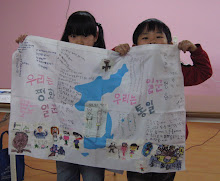
![[URGENT PLEA: In Update] EMERGENCY in GANGJEONG Since AUG. 24, 2011](https://blogger.googleusercontent.com/img/b/R29vZ2xl/AVvXsEiQvpaNf6EePZVucu97_JphYsFS5IgumnSiA4YAmen1PZcim6vMmW7XjZ7J6nLh-Cu36mwBN5n1evrA3ey0vYMpwlAGsgnSFggv6a1w4Qx9BvvqOB0hy0BIcBkL2Exfs3zIxBsBuDGa1kzg/s227/jejusit.jpg)


![[Solidarity from Japan for the Jeju] 253 individuals and 16 groups/organizations](https://blogger.googleusercontent.com/img/b/R29vZ2xl/AVvXsEivji7100kBkr0hzvqYfh4IBBilkZ6XgDIg89jOxS6kTssxsVKC6Wm-fZbKOEsiy3zcO-9gW6GHspD5R_2C9WsGx5S1Z5VPj_OVRF7H6dxdaT0S-2H1eqsDsYvIwOV26VscxTHnKmP5iZmh/s227/jeju_12_10j.jpg)

![[Translation] Korean organizations' statement: Immediately cancel the joint ROK-US drill Nov 26](https://blogger.googleusercontent.com/img/b/R29vZ2xl/AVvXsEgfKDMo-qyEjm5asUtHlREyJY_5Ou-2tyB8SH6aUxiViRbbKR-8W_rirFiGp5DYSoD_KaeNOPMWR0af0ZPUIbJKmR89ImDvADHsGAIqsJVBvJNBEIl5wLd3G_zhPDW3Z2SxsHXadOsXe8st/s227/1.jpg)
![HOT! [Hankyoreh Hani TV] Beneath the Surface: the investigation into the sinking of the Cheonan](https://blogger.googleusercontent.com/img/b/R29vZ2xl/AVvXsEh80rL3Qv9GnfHSqbYMfivdqX5gZN-1O_VQj3A_Gk3yjWdybHwJCsprA3l6cEQB0cYCP2oNeaLo2ohLGIy0Uqqkv_fRkBevGJ2f-qkKD5eP1ZGsKeQ-r-jHUUb79WvucIN7hpEtXza4xXCL/s227/HaniTV+Cheonan.gif)


![[Translation]Statement against illegal inspection and unjust lay-off by the Kunsan USAFK!(Nov_2010)](https://blogger.googleusercontent.com/img/b/R29vZ2xl/AVvXsEg3JlQ-lreusCIJo5Yv2e3ZrRwrSMUE7UQxlrDVjmBehl0Pa24QZIAbZ5vUpgnnExbkKL9PdCwxVYSHWJkr_XK0FM4EhU3CMFhqfborVNu_p4v3bEFpNm3ia-aEHnvMMuEBI27aB7_BETuJ/s227/gunsan+protest.gif)
![[Translation] Korean organizations' statement against dispatching special force to the UAE on Nov.](https://blogger.googleusercontent.com/img/b/R29vZ2xl/AVvXsEiU7TNhTDLLwZkKP0Z78JsCZKp6je-QSFll3_ThmLES_y_nPLXEzeakrsZXoNxhN5blopEhy6xGV2tneJrniPdTR-JvOQMmSLr_HhlucxFvbusxk4oKvvMO2laBOHSIkB9OOeOxrQlqCA0O/s227/antiwarpeace.jpg)
![[Translation] Stop, Joining MD!: South Korean activists' statement and writing on Oct. 25, 2010](https://blogger.googleusercontent.com/img/b/R29vZ2xl/AVvXsEggGIHVei8j7LCJPJB5HIrspd942q436daNTquP-pFd45Cl70Ml_1JFiFDHgKu6FcoqNgFVKIFqjeuSPau2k_BwGHhx0cqFFL2-4ybZSTlmua0_AsERBtKYQa7jZk7uNj41LX6rj2vksHbo/s227/StopMD.jpg)
![[In Update] People First, NO G-20 (Nov. 6 to 12, Korea)](https://blogger.googleusercontent.com/img/b/R29vZ2xl/AVvXsEhZl8VTqeL7o2ndliGIE-sZFCikbTgfB9KCc3AtZvDaYijBBEhdfultMEOpyrCaD5gzpH8mqfWjU20KXMbSUl-5KM7yQeHU6z3BWV8tiOy4UKaCudz9VKWoi5x58xdC_gQpJTjkR5u7O9xf/s227/left21_G20.jpg)
![[International Petition] Stop US helipad plan in Okinawa to save great nature](https://blogger.googleusercontent.com/img/b/R29vZ2xl/AVvXsEihgYmdb0N8ViPvTFC_5i-Psbt4eX_LnAUEOtZkUngv_pGvRyWag1r6W60NicLLyTgWq-sPT1hBxLY5SadEIVv5McfZQ5uIhe-W0VoflQNqojsYZjFW6AH-gB1jsmSDGnGuKIFk2UkvNbFG/s227/yanbaru_w.jpg)
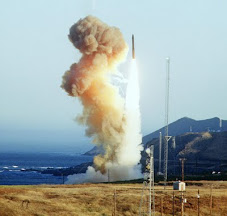
![[Global Network] against the first launch of Quasi-Zenith Satellite, Japan, on Sept. 11, 2010](https://blogger.googleusercontent.com/img/b/R29vZ2xl/AVvXsEj2sYpfodDDMIA7qXwuda0DmKapxXFB479fDnn8RKy7QNZqz0VEvWucNd-DleZ37hWNXC-Z8QtaqtM37VuPwac5SgclJ9_khBBSWOedvm19MRXIP1j1kcWrK6EW5IFjQdEEY2h7E6xuyNvC/s227/Qzss-45-0_09.jpg)
![[In update] Some collections on the Koreans’ protests against the sanction & war on Iran](http://4.bp.blogspot.com/_gnM5QlRx-4c/TJMvke6t8zI/AAAAAAAAFO4/tamQ8LUnOOA/S227/No+Sanction+on+Iran.jpg)
![[Three International Petitions] to End the Korean war and peace treaty(or peace resolution)](https://blogger.googleusercontent.com/img/b/R29vZ2xl/AVvXsEhlohLVYtpCg7iMsZhNYY4hBbhTi2dIheHMHWLDph9X2y78cjgZV1LeSfUJeu80elhJm70Q9E059q72lK-spSPvsRG4bPuCDIytltJB9IH3mWt9OG98HqhnTsPakwhvNeoCFUgF1xoxQ2EZ/s227/border.jpg)


![[Collection of Documents] No Base Learning and Solidarity Program_Korea(June 14 to 20, 2010)](https://blogger.googleusercontent.com/img/b/R29vZ2xl/AVvXsEix_HzjToh3nNGHBc-_5gasq-ykcaZ6GInLixILmZVyRJ5xoeHCxWOyYd9fSM7bmnuFsjSrYOGEPnQOwB1Dcyo-sN4Pw0cFPhUtKig_qlVnGL1Wi82ClvPqbEPWYhJiqdNF0DyzLIBETMB9/s227/No-Base-banner.jpg)
![Site Fwd:[John Hines] A U.S. Debate coach’s research trip on the Issues of Korea](https://blogger.googleusercontent.com/img/b/R29vZ2xl/AVvXsEg8yRra0zNhKHN74Auqhd3Nx9tZ7BWCGflRJHGH4CfzBT_yjhZ8Nl9b3OZuLpYWJ2exsjmR0oVl-Qq_cf832p2VdmOZhUi-lCFzCNeDSyVtweX1lWZPC-RlHmDMLtilHwHjNFTenBiM4Fk4/s227/Jeju-Peace-Tour.jpg)


![[News Update] Struggle Against the Jeju Naval Base since Jan. 18, 2010](https://blogger.googleusercontent.com/img/b/R29vZ2xl/AVvXsEhKfSTRC5QKBBSFIq_m7QIqXdlbL4-gF5GJYn9Q-pN__k7sV7uxGDcLY5L8xmU7QuWuUhBT_GhG-URBPO80RT3AfWfDrWJr06h1hFuZC6ZBVKe4U6PS1Cd7Kr6olO8TYQtk13Drox7IS6ea/s226/scrum1.jpg)


![[Urgent] Please spread the Letter!: There was no Explosion! There was no Torpedo! (May 26, 2010)](https://blogger.googleusercontent.com/img/b/R29vZ2xl/AVvXsEhSd2yWZ3xGwnJQXB73z5FgXCqSosAoB9_33-GLYprOmLqjmvgSAQp1BYI7e4slK1FDxHRi9KK4um-OpDaj8QOkXwAScVAgvvq6-ehbDA-hbkr96wT9oHNNmWnBPv8GU4hoZp9X8F9AZBX4/s227/grounded.jpg)
![Text Fwd: [Stephen Gowans]The sinking of the Cheonan: Another Gulf of Tonkin incident](https://blogger.googleusercontent.com/img/b/R29vZ2xl/AVvXsEi_L6hB3RZ1MovTXHe0A8yn_RfgMALGR0kM6poBuGp809xwvHtB_-PGWtS_WpyPWatyd9lB2pPqL2gOLc4dTCEdJ9sMvxJWEdapl-mMLm7WHAsV-jVpgqarVh8XBtdz_0c-Vohdh3HtJahD/s227/lee-myung-bak.jpg)
![[Japan Focus]Politics in Command: The "International" Investigation into the Sinking of the Cheonan](https://blogger.googleusercontent.com/img/b/R29vZ2xl/AVvXsEiHmTo8v-uCJnabRhMdnBAkC9J3s5bb2JsDKiT5leJHwbK8IDJHxfJmqQ_C0Is_bPC6UGMf05CA0exF2y4r2x9RhFUHT0kjsKviaME_MZXKnq775UyYAdb7w2SAzE75XvBfHp1al2q6i3cf/s227/wen_jiabao_and_lee_myungbak.png)
![[Japan Focus] Who Sank the SK Warship Cheonan? A New Stage in the US-Korean War and US-China](https://blogger.googleusercontent.com/img/b/R29vZ2xl/AVvXsEiKSS5ULT5QBaMGYpXXqBMX9jtwLwMLuK469b6Ku72GTJYKUObzTANaPjZqvvpPzYMJgPF53sjhvhK3DVa88ipYlggsJageykXlkxY6s8TW05xcU-_vfhf-pACUoaWuFbT-fsU1qEhm_yIi/s227/buoy_map.gif)
![[Updated on 12/13/10] [Translation Project] Overseas Proofs on the Damages by the Military Bases](https://blogger.googleusercontent.com/img/b/R29vZ2xl/AVvXsEikADE6JovUNspQyZUWVMTLAQg7yQNqXpVUbqZPk8f4uc_1723_xm1Cco6WAmstQXVPnaJAcb1mZA8Ny_3xONT_f5uh8MNLPnUhtqdGgy3HCtC1Vbbz4Q0ZY1Cssu-4cJEVNdrvznbS5UzO/s227/missile.jpg)
![[International Petition] Close the Bases in Okinawa](https://blogger.googleusercontent.com/img/b/R29vZ2xl/AVvXsEhNpQiHklwFbWVlFK7GDFXnBSOOSFEj3Il-We-N3uTDldKiidL2NGZs7X_LtTnatzTo_r8CexRkFe8NhfxYqmgp1knEEslROTfNjI5_mSb57cdbhPkftvanveYBaevAD9xuKDGoIxiTwoSb/s227/2.jpg)
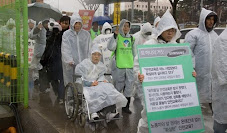
![[In Update]Blog Collection: No Korean Troops in Afghanistan](https://blogger.googleusercontent.com/img/b/R29vZ2xl/AVvXsEjjEmCRXSNAG7_QBxKWbdksmxoWR4nyAovQTTdR1G2AuXh0jxtqNkI9OmYgYWRoLAJShvtBvE840QXuBWSVh3u3zMYqkNAFX6OWy3m5Nur4HM7uNK-pKT1ycyApJp-VLyhIFRRcoisYAh0E/s226/No-Troops-to--Afghanistan.jpg)


