Hankyoreh
[Editorial] Food aid to N.Korea
Posted on : Mar.28,2011 14:44 KST
The United Nations recently issued a recommendation that the international community supply more than 430 thousand tons of emergency aid to more than six million North Koreans. The time has come for the South Korean government to provide aid, not only to relieve the suffering of fellow Koreans but also in consideration of the actions of the international community.
The U.N. report indicates a serious food shortage in North Korea. The situation has worsened due to flooding last summer and frigid temperatures in the winter, and the report predicts that food supplies will run out some time between May and July. In particular, it warns of a grave danger of malnutrition and disease among vulnerable groups such as children, women, and the elderly. The World Food Programme (WFP), U.N. Food and Agriculture Organization (FAO), and UNICEF began visiting nine provinces and 40 counties in the country on Feb. 20 based on a principle of not supplying aid to any place they are unable to visit directly. It is for this reason that the latest report is recognized as having more objectivity and transparency than ever before.
It is evident that moves by the international community to provide food aid will pick up in the wake of this report. The current attitude from the United States is that political matters and humanitarian issues must be separately addressed. Washington has declared that it would make a decision as to whether to provide aid after the U.N. report came out, making it likely that it will soon begin taking follow-up measures. U.S. Senate Foreign Relations Committee Chairman John Kerry also issued a statement urging the resumption of humanitarian food aid in line with the U.N.’s recommendation.
The problem is that the attitude from Seoul remains as rigid as ever. Officials of the Lee Myung-bak administration have offered various excuses for playing down the significance of the U.N. report. Officials have also expressed signs of mistaken confidence that even if the United States hopes to resume aid, they can convince it not to do so through bilateral discussions. Recently, the administration agreed to permit small-scale food aid at the private level to North Korean infants and small children. This is a typical strategy by the Lee administration to dodge criticism that it is avoiding humanitarian measures, while at the same time managing to avoid the provision of any real food aid at the governmental level.
The situation has simply become one of frustration. How long will Seoul alone insist on this inflexible attitude? Does our government feel comfortable bearing criticism that it has heartlessly turned its back on the suffering of fellow Koreans? The time has come to resume humanitarian food aid to North Korea regardless of the political situation. It may also serve as a starting point for thawing relations between North Korea and South Korea, which remain frosty as ever. We look forward to a fundamental change in perspective from the administration, if only out of consideration for the actions of the international community.
Please direct questions or comments to [englishhani@hani.co.kr]
Showing posts with label North Korea economy. Show all posts
Showing posts with label North Korea economy. Show all posts
Wednesday, March 30, 2011

Thursday, January 20, 2011
Text Fwd: Kaesong companies on the brink as sanctions continue

Kaesong companies on the brink as sanctions continue
: The companies have been caught between past government support and current government restrictions
Jung Eun-joo: The companies have been caught between past government support and current government restrictions
Posted on Jan. 19, 2011
“Are they trying to bleed the Kaesong Industrial Complex tenant companies to death?”
As the Lee Myung-bak administration’s sanctions against North Korea draw out into the long term, tenant companies in the Kaesong Industrial Complex are lurching toward the edge of a cliff. Eight presidents of the tenant companies, who asked that their names not be disclosed, agreed to a series of interviews with the Hankyoreh.
They complained that they have lost hundreds of millions of Won (hundreds of thousands of dollars) with the suspension of factory construction due to administration measures forbidding new investment. They also said that the situation is growing bleaker by the day, with veteran employees quitting as the numbers of resident personnel at the complex drops due to concerns about personal safety. Despite all of this, they suffer without a word of formal complaint out of fears that they might draw the anger of North Korean and South Korean authorities.
READ MORE
Friday, January 7, 2011
Text Fwd: In limited N.Korean market, furor for S.Korean products
 Members of civic organizations hold signboards of South Korean and U.S. key policymakers during a demonstration calling on the two governments to resume dialogue with North Korea in front of the Government Complex in Seoul, Jan. 5. (Photo by Kim Myoung-jin)
In limited N.Korean market, furor for S.Korean products
: A report suggests that N.Koreans are becoming more exposed to S.Korea through movies and products
: A report suggests that N.Koreans are becoming more exposed to S.Korea through movies and products
Jan. 6, 2011
A report on major North Korean indicators released by Statistics Korea on Wednesday revealed that South Korean products are becoming increasingly popular in North Korea, and that there are hardly any North Korean urban youth who do not watch South Korean TV dramas or movies.
In the report, Statistics Korea said it is becoming a fad for young people in major North Korean cities like Pyongyang and along the border with China to watch South Korean television dramas and films using MP3 players or laptop computers. Statistics Korea said MP3 players with 1G of memory cost 60,000 North Korean Won (estimated $419), while a used laptop costs about 2 million North Korean Won. A memory chip with two or three movies costs 10,000 North Korean Won if it is an original, and 5,000 North Korean Won if its a copy.
In the report, Statistics Korea said it is becoming a fad for young people in major North Korean cities like Pyongyang and along the border with China to watch South Korean television dramas and films using MP3 players or laptop computers. Statistics Korea said MP3 players with 1G of memory cost 60,000 North Korean Won (estimated $419), while a used laptop costs about 2 million North Korean Won. A memory chip with two or three movies costs 10,000 North Korean Won if it is an original, and 5,000 North Korean Won if its a copy.
The report also said many South Korean products are in circulation in North Korea, including blenders, portable heaters, gas ranges, butane cans, lunch trays, gas heaters, rice cookers, dishrags and gloves. According to the report, South Korean shampoo and conditioner is popular with the wives of high-ranking North Korean officials in Pyongyang. Some 470g bottles of South Korean shampoo and rinse go for 40-50 yuan (8,000-10,000 South Korean Won) in Pyongyang.
The report said the popularity of South Korean products was also reflected in other goods. South Korean necklaces are sold for about $500 and earrings for about $70-80, while South Korean products like perfume, deodorant, car air fresheners, refrigerator deodorizer and bathroom air fresheners are also selling well.
South Korea’s nominal GNI in 2009 was $837.2 billion, 37.4 times that of North Korea’s $22.4 billion. North Korea’s economic power, all told, is no more than the level of the South Korean city of Gwangju (about 22 trillion Won). South Korea’s per capita income of $18,175 was 17.9 times that of North Korea’s $960. South Korea also conducted $686.6 billion in total trade, 201.9 times that of North Korea, which conducted only $3.4 billion. The only sectors in which North Korea topped South Korea were production of iron ore and coal and length of railroads. North Korea’s iron ore production was 4.955 million tons, ten times that of South Korea (455,000 tons), and its coal production was 25.5 million tons, 10 times that of South Korea (2.519 million tons). North Korea also had 5,242km of railroads, 1.4 times that of South Korea’s 3,378km. North Korea is also believed to have 7 quadrillion Won in underground mineral wealth.
Please direct questions or comments to [englishhani@hani.co.kr]
Friday, October 22, 2010
Text Fwd: [Ariel Ky] Reaching Out to North Korea [아리엘 기] 북한에 접근하기
* Sent by Ariel Ky on Oct. 20, 2010
UB POST
Reaching Out to North Korea
Written by Ariel Ky
Tuesday, August 04, 2009.
North Korea has suggested that it is willing to enter bilateral talks with the United States to resolve tensions over its atomic weapons program, now that it’s bolstered its negotiating power with nuclear and missile tests, according to a July 27 article by Jae Soon-chang in the Associated Press. However, U.S. Secretary of State Hillary Clinton said earlier in the day that a multilateral framework is “the appropriate way to engage with North Korea.”
State Department spokesperson Ian Kelly also said that negotiations could only happen on the sidelines of a new round of six-nation multilateral talks, which would include the two nations, as well as Russia, China, and Japan.
The U.S. has called for international support in strictly enforcing the U.N. sanctions resolution against North Korea as a way to pressure them to return to talks, after the country’s May 25 nuclear test.
North Korea has “ratcheted up tensions at a rapid pace”, according to Jae’s article.
“It conducted a long-range rocket launch in April, quit the six-nation nuclear talks, restarted its nuclear facilities, conducted its second-ever nuclear test, and test-launched a barrage of banned ballistic missiles,” the article said.
North Korea’s July 27 statement said that the country refuses to engage in six-party talks again, because “it became all the more clear that other parties are taking advantage of these six-party talks to seek their ulterior aims to disarm and incapacitate the (North) so that it can only subsist on the bread crumbs thrown away by them.”
Despite this, there were no written threats in the statement, and the suggestion for talks – even if limited to bilateral arrangements with the U.S. – is rare, said Jae.
Decades of sanctions have made little impact on North Korea’s weapons program and strident militarism. The failure of sanctions to steer policy has led to new approaches in reaching out to North Korea in an attempt to find feasible ways to end the country’s isolation so that they may have a stake in global peacekeeping.
In the New York Times article, “Will Sanctions Ever Work on North Korea”, Martin Fackler and Choe Sang-Hun said that the North will need motivation.
“In the end what is needed … is a ‘grand bargain’ of sweeping incentives that could include large-scale economic aid, normalization of relations with the United States and pledges that Washington will not attack or topple the North Korean government,” it said.
Yun Duk-min, a North Korea specialist at the Institute of Foreign Affairs and National Security based in South Korea agrees that it is the only hope for breaking the cycle.
“We need big enough carrots to go along with a stronger stick,” he said.
Dr. Chris Williams of the University of Birmingham’s Centre for International Education and Research suggested another option for disarmament: A road. Williams said that a connecting passageway would act as a better deterrent than a nuclear bomb.
The 2005 UN East Asian Highway Agreement encourages 32 Asian countries to extend existing roads towards and across borders, creating a 141,000-kilometer long trans-Asia network of roads. An agreement for a parallel railway network dubbed the “Iron Silk Road” was signed in Busan in 2006.
Politically, this idea is probably one of the most exciting moves towards peace and security since the United Nations was founded, said Williams. He argues that once people have the freedom to travel from country to country on a network of roads such as happened in Europe in the 20th century, losing that freedom due to war would be unthinkable.
Financial assistance may also be more readily available to North Korea once an agreement for a structured foreign reserve currency for Asian countries is finalized. Ongoing negotiations on the proposal have taken place between the ASEAN countries, plus China, Japan and Korea, in Chiang Rai, Bali, and most recently Yekatarinburg.
In a July 29 article in the Korea Herald titled “Creating a Good Bank for North Korea”, Bernard Seliger argues that a Northeast Asian Development Bank (NADB) should be formed and it should produce a strong offer to North Korea to participate from the beginning.
He suggests that funding could be regional – with the majority likely coming from South Korea and China, but also from Japan and non-Asian states such as the European Union.
Seliger went on to say that the North American Development Bank (NADB) would also be helpful in addressing an issue that has plagued many socialist and developing countries – North Korea defaulted on its external debt in the 1980s. This problem has to be resolved as a precondition for the re-integration of North Korea in the world economy.
“This does not mean North Korea has to pay back all of that debt - principal plus interest - which is not possible in the foreseeable future. Looking at the experience of debt rescheduling of Soviet and Russian debt with the London Club [of private lenders] and Paris Club [of state lenders], it can be said that the process was helpful beyond solving the original problem,” said Seliger.
“A new generation of debt and trade finance specialists emerged [as] more understanding, for international trade followed, and economic reform was forwarded by negotiations. Creating macroeconomic specialist, debt and trade finance specialists would be as well a precondition as an outcome of negotiations. In both, the NADB could play a pivotal role.”
In a second step, the NADB could also assume the debt – where the possibility of repayment is currently zero – after large write-offs, and for concessions in terms of reform in North Korea. A strong linkage of capacity building, aid and trade would result.
Seliger further states that resolving current problems goes hand-in-hand with developing solutions for North Korea.
“Extending an olive branch to North Korea, particularly in the form of a regional initiative that includes China, would put pressure on North Korea to react positively,” Seliger said. “It would also show the population of North Korea, which by now has at least limited access to information from abroad, that the international community is not hostile vis-à-vis North Korea, but offering help.”
He goes on to say that that this would open other various possibilities with the country.
“The most benign, but currently least probable, would be that North Korea itself becomes interested in capacity-building and economic integration. A more probable outcome would be that growing Chinese frustration with its ally would lead to stronger Chinese efforts to convince North Korea to open up,” he said.
“There is no guarantee that the NADB will succeed with regard to North Korea. However, a lot of money has been spent on much more dubious inter-Korean cooperation projects to no avail. This approach might well be worth trying out.”
Mongolia could also play an active role because of the long friendship it has shared with North Korea.
In a June 12 article in the UB Post titled “Looking Beyond North Korea”, Stephen Noerper stated that Mongolia has “offered itself as a venue for talks on easing tensions on the Korean peninsula, notable given its good relations with both North and South Korea.”
Hopefully, the U.S. will take up Mongolia’s offer.
UB POST
Reaching Out to North Korea
Written by Ariel Ky
Tuesday, August 04, 2009.
North Korea has suggested that it is willing to enter bilateral talks with the United States to resolve tensions over its atomic weapons program, now that it’s bolstered its negotiating power with nuclear and missile tests, according to a July 27 article by Jae Soon-chang in the Associated Press. However, U.S. Secretary of State Hillary Clinton said earlier in the day that a multilateral framework is “the appropriate way to engage with North Korea.”
State Department spokesperson Ian Kelly also said that negotiations could only happen on the sidelines of a new round of six-nation multilateral talks, which would include the two nations, as well as Russia, China, and Japan.
The U.S. has called for international support in strictly enforcing the U.N. sanctions resolution against North Korea as a way to pressure them to return to talks, after the country’s May 25 nuclear test.
North Korea has “ratcheted up tensions at a rapid pace”, according to Jae’s article.
“It conducted a long-range rocket launch in April, quit the six-nation nuclear talks, restarted its nuclear facilities, conducted its second-ever nuclear test, and test-launched a barrage of banned ballistic missiles,” the article said.
North Korea’s July 27 statement said that the country refuses to engage in six-party talks again, because “it became all the more clear that other parties are taking advantage of these six-party talks to seek their ulterior aims to disarm and incapacitate the (North) so that it can only subsist on the bread crumbs thrown away by them.”
Despite this, there were no written threats in the statement, and the suggestion for talks – even if limited to bilateral arrangements with the U.S. – is rare, said Jae.
Decades of sanctions have made little impact on North Korea’s weapons program and strident militarism. The failure of sanctions to steer policy has led to new approaches in reaching out to North Korea in an attempt to find feasible ways to end the country’s isolation so that they may have a stake in global peacekeeping.
In the New York Times article, “Will Sanctions Ever Work on North Korea”, Martin Fackler and Choe Sang-Hun said that the North will need motivation.
“In the end what is needed … is a ‘grand bargain’ of sweeping incentives that could include large-scale economic aid, normalization of relations with the United States and pledges that Washington will not attack or topple the North Korean government,” it said.
Yun Duk-min, a North Korea specialist at the Institute of Foreign Affairs and National Security based in South Korea agrees that it is the only hope for breaking the cycle.
“We need big enough carrots to go along with a stronger stick,” he said.
Dr. Chris Williams of the University of Birmingham’s Centre for International Education and Research suggested another option for disarmament: A road. Williams said that a connecting passageway would act as a better deterrent than a nuclear bomb.
The 2005 UN East Asian Highway Agreement encourages 32 Asian countries to extend existing roads towards and across borders, creating a 141,000-kilometer long trans-Asia network of roads. An agreement for a parallel railway network dubbed the “Iron Silk Road” was signed in Busan in 2006.
Politically, this idea is probably one of the most exciting moves towards peace and security since the United Nations was founded, said Williams. He argues that once people have the freedom to travel from country to country on a network of roads such as happened in Europe in the 20th century, losing that freedom due to war would be unthinkable.
Financial assistance may also be more readily available to North Korea once an agreement for a structured foreign reserve currency for Asian countries is finalized. Ongoing negotiations on the proposal have taken place between the ASEAN countries, plus China, Japan and Korea, in Chiang Rai, Bali, and most recently Yekatarinburg.
In a July 29 article in the Korea Herald titled “Creating a Good Bank for North Korea”, Bernard Seliger argues that a Northeast Asian Development Bank (NADB) should be formed and it should produce a strong offer to North Korea to participate from the beginning.
He suggests that funding could be regional – with the majority likely coming from South Korea and China, but also from Japan and non-Asian states such as the European Union.
Seliger went on to say that the North American Development Bank (NADB) would also be helpful in addressing an issue that has plagued many socialist and developing countries – North Korea defaulted on its external debt in the 1980s. This problem has to be resolved as a precondition for the re-integration of North Korea in the world economy.
“This does not mean North Korea has to pay back all of that debt - principal plus interest - which is not possible in the foreseeable future. Looking at the experience of debt rescheduling of Soviet and Russian debt with the London Club [of private lenders] and Paris Club [of state lenders], it can be said that the process was helpful beyond solving the original problem,” said Seliger.
“A new generation of debt and trade finance specialists emerged [as] more understanding, for international trade followed, and economic reform was forwarded by negotiations. Creating macroeconomic specialist, debt and trade finance specialists would be as well a precondition as an outcome of negotiations. In both, the NADB could play a pivotal role.”
In a second step, the NADB could also assume the debt – where the possibility of repayment is currently zero – after large write-offs, and for concessions in terms of reform in North Korea. A strong linkage of capacity building, aid and trade would result.
Seliger further states that resolving current problems goes hand-in-hand with developing solutions for North Korea.
“Extending an olive branch to North Korea, particularly in the form of a regional initiative that includes China, would put pressure on North Korea to react positively,” Seliger said. “It would also show the population of North Korea, which by now has at least limited access to information from abroad, that the international community is not hostile vis-à-vis North Korea, but offering help.”
He goes on to say that that this would open other various possibilities with the country.
“The most benign, but currently least probable, would be that North Korea itself becomes interested in capacity-building and economic integration. A more probable outcome would be that growing Chinese frustration with its ally would lead to stronger Chinese efforts to convince North Korea to open up,” he said.
“There is no guarantee that the NADB will succeed with regard to North Korea. However, a lot of money has been spent on much more dubious inter-Korean cooperation projects to no avail. This approach might well be worth trying out.”
Mongolia could also play an active role because of the long friendship it has shared with North Korea.
In a June 12 article in the UB Post titled “Looking Beyond North Korea”, Stephen Noerper stated that Mongolia has “offered itself as a venue for talks on easing tensions on the Korean peninsula, notable given its good relations with both North and South Korea.”
Hopefully, the U.S. will take up Mongolia’s offer.
Monday, October 18, 2010
Site Fwd;[Korea Report] Glimpse of Daily Lives of Ordinary North Koreans 보통 북한 민중들의 일상 생활 힐끗 보기
Korea Report, Oct. 16, 2010
Glimpse of Daily Lives of Ordinary North Koreans


Glimpse of Daily Lives of Ordinary North Koreans


While other Western reporters mainly covered the military parade earlier this month during the celebration of the 65th anniversary of the North Korean Workers Party, reinforcing one-dimensional, stereotypical image of North Korea, Seoul-based Korean AP reporter and photographer were able to see daily lives of ordinary citizens of Pyongyang enjoying outdoors, having fun.
Tuesday, August 31, 2010
Event Fwd: A bicycle march for the ecology peace and help of North Korean brothers & Sisters on Sept. 11 [초대] 9월 11일 자전거를 타고 떠나는 생태평화와 북녘 동포돕기 대행진!
___________________________________________________________
Update 엎데이트 on Sept. 15, 2010 2010년 9월 15일
Wednesday, September 15, 2010
[Photo Fwd] [Peace Network]
Bicycle March near to the DMZ – from an aspiration for the Unification of Korea
코리아의 통일을 염원한 DMZ 근처까지 자전거 행진
___________________________________________________________
 * Image source 이미지 소스: same from the below link (Peace Network 평화 넷트 워크)
* A bicycle route from the City of Ilsan to Imjingak, City of Paju, near the Korean DMZ.
* Click the map for larger view 지도를 클릭하시면 확대됩니다.
_____________________________________________________________
* Summary translation from the site of the Peace Network.
* 평화 넷트워크에서 퍼왔읍니다. 국문으로 된 자세한 행사 안내는 원 사이트에서 보실 수 있읍니다(클릭).
A bicycle march for the ecology peace and help of North Korean brothers & Sisters will be held on Sept. 11. 2010. It is hosted by the three organizations of the Citizens’ Peace Forum, Peace Network and the Green Bicycle Service Volunteers (* temporary translation). The event is also co-sponsored by the 12 organizations. It is financially sponsored about by 12 institutes including the City of Goyang. The expected participants are about 500. The participants, leaving from the Juje Square of the Ilsan lake park in the city of Goyang at 10am will arrive the Imjingak, City of Paju, the vicinity of the Korean DMZ at 3:30pm.
In the same source, you can see the Korean map of the bicycle march route (also as in the above).
Half of the participants' fees will be contributed for the donation to the North Koreans who are suffering from flood.
_________________________________________________________
* You may read this article as well.
Japan Focus
A New Paradigm for Trust-Building on the Korean Peninsula: Turning Korea’s DMZ into a UNESCO World Heritage Site
Seung-ho Lee
_________________________________________________________
◆ 행사 개요 - 행사명: 2010 자전거 생태평화 대행진
- 주관: 시민평화포럼, 평화네트워크, 녹색자전거봉사단
- 공동주최: 우리민족서로돕기운동, 민주사회를위한변호사모임, 생태지평, YMCA, 녹색연합, 녹색교통, 녹색미래, 경실련 통일협회, 민족화해협력범민족협회, 흥사단민족통일운동본부, 동학민족통일회, 참여연대
- 후원: 고양시, 에버트재단, 한겨레통일문화재단, 시민사회단체 연대회의, 프레시안, 오마이뉴스 - 일시: 2010년 9월 11일 토요일 10:00-15:30
- 장소: 고양시 일산호수공원 주제광장 출발→파주시 임진각 도착(약 35km)
- 행사 참가 인원: 약 500명(입금순으로 마감)
- 참가비: 1인당 1만원. 참가비 중 5천원은 기념품, 간식, 보험료 등으로 사용되고, 5천원은 북한 수재의연금으로 사용됩니다.
Update 엎데이트 on Sept. 15, 2010 2010년 9월 15일
Wednesday, September 15, 2010
[Photo Fwd] [Peace Network]
Bicycle March near to the DMZ – from an aspiration for the Unification of Korea
코리아의 통일을 염원한 DMZ 근처까지 자전거 행진
___________________________________________________________
 * Image source 이미지 소스: same from the below link (Peace Network 평화 넷트 워크)
* A bicycle route from the City of Ilsan to Imjingak, City of Paju, near the Korean DMZ.
* Click the map for larger view 지도를 클릭하시면 확대됩니다.
_____________________________________________________________
* Summary translation from the site of the Peace Network.
* 평화 넷트워크에서 퍼왔읍니다. 국문으로 된 자세한 행사 안내는 원 사이트에서 보실 수 있읍니다(클릭).
A bicycle march for the ecology peace and help of North Korean brothers & Sisters will be held on Sept. 11. 2010. It is hosted by the three organizations of the Citizens’ Peace Forum, Peace Network and the Green Bicycle Service Volunteers (* temporary translation). The event is also co-sponsored by the 12 organizations. It is financially sponsored about by 12 institutes including the City of Goyang. The expected participants are about 500. The participants, leaving from the Juje Square of the Ilsan lake park in the city of Goyang at 10am will arrive the Imjingak, City of Paju, the vicinity of the Korean DMZ at 3:30pm.
In the same source, you can see the Korean map of the bicycle march route (also as in the above).
Half of the participants' fees will be contributed for the donation to the North Koreans who are suffering from flood.
_________________________________________________________
* You may read this article as well.
Japan Focus
A New Paradigm for Trust-Building on the Korean Peninsula: Turning Korea’s DMZ into a UNESCO World Heritage Site
Seung-ho Lee
_________________________________________________________
◆ 행사 개요 - 행사명: 2010 자전거 생태평화 대행진
- 주관: 시민평화포럼, 평화네트워크, 녹색자전거봉사단
- 공동주최: 우리민족서로돕기운동, 민주사회를위한변호사모임, 생태지평, YMCA, 녹색연합, 녹색교통, 녹색미래, 경실련 통일협회, 민족화해협력범민족협회, 흥사단민족통일운동본부, 동학민족통일회, 참여연대
- 후원: 고양시, 에버트재단, 한겨레통일문화재단, 시민사회단체 연대회의, 프레시안, 오마이뉴스 - 일시: 2010년 9월 11일 토요일 10:00-15:30
- 장소: 고양시 일산호수공원 주제광장 출발→파주시 임진각 도착(약 35km)
- 행사 참가 인원: 약 500명(입금순으로 마감)
- 참가비: 1인당 1만원. 참가비 중 5천원은 기념품, 간식, 보험료 등으로 사용되고, 5천원은 북한 수재의연금으로 사용됩니다.
Tuesday, August 3, 2010
Photo Fwd: Einhone, Go Back! No Sanction! Start Peace talk!
“Go back home, Robert Einhone!"
"Stop the Financial Sanction against North Korea, Start Peace Talk!”
"Stop the Financial Sanction against North Korea, Start Peace Talk!”
'Six party talks + Peace agreement = Peace in the Korean peninsula'
'Financial sanction against North Korea + War exercise = War in the Korean Peninsula'
___________________________________________________________
1.Robert Einhone, a US Official whose purpose is to sanction against North Korea Visited South Korea on Aug, 2, 2010.

* Image source: Yonhap News: 'Aug. 2, SEOUL, South Korea -- Robert Einhorn (L), the U.S. State Department's special adviser for nonproliferation and arms control, speaks about new sanctions on North Korea during a news conference held after his meeting with South Korea's Deputy Foreign Minister Lee Yong-joon (R) at the Foreign Ministry in Seoul on Aug. 2. (Yonhap)'
___________________________________________________________
2. The Solidarity for Peace And Reunification of Korea had the press interview upon the visit of Robert Einhorn to South Korea to protest against his purpose to sanction North Korea, in front of the Ministry of Foreign Affairs and Trade, at 10am on Aug. 2, 2010. Many activists from the other organizations also joined the protest. The protesters demanded to stop sanction against North Korea, to open all the information on Cheonan ship and to start peace talks instead. One sign pointed out and criticized the attempt by the authorities of ROK and US by saying, 'Are you going to wield the baton of sanction against North Korea with the manipulated investigation result on the Cheonan ship incident?' At the end of the press interview, Protesters shouted toward the building of the Ministry of Foreign Affairs and Trade, “Go back home, Einhone, Stop the Financial Sanction against North Korea, Start Peace Talk!” in English. Many reporters came to record the press interview on the day. After the press interview, despite rain, two people kept the site with their one man protest. Mr. Kwon Oh-Hun, Honorary Chairman of Association of the Families for the Democracy Practice - Sponsoring Group for the Political Prisoners (tentative translation) and Ms. Kim Hyun-Sook, a SPARK member. You can see the Korean statement here.( 평통사 국문 성명은 여기를 보세요.) Click the images for larger view (이미지를 확대하시면 화면이 확대됩니다. For more photos in the SPARK site, click here.


 Six party talks + Peace agreement = Peace in the Korean peninsula
Financial sanction against North Korea + War exercise = War in the Korean Peninsula


 Protesters shouted toward the building of the Ministry of Foreign Affairs and Trade, “Go back home, Einhone, Stop the Financial Sanction against North Korea, Start Peace Talk!” in English.


 One-man protests despite rain on the day.
 3. The North Korea gathers her people's willpower through the Arirang Festival on the same day. The phrase in the 1st photo says, "My country that will prosper."
 * Image source: Yonhap News, Aug. 3, 2010
 * Image source: Yonhap News, Aug. 3, 2010
'Aug. 3, SEOUL, South Korea -- This is a scene of North Korea's annual mass gymnastics extravaganza Arirang Festival, which opened in Pyongyang on Aug. 2. The 80-minute show, inaugurated in 2002, features some 100,000 people performing synchronized acrobatics, gymnastics, dances and flip-card mosaic animations. (KCNA-Yonhap)
(END)'
Thursday, July 22, 2010
Text Fwd: US to slap new sanctions on NK
__________________________________________________________
Korea Times: Joint Statement of ROK-US Foreign and Defense Ministers’ Meeting
Korea Times: full text of 2+2 joint statement (July 21, 2010)
Korea Times: US warns North Korea against provocations (July 21, 2010)
__________________________________________________________
 U.S. Secretary of State Hillary Clinton, right, and Secretary of Defense Robert Gates look into North Korea through binoculars at Observation Point Ouellette in the Demilitarized Zone, Wednesday. / Korea Times
Korea Times
07-21-2010
US to slap new sanctions on NK
Clinton, Gates visit Demilitarized Zone
By Kang Hyun-kyung
Staff reporter
U.S. Secretary of State Hillary Clinton Wednesday announced a set of country-specific sanctions on North Korea to prevent its illicit activities that would ultimately help the proliferation of the nuclear program.
“We will implement new country-specific sanctions aimed at North Korea’s sale and procurement of arms and related material and the procurement of luxury goods and other illicit activities,” she said at a press conference held after the “2+2” meeting in Seoul.
The tough measures came at a time when North Korea was striving to turn the tide by expressing its willingness to return to the six-party talks.
During the press conference, Clinton and Yu Myung-hwan, minister of foreign affairs and trade, made it clear that time is not ripe for dialogue.
Also joining the news conference after the high-level meeting were Kim Tae-young, minister of national defense, and Robert Gates, U.S. secretary of defense.
Clinton said the intensified effort includes, among others, additional state and treasury designations for entities and individuals supporting proliferation subjecting them to an asset freeze.
The top South Korean and U.S. officials in foreign affairs and defense agreed to maintain a “robust combined defense posture” to deter threats from North Korea.
In a joint statement released after the meeting, the two sides urged North Korea to take responsibility for the sinking of the warship Cheonan that killed 46 sailors in March, warning of serious consequences that the North will face if it commits another provocation.
The key officials met at the meeting to discuss ways to upgrade the alliance, marking the 60th anniversary of the outbreak of the Korean War.
They pledged to work together more closely and comprehensively at regional and global levels, indicating South Korea’s increasing role in tackling global challenges.
In the statement, they agreed to complete a new vision for the ROK-U.S. alliance, dubbed Strategic Alliance 2015, by this year’s Security Consultative Meeting.
The two sides also exchanged views about global challenges such as terrorism, proliferation of weapons of mass destruction, the financial crisis and transitional crimes.
Ahead of the talks, Clinton, Gates and their South Korean counterparts visited the Demilitarized Zone (DMZ) on the border with North Korea.
Prior to releasing the joint statement, the two countries held a two-hour meeting at the Ministry of Foreign Affairs and Trade. Several high-profile officials from the U.S. State and Defense Departments participated in the closed-door meeting.
Joining the session were Adm. Mike Mullen, chairman of the Joint Chiefs of Staff, Assistant Secretary of State Kurt Campbell and White House chief advisor on Asia Jeff Bader.
The “2+2” meeting was the first of its kind to be held in Korea. Previously, the United States held such meetings with Australia and Japan.
On Tuesday, three officials from South Korea, the United States and Japan met to discuss ways to deal with North Korea after the U.N. Security Council (UNSC) released a presidential statement denouncing the attack on the warship. The three are South Korean nuclear negotiator Wi Sung-lac, U.S. Assistant Secretary of State Kurt Campbell and Japanese nuclear negotiator Akitaka Saiki.
Regarding the outcome of the tripartite meeting, a government official said on condition of anonymity that the three sides shared the view that opening dialogue at the moment would be of no help as there has been no change in the North’s positions on the nuclear issue and the Cheonan incident.
* The below comes from the original site
한미 양국 회담에서 동맹 재확인
21일 서울에서 열린 한미 외교, 국방장관이 참석한 이른바 '2+2' 회의에서 양국 당국자들은 천안함 사건 관련 방어 태세를 굳건히 할 것을 재확인했다.
미국측의 힐러리 클린턴 국무장관과 로버트 게이츠 국방장관, 그리고 한국측의 유명환 외교장관과 김태영 국방장관은 회의 후 공동성명을 통해 "한미 상호방위조약에 의거한 양국의 상호 책임과 확고한 공약을 재확인했다"고 밝혔다..
공동성명에서 양국은 천안한 침몰사건 관련 북한에 경고를 보냄과 동시에 한반도 비핵화와 대 (對) 테러 등 안보 관련 양국의 협조를 강조하는 내용을 담았다.
이들은 회의가 열리기 전 비무장지대(DMZ)를 함께 방문했다.
hkang@koreatimes.co.kr
_________________________________________________________
* Related article
Hankyoreh
Clinton arrives for ‘2 plus 2’ talks S. Korea and U.S. plan to military drills next week
July 21, 2010
July 21, 2010
Korea Times: Joint Statement of ROK-US Foreign and Defense Ministers’ Meeting
Korea Times: full text of 2+2 joint statement (July 21, 2010)
Korea Times: US warns North Korea against provocations (July 21, 2010)
__________________________________________________________
 U.S. Secretary of State Hillary Clinton, right, and Secretary of Defense Robert Gates look into North Korea through binoculars at Observation Point Ouellette in the Demilitarized Zone, Wednesday. / Korea Times
Korea Times
07-21-2010
US to slap new sanctions on NK
Clinton, Gates visit Demilitarized Zone
By Kang Hyun-kyung
Staff reporter
U.S. Secretary of State Hillary Clinton Wednesday announced a set of country-specific sanctions on North Korea to prevent its illicit activities that would ultimately help the proliferation of the nuclear program.
“We will implement new country-specific sanctions aimed at North Korea’s sale and procurement of arms and related material and the procurement of luxury goods and other illicit activities,” she said at a press conference held after the “2+2” meeting in Seoul.
The tough measures came at a time when North Korea was striving to turn the tide by expressing its willingness to return to the six-party talks.
During the press conference, Clinton and Yu Myung-hwan, minister of foreign affairs and trade, made it clear that time is not ripe for dialogue.
Also joining the news conference after the high-level meeting were Kim Tae-young, minister of national defense, and Robert Gates, U.S. secretary of defense.
Clinton said the intensified effort includes, among others, additional state and treasury designations for entities and individuals supporting proliferation subjecting them to an asset freeze.
The top South Korean and U.S. officials in foreign affairs and defense agreed to maintain a “robust combined defense posture” to deter threats from North Korea.
In a joint statement released after the meeting, the two sides urged North Korea to take responsibility for the sinking of the warship Cheonan that killed 46 sailors in March, warning of serious consequences that the North will face if it commits another provocation.
The key officials met at the meeting to discuss ways to upgrade the alliance, marking the 60th anniversary of the outbreak of the Korean War.
They pledged to work together more closely and comprehensively at regional and global levels, indicating South Korea’s increasing role in tackling global challenges.
In the statement, they agreed to complete a new vision for the ROK-U.S. alliance, dubbed Strategic Alliance 2015, by this year’s Security Consultative Meeting.
The two sides also exchanged views about global challenges such as terrorism, proliferation of weapons of mass destruction, the financial crisis and transitional crimes.
Ahead of the talks, Clinton, Gates and their South Korean counterparts visited the Demilitarized Zone (DMZ) on the border with North Korea.
Prior to releasing the joint statement, the two countries held a two-hour meeting at the Ministry of Foreign Affairs and Trade. Several high-profile officials from the U.S. State and Defense Departments participated in the closed-door meeting.
Joining the session were Adm. Mike Mullen, chairman of the Joint Chiefs of Staff, Assistant Secretary of State Kurt Campbell and White House chief advisor on Asia Jeff Bader.
The “2+2” meeting was the first of its kind to be held in Korea. Previously, the United States held such meetings with Australia and Japan.
On Tuesday, three officials from South Korea, the United States and Japan met to discuss ways to deal with North Korea after the U.N. Security Council (UNSC) released a presidential statement denouncing the attack on the warship. The three are South Korean nuclear negotiator Wi Sung-lac, U.S. Assistant Secretary of State Kurt Campbell and Japanese nuclear negotiator Akitaka Saiki.
Regarding the outcome of the tripartite meeting, a government official said on condition of anonymity that the three sides shared the view that opening dialogue at the moment would be of no help as there has been no change in the North’s positions on the nuclear issue and the Cheonan incident.
* The below comes from the original site
한미 양국 회담에서 동맹 재확인
21일 서울에서 열린 한미 외교, 국방장관이 참석한 이른바 '2+2' 회의에서 양국 당국자들은 천안함 사건 관련 방어 태세를 굳건히 할 것을 재확인했다.
미국측의 힐러리 클린턴 국무장관과 로버트 게이츠 국방장관, 그리고 한국측의 유명환 외교장관과 김태영 국방장관은 회의 후 공동성명을 통해 "한미 상호방위조약에 의거한 양국의 상호 책임과 확고한 공약을 재확인했다"고 밝혔다..
공동성명에서 양국은 천안한 침몰사건 관련 북한에 경고를 보냄과 동시에 한반도 비핵화와 대 (對) 테러 등 안보 관련 양국의 협조를 강조하는 내용을 담았다.
이들은 회의가 열리기 전 비무장지대(DMZ)를 함께 방문했다.
hkang@koreatimes.co.kr
_________________________________________________________
* Related article
Hankyoreh
Clinton arrives for ‘2 plus 2’ talks S. Korea and U.S. plan to military drills next week
July 21, 2010
July 21, 2010
Monday, July 19, 2010
Text Fwd: Coalition calls for rice aid to N.Korea instead of animal feed program

Image source: Same as the below link
'Religious leaders pour rice into a rice bin representing the Korean peninsula, June 17.'
Hankyoreh
Coalition calls for rice aid to N.Korea instead of animal feed program
: The rice surplus has led to plumetting rice prices
By Kim Hyeon-dae and Hwang Choon-hwa
Posted on : Jul.15,2010
Excerpts:
'The five opposition parties, including the main opposition Democratic Party (DP), and 35 groups, including the Korean Peasants’ League, held a press conference Wednesday in front of Seoul’s Sejong Center for the Performing Arts where they announced that they were forming a “Citizens’ Campaign for Sending Unification Rice to Realize Peace on the Korean Peninsula.”
“As rice aid to North Korea and private interchanges with North Korea have halted over the two years of the Lee Myung-bak administration, the great achievements in national reconciliation and Korean Peninsula peace made over the past decade have come crashing down in an instant,” said the group in a statement for the press conference. “Rice that was once provided to North Korea on the order of 400 thousand tons per year has simply piled up over the past two years, sending rice prices crashing and causing suffering for farmers.”
“Since 2008, food aid to North Korea has been almost completely cut off not only by us but by the United States and the international community,” said Dr. Kim Young-hoon, who compiled the report for KREI. “Since even fertilizer aid has been discontinued, there is nothing whatsoever to lead us to believe that North Korea’s harvest will be any better than last year.”
_________________________________________________________
* Related article
Hankyoreh
N.Korea faces rising food shortage, sources say
: Observers say low crop yields, market restrictions and suspended aid have contributed to the shortage
Posted on : Jul.16, 2010 12:19 KST
Excerpt:
'The North Korea source said, “North Korea’s food shortage is worsening due to reduced food yields, restrictions on market distribution quantities, and a drop in aid from South Korea and the rest of the international community.”
North Korea is also known to have recently affected a large-scale increase in its food imports from China in order to address the shortage. Its Chinese food imports between January and May of this year, totaling 110 thousand tons, represented an increase of some 41 percent over the same period last year.'
Sunday, February 14, 2010
Text fwd: [Editorial] The North Korean Human Rights Law will only bring more conflict to the Korean Peninsula

'Lawmakers of the opposition Democratic Party leave the conference room in protest when Park Jin,
Chairman of Foreign Affairs, Trade and Unification Committee presents the North Korean Human Right Law
at the National Assembly, Feb. 11.'
Chairman of Foreign Affairs, Trade and Unification Committee presents the North Korean Human Right Law
at the National Assembly, Feb. 11.'
Hankyoreh
Posted on : Feb.12,2010 12:08 KST
[Editorial] The North Korean Human Rights Law will only bring more conflict to the Korean Peninsula
The North Korean Human Rights Law passed yesterday by the National Assembly’s Unification, Foreign Affairs and Trade Committee contains a number of problems in both procedure and content. If the law goes into effect as is, it is very possible it will create an array of problems rather than contribute to substantively improving the human rights situation of North Korean citizens.
To begin, the Unification, Foreign Affairs and Trade Committee did not discuss the law in depth. Committee Chairman Park Jin did not accept the Democratic Party’s (DP) request for sufficient debate, and in the end, the law was passed unilaterally by the ruling Grand National Party (GNP) and Liberty Forward Party (LFP) after the DP walked out of the meeting in protest. This is a case that could be considered railroading by the ruling parties.
The content of the law also contains a number of noxious articles. The article that addresses humanitarian aid to North Korea (Article 8), by strictly limiting the transfer and distribution of aid, has made humanitarian aid more difficult. The application of these limits to aid from non-governmental organizations (NGOs) as well could be seen as nothing other than an intent to block inter-Korean exchanges and cooperation in general.
In addition, Article 10, which forms a North Korean Human Rights Foundation under the Unification Ministry to study North Korean human rights and research policy, is also problematic. This is because it could limit the activity of the Unification Ministry, whose goal is to bring progress to inter-Korean relations and promote unification policy. Moreover, most of the duties of the foundation overlap with the work currently done by the National Human Rights Commission (NHRCK). This has been interpreted as an intention to strip duties from the National Human Rights Commission, an organization that is disliked by a number of conservatives.
Article 15 of the law calls for active support to invigorate activities by NGOs whose work is related to North Korean human rights. Considering the way in which some right-wing groups have sent leaflets to North Korea or planned defections and have advocated for the improvement of the human rights of the North Korean people, the law seemingly calls for their activities to be supported by the state. In fact, the GNP had been openly saying that support for these groups needed to be stipulated during the process of pushing the bill.
In general, the law stands on the logic that pressure on North Korea must be strengthened based on a negative understanding of the North Korean government. The example of the past U.S. administration under George Bush, who aggravated the nuclear issue with a policy of isolating North Korea, shows how unrealistic this approach is. It also does not go along with the current atmosphere created to foster an inter-Korean summit, as recently discussed by President Lee Myung-bak. The North Korean people are in need of improvements in their human rights situation, but sufficient consideration is needed in deciding upon the proper approach. We hope the National Assembly abandons this bill and reopens discussions from the very beginning.
Please direct questions or comments to [englishhani@hani.co.kr]
* Related article
Hankyoreh
GNP Lawmakers pass North Korean Human Rights Law
DP lawmakers say the law is a New Right “Anti-North Korean Citizens Law” and could have a negative impact on inter-Korean relations
Posted Feb. 12, 2010
Monday, January 11, 2010
Text Fwd: North Korea Proposes Talks Over Peace Treaty
* Original Korean statement by the North Korea can be seen here. Part of the statement says, “Any consensus without the essential and fundamental issue of war and peace, can not avoid the fate of the frustration and failure as it could not have done by now.” The statement is quite consistent with the North Korea’s New Year’s Day joint editorial as seen here. The noticeable point in the editorial was it, , emphasized ‘on the economy and specifically on “improving the life of the people,”’ rather than ‘Songun, North Korea’s “Military First” policy, and defense industries’ in contrast to the past. But it is more exact to say that the North Korea has claimed the Peace Treaty long time ago.
Korea Times
North Korea Proposes Talks Over Peace Treaty
Jan. 11, 2010
By Kim Sue-young
Staff Reporter
North Korea proposed talks on a peace treaty Monday, saying the issue could be discussed at a meeting of armistice signatories or in the six-party talks.
In a statement, a spokesman of the North's Foreign Ministry indicated that it could rejoin the six-party denuclearization talks to discuss the issue.
South and North Korea still remain technically at war since the 1950-53 Korean War ended in an armistice, not a peace treaty.
The secretive state has boycotted the multilateral forum since the international community imposed financial sanctions over its nuclear test on May 25 last year.
"We politely suggest that countries related to the truce accord have talks to switch the current armistice agreement into a peace treaty this year, which marks the 60th anniversary of the (outbreak) of the Korean War," said the statement carried by the North's official Korean Central News Agency (KCNA).
China, which fought on the North Korean side, also signed the truce agreement.
North Korea signed the cease-fire agreement with South Korea, the United States and other countries that participated in the Korean War (1950-53). The statement, however, did not clarify which countries it wants to have talks with.
Pyongyang claimed that the nuclear issue wouldn't have happened if a peaceful regime had been established on the Korean Peninsula.
It also said the proposed talks can take place within the context of the stalled six-way talks.
"In terms of its nature and meaning, the peace treaty issue can be discussed within the framework of the six-party talks like the ongoing Washington-Pyongyang talks," the statement said, referring to the bilateral meeting between U.S. Special Envoy Stephen Bosworth and North Korean officials late last year.
The communist state noted that the suspended six-way forum could be resumed soon if the international sanctions imposed by the U.N. Security Council last year are lifted.
"The conclusion of the peace treaty will help terminate the hostile relations between the DPRK and the U.S., and positively promote the denuclearization of the Korean Peninsula rapidly," the statement said.
"Removing the sanctions, which serve as a barrier of discrimination and distrust, may soon help lead to holding the six-party talks" that include the U.S., the two Koreas, China, Japan and Russia.
ksy@koreatimes.co.kr
* Related articles
End the Korean War:
10 Reasons Why the U.S. Must Sign a Peace Treaty with North Korea
Yonhap News
2010/01/11 17:18 KST
(2nd LD) N. Korea calls for early talks on peace treaty
Korea Times
North Korea Proposes Talks Over Peace Treaty
Jan. 11, 2010
By Kim Sue-young
Staff Reporter
North Korea proposed talks on a peace treaty Monday, saying the issue could be discussed at a meeting of armistice signatories or in the six-party talks.
In a statement, a spokesman of the North's Foreign Ministry indicated that it could rejoin the six-party denuclearization talks to discuss the issue.
South and North Korea still remain technically at war since the 1950-53 Korean War ended in an armistice, not a peace treaty.
The secretive state has boycotted the multilateral forum since the international community imposed financial sanctions over its nuclear test on May 25 last year.
"We politely suggest that countries related to the truce accord have talks to switch the current armistice agreement into a peace treaty this year, which marks the 60th anniversary of the (outbreak) of the Korean War," said the statement carried by the North's official Korean Central News Agency (KCNA).
China, which fought on the North Korean side, also signed the truce agreement.
North Korea signed the cease-fire agreement with South Korea, the United States and other countries that participated in the Korean War (1950-53). The statement, however, did not clarify which countries it wants to have talks with.
Pyongyang claimed that the nuclear issue wouldn't have happened if a peaceful regime had been established on the Korean Peninsula.
It also said the proposed talks can take place within the context of the stalled six-way talks.
"In terms of its nature and meaning, the peace treaty issue can be discussed within the framework of the six-party talks like the ongoing Washington-Pyongyang talks," the statement said, referring to the bilateral meeting between U.S. Special Envoy Stephen Bosworth and North Korean officials late last year.
The communist state noted that the suspended six-way forum could be resumed soon if the international sanctions imposed by the U.N. Security Council last year are lifted.
"The conclusion of the peace treaty will help terminate the hostile relations between the DPRK and the U.S., and positively promote the denuclearization of the Korean Peninsula rapidly," the statement said.
"Removing the sanctions, which serve as a barrier of discrimination and distrust, may soon help lead to holding the six-party talks" that include the U.S., the two Koreas, China, Japan and Russia.
ksy@koreatimes.co.kr
* Related articles
End the Korean War:
10 Reasons Why the U.S. Must Sign a Peace Treaty with North Korea
Yonhap News
2010/01/11 17:18 KST
(2nd LD) N. Korea calls for early talks on peace treaty
Monday, January 4, 2010
Text Fwd: [Analysis] North Korea’s New Year’s Day joint editorial on peace and the economy
 * Image source/caption: same as the link below
'In this photograph released by APTN, people are punching their fists into the air during a rally held at Kim Il Sung Square in Pyongyang, North Korea, Jan. 2. Tens of thousands of North Koreans rallied in the capital Saturday to support the communist government‘s policies for the new year, including improved relations with the U.S. and South Korea, and a higher standard of living. (APTN)'
Hankyoreh
[Analysis] North Korea’s New Year’s Day joint editorial on peace and the economy:
N.Korea holds back on criticisms against S.Korea and the U.S. and conveys goals of regime stability and resumption of inter-Korean cooperation projects
Jan. 4, 2009
The New Year’s Day joint editorial in North Korea’s Rodong Sinmun, Korean People’s Army Daily and Chongnyon Jonwi was almost unprecedented in terms of content and format. In terms of format, as the editorial’s headline suggests, “Let’s Make a Decisive Turning Point in the Life of the People on the 65th Year of the Founding of the Party by Once Again Spurring Light Industry and Agriculture,” it took on specific pending issues. This is quite different from the past, in which the joint editorials were given abstract and vague headlines like “Prime Time of Songun Korea” (2007), “Year of Historic Turnabout” (2008) and “Revolutionary Upsurge” (2009). In terms of content, there was a reduction in bellicose rhetoric and in general, it conveys a flexible attitude. Particularly noteworthy is the complete lack of criticism aimed at South Korea and the U.S.
The focus of the joint editorial was on the economy and specifically on “improving the life of the people.” It presented the improvement of the people’s lives as the major goal for the year, and referred to it as a political project that would attain the teachings of late North Korean leader Kim Il-sung and legitimize the great works of the party. Accordingly, the joint editorial called for active foreign trade. This was in contrast to the past, in which the joint editorial placed an emphasis on Songun, North Korea’s “Military First” policy, and defense industries.
The joint editorial’s direction was not, however, pro-market reform and openness. It presented a methodological solution that included boosting light industrial and agricultural production, insuring the stability of free medical care and free compulsory education, holding fast to socialist principles in distribution, and firmly establishing planning, fiscal and labor administration regulations. The editorial content clearly indicates that North Korea is trying to ensure regime stability by rebuilding its planned economy and socialist welfare system.
The joint editorial describes North Korea’s position to improve inter-Korean relations based on the June 15 Joint Declaration and October 4 Declaration as firm, and conveys the country’s intention to press forward with visits and contacts at all levels in order to resume cooperation projects. The Choson Sinbo, the official publication of the pro-Pyongyang Chongryeon or the General Association of Korean Residents in Japan, cites the two inter-Korean summits and suggests the possibility of a third summit this year together with dramatic changes in inter-Korean relations. A South Korean government official, however, says Seoul is calmly taking the joint editorial as consistent with North Korea’s conciliatory line that has been articulated since last August.
The joint editorial suggests the fundamental issue in guaranteeing peace on the Korean Peninsula is ending the hostile relationship between North Korea and the U.S., and that North Korea’s consistent position is to build a firm peace regime on the Korean Peninsula through dialogue and negotiations and to realize denuclearization. This is a reassertion of North Korea’s existing line that it will be placing an emphasis on building a peace regime during talks with the U.S. and through the six-party talks. The stipulation of dialogue and negotiations is being read as a message directed at U.S. President Barack Obama prior to the anniversary of his first year in office.
Please direct questions or comments to [englishhani@hani.co.kr]
Posted on : Jan.4,2010 12:08 KST
Wednesday, December 9, 2009
Text Fwd: North Korea’s free trade base plans for Ryucho Island signal reform
 * Image sourece/caption: same as below
'Ryucho Island can be seen behind the ship traveling through Aprok(Yallu)
River from the vantage point of Dandong City, China.'
Hankyoreh
North Korea’s free trade base plans for Ryucho Island signal reform Experts say North Korea is looking to strengthen international economic ties and attract foreign investment
Dec. 9, 2009
North Korea is reportedly planning the creation of a free trade base on Ryucho Island near Sinuiju and its development as a new special economic district. Analysts are interpreting this as a signal from the country that it plans to renew efforts at building a special economic district in Sinuiju, the largest gateway city on its border with China.
In an interview with the Hankyoreh on Tuesday, a source who wished to remain unnamed in Dandong, who has long worked with North Korea and is familiar with the North Korean situation, reported hearing recently from senior officials in charge of North Korea’s external trade that preparations are under way for the development of Ryucho Island as part of a special economic zone. The source said, “As a result of Ryucho Island’s small area (2.82 square kilometers), it looks as if they are planning to build a free trade base rather than a large-scale complex and to display wares coming out of North Korea there so that people can buy them freely.” The source added, “They also plan to build a large dock, and there is the added advantage of China’s Langtou Harbor across the way.”
It is also reported that core parties in the North Korean government have decided on the plan and responsible parties within the North Korean government who had been appointed have already begun attracting foreign capital. Observers are predicting that if these reforms are successful, there is a strong chance that economic development will expand to the Sinuiju area.
Observers have also learned that the North Korean government will be establishing even more measures in order to create a greater ripple effect to further open up Raseon, a city in North Hamgyong Province, for investment in conjunction with the Chinese government’s development of the Chang-Ji-Tu (Changchun, Jilin and Tuman River basin) Pilot Zone.
These trends are a sign that North Korea has begun a drive for economic development through openness and the attraction of foreign investment. Observers are saying this determination towards development appears to have been present in North Korea for some time. Sources in Dandong say that Chinese factory equipment and construction materials such as H-beams have been taken into North Korea through Dandong at an unprecedented scale since early last year, lending support to claims that North Korea has already set a blueprint for its economic development. Analysts are also saying this move from North Korea could have a favorable effect on the North Korea-U.S. dialogue currently in progress.
Chinese officials familiar with the North Korea situation say that North Korea’s recent currency reform should be interpreted as a sign of the active pursuit of a “North Korean-style market economy” rather than a rollback of economic reforms in the country. Another source acquainted with trends among senior North Korean officials said that North Korea has been “very active recently about joining forces with China to development the border region, and the central government is preparing specific plans.”
The source added, “It is clear that economic reforms will move forward after this currency reform.”
It is also known that North Korea recently created a Foreign Investment Board and has been making active attempts to attract foreign investment. Scott Snyder, director of the Center for U.S.-Korea Policy at the Asia Foundation, visited North Korea in late November as a member of a U.S. Council on Foreign Relations Task Force on Korean Peninsula policy and announced what he heard from North Korean authorities during his visit in a post Monday (local time) on the web site GlobalSecurity.org.
The head of North Korea’s Foreign Investment Board who met with Snyder’s group actively informed them about plans to attract foreign investment, which include a variety of strategies ranging from the issue of repatriation of profits earned by foreign investment companies in North Korea to various tax benefits. North Korea also presented the condition of monthly wages on the order to 30 Euros (44.60 dollars). Snyder noted that this is lower than the monthly wage of 57.50 dollars currently paid to North Korean workers at the Kaesong Industrial Complex.
North Korean authorities are also known to have plans to attract foreign investment for the building of 100,000 units of housing in Pyongyang, one of the tasks set in the country’s plan for a “strong and powerful nation by 2012.” Additionally, the country has proposed a plan for special perks in the mining of North Korean natural resources to foreign companies interested in investing in the project.
Foreign companies are currently forbidden from engaging in new investment in North Korea as part of the sanctions set by United Nations Resolution 1874 in response to North Korea’s nuclear test on May 25 of this year. Observers say North Korea’s plan for attracting foreign investment can also be interpreted as a determination to reestablish relations with the international community in the future.
Please direct questions or comments to [englishhani@hani.co.kr]
Sunday, December 6, 2009
Text Fwd: NK Military Ready for Contingency Amid Currency Reform
Korea Times
NK Military Ready for Contingency Amid Currency Reform
Dec. 5, 2009
The North Korean military is readying itself for a possible civil unrest amid the escalating signs of social unrest caused by the newly implemented currency reforms, Chosun Ilbo[The most rightwing newspaper] reported Saturday citing Russian news reports.
The measure came against the backdrop that there has been increasing criticism against the government's decision to implement a new currency system, which sets a restriction on the amount old money each individual can exchange with the new one.
Some North Koreans called the new measure, which makes excess old money one possesses practically useless, a "robber-like policy," it said.
Citing North Korea's internal sources, Chosun also said North Korean authorities issued an order to "shoot on the spot" against those who would attempt to cross the China-North Korea border without authorization.
"North Korean citizens don't have experience in carrying out group protests in the streets. So, if the situation aggravates, people are likely to favor defection to China over mass protest activities," it said citing an unnamed intelligence official.
* Related Korean article
Tongil News [ Progressive newspaper]
북한 '화폐개혁' 공식 확인
<조선신보> "사회주의 경제강국건설 다그치기 위한 것"
2009년 12월 04일 (금) 18:05:19 정명진 기자
NK Military Ready for Contingency Amid Currency Reform
Dec. 5, 2009
The North Korean military is readying itself for a possible civil unrest amid the escalating signs of social unrest caused by the newly implemented currency reforms, Chosun Ilbo[The most rightwing newspaper] reported Saturday citing Russian news reports.
The measure came against the backdrop that there has been increasing criticism against the government's decision to implement a new currency system, which sets a restriction on the amount old money each individual can exchange with the new one.
Some North Koreans called the new measure, which makes excess old money one possesses practically useless, a "robber-like policy," it said.
Citing North Korea's internal sources, Chosun also said North Korean authorities issued an order to "shoot on the spot" against those who would attempt to cross the China-North Korea border without authorization.
"North Korean citizens don't have experience in carrying out group protests in the streets. So, if the situation aggravates, people are likely to favor defection to China over mass protest activities," it said citing an unnamed intelligence official.
* Related Korean article
Tongil News [ Progressive newspaper]
북한 '화폐개혁' 공식 확인
<조선신보> "사회주의 경제강국건설 다그치기 위한 것"
2009년 12월 04일 (금) 18:05:19 정명진 기자
Site Fwd: Designer Jeans Made in North Korea
December 4, 2009
Designer Jeans Made in North Korea In a surprise development, designer jeans will be sold in upscale stores in Sweden that have been manufactured in North Korea. The NoKo (a play on the abbreviation of North Korea) jeans are products of a joint venture between Swedish entrepreneurs and a North Korean firm (above photo shows the garment factory in North Korea making the jeans).
Besides the obvious buzz surrounding this peculiar development, what is really interesting is the motivation behind the Swedes. They were not big garment company executives looking for low wages, rather they started with a simple desire to get to know North Korea better (see their story on a video on their website) and the jeans idea (transmitted in an email to North Koreans) blossomed into a concrete project that may test the waters for more robust joint ventures with North Korea. The fact that North Korean authories approved this venture with apparent novices suggest the willingness on the part of North Korea to try new economic ventures with the citizens of the outside world.
It also helped that Sweden and North Korea have diplomatic relations, as United Kingdom does, hence examples of joint ventures with North Korea coming out of these two European countries. It also supports an argument that economic engagement with North Korea may aid in reduction of tensions that North Korea has with the outside world. With diplomatic relations in place, there are many opportunities of multi-level contacts and exchanges between peoples and officials that may lead to better mutual understandings and a path towards reduction of tensions and animosities. On this end, the U.S. authorities need to heed, especially in light of the upcoming trip to North Korea by the special envoy Ambassador Stephen Bosworth next week.
Saturday, September 26, 2009
Text Fwd: Goldman Sachs Study Sees Economic Gains in Korean Unification
 * Image source: same as the article below
Korea Report
September 25, 2009
Goldman Sachs Study Sees Economic Gains in Korean Unification
An argument for Korean reunification, that economic gains can be achieved, comes from an unexpected source: the Goldman Sachs Group -- the famous and influential investment banking service group. Skeptics say that the cost of Korean reunification will be prohibitively high, but this study suggests that "a united South and North Korea could boast an economy larger than France, Germany and possibly Japan by the middle of the century."
* Related blog
http://nobasestorieskorea.blogspot.com/2009/09/text-fwd-joint-ventures-in-north-korea.html
Thursday, September 24, 2009
Text Fwd: [Western Capitalists Report] Joint Ventures in North Korea
Friday, September 25, 2009
Text Fwd: [Western Capitalists Report] Joint Ventures in North Korea
 * Image Source: Same as the article below
Korea Report
September 23, 2009
Joint Ventures in North Korea
While the world is primarily preoccupied with the nuclear issue with North Korea and thinks that North Korea is sealed off from the outside world, there are those who argue that North Korea presents good investment and joint venture opportunities. A British businessman residing in Pyongyang and operating joint ventures has this to say:
The DPRK (North Korea) represents one of the last “green field” economies in the world with exceptional investment opportunities. As such it provides an unparalleled opportunity for business professionals who know and understand the risks, the people and the country. As estate agents are fond of saying it is a case of “location, location, location.”
[See more [also copied below] The photo shows a groundbreaking ceremony of a joint venture in North Korea.]
Gerson Lehrman Group
The DPRK (North Korea) Location, Location, Location
September 21, 2009
* Analysis by: GLG Expert Contributor
* Analysis of: Goldman Sachs Has a Different View of Korean Unification
* Published at: online.wsj.com
The DPRK (North Korea) Location, Location, Location
September 21, 2009
* Analysis by: GLG Expert Contributor
* Analysis of: Goldman Sachs Has a Different View of Korean Unification
* Published at: online.wsj.com
Summary
The DPRK (North Korea) represents one of the last “green field” economies in the world with exceptional investment opportunities.
As such it provides an unparalleled opportunity for business professionals who know and understand the risks, the people and the country.
As estate agents are fond of saying it is a case of “location, location, location”.
Analysis
My colleagues and I are directors of a number of businesses (Phoenix Commercial Ventures Ltd www.pcvltd.com) that have been based in the DPRK (aka North Korea) for a number of years.
Goldman Sachs is correct to highlight the upside of business opportunities with the DPRK.
The DPRK (North Korea) represents one of the last “green field” economies in the world with exceptional investment opportunities. As such it provides an unparalleled opportunity for business professionals who know and understand the risks, the people and the country.
As estate agents are fond of saying, it is a case of “location, location, location”.
1 Physical Location
The DPRK (North Korea) physically borders Russia, China and ROK; as such it is in a prime location in this most important of trade routes. Additionally, its location in Asia Pacific gives it access to one of the world’s wealthiest and most vibrant regions.
2 Resource Location
The DPRK has abundant mineral resources including; coal, gold, magnesium, nickel, copper, graphite, nephelite, zinc etc. The total value of which is estimated at being around $2.5 Trillion (IHT 21 Dec 2007).
The DPRK has a well educated (99-100% literacy), intelligent, hard working population whose wage rates are highly competitive.
The DPRK has a forward looking environmental policy that offers green investors opportunities to generate environmentally friendly power for supply locally and export elsewhere.
3 Historical Location
The recent improvements in geopolitical issues demonstrates that the time is right, in terms of historical context, for progress to be made with regard to the DPRK entering the world financial community and to benefit from world trade.
Practicalities
It is not difficult to set up shop, if you approach the DPRK with a well thought through serious business proposal/well researched business plan and are a professional with reputable/professional local contacts.
It should be emphasised that businesses in the DPRK are no more fond of having their time wasted than businesses anywhere else in the world, local businesses having had their time wasted tend to prefer to deal with professionals that they trust.
When setting up a business within the DPRK remember that you cannot manage solely by email and need people on the ground, as is the case with Phoenix Commercial Ventures. Organisations that do not have people on the ground in DPRK will fail.
One of the major challenges facing a newcomer to the local market is a very practical one – how to find a way to balance the need for pre-start-up feasibility studies requiring possibly large amounts of information from the local Korean partner, against the need to demonstrate to the local authorities that the investor is serious.
There have been many cases over the years of potential foreign investors making promises they cannot fulfil, and the Koreans have consequently become somewhat sceptical. It is therefore essential to promise only what you know you can deliver, and to deliver within the timeframe agreed.
The DPRK Government is actively encouraging foreign investment in areas such as mining, energy, agriculture and IT.
Investors in the DPRK are accorded generous tax concessions:
- A reduced rate of tax of 10% (standard rate - 25%)
- An additional tax exemption - whereby the investor is fully exempt from paying tax from the year of investment for 3 years, and 50% exempt for the subsequent 2 years
- Any tax paid will be returned, if a subsequent investment is made
The DPRK is also undertaking small experiments with free market economy principles that would have been unthinkable a couple of years ago. There are now 24-hour stores operating in Pyongyang, several places providing computer access and a series of adverts on the TV.
Kim Yong-sul, DPRK Vice Minister for Trade, is quoted as saying at a Pyongyang meeting of overseas ethnic Korean businessmen October 25 2004:
“In the past, we only allowed foreign companies entry into specialized economic zones, but now, we will allow them to set up in other places around the DPRK."
Misconceptions
There are a number of misconceptions harboured by some in the West about doing business in the DPRK.
The one that we most frequently encounter is that people do not believe that it is possible, as a Westerner, to set up and run a company in the DPRK.
This is patently untrue, the DPRK allows Western companies to set up and run joint ventures (JV’s) with a majority shareholding, with local partners and to remit profits; the government encourages foreign investment.
One of our (Phoenix Commercial Ventures Ltd) aims is to demystify the business environment, demonstrate that people can make successful and ethical joint ventures in the DPRK that provide a decent return, employ local people, engage with local professionals; thereby encouraging others of good repute to come and do the same.
Another misconception is that communications from outside the DPRK with people working in the DPRK are impossible. This is untrue. I can call via phone and email my colleagues directly from London.
Starting and running a JV in the DPRK requires the same approach as it would in any other country – it is the fact that it is a JV that is important, not that it is in the DPRK.
That means you have to have the good judgement to size up and choose a good partner with whom you are going to work well together, but then you have to do just that – work well together, with emphasis on each of those words.
If you start a joint venture where you are always suspicious of the joint venture partner, then you shouldn’t have started the JV in the first place, it will never succeed – that is exactly the same in any country.
It is absolutely essential to have resident foreign management, a joint venture cannot be run remotely from abroad. The quality of, and relationship with, the local staff is essential; as is that of the foreign management. The aim of the JV should be to bond the personnel into an independent unit, who are striving for the success of the JV, and to remove entirely any idea of ‘our side’ and ‘their side’ within the JV.
The Barclays Report
Goldman Sachs are not alone in viewing the future positively. In 2004 Barclays Capital Research issued an upbeat report about the DPRK:
- As time goes by we are likely to see “the development of an uneasy coexistence with the US”.
- There are some signs of improvement in the North Korea's economy, thanks to recent reforms. The growth will remain very slow, but the regime has built in “coping mechanisms” that will prevent collapse.
- “A slow income growth could be supportive of political stability, because it would make it easier for the regime to control popular expectations.”
- What the Chinese would call peaceful evolution is possible:
“The North Korean economy does not seem about to collapse” (contrary to what many might think).
- As time goes by we are likely to see “the development of an uneasy coexistence with the US”.
- There are some signs of improvement in the North Korea's economy, thanks to recent reforms. The growth will remain very slow, but the regime has built in “coping mechanisms” that will prevent collapse.
- “A slow income growth could be supportive of political stability, because it would make it easier for the regime to control popular expectations.”
- What the Chinese would call peaceful evolution is possible:
“Political and economic stability would, over the longer term, see the completion of the transition from a planned to a market economy and greater integration of North Korea into the global economy. This in turn, could support a long-term normalisation of North Korea's diplomatic relations with the external world.”
Plus Ca Change
When we were exhibiting at the Pyongyang Spring International Trade Fair in May 2008, our CEO was at our stand and was approached by a young Korean lad who in perfect English said “Excuse me, am I disturbing you?”
It turned out that he wanted his photo taken.
The above may not seem much of an anecdote to those who have little understanding of the DPRK. However, those who do will realise the significance of that.
We are also attending the current four day international trade fair which opened this Monday in Pyongyang, with 120 companies from the DPRK and 14 other economies taking part.
The DPRK offers an unparalleled opportunity for business professionals who know and understand the risks, the people and the country.
Analyses are solely the work of the authors and have not been edited or endorsed by GLG.
Contributed by a Member of the GLG Accounting & Financial Analysis Councils
Subscribe to:
Posts (Atom)
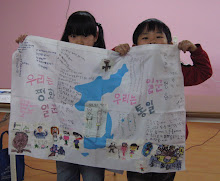
![[URGENT PLEA: In Update] EMERGENCY in GANGJEONG Since AUG. 24, 2011](https://blogger.googleusercontent.com/img/b/R29vZ2xl/AVvXsEiQvpaNf6EePZVucu97_JphYsFS5IgumnSiA4YAmen1PZcim6vMmW7XjZ7J6nLh-Cu36mwBN5n1evrA3ey0vYMpwlAGsgnSFggv6a1w4Qx9BvvqOB0hy0BIcBkL2Exfs3zIxBsBuDGa1kzg/s227/jejusit.jpg)


![[Solidarity from Japan for the Jeju] 253 individuals and 16 groups/organizations](https://blogger.googleusercontent.com/img/b/R29vZ2xl/AVvXsEivji7100kBkr0hzvqYfh4IBBilkZ6XgDIg89jOxS6kTssxsVKC6Wm-fZbKOEsiy3zcO-9gW6GHspD5R_2C9WsGx5S1Z5VPj_OVRF7H6dxdaT0S-2H1eqsDsYvIwOV26VscxTHnKmP5iZmh/s227/jeju_12_10j.jpg)

![[Translation] Korean organizations' statement: Immediately cancel the joint ROK-US drill Nov 26](https://blogger.googleusercontent.com/img/b/R29vZ2xl/AVvXsEgfKDMo-qyEjm5asUtHlREyJY_5Ou-2tyB8SH6aUxiViRbbKR-8W_rirFiGp5DYSoD_KaeNOPMWR0af0ZPUIbJKmR89ImDvADHsGAIqsJVBvJNBEIl5wLd3G_zhPDW3Z2SxsHXadOsXe8st/s227/1.jpg)
![HOT! [Hankyoreh Hani TV] Beneath the Surface: the investigation into the sinking of the Cheonan](https://blogger.googleusercontent.com/img/b/R29vZ2xl/AVvXsEh80rL3Qv9GnfHSqbYMfivdqX5gZN-1O_VQj3A_Gk3yjWdybHwJCsprA3l6cEQB0cYCP2oNeaLo2ohLGIy0Uqqkv_fRkBevGJ2f-qkKD5eP1ZGsKeQ-r-jHUUb79WvucIN7hpEtXza4xXCL/s227/HaniTV+Cheonan.gif)


![[Translation]Statement against illegal inspection and unjust lay-off by the Kunsan USAFK!(Nov_2010)](https://blogger.googleusercontent.com/img/b/R29vZ2xl/AVvXsEg3JlQ-lreusCIJo5Yv2e3ZrRwrSMUE7UQxlrDVjmBehl0Pa24QZIAbZ5vUpgnnExbkKL9PdCwxVYSHWJkr_XK0FM4EhU3CMFhqfborVNu_p4v3bEFpNm3ia-aEHnvMMuEBI27aB7_BETuJ/s227/gunsan+protest.gif)
![[Translation] Korean organizations' statement against dispatching special force to the UAE on Nov.](https://blogger.googleusercontent.com/img/b/R29vZ2xl/AVvXsEiU7TNhTDLLwZkKP0Z78JsCZKp6je-QSFll3_ThmLES_y_nPLXEzeakrsZXoNxhN5blopEhy6xGV2tneJrniPdTR-JvOQMmSLr_HhlucxFvbusxk4oKvvMO2laBOHSIkB9OOeOxrQlqCA0O/s227/antiwarpeace.jpg)
![[Translation] Stop, Joining MD!: South Korean activists' statement and writing on Oct. 25, 2010](https://blogger.googleusercontent.com/img/b/R29vZ2xl/AVvXsEggGIHVei8j7LCJPJB5HIrspd942q436daNTquP-pFd45Cl70Ml_1JFiFDHgKu6FcoqNgFVKIFqjeuSPau2k_BwGHhx0cqFFL2-4ybZSTlmua0_AsERBtKYQa7jZk7uNj41LX6rj2vksHbo/s227/StopMD.jpg)
![[In Update] People First, NO G-20 (Nov. 6 to 12, Korea)](https://blogger.googleusercontent.com/img/b/R29vZ2xl/AVvXsEhZl8VTqeL7o2ndliGIE-sZFCikbTgfB9KCc3AtZvDaYijBBEhdfultMEOpyrCaD5gzpH8mqfWjU20KXMbSUl-5KM7yQeHU6z3BWV8tiOy4UKaCudz9VKWoi5x58xdC_gQpJTjkR5u7O9xf/s227/left21_G20.jpg)
![[International Petition] Stop US helipad plan in Okinawa to save great nature](https://blogger.googleusercontent.com/img/b/R29vZ2xl/AVvXsEihgYmdb0N8ViPvTFC_5i-Psbt4eX_LnAUEOtZkUngv_pGvRyWag1r6W60NicLLyTgWq-sPT1hBxLY5SadEIVv5McfZQ5uIhe-W0VoflQNqojsYZjFW6AH-gB1jsmSDGnGuKIFk2UkvNbFG/s227/yanbaru_w.jpg)
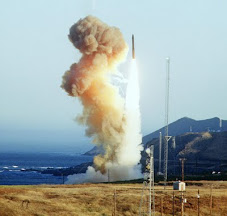
![[Global Network] against the first launch of Quasi-Zenith Satellite, Japan, on Sept. 11, 2010](https://blogger.googleusercontent.com/img/b/R29vZ2xl/AVvXsEj2sYpfodDDMIA7qXwuda0DmKapxXFB479fDnn8RKy7QNZqz0VEvWucNd-DleZ37hWNXC-Z8QtaqtM37VuPwac5SgclJ9_khBBSWOedvm19MRXIP1j1kcWrK6EW5IFjQdEEY2h7E6xuyNvC/s227/Qzss-45-0_09.jpg)
![[In update] Some collections on the Koreans’ protests against the sanction & war on Iran](http://4.bp.blogspot.com/_gnM5QlRx-4c/TJMvke6t8zI/AAAAAAAAFO4/tamQ8LUnOOA/S227/No+Sanction+on+Iran.jpg)
![[Three International Petitions] to End the Korean war and peace treaty(or peace resolution)](https://blogger.googleusercontent.com/img/b/R29vZ2xl/AVvXsEhlohLVYtpCg7iMsZhNYY4hBbhTi2dIheHMHWLDph9X2y78cjgZV1LeSfUJeu80elhJm70Q9E059q72lK-spSPvsRG4bPuCDIytltJB9IH3mWt9OG98HqhnTsPakwhvNeoCFUgF1xoxQ2EZ/s227/border.jpg)


![[Collection of Documents] No Base Learning and Solidarity Program_Korea(June 14 to 20, 2010)](https://blogger.googleusercontent.com/img/b/R29vZ2xl/AVvXsEix_HzjToh3nNGHBc-_5gasq-ykcaZ6GInLixILmZVyRJ5xoeHCxWOyYd9fSM7bmnuFsjSrYOGEPnQOwB1Dcyo-sN4Pw0cFPhUtKig_qlVnGL1Wi82ClvPqbEPWYhJiqdNF0DyzLIBETMB9/s227/No-Base-banner.jpg)
![Site Fwd:[John Hines] A U.S. Debate coach’s research trip on the Issues of Korea](https://blogger.googleusercontent.com/img/b/R29vZ2xl/AVvXsEg8yRra0zNhKHN74Auqhd3Nx9tZ7BWCGflRJHGH4CfzBT_yjhZ8Nl9b3OZuLpYWJ2exsjmR0oVl-Qq_cf832p2VdmOZhUi-lCFzCNeDSyVtweX1lWZPC-RlHmDMLtilHwHjNFTenBiM4Fk4/s227/Jeju-Peace-Tour.jpg)


![[News Update] Struggle Against the Jeju Naval Base since Jan. 18, 2010](https://blogger.googleusercontent.com/img/b/R29vZ2xl/AVvXsEhKfSTRC5QKBBSFIq_m7QIqXdlbL4-gF5GJYn9Q-pN__k7sV7uxGDcLY5L8xmU7QuWuUhBT_GhG-URBPO80RT3AfWfDrWJr06h1hFuZC6ZBVKe4U6PS1Cd7Kr6olO8TYQtk13Drox7IS6ea/s226/scrum1.jpg)


![[Urgent] Please spread the Letter!: There was no Explosion! There was no Torpedo! (May 26, 2010)](https://blogger.googleusercontent.com/img/b/R29vZ2xl/AVvXsEhSd2yWZ3xGwnJQXB73z5FgXCqSosAoB9_33-GLYprOmLqjmvgSAQp1BYI7e4slK1FDxHRi9KK4um-OpDaj8QOkXwAScVAgvvq6-ehbDA-hbkr96wT9oHNNmWnBPv8GU4hoZp9X8F9AZBX4/s227/grounded.jpg)
![Text Fwd: [Stephen Gowans]The sinking of the Cheonan: Another Gulf of Tonkin incident](https://blogger.googleusercontent.com/img/b/R29vZ2xl/AVvXsEi_L6hB3RZ1MovTXHe0A8yn_RfgMALGR0kM6poBuGp809xwvHtB_-PGWtS_WpyPWatyd9lB2pPqL2gOLc4dTCEdJ9sMvxJWEdapl-mMLm7WHAsV-jVpgqarVh8XBtdz_0c-Vohdh3HtJahD/s227/lee-myung-bak.jpg)
![[Japan Focus]Politics in Command: The "International" Investigation into the Sinking of the Cheonan](https://blogger.googleusercontent.com/img/b/R29vZ2xl/AVvXsEiHmTo8v-uCJnabRhMdnBAkC9J3s5bb2JsDKiT5leJHwbK8IDJHxfJmqQ_C0Is_bPC6UGMf05CA0exF2y4r2x9RhFUHT0kjsKviaME_MZXKnq775UyYAdb7w2SAzE75XvBfHp1al2q6i3cf/s227/wen_jiabao_and_lee_myungbak.png)
![[Japan Focus] Who Sank the SK Warship Cheonan? A New Stage in the US-Korean War and US-China](https://blogger.googleusercontent.com/img/b/R29vZ2xl/AVvXsEiKSS5ULT5QBaMGYpXXqBMX9jtwLwMLuK469b6Ku72GTJYKUObzTANaPjZqvvpPzYMJgPF53sjhvhK3DVa88ipYlggsJageykXlkxY6s8TW05xcU-_vfhf-pACUoaWuFbT-fsU1qEhm_yIi/s227/buoy_map.gif)
![[Updated on 12/13/10] [Translation Project] Overseas Proofs on the Damages by the Military Bases](https://blogger.googleusercontent.com/img/b/R29vZ2xl/AVvXsEikADE6JovUNspQyZUWVMTLAQg7yQNqXpVUbqZPk8f4uc_1723_xm1Cco6WAmstQXVPnaJAcb1mZA8Ny_3xONT_f5uh8MNLPnUhtqdGgy3HCtC1Vbbz4Q0ZY1Cssu-4cJEVNdrvznbS5UzO/s227/missile.jpg)
![[International Petition] Close the Bases in Okinawa](https://blogger.googleusercontent.com/img/b/R29vZ2xl/AVvXsEhNpQiHklwFbWVlFK7GDFXnBSOOSFEj3Il-We-N3uTDldKiidL2NGZs7X_LtTnatzTo_r8CexRkFe8NhfxYqmgp1knEEslROTfNjI5_mSb57cdbhPkftvanveYBaevAD9xuKDGoIxiTwoSb/s227/2.jpg)
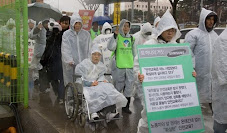
![[In Update]Blog Collection: No Korean Troops in Afghanistan](https://blogger.googleusercontent.com/img/b/R29vZ2xl/AVvXsEjjEmCRXSNAG7_QBxKWbdksmxoWR4nyAovQTTdR1G2AuXh0jxtqNkI9OmYgYWRoLAJShvtBvE840QXuBWSVh3u3zMYqkNAFX6OWy3m5Nur4HM7uNK-pKT1ycyApJp-VLyhIFRRcoisYAh0E/s226/No-Troops-to--Afghanistan.jpg)


