Organizing Notes
HTTP://SPACE4PEACE.BLOGSPOT.COM/2011/04/CHAIR-FORCE-TO-LIBYA-DRONES-TO-EXPAND.HTML
FRIDAY, APRIL 22, 2011
THE CHAIR FORCE TO LIBYA - DRONES TO EXPAND WAR
Showing posts with label Unmanned Aerial Vehicle (UAV). Show all posts
Showing posts with label Unmanned Aerial Vehicle (UAV). Show all posts
Sunday, April 24, 2011

Thursday, March 24, 2011
Text Fwqd: Suicidal cousins of drones lead attack on Gaddafi
* Text fwd by Bruce Gagnon on March 23, 2011
Wired
Suicidal cousins of drones lead attack on Gaddafi
By Noah Shachtman
March 22, 2011
When the US military wanted to take out Muammar Gaddafi's air defense systems, it unleashed a barrage of 122 Tomahawk cruise missiles. But these munitions aren't like most others in the American arsenal.
Smart, maneuverable, able to see its surroundings and shift to new targets mid-flight, the newest Tomahawks are closer to the unmanned planes flying over Afghanistan than to the weapons they fire. In some ways, the Tomahawk is the drone's suicidal cousin: a robotic aircraft, packed with explosives, that has no intention of ever coming home.
When officers get ready to shoot off a Tomahawk, "they are basically planning a flight for a little aeroplane," one Navy official tells Danger Room. "It's got stubby little wings -- but is is an unmanned aerial vehicle."
The next-gen Tomahawks -- known as "Block IVs" -- start their flights out just like other missiles, launched from {Aegis destroyer] ships or subs. But after 12 seconds of flight, things change. The Tomahawk starts to fly horizontally, skimming above the ocean at a height of less than 15 metres to avoid enemy radar.
GPS waypoints keep the missile on track until it makes landfall. Then, a Tercom (Terrain Contour Matching) system kicks in. too. Using a radar altimeter, the Tomahawk Tercom checks its height, and matches that altitude against a database of satellite and overhead imagery, to make sure the missile is headed in the right direction and at the right height.
Once the Tomahawk's target is in sight, the missile can dart in for the attack. A Digital Scene-Mapping Area Correlator ("dee-smack" in military jargon) matches a stored picture of the target to the missile's last sight, to make sure the two match.
Or, the missile can wait a while. The Tomahawk's controller can give it a new route, telling the Tomahawk to circle around in the air, lingering until an enemy pops up its head. Then comes the strike.
In May 2010, the Tomahawk demonstrated a new move, as Sam LaGrone from Jane's Defence Weekly reported at the time. The Los Angeles-class submarine USS Cheyenne fired off a Block IV at a target in the Mojave Desert.
Meanwhile, a team from Naval Special Warfare Group 3 shot a second set of co-ordinates to the Tomahawk's controllers in Japan, nearly 5,000 miles away. They reprogrammed the missile via satellite, and sent the Tomahawk crashing into a new target. (In an earlier test (.pdf), special operations forces were able to use the pictures taken from a handheld Raven drone to direct its bigger, more destructive relative to its end.)
Cruise missiles have been around in one form or another since World War II, and Tomahawks have been schwacking American enemies since the days of Desert Storm. Some earlier models had nuclear warheads. Others (still in service) employ cluster-bombs, much to the chagrin of human rights groups, who aren't keen on how the minimunitions can linger on a battlefield long after a war is over.
From the outside, the Block IVs look much like their predecessors: a little over six metres long, and about 1500kg. Like the older models, they're still expensive, too -- at about £670,000 a pop, the initial assault on Libya chewed through £82 million in missile costs alone. They can fly for about two hours or 1,000 miles, whichever comes first.
However, that could radically change if an experimental Air Force program pans out. The X-51a aircraft is designed to test technologies for a next-gen cruise missile -- one that would fly at six times the speed of sound. Which means tomorrow's cruise missiles could be like suicidal, smart, and more than eight times faster than today's Tomahawks.
Global Network Against Weapons & Nuclear Power in Space
PO Box 652
Brunswick, ME 04011
(207) 443-9502
globalnet@mindspring.com
www.space4peace.org
http://space4peace.blogspot.com/ (blog)
Thank God men cannot fly, and lay waste the sky as well as the earth. ~Henry David Thoreau
Wired
Suicidal cousins of drones lead attack on Gaddafi
By Noah Shachtman
March 22, 2011
When the US military wanted to take out Muammar Gaddafi's air defense systems, it unleashed a barrage of 122 Tomahawk cruise missiles. But these munitions aren't like most others in the American arsenal.
Smart, maneuverable, able to see its surroundings and shift to new targets mid-flight, the newest Tomahawks are closer to the unmanned planes flying over Afghanistan than to the weapons they fire. In some ways, the Tomahawk is the drone's suicidal cousin: a robotic aircraft, packed with explosives, that has no intention of ever coming home.
When officers get ready to shoot off a Tomahawk, "they are basically planning a flight for a little aeroplane," one Navy official tells Danger Room. "It's got stubby little wings -- but is is an unmanned aerial vehicle."
The next-gen Tomahawks -- known as "Block IVs" -- start their flights out just like other missiles, launched from {Aegis destroyer] ships or subs. But after 12 seconds of flight, things change. The Tomahawk starts to fly horizontally, skimming above the ocean at a height of less than 15 metres to avoid enemy radar.
GPS waypoints keep the missile on track until it makes landfall. Then, a Tercom (Terrain Contour Matching) system kicks in. too. Using a radar altimeter, the Tomahawk Tercom checks its height, and matches that altitude against a database of satellite and overhead imagery, to make sure the missile is headed in the right direction and at the right height.
Once the Tomahawk's target is in sight, the missile can dart in for the attack. A Digital Scene-Mapping Area Correlator ("dee-smack" in military jargon) matches a stored picture of the target to the missile's last sight, to make sure the two match.
Or, the missile can wait a while. The Tomahawk's controller can give it a new route, telling the Tomahawk to circle around in the air, lingering until an enemy pops up its head. Then comes the strike.
In May 2010, the Tomahawk demonstrated a new move, as Sam LaGrone from Jane's Defence Weekly reported at the time. The Los Angeles-class submarine USS Cheyenne fired off a Block IV at a target in the Mojave Desert.
Meanwhile, a team from Naval Special Warfare Group 3 shot a second set of co-ordinates to the Tomahawk's controllers in Japan, nearly 5,000 miles away. They reprogrammed the missile via satellite, and sent the Tomahawk crashing into a new target. (In an earlier test (.pdf), special operations forces were able to use the pictures taken from a handheld Raven drone to direct its bigger, more destructive relative to its end.)
Cruise missiles have been around in one form or another since World War II, and Tomahawks have been schwacking American enemies since the days of Desert Storm. Some earlier models had nuclear warheads. Others (still in service) employ cluster-bombs, much to the chagrin of human rights groups, who aren't keen on how the minimunitions can linger on a battlefield long after a war is over.
From the outside, the Block IVs look much like their predecessors: a little over six metres long, and about 1500kg. Like the older models, they're still expensive, too -- at about £670,000 a pop, the initial assault on Libya chewed through £82 million in missile costs alone. They can fly for about two hours or 1,000 miles, whichever comes first.
However, that could radically change if an experimental Air Force program pans out. The X-51a aircraft is designed to test technologies for a next-gen cruise missile -- one that would fly at six times the speed of sound. Which means tomorrow's cruise missiles could be like suicidal, smart, and more than eight times faster than today's Tomahawks.
Global Network Against Weapons & Nuclear Power in Space
PO Box 652
Brunswick, ME 04011
(207) 443-9502
globalnet@mindspring.com
www.space4peace.org
http://space4peace.blogspot.com/ (blog)
Thank God men cannot fly, and lay waste the sky as well as the earth. ~Henry David Thoreau
Monday, January 31, 2011
Text Fwd: Hawaii fights release of details on drone contracts
DMZ Hawai'i
Hawaii fights release of details on drone contracts
January 29, 2011 by kyle
Jim Dooley wrote an interesting article on watchdog.org about the proposed use of aerial drones to monitor harbors in Hawai’i as part of no-bid contracts awarded to Hawaiya Technologies. Hawaiya is a military technology company owned by Paul Schultz. Schultz, formerly a Rear Admiral and commander of a fleet stationed in Okinawa, was demoted to captain when he retired from the Navy. He had come under investigation for allegations of adultery and fraud tied to a Navy research contracts scandal at the University of Hawai’i and the Pacific Missile Range Facility.
While in the Navy, the married Schultz allegedly had an affair with an Office of Naval Research program manager Mun Won Chang Fenton who helped to steer research funds and technology to Schultz’s ships outside of normal procurement channels. Fenton later awarded several grants to University of Hawai’i professors for research related to missile defense systems. She directed the UH researchers to hire technical personnel under the grant. These “directed hires” took their orders from Chang Fenton. Chang Fenton directed these personnel to write a large net-centric warfare technology contract proposal under the auspices of the Research Corporation of the University of Hawai’i (RCUH) and submit the proposal to Navy research programs that Chang Fenton helped to manage. The Navy awarded RCUH a contract for its proposal named “Project Kai e’e”, to establish a military Pacific Research Center to serve as a conduit for federal military high technology funding.
Naval Criminal Investigation Service (NCIS) documents and other sources allege that the Schultz and Chang Fenton tried to use government funds to create jobs for themselves in the new Pacific Research Center. The job announcement for Executive Director of the Pacific Research Center was posted on the bulletin board in the RCUH office for a few minutes. After Schultz submitted his application the job announcement was taken down. RCUH staff were directed by Chang Fenton to rate the applicant favorably. Schultz was offered the job, but he never formally accepted it. RCUH Executive Director Harold Masumoto suddenly sent a letter to the Office of Naval Research canceling the contract award.
Naval investigators were closing in. My theory is that someone may have tipped off Schultz and his co-conspirators, sending them scurrying for cover.
The Project Kai e’e scandal morphed into the proposed University Affiliated Research Center (UARC), a military classified research lab that met fierce protest by students, faculty and community groups in 2004 – 2006. The really interesting part of the this sordid tale is that the various projects were earmarks from Senator Inouye. Sources familiar with the scandal told me that the investigation went nowhere because it could have implicated four admirals and a senator.
As Dooley’s article suggests, Schultz seems to have found a new niche in the homeland security gold-rush. But the proposed use of unmanned aerial drones to monitor harbors raises many issues of civil liberties, safety and propriety. The contracts were awarded without any bidding. The plans for aerial drones are proceeding without approval from the Federal Aviation Administration. And details about the project are being kept from the public.
Could the no-bid contract have been awarded via Aina Kai, a Native Hawaiian Organization (NHO) established by Schultz and Chang Fenton (who are now married) in partnership with former Hawai’i governor John Waihe’e? NHOs are given special preferences for federal contracting to receive contract awards without competition and without a limit on the size of the award.
High stakes government funding, exotic and dangerous military technologies and secrecy are a recipe for corruption. The tsunami of military spending that was unleashed in the wake of the 9/11 attacks have brought with it a flood of corruption. Such is life in the military-industrial-political complex.
>><<
http://watchdog.org/8124/hawaii-fights-release-of-details-on-drone-contracts/
Hawaii fights release of details on drone contracts
Posted on January 28, 2011
BY JIM DOOLEY — The state and a private contractor are installing extensive new security and surveillance measures at harbors and shorelines that include planned use of unmanned aerial drones, according to public records.
Neither the contractor nor state officials have applied to the Federal Aviation Administration for necessary permission to deploy the unmanned aerial vehicles in civilian air space here.
Repeated requests for details about the plans and their status made to the state and its contractor have not been answered for more than a month.
Paul Schultz, chief executive of Hawaiya Technologies, the company installing the new security measures, refused to discuss his company’s shoreline security plans in general or the use of UAV’s in particular.
“You can go find out your story on your own,” Schultz said.
“This is not a friendly story,” Schultz continued. ”You’re coming after me. You can come after me by yourself. But don’t call me looking for information.”
State Department of Transportation and harbors division personnel did not respond to repeated requests for comment submitted by email, telephone and in-person since late last year.
Glenn Okimoto, nominated by Gov. Neil Abercrombie as director of the Transportation Department, and his harbors division deputy director, Randy Grune, have said a department response was being prepared.
Okimoto was head of the harbors division in 2007 and personally recommended award of the original $1.46 million non-bid Honolulu harbor security contract to Hawaiya Technologies, according to state purchasing records.
Some $1 million of the contract is paid with federal grant money and the remainder comes from the state.
Grune said three weeks ago the department was still researching “technical issues” about non-bid security contracts awarded to Hawaiya.
The UAV’s are described as an anti-terrorism tool in documents describing new security measures at Honolulu and Kalaeloa Harbors on Oahu under a 2009 contract awarded to Hawaiya Technologies.
Another non-bid contract award worth nearly $1 million to Hawaiya is planned for Kahului harbor on Maui and the contractor has proposed installing the same system on Kauai and the Big Island.
The jobs would include use of UAV’s to conduct surveillance flights in the congested skies above state harbors, which abut two international airports, a general aviation airfield and Hickam Air Force Base.
The drones can’t fly without an FAA “certificate of authorization” and the state has not applied for one, said Ian Gregor, FAA spokesman.
The drones cost $75,000 each, according to purchasing records posted at the state procurement office website.
The type of drones – there are many different designs being marketed now – and the number to be purchased are details that the state has redacted from contracting files.
Only two civilian government agencies in the country – one in Texas and one in Kansas – have applied for and received necessary certifications for use of the drones, which must be operated by licensed pilots from ground control stations, said Gregor.
The Texas aircraft would be used to patrol remote sections of the Mexican border and the Kansas drones would be flown at a UAV testing and training facility 30 miles outside of Wichita.
The FAA requires that civilian-operated airborne drones must also be tracked by either a ground spotter vehicle or a manned chase plane.
The American Civil Liberties Union has expressed concern about invasion of privacy issues raised by use of surveillance drones in other states and is monitoring the Hawaii plans.
“Use of ‘Unmanned Aerial Vehicles’ or ‘drones’ by law enforcement has a vast potential for abuse,” sad Daniel Gluck, senior staff attorney for ACLU Hawaii.
READ FULL ARTICLE
Hawaii fights release of details on drone contracts
January 29, 2011 by kyle
Jim Dooley wrote an interesting article on watchdog.org about the proposed use of aerial drones to monitor harbors in Hawai’i as part of no-bid contracts awarded to Hawaiya Technologies. Hawaiya is a military technology company owned by Paul Schultz. Schultz, formerly a Rear Admiral and commander of a fleet stationed in Okinawa, was demoted to captain when he retired from the Navy. He had come under investigation for allegations of adultery and fraud tied to a Navy research contracts scandal at the University of Hawai’i and the Pacific Missile Range Facility.
While in the Navy, the married Schultz allegedly had an affair with an Office of Naval Research program manager Mun Won Chang Fenton who helped to steer research funds and technology to Schultz’s ships outside of normal procurement channels. Fenton later awarded several grants to University of Hawai’i professors for research related to missile defense systems. She directed the UH researchers to hire technical personnel under the grant. These “directed hires” took their orders from Chang Fenton. Chang Fenton directed these personnel to write a large net-centric warfare technology contract proposal under the auspices of the Research Corporation of the University of Hawai’i (RCUH) and submit the proposal to Navy research programs that Chang Fenton helped to manage. The Navy awarded RCUH a contract for its proposal named “Project Kai e’e”, to establish a military Pacific Research Center to serve as a conduit for federal military high technology funding.
Naval Criminal Investigation Service (NCIS) documents and other sources allege that the Schultz and Chang Fenton tried to use government funds to create jobs for themselves in the new Pacific Research Center. The job announcement for Executive Director of the Pacific Research Center was posted on the bulletin board in the RCUH office for a few minutes. After Schultz submitted his application the job announcement was taken down. RCUH staff were directed by Chang Fenton to rate the applicant favorably. Schultz was offered the job, but he never formally accepted it. RCUH Executive Director Harold Masumoto suddenly sent a letter to the Office of Naval Research canceling the contract award.
Naval investigators were closing in. My theory is that someone may have tipped off Schultz and his co-conspirators, sending them scurrying for cover.
The Project Kai e’e scandal morphed into the proposed University Affiliated Research Center (UARC), a military classified research lab that met fierce protest by students, faculty and community groups in 2004 – 2006. The really interesting part of the this sordid tale is that the various projects were earmarks from Senator Inouye. Sources familiar with the scandal told me that the investigation went nowhere because it could have implicated four admirals and a senator.
As Dooley’s article suggests, Schultz seems to have found a new niche in the homeland security gold-rush. But the proposed use of unmanned aerial drones to monitor harbors raises many issues of civil liberties, safety and propriety. The contracts were awarded without any bidding. The plans for aerial drones are proceeding without approval from the Federal Aviation Administration. And details about the project are being kept from the public.
Could the no-bid contract have been awarded via Aina Kai, a Native Hawaiian Organization (NHO) established by Schultz and Chang Fenton (who are now married) in partnership with former Hawai’i governor John Waihe’e? NHOs are given special preferences for federal contracting to receive contract awards without competition and without a limit on the size of the award.
High stakes government funding, exotic and dangerous military technologies and secrecy are a recipe for corruption. The tsunami of military spending that was unleashed in the wake of the 9/11 attacks have brought with it a flood of corruption. Such is life in the military-industrial-political complex.
>><<
http://watchdog.org/8124/hawaii-fights-release-of-details-on-drone-contracts/
Hawaii fights release of details on drone contracts
Posted on January 28, 2011
BY JIM DOOLEY — The state and a private contractor are installing extensive new security and surveillance measures at harbors and shorelines that include planned use of unmanned aerial drones, according to public records.
Neither the contractor nor state officials have applied to the Federal Aviation Administration for necessary permission to deploy the unmanned aerial vehicles in civilian air space here.
Repeated requests for details about the plans and their status made to the state and its contractor have not been answered for more than a month.
Paul Schultz, chief executive of Hawaiya Technologies, the company installing the new security measures, refused to discuss his company’s shoreline security plans in general or the use of UAV’s in particular.
“You can go find out your story on your own,” Schultz said.
“This is not a friendly story,” Schultz continued. ”You’re coming after me. You can come after me by yourself. But don’t call me looking for information.”
State Department of Transportation and harbors division personnel did not respond to repeated requests for comment submitted by email, telephone and in-person since late last year.
Glenn Okimoto, nominated by Gov. Neil Abercrombie as director of the Transportation Department, and his harbors division deputy director, Randy Grune, have said a department response was being prepared.
Okimoto was head of the harbors division in 2007 and personally recommended award of the original $1.46 million non-bid Honolulu harbor security contract to Hawaiya Technologies, according to state purchasing records.
Some $1 million of the contract is paid with federal grant money and the remainder comes from the state.
Grune said three weeks ago the department was still researching “technical issues” about non-bid security contracts awarded to Hawaiya.
The UAV’s are described as an anti-terrorism tool in documents describing new security measures at Honolulu and Kalaeloa Harbors on Oahu under a 2009 contract awarded to Hawaiya Technologies.
Another non-bid contract award worth nearly $1 million to Hawaiya is planned for Kahului harbor on Maui and the contractor has proposed installing the same system on Kauai and the Big Island.
The jobs would include use of UAV’s to conduct surveillance flights in the congested skies above state harbors, which abut two international airports, a general aviation airfield and Hickam Air Force Base.
The drones can’t fly without an FAA “certificate of authorization” and the state has not applied for one, said Ian Gregor, FAA spokesman.
The drones cost $75,000 each, according to purchasing records posted at the state procurement office website.
The type of drones – there are many different designs being marketed now – and the number to be purchased are details that the state has redacted from contracting files.
Only two civilian government agencies in the country – one in Texas and one in Kansas – have applied for and received necessary certifications for use of the drones, which must be operated by licensed pilots from ground control stations, said Gregor.
The Texas aircraft would be used to patrol remote sections of the Mexican border and the Kansas drones would be flown at a UAV testing and training facility 30 miles outside of Wichita.
The FAA requires that civilian-operated airborne drones must also be tracked by either a ground spotter vehicle or a manned chase plane.
The American Civil Liberties Union has expressed concern about invasion of privacy issues raised by use of surveillance drones in other states and is monitoring the Hawaii plans.
“Use of ‘Unmanned Aerial Vehicles’ or ‘drones’ by law enforcement has a vast potential for abuse,” sad Daniel Gluck, senior staff attorney for ACLU Hawaii.
READ FULL ARTICLE
Sunday, January 16, 2011
Text Fwd: MAKING MORE ENEMIES ENSURES LONG WAR

Bruce Gagnon's Organizing Notes
Friday, January 14, 2011
MAKING MORE ENEMIES ENSURES LONG WAR
It's been a busy past few days in Afghanistan-Pakistan for the occupiers and "liberators" of the people there. U.S. drone strikes killed more innocent children (above) thus ensuring more enemies will be created. You can count on the fact that the family and relatives of these latest victims will rise up to throw the U.S. and NATO out of their country. That should keep the Pentagon busy at least up through 2014.
Additionally Press TV is reporting the following:
The daughter of an Afghan politician has reportedly died of her injuries after being raped by American soldiers stationed in Afghanistan's southwestern province of Farah.
US forces aboard five Toyota vans transferred the teenage girl along with several other Afghan women and girls to a military base in the province. They then sexually assaulted them, alleged Afghan sources.
Medical reports indicate that a young girl died as a result of severe bleeding that was caused by tears in her genitals from violent sexual penetration.
Two other victims were admitted to a nearby hospital and are currently receiving treatment for serious injuries they suffered following multiple rapes.
The incident comes as violence in Afghanistan has spiked to record highs since the US-led invasion of Afghanistan in 2001.
Statistics about civilian death tolls in Afghanistan are not available. However, it is estimated that between 14,000 and 34,000 Afghan civilians have lost their lives since the US-led war.
The American army has lost 1,455 soldiers in Afghanistan since the beginning of the war.
How much longer will the people of the world allow this madness in Afghanistan-Pakistan to continue?
Friday, January 14, 2011
MAKING MORE ENEMIES ENSURES LONG WAR
It's been a busy past few days in Afghanistan-Pakistan for the occupiers and "liberators" of the people there. U.S. drone strikes killed more innocent children (above) thus ensuring more enemies will be created. You can count on the fact that the family and relatives of these latest victims will rise up to throw the U.S. and NATO out of their country. That should keep the Pentagon busy at least up through 2014.
Additionally Press TV is reporting the following:
The daughter of an Afghan politician has reportedly died of her injuries after being raped by American soldiers stationed in Afghanistan's southwestern province of Farah.
US forces aboard five Toyota vans transferred the teenage girl along with several other Afghan women and girls to a military base in the province. They then sexually assaulted them, alleged Afghan sources.
Medical reports indicate that a young girl died as a result of severe bleeding that was caused by tears in her genitals from violent sexual penetration.
Two other victims were admitted to a nearby hospital and are currently receiving treatment for serious injuries they suffered following multiple rapes.
The incident comes as violence in Afghanistan has spiked to record highs since the US-led invasion of Afghanistan in 2001.
Statistics about civilian death tolls in Afghanistan are not available. However, it is estimated that between 14,000 and 34,000 Afghan civilians have lost their lives since the US-led war.
The American army has lost 1,455 soldiers in Afghanistan since the beginning of the war.
How much longer will the people of the world allow this madness in Afghanistan-Pakistan to continue?
Sunday, January 2, 2011
[국문 번역] Text & Video Fwd:HOW DRONES USE SPACE TECHNOLOGY 무인 비행기들은 어떻게 우주 기술을 이용하는가?
 * Image source: Yomiuri, Dec. 31, 2010요미우리 신문, 2010년 12월 31일
Bruce Gagnon's Organizing Notes 브루스 개그논의 조직 노트
Saturday, January 01, 2011 2011년 1월 1일
HOW DRONES USE SPACE TECHNOLOGY
드로운들 (무인 비행기들)은 어떻게 우주 기술을 이용하는가?
This video is a good example of how drones use space technology to fly their deadly missions.
이 비디오는 어떻게 드로운들 (무인 비행기들)이 그것들의 치명적인 임무들을 완수하기 위해 우주 기술을 사용하는지 보이는 좋은 예입니다.
The Global Hawk used by the U.S. Air Force can fly at an altitude of about 18,000 meters, far higher than the cruising altitude of passenger planes. Using high-performance sensors and radar, it can monitor an area with a maximum radius of about 550 kilometers. And since there is no flight crew, it can stay aloft for more than 30 hours.
미 공군에 의해 사용되는 글로벌 호크는 여객기들의 순항 고도 보다 높은 약 18,000 미터의 고도 위를 날 수 있습니다. 이것들은 고도의 작동 감지기들과 레이다를 이용, 약 550 킬로 미터의 최대 반경 지역을 감시할 수 있습니다. 그리고 비행 승무원이 없기에 30 시간 이상 높이 정지할 수 있습니다.
There can be no doubt that drones, and the satellites they use t0 direct them, can be called weapons in space.
드로운들, 그리고 그것들을 지시하는 위성들이 우주의 무기들이라 불릴 수 있다는 것에 의심의 여지가 없습니다.
(* Also thanks to M.S. in Japan)
(* 일본의 M.S.에 또한 감사 )
____________________________________________
* Text informed thanks to Corazon Valdez Fabros
* 코라존 발데즈 파브로스에 감사
The Yomiuri Shimbun 요미우리 신문
Govt to study U.S. drone for surveillance
[일본]정부, 감시를 위해 미국 드로운(무인 비행기) 연구하려 함
Dec. 31, 2010
2010년 12월 31일
The Defense Ministry has decided to begin full-scale research from fiscal 2011 into whether unmanned aerial vehicles should be introduced for surveillance of China and North Korea, government sources said.
정부 소식통들은 일본 관방부가 중국이나 북한 감시를 위해 재정 회기 2011년부터 무인 비행기들을 도입해야 하는지에 대한 전면 연구를 시작하기로 했다고 말했다.
The ministry will send senior Self-Defense Forces officers to study how the U.S. military uses and maintains the state-of-the-art high-altitude Northrop Grumman RQ-4 Global Hawk, the sources said.
정보통은 관방부가 자위대 고위 관리들을 보내 미국 군대가 어떻게 최고 기술로 고도에서 노쓰롭 그럼맨 RQ-4 글로벌 호크를 사용하고 유지하는지 연구하도록 보낼 것이라고 말했다.
The introduction of unmanned drones would beef up the SDF's ability to monitor the Chinese Navy's rapidly expanding activities in the seas around southern Japan, as well as the volatile Korean Peninsula.
무인 비행기들의 도입은 불안정한 한반도와 마찬가지로 일본 남쪽 해상에서 급속도로 확장해가는 중국 해군의 활동들을 감시하기 위해 자위대의 능력을 증강할 것이다.
The ministry's research will focus on assessing the drone's merits, including cost-effectiveness, according to the sources.
정보통들에 따르면, 관방부의 연구는 가격 효과를 포함한 그 드로운(무인 비행기)의 장점들을 평가하는데 초점을 맞출 것이다.
The drones, which can make long flights and do not put military personnel at risk, are widely used by U.S. and British forces in Iraq and Afghanistan. The German military plans to begin using drones soon.
장거리 비행들을 만들 수 있고 군인들을 위험에 처하지 않게 할 수 있는 그 드로운들은 이라크와 아프가니스탄의 미국 및 영국 군대에 의해 넓게 사용된다. 독일 군대는 드로운들을 사용하는 것을 곧 시작하길 계획한다.
The government has already expressed willingness to introduce surveillance drones. The midterm defense buildup program from 2011, approved by the Cabinet on Dec. 17, clearly stipulates the ministry will study a comprehensive surveillance system over a wide range of areas, taking into consideration a variety of new technologies, including space-based systems and unmanned drones, that would allow it to flexibly respond to the changing security environment.
정부는 이미 감시 드로운들을 기꺼이 도입할 의사를 밝혔다. 내각에 의해 12월 17일 승인된 중기 국방 증강 프로그램은 관방부가 변화하는 안보 환경에 유연하게 대응할 우주 기반 시스템들과 무인 드로운들을 포함, 새로운 기술들을 고려하면서 넓은 지역들에 걸친 포괄적인 감시 시스템을 연구할 것임을 명백하게 명기한다.
The ministry plans to make a decision on the drones by the end of fiscal 2015, the last fiscal year for the latest midterm defense buildup plan, the sources explained.
정보통들은 관방부가 가장 최근의 방어 증강 계획의 마지막 재정 연도인 2015년까지 드로운들에 대한 결정을 하길 계획한다고 말했다.
The Global Hawk used by the U.S. Air Force can fly at an altitude of about 18,000 meters, far higher than the cruising altitude of passenger planes. Using high-performance sensors and radar, it can monitor an area with a maximum radius of about 550 kilometers. And since there is no flight crew, it can stay aloft for more than 30 hours. After the massive earthquake in January in Haiti, U.S. drones were used extensively to survey the damage.
미 공군에 의해 사용되는 글로벌 호크는 여객기 순항 고도보다 훨씬 높은 약 18,000 미터의 고도에서 날 수 있다. 초정밀 감지기와 레이다를 이용, 그것은 최대 약 550 킬로 미터 반경의 지역을 감시할 수 있다. 그리고 비행 승무원이 없기에 30 시간 이상을 높이 뜬 채로 머무를 수 있다. 지난 1월 아이티에서의 거대한 지진 이후 미국의 무인 비행기들은 손상을 조사하기 위해 넓게 사용되었다.
The Global Hawk is about 14.5 meters in length, with a wingspan of about 40 meters. If deployed, it will be the first large unmanned aircraft deployed by the SDF. One Global Hawk, without sensors, costs about 2.5 billion yen.
글로벌 호크는 길이에서 14.5 미터되며 40 미터되는 날개 폭을 갖고 있다. 배치된다면, 그것은 자위대에 의해 배치되는 가장 큰 무인 비행기가 될 것이다. 글로벌 호크 한대는 감지기를 제외하고도 약 25억 엔이 든다.
According to a senior ministry official, three reconnaissance drones would be necessary to cover all of Japan's territory and surrounding waters.
고위 군사 관리에 따르면, 일본의 전 영토와 주위 수역을 커버하기 위해 세 정찰 드로운들이 필요할 것이다.
When the cost of ground facilities, including headquarters, is factored in, the initial layout is estimated to be several tens of billions of yen, the ministry official said. As these are unmanned vehicles, post-deployment costs will gradually decline after the steep initial price tag, ministry sources said.
관방부 관리는 본부를 포함한 지상 시설들의 가격이 고려 대상이 된다면 초기 설계만 삼~사백억 엔이 될 것이라고 말했다. 관방부 정보통은 이것들이 무인 비행기들인 만큼, 배치 후 비용들은 가파른 초기 가격의 꼬리표 이후 점차 감소할 것이다라고 말했다.
However, some senior SDF officials have expressed concern over the introduction of unmanned drones, saying it could result in cuts in SDF personnel. Currently, the Maritime Self-Defense Force's P-3C reconnaissance planes are Japan's main surveillance aircraft.
그러나, 몇 고위 자위대 관리들은 무인 비행기들에 대한 도입이 자위대 인사들 을 감축시키는 결과를 낳을 것이라며 그것에 대한 우려를 표현했다. 현재 해상 자위대의 P-3C 정찰 비행기들이 일본의 주요 감시 비행기이다.
Wednesday, November 17, 2010
Text Fwd: Horn Of Africa: Japan's First Post-WW II Military Base Abroad 아프리카 곶: 일본의 2차 대전 이후 첫번째 해외 기지

Stop NATO
PanOrient News
November 15, 2010
Japan Constructs Large Military Base in Djibouti: Japanese Media
The Democratic Party of Japan-led government is constructing a large military
facility in Djibouti, the first Self-Defense Forces’ base abroad "to counter
piracy in the waters off Somalia in East Africa", Akahata reporterd.
The newspaper of the Japanese Communist Party said that this information was
revealed by a government response in writing to a written inquiry submitted by
Japanese Communist Party member of the House of Councilors Akamine Seiken on
November 2.
In June 2009, the government dispatched a Maritime Self-Defense Force (MSDF)
unit, including two P3C patrol aircraft and 150 MSDF servicemen, to Djibouti.
Along with two destroyers which were sent in 2008, the unit is taking part in
anti-piracy missions in the Gulf of Aden. At present, the MSDF unit uses the
U.S. base next to the Djibouti International Airport as a foothold for its
activities, according to the paper.
Akahata added that "after signing a lease on the land with the Djibouti
government, the Japanese government in July began building a MSDF facility in
the north-west zone of the airport as its new base of operations."
The government’s response states that "by using 4.7 billion yen in tax money,
the government plans to construct a 12 hectare facility which includes housing
units, hangers, and an office building. The facility will also have an aircraft
apron which can hold three aircraft and will be completed in March 2011."
Akamine criticized the MSDF’s new facility currently under construction in
Djibouti as being a “genuine military base” and said, “Constructing such a
facility enables the Self-Defense Forces to possess a permanent base abroad for
the first time since the war’s end. It is a matter of extreme importance
concerning abiding by the Japanese Constitution.”
He also urged the government to withdraw the SDF units from Djibouti, pointing
out that even though many countries have sent their military forces to Somalia,
acts of piracy are increasing and that “sending military forces offers no
solution to the occurrence of piracy.”
===========================
Stop NATO
Blog site
___________________________________________
See also
Stop NATO
Japan’s Next Stage Of Military Expansion: Drones
Wall Street Journal
November 15, 2010
Japan’s Next Stage of Military Expansion: Drones?
By Chester Dawson
Saturday, November 13, 2010
Saturday, October 23, 2010
Text Fwd: KAI cries foul over selection of UAV maker 한국항공우주산업, 사단급 무인기 업체 선정 불복
__________________________________________________________
* 국문은 영문 밑으로 내려가세요.
삼성 탈레스에 관해서는 여기와 여기를 보세요.
__________________________________________________________
Korea Times
10-22-2010 15:59
KAI cries foul over selection of UAV maker
By Jung Sung-ki
Korea Aerospace Industries (KAI) has filed a complaint with the Defense Acquisition Program Administration (DAPA) about the selection of the preferred bidder to develop a medium-altitude unmanned aerial vehicle (UAV) to be operated by division-level Army units.
The complaint submitted Oct. 6 by state-owned KAI comes after the arms agency chose Korean Air’s Aerospace Division as the preferred bidder last month.
KAI argues that some classified information on the company’s proposal for the “D-UAV” program were leaked to Korean Air because one of its subcontractors engaged in dual contracts with both competitors.
KAI said it had signed an exclusive agreement with the subcontractor ― Samsung Thales (STC) Co. ― over the supply of the electro-optical (EO)/infrared (IR) sensor systems.
KAI demands the DAPA cancel the selection of the D-UAV developer and is considering bringing a civil suit against STC.
The DAPA and STC dismiss KAI’s claims.
“The D-UAV bidding was not a competition among consortiums of companies,” a DAPA official said. “So there’s nothing wrong with the selection of the D-UAV developer, and we reviewed all legal aspects of proposals presented by the competitors.”
Instead, the official said, KAI could have tried to compromise an environment of free competition in the defense industry by demanding a subcontractor for an exclusive contract. Such a move could be interpreted as a violation of the Monopoly Regulation and Fair Trade Act, the official noted.
The agency sent a message to KAI, rejecting the aircraft maker’s demand Oct. 12, he said.
“We’re concerned KAI’s complaint could delay the D-UAV program, a key arms development program for Seoul’s pursuit of a self-reliant defense posture,” he added.
STC denied the allegation that the company had been engaged in double contracts with KAI and Korean Air.
“Korean Air’s proposal didn’t categorize our company as an official subcontractor because we didn’t make any formal agreement with the firm,” an STC official said. “As a sole domestic supplier of the EO/IR sensor, we just had to open a possibility of cooperation with Korean Air.”
Korean Air officials say without cooperation with STC, the company planned to buy EO/IR sensors from Israel and the United States.
“We could buy foreign sensor systems, but that would eventually harm the competitiveness of the domestic defense industry. In that sense, KAI’s demand for an exclusive agreement with the sole supplier of key sensor systems was a self-centered move, a Korean Air official said.
Korean Air’s Aerospace Division will develop a tactical D-UAV by 2013 based on its KUS-9 concept model. About 30 sets of the D-UAV, with each set including four aircraft, a launcher and a ground-control station, will be deployed beginning 2014.
____________________________________________________
코리아 타임즈 국문: 같은 링크
KAI, 사단급 무인기 업체 선정 불복
정성기 기자
한국항공우주산업 (KAI)이 최근 방위사업청에 사단급 무인기 개발업체 선정에 대한 이의신청을 낸 것으로 확인됐다.
KAI는 지난 10월 6일 이와 같은 신청서를 제출하면서 협력업체인 삼성탈레스가 경쟁업체인 대한항공과 이중계약을 맺으면서 중요 제안서 정보가 유출됐다고 주장한 것으로 알려진다.
KAI는 삼성탈레스와 광학/적외선 센서 장비 공급에 대한 독점 계약을 맺었다고 주장하면서, 방사청이 사업자 선정을 취소하길 요구하고 있다. 삼성탈레스 측엔 민사 소송 제기를 검토하고 있는 것으로 알려진다.
방사청과 삼성탈레스 측은 이와 같은 주장을 정면 반박했다.
방사청의 한 관계자는 “사다급 무인기 개발은 컨소시움 경쟁이 아니다”라면서 “따라서 사업자 선정에는 문제가 없고 경쟁업체들이 제출한 제안서의 법률적 문제들도 모두 검토된 상태”라고 말했다.
이 관계자는 오히려 이와같은 협력업체와의 배타적 독점 계약은 국내 방산 시장의 경쟁력을 저하시킬 우려가 있다고 말하며, 해석하기에 따라서는 공정거래법 위반의 소지도 있다고 덧붙였다.
그는 또 방사청 입장에선 자주 국방력 강화의 중요 사업인 사단급 무인기 배치가 KAI의 이의제기로 인해 지연될 것을 우려하고 있다고 말했다.
삼성탈레스 역시 이중계약을 하지 않았다고 주장한다. 삼성탈레스 관계자는 “대한항공의 입찰 제안서에는 탈레스가 협력 업체로 지정되어 있지 않다”면서 “단지 국내 유일 광학.적외선 센서 공급 업체로서 향후 대한항공과의 협력 가능성을 열어 둔 것 일뿐”이라고 말했다.
대한항공 측은 “삼성탈레스와 협력이 없다면 외국 업체의 장비를 들여올 계획이었지만, 이는 결국 장기적으로 국내 방사 물자의 경쟁력을 저하시키는 일이 아니겠냐”며 반문했다.
gallantjung@koreatimes.co.kr
__________________________________________________________
* About Samsung Tales, see HERE and HERE.
* 국문은 영문 밑으로 내려가세요.
삼성 탈레스에 관해서는 여기와 여기를 보세요.
__________________________________________________________
Korea Times
10-22-2010 15:59
KAI cries foul over selection of UAV maker
By Jung Sung-ki
Korea Aerospace Industries (KAI) has filed a complaint with the Defense Acquisition Program Administration (DAPA) about the selection of the preferred bidder to develop a medium-altitude unmanned aerial vehicle (UAV) to be operated by division-level Army units.
The complaint submitted Oct. 6 by state-owned KAI comes after the arms agency chose Korean Air’s Aerospace Division as the preferred bidder last month.
KAI argues that some classified information on the company’s proposal for the “D-UAV” program were leaked to Korean Air because one of its subcontractors engaged in dual contracts with both competitors.
KAI said it had signed an exclusive agreement with the subcontractor ― Samsung Thales (STC) Co. ― over the supply of the electro-optical (EO)/infrared (IR) sensor systems.
KAI demands the DAPA cancel the selection of the D-UAV developer and is considering bringing a civil suit against STC.
The DAPA and STC dismiss KAI’s claims.
“The D-UAV bidding was not a competition among consortiums of companies,” a DAPA official said. “So there’s nothing wrong with the selection of the D-UAV developer, and we reviewed all legal aspects of proposals presented by the competitors.”
Instead, the official said, KAI could have tried to compromise an environment of free competition in the defense industry by demanding a subcontractor for an exclusive contract. Such a move could be interpreted as a violation of the Monopoly Regulation and Fair Trade Act, the official noted.
The agency sent a message to KAI, rejecting the aircraft maker’s demand Oct. 12, he said.
“We’re concerned KAI’s complaint could delay the D-UAV program, a key arms development program for Seoul’s pursuit of a self-reliant defense posture,” he added.
STC denied the allegation that the company had been engaged in double contracts with KAI and Korean Air.
“Korean Air’s proposal didn’t categorize our company as an official subcontractor because we didn’t make any formal agreement with the firm,” an STC official said. “As a sole domestic supplier of the EO/IR sensor, we just had to open a possibility of cooperation with Korean Air.”
Korean Air officials say without cooperation with STC, the company planned to buy EO/IR sensors from Israel and the United States.
“We could buy foreign sensor systems, but that would eventually harm the competitiveness of the domestic defense industry. In that sense, KAI’s demand for an exclusive agreement with the sole supplier of key sensor systems was a self-centered move, a Korean Air official said.
Korean Air’s Aerospace Division will develop a tactical D-UAV by 2013 based on its KUS-9 concept model. About 30 sets of the D-UAV, with each set including four aircraft, a launcher and a ground-control station, will be deployed beginning 2014.
____________________________________________________
코리아 타임즈 국문: 같은 링크
KAI, 사단급 무인기 업체 선정 불복
정성기 기자
한국항공우주산업 (KAI)이 최근 방위사업청에 사단급 무인기 개발업체 선정에 대한 이의신청을 낸 것으로 확인됐다.
KAI는 지난 10월 6일 이와 같은 신청서를 제출하면서 협력업체인 삼성탈레스가 경쟁업체인 대한항공과 이중계약을 맺으면서 중요 제안서 정보가 유출됐다고 주장한 것으로 알려진다.
KAI는 삼성탈레스와 광학/적외선 센서 장비 공급에 대한 독점 계약을 맺었다고 주장하면서, 방사청이 사업자 선정을 취소하길 요구하고 있다. 삼성탈레스 측엔 민사 소송 제기를 검토하고 있는 것으로 알려진다.
방사청과 삼성탈레스 측은 이와 같은 주장을 정면 반박했다.
방사청의 한 관계자는 “사다급 무인기 개발은 컨소시움 경쟁이 아니다”라면서 “따라서 사업자 선정에는 문제가 없고 경쟁업체들이 제출한 제안서의 법률적 문제들도 모두 검토된 상태”라고 말했다.
이 관계자는 오히려 이와같은 협력업체와의 배타적 독점 계약은 국내 방산 시장의 경쟁력을 저하시킬 우려가 있다고 말하며, 해석하기에 따라서는 공정거래법 위반의 소지도 있다고 덧붙였다.
그는 또 방사청 입장에선 자주 국방력 강화의 중요 사업인 사단급 무인기 배치가 KAI의 이의제기로 인해 지연될 것을 우려하고 있다고 말했다.
삼성탈레스 역시 이중계약을 하지 않았다고 주장한다. 삼성탈레스 관계자는 “대한항공의 입찰 제안서에는 탈레스가 협력 업체로 지정되어 있지 않다”면서 “단지 국내 유일 광학.적외선 센서 공급 업체로서 향후 대한항공과의 협력 가능성을 열어 둔 것 일뿐”이라고 말했다.
대한항공 측은 “삼성탈레스와 협력이 없다면 외국 업체의 장비를 들여올 계획이었지만, 이는 결국 장기적으로 국내 방사 물자의 경쟁력을 저하시키는 일이 아니겠냐”며 반문했다.
gallantjung@koreatimes.co.kr
__________________________________________________________
* About Samsung Tales, see HERE and HERE.
Saturday, September 25, 2010
Text Fwd: Court Victory for the Creech 14 who were against the drones 무인 비행기에 저항한 크리치 기지 14 시위자들의 법정 승리
* Slide by MacGregor Eddy, in the Nevada Desert Experience site
* Frank Cordaro forwarded the below texts on Sept. 25, 2010
___________________________________________________________
National Catholic Reporter
A peace movement victory in court
by John Dear SJ on Sep. 21, 2010
Excerpt
"Fourteen anti-war activists may have made history today in a Las Vegas courtroom when they turned a misdemeanor trespassing trial into a possible referendum on America's newfound taste for remote-controlled warfare." That's how one Las Vegas newspaper summed up our stunning day in court last Tuesday, Sept. 14, when fourteen of us stood trial for walking on to Creech Air Force Base last year on April 9, 2009 to protest the U.S. drones.
[...]
the defendants were able to extract several key points from their witnesses:
* Intentional killing is a war crime, as embodied in U.S. constitutional law.
* Drone strikes by U.S. and coalition forces kill a disproportionate number of civilians.
* People have the right, even the duty, to stop war crimes.
* According to the Nuremberg principles, individuals are required to disobey domestic orders that cause crimes against humanity.
[...]
"By all accounts, the Creech 14 trial is the first time in history an American judge has allowed a trial to touch on possible motivations of anti-drone protesters," the local paper said.
READ MORE
___________________________________________________________
National Catholic Reporter
Drones on trial, and a judge listens
by Tom Roberts on Sep. 18, 2010
Excerpt
Drones have raised to a new level the detachment with which modern warfare can be conducted. Operated remotely from great distances away, drones are lifeless, indiscriminate killing machines. They’ve been responsible for countless civilian deaths and a concomitant rising tide of anger against the United States in Pakistan. What follows is an intriguing account of the recent trial of 14 activists who trespassed at an Air Force Base in Nevada protesting the use of drones.
READ MORE
___________________________________________________________
Tuesday, September 21, 2010
[famoksaiyanfriends] Global Hawk Arrives on Guam 무인 비행기 글로벌 호크 괌 도착
 * Image source: KUAM News
* Video source: Pacific News Center
__________________________________________________________
* Texts sent from Martha Duenas on Sept. 21, 2010
Pacific News Center
Global Hawk Arrives on Guam
David Macaluso
Monday, 20 September 2010
Guam-Andersen Air Force Base officially unveiled the first Global Hawk to be deployed at Andersen Monday. It is an unmanned intelligence surveillance and reconnaissance aircraft.
The Air Force says that 2 more Global Hawks will eventually be deployed to Andersen. Another arrives later this year and the third early next year.
The Global Hawk has a wing span of 116 feet and a range of 9500 nautical miles. It can fly at an altitude of 60,000 feet and remain in flight for 30 hours. The Air Force says that expands mission capabilities because it frees them from the need to change out flight crews. Flight controllers on the ground can be easily switched out while the Global Hawk is still in the air.
Global Hawks transmit real-time reconnaissance information back to controllers.
The Air Force 9th Operations Group Detachment 3 at Andersen will launch and recover the aircraft while the bulk of missions will be controlled by pilots at Beale Air Force Base in California.
Pacific Air Force Commander General Gary North says "The intelligence and information gathered can be instantly be downloaded to the distribution ground station to be processed, exported and disbursed intelligence officials who are responsible for making important real time decisions."
Although the media might refer to the Global Hawk as a "drone" North disagrees with that term. He says there is always a "pilot" in control on the ground, while the aircraft is in the air. North says there has been an evolution from the historical drones used years ago, which are now being replaced by the kind of technology embodied in the Global Hawk.
When asked if the Global Hawk was brought to Guam to monitor China and North Korea, General North said "there's no one key country we are watching."
"If you look at the map of the Pacific," said North, "Guam is in the perfect location for this platform. You can fly in any direction, north, south, east or west and the Global Hawk can give us the capacity to execute humanitarian or military missions in this region."
KUAM News
Unmanned Aircraft Lands at Andersen AFB
by Nick Delgado
Sep 19, 2010 10:48 PM PDT
KUAM News
USS Essex Joins Operation Valiant Shield
by Nick Delgado
Sep 19, 2010 11:29 PM PDT
Sunday, July 4, 2010
Text Fwd: US to deploy airborne network in South Korea
Korea Times
Korea Times
US to deploy airborne network in South Korea
Korea Times
US to deploy airborne network in South Korea
By Jung Sung-ki
Staff reporter
The U.S. Air Force is considering deploying an up-to-date airborne communications network system in South Korea in an effort to boost its intelligence, surveillance and reconnaissance capabilities against North Korean threats, the top American airman here said Friday.
In a speech at a security conference in Seoul, Lt. Gen. Jeffrey Remington, commander of the 7th Air Force, said his command is exploring the deployment of the Battlefield Airborne Communications Node (BACN) in the Korean theater, as the network system's effectiveness has been proven in Afghanistan.
BACN is an airborne communications relay and gateway that enables real-time information flow between different tactical data link systems on aircraft and warships, and provides decision-makers with critical battlefield information.
It raises situational awareness by correlating tactical and strategic air pictures. For instance, an Army unit on the ground sees a different picture than an aircrew, but with BACN, both see the same picture.
Due to its operational altitude this system enables ground troops to overcome communications difficulties caused by mountainous terrain.
"We are beginning to explore BACN deployment in this theater," Remington said. "It has already proven very effective in the mountainous regions of Afghanistan."
He said the communications gateway would be connected to the high-altitude Global Hawk unmanned aerial vehicle (UAV), which the South Korean military is seeking to introduce by 2015 when it takes over operational control of its forces during wartime. The military also plans to deploy four "Peace Eye" airborne early warning systems in coming years.
BACN could also enable key U.S. aircraft, including the F-15, F-16 and F-22, to exchange real-time information on battlefield situations, said the three-star general.
The idea of deploying BACN comes as the South Korean and U.S. militaries are seeking to further boost their ISR capability against North Korean provocation, in line with the postponement of the transfer of wartime operational control from the original 2012 to 2015.
The agreement followed the deadly sinking of a South Korean warship in March as a result of an alleged North Korean torpedo strike.
"The recent sinking of the Cheonan and the tragic loss of our 46 warrior brothers serves as a stern reminder of the persistent threat," Remington said. "We continue to refine plans for the transition of wartime operational control and move forward in the modernization of national defense structures."
Wednesday, May 12, 2010
Text Fwd: REPORT ON [Global Network] NEW YORK MEETINGS


Bruce Gagnon blog
Monday, May 10, 2010
REPORT ON NEW YORK MEETINGS
I am at Penn Station in New York City waiting for my train back north. I will get off in Southern Maine and stay the night with Herb Hoffman who will then drive us both to Boston on Tuesday morning for an exciting meeting of key leaders from many progressive movements in the greater Boston area. The idea of the meeting will be to explore how we might build more unified movements during this time of corporate domination of U.S. and global politics.
Right now though I want to post a few notes from the two meetings I attended during this past weekend here in NYC.
On Saturday I went to the Abolition 2000 annual general meeting. Nearly 100 people were there from around the world. These folks are attending the UN''s Nuclear Non-Proliferation Treaty (NPT) meetings that will last nearly the entire month of May.
There are serious questions about what the NPT meetings will come up with. The nuclear powers (led by the U.S.) want to hang onto their nuclear weapons but don't want countries like North Korea or Iran to have them. This brand of double-standard does not create the climate for serious negotiations. At the same time the U.S. is pushing the use of nuclear power for energy production to countries like India who are also building more nuclear weapons - with U.S. help.
During this meeting I was given five minutes to update folks on the work of the Global Network and I made the case that as long as the U.S. is pushing so-called "missile defense," and new Prompt Global Strike weapons, then countries like Russia and China (and others) are not likely to be willing to dramatically reduce their nuclear forces.
The Abolition 2000 (A2000) network is very diverse with many different agendas and strategies represented. But fundamentally everyone wants to get rid of nuclear weapons. My observation though is that despite their great work to bring about nuclear disarmament, many A2000 groups are so fixed on their deep concern about nukes that they are not able to recognize the wider forces that are having direct impact on their hopes for abolition. Without these key linkages - to "missile offense" and new space technologies - then their work will be severely hampered.
One issue that came up (and one that I need to write more about here) is the competition between Russia and the U.S. (and its NATO allies) over control of the Arctic region as global warming makes it possible to explore that region for oil. A call was made at the A2000 meeting for a nuclear-free Arctic campaign.
On Sunday we had the annual membership meeting of the Global Network at the Church Center which is just across the street from the U.N. About 50 people attended throughout the day.
We spent considerable time talking about the theme for our 2010 Keep Space for Peace Week (October 2-9). Last year's theme (and poster) was on the use of drones and people felt it was a great success in communicating the links between Unmanned Aerial Vehicles (UAV's) and the larger space technology issue. We came up with a good list of possible ideas for the 2010 theme that included:
• Obama's new "missile offense" deployment plan of Patriot (PAC-3) and Aegis destroyer based (SM-3) interceptors in Poland, Bulgaria, Romania, Taiwan, Japan, Australia, and South Korea that are being used to surround Russia and China.
• NATO expansion into a global military offensive alliance under U.S. control
• Prompt Global Strike systems (to give the U.S. the ability to hit targets on the other side of the world in first-strike attack in less than one hour.)
• No U.S. bases worldwide
• Prevention of an Arms Race in Outer Space (PAROS) Treaty at the U.N.
• Alternatives to endless war (conversion of the military industrial complex) and creation of green jobs by cutting military spending.
• Global warming
This was a great brainstorming session and the list above is all important and timely. It was ultimately decided that we would center our space week theme around the first item of U.S. "missile offense" deployments to surround Russia and China. The other items will be extensively featured in our next newsletter and in on-going work of the Global Network.
We had a partial showing of the new documentary film Pax Americana and the Weaponization of Space. You can see the film's web site here. The filmmaker, Denis Delestrac, came from Barcelona, Spain to be with us for the meeting and answered the many questions about the film and the distribution plan.
Pax Americana is now showing throughout Europe (already seen by 3 million people) and Canada. But sadly Delestrac has yet to be able to get the film into any film festivals in the U.S. (even though it won Best Documentary award at a festival in Vancouver) nor has he been able to find a U.S. theatre distribution deal.
We talked extensively about using the film during our October 2-9 Keep Space for Peace Week and Delestrac promised to find a way to have it available for us in DVD form by then. His problem is that it cost him one million dollars to make this fine film and he must first try to recoup some of those funds through theatrical showings. People loved the film (they wanted to see the whole thing but time did not allow it) and they loved Delestrac as well.
Other important items for discussion at the meeting included:
• U.S. efforts to draw India into the space warfare program as a way to further encircle China.
• Pentagon efforts to expand the use of 'cyber warfare" to gain space domination and control.
• Beginning to talk about a "moratorium" on science as they are now out of control and the people of the world cannot keep up with new technological developments in areas like nano-technology and robotics.
• U.S. militarization of the Asian-Pacific region, particularly the deployments of "missile offense" in South Korea and Japan and expansion of U.S. bases in that region.
• Obama's recent announcement of Mars missions that will use nuclear power. (Journalist Karl Grossman was at the meeting and reminded us that NASA is also calling for nuclear power to be used in "near Earth commercial missions.")
The Global Network will hold its 18th annual space organizing conference in Nagpur, India on October 9-12. Many of our key leaders will be attending as we recognize the urgency to expand organizing on the Indian continent if we hope to stop the U.S. effort to spread a new space arms race to that part of the world. Please let us know if you are interested in joining with us in India.
____________________________________________________________
* You may want to see the below as well.
Bruce Gagnon's Annual Global Network Report

Posing with striking tugboat workers in Busan, South Korea last year
Thursday, April 22, 2010
Text Fw:US to launch secret 'space warplane'
 *Image source: same as the link
An artist's conception of the X-37B
* Forwarded by Bruce Gagnon on April 21, 2010
US to launch secret 'space warplane'
Mon, 19 Apr 2010
Press TV
The United States Air Force has announced that it will launch a secret space plane that has sparked speculation about the militarization of space.
The Pentagon has set April 21 [delayed until April 22] as the date for the launch of the robotic space plane known as the X-37B Orbital Test Vehicle (OTV), which is a reusable unmanned plane capable of long outer space missions at low orbits.
Since the nature of the project is shrouded in mystery, defense analysts allege that the US military is building the first generation of US 'space Predator drones' that will build up the United States' space armada, the Christian Science Monitor wrote in a recent article.
Military experts argue that the US Department of Defense would not have saved NASA's costly X-37B project, which had been scrapped, if it did not have a military application.
They say the US wants to maintain a leading role in space via the development of the new 'space weapon' at a time when other countries like China are expanding their space programs.
However, US military officials maintain that the X-37B will only be used for transporting payloads and facilitating space experiments.
The OTV is capable of supporting a range of tests, the Air Force spokesperson for the project said earlier at the 26th National Space Symposium.
"The first mission will emphasize proving technologies necessary for long duration reusable space vehicles with autonomous reentry and landing capabilities," Angie Blair added.
She went on to say that the "specific details of the OTV capabilities, limitations and vulnerabilities" remain classified.
The X-37B can stay at an orbit between 200 and 800 kilometers for around 270 days before landing automatically at Vandenberg Air Force Base in California, reports say.
The location of the mission control center for the Boeing-made space vehicle is also a classified secret, but Blair says that Air Force Space Command's 3rd Space Experimentation Squadron (AFSPC) will run the operation.
Military space specialist Professor Roger Handberg, who is the chair of the Department of Political Science at the University of Central Florida in Orlando, told Space.com that the X-37B project may signify continued U.S. Air Force interest in a rapid response vehicle along the lines of the long-proposed space maneuver vehicle.
He added that the project could be viewed "as the logical extension of the push into unmanned aerial vehicles (UAVs) where vehicles used for observation have moved into weapon carriers and various other missions, many classified."
"From the perspective of international observers, especially in space-aspiring states such as China, the X-37B program just reinforces their view that the U.S. is pushing to gain first mover advantage in rapid response, including possible weaponization of space using this vehicle or a derivative," Handberg noted.
Political analysts say that the X-37B project could be interpreted as a violation of the Outer Space Treaty of 1967 if the space plane is used for military purposes.
The Outer Space Treaty of 1967, officially known as the Treaty on Principles Governing the Activities of States in the Exploration and Use of Outer Space, including the Moon and Other Celestial Bodies, states that the exploration and use of outer space shall be carried out for the benefit and in the interests of all countries and shall be the province of all mankind; states shall not place nuclear weapons or other weapons of mass destruction in orbit or on celestial bodies or station them in outer space in any other manner; the Moon and other celestial bodies shall be used exclusively for peaceful purposes; astronauts shall be regarded as the envoys of mankind; states shall be liable for damage caused by their space objects; and states shall avoid harmful contamination of space and celestial bodies.
Article IX of the Outer Space Treaty states: "A State Party to the Treaty which has reason to believe that an activity or experiment planned by another State Party in outer space, including the Moon and other celestial bodies, would cause potentially harmful interference with activities in the peaceful exploration and use of outer space, including the Moon and other celestial bodies, may request consultation concerning the activity or experiment."
In addition, a proposal has been put forward for a Space Preservation Treaty that would ban all space weapons, but no country has signed the treaty so far.
US to launch secret 'space warplane'
Mon, 19 Apr 2010
Press TV
The United States Air Force has announced that it will launch a secret space plane that has sparked speculation about the militarization of space.
The Pentagon has set April 21 [delayed until April 22] as the date for the launch of the robotic space plane known as the X-37B Orbital Test Vehicle (OTV), which is a reusable unmanned plane capable of long outer space missions at low orbits.
Since the nature of the project is shrouded in mystery, defense analysts allege that the US military is building the first generation of US 'space Predator drones' that will build up the United States' space armada, the Christian Science Monitor wrote in a recent article.
Military experts argue that the US Department of Defense would not have saved NASA's costly X-37B project, which had been scrapped, if it did not have a military application.
They say the US wants to maintain a leading role in space via the development of the new 'space weapon' at a time when other countries like China are expanding their space programs.
However, US military officials maintain that the X-37B will only be used for transporting payloads and facilitating space experiments.
The OTV is capable of supporting a range of tests, the Air Force spokesperson for the project said earlier at the 26th National Space Symposium.
"The first mission will emphasize proving technologies necessary for long duration reusable space vehicles with autonomous reentry and landing capabilities," Angie Blair added.
She went on to say that the "specific details of the OTV capabilities, limitations and vulnerabilities" remain classified.
The X-37B can stay at an orbit between 200 and 800 kilometers for around 270 days before landing automatically at Vandenberg Air Force Base in California, reports say.
The location of the mission control center for the Boeing-made space vehicle is also a classified secret, but Blair says that Air Force Space Command's 3rd Space Experimentation Squadron (AFSPC) will run the operation.
Military space specialist Professor Roger Handberg, who is the chair of the Department of Political Science at the University of Central Florida in Orlando, told Space.com that the X-37B project may signify continued U.S. Air Force interest in a rapid response vehicle along the lines of the long-proposed space maneuver vehicle.
He added that the project could be viewed "as the logical extension of the push into unmanned aerial vehicles (UAVs) where vehicles used for observation have moved into weapon carriers and various other missions, many classified."
"From the perspective of international observers, especially in space-aspiring states such as China, the X-37B program just reinforces their view that the U.S. is pushing to gain first mover advantage in rapid response, including possible weaponization of space using this vehicle or a derivative," Handberg noted.
Political analysts say that the X-37B project could be interpreted as a violation of the Outer Space Treaty of 1967 if the space plane is used for military purposes.
The Outer Space Treaty of 1967, officially known as the Treaty on Principles Governing the Activities of States in the Exploration and Use of Outer Space, including the Moon and Other Celestial Bodies, states that the exploration and use of outer space shall be carried out for the benefit and in the interests of all countries and shall be the province of all mankind; states shall not place nuclear weapons or other weapons of mass destruction in orbit or on celestial bodies or station them in outer space in any other manner; the Moon and other celestial bodies shall be used exclusively for peaceful purposes; astronauts shall be regarded as the envoys of mankind; states shall be liable for damage caused by their space objects; and states shall avoid harmful contamination of space and celestial bodies.
Article IX of the Outer Space Treaty states: "A State Party to the Treaty which has reason to believe that an activity or experiment planned by another State Party in outer space, including the Moon and other celestial bodies, would cause potentially harmful interference with activities in the peaceful exploration and use of outer space, including the Moon and other celestial bodies, may request consultation concerning the activity or experiment."
In addition, a proposal has been put forward for a Space Preservation Treaty that would ban all space weapons, but no country has signed the treaty so far.
Global Network Against Weapons & Nuclear Power in Space
PO Box 652
Brunswick, ME 04011
(207) 443-9502
globalnet@mindspring.com
www.space4peace.org
http://space4peace.blogspot.com/ (blog)
Sunday, February 14, 2010
Text Fwd: StratCom: The Fulcrum for Drone Warfare
* Text Fwd from Frank Cordaro on Feb. 13, 2010
____________________________________________________________________
"Peace activists concerned about drones need to focus as much attention on StratCom as they do on the CIA. Make no mistake about it—with multiple drone models out there and multiple layers of secrecy, finding solid information about the casualties caused by drones (and who is responsible for those casualties) will become progressively harder. But our only alternative is a runaway war, run by StratCom robots." Loring Wirbel
____________________________________________________________________
Feb. 2010 issue of the Nebraska Report (NR) newspaper
of the Nebraskans for Peace:
StratCom: The Fulcrum for Drone Warfare
by Loring Wirbel
(Loring Wirbel is author of "Star Wars: US Tools of Space Supremacy", and an activist
working with Citizens for Peace in Space and Pikes Peak Justice and Peace Commission in Colorado Springs. He has worked against nuclear weapons and intelligence abuses for 30 years, and has concentrated on space militarization issues since the early 1990s. He spoke at StratCom in 2005, and has spoken on U.S. military space policy in Korea, England, and Germany.)
The speed with which Unpiloted Aerial Vehicles have transformed the face of war-fighting is almost as dazzling as the technology itself. Five years ago, these robot planes were still pretty much generally regarded as the stuff of science fiction. Today, however, unarmed reconnaissance drones (ranging in size from a dragonfly to almost the size of a two-seat Cessna) and the rarer armed drones (equipped with missiles or smart bombs) are staples of the Pentagon’s war-making efforts—their numbers and uses destined only to increase.
Just who in fact is controlling these unpiloted aircraft (and under what authority) is a subject that has importance though for those of us interested in complying with international rule of law, protecting our open system of government, and preventing the outbreak of still
another war.
In the early years of the ‘War on Terror,’ missions involving Unpiloted Aerial Vehicles (UAVs) could be divided into those sponsored directly by regional combat commands in the Pentagon, and the more covert missions planned and executed by the CIA—both of which were supported by space and intelligence assets. The Pentagon-conducted missions tended to adhere to stricter rules of military engagement, which meant that if a drone directly targeted an individual al-Qaida suspect, chances were good that the mission was clandestine and run by the CIA.
In recent months, however, a third level of management has emerged, raising even greater questions of responsibility and accountability. According to journalist Jeremy Scahill and several other sources, the Pentagon’s secretive “Joint Special Operations Command” (JSOC) manages unacknowledged armed UAV missions in Afghanistan, Pakistan and Iraq. These missions are run directly by Blackwater/Xe and several of its subsidiaries. Yet, because the ultimate authority for the missions goes back to JSOC, Strategic Command in Omaha (particularly its ‘Global Strike’ component) plays a more direct role in these even more
deeply covert UAV strikes, than it does in CIA missions.
Demonstrators who went to the CIA’s headquarters in Langley, Virginia January 16 to protest the Agency’s drone attacks provided a rare and needed public face to these UAV missions which have become so commonplace in the past several years. Yet the protests only scratch the surface. The passing of armed-UAV authority among official combat commands, quasi-official CIA bases, and deniable JSOC/Blackwater missions allows the Pentagon to play a shell game that keeps activists from understanding who does what. And the central player shuffling the
shells is Strategic Command.
A Brief History of the UAV
How did UAVs come to play such a central role in warfare, and how did Strategic Command end up in a starring role? This story has roots going back to the mid-1990s, in the Bosnia and Kosovo conflicts.
Drones slowly moved to center stage during the years of the Iraq and Afghanistan conflicts, as the Bush/Cheney Administration sought to minimize body counts by making standoff robot war the primary means by which the U.S. sought to control events. Obama and CIA Director Leon Panetta accelerated this effort, when they saw that deniable drone strikes on the Pakistan-Afghanistan border represented a way to hopefully target leaders of the insurgency without (ideally) the collateral damage of large-scale F16 flights. In fact, since armed UAV
missions escalated, the U.S. Commander in Afghanistan, General Stanley McChrystal, has tightened the rules for F16 sorties in support of ground troops, under the assumption that UAV attacks will all but eliminate piloted airborne assaults in the near future.
UAVs are used worldwide, by all major military states. They can trace a lineage back to the German V-1 ‘buzz bomb,’ but did not become effective in war until developments in microelectronics allowed full radar, image processing and intelligence-collection chips to be placed on an aerial platform smaller than a compact car. At the same time in the 1990s, advances in ‘smart bombs’ allowed ‘Hellfire missiles’ and gravity bombs fitted with JDAM guidance mechanisms to be used on unpiloted platforms and display a certain degree of intelligent targeting after being fired from the drone. As these technologies started coming to fruition in the late 1990s, the Pentagon developed two designations for UAVs—the ‘RQ’ series referred to unarmed reconnaissance aircraft, while the ‘MQ’ series referred to armed
drones.
The earliest small UAVs of the 1990s, including the TRW Hunter, TRW Pioneer, and Bombardier/Dornier QL-289, were scarcely autonomous platforms, and required significant guidance from ground-based pilots. The two primary platforms during the earlier stages of the Afghanistan and Iraq campaigns were the high-altitude RQ-4 ‘Global Hawk,’ manufactured by Northrop Grumman and used solely for reconnaissance; and the low-altitude ‘Predator,’ manufactured by General Atomics and used in both RQ intelligence and MQ armed missions. These systems used ground-based pilots whose talents more closely resembled an expert video-game player than a traditional airplane pilot. The training
schools established at locations such as Creech AFB in Nevada and Holloman AFB in New Mexico resembled video arcades—in fact, Air Force and even Army recruiters began scouting arcades in the early 2000s to find teenagers with fast eye-hand coordination to pilot these drones.
By the time the war expanded to Pakistan at the end of the decade, the Predator had gone through three generations: the MQ-1 Predator A, the MQ-9 Predator B or ‘Reaper,’ and the Predator C ‘Avenger’ (still in prototype stage). The targeting software for such systems is
transitioning from stand-alone joystick applications on a laptop, to small touch-screen applications on platforms as small as an iPhone. Training, however, still requires a dedicated military staff familiar with using GPS-based navigational tools, which is why the role of StratCom continues to be important in coordinating drone-pilot education.
General Atomics’ dedicated work for the CIA began with a reconnaissance-only UAV called the ‘Gnat,’ used by some of the first CIA teams to go into Afghanistan post-9/11. The CIA made its first attempt at Mullah Muhammad Omar on October 7, 2001, the first day of coordinated air strikes across Afghanistan, but the delays experienced in gaining approval through the Pentagon chain of command allowed Omar to escape.
Consequently, the CIA demanded new loosened rules of engagement, which led to a successful Predator assault on Mohammed Atef, who died November 15, 2001, and a broad-armed UAV assault on al-Qaida in November 2002. As new CIA bases were established in Djibouti and Qatar for the buildup prior to the Iraq invasion, the CIA gained its own dedicated arsenal of Predator drones, which were billed and inventoried in segmented fashion from those belonging to the Pentagon. However, this expansion also pointed out the lack of accountability in such assaults—on November 3, 2002, a Predator launched from the nearby CIA base in Djibouti shot a Hellfire missile at a car in Yemen with six alleged al-Qaida activists, killing all six. The Bush/Cheney Administration claimed at the time that the CIA did not need to seek pre-launch verification of identities. Since the importance of Yemen and the nearby Djibouti CIA base on the African Horn have seen their significance escalate recently, it is fair to ask where the
accountability for future Yemen attacks may lie.
Drone Warfare Today
Just considering unarmed spy drones, the Pentagon’s use of such UAVs has escalated nearly exponentially since the start of the Iraq War. In 2003, 35,000 flight hours were logged by spy drones over Iraq and Afghanistan. By 2008, that number had increased to more than 800,000
flight hours in one year. While the first Predator was useful as a direct-assault drone, the new Predator B ‘Reaper’ is the first true ‘hunter-killer,’ which can dwell over an area in a reconnaissance mission, and then shift to attack. The 27-ft.-long Reaper with its expanded payload can carry to up to 14 missiles and two 2500-lb. gravity bombs. Two years ago, the first-generation Predator started making way for Reaper, which could fly up to 250 mph while
transmitting up to 10 full-motion video images. The armed version of Reaper does not have to sacrifice any surveillance capability for the addition of missiles—one system can serve both ends. By 2009, the ‘Air Education and Training Command’ announced that more pilots were being trained for ground-based UAV control than for actual airborne flying missions. The AETC regularly coordinates with Strategic Command, in particular Global Strike, to integrate GPS and space-based assets with ground-based control of drones.
It is important to recognize the support role in robotic assault that can be played by unarmed drones and by ground-based electronics that help drones find their targets. The high-altitude Global Hawk, for example, is often considered a system meant only for snooping. With a 44-ft.-long platform the size of a corporate jet, it can fly at altitudes as great as 35,000 feet. But Global Hawk also is used to provide targets for later Predator attacks. Global Hawk is being deployed in other regions, such as North Korea, with this hidden aspect in mind.
A new follow-on drone, the RQ-170 ‘Sentinel’ (nicknamed the ‘Beast of Kandahar’), was developed at the Lockheed Martin’s famed ‘skunk works’ research and development facility, and applies stealth technology to create the drone equivalent of a B-2—essentially a flying wing with no radar cross-section. Since Afghan Taliban forces have no significant radar assets, the primary reason for using the Sentinel seems to be to allow a drone to be flown in Pakistan without Pakistani military authorities being aware of it. Rumors persist that an armed MQ version of the Sentinel exists, and may already have been deployed.
This is where the JSOC and Blackwater come in. According to Jeremy Scahill’s article in the December 21/28, 2009 issue of The Nation magazine, JSOC established a deniable operation in Karachi, Pakistan, staffed exclusively by members of two Blackwater/Xe subsidiaries, ‘Blackwater Select’ and ‘Total Intelligence Solutions Inc.’ The teams at this office are involved in both extraordinary renditions of individuals and UAV bombing missions in the frontier areas of the Pakistan/Afghanistan border. This report coincides with back-to-back articles in The New York Times in August 2009 claiming that Blackwater was responsible for both an earlier ‘hit squad’ team organized out of then-Vice President Dick Cheney’s office, and a later armed UAV effort to augment the CIA’s own. In essence, the expansion of drone assaults by CIA and JSOC have made ground-based assassination squads largely unnecessary.
The CIA itself launches UAVs out of Shamsi and Jalalabad in Pakistan, but its operations have come under growing criticism in Pakistan, particularly since Obama and Panetta agreed to expand the program last January. Since that time, JSOC and Blackwater have taken over some
managerial functions, and launch some drones independently from the CIA bases at Shamsi and Jalalabad, while using dedicated JSOC sites in or near Waziristan and other border provinces. And Strategic Command remains front and center in all three operations.
StratCom, Front and Center
Thanks to an Internet portal from Lockheed Martin delivered to StratCom in the spring of 2009, the ‘Integrated Strategic Planning and Analysis Network Collaborative Information Environment’ (ISPAN-CIE), the Global Strike and Air Force Space Commands (as well as the
component commands) have a central role in planning the missions and the targeting of all unarmed and armed UAVs—these include JSOC UAVs, and some indirect oversight, if not control, of CIA UAVs. Access to these tools gives the StratCom authorities the illusion of still
having a human in the command loop, which StratCom Commander General Kevin Chilton says has been reduced to microseconds. But many critics—even within the military—worry that the existence of three levels of armed UAV rules of engagement alongside the ability of hunter-killer drones to decide at will when to strike a particular target may allow many UAVs to make the decision to attack without any human intervention.
The issue of armed drones will come to a head during 2010, as President Obama adds another 35,000 troops to Afghanistan, and an armed version of the Sentinel UAV comes to Pakistan (perhaps adding stealth capability to a platform that has little human oversight).
Peace activists concerned about drones need to focus as much attention on StratCom as they do on the CIA. Make no mistake about it—with multiple drone models out there and multiple layers of secrecy, finding solid information about the casualties caused by drones (and
who is responsible for those casualties) will become progressively harder. But our only alternative is a runaway war, run by StratCom robots.
Resources:
Agence France Presse, ‘US Air Force confirms ‘Beast of Kandahar’,’ December 8, 2009
Mayer, Jane, ‘The Predator War,’ The New Yorker, Oct, 26, 2009, pg. 36
Mazzetti, Mark, ‘CIA Sought Blackwater’s Help to Kill Jihadists,’ New York Times, Aug. 19, 2009
Pincus, Walter, ‘Air Force Training More Pilots for Drones Than for Manned Planes,’ Washington Post, Aug. 11, 2009
Risen, James and Mazzetti, Mark, ‘CIA Said to Use Outsiders to Put Bombs on Drones,’ New York Times, Aug. 20, 2009
Scahill, Jeremy, ‘The Secret US War in Pakistan,’ The Nation, Dec. 21/28, 2009, pg. 11
Shachtman, Noah and Rawnsley, Adam, ‘Spy Chips Guiding CIA Drone Strikes, Locals Say,’ Wired Magazine Danger Room Blog, June 1, 2009
Singer, P.W., Wired for War–The Robotics Revolution and Conflict in the 21st Century, NY: Penguin Books, 2009
----------------
Attached photo of Loring Wirbel and Tim Rinne, Dir of NFP at Nov 2009
Space Weapons Bazaar in Omaha NE
http://www.desmoinescatholicworker.org/spaceweaponsdiein.html
____________________________________________________________________
"Peace activists concerned about drones need to focus as much attention on StratCom as they do on the CIA. Make no mistake about it—with multiple drone models out there and multiple layers of secrecy, finding solid information about the casualties caused by drones (and who is responsible for those casualties) will become progressively harder. But our only alternative is a runaway war, run by StratCom robots." Loring Wirbel
____________________________________________________________________
Feb. 2010 issue of the Nebraska Report (NR) newspaper
of the Nebraskans for Peace:
StratCom: The Fulcrum for Drone Warfare
by Loring Wirbel
(Loring Wirbel is author of "Star Wars: US Tools of Space Supremacy", and an activist
working with Citizens for Peace in Space and Pikes Peak Justice and Peace Commission in Colorado Springs. He has worked against nuclear weapons and intelligence abuses for 30 years, and has concentrated on space militarization issues since the early 1990s. He spoke at StratCom in 2005, and has spoken on U.S. military space policy in Korea, England, and Germany.)
The speed with which Unpiloted Aerial Vehicles have transformed the face of war-fighting is almost as dazzling as the technology itself. Five years ago, these robot planes were still pretty much generally regarded as the stuff of science fiction. Today, however, unarmed reconnaissance drones (ranging in size from a dragonfly to almost the size of a two-seat Cessna) and the rarer armed drones (equipped with missiles or smart bombs) are staples of the Pentagon’s war-making efforts—their numbers and uses destined only to increase.
Just who in fact is controlling these unpiloted aircraft (and under what authority) is a subject that has importance though for those of us interested in complying with international rule of law, protecting our open system of government, and preventing the outbreak of still
another war.
In the early years of the ‘War on Terror,’ missions involving Unpiloted Aerial Vehicles (UAVs) could be divided into those sponsored directly by regional combat commands in the Pentagon, and the more covert missions planned and executed by the CIA—both of which were supported by space and intelligence assets. The Pentagon-conducted missions tended to adhere to stricter rules of military engagement, which meant that if a drone directly targeted an individual al-Qaida suspect, chances were good that the mission was clandestine and run by the CIA.
In recent months, however, a third level of management has emerged, raising even greater questions of responsibility and accountability. According to journalist Jeremy Scahill and several other sources, the Pentagon’s secretive “Joint Special Operations Command” (JSOC) manages unacknowledged armed UAV missions in Afghanistan, Pakistan and Iraq. These missions are run directly by Blackwater/Xe and several of its subsidiaries. Yet, because the ultimate authority for the missions goes back to JSOC, Strategic Command in Omaha (particularly its ‘Global Strike’ component) plays a more direct role in these even more
deeply covert UAV strikes, than it does in CIA missions.
Demonstrators who went to the CIA’s headquarters in Langley, Virginia January 16 to protest the Agency’s drone attacks provided a rare and needed public face to these UAV missions which have become so commonplace in the past several years. Yet the protests only scratch the surface. The passing of armed-UAV authority among official combat commands, quasi-official CIA bases, and deniable JSOC/Blackwater missions allows the Pentagon to play a shell game that keeps activists from understanding who does what. And the central player shuffling the
shells is Strategic Command.
A Brief History of the UAV
How did UAVs come to play such a central role in warfare, and how did Strategic Command end up in a starring role? This story has roots going back to the mid-1990s, in the Bosnia and Kosovo conflicts.
Drones slowly moved to center stage during the years of the Iraq and Afghanistan conflicts, as the Bush/Cheney Administration sought to minimize body counts by making standoff robot war the primary means by which the U.S. sought to control events. Obama and CIA Director Leon Panetta accelerated this effort, when they saw that deniable drone strikes on the Pakistan-Afghanistan border represented a way to hopefully target leaders of the insurgency without (ideally) the collateral damage of large-scale F16 flights. In fact, since armed UAV
missions escalated, the U.S. Commander in Afghanistan, General Stanley McChrystal, has tightened the rules for F16 sorties in support of ground troops, under the assumption that UAV attacks will all but eliminate piloted airborne assaults in the near future.
UAVs are used worldwide, by all major military states. They can trace a lineage back to the German V-1 ‘buzz bomb,’ but did not become effective in war until developments in microelectronics allowed full radar, image processing and intelligence-collection chips to be placed on an aerial platform smaller than a compact car. At the same time in the 1990s, advances in ‘smart bombs’ allowed ‘Hellfire missiles’ and gravity bombs fitted with JDAM guidance mechanisms to be used on unpiloted platforms and display a certain degree of intelligent targeting after being fired from the drone. As these technologies started coming to fruition in the late 1990s, the Pentagon developed two designations for UAVs—the ‘RQ’ series referred to unarmed reconnaissance aircraft, while the ‘MQ’ series referred to armed
drones.
The earliest small UAVs of the 1990s, including the TRW Hunter, TRW Pioneer, and Bombardier/Dornier QL-289, were scarcely autonomous platforms, and required significant guidance from ground-based pilots. The two primary platforms during the earlier stages of the Afghanistan and Iraq campaigns were the high-altitude RQ-4 ‘Global Hawk,’ manufactured by Northrop Grumman and used solely for reconnaissance; and the low-altitude ‘Predator,’ manufactured by General Atomics and used in both RQ intelligence and MQ armed missions. These systems used ground-based pilots whose talents more closely resembled an expert video-game player than a traditional airplane pilot. The training
schools established at locations such as Creech AFB in Nevada and Holloman AFB in New Mexico resembled video arcades—in fact, Air Force and even Army recruiters began scouting arcades in the early 2000s to find teenagers with fast eye-hand coordination to pilot these drones.
By the time the war expanded to Pakistan at the end of the decade, the Predator had gone through three generations: the MQ-1 Predator A, the MQ-9 Predator B or ‘Reaper,’ and the Predator C ‘Avenger’ (still in prototype stage). The targeting software for such systems is
transitioning from stand-alone joystick applications on a laptop, to small touch-screen applications on platforms as small as an iPhone. Training, however, still requires a dedicated military staff familiar with using GPS-based navigational tools, which is why the role of StratCom continues to be important in coordinating drone-pilot education.
General Atomics’ dedicated work for the CIA began with a reconnaissance-only UAV called the ‘Gnat,’ used by some of the first CIA teams to go into Afghanistan post-9/11. The CIA made its first attempt at Mullah Muhammad Omar on October 7, 2001, the first day of coordinated air strikes across Afghanistan, but the delays experienced in gaining approval through the Pentagon chain of command allowed Omar to escape.
Consequently, the CIA demanded new loosened rules of engagement, which led to a successful Predator assault on Mohammed Atef, who died November 15, 2001, and a broad-armed UAV assault on al-Qaida in November 2002. As new CIA bases were established in Djibouti and Qatar for the buildup prior to the Iraq invasion, the CIA gained its own dedicated arsenal of Predator drones, which were billed and inventoried in segmented fashion from those belonging to the Pentagon. However, this expansion also pointed out the lack of accountability in such assaults—on November 3, 2002, a Predator launched from the nearby CIA base in Djibouti shot a Hellfire missile at a car in Yemen with six alleged al-Qaida activists, killing all six. The Bush/Cheney Administration claimed at the time that the CIA did not need to seek pre-launch verification of identities. Since the importance of Yemen and the nearby Djibouti CIA base on the African Horn have seen their significance escalate recently, it is fair to ask where the
accountability for future Yemen attacks may lie.
Drone Warfare Today
Just considering unarmed spy drones, the Pentagon’s use of such UAVs has escalated nearly exponentially since the start of the Iraq War. In 2003, 35,000 flight hours were logged by spy drones over Iraq and Afghanistan. By 2008, that number had increased to more than 800,000
flight hours in one year. While the first Predator was useful as a direct-assault drone, the new Predator B ‘Reaper’ is the first true ‘hunter-killer,’ which can dwell over an area in a reconnaissance mission, and then shift to attack. The 27-ft.-long Reaper with its expanded payload can carry to up to 14 missiles and two 2500-lb. gravity bombs. Two years ago, the first-generation Predator started making way for Reaper, which could fly up to 250 mph while
transmitting up to 10 full-motion video images. The armed version of Reaper does not have to sacrifice any surveillance capability for the addition of missiles—one system can serve both ends. By 2009, the ‘Air Education and Training Command’ announced that more pilots were being trained for ground-based UAV control than for actual airborne flying missions. The AETC regularly coordinates with Strategic Command, in particular Global Strike, to integrate GPS and space-based assets with ground-based control of drones.
It is important to recognize the support role in robotic assault that can be played by unarmed drones and by ground-based electronics that help drones find their targets. The high-altitude Global Hawk, for example, is often considered a system meant only for snooping. With a 44-ft.-long platform the size of a corporate jet, it can fly at altitudes as great as 35,000 feet. But Global Hawk also is used to provide targets for later Predator attacks. Global Hawk is being deployed in other regions, such as North Korea, with this hidden aspect in mind.
A new follow-on drone, the RQ-170 ‘Sentinel’ (nicknamed the ‘Beast of Kandahar’), was developed at the Lockheed Martin’s famed ‘skunk works’ research and development facility, and applies stealth technology to create the drone equivalent of a B-2—essentially a flying wing with no radar cross-section. Since Afghan Taliban forces have no significant radar assets, the primary reason for using the Sentinel seems to be to allow a drone to be flown in Pakistan without Pakistani military authorities being aware of it. Rumors persist that an armed MQ version of the Sentinel exists, and may already have been deployed.
This is where the JSOC and Blackwater come in. According to Jeremy Scahill’s article in the December 21/28, 2009 issue of The Nation magazine, JSOC established a deniable operation in Karachi, Pakistan, staffed exclusively by members of two Blackwater/Xe subsidiaries, ‘Blackwater Select’ and ‘Total Intelligence Solutions Inc.’ The teams at this office are involved in both extraordinary renditions of individuals and UAV bombing missions in the frontier areas of the Pakistan/Afghanistan border. This report coincides with back-to-back articles in The New York Times in August 2009 claiming that Blackwater was responsible for both an earlier ‘hit squad’ team organized out of then-Vice President Dick Cheney’s office, and a later armed UAV effort to augment the CIA’s own. In essence, the expansion of drone assaults by CIA and JSOC have made ground-based assassination squads largely unnecessary.
The CIA itself launches UAVs out of Shamsi and Jalalabad in Pakistan, but its operations have come under growing criticism in Pakistan, particularly since Obama and Panetta agreed to expand the program last January. Since that time, JSOC and Blackwater have taken over some
managerial functions, and launch some drones independently from the CIA bases at Shamsi and Jalalabad, while using dedicated JSOC sites in or near Waziristan and other border provinces. And Strategic Command remains front and center in all three operations.
StratCom, Front and Center
Thanks to an Internet portal from Lockheed Martin delivered to StratCom in the spring of 2009, the ‘Integrated Strategic Planning and Analysis Network Collaborative Information Environment’ (ISPAN-CIE), the Global Strike and Air Force Space Commands (as well as the
component commands) have a central role in planning the missions and the targeting of all unarmed and armed UAVs—these include JSOC UAVs, and some indirect oversight, if not control, of CIA UAVs. Access to these tools gives the StratCom authorities the illusion of still
having a human in the command loop, which StratCom Commander General Kevin Chilton says has been reduced to microseconds. But many critics—even within the military—worry that the existence of three levels of armed UAV rules of engagement alongside the ability of hunter-killer drones to decide at will when to strike a particular target may allow many UAVs to make the decision to attack without any human intervention.
The issue of armed drones will come to a head during 2010, as President Obama adds another 35,000 troops to Afghanistan, and an armed version of the Sentinel UAV comes to Pakistan (perhaps adding stealth capability to a platform that has little human oversight).
Peace activists concerned about drones need to focus as much attention on StratCom as they do on the CIA. Make no mistake about it—with multiple drone models out there and multiple layers of secrecy, finding solid information about the casualties caused by drones (and
who is responsible for those casualties) will become progressively harder. But our only alternative is a runaway war, run by StratCom robots.
Resources:
Agence France Presse, ‘US Air Force confirms ‘Beast of Kandahar’,’ December 8, 2009
Mayer, Jane, ‘The Predator War,’ The New Yorker, Oct, 26, 2009, pg. 36
Mazzetti, Mark, ‘CIA Sought Blackwater’s Help to Kill Jihadists,’ New York Times, Aug. 19, 2009
Pincus, Walter, ‘Air Force Training More Pilots for Drones Than for Manned Planes,’ Washington Post, Aug. 11, 2009
Risen, James and Mazzetti, Mark, ‘CIA Said to Use Outsiders to Put Bombs on Drones,’ New York Times, Aug. 20, 2009
Scahill, Jeremy, ‘The Secret US War in Pakistan,’ The Nation, Dec. 21/28, 2009, pg. 11
Shachtman, Noah and Rawnsley, Adam, ‘Spy Chips Guiding CIA Drone Strikes, Locals Say,’ Wired Magazine Danger Room Blog, June 1, 2009
Singer, P.W., Wired for War–The Robotics Revolution and Conflict in the 21st Century, NY: Penguin Books, 2009
----------------
Attached photo of Loring Wirbel and Tim Rinne, Dir of NFP at Nov 2009
Space Weapons Bazaar in Omaha NE
http://www.desmoinescatholicworker.org/spaceweaponsdiein.html
Friday, January 8, 2010
Video Fwd: DRONES AT HOME
* Bruce Gagnon blog
Thursday, January 07, 2010
DRONES AT HOME
The drones made in Hood River, Oregon are now being used by police in Houston, Texas to spy on the public.....constitutional rights being shredded daily in the good old US of A.
Expect more local cops to get this latest new toy. As they say at the end of this piece, the police will figure out the constitutional questions later on - well after the drones are established in the "crime fighting" inventory.
Thursday, January 07, 2010
DRONES AT HOME
The drones made in Hood River, Oregon are now being used by police in Houston, Texas to spy on the public.....constitutional rights being shredded daily in the good old US of A.
Expect more local cops to get this latest new toy. As they say at the end of this piece, the police will figure out the constitutional questions later on - well after the drones are established in the "crime fighting" inventory.
Thursday, January 7, 2010
Text fwd: [Exclusive] S. Korea to Transfer UAV, Missile Technologies to UAE
 * Image source/ caption
'RQ-101 unmanned aerial vehicle'
Korea Times
01-07-2010 18:10
[Exclusive] S. Korea to Transfer UAV, Missile Technologies to UAE
By Jung Sung-ki
Staff Reporter
Korea promised to transfer technology for its unmanned aerial vehicle (UAV) to the United Arab Emirates (UAE), following its successful bid to build four nuclear reactors in the Middle East nation, a government source said Thursday.
Defense Minister Kim Tae-young made the commitment during his visit to the UAE in November to discuss bilateral defense issues as well as to support the landmark $20 billion deal, the source told The Korea Times.
Kim also offered to provide key arms technologies related to the homegrown Hyunmoo ballistic and cruise missiles to the UAE as part of efforts to expand defense cooperation between the two countries, he said on condition of anonymity.
Technology on an electromagnetic pulse bomb (EMP) is among the key items for cooperation promised by Korea, said the source.
The state-funded Agency for Defense Development (ADD) has been pushing to develop the bomb capable of neutralizing an enemy's command-and-control, communications and defense radar systems.
EMPs can severely disrupt electronic equipment, which is susceptible to damage by transient power surges. An EMP attack is generated by a very short, intense energy pulse or high-altitude nuclear blast.
The agency plans to complete the development by 2014.
"The UAE asked Korea to provide such key arms technologies as part of the package deal for the reactor contract," the source said. "Korea's positive response to the request played an important role in sealing the deal."
Speculation has been growing after the agreement that there could have been some behind-the-scene promises to satisfy the UAE needs. At that time, Seoul's defense ministry declined to elaborate, only saying the two sides exchanged views on ways to expand bilateral defense cooperation programs.
As for the UAV, Korea will offer the technology on the Night Intruder-300, also known as RQ-101, built by Korea Aerospace Industries (KAI), according to the source.
KAI built the RQ-101 corps-level battlefield-reconnaissance UAV between 2001 and 2004. The Korean Army bought five sets of RQ-101s, with each set including six aircraft, a launcher and a ground-control station.
KAI is also discussing the sale of the RQ-101 to Libya.
The RQ-101 has a service ceiling of 4.5 kilometers and a cruise speed of 120 to 150 kilometers per hour. The 215-kilogram aircraft has a service radius of 200 kilometers and can operate for up to six hours in the air.
The UAV is capable of multipurpose operations to perform missions like wide area surveillance, reconnaissance, target acquisition, bombing guidance, battlefield supervision and checking target break-down. It is also possible to transfer real-time images, especially in unfavorable environments during day and night.
Some observers say, however, potential exports of the RQ-101 to either the UAE or Libya could cause a political or diplomatic row between South Korea and Israel given the ground-control station for the UAV was developed with technical assistance from Israel Aerospace Industries (IAI).
IAI offered the technology when it sold its Searcher II UAVs to South Korea.
Referred missile technologies are related to those for the 300-kilometer-range Hyunmoo-II ballistic missile and the 1,000-kilometer-range Hyunmoo-III surface-to-surface cruise missile developed by the ADD and LIG Nex1.
The Hyunmoo-III missiles have been operational with the Army since last year. The Hyunmoo-III can hit targets with a margin of error of plus or minus five meters aided by a Terrain Contour Matching (TERCOM) system.
gallantjung@koreatimes.co.kr
Saturday, January 2, 2010
[국문]미 중앙 정보부 앞 무인 비행기 공격 반대 시위 전단 번역및 세부

이미지를 클릭하면 확대됨
[번역문및 링크]
*"drone" 드로운은 사전에서 무인 항공기 또는 무인 비행기로 번역됨
“무인 비행기”란?
무인 비행기Unmanned Aerial Vehicle (UAV; 원격 조정 비행기로도 알려짐)는 인간 조종사들이 타지 않는 가운데 나는 비행기다. 가장 크게는 군사적으로 이용된다. 무인 비행기와 미사일을 구분하면, 무인 비행기는 재사용 가능하고 조종사가 타지 않으며 통제, 유지되고 수평 비행을 할 수 있는 비행기로 정의되며 엔진이나 왕복 기관에 의해 움직인다.
왜 “무인 비행기들”은 잘못된 것인가?
한 유엔 인권 감시단원은 작년부터 6백명을 죽였던 파키스탄 내 의심가는 테라리스트들을 향한 미 중앙 정보부(CIA)의 드로운 공격에 강한 염려를 가진 바 있다.“법외 처형”은 국제법 위반이라고 필립 앨스턴은 말한다. “이 프리데이터 (* Predator, 약탈자라는 뜻) [무인 비행기들] 은 국제 인도주의법과 국제 인권 법을 쉽게 위반할 구조 속에서 작동된다.”
“무인 비행기”의 무기
MQ-9 “리퍼 Reaper (죽음의 신)” 무인 비행기에 가장 통상적으로 운반되는 미사일은 AGM 114R Hellfire Missile이다. Hellfire (지옥불)라는 이름은 헬리콥터 발사 공격과 망각 무기 (helicopter-launched fire-and-forget weapon) 로서의 원래의 의도로부터 나온 것이다. (HELicopter FIRE–and-forget)
“무인 비행기들”의 미래는?
미국 공군 무인 비행기 시스템 비행 계획 2009-2047 United States Air Force Unmanned Aircraft Systems Flight Plan 2009-2047 (2009년 5월 18일)이라 제목 붙여진 공개된 군사 보고서에서 뚜렸한 인간 지시없이 무기 발사 선택을 하는 로봇들에 관한 참조들이 만들어졌다. 주목할 만한 한 일절은 자동적인 무인 비행기들이 핵공격을 할 수 있다고 말하는 것이다.
무인 비행기 무기들
프리데이터 *Predator A (MQ-1) (제너럴 어타믹스 General Atomics)
프리데이터 Predator B (MQ-9) “리퍼 *Reaper” (제너럴 어타믹스 General Atomics)
프리데이터 Predator B (MQ-9) “리퍼 Reaper” (제너럴 어타믹스 General Atomics)
프리데이터 Predator C “어벤저 *Avenger” (제너럴 어타믹스 General Atomics)
프리데이터 Predator C (MQ-9) “어벤저 Avenger” (제너럴 어타믹스 General Atomics)
*Predator (약탈자) *Reaper (죽음의 신) *Avenger (복수자) *Sentinel (파수)
RQ-4 “글로벌 호크 Global Hawk” (노스롭 그럼맨 Northrop Grumman)
RQ-170 “센티널 *Sentinel” (락히드 마틴 Lockheed Martin)
X-45C (보잉 Boeing)
X-47 (노스롭 그럼맨 Northrop Grumman)
X-47 (노스롭 그럼맨 Northrop Grumman)
CNN 기사들
전쟁의 얼굴을 혁명한 무인 비행기들
닉 로버츠슨- CNN, 2009년 7월 27일
이제 미 국방 장관 로버츠 게이츠는 더 많은 무인 비행기들을 원한다. 이미 그는 차세대 전투기들이자 개발하기 위해 수십년 동안 들인 돈이 개당 5억 달러가 넘는 F-35가 마지막 유인 비행기가 될 거라 말한 바 있다.
백악관, 미 중앙정보부 무인 비행기 프로그램들을 파키스탄에 확산
팸 벤슨-CNN-2009년 12월 4일
백악관은 파키스탄과 아프가니스탄 사이 경계를 따라 있는 파키스탄 내 의심가는 알케다나 탈레반 병력을 조종사가 없는 비행기들로부터 쏘아지는 미사일들로 공격하기 위한 미 중앙 정보부 무인 비행기 프로그램들을 확장하기로 했다고 미국 관리가 확신시켰다.
WIRED 기사들
파키스탄내 무인 비행기 전쟁에서 320 여명 민간인들 사망
노아 새치트맨- WIRED-2009년 10월 19일
미국의 피키스탄내 무인 비행기 전쟁 프로그램들로 얼마나 많은 민간인들이 죽었는가? 오늘 ‘새로운 미국 재단(New America Foundation)’이 내논 보고서 분석에 의하면 그 숫자가 무고한 이들 320여명에 달할 수 있다. 2006년 이후 로봇식 무인 비행기 공격으로 살해된 이들이 천명중 1/3 가량 되는 것이다.
민간인 사망은 계속된다:
미 중앙정보부 무인 비행기 [원격]조종사들은 민간인들의 사상을 막기 위한 “훌륭한 지능”을 결여하고 있지만 그들의 무기들을 어쨌든 발사하고 있다. 의심가는 테러리스트들의 10배가 넘는 민간인들을 죽게 하는 원인을 제공하며.
무인 비행기들(드로운들) 관련, 보도문, 전단, 행사 주소/ 지도, 표어 제안들을 포함,
더 많은 정보들에 관한 것은 WWW.PEACEOFTHEACTION.ORG
Sunday, December 27, 2009
[국문 번역: Protest Call] Update added:Drone Protest at CIA HQ - Jan 16 미 중앙 정보부앞 무인 비행기 반대 시위 2010년 1월 16일
Update 2
Bruce Gagnon blog
Wednesday, January 20, 2010
DRONE BANNER DROP AT SMITHSONIAN IN DC
_____________________________________________________________________
Update 1


Bruce Gagnon blog
Sunday, January 17, 2010
REPORT ON CIA DRONE PROTEST TRIP
"I was invited by activist Cindy Sheehan to speak at the CIA drone protest held on Saturday afternoon (January 16) outside their Langley, Virginia headquarters. As we arrived we saw big orange barricades all along the road with yellow “crime scene” plastic tape stretched all along the highway and also draped from tree to tree in the narrow spit of woods separating the four-lane road and the CIA fortress. A 50-yard open area was our protest “zone” and was totally encircled by the yellow tape. The clear message to the many cars blasting by us was: “Don’t go near those inside the yellow tape. A crime is now being committed by them.” A massive number of CIA cops and Fairfax County police had us surrounded, even from inside the patch of woods.
Cindy had worked hard in recent weeks to promote the event, primarily by Facebook and regular emails. She told us that her Facebook page was “mysteriously” taken down in the last week creating the impression amongst some that the event had been cancelled. As it turned out just over 100 people showed up for the event. A good percentage of the folks there were the Catholic Worker activists (Witness Against Torture) who have been valiantly continuing their daily “no torture” protests in front of the White House. Dressed in their orange prison garb with black hoods over their heads they were a strong reminder of the CIA directed detentions and interrogations at Guantanamo and other such hell-holes run by the U.S. around the world.
Singer/songwriter David Rovics was there to perform but had to do so without a sound system as it didn’t work. A former FBI agent, turned peace activist after being fired for refusing to investigate hunger-striking veterans protesting U.S. illegal wars in Central America in the 1980’s, told his moving story. Kathy Kelly spoke in her usual animated and heart-rending way about the people of Afghanistan and Pakistan who are suffering the reality of drone strikes. Cindy Sheehan told us about the many messages she was getting from Pakistan where people were thrilled to hear that Americans were actually protesting at the CIA’s HQ.
My friend Will Van Natta drove up from southeast Florida for the event. He is a lifeguard in West Palm Beach and in 1997 swam about 20 miles in the ocean to protest the launch of the Cassini plutonium spacecraft. His courageous action was a huge media event and reminded us that if we each just do what we are “good at” then our contributions can be enormous. He has just bought time on a local radio station and will air his own weekly progressive talk show.
When I spoke at the protest I said how glad I was to be there for the first time in my life. The CIA, and their drone attacks, is the symbol of the corporatization and privatization of U.S. war policy. The running of wars has essentially been taken away from a neutered Congress and put into the hands of the secret cabal that now runs our government. We need to shine a light on this.
I also of course talked about how U.S. space technology controls the drones as it does most Pentagon “net centric” war fighting these days. Robotic warfare might be “hands off” and “out of sight-out of mind” but it is still dirty and is killing legions of civilians.
I reminded folks that drone and other robotic devices were ultimately just manifestations of a larger war and domination policy. We need to keep putting in front of the public the big picture and I went on to talk about “security export”, the U.S. role under corporation globalization of the world economy. Endless war is America’s future and social collapse at home will be the end result unless a movement springs up quickly.
On the train ride to DC I began reading a new book called “Democracy’s Prisoner: Eugene V. Debs, The Great War, and The Right to Dissent.”
Debs is my hero in American history. He ran for president five times as a Socialist and the last time, 1920, did so from the Atlanta penitentiary where he was jailed for having spoken out against U.S. participation in World War I. Arrested under the “Sedition Act” Debs and many others were jailed for opposing President Woodrow Wilson’s military draft and his decision to move the U.S. into that bloody war.
I began my CIA protest speech by telling a story from this book. Wilson was elected as the “peace candidate” in 1916 saying that he would keep the U.S. out of the European war. But immediately after the election was over Wilson turned and began a massive national war mobilization and cracked down hard on the large anti-war movement that existed prior to the election.
The book, written by Ernest Freeberg, recounts, “For many, the conflict was still distant and incomprehensible. Christian pacifists, agrarian populists, and many progressive reformers believed that Wilson’s decision to intervene in Europe betrayed the nation’s highest principles, while the Socialists still insisted that the country would be fighting ‘for the interest of financial freebooters [corporations] only.’ Most of the liberal peace organizations either disbanded or supported Wilson’s war to end all wars, but many individuals from those groups dreaded the prospect of having to choose between their country and their conscience.”
One man in the crowd outside the CIA HQ yelled out at this point asking me if I was trying to make a “subtle” comparison to Obama? Of course I was. Obama is now doing what Wilson did during his time in office, neutralize the left and fragment the anti-war movement. We need to learn from these lessons of history.
I ended my talk by sharing the story about our recent launch of the Bring Our War $ Home campaign in Maine. I said, “In Maine we are calling on our two congresspersons to not only vote against further war spending bills but also become leaders in the House against war. The House is where we might have a slim chance to block any more war funding but we are going to have to first enliven our local communities and states. If we want to stop war then we have to fight to save social progress at home. If we want to ground the drones we have to connect them to the suffering people all over this nation who will increasingly be the brunt of this mad war for corporate control.
“Good luck to you all and get organized.”
_____________________________________________________________________

 Click on image for full view
* Original English Image source 원문 이미지 소스:
Organizing Notes and Space4Peace.org
FLYER 1 (above)전단 1 (위)
* Sent from Bruce Gagnon on Dec. 26, 2009
브루스 개그논으로부터 2009년 12월 26일 보내짐
'NO MURDEROUS CIA DRONES!
'살인적인 미 중앙 정보부 무인 비행기 반대'
Saturday, January 16, 2010
2010년 1월 16일. 토요일
1:00pm - 4:00pm
오후 1시부터 4시
백악관이 파키스탄에서 드로운(무인 비행기)의 공격을 늘리도록 미 중앙 정보부를 허락한 사실이 최근에 발표되었는데 현재까지 사망자의 1/3이 민간인이었다.
The CIA is a profoundly violent and corrupt organization and, while we don't think the Military should be using manned, or unmanned aerial vehicles, we think the drone bombings from CIA robots are particularly despicable.
미 중앙 정보부는 심오하게 폭력적이고 타락한 단체로서 우리는 군대가 유인 비행기 또는 무인 비행기를 사용해야 한다고 생각하지 않은 동시에 미 중앙 정보부 로봇들로부터 가해지는 무인 비행기 공격은 특히 경멸할 만한 것이라고 생각한다.
Many of us will be in the DC area for the Witness Against Torture vigil-fast from Dec 11-22, so we decided to do this protest on Saturday, January 16th.
우리중의 많은 이들이 고문을 반대하는 증인 침번-단식을 서기 위해 수도 워싱턴에 [1월] 11일부터 22일까지 있을 것이다. 그래서 이 시위를 1월16일, 토요일 하기로 했다.
Speakers: Cindy Sheehan, Cynthia McKinney, Kathy Kelly, Debra Sweet and Col. (Ret.) Ann Wright, Bruce Gagnon, Joshua Smith (Technical Briefing).
연설자들: 신디 시핸, 신시아 맥키니, 캐티 켈리, 데브라 스위트. 그리고 퇴역 육군 대령 앤 라이트, 브루스 개그논, 조슈아 스미스(기술 개요)
Songs of Social Significance to be performed by David Rovics. http://www.davidrovics.com/
사회적으로 중요한 노래들이 데이비드 로빅스에 의해 공연. http://www.davidrovics.com/
Please join us if you can!
할 수 있다면 참가하시길.
Temporary Download Link for CIA Protest Flyer PDF:
미 중앙 정보부 앞 시위 전단은 잠정적으로 여기를 클릭(영문)
http://www.ipdop.org/cia_drone_protest_flyer.pdf
Global Network Against Weapons & Nuclear Power in Space
우주의 무기와 핵을 반대하는 글로벌 넷워크
PO Box 652
Brunswick, ME 04011
(207) 443-9502
globalnet@mindspring.com
www.space4peace.org
http://space4peace.blogspot.com/ (blog)'
_____________________________________________________________________
FLYER 2 (bottom)전단 1 (아래)
국문 번역문을 사이트로 보려면 여기를 클릭 (2009 년 1월 3일 엎데이트)
Too see the Korean translation in site, click HERE. (Update on Jan. 3, 2009)
____________________________________________________________________________
For more on Drones, please see the Global Network Against Weapons & Nuclear Power in Space site. Click HERE.
드로운 (무인 비행기)에 관한 더 많은 정보는 우주의 무기와 핵을 반대하는 글로벌 넷워크 사이트를 보실 것. 여기를 클릭.
Drones: Predators and Reapers - campaigning presentation [by MacGregor Eddy]
드로운(무인 비행기): 프리데이터와 리퍼- 캠페인 프리젠테이션 [맥그리거 에디 제작]
____________________________________________________________________________
* 한국인들을 위해 For Koreans
글들 Writings
http://nobasestorieskorea.blogspot.com/2009/09/text-fwd-predator-execs-eye-global.html
Monday, September 21, 2009
[국문 번역] Text Fwd: Drones and Missile Defense to be Linked
"무인비행기와 미사일 방어의 연관성"
http://nobasestorieskorea.blogspot.com/2009/09/text-fwd-missile-defense-other-story.html
Friday, September 18, 2009
[국문 번역]Text Fwd: MISSILE DEFENSE: THE OTHER STORY
미사일 방어: 또 다른 이야기(브루스 개그논 씀)
http://nobasestorieskorea.blogspot.com/2009/09/text-fwd-attack-of-drones.html
Monday, September 14, 2009
[국문 번역] Text Fwd: Attack of the drones
무인 비행기의 공격
http://nobasestorieskorea.blogspot.com/2009/09/text-fwd-militarising-space-fallujah.html
Wednesday, September 9, 2009
[국문 번역]Text Fwd: Militarising space: The Fallujah fallacy
우주 공간의 군사화: 팔루쟈 궤변
비디오 Videos
http://nobasestorieskorea.blogspot.com/2009/09/video-fwd-killer-bee-uavs.html
Tuesday, September 22, 2009
[국문 번역]Video Fwd: KILLER BEE UAV'S
살인벌 무인 비행기
http://nobasestorieskorea.blogspot.com/2009/09/slife-fwd-drones-remote-control-war.html
Sunday, September 6, 2009
[국문 번역] Slide Fwd: DRONES: Remote Control War
무인비행기: 원격 조정 전쟁
http://nobasestorieskorea.blogspot.com/2009/09/blog-post.html
Tuesday, September 22, 2009
[국문] Summary of the UAV and Korea Aero Industry Space
무인 비행기 및 한국 우주 항공 산업 요약
(by No Base Stories of Korea)
http://nobasestorieskorea.blogspot.com/2009/08/text-fwd-unmanned-us-spy-plane-crashes.html
Tuesday, August 25, 2009
[국문 번역] Text Fwd: Unmanned US spy plane crashes near inter-Korean border
2007년 8월 27일
미국 무인 첩보 비행기, 한반도 분단선 경계 근처에서 추락하다.
http://nobasestorieskorea.blogspot.com/search/label/Korea%20Aerospace%20Industries
Collection of the blogs of the Korea Aerospace Industry
한국 우주 항공 산업 블로그 모음 (대부분 영문)
Bruce Gagnon blog
Wednesday, January 20, 2010
DRONE BANNER DROP AT SMITHSONIAN IN DC
_____________________________________________________________________
Update 1


Bruce Gagnon blog
Sunday, January 17, 2010
REPORT ON CIA DRONE PROTEST TRIP
"I was invited by activist Cindy Sheehan to speak at the CIA drone protest held on Saturday afternoon (January 16) outside their Langley, Virginia headquarters. As we arrived we saw big orange barricades all along the road with yellow “crime scene” plastic tape stretched all along the highway and also draped from tree to tree in the narrow spit of woods separating the four-lane road and the CIA fortress. A 50-yard open area was our protest “zone” and was totally encircled by the yellow tape. The clear message to the many cars blasting by us was: “Don’t go near those inside the yellow tape. A crime is now being committed by them.” A massive number of CIA cops and Fairfax County police had us surrounded, even from inside the patch of woods.
Cindy had worked hard in recent weeks to promote the event, primarily by Facebook and regular emails. She told us that her Facebook page was “mysteriously” taken down in the last week creating the impression amongst some that the event had been cancelled. As it turned out just over 100 people showed up for the event. A good percentage of the folks there were the Catholic Worker activists (Witness Against Torture) who have been valiantly continuing their daily “no torture” protests in front of the White House. Dressed in their orange prison garb with black hoods over their heads they were a strong reminder of the CIA directed detentions and interrogations at Guantanamo and other such hell-holes run by the U.S. around the world.
Singer/songwriter David Rovics was there to perform but had to do so without a sound system as it didn’t work. A former FBI agent, turned peace activist after being fired for refusing to investigate hunger-striking veterans protesting U.S. illegal wars in Central America in the 1980’s, told his moving story. Kathy Kelly spoke in her usual animated and heart-rending way about the people of Afghanistan and Pakistan who are suffering the reality of drone strikes. Cindy Sheehan told us about the many messages she was getting from Pakistan where people were thrilled to hear that Americans were actually protesting at the CIA’s HQ.
My friend Will Van Natta drove up from southeast Florida for the event. He is a lifeguard in West Palm Beach and in 1997 swam about 20 miles in the ocean to protest the launch of the Cassini plutonium spacecraft. His courageous action was a huge media event and reminded us that if we each just do what we are “good at” then our contributions can be enormous. He has just bought time on a local radio station and will air his own weekly progressive talk show.
When I spoke at the protest I said how glad I was to be there for the first time in my life. The CIA, and their drone attacks, is the symbol of the corporatization and privatization of U.S. war policy. The running of wars has essentially been taken away from a neutered Congress and put into the hands of the secret cabal that now runs our government. We need to shine a light on this.
I also of course talked about how U.S. space technology controls the drones as it does most Pentagon “net centric” war fighting these days. Robotic warfare might be “hands off” and “out of sight-out of mind” but it is still dirty and is killing legions of civilians.
I reminded folks that drone and other robotic devices were ultimately just manifestations of a larger war and domination policy. We need to keep putting in front of the public the big picture and I went on to talk about “security export”, the U.S. role under corporation globalization of the world economy. Endless war is America’s future and social collapse at home will be the end result unless a movement springs up quickly.
On the train ride to DC I began reading a new book called “Democracy’s Prisoner: Eugene V. Debs, The Great War, and The Right to Dissent.”
Debs is my hero in American history. He ran for president five times as a Socialist and the last time, 1920, did so from the Atlanta penitentiary where he was jailed for having spoken out against U.S. participation in World War I. Arrested under the “Sedition Act” Debs and many others were jailed for opposing President Woodrow Wilson’s military draft and his decision to move the U.S. into that bloody war.
I began my CIA protest speech by telling a story from this book. Wilson was elected as the “peace candidate” in 1916 saying that he would keep the U.S. out of the European war. But immediately after the election was over Wilson turned and began a massive national war mobilization and cracked down hard on the large anti-war movement that existed prior to the election.
The book, written by Ernest Freeberg, recounts, “For many, the conflict was still distant and incomprehensible. Christian pacifists, agrarian populists, and many progressive reformers believed that Wilson’s decision to intervene in Europe betrayed the nation’s highest principles, while the Socialists still insisted that the country would be fighting ‘for the interest of financial freebooters [corporations] only.’ Most of the liberal peace organizations either disbanded or supported Wilson’s war to end all wars, but many individuals from those groups dreaded the prospect of having to choose between their country and their conscience.”
One man in the crowd outside the CIA HQ yelled out at this point asking me if I was trying to make a “subtle” comparison to Obama? Of course I was. Obama is now doing what Wilson did during his time in office, neutralize the left and fragment the anti-war movement. We need to learn from these lessons of history.
I ended my talk by sharing the story about our recent launch of the Bring Our War $ Home campaign in Maine. I said, “In Maine we are calling on our two congresspersons to not only vote against further war spending bills but also become leaders in the House against war. The House is where we might have a slim chance to block any more war funding but we are going to have to first enliven our local communities and states. If we want to stop war then we have to fight to save social progress at home. If we want to ground the drones we have to connect them to the suffering people all over this nation who will increasingly be the brunt of this mad war for corporate control.
“Good luck to you all and get organized.”
_____________________________________________________________________

 Click on image for full view
이미지를 클릭 하시면 크게 보임
* Original English Image source 원문 이미지 소스:
Organizing Notes and Space4Peace.org
*
_____________________________________________________________________FLYER 1 (above)전단 1 (위)
* Sent from Bruce Gagnon on Dec. 26, 2009
브루스 개그논으로부터 2009년 12월 26일 보내짐
'NO MURDEROUS CIA DRONES!
'살인적인 미 중앙 정보부 무인 비행기 반대'
Saturday, January 16, 2010
2010년 1월 16일. 토요일
1:00pm - 4:00pm
오후 1시부터 4시
CIA Headquarters (Langley, Virginia)
미 중앙 정보부 본부 (버지니아주 랭글리)
It was recently announced that the White House gave the CIA permission to increase its drone bombings in Pakistan of which to date over 1/3rd of the deaths are civilian.미 중앙 정보부 본부 (버지니아주 랭글리)
백악관이 파키스탄에서 드로운(무인 비행기)의 공격을 늘리도록 미 중앙 정보부를 허락한 사실이 최근에 발표되었는데 현재까지 사망자의 1/3이 민간인이었다.
The CIA is a profoundly violent and corrupt organization and, while we don't think the Military should be using manned, or unmanned aerial vehicles, we think the drone bombings from CIA robots are particularly despicable.
미 중앙 정보부는 심오하게 폭력적이고 타락한 단체로서 우리는 군대가 유인 비행기 또는 무인 비행기를 사용해야 한다고 생각하지 않은 동시에 미 중앙 정보부 로봇들로부터 가해지는 무인 비행기 공격은 특히 경멸할 만한 것이라고 생각한다.
Many of us will be in the DC area for the Witness Against Torture vigil-fast from Dec 11-22, so we decided to do this protest on Saturday, January 16th.
우리중의 많은 이들이 고문을 반대하는 증인 침번-단식을 서기 위해 수도 워싱턴에 [1월] 11일부터 22일까지 있을 것이다. 그래서 이 시위를 1월16일, 토요일 하기로 했다.
Speakers: Cindy Sheehan, Cynthia McKinney, Kathy Kelly, Debra Sweet and Col. (Ret.) Ann Wright, Bruce Gagnon, Joshua Smith (Technical Briefing).
연설자들: 신디 시핸, 신시아 맥키니, 캐티 켈리, 데브라 스위트. 그리고 퇴역 육군 대령 앤 라이트, 브루스 개그논, 조슈아 스미스(기술 개요)
Songs of Social Significance to be performed by David Rovics. http://www.davidrovics.com/
사회적으로 중요한 노래들이 데이비드 로빅스에 의해 공연. http://www.davidrovics.com/
Please join us if you can!
할 수 있다면 참가하시길.
Temporary Download Link for CIA Protest Flyer PDF:
미 중앙 정보부 앞 시위 전단은 잠정적으로 여기를 클릭(영문)
http://www.ipdop.org/cia_drone_protest_flyer.pdf
Global Network Against Weapons & Nuclear Power in Space
우주의 무기와 핵을 반대하는 글로벌 넷워크
PO Box 652
Brunswick, ME 04011
(207) 443-9502
globalnet@mindspring.com
www.space4peace.org
http://space4peace.blogspot.com/ (blog)'
_____________________________________________________________________
FLYER 2 (bottom)전단 1 (아래)
국문 번역문을 사이트로 보려면 여기를 클릭 (2009 년 1월 3일 엎데이트)
Too see the Korean translation in site, click HERE. (Update on Jan. 3, 2009)
____________________________________________________________________________
For more on Drones, please see the Global Network Against Weapons & Nuclear Power in Space site. Click HERE.
드로운 (무인 비행기)에 관한 더 많은 정보는 우주의 무기와 핵을 반대하는 글로벌 넷워크 사이트를 보실 것. 여기를 클릭.
Drones: Predators and Reapers - campaigning presentation [by MacGregor Eddy]
드로운(무인 비행기): 프리데이터와 리퍼- 캠페인 프리젠테이션 [맥그리거 에디 제작]
____________________________________________________________________________
* 한국인들을 위해 For Koreans
무인비행기와 미사일 방어에 관한 글/ 비디오들
글들 Writings
http://nobasestorieskorea.blogspot.com/2009/09/text-fwd-predator-execs-eye-global.html
Monday, September 21, 2009
[국문 번역] Text Fwd: Drones and Missile Defense to be Linked
"무인비행기와 미사일 방어의 연관성"
http://nobasestorieskorea.blogspot.com/2009/09/text-fwd-missile-defense-other-story.html
Friday, September 18, 2009
[국문 번역]Text Fwd: MISSILE DEFENSE: THE OTHER STORY
미사일 방어: 또 다른 이야기(브루스 개그논 씀)
http://nobasestorieskorea.blogspot.com/2009/09/text-fwd-attack-of-drones.html
Monday, September 14, 2009
[국문 번역] Text Fwd: Attack of the drones
무인 비행기의 공격
http://nobasestorieskorea.blogspot.com/2009/09/text-fwd-militarising-space-fallujah.html
Wednesday, September 9, 2009
[국문 번역]Text Fwd: Militarising space: The Fallujah fallacy
우주 공간의 군사화: 팔루쟈 궤변
비디오 Videos
http://nobasestorieskorea.blogspot.com/2009/09/video-fwd-killer-bee-uavs.html
Tuesday, September 22, 2009
[국문 번역]Video Fwd: KILLER BEE UAV'S
살인벌 무인 비행기
http://nobasestorieskorea.blogspot.com/2009/09/slife-fwd-drones-remote-control-war.html
Sunday, September 6, 2009
[국문 번역] Slide
Fwd: DRONES: Remote Control War무인비행기: 원격 조정 전쟁
무인 비행기 및 한국 우주 항공 산업 요약
http://nobasestorieskorea.blogspot.com/2010/01/text-fwd-exclusive-s-korea-to-transfer.html
Thursday, January 7, 2010
Text fwd: [Exclusive] S. Korea to Transfer UAV, Missile Technologies to UAE
[호외] 남한, 유나이티드 아랍 에미레이츠에 무인 비행기, 미사일 기술 전달 예정
http://nobasestorieskorea.blogspot.com/2009/12/text-fwd-portion-for-defense-r-cost.html
Thursday, January 7, 2010
Text fwd: [Exclusive] S. Korea to Transfer UAV, Missile Technologies to UAE
[호외] 남한, 유나이티드 아랍 에미레이츠에 무인 비행기, 미사일 기술 전달 예정
http://nobasestorieskorea.blogspot.com/2009/12/text-fwd-portion-for-defense-r-cost.html
Wednesday, December 23, 2009
[국문] Text Fwd: The Portion for the Defense R&D Cost Would Be Increased to 10% of the Whole Defense Budget, by 2010.
(Unofficial translation of National Defense News, ROK: 'Unmanned Combat System' mentioned)
국방연구개발비 비중확대 2020년 국방비 대비 10%로
(국방 뉴스를 번역한 것으로 무인 전투 시스템 언급)
[국문] Text Fwd: The Portion for the Defense R&D Cost Would Be Increased to 10% of the Whole Defense Budget, by 2010.
(Unofficial translation of National Defense News, ROK: 'Unmanned Combat System' mentioned)
국방연구개발비 비중확대 2020년 국방비 대비 10%로
(국방 뉴스를 번역한 것으로 무인 전투 시스템 언급)
http://nobasestorieskorea.blogspot.com/2009/09/blog-post.html
Tuesday, September 22, 2009
[국문] Summary of the UAV and Korea Aero Industry Space
무인 비행기 및 한국 우주 항공 산업 요약
(by No Base Stories of Korea)
http://nobasestorieskorea.blogspot.com/2009/08/text-fwd-unmanned-us-spy-plane-crashes.html
Tuesday, August 25, 2009
[국문 번역] Text Fwd: Unmanned US spy plane crashes near inter-Korean border
2007년 8월 27일
미국 무인 첩보 비행기, 한반도 분단선 경계 근처에서 추락하다.
http://nobasestorieskorea.blogspot.com/search/label/Korea%20Aerospace%20Industries
Collection of the blogs of the Korea Aerospace Industry
한국 우주 항공 산업 블로그 모음 (대부분 영문)
Subscribe to:
Posts (Atom)

![[URGENT PLEA: In Update] EMERGENCY in GANGJEONG Since AUG. 24, 2011](https://blogger.googleusercontent.com/img/b/R29vZ2xl/AVvXsEiQvpaNf6EePZVucu97_JphYsFS5IgumnSiA4YAmen1PZcim6vMmW7XjZ7J6nLh-Cu36mwBN5n1evrA3ey0vYMpwlAGsgnSFggv6a1w4Qx9BvvqOB0hy0BIcBkL2Exfs3zIxBsBuDGa1kzg/s227/jejusit.jpg)


![[Solidarity from Japan for the Jeju] 253 individuals and 16 groups/organizations](https://blogger.googleusercontent.com/img/b/R29vZ2xl/AVvXsEivji7100kBkr0hzvqYfh4IBBilkZ6XgDIg89jOxS6kTssxsVKC6Wm-fZbKOEsiy3zcO-9gW6GHspD5R_2C9WsGx5S1Z5VPj_OVRF7H6dxdaT0S-2H1eqsDsYvIwOV26VscxTHnKmP5iZmh/s227/jeju_12_10j.jpg)

![[Translation] Korean organizations' statement: Immediately cancel the joint ROK-US drill Nov 26](https://blogger.googleusercontent.com/img/b/R29vZ2xl/AVvXsEgfKDMo-qyEjm5asUtHlREyJY_5Ou-2tyB8SH6aUxiViRbbKR-8W_rirFiGp5DYSoD_KaeNOPMWR0af0ZPUIbJKmR89ImDvADHsGAIqsJVBvJNBEIl5wLd3G_zhPDW3Z2SxsHXadOsXe8st/s227/1.jpg)
![HOT! [Hankyoreh Hani TV] Beneath the Surface: the investigation into the sinking of the Cheonan](https://blogger.googleusercontent.com/img/b/R29vZ2xl/AVvXsEh80rL3Qv9GnfHSqbYMfivdqX5gZN-1O_VQj3A_Gk3yjWdybHwJCsprA3l6cEQB0cYCP2oNeaLo2ohLGIy0Uqqkv_fRkBevGJ2f-qkKD5eP1ZGsKeQ-r-jHUUb79WvucIN7hpEtXza4xXCL/s227/HaniTV+Cheonan.gif)


![[Translation]Statement against illegal inspection and unjust lay-off by the Kunsan USAFK!(Nov_2010)](https://blogger.googleusercontent.com/img/b/R29vZ2xl/AVvXsEg3JlQ-lreusCIJo5Yv2e3ZrRwrSMUE7UQxlrDVjmBehl0Pa24QZIAbZ5vUpgnnExbkKL9PdCwxVYSHWJkr_XK0FM4EhU3CMFhqfborVNu_p4v3bEFpNm3ia-aEHnvMMuEBI27aB7_BETuJ/s227/gunsan+protest.gif)
![[Translation] Korean organizations' statement against dispatching special force to the UAE on Nov.](https://blogger.googleusercontent.com/img/b/R29vZ2xl/AVvXsEiU7TNhTDLLwZkKP0Z78JsCZKp6je-QSFll3_ThmLES_y_nPLXEzeakrsZXoNxhN5blopEhy6xGV2tneJrniPdTR-JvOQMmSLr_HhlucxFvbusxk4oKvvMO2laBOHSIkB9OOeOxrQlqCA0O/s227/antiwarpeace.jpg)
![[Translation] Stop, Joining MD!: South Korean activists' statement and writing on Oct. 25, 2010](https://blogger.googleusercontent.com/img/b/R29vZ2xl/AVvXsEggGIHVei8j7LCJPJB5HIrspd942q436daNTquP-pFd45Cl70Ml_1JFiFDHgKu6FcoqNgFVKIFqjeuSPau2k_BwGHhx0cqFFL2-4ybZSTlmua0_AsERBtKYQa7jZk7uNj41LX6rj2vksHbo/s227/StopMD.jpg)
![[In Update] People First, NO G-20 (Nov. 6 to 12, Korea)](https://blogger.googleusercontent.com/img/b/R29vZ2xl/AVvXsEhZl8VTqeL7o2ndliGIE-sZFCikbTgfB9KCc3AtZvDaYijBBEhdfultMEOpyrCaD5gzpH8mqfWjU20KXMbSUl-5KM7yQeHU6z3BWV8tiOy4UKaCudz9VKWoi5x58xdC_gQpJTjkR5u7O9xf/s227/left21_G20.jpg)
![[International Petition] Stop US helipad plan in Okinawa to save great nature](https://blogger.googleusercontent.com/img/b/R29vZ2xl/AVvXsEihgYmdb0N8ViPvTFC_5i-Psbt4eX_LnAUEOtZkUngv_pGvRyWag1r6W60NicLLyTgWq-sPT1hBxLY5SadEIVv5McfZQ5uIhe-W0VoflQNqojsYZjFW6AH-gB1jsmSDGnGuKIFk2UkvNbFG/s227/yanbaru_w.jpg)
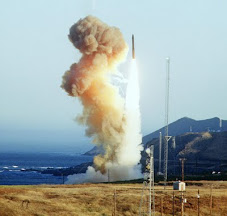
![[Global Network] against the first launch of Quasi-Zenith Satellite, Japan, on Sept. 11, 2010](https://blogger.googleusercontent.com/img/b/R29vZ2xl/AVvXsEj2sYpfodDDMIA7qXwuda0DmKapxXFB479fDnn8RKy7QNZqz0VEvWucNd-DleZ37hWNXC-Z8QtaqtM37VuPwac5SgclJ9_khBBSWOedvm19MRXIP1j1kcWrK6EW5IFjQdEEY2h7E6xuyNvC/s227/Qzss-45-0_09.jpg)

![[In update] Some collections on the Koreans’ protests against the sanction & war on Iran](http://4.bp.blogspot.com/_gnM5QlRx-4c/TJMvke6t8zI/AAAAAAAAFO4/tamQ8LUnOOA/S227/No+Sanction+on+Iran.jpg)
![[Three International Petitions] to End the Korean war and peace treaty(or peace resolution)](https://blogger.googleusercontent.com/img/b/R29vZ2xl/AVvXsEhlohLVYtpCg7iMsZhNYY4hBbhTi2dIheHMHWLDph9X2y78cjgZV1LeSfUJeu80elhJm70Q9E059q72lK-spSPvsRG4bPuCDIytltJB9IH3mWt9OG98HqhnTsPakwhvNeoCFUgF1xoxQ2EZ/s227/border.jpg)


![[Collection of Documents] No Base Learning and Solidarity Program_Korea(June 14 to 20, 2010)](https://blogger.googleusercontent.com/img/b/R29vZ2xl/AVvXsEix_HzjToh3nNGHBc-_5gasq-ykcaZ6GInLixILmZVyRJ5xoeHCxWOyYd9fSM7bmnuFsjSrYOGEPnQOwB1Dcyo-sN4Pw0cFPhUtKig_qlVnGL1Wi82ClvPqbEPWYhJiqdNF0DyzLIBETMB9/s227/No-Base-banner.jpg)
![Site Fwd:[John Hines] A U.S. Debate coach’s research trip on the Issues of Korea](https://blogger.googleusercontent.com/img/b/R29vZ2xl/AVvXsEg8yRra0zNhKHN74Auqhd3Nx9tZ7BWCGflRJHGH4CfzBT_yjhZ8Nl9b3OZuLpYWJ2exsjmR0oVl-Qq_cf832p2VdmOZhUi-lCFzCNeDSyVtweX1lWZPC-RlHmDMLtilHwHjNFTenBiM4Fk4/s227/Jeju-Peace-Tour.jpg)


![[News Update] Struggle Against the Jeju Naval Base since Jan. 18, 2010](https://blogger.googleusercontent.com/img/b/R29vZ2xl/AVvXsEhKfSTRC5QKBBSFIq_m7QIqXdlbL4-gF5GJYn9Q-pN__k7sV7uxGDcLY5L8xmU7QuWuUhBT_GhG-URBPO80RT3AfWfDrWJr06h1hFuZC6ZBVKe4U6PS1Cd7Kr6olO8TYQtk13Drox7IS6ea/s226/scrum1.jpg)


![[Urgent] Please spread the Letter!: There was no Explosion! There was no Torpedo! (May 26, 2010)](https://blogger.googleusercontent.com/img/b/R29vZ2xl/AVvXsEhSd2yWZ3xGwnJQXB73z5FgXCqSosAoB9_33-GLYprOmLqjmvgSAQp1BYI7e4slK1FDxHRi9KK4um-OpDaj8QOkXwAScVAgvvq6-ehbDA-hbkr96wT9oHNNmWnBPv8GU4hoZp9X8F9AZBX4/s227/grounded.jpg)
![Text Fwd: [Stephen Gowans]The sinking of the Cheonan: Another Gulf of Tonkin incident](https://blogger.googleusercontent.com/img/b/R29vZ2xl/AVvXsEi_L6hB3RZ1MovTXHe0A8yn_RfgMALGR0kM6poBuGp809xwvHtB_-PGWtS_WpyPWatyd9lB2pPqL2gOLc4dTCEdJ9sMvxJWEdapl-mMLm7WHAsV-jVpgqarVh8XBtdz_0c-Vohdh3HtJahD/s227/lee-myung-bak.jpg)
![[Japan Focus]Politics in Command: The "International" Investigation into the Sinking of the Cheonan](https://blogger.googleusercontent.com/img/b/R29vZ2xl/AVvXsEiHmTo8v-uCJnabRhMdnBAkC9J3s5bb2JsDKiT5leJHwbK8IDJHxfJmqQ_C0Is_bPC6UGMf05CA0exF2y4r2x9RhFUHT0kjsKviaME_MZXKnq775UyYAdb7w2SAzE75XvBfHp1al2q6i3cf/s227/wen_jiabao_and_lee_myungbak.png)
![[Japan Focus] Who Sank the SK Warship Cheonan? A New Stage in the US-Korean War and US-China](https://blogger.googleusercontent.com/img/b/R29vZ2xl/AVvXsEiKSS5ULT5QBaMGYpXXqBMX9jtwLwMLuK469b6Ku72GTJYKUObzTANaPjZqvvpPzYMJgPF53sjhvhK3DVa88ipYlggsJageykXlkxY6s8TW05xcU-_vfhf-pACUoaWuFbT-fsU1qEhm_yIi/s227/buoy_map.gif)
![[Updated on 12/13/10] [Translation Project] Overseas Proofs on the Damages by the Military Bases](https://blogger.googleusercontent.com/img/b/R29vZ2xl/AVvXsEikADE6JovUNspQyZUWVMTLAQg7yQNqXpVUbqZPk8f4uc_1723_xm1Cco6WAmstQXVPnaJAcb1mZA8Ny_3xONT_f5uh8MNLPnUhtqdGgy3HCtC1Vbbz4Q0ZY1Cssu-4cJEVNdrvznbS5UzO/s227/missile.jpg)
![[International Petition] Close the Bases in Okinawa](https://blogger.googleusercontent.com/img/b/R29vZ2xl/AVvXsEhNpQiHklwFbWVlFK7GDFXnBSOOSFEj3Il-We-N3uTDldKiidL2NGZs7X_LtTnatzTo_r8CexRkFe8NhfxYqmgp1knEEslROTfNjI5_mSb57cdbhPkftvanveYBaevAD9xuKDGoIxiTwoSb/s227/2.jpg)

![[In Update]Blog Collection: No Korean Troops in Afghanistan](https://blogger.googleusercontent.com/img/b/R29vZ2xl/AVvXsEjjEmCRXSNAG7_QBxKWbdksmxoWR4nyAovQTTdR1G2AuXh0jxtqNkI9OmYgYWRoLAJShvtBvE840QXuBWSVh3u3zMYqkNAFX6OWy3m5Nur4HM7uNK-pKT1ycyApJp-VLyhIFRRcoisYAh0E/s226/No-Troops-to--Afghanistan.jpg)


