* Text Fwd by
Bruce Gagnon on March 19, 2009*
http://www.fpif.org/fpiftxt/5971
*The article was also informed in StopNATO.
Arms Race in Space
Bruce K. Gagnon | March 19, 2009
Editor: John Feffer The new arms race in space is shaping up to be the largest industrial project in Earth's history. To pay for this project, the aerospace industry has been lobbying Washington for a dedicated funding source. Budget allocations for missile defense — Star Wars — are only part of the huge sums of money redirected toward preparations for war in space.
Since World War II, hundreds of billions of dollars have been spent on Star Wars research and development. When Bill Clinton first came into office in 1993 he ceremoniously announced that Reagan's Strategic Defense Initiative (SDI), at that time funded at $3.5 billion a year, was dead. Then he quietly created the Ballistic Missile Defense Organization (BMDO) and moved the $3.5 billion into the new space weapons development organization. George W. Bush left office having changed the name to Missile Defense Agency (MDA) with an annual budget of $10 billion per year.
Not counted in the MDA budget is the money that goes into space technology programs at the National Reconnaissance Office (NRO), National Security Agency (NSA), Department of Energy, NASA, and others. Conservative numbers indicate that the total military space technology annual budget runs in the neighborhood of $75 billion per year.
From Research to DeploymentThe Pentagon maintains that the Persian Gulf War in the early 1990s was the "first space war" where it was able to field test new technologies and begin implementing the doctrine of "full spectrum dominance." In the 2003 shock-and-awe invasion of Iraq, 70% of the weapons used in the initial attack were directed to their targets via military space satellites. Today, terrestrial warfare is coordinated from space.
But there's a problem: If the United States can do all of this, so could another nation. Thus the Pentagon has for years been working to create the ability to "deny" others the use of space. According to the Air Force Space Command planning document Strategic Master Plan: FY06 and Beyond, "the ability to gain space superiority (the ability to exploit space while selectively disallowing it to adversaries) is critically important and maintaining space superiority is an essential prerequisite for success in modern warfare...Simply, we must be able to quickly subjugate any space capability any adversary can field while maintaining our own."
This threat to take out the space assets of other nations is leading to a new and dangerous stage in the space arms race. China's 2007 test of a rudimentary anti-satellite (ASAT) weapon was a warning to the United States that it won't allow any one country to be "Master of Space," as the Air Force Space Command logo reads. The United States responded in 2008, using the excuse of a falling satellite, to show the world it had the capability to knock out an object in space. In this case, the Navy fired a "missile defense" system from an Aegis destroyer into space and successfully hit the doomed satellite. This test also was a clear warning to Russia and China that the ship-based Aegis "missile defense" system had offensive capabilities and could be used as part of a growing U.S. first-strike capability.
Space Race in AsiaToday, the United States and its allies Japan and South Korea are deploying Aegis destroyers to encircle China's coastline and put its small nuclear deterrent capability at risk. China also knows that the U.S. Space Command has been annually war-gaming a first-strike attack on its nation. In a computer war game set in the year 2016, the United States launches the attack, using a system now under development called the military space plane. This weapon would have the capability to take off like an airplane, fly through space to the other side of the world in one hour, drop a devastating attack on China, and then return to home base. The Pentagon is selling this space plane to the Congress and the public as the successor to the outdated, and increasingly expensive, space shuttle.
The International Herald Tribune recently reported that Gen. Valentin Popovkin, former chief of Russia's space forces, said his country must develop ASAT weapons technology as well. "We can't sit back and quietly watch others doing that, such work is being conducted in Russia," Popovkin was quoted as saying. Russia already has some "basic, key elements" of such weapons, Popovkin said.
During the tenures of both Clinton and the second Bush, Russia and China introduced to the UN General Assembly a resolution calling for a new treaty to ban weapons in space. The Prevention of an Arms Race in Space (PAROS) would outlaw all weapons in and through space, and close the barn door before the horse gets out. Sadly, the position of the United States has been consistent throughout both Democrat and Republican administrations: There are no weapons in space and thus no need for a new treaty. The United States claims that there is no problem.
The Problem with NASANASA was created as a civilian agency with a mission to do peaceful space exploration. But the growing influence of the military industrial complex has rubbed out the line between civilian and military programs.
When George W. Bush appointed former Secretary of the Navy Sean O'Keefe to head NASA in late 2001, the new space agency director announced that all NASA missions in the future would be "dual use." This meant that every NASA space launch would be both military and civilian at the same time. The military would ride the NASA Trojan horse and accelerate space weapons development without the public's knowledge. NASA would expand space nuclear power systems to help create new designs for weapons propulsion. Permanent, nuclear-powered bases on the moon and Mars would give the United States a leg up in the race for control of those planetary bodies. The international competition for resource extraction in space (helium-3 on the moon) is now full on.
NASA's job is to do the research and development, and then be ready to turn everything over to private corporate interests once the technology has been sorted out. The taxpayers will fund the technology investment program. The military will create the space weapons systems to ensure free corporate access to the space highways of the future. The aerospace industry is already making record profits from the ever-escalating cost of space technology systems. Virtually every system now under development is well over budget. Just one illustration is NASA's International Space Station. Originally slated to cost the taxpayers $10 billion, the project has now grown to $100 billion and is not yet finished.
High Ground in SpaceA little-known congressional study from1989 called Military Space Forces: The Next 50 Years spells out much of the Pentagon's plan for achieving dominance in space. The Air Force Association published the report in book form, and congressional leaders like Representatives Ike Skelton (D-MO) and John Spratt (D-SC), Senator John Glenn (D-OH) and now-Senator Bill Nelson (D-FL) signed the forward.
In the book, congressional staffer John Collins reports: "Military space forces at the bottom of the Earth's so-called gravity well are poorly positioned to accomplish offensive/defensive/deterrent missions, because great energy is needed to overcome gravity during launch. Forces at the top, on a space counterpart of 'high ground,' could initiate action and detect, identify, track, intercept, or otherwise respond more rapidly to attacks."
Collins goes on to propose to Congress that the United States needs bases on the moon, at the top of the "gravity well," and on armed space stations on either side of the lunar surface. He writes, "Nature reserves decisive advantage for L4 and L5, two allegedly stable libration points [on either side of the moon] that theoretically could dominate Earth and moon, because they look down both gravity wells. No other location is equally commanding." Collins then concludes that, "Armed forces might lie in wait at that location to hijack rival shipments on return." Space piracy is born.
Like the Pentagon, the defense industries also have a plan for space. They're working 50-75 years ahead of the rest of us. They understand the enormous costs involved. They are moving to secure a funding source and working to bring "reliable allies" into the program to help pay for Star Wars. They've learned to dress up key aspects of the program as defense, as in "missile defense."
Space is the new military frontier. It's now up to the peace movement to understand the issue and help the public do so as well. Unless this costly and destabilizing new space arms race is stopped, life on Earth will become much more difficult. We must keep space for peace.
Bruce K. Gagnon is the coordinator of the Global Network Against Weapons & Nuclear Power in Space and a contributor to Foreign Policy In Focus. He can be reached at globalnet@mindspring.com.Global Network Against Weapons & Nuclear Power in Space
PO Box 652
Brunswick, ME 04011
(207) 443-9502
http://www.space4peace.orgglobalnet@mindspring.com
http://space4peace.blogspot.com (Blog)



![[URGENT PLEA: In Update] EMERGENCY in GANGJEONG Since AUG. 24, 2011](https://blogger.googleusercontent.com/img/b/R29vZ2xl/AVvXsEiQvpaNf6EePZVucu97_JphYsFS5IgumnSiA4YAmen1PZcim6vMmW7XjZ7J6nLh-Cu36mwBN5n1evrA3ey0vYMpwlAGsgnSFggv6a1w4Qx9BvvqOB0hy0BIcBkL2Exfs3zIxBsBuDGa1kzg/s227/jejusit.jpg)


![[Solidarity from Japan for the Jeju] 253 individuals and 16 groups/organizations](https://blogger.googleusercontent.com/img/b/R29vZ2xl/AVvXsEivji7100kBkr0hzvqYfh4IBBilkZ6XgDIg89jOxS6kTssxsVKC6Wm-fZbKOEsiy3zcO-9gW6GHspD5R_2C9WsGx5S1Z5VPj_OVRF7H6dxdaT0S-2H1eqsDsYvIwOV26VscxTHnKmP5iZmh/s227/jeju_12_10j.jpg)

![[Translation] Korean organizations' statement: Immediately cancel the joint ROK-US drill Nov 26](https://blogger.googleusercontent.com/img/b/R29vZ2xl/AVvXsEgfKDMo-qyEjm5asUtHlREyJY_5Ou-2tyB8SH6aUxiViRbbKR-8W_rirFiGp5DYSoD_KaeNOPMWR0af0ZPUIbJKmR89ImDvADHsGAIqsJVBvJNBEIl5wLd3G_zhPDW3Z2SxsHXadOsXe8st/s227/1.jpg)
![HOT! [Hankyoreh Hani TV] Beneath the Surface: the investigation into the sinking of the Cheonan](https://blogger.googleusercontent.com/img/b/R29vZ2xl/AVvXsEh80rL3Qv9GnfHSqbYMfivdqX5gZN-1O_VQj3A_Gk3yjWdybHwJCsprA3l6cEQB0cYCP2oNeaLo2ohLGIy0Uqqkv_fRkBevGJ2f-qkKD5eP1ZGsKeQ-r-jHUUb79WvucIN7hpEtXza4xXCL/s227/HaniTV+Cheonan.gif)


![[Translation]Statement against illegal inspection and unjust lay-off by the Kunsan USAFK!(Nov_2010)](https://blogger.googleusercontent.com/img/b/R29vZ2xl/AVvXsEg3JlQ-lreusCIJo5Yv2e3ZrRwrSMUE7UQxlrDVjmBehl0Pa24QZIAbZ5vUpgnnExbkKL9PdCwxVYSHWJkr_XK0FM4EhU3CMFhqfborVNu_p4v3bEFpNm3ia-aEHnvMMuEBI27aB7_BETuJ/s227/gunsan+protest.gif)
![[Translation] Korean organizations' statement against dispatching special force to the UAE on Nov.](https://blogger.googleusercontent.com/img/b/R29vZ2xl/AVvXsEiU7TNhTDLLwZkKP0Z78JsCZKp6je-QSFll3_ThmLES_y_nPLXEzeakrsZXoNxhN5blopEhy6xGV2tneJrniPdTR-JvOQMmSLr_HhlucxFvbusxk4oKvvMO2laBOHSIkB9OOeOxrQlqCA0O/s227/antiwarpeace.jpg)
![[Translation] Stop, Joining MD!: South Korean activists' statement and writing on Oct. 25, 2010](https://blogger.googleusercontent.com/img/b/R29vZ2xl/AVvXsEggGIHVei8j7LCJPJB5HIrspd942q436daNTquP-pFd45Cl70Ml_1JFiFDHgKu6FcoqNgFVKIFqjeuSPau2k_BwGHhx0cqFFL2-4ybZSTlmua0_AsERBtKYQa7jZk7uNj41LX6rj2vksHbo/s227/StopMD.jpg)
![[In Update] People First, NO G-20 (Nov. 6 to 12, Korea)](https://blogger.googleusercontent.com/img/b/R29vZ2xl/AVvXsEhZl8VTqeL7o2ndliGIE-sZFCikbTgfB9KCc3AtZvDaYijBBEhdfultMEOpyrCaD5gzpH8mqfWjU20KXMbSUl-5KM7yQeHU6z3BWV8tiOy4UKaCudz9VKWoi5x58xdC_gQpJTjkR5u7O9xf/s227/left21_G20.jpg)
![[International Petition] Stop US helipad plan in Okinawa to save great nature](https://blogger.googleusercontent.com/img/b/R29vZ2xl/AVvXsEihgYmdb0N8ViPvTFC_5i-Psbt4eX_LnAUEOtZkUngv_pGvRyWag1r6W60NicLLyTgWq-sPT1hBxLY5SadEIVv5McfZQ5uIhe-W0VoflQNqojsYZjFW6AH-gB1jsmSDGnGuKIFk2UkvNbFG/s227/yanbaru_w.jpg)
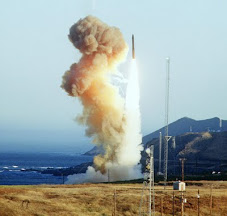
![[Global Network] against the first launch of Quasi-Zenith Satellite, Japan, on Sept. 11, 2010](https://blogger.googleusercontent.com/img/b/R29vZ2xl/AVvXsEj2sYpfodDDMIA7qXwuda0DmKapxXFB479fDnn8RKy7QNZqz0VEvWucNd-DleZ37hWNXC-Z8QtaqtM37VuPwac5SgclJ9_khBBSWOedvm19MRXIP1j1kcWrK6EW5IFjQdEEY2h7E6xuyNvC/s227/Qzss-45-0_09.jpg)
![[In update] Some collections on the Koreans’ protests against the sanction & war on Iran](http://4.bp.blogspot.com/_gnM5QlRx-4c/TJMvke6t8zI/AAAAAAAAFO4/tamQ8LUnOOA/S227/No+Sanction+on+Iran.jpg)
![[Three International Petitions] to End the Korean war and peace treaty(or peace resolution)](https://blogger.googleusercontent.com/img/b/R29vZ2xl/AVvXsEhlohLVYtpCg7iMsZhNYY4hBbhTi2dIheHMHWLDph9X2y78cjgZV1LeSfUJeu80elhJm70Q9E059q72lK-spSPvsRG4bPuCDIytltJB9IH3mWt9OG98HqhnTsPakwhvNeoCFUgF1xoxQ2EZ/s227/border.jpg)


![[Collection of Documents] No Base Learning and Solidarity Program_Korea(June 14 to 20, 2010)](https://blogger.googleusercontent.com/img/b/R29vZ2xl/AVvXsEix_HzjToh3nNGHBc-_5gasq-ykcaZ6GInLixILmZVyRJ5xoeHCxWOyYd9fSM7bmnuFsjSrYOGEPnQOwB1Dcyo-sN4Pw0cFPhUtKig_qlVnGL1Wi82ClvPqbEPWYhJiqdNF0DyzLIBETMB9/s227/No-Base-banner.jpg)
![Site Fwd:[John Hines] A U.S. Debate coach’s research trip on the Issues of Korea](https://blogger.googleusercontent.com/img/b/R29vZ2xl/AVvXsEg8yRra0zNhKHN74Auqhd3Nx9tZ7BWCGflRJHGH4CfzBT_yjhZ8Nl9b3OZuLpYWJ2exsjmR0oVl-Qq_cf832p2VdmOZhUi-lCFzCNeDSyVtweX1lWZPC-RlHmDMLtilHwHjNFTenBiM4Fk4/s227/Jeju-Peace-Tour.jpg)


![[News Update] Struggle Against the Jeju Naval Base since Jan. 18, 2010](https://blogger.googleusercontent.com/img/b/R29vZ2xl/AVvXsEhKfSTRC5QKBBSFIq_m7QIqXdlbL4-gF5GJYn9Q-pN__k7sV7uxGDcLY5L8xmU7QuWuUhBT_GhG-URBPO80RT3AfWfDrWJr06h1hFuZC6ZBVKe4U6PS1Cd7Kr6olO8TYQtk13Drox7IS6ea/s226/scrum1.jpg)


![[Urgent] Please spread the Letter!: There was no Explosion! There was no Torpedo! (May 26, 2010)](https://blogger.googleusercontent.com/img/b/R29vZ2xl/AVvXsEhSd2yWZ3xGwnJQXB73z5FgXCqSosAoB9_33-GLYprOmLqjmvgSAQp1BYI7e4slK1FDxHRi9KK4um-OpDaj8QOkXwAScVAgvvq6-ehbDA-hbkr96wT9oHNNmWnBPv8GU4hoZp9X8F9AZBX4/s227/grounded.jpg)
![Text Fwd: [Stephen Gowans]The sinking of the Cheonan: Another Gulf of Tonkin incident](https://blogger.googleusercontent.com/img/b/R29vZ2xl/AVvXsEi_L6hB3RZ1MovTXHe0A8yn_RfgMALGR0kM6poBuGp809xwvHtB_-PGWtS_WpyPWatyd9lB2pPqL2gOLc4dTCEdJ9sMvxJWEdapl-mMLm7WHAsV-jVpgqarVh8XBtdz_0c-Vohdh3HtJahD/s227/lee-myung-bak.jpg)
![[Japan Focus]Politics in Command: The "International" Investigation into the Sinking of the Cheonan](https://blogger.googleusercontent.com/img/b/R29vZ2xl/AVvXsEiHmTo8v-uCJnabRhMdnBAkC9J3s5bb2JsDKiT5leJHwbK8IDJHxfJmqQ_C0Is_bPC6UGMf05CA0exF2y4r2x9RhFUHT0kjsKviaME_MZXKnq775UyYAdb7w2SAzE75XvBfHp1al2q6i3cf/s227/wen_jiabao_and_lee_myungbak.png)
![[Japan Focus] Who Sank the SK Warship Cheonan? A New Stage in the US-Korean War and US-China](https://blogger.googleusercontent.com/img/b/R29vZ2xl/AVvXsEiKSS5ULT5QBaMGYpXXqBMX9jtwLwMLuK469b6Ku72GTJYKUObzTANaPjZqvvpPzYMJgPF53sjhvhK3DVa88ipYlggsJageykXlkxY6s8TW05xcU-_vfhf-pACUoaWuFbT-fsU1qEhm_yIi/s227/buoy_map.gif)
![[Updated on 12/13/10] [Translation Project] Overseas Proofs on the Damages by the Military Bases](https://blogger.googleusercontent.com/img/b/R29vZ2xl/AVvXsEikADE6JovUNspQyZUWVMTLAQg7yQNqXpVUbqZPk8f4uc_1723_xm1Cco6WAmstQXVPnaJAcb1mZA8Ny_3xONT_f5uh8MNLPnUhtqdGgy3HCtC1Vbbz4Q0ZY1Cssu-4cJEVNdrvznbS5UzO/s227/missile.jpg)
![[International Petition] Close the Bases in Okinawa](https://blogger.googleusercontent.com/img/b/R29vZ2xl/AVvXsEhNpQiHklwFbWVlFK7GDFXnBSOOSFEj3Il-We-N3uTDldKiidL2NGZs7X_LtTnatzTo_r8CexRkFe8NhfxYqmgp1knEEslROTfNjI5_mSb57cdbhPkftvanveYBaevAD9xuKDGoIxiTwoSb/s227/2.jpg)

![[In Update]Blog Collection: No Korean Troops in Afghanistan](https://blogger.googleusercontent.com/img/b/R29vZ2xl/AVvXsEjjEmCRXSNAG7_QBxKWbdksmxoWR4nyAovQTTdR1G2AuXh0jxtqNkI9OmYgYWRoLAJShvtBvE840QXuBWSVh3u3zMYqkNAFX6OWy3m5Nur4HM7uNK-pKT1ycyApJp-VLyhIFRRcoisYAh0E/s226/No-Troops-to--Afghanistan.jpg)


