Organizing Notes
Tuesday, March 01, 2011
TALK ABOUT THE EMPIRE
Showing posts with label Militarism. Show all posts
Showing posts with label Militarism. Show all posts
Thursday, March 3, 2011

Tuesday, February 8, 2011
Text Fwd: America’s addiction to war and violence
* Informed at Organizing Notes
Times Record
America’s addiction to war and violence
By Bruce K. Gagnon
Published: Thursday, February 3, 2011 2:07 PM EST
The photo accompanying this commentary is from a Junior-ROTC “field day” at a school in the south. The article along with the photo said, in part, “Maj. Hicks speaks to the eager group of Junior Reserve Officer Training Corps Cadets about what it means to be a cavalryman and what the cavalry does.”
I remember the cavalry. They were the ones who hunted the Native Americans down and killed them. Now they do it in Iraq, Afghanistan and Pakistan.
We weep and wail and wring our hands when domestic terrorists kill innocent people, as was done recently in Tucson, Arizona. But each and every day our kids all over the nation are being brainwashed about the joys of violence, the thrill of war, the glory of killing the “enemy” and few blink an eye. People somehow separate the killing done by our “hero” soldiers from the senseless random slaughter on our streets at home.
But these can’t be separated. They are linked. They come from the same wellspring.
They come from America’s addiction to war and violence.
We glorify the gun and we glorify the shooter. But then, just now and then, the nation says (as in the case in Arizona), “No, not this time. This violence was not good.”
But to those brought up listening to the overwhelming public support for guns and glory the messages are just a twisted jumble of confusion. The loudest bang is the one that gets internalized by the majority of the citizenry.
It could change, but we’d have to make a serious national commitment to step away from the bar stool where we keep taking just one more drink of the hot red blood of violence. It could change, but we’d have to keep our president home instead of thrilling in his secret holiday trip to visit the troops in Iraq or Afghanistan to remind them that the nation is behind their killing of innocent civilians in endless war.
It could change, but the Congress would have to cut the military budget and transfer the money into mental health programs for those who are living close to the razor’s edge and are just one radio talk show host’s angry rant about “big government” away from a violent rampage.
It could all change, but each of us would have to do more than shake our head in disgust and say to ourselves, “This is a crazy country.” We’d have to step up and take some responsibility, do something to publicly express our deep frustration and concern, and demand that we stop putting our children at the trigger end of machine guns.
We’d have to connect the dots between “random gun violence” and our national obsession with occupation and killing people around the world who happen to sit on land that is wanted, for whatever reason, by multi-national corporations.
We could do something, if we ...
Bruce K. Gagnon lives in Bath.
Times Record
America’s addiction to war and violence
By Bruce K. Gagnon
Published: Thursday, February 3, 2011 2:07 PM EST
The photo accompanying this commentary is from a Junior-ROTC “field day” at a school in the south. The article along with the photo said, in part, “Maj. Hicks speaks to the eager group of Junior Reserve Officer Training Corps Cadets about what it means to be a cavalryman and what the cavalry does.”
I remember the cavalry. They were the ones who hunted the Native Americans down and killed them. Now they do it in Iraq, Afghanistan and Pakistan.
We weep and wail and wring our hands when domestic terrorists kill innocent people, as was done recently in Tucson, Arizona. But each and every day our kids all over the nation are being brainwashed about the joys of violence, the thrill of war, the glory of killing the “enemy” and few blink an eye. People somehow separate the killing done by our “hero” soldiers from the senseless random slaughter on our streets at home.
But these can’t be separated. They are linked. They come from the same wellspring.
They come from America’s addiction to war and violence.
We glorify the gun and we glorify the shooter. But then, just now and then, the nation says (as in the case in Arizona), “No, not this time. This violence was not good.”
But to those brought up listening to the overwhelming public support for guns and glory the messages are just a twisted jumble of confusion. The loudest bang is the one that gets internalized by the majority of the citizenry.
It could change, but we’d have to make a serious national commitment to step away from the bar stool where we keep taking just one more drink of the hot red blood of violence. It could change, but we’d have to keep our president home instead of thrilling in his secret holiday trip to visit the troops in Iraq or Afghanistan to remind them that the nation is behind their killing of innocent civilians in endless war.
It could change, but the Congress would have to cut the military budget and transfer the money into mental health programs for those who are living close to the razor’s edge and are just one radio talk show host’s angry rant about “big government” away from a violent rampage.
It could all change, but each of us would have to do more than shake our head in disgust and say to ourselves, “This is a crazy country.” We’d have to step up and take some responsibility, do something to publicly express our deep frustration and concern, and demand that we stop putting our children at the trigger end of machine guns.
We’d have to connect the dots between “random gun violence” and our national obsession with occupation and killing people around the world who happen to sit on land that is wanted, for whatever reason, by multi-national corporations.
We could do something, if we ...
Bruce K. Gagnon lives in Bath.
Thursday, August 26, 2010
[국문 번역] Text Fwd: U.S. BASE SAVED FROM PAKISTAN FLOOD BUT NOT THE PEOPLE 미군 기지는 홍수로부터 구해졌으나 사람들은 아님.
___________________________________________________________
* Related blog 관련 블로그
Friday, October 15, 2010
Video Fwd:[Pakistan] IMPACT OF FLOODS NOW TAKE HOLD
[비디오] 파키스탄: 홍수 영향 현재 진행중
___________________________________________________________
* From Bruce Gagnon blog, August 23, 2010 2010년 8월 23일자 브루스 개그논 블로그
U.S. BASE SAVED FROM PAKISTAN FLOOD BUT NOT THE PEOPLE
미군 기지는 홍수로부터 구해졌으나 사람들은 아님.


August 20, 2010
2010 년 8월 20일
PAKISTAN: Minister tasked with saving US airbase at the cost of the displacement of thousands
파키스탄: 수천명 이동 희생위 미 공군 기지를 구하기 위한 과제에 매달리게 된 장관
The presence of Pakistan army personnel speaks to the fact that the breach of Jamali bypass was intentional and ordered from above.
파키스탄 공군 관계자의 존재는 자말리 우회로 침해가 의도적이며 위로부터의 명령이었다는 사실에 대해 말한다.
It has been reported earlier that the US Air Force has denied the relief agencies use of the Shahbaz airbase for the distribution of aid and assistance. Soldiers of the Pakistan army, a federal minister and the administration of Sindh province are blamed for the incident involving Shahbaz Airbase at Jacobabad district in Sindh province in which it has been reported that flood waters were diverted in order to save the airbase. The diversion of the floodwaters is blamed for inundating hundreds of houses and the displacement of 800,000 people. According to the media reports, the Federal Minister of Sports along with soldiers from the army and a contingent of officials from the Sindh provincial government breached the Jamali Bypass in Jafferabad district of Balochistan province during the night between August 13 and 14 to divert the water entering the airbase which has remained in US Air Force hands since the war on terror started in 2001.
미 공군이 구호 기관들이 원조와 보조의 분배를 위해 샤바즈 공군 기지를 이용하는 것을 거부했다고 일찍 보도된 바 있다. 파키스탄 군대의 군인들, 연방 장관, 그리고 신드 지방 행정부는 신드 지방 자코바바드 지역 샤바즈 공군 기지가 관계된 사건으로 비난받는데 이 사건은 홍수물이 공군 기지를 구하기 위해 우회된 것을 말한다. 홍수물의 우회는 수백채의 가옥들을 물에 잠기게 하고 80만의 사람들이 터를 잃은 것으로 비난받는다. 언론 기사들에 따르면, 연방 체육 장관은 군대의 군인들, 신디 지역 정부의 파견 관리들과 함께 8월 13일과 14일 사이 밤 2001년 테러에 대한 전쟁 이후 미 공군의 손에 있었던 기지에 들어오는 물의 흐름을 바꾸기 위해 바로키스탄 지역 자페라바드 지역 자말리 우회로가 붕괴되게 했다.
 * Image source: Google
Mr. Ejaz Jakhrani, the Minister of Sports, while explaining the situation to the media said that if the water was not diverted the Shahbaz Airbase would have been inundated. Mr. Jakhrani himself was present along with the district coordination officer of the Jacobabad district, district police officer and other officials when the breach was made. It is reported in the media that Mr. Jakhrani was assigned to protect the air base by officials at the Pakistan army’s headquarter as he was elected from Jacobabad district.
체육 장관 에자즈 자크라니 씨는 언론에 상황을 설명하면서 물이 우회되지 않았더라면 샤바즈 공군 기지가 물에 잠겼을 거라 말했다. 자크라니 씨 자신이 그 침해가 저질러졌을 때 자코바바드 지역 기획 관리들과 함께 있었다. 자크라니 씨는 자코바바드 지역에서 선거에 뽑힘에 따라 파키스탄 군대 사령부의 관리들로 하여금 공군 기지를 보호하게 하도록 임무를 받았다.
A former prime minister, Mr. Mir Zafar Ullah Khan Jamali said that in order to save Shahbaz Air Base, Jamali bypass was demolished and the town of Dera Allahyar was drowned. Mr. Jamali said that if the airbase was so important, then what priority might be given to the citizens. He blamed minister Jakhrani, DPO and DCO Jacobabad for deliberately diverting the course of the floodwaters towards Balochistan.
전 수상 미르 자파 울라 칸 자말리 씨는 샤바즈 공군 기지를 구하기 위해 자말리 우회로가 헐어졌으며 데라 알라야 마을이 침수되었다고 전했다. 자말리 씨는 공군 기지가 그렇게 중요했다면 어떠한 우선권이 시민들에게 주어지겠냐고 말했다. 그는 바로키스탄으로 향하는 홍수물의 진로를 고의적으로 바꾼 자크라니 장관과 자코바바드 DPO 와 DCO 를 비난했다.
 * Image Source: Google
In the meantime, during the discussion in the standing committee of the Senate the federal secretary of health has revealed that health relief operations are not possible in the flood-affected areas of Jacobabad because the airbase is under the control of the US Air Force. The coordinator of the Health Emergency Preparedness and Response Centre, Dr Jahanzeb Aurakzai, told the committee that foreign health teams could not start relief operations in remote areas because there are no airstrips close to several areas, including Jacobabad.
그 동안 상원 상임 위원회 토론동안 보건 연방 장관은 자코바바드의 홍수 영향 지역들에서는 공군 기지가 미 공군의 통제 아래에 있기에 건강 구호 작전들이 가능하지 않다고 밝힌 바 있다. 건강 비상 준비 대응 센터의 코디네이터인 자한제브 아우라크자이 박사는 자코바바드를 포함, 몇 지역들 근처에 활주로들이 없었기 때문에 외국 보건 팀들이 먼 지역에서의 구호 작전을 시작힐 수 없었다고 위원회에 말했다.
The electronic media has also reported that since 2001 the government of Pakistan, during the regime of general Musharraf, turned over Shahbaz Airport to US forces fighting against terrorism on a lease so it the responsibility of the government and the Pakistan armed forces to protect the agreement done in favour of US forces. The discussions in the media have also pointed out that the presence of army soldiers during the breach of Jamali bypass is a clear indication that the Pakistan army has been ordered to save the airbase from the floodwaters.
전자 언론은 2001년 이후 파키스탄 정부가 무샤라프 장군 정권 동안, 테러리즘에 맞서 싸우는 미군들에게 샤바츠 공항을 임대로 주었으므로 미군에게 좋게 만들어진 동의안을 보호하기 위한 것이 정부와 파키스탄 군대의 책임이라 말한 바 있다. 언론 토론은 또한 자말리 우회로 침해동안 육군 군인들의 존재는 파키스탄 군대가 홍수물로부터 기지를 구하기 위해 명령 받았음을 알리는 명확한 표시였음을 또한 지적했다.
In the end, after the seven days of controversy surrounding the air base, the Pakistan Air Force (PAF) said that the Shahbaz Airbase was under the complete operational control of the PAF and brushed aside reports that floodwaters had been diverted to save the base. Air Vice Marshal, Mr. Abdul Quddus, hurriedly arranged a visit of journalists to Shahbaz Airbase and asked them as to whether they could see any Americans? He told journalists that there are no drones and no Americans; seeing, he said, is believing!
결국, 공군 기지를 둘러싼 논쟁의 7일 뒤, 파키스탄 공군 (PAF) 은 샤바츠 공군 기지가 파키스탄 공군의 완전한 통제에 있었으며 홍수가 기지를 구하기 위해 전환되었다는 기사를 가볍게 무시했다. 공군 소장 압둘 쿠다스 씨는 기자들의 샤바츠 공군 기지 방문 일정을 서둘러 잡았으며 그들에게 미국인들을 볼 수 있었느냐 물었다. 그는 기자들에게 무인 비행기도 미국인들도 없다 말했다: 그는 보는 것이 믿는 것이라 말했다!
However, there was no reasonable answer to the question raised that when almost the whole of Jacobabad district of Sindh and its adjoining district of Jafferabad of Balochistan province were under floodwaters why the airbase was not affected. This could only be due to the intentional breach of the Jamali bypass. The media was also very critical of the arrangement of the visit to Shahbaz airbase at a time when much more attention is needed to focus all efforts for the relief of the affected people. The visit by the journalists has been seen as a scripted stage play as when journalists were present a C130 cargo plane landed with 200 tons of relief goods which the people of that particular affected area badly needed. Such a plane has not been seen landing there in recent times so this was too much of a coincidence.
그러나 언제 신디의 자코바바드 지역 전체 대부분과 바로키스탄 지역 자페라베드의 인접한 지역이 홍수물에 잠겼을 때 왜 공군 기지가 영향받지 않았는가에 대한 질문에 대해 합리적인 대답은 없었다. 이는 오직 자말리 우회로의 의도적 침해 때문일 수 있다. 언론은 또한 타격받은 사람들을 구호하는 모든 노력에 주의가 필요했을 때 샤바즈 공군 기지 방문을 잡은 것에 대해 매우 비판적이었다. 기자들의 방문은 특별히 타격받은 지역의 사람들이 몹시 필요로 했던 200톤의 구호 물자등을 실은 C130 화물 비행기가 착륙했을 때 기자들이 있었다는 것으로 볼 때 미리 각본된 연극 대본 처럼 보였다. 그러한 비행기는 최근 그 곳에 착륙하는 것이 보여지지 않았기에 이는 우연이라 하기엔 너무 과했다.
The federal minister and former prime minister have not retracted their statements that the floodwater was intentionally diverted to Dera Allahyar, Balochistan to save the air base.
연방 장관과 전 수상은 공군 기지를 구하기 위해 홍수가 데라 알라야로 고의적으로 바뀌어졌다는 그들의 성명서들을 철회하지 않았다.
There is rough estimation by the media about the displacement of 800,000 people by the divergence of the waters to the poorer areas. Over 150,000 people have been evacuated from Dera Allahyar and other areas. 350,000 people of Jafferabad district have been shifted to Dera Murad Jamali, Sibi and Quetta, parts of Balochistan, and over 300,000 people had earlier moved to Dera Murad Jamali and Sibi from the Sindh province particularly from Jacobabad.
물의 전환에 의해 더 가난한 지역들로 터를 옮긴 80만 명의 사람들에 대한 언론의 대략 산출이 있다. 15만 명 이상의 사람들이 델라 알라야르와 다른 지역들로 소개되었다. 자페라베드 지역의 35만명들이 바로키스탄의 일부들인 데라 무라드 자말리, 시비, 그리고 퀘타등으로 옮겨졌으며 30만 이상의 사람들이 특별히 자코바바드 의 신디 지방으로부터 데라 무라드 자말리와 시비 지방으로 일찍 옮겨졌었다.
There can be no doubt that the presence of the Pakistan army personnel at the breach of Jamali bypass indicates the fact that this was an intentional breach. This must be investigated along in order to ascertain who gave the orders. Those giving the orders must be prosecuted. The government of Pakistan must also probe the allegations of deliberate breaches; not only in the incident involving Shahbaz airbase but also those reported earlier where the agricultural lands belonging to senior ministers was protected from the floodwaters also by intentional breaches.
파키스탄 군관계자가 자말리 우회로가 침해 되었을 때 있었다는 것이 의심할 여지 없다는 사실은 이것이 고의적인 침해였음을 말한다. 이는 누가 명령을 내렸는가를 규명하기 위해서도 조사되어야 한다. 파키스탄 정부는 또한 고의적인 침해들에 대한 진술을 철저히 조사해야 한다: 샤바츠 공군 기지와 관련된 사건 뿐만이 아니라 고의적 [우회로]침해로 인해 선임 장관들이 소유한 농경지들이 홍수물로부터 보전된 곳들이라고 일찍 기사화된 것역시 말이다.
It is a gross contradiction that the United States of America is now one of the biggest donors of relief to Pakistan and it is therefore unacceptable that they are allegedly refusing permission to use Shahbaz airbase for the distribution of that relief.
미국이 현재 파키스탄에 대한 가장 큰 구호 기부자들의 하나라는것은 터무니없는모순으로 듣는 바에 의하면 그들이 그 구호 분배를 위해 샤바츠 공군 기지를 사용하는 것의 허락을 거절한다는 것은 그러므로 받아들일 수 없다.
# # #
About AHRC: The Asian Human Rights Commission is a regional non-governmental organisation monitoring and lobbying human rights issues in Asia. The Hong Kong-based group was founded in 1984.
AHRC 란: 아시아 인권 위원회 (The Asian Human Rights Commission: AHRC) 는 아시아의 인권 이슈들을 감시하고 압력을 녛는 지역의 비정부 단체이다. 홍콩에 기반한 단체로 1984년 세워졌다.
________________________________________________________
* Other reference materials 다른 참고 자료
English(영문)
_ Video: Why Isn't the World Rushing to Rescue Pakistan
왜 세계는 파키스탄을 구하러 달려가지 않는가?
(*From Bruce Gagnon blog on Sunday, August 22, 2010: SLIM SUPPORT FOR PEOPLE IN PAKISTAN)
(* 출처: 브루스 개그논 블로그, 2010년 8월 22일: 파키스탄인들을 위한 너무도 미약한 지지)
_ Floods in Pakistan not ‘natural’: U.S. militarism’s role in the disaster
파키스탄 홍수는 '자연적'인 것이 아니다: 재난에서 '미 군사 주의'의 역활
By Sara Flounders 사라 플라운더
International Action Center 국제 행동 센터
Aug 18, 2010 2010년 8월 18 일
Excerpts 발제
The floods will grow far worse in the coming week as record high waters move further downstream toward larger population centers in south Pakistan.
기록적으로 높은 물이 파키스탄 남부의 인구많은 중심지들쪽으로 옮겨짊에 따라 다가오는 주에 홍수가 월씬 악화될 것으로 보인다.
[...]
U.N. emergency relief coordinator John Holmes said the numbers would reach 40 to 50 million people in need of immediate assistance, out of a population of 170 million.
유엔 비상 구호 코디네이터 존 홀름스는 즉각적인 도움을 필요로 할 이들이 1억 7천만 인구중 4천만에서 5천만 인들이 될 것이라고 말했다.
All the words of concern from humanitarian agencies are starting to pour forth. But so far the amount of aid reaching Pakistan from the U.S., NATO countries and U.N. agencies is among of the smallest ever for disaster relief.
인도주의 기관들로부터 모든 우려의 말들이 나오기 시작했다. 그러나 지금까지 미국이나 북대서양 조약 기구 국가들, 그리고 유엔 기관들로부터 나오는 파키스탄에 도달하는 보조량은 재난 구호를 위해 가장 적은 것중에 속한다.
[..]
Washington has promised $55 million for emergency aid and the use of six helicopters. What an insult! Just this year Congress allocated to the Pentagon more than 1,000 times this paltry amount to continue to fight its wars in the region.
워싱턴은 구호 보조를 위해 5천 5백만 달러와 6개의 헬리콥터 사용을 약속했다. 이 무슨 모욕인가 ! 바로 올 해 미 국회는 이 얼마 되지 않은 양의 천 배 이상을 미 국방부가 이 지역에서의 전쟁들에서 싸우게 하기 위해 할당하지 않았던가?
[...]
The alliance with the U.S. has been of absolutely no help in the country’s hour of greatest need. The corrupt feudal officials and even more corrupt repressive military, all kept in power by enormous amounts of U.S. military aid, have proved totally unable to even notify the millions of people who were clearly at risk or to move into place the most basic emergency equipment.
미국과의 동맹은 이 나라가 가장 필요한 시기에 도움을 결코 주지 못했다. 미국 군대의 엄청난 보조로 권력을 유지했던 부패한 연방 관리들과 한층 더 부패하고 억압된 군대는 명확히 위험에 빠져 있던 수백만의 사람들에게 사전 주의도 못 주었을 뿐만 아니라 가장 기본적인 비상 장비들도 옮겨 놓지 못했을 정도로 완전히 그 무능함이 드러났다.
Washington is more than willing to sell Pakistan F-16 jets, hundreds of surface-to-air missiles and surveillance planes. This is enormously profitable to U.S. military contractors and Pakistan ends up ever further in debt.
워싱턴은 파키스탄에게 F-16 제트기들, 수백개의 공대지 미사일들, 그리고 정찰기들을 파는 것 이상을 기꺼이 하려 한다. 이는 미국 군사 계약업자들에게 거대하게 이윤이며 파키스탄은 훨씬 더 많은 빚으로 끝나고 말 것이다.
[...]
To respond to natural and human-made emergencies, what is needed is the uprooting of this capitalist system of exploitation and national oppression so every country can establish planning to meet its people’s needs.
자연과 인류가 만든 비상 사태에 대응하기 위해 필요한 것은 착취와 국가 억압의 자본주의 시스템을 축출하여 모든 나라가 그 민중들의 필요를 충족하게 하기 위한 계획을 세우게 할 수 있게 하는 것이다.
_ LPP Karachi Statement on Flooding(click)
홍수에 대한 파키스탄 노동당 (카라치) 성명서(클릭)
August 20, 2010 2010년 8월 20일
The Disaster, and the Way Out 재난 및 탈출의 길
Labour Party Pakistan (Karachi), National Trade Union Federation
파키스탄 노동당 (카라치), 전국 연방 노조
(*Informed by the Joan Landy(Campaign for Peace And Democracy) on Aug. 20, 2010
조안 랜디_ 평화와 민주주의를 위한 캠페인으로부터 2010년 8월 20일 제공됨)
Excerpt 발제_ Demand 요구
1. CANCEL THE DEBT
빚을 취소하라
2. CUT DEFENCE EXPENDITURE
국방 지출을 삭감하라
3. INTERNAIONAL ASSISTANCE IN GRANTS, NOT LOANS
국제 보조, 대부아닌 수여로
4. REDIRECT AMERICAN MILITARY SPENDING
미국 군사 지출 방향을 바꾸어라
5. REPARATIONS FOR CLIMATE CHANGE
기후 변화에 대한 보상
6. DEMOCRATIC AND TRANSPARENT RECONSTRUCTION
민주주의적이고 투명한 재건설을
Korean (국문)
파키스탄 홍수 관련 기사들(클릭)
파키스탄 구호 관련 기사들(클릭)
한겨레, 2010년 8월 16일, 조기원 기자
“파키스탄 홍수, 여태껏 본 적 없는 재난”: 반기문, 국제사회 지원 호소
'반기문 유엔 사무총장이 “파키스탄 홍수는 여태껏 본 적 없는 재난”이라며 국제사회의 지원을 촉구하고 나섰다.
반 총장은 아시프 알리 자르다리 파키스탄 대통령과 함께 헬리콥터를 타고 15일 주요 피해현장인 펀자브 지방을 둘러보았다. 반 총장은 “세계 다른 자연재해 피해 현장을 본 적이 있지만 이런 것은 처음 본다”며 “내가 오늘 목격한 파괴와 고통의 현장을 잊을 수 없다. 오늘은 가슴 아픈 날이었다”고 말했다고 <에이피>(AP) 통신은 전했다.
반 총장은 “홍수 물결이 국제사회 지원 물결과 만나야 한다”며 “나는 오늘 세계의 지원을 촉구하기 위해 여기 왔다”고 말했다. 유엔은 초기 구호를 위해서만 4억5900만달러 가량이 필요하다고 밝혔지만, 지금까지 목표액의 20% 정도밖에 모이지 않았다.
파키스탄 홍수 피해 사망자는 약 1600명으로 나르기스(약 13만8000명)나 쓰촨성 지진(약 9만명)에 비해서는 적다. 그러나 홍수 피해 지역이 파키스탄 전체 국토 면적의 4분의 1에 달할 만큼 피해 범위가 광범위하다.'
* Related blog 관련 블로그
Friday, October 15, 2010
Video Fwd:[Pakistan] IMPACT OF FLOODS NOW TAKE HOLD
[비디오] 파키스탄: 홍수 영향 현재 진행중
___________________________________________________________
* From Bruce Gagnon blog, August 23, 2010 2010년 8월 23일자 브루스 개그논 블로그
U.S. BASE SAVED FROM PAKISTAN FLOOD BUT NOT THE PEOPLE
미군 기지는 홍수로부터 구해졌으나 사람들은 아님.


August 20, 2010
2010 년 8월 20일
PAKISTAN: Minister tasked with saving US airbase at the cost of the displacement of thousands
파키스탄: 수천명 이동 희생위 미 공군 기지를 구하기 위한 과제에 매달리게 된 장관
The presence of Pakistan army personnel speaks to the fact that the breach of Jamali bypass was intentional and ordered from above.
파키스탄 공군 관계자의 존재는 자말리 우회로 침해가 의도적이며 위로부터의 명령이었다는 사실에 대해 말한다.
It has been reported earlier that the US Air Force has denied the relief agencies use of the Shahbaz airbase for the distribution of aid and assistance. Soldiers of the Pakistan army, a federal minister and the administration of Sindh province are blamed for the incident involving Shahbaz Airbase at Jacobabad district in Sindh province in which it has been reported that flood waters were diverted in order to save the airbase. The diversion of the floodwaters is blamed for inundating hundreds of houses and the displacement of 800,000 people. According to the media reports, the Federal Minister of Sports along with soldiers from the army and a contingent of officials from the Sindh provincial government breached the Jamali Bypass in Jafferabad district of Balochistan province during the night between August 13 and 14 to divert the water entering the airbase which has remained in US Air Force hands since the war on terror started in 2001.
미 공군이 구호 기관들이 원조와 보조의 분배를 위해 샤바즈 공군 기지를 이용하는 것을 거부했다고 일찍 보도된 바 있다. 파키스탄 군대의 군인들, 연방 장관, 그리고 신드 지방 행정부는 신드 지방 자코바바드 지역 샤바즈 공군 기지가 관계된 사건으로 비난받는데 이 사건은 홍수물이 공군 기지를 구하기 위해 우회된 것을 말한다. 홍수물의 우회는 수백채의 가옥들을 물에 잠기게 하고 80만의 사람들이 터를 잃은 것으로 비난받는다. 언론 기사들에 따르면, 연방 체육 장관은 군대의 군인들, 신디 지역 정부의 파견 관리들과 함께 8월 13일과 14일 사이 밤 2001년 테러에 대한 전쟁 이후 미 공군의 손에 있었던 기지에 들어오는 물의 흐름을 바꾸기 위해 바로키스탄 지역 자페라바드 지역 자말리 우회로가 붕괴되게 했다.
 * Image source: Google
Mr. Ejaz Jakhrani, the Minister of Sports, while explaining the situation to the media said that if the water was not diverted the Shahbaz Airbase would have been inundated. Mr. Jakhrani himself was present along with the district coordination officer of the Jacobabad district, district police officer and other officials when the breach was made. It is reported in the media that Mr. Jakhrani was assigned to protect the air base by officials at the Pakistan army’s headquarter as he was elected from Jacobabad district.
체육 장관 에자즈 자크라니 씨는 언론에 상황을 설명하면서 물이 우회되지 않았더라면 샤바즈 공군 기지가 물에 잠겼을 거라 말했다. 자크라니 씨 자신이 그 침해가 저질러졌을 때 자코바바드 지역 기획 관리들과 함께 있었다. 자크라니 씨는 자코바바드 지역에서 선거에 뽑힘에 따라 파키스탄 군대 사령부의 관리들로 하여금 공군 기지를 보호하게 하도록 임무를 받았다.
A former prime minister, Mr. Mir Zafar Ullah Khan Jamali said that in order to save Shahbaz Air Base, Jamali bypass was demolished and the town of Dera Allahyar was drowned. Mr. Jamali said that if the airbase was so important, then what priority might be given to the citizens. He blamed minister Jakhrani, DPO and DCO Jacobabad for deliberately diverting the course of the floodwaters towards Balochistan.
전 수상 미르 자파 울라 칸 자말리 씨는 샤바즈 공군 기지를 구하기 위해 자말리 우회로가 헐어졌으며 데라 알라야 마을이 침수되었다고 전했다. 자말리 씨는 공군 기지가 그렇게 중요했다면 어떠한 우선권이 시민들에게 주어지겠냐고 말했다. 그는 바로키스탄으로 향하는 홍수물의 진로를 고의적으로 바꾼 자크라니 장관과 자코바바드 DPO 와 DCO 를 비난했다.
 * Image Source: Google
In the meantime, during the discussion in the standing committee of the Senate the federal secretary of health has revealed that health relief operations are not possible in the flood-affected areas of Jacobabad because the airbase is under the control of the US Air Force. The coordinator of the Health Emergency Preparedness and Response Centre, Dr Jahanzeb Aurakzai, told the committee that foreign health teams could not start relief operations in remote areas because there are no airstrips close to several areas, including Jacobabad.
그 동안 상원 상임 위원회 토론동안 보건 연방 장관은 자코바바드의 홍수 영향 지역들에서는 공군 기지가 미 공군의 통제 아래에 있기에 건강 구호 작전들이 가능하지 않다고 밝힌 바 있다. 건강 비상 준비 대응 센터의 코디네이터인 자한제브 아우라크자이 박사는 자코바바드를 포함, 몇 지역들 근처에 활주로들이 없었기 때문에 외국 보건 팀들이 먼 지역에서의 구호 작전을 시작힐 수 없었다고 위원회에 말했다.
The electronic media has also reported that since 2001 the government of Pakistan, during the regime of general Musharraf, turned over Shahbaz Airport to US forces fighting against terrorism on a lease so it the responsibility of the government and the Pakistan armed forces to protect the agreement done in favour of US forces. The discussions in the media have also pointed out that the presence of army soldiers during the breach of Jamali bypass is a clear indication that the Pakistan army has been ordered to save the airbase from the floodwaters.
전자 언론은 2001년 이후 파키스탄 정부가 무샤라프 장군 정권 동안, 테러리즘에 맞서 싸우는 미군들에게 샤바츠 공항을 임대로 주었으므로 미군에게 좋게 만들어진 동의안을 보호하기 위한 것이 정부와 파키스탄 군대의 책임이라 말한 바 있다. 언론 토론은 또한 자말리 우회로 침해동안 육군 군인들의 존재는 파키스탄 군대가 홍수물로부터 기지를 구하기 위해 명령 받았음을 알리는 명확한 표시였음을 또한 지적했다.
In the end, after the seven days of controversy surrounding the air base, the Pakistan Air Force (PAF) said that the Shahbaz Airbase was under the complete operational control of the PAF and brushed aside reports that floodwaters had been diverted to save the base. Air Vice Marshal, Mr. Abdul Quddus, hurriedly arranged a visit of journalists to Shahbaz Airbase and asked them as to whether they could see any Americans? He told journalists that there are no drones and no Americans; seeing, he said, is believing!
결국, 공군 기지를 둘러싼 논쟁의 7일 뒤, 파키스탄 공군 (PAF) 은 샤바츠 공군 기지가 파키스탄 공군의 완전한 통제에 있었으며 홍수가 기지를 구하기 위해 전환되었다는 기사를 가볍게 무시했다. 공군 소장 압둘 쿠다스 씨는 기자들의 샤바츠 공군 기지 방문 일정을 서둘러 잡았으며 그들에게 미국인들을 볼 수 있었느냐 물었다. 그는 기자들에게 무인 비행기도 미국인들도 없다 말했다: 그는 보는 것이 믿는 것이라 말했다!
However, there was no reasonable answer to the question raised that when almost the whole of Jacobabad district of Sindh and its adjoining district of Jafferabad of Balochistan province were under floodwaters why the airbase was not affected. This could only be due to the intentional breach of the Jamali bypass. The media was also very critical of the arrangement of the visit to Shahbaz airbase at a time when much more attention is needed to focus all efforts for the relief of the affected people. The visit by the journalists has been seen as a scripted stage play as when journalists were present a C130 cargo plane landed with 200 tons of relief goods which the people of that particular affected area badly needed. Such a plane has not been seen landing there in recent times so this was too much of a coincidence.
그러나 언제 신디의 자코바바드 지역 전체 대부분과 바로키스탄 지역 자페라베드의 인접한 지역이 홍수물에 잠겼을 때 왜 공군 기지가 영향받지 않았는가에 대한 질문에 대해 합리적인 대답은 없었다. 이는 오직 자말리 우회로의 의도적 침해 때문일 수 있다. 언론은 또한 타격받은 사람들을 구호하는 모든 노력에 주의가 필요했을 때 샤바즈 공군 기지 방문을 잡은 것에 대해 매우 비판적이었다. 기자들의 방문은 특별히 타격받은 지역의 사람들이 몹시 필요로 했던 200톤의 구호 물자등을 실은 C130 화물 비행기가 착륙했을 때 기자들이 있었다는 것으로 볼 때 미리 각본된 연극 대본 처럼 보였다. 그러한 비행기는 최근 그 곳에 착륙하는 것이 보여지지 않았기에 이는 우연이라 하기엔 너무 과했다.
The federal minister and former prime minister have not retracted their statements that the floodwater was intentionally diverted to Dera Allahyar, Balochistan to save the air base.
연방 장관과 전 수상은 공군 기지를 구하기 위해 홍수가 데라 알라야로 고의적으로 바뀌어졌다는 그들의 성명서들을 철회하지 않았다.
There is rough estimation by the media about the displacement of 800,000 people by the divergence of the waters to the poorer areas. Over 150,000 people have been evacuated from Dera Allahyar and other areas. 350,000 people of Jafferabad district have been shifted to Dera Murad Jamali, Sibi and Quetta, parts of Balochistan, and over 300,000 people had earlier moved to Dera Murad Jamali and Sibi from the Sindh province particularly from Jacobabad.
물의 전환에 의해 더 가난한 지역들로 터를 옮긴 80만 명의 사람들에 대한 언론의 대략 산출이 있다. 15만 명 이상의 사람들이 델라 알라야르와 다른 지역들로 소개되었다. 자페라베드 지역의 35만명들이 바로키스탄의 일부들인 데라 무라드 자말리, 시비, 그리고 퀘타등으로 옮겨졌으며 30만 이상의 사람들이 특별히 자코바바드 의 신디 지방으로부터 데라 무라드 자말리와 시비 지방으로 일찍 옮겨졌었다.
There can be no doubt that the presence of the Pakistan army personnel at the breach of Jamali bypass indicates the fact that this was an intentional breach. This must be investigated along in order to ascertain who gave the orders. Those giving the orders must be prosecuted. The government of Pakistan must also probe the allegations of deliberate breaches; not only in the incident involving Shahbaz airbase but also those reported earlier where the agricultural lands belonging to senior ministers was protected from the floodwaters also by intentional breaches.
파키스탄 군관계자가 자말리 우회로가 침해 되었을 때 있었다는 것이 의심할 여지 없다는 사실은 이것이 고의적인 침해였음을 말한다. 이는 누가 명령을 내렸는가를 규명하기 위해서도 조사되어야 한다. 파키스탄 정부는 또한 고의적인 침해들에 대한 진술을 철저히 조사해야 한다: 샤바츠 공군 기지와 관련된 사건 뿐만이 아니라 고의적 [우회로]침해로 인해 선임 장관들이 소유한 농경지들이 홍수물로부터 보전된 곳들이라고 일찍 기사화된 것역시 말이다.
It is a gross contradiction that the United States of America is now one of the biggest donors of relief to Pakistan and it is therefore unacceptable that they are allegedly refusing permission to use Shahbaz airbase for the distribution of that relief.
미국이 현재 파키스탄에 대한 가장 큰 구호 기부자들의 하나라는것은 터무니없는모순으로 듣는 바에 의하면 그들이 그 구호 분배를 위해 샤바츠 공군 기지를 사용하는 것의 허락을 거절한다는 것은 그러므로 받아들일 수 없다.
# # #
About AHRC: The Asian Human Rights Commission is a regional non-governmental organisation monitoring and lobbying human rights issues in Asia. The Hong Kong-based group was founded in 1984.
AHRC 란: 아시아 인권 위원회 (The Asian Human Rights Commission: AHRC) 는 아시아의 인권 이슈들을 감시하고 압력을 녛는 지역의 비정부 단체이다. 홍콩에 기반한 단체로 1984년 세워졌다.
________________________________________________________
* Other reference materials 다른 참고 자료
English(영문)
_ Video: Why Isn't the World Rushing to Rescue Pakistan
왜 세계는 파키스탄을 구하러 달려가지 않는가?
(*From Bruce Gagnon blog on Sunday, August 22, 2010: SLIM SUPPORT FOR PEOPLE IN PAKISTAN)
(* 출처: 브루스 개그논 블로그, 2010년 8월 22일: 파키스탄인들을 위한 너무도 미약한 지지)
_ Floods in Pakistan not ‘natural’: U.S. militarism’s role in the disaster
파키스탄 홍수는 '자연적'인 것이 아니다: 재난에서 '미 군사 주의'의 역활
By Sara Flounders 사라 플라운더
International Action Center 국제 행동 센터
Aug 18, 2010 2010년 8월 18 일
Excerpts 발제
The floods will grow far worse in the coming week as record high waters move further downstream toward larger population centers in south Pakistan.
기록적으로 높은 물이 파키스탄 남부의 인구많은 중심지들쪽으로 옮겨짊에 따라 다가오는 주에 홍수가 월씬 악화될 것으로 보인다.
[...]
U.N. emergency relief coordinator John Holmes said the numbers would reach 40 to 50 million people in need of immediate assistance, out of a population of 170 million.
유엔 비상 구호 코디네이터 존 홀름스는 즉각적인 도움을 필요로 할 이들이 1억 7천만 인구중 4천만에서 5천만 인들이 될 것이라고 말했다.
All the words of concern from humanitarian agencies are starting to pour forth. But so far the amount of aid reaching Pakistan from the U.S., NATO countries and U.N. agencies is among of the smallest ever for disaster relief.
인도주의 기관들로부터 모든 우려의 말들이 나오기 시작했다. 그러나 지금까지 미국이나 북대서양 조약 기구 국가들, 그리고 유엔 기관들로부터 나오는 파키스탄에 도달하는 보조량은 재난 구호를 위해 가장 적은 것중에 속한다.
[..]
Washington has promised $55 million for emergency aid and the use of six helicopters. What an insult! Just this year Congress allocated to the Pentagon more than 1,000 times this paltry amount to continue to fight its wars in the region.
워싱턴은 구호 보조를 위해 5천 5백만 달러와 6개의 헬리콥터 사용을 약속했다. 이 무슨 모욕인가 ! 바로 올 해 미 국회는 이 얼마 되지 않은 양의 천 배 이상을 미 국방부가 이 지역에서의 전쟁들에서 싸우게 하기 위해 할당하지 않았던가?
[...]
The alliance with the U.S. has been of absolutely no help in the country’s hour of greatest need. The corrupt feudal officials and even more corrupt repressive military, all kept in power by enormous amounts of U.S. military aid, have proved totally unable to even notify the millions of people who were clearly at risk or to move into place the most basic emergency equipment.
미국과의 동맹은 이 나라가 가장 필요한 시기에 도움을 결코 주지 못했다. 미국 군대의 엄청난 보조로 권력을 유지했던 부패한 연방 관리들과 한층 더 부패하고 억압된 군대는 명확히 위험에 빠져 있던 수백만의 사람들에게 사전 주의도 못 주었을 뿐만 아니라 가장 기본적인 비상 장비들도 옮겨 놓지 못했을 정도로 완전히 그 무능함이 드러났다.
Washington is more than willing to sell Pakistan F-16 jets, hundreds of surface-to-air missiles and surveillance planes. This is enormously profitable to U.S. military contractors and Pakistan ends up ever further in debt.
워싱턴은 파키스탄에게 F-16 제트기들, 수백개의 공대지 미사일들, 그리고 정찰기들을 파는 것 이상을 기꺼이 하려 한다. 이는 미국 군사 계약업자들에게 거대하게 이윤이며 파키스탄은 훨씬 더 많은 빚으로 끝나고 말 것이다.
[...]
To respond to natural and human-made emergencies, what is needed is the uprooting of this capitalist system of exploitation and national oppression so every country can establish planning to meet its people’s needs.
자연과 인류가 만든 비상 사태에 대응하기 위해 필요한 것은 착취와 국가 억압의 자본주의 시스템을 축출하여 모든 나라가 그 민중들의 필요를 충족하게 하기 위한 계획을 세우게 할 수 있게 하는 것이다.
_ LPP Karachi Statement on Flooding(click)
홍수에 대한 파키스탄 노동당 (카라치) 성명서(클릭)
August 20, 2010 2010년 8월 20일
The Disaster, and the Way Out 재난 및 탈출의 길
Labour Party Pakistan (Karachi), National Trade Union Federation
파키스탄 노동당 (카라치), 전국 연방 노조
(*Informed by the Joan Landy(Campaign for Peace And Democracy) on Aug. 20, 2010
조안 랜디_ 평화와 민주주의를 위한 캠페인으로부터 2010년 8월 20일 제공됨)
Excerpt 발제_ Demand 요구
1. CANCEL THE DEBT
빚을 취소하라
2. CUT DEFENCE EXPENDITURE
국방 지출을 삭감하라
3. INTERNAIONAL ASSISTANCE IN GRANTS, NOT LOANS
국제 보조, 대부아닌 수여로
4. REDIRECT AMERICAN MILITARY SPENDING
미국 군사 지출 방향을 바꾸어라
5. REPARATIONS FOR CLIMATE CHANGE
기후 변화에 대한 보상
6. DEMOCRATIC AND TRANSPARENT RECONSTRUCTION
민주주의적이고 투명한 재건설을
Korean (국문)
파키스탄 홍수 관련 기사들(클릭)
파키스탄 구호 관련 기사들(클릭)
한겨레, 2010년 8월 16일, 조기원 기자
“파키스탄 홍수, 여태껏 본 적 없는 재난”: 반기문, 국제사회 지원 호소
'반기문 유엔 사무총장이 “파키스탄 홍수는 여태껏 본 적 없는 재난”이라며 국제사회의 지원을 촉구하고 나섰다.
반 총장은 아시프 알리 자르다리 파키스탄 대통령과 함께 헬리콥터를 타고 15일 주요 피해현장인 펀자브 지방을 둘러보았다. 반 총장은 “세계 다른 자연재해 피해 현장을 본 적이 있지만 이런 것은 처음 본다”며 “내가 오늘 목격한 파괴와 고통의 현장을 잊을 수 없다. 오늘은 가슴 아픈 날이었다”고 말했다고 <에이피>(AP) 통신은 전했다.
반 총장은 “홍수 물결이 국제사회 지원 물결과 만나야 한다”며 “나는 오늘 세계의 지원을 촉구하기 위해 여기 왔다”고 말했다. 유엔은 초기 구호를 위해서만 4억5900만달러 가량이 필요하다고 밝혔지만, 지금까지 목표액의 20% 정도밖에 모이지 않았다.
파키스탄 홍수 피해 사망자는 약 1600명으로 나르기스(약 13만8000명)나 쓰촨성 지진(약 9만명)에 비해서는 적다. 그러나 홍수 피해 지역이 파키스탄 전체 국토 면적의 4분의 1에 달할 만큼 피해 범위가 광범위하다.'
Sunday, April 11, 2010
[국문 번역] Text Fw: Overcoming American Military Base Pollution in Asia: Japan, Okinawa, Philippines 아시아 미군기지의 환경오염 실태: 일본, 오키나와, 필리핀
__________________________________________________________________________
* Text thankfully informed by Bruce Gagnon on April 11, 2010.
Gil Seo-Young thankfully forwarded the translated text on April 26, 2010.
2010년 4월 11일 브루스 개그논에 의해 감사히 자료 제공 받음.
번역된 텍스트는 길서영님에 의해 4월 26일 감사히 전송되었읍니다.
* Translator: Sim Ji-Yeon
번역자: 심지연
__________________________________________________________________________
Japan Focus 재팬 포커스
Overcoming American Military Base Pollution in Asia:
Japan, Okinawa, Philippines
아시아 미군기지의 환경오염 실태: 일본, 오키나와, 필리핀
Hayashi Kiminori, Oshima Ken’ichi and Yokemoto Masafumi
하야시 기미노리, 오시마 케니치 그리고 요케모토 마사푸미 씀
Translated by Christopher Nelson
크리스토퍼 넬슨에 의해 영문으로 번역됨
I Military Activity and Environmental Problems
I. 미군 활동과 환경문제
Japan, Okinawa, Philippines
아시아 미군기지의 환경오염 실태: 일본, 오키나와, 필리핀
Hayashi Kiminori, Oshima Ken’ichi and Yokemoto Masafumi
하야시 기미노리, 오시마 케니치 그리고 요케모토 마사푸미 씀
Translated by Christopher Nelson
크리스토퍼 넬슨에 의해 영문으로 번역됨
I Military Activity and Environmental Problems
I. 미군 활동과 환경문제
War is said to be the ultimate cause of environmental destruction. The absolute devastation of the environment in combat has been proven by examples such as World War II, the Vietnam War, the Gulf War, and the Iraq War. However, even in peacetime, military activity causes environmental destruction through the construction of facilities, everyday activities on base, and the preparation for war such as military training and maneuvers. Particularly in the case of the United States, the enormous military power that accounts for half of the world’s military expenditures, the destruction of the environment is appalling. For example, in Japan, the damage to nature that would accompany the construction of an alternative facility to Futenma Marine Corps Air Station in Okinawa will be accelerated and aircraft noise will damage the areas surrounding the bases. In the Korean community of Mehyang-ri, aerial bombing practice has caused severe environmental pollution. This essay will focus on the pollution of US bases in Asia in order to come to grips with the environmental problems caused by military activity. After investigating the pollution of US bases in Yokota (Japan), Okinawa and the Philippines, we will examine the principal conclusions that can be draw from those examples. Our purpose is to locate ways to resolve these military environmental problems.
전쟁은 환경파괴의 결정적 요인으로 일컬어진다. 전투 중에 발생하는 완전한 환경파괴는 제2차 세계대전, 베트남 전쟁, 걸프 전쟁, 이라크 전쟁 등에서 확인되어왔다. 하지만 평화시에도 군수시설, 기지에서의 매일의 활동 혹은 전시준비를 위한 군사 교육 및 작전 훈련을 통한 군사활동을 통해 환경 파괴는 발생한다. 특별히 미국의 경우, 전세계 국방비 지출의 반 이상을 차지하고 있는 만큼의 거대 군사력을 가진 미국의 환경 파괴는 무섭기까지 하다. 예를 들어 일본의 경우, 오키나와의 후텐니아(Futnenia) 해병대 항공기 이착륙장의 공사에 동반하는 자연손상을 가속화 시킬 것이며, 항공기 소음은 기지 주위에 큰 피해를 일으킬 것이다. 한국의 매향리에서는 전투기 폭격 연습으로 인해 심각한 환경오염이 발생하고 있다. 이 글은 아시아에 주둔하고 있는 미군기지의 환경오염에 초점을 맞추었으며 이는 군사 활동으로 인한 환경문제 실태 파악을 위함이다. 일본의 요코타, 오키나와 필리핀에서의 미군기지로 인한 환경오염에 대한 조사에 이어, 우리는 실례를 통해 얻을 수 있는 주요한 결론을 살펴볼 것이다. 우리의 목적은 이러한 군사 환경문제에 대한 해결방안 모색이다.
전쟁은 환경파괴의 결정적 요인으로 일컬어진다. 전투 중에 발생하는 완전한 환경파괴는 제2차 세계대전, 베트남 전쟁, 걸프 전쟁, 이라크 전쟁 등에서 확인되어왔다. 하지만 평화시에도 군수시설, 기지에서의 매일의 활동 혹은 전시준비를 위한 군사 교육 및 작전 훈련을 통한 군사활동을 통해 환경 파괴는 발생한다. 특별히 미국의 경우, 전세계 국방비 지출의 반 이상을 차지하고 있는 만큼의 거대 군사력을 가진 미국의 환경 파괴는 무섭기까지 하다. 예를 들어 일본의 경우, 오키나와의 후텐니아(Futnenia) 해병대 항공기 이착륙장의 공사에 동반하는 자연손상을 가속화 시킬 것이며, 항공기 소음은 기지 주위에 큰 피해를 일으킬 것이다. 한국의 매향리에서는 전투기 폭격 연습으로 인해 심각한 환경오염이 발생하고 있다. 이 글은 아시아에 주둔하고 있는 미군기지의 환경오염에 초점을 맞추었으며 이는 군사 활동으로 인한 환경문제 실태 파악을 위함이다. 일본의 요코타, 오키나와 필리핀에서의 미군기지로 인한 환경오염에 대한 조사에 이어, 우리는 실례를 통해 얻을 수 있는 주요한 결론을 살펴볼 것이다. 우리의 목적은 이러한 군사 환경문제에 대한 해결방안 모색이다.
 Why did we choose the problem of pollution associated with American bases in Asia? One reason is the particular importance to the US of Asian bases, especially those in Japan. In 2002, 44.3% of all American soldiers stationed overseas and 26.7% of US bases were concentrated in Asia. Since US bases in the Philippines were closed in 1992, most are now in Japan and Korea. The majority of US Marines stationed abroad are also located in Japan. What’s more, Japan provides 62% of the budget for basing American soldiers in Japan. In 2001, it was about 4.6 billion dollars. In addition to the so-called “Sympathy Budget” that Japan offers in order to support US bases, Japan provides additional funds such as indemnities for noise and various kinds of financial support for base activities. From the prospective of the American military, this has made it easy to pay for their overseas presence. Only in Japan (Yokota) has such an extensive complex of foreign military air force and navy bases, including port facilities for an aircraft carrier, been placed in such close proximity to the capital of an independent state. From a global perspective, this is an exceptional situation.
왜 우리는 아시아에 주둔하는 미군기지 오염에 초점을 맞추었는가?
첫번째 이유는 아시아주둔 미군기지, 특별히 일본에 있는 미군의 중대성에 있다. 2002년 미군의 약 44.3%가 해외에 주둔하며 26.7%가 아시아에 집중되어 있다. 1992년 필리핀에서의 미군기지 철수 이후부터 대부분의 미군기지는 일본과 한국에 있다. 대다수의 미군해군 역시 일본에 위치하고 있다. 일본은 일본에 주둔하는 미군기지에 대한 62%의 재정을 감당하고 있다. 2001년 그 액수는 약 미화 46억불에 다다랐다. 또한 “동정기금(Sympathy Budget)이라 불리는 재정을 미군기지에 지원하며, 소음공해 보상금과 같은 다양한 종류의 금전적 지원을 제공해 왔다. 이러한 일본의 지원은 미군 해외주둔의 비용 부담을 가볍게 해준다. 오직 일본(요코타)에서만 항만시설을 포함한 광범위한 외국 공군 및 해군 기지단지가 독립자치구의 수도와 근접하게 위치하고 있는데, 이는 세계적으로 봤을 때, 유례가 없는 경우이다.

* A US plane approaches Yokota * 요코타에 접근하는 미군 항공
A second reason is that, even among US overseas bases, Asian base pollution is unusually severe. In accordance with 1993 Bonn supplemental agreements, base pollution became the first military environmental problem to be attended to by the American military. However, as can be seen from the example of damage in the Philippines, while we have entered a new century, pollution has been left as it is without being adequately addressed. It is a matter of great urgency to decide how to rectify these conditions.
두번째 이유는 미국의 해외주둔 군사기지 중에서도 아시아 기지의 오염은 대개 심각하다.
1993년 본 추가 협정(Bonn supplemental agreements) 에 따르면 기지오염은 미군이 해결해야 할 첫번째 군사환경문제의 과제이었다. 하지만 필리핀에서의 피해를 목도하였음에도 불구하고, 오염에 대한 주제는 새로운 세기를 거치면서도 다뤄지지 않은 채 지나치게 되었다. 이러한 상황을 어떻게 바로잡을 것인가는 매우 시급히 다루어야 할 주제라 할 수 있다.
II The Problem of Pollution in US Bases in Asia
II. 아시아주둔 미군의 환경오염문제
The Philippines 필리핀
In the Philippines, there has been a long history of foreign military bases including Japanese military occupation during World War II. Apart from this period of Japanese occupation, the US military has used the Philippines as a military stronghold in Southeast Asia since the Spanish American War of 1898.
필리핀은 세계 2차 대전시기 일본의 점령을 포함한 외국군사기지의 긴 역사를 가지고 있다. 일본군의 점령시기를 제외하고 1898년 스페인-미국전쟁 이후 미군은 필리핀을 동남아시아의 전초기지로써 사용해왔다.
The main US bases located in the Philippines were Clark Air Force Base and Subic Naval Base. These bases were returned to the Philippines between 1991 and 1992. However, even before their return, it was recognized that these bases caused environmental pollution through such routine uses as oil spills, the dispersion of pesticide, and the disposal of wastes and ammunition. The US military failed to properly manage and dispose of toxic materials and did not remove this pollution when the bases were closed.
필리핀에 위치한 주요미군기지는 클라크 공군기지(Clark Air Force)와 수빅 해군기지(Subic Naval Base)이다. 이 기지들은 1991에서 1992년 사이에 필리핀에 반환되었다. 하지만 반환 전부터 기름유출, 제초제살포, 폐기물과 탄약 배출 등으로 인한 환경오염이 발견되어 왔다. 미군은 독성물질에 대한 적절한 관리 및 처리 등에 실패하였고, 군사기지 폐쇄 시에도 이러한 오염원을 제거하지 않았다.
The refugees who took shelter at Clark Air Force Base in order to escape the eruption of Mt. Pinatubo in 1991 suffered direct and serious consequences from base pollution. They were not notified that Clark Base was contaminated with toxic material and they used shallow wells in the base to get drinking water. This would later cause very serious health complications. At Subic Bay, it has been reported that there were quite substantial numbers of victims, mainly suffering from asbestosis, among former workers at ship repair facilities. According to “The People’s Taskforce for Base Cleanup,” a local environmental NGO, the total number of victims of pollution from both Clark Air Force Base and Subic Naval Base, as of the end of April 2004, is 2,460. Among those victims, 1060 have died; the health issues of surviving victims include leukemia, cancer, respiratory problems, and skin diseases.
1991년 피나투보산의 화산폭발을 피하기 위해 클라크 공군기지에 피신해 왔던 주민들은 기지 오염으로 인한 직접적인 피해를 입었다. 그들은 클라크 공군기지가 독성물질로 오염되어 있다는 사실을 통지 받지 못했고, 기지주위의 우물을 식수로 사용했다. 이는 이후 다양한 합병증 등 심각한 건강문제를 일으켰다. 수빅만에서는 상당한 수의 희생자가 보고 되었으며,이는 주로 선박 수리시설에 근무하는 노동자들에게 발생한 석면으로 인한 피해였다. 지역환경 NGO 단체인 “군사기지 정화 대책본부”(The People’s Taskforce for Base Cleanup) 에 의하면 클라크 공군기지와 수빅 해군기지에 의한 희생자는 2004년 4월 말기준, 2060명에 다다른다. 그 중 1060명 사망하였으며, 현재 생존한 희생자들은 백혈병, 암, 기관지성 문제, 피부병 등을 호소 하고 있다.
The US military has not done any pollution cleanup nor provided any compensation to these victims. A section of the Status of Forces Agreement (SOFA) signed between the Philippines and the United States in 1947 that relieves US military from responsibility for restoring bases to their original condition has been cited as justification for the failure to take any action. Since so many have suffered from base pollution, it is critical to consider these incidents that took place in the Philippines.
이에 있어 미군은 어떠한 환경오염 정화나 희생자들에 대한 보상을 실시하지 않았다. 1947년 필리핀-미국 SOFA 조약은 미군이 사용기지를 원래의 상태로 복원시키는 것에 대한 책임을 면제해주었고, 이는 미군이 어떠한 조치를 취하지 않는 것에 대한 정당성을 부여 하였다. 많은 희생자가 기지 오염으로 인해 발생하였다는 것만으로도 필리핀에서 발생한 이 사건을 재고하는 것은 매우 중요하다.
Okinawa 오키나와
There have been reports of pollution in Okinawa caused by the US military since the beginning of the American Occupation. In 1947, base pollution in Iheya led to the death of eight people from arsenic poisoning. After the reversion of Okinawa to Japanese sovereignty in 1972, frequent oil spills continued to cause significant damage. In spite of such incidents, almost no countermeasures were taken to prevent base pollution. In part, this was due to the priorities of the times; however, it reflects the priority over all else that has always been accorded to the US military. Even now, the public only learns about base pollution when damage to the local community is caused by an incident that transcends the boundaries of the base. The jet fuel spill at Kadena Air Base that lasted for four days beginning on May 25, 2007 is but the most recent example of this.
미군에 의한 오키나와의 환경오염은 미군 점령 초기부터 보고되어 왔다. 1947년 이헤야(Iheya) 의 미군기지의 오염은 비소중독으로 인한 8명의 사망자를 낳았다. 1972년 오키나와가 일본 통치권으로 돌아간 이후부터, 잦은 기름유출은 상당한 피해를 입혀왔다. 이러한 사건들에도 불구하고, 미군은 기지 오염에 대한 어떠한 대항책을 마련하지 않았다. 일부는 그 당시의 당면한 과제의 우선 순위 탓으로 돌릴 수 있다. 하지만 이는 미군의 전반적 우선순위에 합치된 것이다. 지금까지도 기지 경계를 넘어 주변지역의 피해가 발생할 경우에만 기지오염에 대한 문제를 알게 될 뿐이다. 2007년 5월 25일부터 4일동안 발생한 카데나(Kadena) 공군기지 제트기 연료 유출이 가장 최근의 일례이다.
There are also serious problems with pollution in the former base areas that have been returned by the US military. The one-time US Communications Station at Onna Point demonstrates the severity of these ecological problems. In 1996, toxic materials such as cadmium, mercury, PCBs, lead, and arsenic were detected in the outflow area around Onna Point and in muddy soil inside a former water treatment tank at the base. After discussions between representatives from Okinawa Prefecture and the US military regarding toxic waste disposal, the American government refused to restore any polluted soil. Again, they claimed that the US-Japan SOFA absolved them from any responsibility to return sites to their original condition. To date, the Japanese Self Defense Force continues to store polluted soil temporarily on government land at their facility in Onna and the Government of Japan pays for this storage.
또한 반환된 미군기지 지역에 오염 역시 심각하다. 한때 미군 정보기지였던 온나 기지(Onna Point)는 생태문제의 심각성을 보여준다. 1996년 카듀뮴, PCB, 납, 비소등의 독성물질이 온나 기지주변과 기지의 식수 처리시설 내부의 진흙 토양에서 검출되었다. 독성물질처리에 대한 오키나와 지사와 미군의 협의 이후에도 미정부는 오염 토양에 대한 어떠한 복원도 거부했다. 그들은 다시 미국-일본 SOFA 규정을 들어 기지의 원래 상태로의 복원에 대한 책임을 회피했다. 최근까지 일본자위대가 온나 기지 주위지역 정부부지의 오염된 토양을 복원하고 있으며 일본정부가 그 비용을 감당하고 있다.
Since this case, there have been many similar incidents. On January 30, 2002, barrels containing tar-like material were discovered buried at a construction site in Mihama in the city of Chatan. The Government of Japan paid approximately 84 million yen for its disposal. Also in March 2003, soil in the northern area of former Camp Kuwae was found to be contaminated with lead at levels twenty times higher than environmentally acceptable as well as with arsenic, hexavalent chromium and PCBs. Because of this, plans to develop the returned site have been delayed.
위와 같은 경우를 비롯한 여러 비슷한 사건이 있다. 2002년 1월 30일 타르로 추정되는 물질 수 배럴이 차탄(Chatan)의 한 도시 미하마(Mihama)에 공사 현장에 매립된 채 발견되었다. 일본정부는 약 8400만 엔을 이 건에 투입하였다. 또한 2003년 3월에는 이전 쿠와에(Kuwae) 캠프 북쪽 지방에서 환경기준의 20배가 넘는 납이 검출 되었으며 비소, 크로뮤늄, PCB등 역시 검출되었다. 이로 인해 반환된 지역의 개발계획 또한 지연되고 있다.
As in the cases of the Philippines and Okinawa, pollution inside US military bases was assessed for the first time when they were returned to local control. However, in those situations, it was difficult to grasp the events that led to the pollution. After pollution was discovered, the only way to take effective countermeasures was to provide medical treatment to victims based on their symptoms. It was difficult to detect the hazards and risks associated with pollution beforehand. Yokota Air Base was an exception in that requests made under the US Freedom of Information Act revealed pollution prior to the base’s return.
필리핀과 오키나와의 경우 미군기지내의 오염은 기지가 자국으로 반환되는 시점에서 평가 되었다. 하지만 이런 상황에서는 어떠한 사건이 어떠한 오염을 일으켰는지 파악하기 어렵다. 오염이 발견된 이후에서야 유일한 효과적 대응책으로 피해자들의 증상에 따라 의료적 조치를 제공할 뿐이었다. 오염에 따른 위험과 손해를 미리 감지해내는 것이 어려웠다. 요코타 공군기지는 미국 자유정보령( US Freedom of Information Act)에 의한 요구로써 기지가 반환되기 전 오염이 발표된 특별한 경우였다.
대중지에 의해 다음과 같은 사실이 알려졌다. 첫번째, 1999년 9월 30일부터 2006년 5월 10일까지 약 7년의 기간 동안 90번의 오염물 유출이 발생했다. 이중 9번은 주변지역에 심각한 영향을 끼칠만한 유출이었다. 오염물 유출 전체 56%를 차지하는 제트연료는 90번 중의 50번의 사고로 이어졌다. 공군기지인 요쿄타는 제트연료와 같은 독성물질이 주위 거주지역에서 사용되었고, 미군은 이러한 유출을 완전히 막아내지 못한 것이다.
Second, Yokota is considered to have problems with pollution that include incidents not recognized by the US military. As in the returned bases in the Philippines, toxic materials accumulated during a time when their safe disposal was neglected can cause adverse affects on the local community and environment. It is also possible to prevent the returned site from being further utilized. Since, even with the release of information, it is difficult to comprehensively assess base pollution, the challenge of resolving these issues will continue to exist unless methods to actually investigate the environment inside bases are established.
두번째, 요쿄타에 미군에 의해 채 발견되지 못한 오염의 문제가 있다. 필리핀기지가 반환되었을 때와 같이, 독성물질 안전처리가 무시된 결과로 독성물질의 축적은 주변지역과 환경에 부정적 결과를 일으킬 수 있다. 반환되는 지역이 계속 사용되는 것 자체를 막을 여지도 있다. 왜냐하면 정보 공개에도 불구하고, 기지 오염을 면밀하게 파악하기가 쉽지 않고, 기지 안 환경을 조사하는 제도가 확립하기 전 상태에서의 오염문제 해결이 쉽지 않기 때문이다.
III Why does base pollution occur? An Institutional Analysis
III. 기지오염은 왜 발생하는가? 학회분석
Status of Forces Agreement with the US 미국과의 협약 내용
Rules and regulations governing the activity of US military at bases are provided in the SOFA. In Japan and South Korea, exclusive right to the use of bases by US military is provided under Article 3, Section 1 of the SOFA. The military is exempted from the environmental laws of both their host countries and the United States of America under this agreement. Given this exclusive right of base use it is difficult to perform walk-in investigations of bases for the purpose of environmental study. There is no section requiring the preservation of the environment in the SOFA and the US military continued to remain free from any rules and regulations until the time when regulations by US Department of Defense became meaningful in the 1990’s, as discussed in detail below.
기지에서의 미군 활동에 대한 규정과 법규는 SOFA에 기재되어 있다. 일본과 남한에서의 미군기지 사용에 대한 독점적 권리는 SOFA 3조 1항에서 연유한다. 이 협정에 의하면 미군은 주최국이나 미국의 환경법에서부터 면제된다. 이러한 기지사용에 대한 독점적 권리로 인해 환경감사목적을 위한 외부조사를 실시하기가 어려워 졌다. SOFA에는 환경보전에 대한 요구조항이 없고, 이는 1990년 미국 국방부 규제가 중요해진 시점까지 미군은 어떠한 규정과 법규로부터 자유로웠다.
It is also set forth in Article 4, Section 1 of the SOFA that the US military is exempted from responsibility to restore bases to their original condition. For US bases in Japan, the Japanese government pays any costs rather than requiring contributions by the US military. Therefore, the US military has no incentive to control pollution. Rather, the Japanese government relieves the US military of its financial burden.
SOFA는 4조1항에 의하여 미군은 기지를 원래 상태로 복원하는 책임을 면제받았다. 일본에 있는 기지를 위해 일본 정부는 미군이 요청하는 원조 대신 부대발생 비용을 지불했다. 따라서 미군은 오염을 규제하는 것에 있어 금전적 이득이 없는 것이고, 일본은 오히려 미국의 재정적 부담을 줄여준 셈이다.
Disposal of toxic materials and waste 독성물질과 폐기물 배출
Because of the disclosures of serious environmental destruction in the Philippines discussed earlier, and increasing awareness of environmental issues, the Department of Defense set forth regulations known as the “Department of Defense Policy for Establishing and Implementing Environmental Standards at Overseas Installations” on November 20, 1991. This directive officially outlines DoD policies for the disposal of toxic materials and wastes. It stipulated the creation of two documents: the “Overseas Environmental Baseline Guidance Document” and the “Environmental Governing Standard,” which originated in the former document. The Overseas Environmental Baseline Guidance Document stipulates the minimum standard for environmental protection in overseas bases. On the other hand, the Environmental Governing Standard sets official standards for each base, according to applicable environmental laws of the United States and of the host country as well as SOFAs and other international treaties. The Overseas Environmental Baseline Guidance Document provides a minimum standard; however, if a higher standard is set forth by host country, a comparable standard for environmental management will be established. In Japan, the Environmental Governing Standard was created on May 1, 1995 and has been revised six times to September 2006.
앞에서 언급된 필리핀에서의 심각한 환경 파괴에 대한 보고와 환경문제 자체에 대한 인식이 고양됨에 따라 미국 국방부는 1991년 11월 20일 “해외군사시설의 환경기준 재정 및 실행 에 대한 국방부 방침”(Department of Defense Policy for Establishing and Implementing Environmental Standards at Overseas Installations) 이라고 알려진 법규를 재정했다. 이 법규는 독성물질 및 폐기물 처리에 대한 DoD 제도의 공식적 골자를 마련했다. 이것은 두 가지 문건: “해외시설 환경 기초 지침 문건”(Overseas Environmental Baseline Guidance Document”와 “환경 관리 기준”( Environmental Governing Standard)을 법제화 했다. 해외시설 환경 기초 지침 문건은 해외기지의 환경보전을 위한 최소한의 방침을 마련했다. 환경 관리 기준은 SOFA 및 국제 협약뿐 아니라 주최국과 미국 환경법에 따른 각 기지의 공식 기준을 정립하였다. 해외시설 환경 기초 지침 문건은 최소한의 방침을 제공한다. 하지만 주최국에서 더 높은 기준을 제시할 경우, 적절한 선에서 양립할 수 있는 환경 관리 기준을 정립한다. 일본에서는 환경관리 기준이 1995년 5월 1일 재정시부터 2006년 9월 까지 여섯 차례나 개정되었다.
However, these documents still present problems. First of all, the Environmental Governing Standard is merely a guideline. It imposes no obligation on the US military. Military policy regarding the observance of environmental regulations is always an internal directive and never imposes any responsibility toward the host country, even in the case of violation of this policy.
그러나 이러한 문건은 여전히 여러 문제를 가지고 있다. 무엇보다도 환경 관리 기준은 말 그대로 지침일 뿐이다. 이는 미군에게 어떠한 의무 강제성을 부과하지 않는다. 환경제도에 대한 군사방침은 항상 내부적 지시이며 주최국을 향해 어떠한 의무를 지우지 않는다. 설령 규제위반 상황인 경우에도 상황은 별반 다르지 않다.
Secondly, according to the Japan-US SOFA, the US military is not required to obtain permission from the Government of Japan to perform its activities. The host country is also precluded from taking any initiative to conduct walk-in investigations, which prevents the host country from any direct research into environmental conditions inside the bases. Therefore, it is necessary to revise the SOFA so that the host country will be able to understand and regulate activities conducted by US military.
두번째로 미국-일본 SOFA에 의하면 미군의 군사활동 실행에 있어 미군은 일본정부의 어떠한 허가를 필요로 하지 않는다. 또한 주최국이 외부 조사활동을 주도하는 것이 불가능하며 이는 기지내의 환경상태에 대한 직접적 조사를 막는다. 따라서 주최국이 미군의 활동을 파악하고 규제하기 위한 SOFA 개정의 필요가 시급히 요구되는 바이다.
Removal of Pollution 오염제거
The Environmental Governing Standard mentioned above does not require the removal of pollution. Any removal is considered “to be determined according to applicable international treaties, Status of Forces Agreement and policies of US government”. This is why it is critical to consider the US military’s exemption from any responsibility to restore bases to their original condition in the SOFA.
위에 언급한 환경 관리 기준은 오염제거에 대한 요구를 하지 않는다. 어떠한 오염제거도 적절한 국제협약, 협약 사정 및 미국정부 방침에 따라 결정될 수 있을 뿐이다. 이것이 SOFA에 의한 원래 상태로의 복원에 대한 책임으로부터 미군이 면제되어 있는 바를 생각하는 것에 있어 중요한 점이다.
On February 2, 1998, the Environmental Remediation for DoD Activities Overseas was issued. It stipulates measures for the comprehensive removal of pollution on both bases that are currently in use or have been closed. It broadly outlines expedited environmental governing standards that the American military is to follow when dealing with “known immanent and substantial endangerment to human health and safety.”
1998년 2월 2일 해외 DoD 활동에 대한 환경 개선이 발표되었다. 이는 현재 사용 혹은 폐쇄한 기지에서의 철저한 오염제거에 대한 조치를 명시하였다. “인간건강과 안전에 있어 시급하고 심각하다고 알려진 위험”(“Known immanent and substantial endangerment to human health and safety”)을 다루는 데 있어 미군이 따라야 할 환경 관리 기준의 큰 틀을 제공하였다.
There are two important points in these regulations. The first is that the American military is probably authorized to hide the presence of pollution in overseas military bases by not declaring its presence. It seems likely that, if pollution was made generally known, the American military would have to implement the Environmental Governing Standard at vast expense.
이러한 제도에 있어 중요하게 지적해야 할 두 가지 지점이 있다. 첫째는 미국은 해외기지에서의 오염 실태에 대해 부정함으로써 해외주둔기지에서의 오염 실태를 숨기는 권한을 부여 받을 가능성이 있다. 만약 오염이 일반적으로 알려져 있는 상황이라면 미국은 환경 관리 기준을 실행하는 데 있어 거대한 비용을 치러야 할 것이다.
The second is this: if the presence of pollution is clearly declared, the possibility exists that it would not actually be removed. That is, if it is determined that there is a “known immanent and substantial endangerment to human health and safety” of those outside the base, the pollution will be removed; otherwise, it might not be. The problem is that the specific content of these standards is not defined in the regulations.
두번째는 오염실태가 확실히 파악되었어도 그 오염물이 제거되지 않을 확률이 있다. 기지 밖에서 “인간건강과 안전에 있어 시급하고 심각하다고 알려진 위험”으로 결정되어 있을 경우에만 오염은 제거될 것이고, 그렇지 않으면 제거는 아마도 이루어지지 않을 것이다. 문제는 위 제도에 있어 언급된 기준에 대한 자세한 내용이 정의조차 내려져 있지 않다는 것이다.
In American law, a single standard exists for regulating the removal of pollution in domestic US bases. On the other hand, no laws exist for regulating the removal of pollution overseas. The relations of power between the United States and the host nation come into play. Concerning American overseas bases, beyond Presidential orders, Congressional laws, the internal directives of the Department of Defense, and international agreements like the SOFA, relations of power between the United States and the host nation are mobilized over the issue of pollution. The removal of pollution from overseas bases is not an obligation built on regulations; rather, it takes on the character of a voluntary goal that the American military imposes on itself. When the American military agrees to meet the demands of the host nation to remove pollution, any negligence in removal could damage relations with the host nation and create problems for the smooth use of US bases. That is, pollution is removed in order to avoid damaging the mutual security policies that depend on the effective operation of the bases.
미국법에 따르면 자국 내 기지에 있어 오염제거를 규제하는 단지 하나의 기준이 있고 그나마도, 해외 주둔 기지에 있어 오염제거에 대한 법은 아예 존재하지도 않는다. 다만 미국과 주최국의 힘겨루기가 이를 대체할 뿐이다. 미군 해외기지에 있어 대통령 명령, 국회법, 국방부의 내부 지시, SOFA 와 같은 국제 협약을 넘어 미국과 주최국 간의 힘겨루기로 오염문제를 해결하는 기준이 만들어 지는 것이다. 해외 기지에서의 오염제거는 법적 의무 사항이 아니다. 다만 자발적 성격으로써 미군 스스로가 규정지을 뿐이다. 미군이 주최국의 요구대로 오염을 제거한다고 동의 했을 때, 오염제거 시 미군의 태만이 이는 주최국과의 관계의 손상을 줄 수 있고, 미군기지의 유연적 사용에 있어 문제를 일으킬 수 있다. 따라서 양측 상호 보안 정책에 손해를 입히는 것을 피하고자 오염은 제거 되고, 이것이 기지의 효과적인 사용여부가능성에 영향을 준다.
IV Towards the resolution of problems of environmental pollution associated with overseas American bases
IV. 해외 주둔 미군기지와 관련된 환경오염에 대한 해결 방안
In light of the previous discussion, we can, at minimum, propose the following three points to advance the resolution of environmental pollution associated with American military bases.
앞선 논의에 거쳐 우리는 적어도 미군기지의 환경문제해결에 대한 3가지 방안을 다음과 같이 제시할 수 있다.
The first is that it is necessary to establish the exact nature of this pollution. Concerning pollution within the bases, at present, the host country can only request that information from the US military. Unless the US military makes it public, as in the case of Yokota, information about pollution can only be obtained through the Freedom of Information Act. Within the bases, according to the SOFA, one cannot freely carry out studies that require entering the bases. Considered from the perspective of the safety of the citizens of that area, this is a tremendous problem. It is necessary to revise the SOFA to ensure that the host nation has the right to enter bases in order to carry out this research.
첫번째는 오염에 대한 정확한 정의를 정립하는 것이 필요하다. 현재 주최국은 기지 내에서의 오염실태에 관한 정보를 미군에게만 요청 할 수 있다. 요코타의 예외적인 경우처럼 미군이 오염문제를 공식화하지 않는 이상 오염에 대한 정보는 미국 정보 자유령에 의거해서만 얻을 수 있다. SOFA 에 의하면 기지내로 들어가 실행하는 자유로운 어떠한 조사도 할 수 없다. 그 지역 주민 안전의 측면에서 본다면 이것은 엄청난 문제인 것이다. 주최국이 기지 내에서의 연구를 실행할 수 있는 권리를 보장받을 수 있도록 SOFA를 반드시 개정해야만 한다.
The second is that the American military should be obligated to observe the environmental laws of host countries. In recent years, we have seen that the US military has adopted standards for environmental management and incorporated them in everyday military practices. While it might appear that these standards have become stricter, no powers of enforcement are stipulated. What’s more, military standards of evaluation are unclear as to whether they are required to remove existing pollution or not. It will probably be necessary to enact reforms that include revisions of regional accords in order to address these problems.
두번째는 미군이 주최국의 환경법을 준수하는 것이 의무화 되어야 한다. 최근 몇 년동안 미군은 환경 관리 기준을 적용시키고 매일의 군사훈련에 포함시켜왔다. 그러나 이러한 기준이 더 엄격하게 되었음에도 불구하고, 시행시킬 힘의 발판을 마련하지 못했다. 게다가 평가기준은 매우 불분명하여 현재 존재하는 오염을 제거하라는 요구 여부 내용은 역시 모호하다. 이러한 문제를 공론화 시키기 위해, 지역적 협약을 개정을 포함한 법률 개혁 단행이 필요하다.
The third is that it is necessary to problematize the relationship of American military affairs to the public sphere. As any number of base pollution incidents has clearly demonstrated, even in peacetime, military activity creates severe environmental problems, jeopardizing the safety of those living near the bases. In the name of “National Peace and Security,” vast amounts of money such as the “Sympathy Budget” and various supplementary expenses have been paid to the American military. However, when considered from the perspective of environmental preservation, the activities of the American military have not respected the public sphere.
세번째는 미군활동과 환경문제의 관련성을 대중 차원으로 문제화 시킬 필요성이 있다. 여러기지 오염 사고 건이 밝혀짐에 따라 평화시에도 미군 활동은 심각한 환경 문제를 일으키고 기지 주변지역의 안전을 위협하는 것이 드러났다. “국가 평화 와 안전”(National Peace and Security”) 란 이름 아래 “동정기금” 등과 같은 수많은 재정과 다양한 추가 비용이 미군에게 지급되었다. 문제는 환경보전차원을 고려했을 때, 미군의 활동은 대중과의 소통을 유념해 두지 않았다는 것이다.
Drawing on the resolution of those who live in the areas where military bases are located and, more broadly, on that of citizens nationwide, it is necessary to develop a movement that demands environmental safety. While recognizing the priority that the American military places on the smooth operation of its oversea bases, it is critical that we press forward with demands for the disposal of hazardous materials and the removal of pollution. Fundamentally, environmental safety and military affairs are incompatible. So, from the perspective of environmental safety, we must radically reduce military activity. That is to say, unless we commit ourselves to a movement with citizens as its driving force, striving for environmental disarmament, there will be no resolution to the environmental problems created by the military.
군사기지 주변지역 주민들, 더 나아가 해당 국가의 시민으로부터 해결책을 끌어내어 환경안전운동을 개진시키기 위해 대중과의 소통은 반드시 필요하다. 미군이 해외 기지의 유연한 사용에 우선 순위를 두고 있다는 것을 알고 있더라도 위험물 처리 및 오염제거에 대한 지속적 요구가 결정적으로 중요하다. 근본적으로 환경안전과 군사활동은 양립자체가 불가능 하다. 따라서 환경 안전 차원에서 군사활동은 과감하게 줄여야 한다. 시민과 함께하는 운동으로써 군비축소에 대한 노력에 전념하지 않는다면 군사사설 환경문제에 대한 해결책은 없을 것이다.
Hayashi Kiminori: Adjunct Professor, Department of Political Science, Otsuma Women’s University; Ōshima Ken’ichi: Professor, Department of International Economics, Ritsumeikan University; Yokemoto Masafumi, Professor, Department of Economics, Tokyo Keizai University.
This article was published in Gunshuku Mondai Shiryo (Problems of Disarmament), October 2008, pp. 2-10. Notes in the original are not translated here.
Christopher Nelson is associate professor and director of graduate studies in Anthropology at the University of North Carolina, Chapel Hill and an Asia-Pacific Journal associate. . He is the author of Dancing with the Dead: Memory, Performance, and Everyday Life in Postwar Okinawa.
Recommended citation: Hayashi Kiminori, Ōshima Ken’ichi and Yokemoto Masafum, "Overcoming American Military Base Pollution in Asia," The Asia-Pacific Journal, Vol. 28-2-09, July 13, 2009.
See the following articles on related subjects:
Miyume Tanji, Community, Resistance and Sustainability in an Okinawan Village: Yomitan (link)
Hideki Yoshikawa, Dugong Swimming in Uncharted Waters: US Judicial Intervention to Protect Okinawa's "Natural Monument” and Halt Base Construction (link)
Urashima Etsuko, Opting for the "Irrational": Tokyo Brushes Aside Okinawan Court Order to End Awase Wetlands Reclamation Project (link)
Sakurai Kunitoshi, Okinawan Bases, the United States and Environmental Destruction (link)
C. Douglas Lummis, The US-Japan Status of Forces Agreement and Okinawan Anger (link)
Koji Taira, Okinawan Environmentalists Put Robert Gates and DOD on Trial. The Dugong and the Fate of the Henoko Air Station (link)
Miyagi Yasuhiro, Okinawa and the Paradox of Public Opinion: Base Politics and Protest in Nago City, 1997-2007 (link)
Tuesday, December 22, 2009
Text Fwd: World's Sole Military Superpower's 2 Million-Troop, $1 Trillion Wars
Rick Rozoff
StopNATO
December 21, 2009
World's Sole Military Superpower's 2 Million-Troop, $1 Trillion Wars
With a census of slightly over 300 million in a world of almost seven billion people, the U.S. accounts for over 40 percent of officially acknowledged worldwide government military spending with a population that is only 4 percent of that of the earth's. A 10-1 disparity.
In addition to its 1,445,000 active duty service members, the Pentagon can and does call upon 1.2 million National Guard and other reserve components. As many as 30% of troops that have served in Afghanistan and Iraq are mobilized reservists. The Army National Guard has activated over 400,000 soldiers since the war in Afghanistan began and in March of 2009 approximately 125,000 National Guard and other reserve personnel were on active duty.
The Defense Department also has over 800,000 civilian employees at home and deployed worldwide. The Pentagon, then, has more than 3.5 million people at its immediate disposal excluding private military contractors.
After allotting over a trillion dollars for the wars in Afghanistan and Iraq alone and packing off more than two million of its citizens to the two nations, the U.S. military establishment and peace prize president have already laid the groundwork for yet more wars. Boeing, Raytheon and General Electric won't be kept waiting.
In his Nobel Peace Prize acceptance speech on December 10 the president of the United States appropriated for his country the title of "the world's sole military superpower" and for himself "the Commander-in-Chief of the military of a nation in the midst of two wars."
This may well have been the first time that an American - and of course any - head of state in history boasted of his nation being the only uncontested military power on the planet and unquestionably the only time a Nobel Peace Prize recipient identified himself as presiding over not only a war but two wars simultaneously.
As to the appropriateness of laying such claims in the venue and on the occasion he did - accepting the world's preeminent peace award before the Norwegian Nobel Committee - Barack Obama at least had the excuse of being perfectly accurate in his contentions.
He is in fact the commander-in-chief in charge of two major and several smaller wars and his nation is without doubt the first global military power which for decades has operated without constraints on five of six inhabited continents and has troops stationed in all six. United States armed forces personnel and weapons, including nuclear arms, are stationed at as many as 820 installations in scores of nations.
The U.S. has recently assigned thousands of troops to seven new bases in Bulgaria and Romania [1], deployed the first foreign troops to Israel in that nation's history to run an interceptor missile radar facility in the Negev Desert [2], and last week signed a status of forces agreement with Poland for Patriot missiles (to be followed by previously ship-based Aegis Standard Missile-3s interceptors) and U.S. soldiers to be stationed there. The troops will be the first foreign forces based in Poland since the dissolution of the Warsaw Pact in 1991.
The U.S., whose current military budget is at Cold War, which is to say at the highest of post-World War II, levels, also officially accounts for over 41% of international military spending according to the Stockholm International Peace Research Institute's report on 2008 figures: $607 billion of $1.464 trillion worldwide. On October 28 President Obama signed the 2010 National Defense Authorization Act with a price tag of $680 billion, including $130 billion for the wars in Afghanistan and Iraq.
That figure excludes military spending outside of the Department of Defense. The American government has for several decades been the standard-bearer in outsourcing to private sector contractors in every realm and the Pentagon is certainly no exception to the practice. According to some estimates, American military and military-related allotments in addition to the formal Pentagon budget can bring annual U.S. defense spending as high as $1.16 trillion, almost half of official expenditures for all of the world's 192 nations, including the U.S., last year.
With a census of slightly over 300 million in a world of almost seven billion people, the U.S. accounts for over 40 percent of officially acknowledged worldwide government military spending with a population that is only 4 percent of that of the earth's. A 10-1 disparity.
The U.S. also has the world's second largest standing army, over 1,445,000 men and women under arms according to estimates of earlier this year, second only to China with 2,255,000. China has a population of over 1.325 billion, more than four times that of America, and does not have a vast army of private contractors supplementing its armed forces. And of course unlike the U.S. it has no troops stationed abroad. India, with a population of 1.140 billion, has active duty troop strength smaller than that of the U.S. at 1,415,000.
The U.S. and Britain are possibly alone in the world in deploying reservists to war zones; this last February the chairman of the U.S. Joint Chiefs of Staff Admiral Michael Mullen acknowledged that 600,000 reserves have been called up to serve in the area of responsibility of the U.S. Central Command, in charge of the Afghan and Iraqi wars, since 2001. In addition to its 1,445,000 active duty service members, the Pentagon can and does call upon 1.2 million National Guard and other reserve components. As many as 30% of troops that have served in Afghanistan and Iraq are mobilized reservists. The Army National Guard has activated over 400,000 soldiers since the war in Afghanistan began and in March of 2009 approximately 125,000 National Guard and other reserve personnel were on active duty.
READ MORE
StopNATO
December 21, 2009
World's Sole Military Superpower's 2 Million-Troop, $1 Trillion Wars
With a census of slightly over 300 million in a world of almost seven billion people, the U.S. accounts for over 40 percent of officially acknowledged worldwide government military spending with a population that is only 4 percent of that of the earth's. A 10-1 disparity.
In addition to its 1,445,000 active duty service members, the Pentagon can and does call upon 1.2 million National Guard and other reserve components. As many as 30% of troops that have served in Afghanistan and Iraq are mobilized reservists. The Army National Guard has activated over 400,000 soldiers since the war in Afghanistan began and in March of 2009 approximately 125,000 National Guard and other reserve personnel were on active duty.
The Defense Department also has over 800,000 civilian employees at home and deployed worldwide. The Pentagon, then, has more than 3.5 million people at its immediate disposal excluding private military contractors.
After allotting over a trillion dollars for the wars in Afghanistan and Iraq alone and packing off more than two million of its citizens to the two nations, the U.S. military establishment and peace prize president have already laid the groundwork for yet more wars. Boeing, Raytheon and General Electric won't be kept waiting.
In his Nobel Peace Prize acceptance speech on December 10 the president of the United States appropriated for his country the title of "the world's sole military superpower" and for himself "the Commander-in-Chief of the military of a nation in the midst of two wars."
This may well have been the first time that an American - and of course any - head of state in history boasted of his nation being the only uncontested military power on the planet and unquestionably the only time a Nobel Peace Prize recipient identified himself as presiding over not only a war but two wars simultaneously.
As to the appropriateness of laying such claims in the venue and on the occasion he did - accepting the world's preeminent peace award before the Norwegian Nobel Committee - Barack Obama at least had the excuse of being perfectly accurate in his contentions.
He is in fact the commander-in-chief in charge of two major and several smaller wars and his nation is without doubt the first global military power which for decades has operated without constraints on five of six inhabited continents and has troops stationed in all six. United States armed forces personnel and weapons, including nuclear arms, are stationed at as many as 820 installations in scores of nations.
The U.S. has recently assigned thousands of troops to seven new bases in Bulgaria and Romania [1], deployed the first foreign troops to Israel in that nation's history to run an interceptor missile radar facility in the Negev Desert [2], and last week signed a status of forces agreement with Poland for Patriot missiles (to be followed by previously ship-based Aegis Standard Missile-3s interceptors) and U.S. soldiers to be stationed there. The troops will be the first foreign forces based in Poland since the dissolution of the Warsaw Pact in 1991.
The U.S., whose current military budget is at Cold War, which is to say at the highest of post-World War II, levels, also officially accounts for over 41% of international military spending according to the Stockholm International Peace Research Institute's report on 2008 figures: $607 billion of $1.464 trillion worldwide. On October 28 President Obama signed the 2010 National Defense Authorization Act with a price tag of $680 billion, including $130 billion for the wars in Afghanistan and Iraq.
That figure excludes military spending outside of the Department of Defense. The American government has for several decades been the standard-bearer in outsourcing to private sector contractors in every realm and the Pentagon is certainly no exception to the practice. According to some estimates, American military and military-related allotments in addition to the formal Pentagon budget can bring annual U.S. defense spending as high as $1.16 trillion, almost half of official expenditures for all of the world's 192 nations, including the U.S., last year.
With a census of slightly over 300 million in a world of almost seven billion people, the U.S. accounts for over 40 percent of officially acknowledged worldwide government military spending with a population that is only 4 percent of that of the earth's. A 10-1 disparity.
The U.S. also has the world's second largest standing army, over 1,445,000 men and women under arms according to estimates of earlier this year, second only to China with 2,255,000. China has a population of over 1.325 billion, more than four times that of America, and does not have a vast army of private contractors supplementing its armed forces. And of course unlike the U.S. it has no troops stationed abroad. India, with a population of 1.140 billion, has active duty troop strength smaller than that of the U.S. at 1,415,000.
The U.S. and Britain are possibly alone in the world in deploying reservists to war zones; this last February the chairman of the U.S. Joint Chiefs of Staff Admiral Michael Mullen acknowledged that 600,000 reserves have been called up to serve in the area of responsibility of the U.S. Central Command, in charge of the Afghan and Iraqi wars, since 2001. In addition to its 1,445,000 active duty service members, the Pentagon can and does call upon 1.2 million National Guard and other reserve components. As many as 30% of troops that have served in Afghanistan and Iraq are mobilized reservists. The Army National Guard has activated over 400,000 soldiers since the war in Afghanistan began and in March of 2009 approximately 125,000 National Guard and other reserve personnel were on active duty.
READ MORE
Text Fwd: MAINE WAR SPENDING CAMPAIGN ROLLS ON

Bruce Gagnon blog
Dec. 21, 2009
MAINE WAR SPENDING CAMPAIGN ROLLS ON
The Maine Campaign to Bring
Our War $$ Home
Dec. 19, 2009
Present:
Sally Breen, Wells Staley-Mays, Tom Whitney, Suzanne Hedrick, Alan Clemence, Mark Roman, Katrina Bisheimer, Mariam Raqib, Peter Woodruff, Dan Ellis, Jacqui Deveneau, Bruce Gagnon, Hersch Sternlieb, Selma Sternlieb, Lisa Savage, Bill Slavick, Gary Higginbottom, Michael Cutting, Natasha Mayers, Karen Wainberg, and Mary Beth Sullivan
War Funding:
Both Chellie Pingree and Mike Michaud just voted for the $128 billion Iraq-Afghanistan-Pakistan war funding which was included in the $636 billion Pentagon 2010 appropriation bill. Since the bill also contained $5.5 billion for BIW, and since the Congresspeople are committed to voting for BIW, they were in no position to vote against the bill. Talking to them about the fact that there would be more employment in civilian production falls on deaf ears. A supplemental appropriation of $30 billion more for the Obama Afghan surge will come up in the spring.
Agreement on Campaign Plan:
There was unanimous support for the three-month campaign plan (January 18-April 15) and for the action weekend on April 10-11. All local peace groups in Maine are strongly encouraged to organize local events during this period on the Afghanistan issue with particular emphasis on the cost of the wars. More information can be obtained about the cost of war spending to Maine towns at http://www.nationalpriorities.org/costofwar_home Our primary demands will be for Congresspersons Pingree and Michaud to vote against any more war funding and to become real leaders in Maine and in Washington against these endless wars.
Talking About the Costs of War:
1)It was suggested that we should always bring handouts to any meeting where we speak about the costs of war, be it a school board meeting, a town meeting, etc.
2) It was suggested that we find people who have been directly impacted by cutbacks to testify at these meetings. But we were warned that people who've lost their jobs often want to keep a low profile.
3) Some ministers have made the connection in their sermons between the increased numbers of people in the food pantries of their churches and the war. We should encourage more of this.
Kicking Off the Campaign:
Mike Brennan has offered to help us put together a news conference in Augusta at the state capital (Hall of Flags) that would make connections between state budget cuts and war funding. It will be held on Thursday, Jan. 14 (11:00-noon), the week before MLK holiday. MLK's words should be featured. The committee to work on the news conference includes Wells, Sally, Jacqui and Bruce. Bruce will contact Mike Brennan. We should all try to be at the news conference in Augusta. (Bring appropriate signs.) Lisa said she plans to urge her legislators to attend. The NAACP should also be invited to attend. We should all help contact social service groups, education groups, and public transit groups. Suzanne will talk to Commissioner of Labor Laura Fortman. Lisa suggested talking to Sue Gendron, Commissioner of Education. We should talk to our town officials about how the funding cuts are affecting their towns. Sally suggested a dramatic presentation to illustrate the issue.
Draw-a-thon:
Natasha has approached a number of Maine artists and poets about holding a draw-a-thon at the United Church of Christ in Bath on Feb. 13 (Feb 27 snow date). Their task will be to produce art that speaks about how the artist would spend the war money here in Maine. The artists will be open to ideas from us. In the evening (5:00 pm) there will be a poetry event and a potluck supper for the public. Bruce has asked Hana Maris to emcee the event. Zines featuring the art will be produced. Bruce offered Global Network funding if there is not enough money to pay the artists for gas to Bath. Contact Natasha for more details mayersnatasha@gmail.com
Draw-in:
At a later date, a draw-in will be held at the State House. One suggestion: The draw-in should be held when the Legislature is debating cuts in services so as to connect the dots between the war and budget cuts at home. There was discussion about hanging the art in the State House. Natasha isn't sure whether children should be included among the artists. She also talked about having the exhibit tour the state. Natasha requested volunteers to be liaisons between the artists and the media. Lisa from Code Pink Maine will work with Natasha to coordinate this event.
Campaign Sponsors:
The sponsoring groups for this campaign so far are the Maine Green Independent Party, Maine Veterans for Peace, the Global Network Against Weapons & Nuclear Power in Space, the Peace & Justice Center of Eastern Maine, Code Pink Maine, Waterville Area Bridges for Peace & Justice, Pax Christi Maine and PeaceWorks. Please let Bruce know if your organization would like to be added to the sponsor list. Money is not required but would be most helpful.
Town Meeting Warrant:
Gary offered to draft the wording for a warrant that can be used at town meetings. The warrant would call on a town to oppose funding the war in Afghanistan so that the town can pay for town projects. Lisa warned that the wording should be at a fifth grade level.
Donations:
The Global Network will be the campaign fiscal sponsor because it has non-profit status, so all sponsoring groups can make their donations to the Global Network. Send them to PO Box 652, Brunswick 04011. Individuals are also urged to donate. Michael Cutting gave $100 at the meeting to get things going.
Website:
Dan has volunteered to create a website for the campaign. JustHost will be the host. It offers free domain for life and it's very inexpensive. We will keep it going anywhere from six months to a year. Bruce will send Dan a check to cover costs. Every sponsoring group should send its website address to Dan danellis@earthstewards.org so he can put it on the campaign website as a link.
Door Hangers & Leaflets:
Gary put together a draft of the text for the door hangers. He asked everyone at the meeting to send him suggestions for changes. We discussed what color the campaign should be. Suggestions: Green is the color of money, but to many it's the color of tree huggers; Pink is not a good idea; Red is high alert—it could be on a stop sign; Yellow is a warning; Red, White, and Blue appeals to Americans. Natasha wants a visual on the hanger. Dan asked for a decision on the color so that the website could reflect it. The door hanger could be in the shape of a dollar bill or a dollar sign. Some suggestions for text: "There's not enough money in Maine;" "It's tax day—do you know where your money is?" "Maine's economy is under dire threat." Alan suggested that when we go door to door we wear a large label that says something like "I'm John Doe with the Maine Campaign to Bring Our War Dollars Home." Bruce will ask Nancy Randolph to design the door hanger once we've decided what we want on it. Bruce also passed around his draft of a general leaflet and asked for comments to be sent to him. If you would like either of these sent to you via email for review just send request to globalnet@mindspring.com
Letters to the Editor:
Bruce urged us to write letters to our local newspapers and also to the free weekly papers about the war funding issue during this campaign. More people are reading the weeklies these days. Two papers that were praised were the Free Press in Rockland and the Portland Daily Sun.
Reforestation Project:
Mariam Raqib spoke to us about a project she's involved with to plant trees on 1,000 acres in eastern Afghanistan where her family comes from. She is accepting donations. For more info contact her at raqibm@yahoo.com
Next Meeting:
We will hold a conference call for our next meeting on Sunday, Jan. 10 at 3:00 pm. Lisa will facilitate the call.
Wednesday, December 9, 2009
Video Fwd: KUCINICH ON U.S. PAYING THE TALIBAN
Bruce Gagnon blog
Dec. 8, 2009
KUCINICH ON U.S. PAYING THE TALIBAN
Dec. 8, 2009
KUCINICH ON U.S. PAYING THE TALIBAN
'The Nation magazine ran a story last month reporting that the US military is paying the Taliban in Afghanistan not to attack our supply convoys....so we are funding the "enemy" not to attack us so we can fight them another day. As Rep. Dennis Kucinich says in the video, this war is a racket!
Do you want to give another huge sum of money to keep this madness alive?
If you can, please show me one mainstream media outlet that has covered this story? Why are they not covering this crucial story?'
Sunday, November 22, 2009
Text Fwd: DEMOCRATS PROPOSE SURTAX TO COVER WAR COSTS
 * Image: same as the source below
Bruce Gagnon blog
Saturday, November 21, 2009
DEMOCRATS PROPOSE SURTAX TO COVER WAR COSTS
By CQ Politics
Senior House Democrats have introduced legislation that would impose a surtax beginning in 2011 to cover the costs of the wars in Iraq and Afghanistan.
The bill was unveiled late Thursday by David R. Obey of Wisconsin, chairman of the Appropriations Committee, and has the backing of John P. Murtha of Pennsylvania, chairman of the Defense Appropriations Subcommittee, and John B. Larson of Connecticut, chairman of the Democratic Caucus.
"For the last year, as we've struggled to pass health care reform, we've been told that we have to pay for the bill -- and the cost over the next decade will be about a trillion dollars," the three lawmakers said in a joint statement. "Now the president is being asked to consider an enlarged counterinsurgency effort in Afghanistan, which proponents tell us will take at least a decade and would also cost about a trillion dollars. But unlike the health care bill, that would not be paid for. We believe that's wrong."
Discussing the idea earlier this month, Murtha said he knew the bill would not be enacted and that advocates of a surtax were simply trying to send a message about the moral obligation to pay for the wars.
"The only people who've paid any price for our military involvement in Iraq and Afghanistan are our military families," Murtha, Obey and Larson said in a joint statement. "We believe that if this war is to be fought, it's only fair that everyone share the burden."
The bill would require the president to set the surtax so that it fully pays for the previous year's war cost. But it would allow for a one-year delay in the implementation of the tax if the president determines that the economy is too weak to sustain that kind of tax change. It also would exempt military members who have served in combat since Sept. 11, 2001, along with their families, and the families of soldiers killed in combat.
Saturday, November 7, 2009
Text Fwd: Pentagon Expected to Request More War Funding
* Text informed by Bruce Gagnon on Nov. 6, 2009
New York Time, Nov. 5, 2009
Pentagon Expected to Request More War Funding
By ELISABETH BUMILLER
New York Time, Nov. 5, 2009
Pentagon Expected to Request More War Funding
By ELISABETH BUMILLER
WASHINGTON — The nation’s top military officer said Wednesday that he expected the Pentagon to ask Congress in the next few months for emergency financing to support the wars in Iraq and Afghanistan, even though President Obama has pledged to end the Bush administration practice of paying for the conflicts with so-called supplemental funds that are outside the normal Defense Department budget.
The financing would be on top of the $130 billion that Congress authorized for the wars just last month.
The military officer, Adm. Mike Mullen, the chairman of the Joint Chiefs of Staff, did not say how much additional money would be needed, but one figure in circulation within the Pentagon and among outside defense budget analysts is $50 billion.
Representative John Murtha, the Pennsylvania Democrat who is chairman of the House appropriations defense subcommittee, cited $40 billion last week as a hypothetical amount for the supplemental financing request. The number represented a standard calculation of $1 billion for every 1,000 troops deployed.
Defense officials said the final request would depend on the number of additional troops Mr. Obama decided to send to Afghanistan. Gen. Stanley A. McChrystal, the top NATO commander in Afghanistan, has asked for 40,000 more troops on top of the 68,000 American troops already there.
The request is likely to ignite objections from Democrats on Capitol Hill who are increasingly alarmed about the eight-year-old war in Afghanistan, and it could become a vehicle for a battle between Mr. Obama and his liberal Democratic base.
At the National Press Club on Wednesday, Admiral Mullen said he anticipated the need for more money for the wars in the coming year beyond the $130 billion authorized for the 2010 fiscal year, which runs from Oct. 1, 2009, until Sept. 30, 2010. He was responding to a questioner who asked, “Assuming that U.S. troop levels in Afghanistan increase, do you expect that the Defense Department will submit an emergency supplemental funding request during the coming months?”
Admiral Mullen replied: “From what I can see, I certainly think there will be some requirement. I just don’t know exactly what it will be yet.”
Admiral Mullen’s spokesman, Capt. John Kirby, said afterward that although the admiral wanted to move away from supplemental defense financing, there might be “a need for another supplemental on the unique and current demands of dynamic operations in two theaters of war.”
The White House had little comment on Admiral Mullen’s remarks. “The president’s budget provides a full-year funding for anticipated costs in Iraq and Afghanistan, and he has made clear his intent to fund these wars through the normal budgeting process,” Tommy Vietor, a White House spokesman, said in an e-mail message. “No decisions have been made about additional costs related to new resource requests from the Department of Defense.”
Although the size of any request would depend on the number of extra forces sent, Defense Department officials say they are likely to need more money even without a buildup. Robert F. Hale, the Pentagon comptroller, recently told staff members of the House Appropriations Committee that it would be hard to get through September 2010 with $130 billion, regardless of a troop increase, said a Congressional staff member who did not want to be identified as discussing internal matters. Mr. Hale declined to comment.
In March, Mr. Hale told the House Budget Committee that $130 billion would be enough for the year and that he did not expect to ask for more. But he did caution that “there may be significant unforeseen developments or changes in wartime strategy or tactics that cannot be addressed with existing resources.”
Mr. Obama did include the $130 billion for the wars as part of his regular $668 billion defense budget this year, the first time that has happened since 2001. President George W. Bush regularly financed the wars with emergency requests that usually came after the Pentagon budget was introduced.
In April, before the current Pentagon budget was passed, the Obama administration asked Congress for approval of an emergency $83.4 billion to pay for the wars in Iraq and Afghanistan through Sept. 30. The administration said the money was needed because legislation passed during the Bush administration provided only enough money to pay for the wars through midyear.
Robert Gibbs, the White House press secretary, said at the time that the request was unavoidable and that it would be the last outside the normal budget process.
Global Network Against Weapons & Nuclear Power in Space
PO Box 652
Brunswick, ME 04011
(207) 443-9502
globalnet@mindspring.com
www.space4peace.org
http://space4peace.blogspot.com/ (blog)
PO Box 652
Brunswick, ME 04011
(207) 443-9502
globalnet@mindspring.com
www.space4peace.org
http://space4peace.blogspot.
Subscribe to:
Posts (Atom)
![[URGENT PLEA: In Update] EMERGENCY in GANGJEONG Since AUG. 24, 2011](https://blogger.googleusercontent.com/img/b/R29vZ2xl/AVvXsEiQvpaNf6EePZVucu97_JphYsFS5IgumnSiA4YAmen1PZcim6vMmW7XjZ7J6nLh-Cu36mwBN5n1evrA3ey0vYMpwlAGsgnSFggv6a1w4Qx9BvvqOB0hy0BIcBkL2Exfs3zIxBsBuDGa1kzg/s227/jejusit.jpg)


![[Solidarity from Japan for the Jeju] 253 individuals and 16 groups/organizations](https://blogger.googleusercontent.com/img/b/R29vZ2xl/AVvXsEivji7100kBkr0hzvqYfh4IBBilkZ6XgDIg89jOxS6kTssxsVKC6Wm-fZbKOEsiy3zcO-9gW6GHspD5R_2C9WsGx5S1Z5VPj_OVRF7H6dxdaT0S-2H1eqsDsYvIwOV26VscxTHnKmP5iZmh/s227/jeju_12_10j.jpg)

![[Translation] Korean organizations' statement: Immediately cancel the joint ROK-US drill Nov 26](https://blogger.googleusercontent.com/img/b/R29vZ2xl/AVvXsEgfKDMo-qyEjm5asUtHlREyJY_5Ou-2tyB8SH6aUxiViRbbKR-8W_rirFiGp5DYSoD_KaeNOPMWR0af0ZPUIbJKmR89ImDvADHsGAIqsJVBvJNBEIl5wLd3G_zhPDW3Z2SxsHXadOsXe8st/s227/1.jpg)
![HOT! [Hankyoreh Hani TV] Beneath the Surface: the investigation into the sinking of the Cheonan](https://blogger.googleusercontent.com/img/b/R29vZ2xl/AVvXsEh80rL3Qv9GnfHSqbYMfivdqX5gZN-1O_VQj3A_Gk3yjWdybHwJCsprA3l6cEQB0cYCP2oNeaLo2ohLGIy0Uqqkv_fRkBevGJ2f-qkKD5eP1ZGsKeQ-r-jHUUb79WvucIN7hpEtXza4xXCL/s227/HaniTV+Cheonan.gif)


![[Translation]Statement against illegal inspection and unjust lay-off by the Kunsan USAFK!(Nov_2010)](https://blogger.googleusercontent.com/img/b/R29vZ2xl/AVvXsEg3JlQ-lreusCIJo5Yv2e3ZrRwrSMUE7UQxlrDVjmBehl0Pa24QZIAbZ5vUpgnnExbkKL9PdCwxVYSHWJkr_XK0FM4EhU3CMFhqfborVNu_p4v3bEFpNm3ia-aEHnvMMuEBI27aB7_BETuJ/s227/gunsan+protest.gif)
![[Translation] Korean organizations' statement against dispatching special force to the UAE on Nov.](https://blogger.googleusercontent.com/img/b/R29vZ2xl/AVvXsEiU7TNhTDLLwZkKP0Z78JsCZKp6je-QSFll3_ThmLES_y_nPLXEzeakrsZXoNxhN5blopEhy6xGV2tneJrniPdTR-JvOQMmSLr_HhlucxFvbusxk4oKvvMO2laBOHSIkB9OOeOxrQlqCA0O/s227/antiwarpeace.jpg)
![[Translation] Stop, Joining MD!: South Korean activists' statement and writing on Oct. 25, 2010](https://blogger.googleusercontent.com/img/b/R29vZ2xl/AVvXsEggGIHVei8j7LCJPJB5HIrspd942q436daNTquP-pFd45Cl70Ml_1JFiFDHgKu6FcoqNgFVKIFqjeuSPau2k_BwGHhx0cqFFL2-4ybZSTlmua0_AsERBtKYQa7jZk7uNj41LX6rj2vksHbo/s227/StopMD.jpg)
![[In Update] People First, NO G-20 (Nov. 6 to 12, Korea)](https://blogger.googleusercontent.com/img/b/R29vZ2xl/AVvXsEhZl8VTqeL7o2ndliGIE-sZFCikbTgfB9KCc3AtZvDaYijBBEhdfultMEOpyrCaD5gzpH8mqfWjU20KXMbSUl-5KM7yQeHU6z3BWV8tiOy4UKaCudz9VKWoi5x58xdC_gQpJTjkR5u7O9xf/s227/left21_G20.jpg)
![[International Petition] Stop US helipad plan in Okinawa to save great nature](https://blogger.googleusercontent.com/img/b/R29vZ2xl/AVvXsEihgYmdb0N8ViPvTFC_5i-Psbt4eX_LnAUEOtZkUngv_pGvRyWag1r6W60NicLLyTgWq-sPT1hBxLY5SadEIVv5McfZQ5uIhe-W0VoflQNqojsYZjFW6AH-gB1jsmSDGnGuKIFk2UkvNbFG/s227/yanbaru_w.jpg)
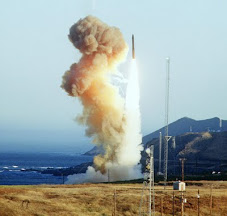
![[Global Network] against the first launch of Quasi-Zenith Satellite, Japan, on Sept. 11, 2010](https://blogger.googleusercontent.com/img/b/R29vZ2xl/AVvXsEj2sYpfodDDMIA7qXwuda0DmKapxXFB479fDnn8RKy7QNZqz0VEvWucNd-DleZ37hWNXC-Z8QtaqtM37VuPwac5SgclJ9_khBBSWOedvm19MRXIP1j1kcWrK6EW5IFjQdEEY2h7E6xuyNvC/s227/Qzss-45-0_09.jpg)
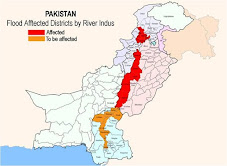
![[In update] Some collections on the Koreans’ protests against the sanction & war on Iran](http://4.bp.blogspot.com/_gnM5QlRx-4c/TJMvke6t8zI/AAAAAAAAFO4/tamQ8LUnOOA/S227/No+Sanction+on+Iran.jpg)
![[Three International Petitions] to End the Korean war and peace treaty(or peace resolution)](https://blogger.googleusercontent.com/img/b/R29vZ2xl/AVvXsEhlohLVYtpCg7iMsZhNYY4hBbhTi2dIheHMHWLDph9X2y78cjgZV1LeSfUJeu80elhJm70Q9E059q72lK-spSPvsRG4bPuCDIytltJB9IH3mWt9OG98HqhnTsPakwhvNeoCFUgF1xoxQ2EZ/s227/border.jpg)


![[Collection of Documents] No Base Learning and Solidarity Program_Korea(June 14 to 20, 2010)](https://blogger.googleusercontent.com/img/b/R29vZ2xl/AVvXsEix_HzjToh3nNGHBc-_5gasq-ykcaZ6GInLixILmZVyRJ5xoeHCxWOyYd9fSM7bmnuFsjSrYOGEPnQOwB1Dcyo-sN4Pw0cFPhUtKig_qlVnGL1Wi82ClvPqbEPWYhJiqdNF0DyzLIBETMB9/s227/No-Base-banner.jpg)
![Site Fwd:[John Hines] A U.S. Debate coach’s research trip on the Issues of Korea](https://blogger.googleusercontent.com/img/b/R29vZ2xl/AVvXsEg8yRra0zNhKHN74Auqhd3Nx9tZ7BWCGflRJHGH4CfzBT_yjhZ8Nl9b3OZuLpYWJ2exsjmR0oVl-Qq_cf832p2VdmOZhUi-lCFzCNeDSyVtweX1lWZPC-RlHmDMLtilHwHjNFTenBiM4Fk4/s227/Jeju-Peace-Tour.jpg)


![[News Update] Struggle Against the Jeju Naval Base since Jan. 18, 2010](https://blogger.googleusercontent.com/img/b/R29vZ2xl/AVvXsEhKfSTRC5QKBBSFIq_m7QIqXdlbL4-gF5GJYn9Q-pN__k7sV7uxGDcLY5L8xmU7QuWuUhBT_GhG-URBPO80RT3AfWfDrWJr06h1hFuZC6ZBVKe4U6PS1Cd7Kr6olO8TYQtk13Drox7IS6ea/s226/scrum1.jpg)


![[Urgent] Please spread the Letter!: There was no Explosion! There was no Torpedo! (May 26, 2010)](https://blogger.googleusercontent.com/img/b/R29vZ2xl/AVvXsEhSd2yWZ3xGwnJQXB73z5FgXCqSosAoB9_33-GLYprOmLqjmvgSAQp1BYI7e4slK1FDxHRi9KK4um-OpDaj8QOkXwAScVAgvvq6-ehbDA-hbkr96wT9oHNNmWnBPv8GU4hoZp9X8F9AZBX4/s227/grounded.jpg)
![Text Fwd: [Stephen Gowans]The sinking of the Cheonan: Another Gulf of Tonkin incident](https://blogger.googleusercontent.com/img/b/R29vZ2xl/AVvXsEi_L6hB3RZ1MovTXHe0A8yn_RfgMALGR0kM6poBuGp809xwvHtB_-PGWtS_WpyPWatyd9lB2pPqL2gOLc4dTCEdJ9sMvxJWEdapl-mMLm7WHAsV-jVpgqarVh8XBtdz_0c-Vohdh3HtJahD/s227/lee-myung-bak.jpg)
![[Japan Focus]Politics in Command: The "International" Investigation into the Sinking of the Cheonan](https://blogger.googleusercontent.com/img/b/R29vZ2xl/AVvXsEiHmTo8v-uCJnabRhMdnBAkC9J3s5bb2JsDKiT5leJHwbK8IDJHxfJmqQ_C0Is_bPC6UGMf05CA0exF2y4r2x9RhFUHT0kjsKviaME_MZXKnq775UyYAdb7w2SAzE75XvBfHp1al2q6i3cf/s227/wen_jiabao_and_lee_myungbak.png)
![[Japan Focus] Who Sank the SK Warship Cheonan? A New Stage in the US-Korean War and US-China](https://blogger.googleusercontent.com/img/b/R29vZ2xl/AVvXsEiKSS5ULT5QBaMGYpXXqBMX9jtwLwMLuK469b6Ku72GTJYKUObzTANaPjZqvvpPzYMJgPF53sjhvhK3DVa88ipYlggsJageykXlkxY6s8TW05xcU-_vfhf-pACUoaWuFbT-fsU1qEhm_yIi/s227/buoy_map.gif)
![[Updated on 12/13/10] [Translation Project] Overseas Proofs on the Damages by the Military Bases](https://blogger.googleusercontent.com/img/b/R29vZ2xl/AVvXsEikADE6JovUNspQyZUWVMTLAQg7yQNqXpVUbqZPk8f4uc_1723_xm1Cco6WAmstQXVPnaJAcb1mZA8Ny_3xONT_f5uh8MNLPnUhtqdGgy3HCtC1Vbbz4Q0ZY1Cssu-4cJEVNdrvznbS5UzO/s227/missile.jpg)
![[International Petition] Close the Bases in Okinawa](https://blogger.googleusercontent.com/img/b/R29vZ2xl/AVvXsEhNpQiHklwFbWVlFK7GDFXnBSOOSFEj3Il-We-N3uTDldKiidL2NGZs7X_LtTnatzTo_r8CexRkFe8NhfxYqmgp1knEEslROTfNjI5_mSb57cdbhPkftvanveYBaevAD9xuKDGoIxiTwoSb/s227/2.jpg)
![[In Update]Blog Collection: No Korean Troops in Afghanistan](https://blogger.googleusercontent.com/img/b/R29vZ2xl/AVvXsEjjEmCRXSNAG7_QBxKWbdksmxoWR4nyAovQTTdR1G2AuXh0jxtqNkI9OmYgYWRoLAJShvtBvE840QXuBWSVh3u3zMYqkNAFX6OWy3m5Nur4HM7uNK-pKT1ycyApJp-VLyhIFRRcoisYAh0E/s226/No-Troops-to--Afghanistan.jpg)


1 Comments:
This is bullsh*t!! We could take a few million barrels of oil from Iraq for free!! What are they going to do, blow up themselves more........OK!! We can take the next year's harvest of opium in Afghanistan and that would take care of that war. Otherwise, get us the hell out and let them keep blowing themselves up!!