* Informed at the site of Global Network against Weapons and Nuclear Power in Space
Al Zazeera
Cyberwar
Is the US contributing to the militarisation of cyberspace?
Cyberwar. A conflict without footsoldiers, guns, or missiles.
Instead the attacks are launched by computer hackers. Digital spy rings. Information thieves. Cyberarmies of kids, criminals, terrorists - some backed by nation states.
In the US there Is a growing fear that they pose a massive threat to national security, and a conviction that the world's military superpower must prepare for the fight ahead.
At stake: Crucial national infrastructure, high value commercial secrets, tens of billions of dollars in defence contracts, as well as values like privacy and freedom of expression.
In this episode of Fault Lines, Josh Rushing enters the domain of "cyber" and speaks to a former US national security official turned cybersecurity consultant, a Silicon Valley CEO, a hacker, and those who warn of a growing arms race in cyberspace.
He asks: Is the US contributing to the militarisation of cyberspace? Are the reports of cyber threats being distorted by a burgeoning security industry? And are the battles being waged in cyberspace interfering with the Internet as we know it?
This episode of Fault Lines can be seen from Thursday, December 16, at the following times GMT: Thursday: 0630; Saturday: 0830, 1630; Sunday: 0130, 1230, 2330; Tuesday: 1930; Wednesday: 0030, 0730.
Showing posts with label Cyber Command. Show all posts
Showing posts with label Cyber Command. Show all posts
Monday, January 10, 2011

Friday, November 19, 2010
[국문 번역]Text Fwd: After NATO Summit, U.S. To Intensify Military Drive Into Asia 미국, 나토 정상 회담 이후 아시아에서의 군사화 추진 고조 할 것임
Rick Rozoff blog릭 로조프 블로그
Also in Stop NATO스탑 나토
and Global Research글로벌 리서치
After NATO Summit, U. S. To Intensify Military Drive Into Asia
나토 정상 회담 이후 미국, 아시아로 군사화 추진 고조할 것
November 17, 2010
2010년 11월 17일
Rick Rozoff
릭 로조프
* All the image sources and captions come from the link.
* 모든 이미지 소스들과 이미지 설명문들은 링크에서 옵니다.

Barack Obama, the latest rotating imperator of the first global empire, will arrive in Lisbon on November 19 to receive the plaudits of 27 North Atlantic Treaty Organization allies and secure their continued fealty on issues ranging from the war in Afghanistan to a continental interceptor missile system, extended deployment of American tactical nuclear weapons in Europe, participation in the Pentagon’s cyber warfare plans and expanded military missions in the planet’s south and east.
지구에서 첫번째 세계 제국의 가장 최근에 현존하는 황제 바락 오바마가 북대서양 조약 기구(나토)의 27 동맹국들의 환호를 받고 아프가니스탄 전쟁으로부터 대륙 요격 미사일 시스템, 유럽에서 미 전술 적 핵무기들의 확산 배치, 미 펜타곤(국방부) 사이버 전쟁 계획들 참여, 그리고 행성의 남과 동의 확산된 군사 임무들에 이르는 이슈들에 대한 그들의 계속되는 충성을 확보하기 위해 11월 19일 리스본에 도착할 것이다.
Perfunctory discussions of minor details notwithstanding, strictly pro forma to maintain the myth of NATO being a “military alliance of democratic states in Europe and North America,” the banners and pennants of 26 European nations, Canada and dozens of other countries contributing troops for the Afghan mission will be lowered in the presence of the leader of the world imperium.
“유럽과 북미주 민주주의 국가들의 군사 동맹” 인 나토의 신화를 유지하기 위한 엄격한 형식상의 사소한 세부들에 대한 열의없는 토론들에도 불구, 아프간 미션에 군대를 후원한 26 유럽 국가들, 캐나다, 그리고 12개의 다른 국가들의 깃발과 작은 기들이 세계 절대 지배권의 지도자의 출석에 그 지위들을 낮출것이다.
No fewer than 38 European nations have supplied NATO troops for the Afghanistan-Pakistan war as well as providing training grounds and transport centers to support the war effort. As envisioned for at least a century, through peaceful means or otherwise, Europe has been united, not so much by the European Union as under the NATO flag and on the killing fields of Afghanistan. It is now relegated to the role of pre-deployment training area and forward operating base for military campaigns downrange: The Middle East, Africa and Asia.
적어도 38개의 유럽 국가들이 훈련장들과 수송 센터들을 제공하는 것과 마찬가지로 전쟁 노력을 지지하기 위해 아프가니스탄-파키스탄 전쟁을 위한 나토 군대를 공급해 왔다. 적어도 1 세기 동안 평화적인 수단들이나 또른 다른 식으로 구상되어왔던 것처럼 유럽은 유럽 연합 보단 나토의 깃발 아래서, 그리고 아프가니스탄 살인 전장에서 연합되었다. 그것은 현재 사전 배치 훈련 지역이나 군사 캠페인들 사정 지역의 전방 작전 기지의 역활로 격하되었다: 중동, 아프리카, 그리고 아시아.
So uncritically and unquestioningly compliant has Europe been in the above regards that Obama and the governing elite in the imperial metropolis as a whole have already looked beyond the continent for additional military partners. With the exception of fellow members of the NATO Quint – Britain, Germany, France and Italy (Britain more and Italy less than the others) – Alliance partners are accorded the same status and assigned the same functions as American territories like Puerto Rico, Guam and the Northern Mariana Islands: Geopolitically convenient locations for live-fire military training and for troop, warplane and warship deployments.
너무도 무비판적으로 그리고 질문 없이 유순했던 위의 유럽은 제국의 중심지 전체의 오바마와 통치 엘리트들이 추가 군사 협력자들을 위하여 대륙 너머를 바라보고 있었다 간주한다. 나토의 패를 쥔 5개 국-영국, 독일, 프랑스, 그리고 이탤리 (영국은 다른 곳들보다 더 우위를, 이탤리는 다른 곳들보다도 상대적으로 약함)- 동맹 협력국들은 푸에르 토리코, 괌, 그리고 북마리아나 군도들같은 미국의 영토들처럼 같은 지위와 기능들이 수여된다: 실전 군사 훈련과 군대, 전쟁, 비행기들, 그리고 전함들의 배치를 위해 지리 정치학적으로 편안한 위치들.
Two millennia ago the Pax Romana of Augustus brought roads and ports, aqueducts and irrigation, amphitheaters and libraries, and Greek writers from Aristotle to Aeschylus to occupied territories. Bellum Americanum burdens its vassals and tributaries with military bases, interceptor missile batteries, McDonald’s and Lady Gaga.
2 천년전에 아우구스투스 [시저]의 로마의 지배에 의한 세계 평화는 점령된 영토들에 길들, 항구들, 수도교들, 관개, 원형 극장들, 그리고 도서관들과 아리스토텔레스로부터 에스킬루스에 이르는 그리스 작가들을 가져왔다. 전쟁의 나라 미국은 가신들과 속국들을 군사 기지들, 요격 미사일 배터리들, 맥도날드, 그리고 레이디 가가로 부담지운다.
In Lisbon Obama will chastise his NATO and NATO partnership auxiliaries and foederati, as is the prerogative and wont of the global suzerain and as his predecessor George W. Bush has done recently, for being chary of expending more blood and treasure for the war in Afghanistan. However, he will also display the magnanimity befitting his preeminent stature by patting his European satraps on their bowed heads and intoning, “Well done, good and faithful servants. You have been faithful with a few things; I will put you in charge of many things.”
오바마는 리스본에서 특권을 지니고 세계 종주로서 익숙해 있는 만큼 그의 나토와 나토 협력 보조들과 연합국들이 아프가니스탄의 전쟁에 더 많은 피와 보물을 지출하는 것에 신중한 것에 대해 그의 전임자 조지 W. 부쉬가 최근에 한 것처럼 그들을 혼낼 것이다. 그러나 그는 또한 유럽 태수들의 고개 숙인 머리를 가볍게 치며 "잘했네, 선하고 충성스러운 하인들이여. 자네들은 몇 가지 일들을 충성스럽게 해주었네. 나는 자네들이 많은 일들을 맡도록 하겠네,” 라고 영창함으로서 그의 발군의 지위에 적합한 관대함을 전시할 것이다.
With the European continent placed securely under the multi-circled Achilles shield of NATO, U.S. nuclear weapons, an interceptor missile system and a cyber warfare command, Washington is moving to realms as yet not completely subjugated.
유럽 대륙이 나토, 미국의 핵 무기들, 요격 미사일 시스템, 그리고 사이버 전쟁 사령부란 다국적으로 둘러싸인 아킬레스 방패 아래 안전하게 자리잡음에 따라, 워싱턴은 아직 완전히 정복되지 않은 영역들로 움직이고 있다.

Africa has been assigned to the three-year-old U.S. Africa Command (AFRICOM) and perhaps only five of the continent’s 54 nations – Eritrea, Libya, the Sahrawi Arab Democratic Republic, Sudan and Zimbabwe – have avoided becoming ensnared in bilateral military ties with the Pentagon and concomitant U.S-led military exercises and deployments.
아프리카는 3년된 미국 아프리카 사령부로 할당되었고 대륙의54개국들 중 아마도 5개 국가-에리트리아, 리비아, 샤라위 아랍 민주주의 공화국, 수단과 짐바브웨-만이 미국방부와의 양자 군사 유대들의 함정에 빠지는 것을 피했으며 미국이 주도하는 군사 연습들과 배치들에 부수되는 것을 피해왔다.
The U.S. has also expanded its military presence in the Middle East: Iraq, Israel, Jordan, Kuwait, Bahrain, Oman, Qatar and Yemen.
미국은 중동에서 그 군사 현존을 또한 확장해 왔다: 이라크, 이스라엘, 요르단, 쿠웨이트, 바레인, 오만, 카타르, 그리고 예멘.
Two years ago Washington reactivated its Fourth Fleet for the Caribbean Sea and Central and South America and last year’s coup in Honduras and this September’s attempted coup in Ecuador are proof that the U.S. will not allow developments in Latin America to pursue their natural course unimpeded.
워싱턴은 2년전에 카리브 해 중남부 아메리카에 자신의 네번째 함대를 재활성화시켰고 작년 온두라스의 쿠테타와 올 해 9월 에쿠아도르에서 시도된 쿠테타들은 미국이 라틴 아메리카 국가들이 자신들의 자연스러운 과정을 방해받지 않은체 진전들을 추구하는 것을 허락하지 않을 것임을 증명한다.
The U.S. has intensified efforts to forge and expand military alliances and deployments in the Asia-Pacific region, but there is still a small handful of countries there not willing to accept a subordinate role in American geostrategic designs. They are, to varying degrees and in differing manners, Russia, China, Iran, North Korea and Myanmar. Attempts to replicate the “color revolution” model used in former Soviet republics in Myanmar and Iran since 2007 have failed, “regime change” plans for North Korea are of another nature, and neither China nor Russia appears immediately susceptible to equivalents of the so-called Rose, Orange, Tulip and Twitter revolutions in Georgia, Ukraine, Kyrgyzstan and Moldova, respectively. The preferred technique being applied to Russia at the moment is cooption, though its success is not guaranteed as the U.S. and NATO military build-up around Russia’s borders continues unabated.
미국은 아시아 태평양 지역에서 군사 동맹들과 배치들을 다듬고 확장시키는 노력들을 고조해 왔으나 아직도 미국의 지리 전략적 구상들의 종속적 역활을 받아들이길 기꺼이 하려 하지 않는 한줌의 국가들이 있다. 그들은 다양한 정도들과 다른 태도들을 지니지만 러시아, 중국, 이란, 북한, 그리고 미얀마이다. 구 소련 연방 국가들에 사용되었던 “색깔 혁명 color revolution” 모델을 2007년 이래 미얀마와 이란에 복제 하기 위한 시도들은 실패했고 북한을 위한 “정권 교체” 계획들은 또다른 성격이며 중국도 러시아도 조지아, 우크라인, 크리지스탄, 그리고 몰도바 각각의 장미, 오렌지, 튤립, 그리고 트위터 혁명들과 비견할 만한 동등물들에 즉각적으로 민감할 것으로 보이지 않는다. 지금 러시아에 적용되는 선호되는 기술은 러시아의 경계들을 둘러싼 미국과 나토의 군사 증강이 약해지지 않는 것이 계속됨에 따라 그 성공이 보증되지 않음에도 불구, 러시아를 신임 회원으로 선출하는 것이다.
What’s left is the military expedient. In the first half of November the quadrivirate in charge of U.S. foreign policy – President Obama, Secretary of State Hillary Clinton, Secretary of Defense Robert Gates and Chairman of the Joint Chiefs of Staff Admiral Michael Mullen – all toured the Asia-Pacific area. Collectively they visited ten nations there: India, Indonesia, South Korea, Vietnam, Cambodia, Malaysia, Australia, New Zealand, Papua New Guinea and Tonga.
남은 것은 군사적인 편법이다. 11월의 상반기에 미국 외교 정책의 책임을 맡은 네 명의 조합-오바마 대통령, 미국무 장관, 힐러리 클린턴, 로버트 게이츠 국방 장관, 함참 해군 원수 마이클 멀렌- 이 모두가 아시아 태평양 지역을 여행했다. 그들은 모두 합쳐 10개국을 방문했다: 인도, 인도네시아, 남한, 베트남, 캄보디아, 말레이지아, 호주, 뉴질랜드, 파푸아 뉴기니아, 그리고 통가이다.
Clinton and Gates were in Malaysia at separate times and both joined Mullen on November 8 for the annual Australia-United States Ministerial (AUSMIN) meeting in Melbourne, where the U.S. military chief called the 21st century the “Pacific century.” [1]
클린턴과 게이츠는 다른 시간에 각각 말레이시아에 있었고 양자 모두 11월 8일 멜버른에서 있었던 연간 호주-미국 장관 회담에 멀렌과 같이 참여 했는데 그곳에서 그 군사 사령관은 21 세기를 “태평양 세기”라 불렀다. [1]
In India Obama secured what William Hartung, Director of the Arms and Security Initiative at the New America Foundation, estimated to be the sixth largest arms deal in U.S. history. [2]
인도에서 오바마는 ‘새로운 미국 재단’의 ‘군사 및 안보 구상’ 감독인 윌리암 하르퉁이 미국 역사상 6번째로 큰 무기 거래 로 평가한 무기 거래를 확보했다. [2]
In Australia, Gates and Mullen won a backroom arrangement to move U.S. military forces into several Australian bases.
호주에서, 게이츠와 멀렌은 서너개의 호주 기지들로 미국 군사력을 옮기는 밀실 합의를 따냈다.
While in New Zealand, Clinton in effect renewed the Australia, New Zealand, United States (ANZUS) Security Treaty as a full tripartite mutual defense pact after a 24-year hiatus in regard to her host country.
뉴질랜드에 있을 동안, 클린턴은 그를 맞은 주인 국가로서는 24년의 공백만에 호주(Australia), 뉴질랜드(New Zealand), 미국(United States) 의 ANZUS 방위 조약을 완전한 3자 상호 방위 조약으로 효력상 갱신했다.
On November 13 Japanese Prime Minister Naoto Kan “thanked the United States…for supporting Tokyo in a series of recent disputes with Russia and China” [3], an allusion to a statement by Clinton on October 27 that the U.S. would honor its military assistance commitment to Tokyo over the Senkaku/Diaoyu islands dispute with China and her spokesman Philip Crowley’s affront to Russia five days afterward over the Kuril Islands, which he identified as Japanese territory. [4]
11월 13일, 일본 수상, 나오토 칸은 “일본이 러시아와 중국의 최근의 논쟁들 시리즈에서 일본을 지지한 것을 감사하게 여겼는데 [3] 그것은 토쿄의 중국과의 센카쿠/디아오유 군도 논쟁에서 토쿄에 대한 군사적 보조 사명감을 지키겠다는 클린터의 10월 27일 성명서와 5일 후 그녀의 대변인 필립 크롤리가 쿠릴 열도를 일본 영토로 특정하며 러시아를 모욕한 것에 대한 언급이다. [4]
In a tete-a-tete ahead of the Asia-Pacific Economic Cooperation (APEC) summit in Yokohama, the Japanese head of state “sought US President Barack Obama’s assurance on defence in the Asia-Pacific region,” as “Tokyo’s territorial disputes with China and Russia are becoming high priorities for Kan, who told Obama through a translator, ‘The US military presence is only becoming more important.’” [5]
“오바마에게 통역자를 통하여 ‘미국 군대의 현존은 중요해지고 있을 따름이다.’ 라고 말한 칸에게 토쿄의 중국과 러시아와의 영토 논쟁들이 최우선 의제가 됨에 따라, 요코하마에서 있었던 아시아 태평양 경제 협력 Asia-Pacific Economic Cooperation (APEC) 정상회담에서 일본 국가의 수상은 “미국 대통령 바락 오바마의 아시아 태평양 지역에서의 방어 보증을 구했다” [5]
Verbatim, Kan said:
축약해서 칸은 말했다.
“Japan and the United States, at this meeting of APEC, of pan-Pacific countries, we shall step up our cooperation. So we agreed on doing that. And in Japan’s relations with China and Russia, recently we’ve faced some problems, and the United States has supported Japan throughout, so I expressed my appreciation to him for that.
“우리 일본과 미국은 이 범 태평양 국가들의 아펙 회의에서의 회담에서 우리의 협력을 진전시킬 것이다. 그래서 우리는 그렇게 하기로 동의했다. 그리고 우리는 일본의 중국과 러시아의 관계들에서 최근에 몇 문제점들에 직면했으며 미국은 내내 일본을 지지하였고 나는 그것에 대한 나 [개인]의 감사를 표현했다.”
“For the peace and security of the countries in the region, the presence of the United States and the presence of the U.S. military I believe is becoming only increasingly important.” [6]
“내가 믿는 미국의 존재와 미국 군대의 존재는 지역 국가들의 평화와 안보를 위해 중요해지고 있을 따름이다.” [6]
In return, Obama “voiced support for Japan to become a permanent member of the United Nations Security Council and reaffirmed the U.S.-Japan security alliance.”
그에 화답해 오바마는 “일본이 유엔 안전 보장 이사회의 영구 회원이 되는 것에 대한 지지의 목소리를 내었으며 미-일 안보 동맹을 재확인하였다.”
He also assured Kan that the U.S.-Japan alliance is “the cornerstone of American strategic engagement in the Asia Pacific” and “the commitment of the United States to the defense of Japan is unshakable.”
그는 또한 미-일 동맹은 “미국의 아태지역에서 전략적 참여의 초석”이 될 것이며 “일본 방위에 대한 미국의 사명감은 흔들리지 않을 거라” 확신시켰다.
According to a U.S. armed forces publication, “While Obama’s support for the continuing security alliance is no surprise, it comes amid tension in Japan over China’s…claims on territory in the East China and South China seas.” [7]
미국 군대 출판에 의하면, “오바마의 지속되는 안보 동맹에 대한 지지가 놀라움이 아닌 한편 그것은 동중국과 남중국 해의 영토에서 중국의 주장을 가지고 일본 내 긴장이 있는 와중에 왔다.” [7]
In less than five months the Pentagon has made its military presence felt throughout the Asia-Pacific area:
다섯달이 안돼 미 국방부는 아시아-태평양 지역을 통해 그 군사력을 느끼게 했다:
The U.S. Marine Corps and Navy participated in Exercise Crocodile 10 in East Timor (Timor-Leste) from June 19-26, which included “weapons firing skills, amphibious assault serials, jungle training, flying operations, and a helicopter raid on an abandoned prison” and provided “an opportunity for multi-national forces to work together in the planning and conduct of a complex military exercise.” [8]
미국 해병대와 해군은 6월 19일 부터 26일까지 이스트 티모르(티모르-레스떼) 에서 ‘악어10’ Crocodile 10) 연습에 참여했는데 그것은 “무기 발사 기술들, 수륙양용 공격 연속물들, 정글 훈련, 비행 작전들, 그리고 버려진 감옥위 헬리콥터 착륙”을 포함했고 “다국적 군사들이 복합적인 군사 연습의 계획과 행위에서 함께 작업하게 하는 기회를 제공했다.” [8]
In October of 2009 2,500 U.S. and Australian troops engaged in maneuvers in the country, which marked the first U.S.-East Timor joint military exercise.
2009년 10월, 2500 여명의 미국과 호주 군대들은 그 나라에서 기동 연습들에 참여했으며 그것은 첫번째 미국-이스트 티모르 합동 군사 연습을 기록했다.
This July the U.S. led the multinational Angkor Sentinel 2010 command post and field exercises in Cambodia with American forces and troops from the host nation, Britain, France, Germany, Italy, Australia, India, Indonesia, Japan, Mongolia and the Philippines.
미국은 올해 7월 캄보디아에서 미군들과 주최국 [캄보디아], 영국, 프랑스, 독일, 이탤리, 호주, 인도, 인도네시아, 일본, 몽골리아, 필리핀 군대들이 참여한 다국적 앙코르 감시 2010 (Angkor Sentinel 2010) 명령 기지 및 야외 훈련을 이끌었다.
For 40 days in late June and throughout July the U.S. led the Rim of the Pacific (RIMPAC) 2010 war games in the Pacific Ocean off Hawaii with 32 ships, five submarines, more than 170 planes and 20,000 troops from all four branches of the American armed forces and from Australia, Canada, Chile, Colombia, France, Indonesia, Japan, Malaysia, the Netherlands, Peru, South Korea, Singapore and Thailand.
6월 말부터 7월 내내 40일 간, 미국은 하와이 근해에서 미국 군대의 모든 네 부서, 호주, 캐나다, 칠레, 콜롬비아, 프랑스, 말레이시아, 네델란드, 페루, 남한, 싱가포르, 그리고 태국으로부터 32개의 군함들, 5개의 잠수함들, 170 여개 이상의 비행기들, 그리고 2만 군대를 지니고 환태평양 훈련 2010 (Rim of the Pacific (RIMPAC) 2010) 전쟁 게임들을 이끌었다.
 Rim of the Pacific 2010 환태평양 훈련 2010
From July 25-28 the U.S. conducted joint war games with South Korea, codenamed Invincible Spirit, in the Sea of Japan/East Sea with the involvement of 20 warships including the nuclear-powered supercarrier USS George Washington, 200 warplanes including F-22 Raptor stealth fighters, and 8,000 troops.
미국은 일본해/동해에서 7월 25일부터 28일까지 핵항공 모함 조지 워싱턴을 포함한 20전함들, 200 전쟁 비행기들, F-22 랩터 스틸쓰 전투기들, 그리고 8000 군대들과 함께 코드 이름 ’불굴의 의지 (Invincible Spirit)’이라 불리는 합동 전쟁 게임을 시행했다.
 Invincible Spirit 불굴의 의지
The next month U.S. Pacific Command and U.S. Army Pacific presided over the Khaan Quest 2010 military exercise in Mongolia. In the same month American and British troops ran the Steppe Eagle 2010 NATO Partnership for Peace exercise in Kazakhstan.
그 다음달 미국 태평양 사령부와 미국 태평양 군대는 몽골리아에서 칸 퀘스트 2010 (Khaan Quest 2010) 군사 훈련을 통솔했다. 같은달, 미국과 영국 군대들은 카자흐스탄에서 초원의 독수리 2010 (Steppe Eagle 2010) ‘평화를 위한 나토 협력’을 전개했다.
USS George Washington and the USS John S. McCain destroyer led the first-ever joint U.S.-Vietnam military exercise, consisting of naval maneuvers in the South China Sea, in early August.
8월 초 [핵항공 모함] 조지 워싱턴과 존 맥케인 구축함이 해군 기동 연습들을 구성 요소들로 하며 사상 처음 남중국해에서 미-베트남 군사 연습을 이끌었다.
Less than a week later the U.S. and South Korea began this year’s Ulchi Freedom Guardian military exercise in the latter country with 30,000 U.S. and 50,000 South Korean troops participating. [9]
그 후 일주일도 안돼 미국과 남한은 후자에서 3만 미군과 5만 남한 군대가 참여한 가운데 올해의 을지 프리덤 가디안 군사 연습을 시작했다. [9]
In early September Washington and Seoul held an anti-submarine warfare exercise in the Yellow Sea.
9월 초 워싱턴과 서울은 황해에서 대잠 전쟁 훈련을 벌였다.
At the end of the same month Indian troops joined U.S. marines and sailors in Exercise Habu Nag 2010, the fifth annual bilateral U.S.-India amphibious training exercise with that codename, in the East China Sea off the coast of Okinawa.
같은 달 말, 인도 군대들은 오키나와 연안 동중국해에서 열린 5번째 연간 미국-인도 양국 수륙 양용 연습 훈련, 하부 나그 2010 (Habu Nag 2010) 를 위해 미군 해병들과 선원들에 합류했다.
In October at least 3,000 U.S. troops participated in the nine-day Amphibious Landing Exercise 2011 in the Philippines. “The bilateral training exercise, conducted with the Armed Forces of the Philippines, is designed to improve interoperability, increase readiness and continue to build professional relationships between the two countries.” [10]
10월, 적어도 3천 미국 군대가 필리핀에서 열린 9일간 수륙 양용 연습에 참여했다. “필리핀 군대와 시행한 양국 연습 훈련은 상호 운용을 개선하고 준비성을 증가시키고 양국간의 전문적 관계들을 계속 쌓기 위해 고안되었다.” [10]
At the beginning of the same month U.S. warships and troops joined 6,000 Australian soldiers and counterparts from New Zealand for Exercise Hamel in northeast Australia, described in the local press as “massive war games.” [11]
같은달 초기, 미국 전함들과 군함들은 6천 호주 군인들과 뉴질랜드 군인들과 함께 지역 신문에 “거대한 전쟁 게임들”이라 묘사된 호주 북동쪽에서 열린 하멜 연습에 참여 했다. [11]
Also in October, South Korea for the first time hosted a multinational military exercise with 14 members of the U.S.-created Proliferation Security Initiative, which included ships and military personnel from the U.S., Canada, France, Australia and Japan.
또한 10월에 남한은 사상 처음 미국이 만들어낸 안보 확산 구상의 14개 회원국들과 함께 다국적 군사 연습을 주최했는데 미국, 캐니다, 프랑스, 호주, 일본의 군함들과 개인들이 포함되었다.
U.S. marines “conducted urban training exercises” in Singapore on November 6. A Marine Corps lieutenant present “gave a short class on identifying danger areas in a combat environment” and “talked about isolating them by sight, or suppressive fire, and the importance of gaining footholds in enemy territories.” [12]
미 해병대들은 11월 6일 싱가포르에서 “도심 훈련 연습”을 시행했다. 한 해병대 대위의 강연은 “전투 환경에서 위험 지역들을 특정하는 짧은 수업을 보였고 “시각에 의해 그것들을 고립시키고 적들의 영토들에서 근거지들을 얻는 것의 중요성에 대해 말하였다.
On November 14 the U.S. and Indian armies completed the 14-day Yudh Abhyas 2010 military exercise in Alaska. Last year’s Yudh Abhyas featured the largest U.S.-India joint military maneuvers ever held.
 Opening ceremony of Yudh Abhyas 2010 유드 압햐스 2010 의 개막식
11월 14일, 미국과 인도 군대들은 알래스카에서 14일 간 유드 압햐스 2010 군사 훈련을 마쳤다. 작년의 유드 압햐스는 사상 처음 가장 큰 미국-인도 군사 기동 연습이 특징이었다.
100,000 American and another 50,000 NATO troops are fighting in the tenth year of their collective war in Afghanistan. The U.S. is escalating deadly drone missile strikes and NATO is increasing helicopter gunship raids in Pakistan.
10만 미국 군대들과 5만 나토 군대들이 아프가니스탄에서의 그들의 10년째되는 합동 전쟁에서 싸우고 있다. 미국은 치명적인 무인 미사일 공격들을 급증시키고 나토는 파키스탄에서 치명적인 무장 헬리콥터 공격들을 증가시키고 있다.
The Pentagon has indeed marked this as its Asia-Pacific century.
미 국방부는 실제 이것을 미 국방부의 아시아-태평양 세기로 기록했다.
...........................................................................................................
1) U.S. Department of Defense, November 7, 2010
2) Business Insider, November 6, 2010
http://www.businessinsider.com/top-10-us-arms-deals-in-history-2010-11
….
Obama, Gates And Clinton In Asia: U.S. Expands Military Build-Up In The East
Stop NATO, November 7, 2010
http://rickrozoff.wordpress.com/2010/11/07/obama-gates-and-clinton-in-asia-u-s-expands-military-build-up-in-the-east
3) Russian Information Agency Novosti, November 13, 2010
4) U.S. Supports Japan, Confronts China And Russia Over Island Disputes
Stop NATO, November 4, 2010
http://rickrozoff.wordpress.com/2010/11/04/u-s-supports-japan-confronts-china-and-russia-over-island-disputes
5) Deutsche Presse-Agentur, November 13, 2010
6) The White House, November 13, 2010
Remarks by President Obama and Prime Minister Kan of Japan in
Statements to the Press in Yokohama, Japan
http://www.whitehouse.gov/the-press-office/2010/11/13/remarks-president-obama-and-prime-minister-kan-japan-statements-press-yo
7) Stars and Stripes, November 14, 2010
8) Australian Government
Department of Defence
June 24, 2010
9) U.S.-China Crisis: Beyond Words To Confrontation
Stop NATO, August 17, 2010
http://rickrozoff.wordpress.com/2010/08/17/part-ii-u-s-china-crisis-beyond-words-toward-confrontation
10) U.S. Marine Corps, October 22, 2010
11) Australian Broadcasting Company, October 4, 2010
12) U.S. Marine Corps, November 9, 2010
Also in Stop NATO스탑 나토
and Global Research글로벌 리서치
After NATO Summit, U. S. To Intensify Military Drive Into Asia
나토 정상 회담 이후 미국, 아시아로 군사화 추진 고조할 것
November 17, 2010
2010년 11월 17일
Rick Rozoff
릭 로조프
* All the image sources and captions come from the link.
* 모든 이미지 소스들과 이미지 설명문들은 링크에서 옵니다.

Barack Obama, the latest rotating imperator of the first global empire, will arrive in Lisbon on November 19 to receive the plaudits of 27 North Atlantic Treaty Organization allies and secure their continued fealty on issues ranging from the war in Afghanistan to a continental interceptor missile system, extended deployment of American tactical nuclear weapons in Europe, participation in the Pentagon’s cyber warfare plans and expanded military missions in the planet’s south and east.
지구에서 첫번째 세계 제국의 가장 최근에 현존하는 황제 바락 오바마가 북대서양 조약 기구(나토)의 27 동맹국들의 환호를 받고 아프가니스탄 전쟁으로부터 대륙 요격 미사일 시스템, 유럽에서 미 전술 적 핵무기들의 확산 배치, 미 펜타곤(국방부) 사이버 전쟁 계획들 참여, 그리고 행성의 남과 동의 확산된 군사 임무들에 이르는 이슈들에 대한 그들의 계속되는 충성을 확보하기 위해 11월 19일 리스본에 도착할 것이다.
Perfunctory discussions of minor details notwithstanding, strictly pro forma to maintain the myth of NATO being a “military alliance of democratic states in Europe and North America,” the banners and pennants of 26 European nations, Canada and dozens of other countries contributing troops for the Afghan mission will be lowered in the presence of the leader of the world imperium.
“유럽과 북미주 민주주의 국가들의 군사 동맹” 인 나토의 신화를 유지하기 위한 엄격한 형식상의 사소한 세부들에 대한 열의없는 토론들에도 불구, 아프간 미션에 군대를 후원한 26 유럽 국가들, 캐나다, 그리고 12개의 다른 국가들의 깃발과 작은 기들이 세계 절대 지배권의 지도자의 출석에 그 지위들을 낮출것이다.
No fewer than 38 European nations have supplied NATO troops for the Afghanistan-Pakistan war as well as providing training grounds and transport centers to support the war effort. As envisioned for at least a century, through peaceful means or otherwise, Europe has been united, not so much by the European Union as under the NATO flag and on the killing fields of Afghanistan. It is now relegated to the role of pre-deployment training area and forward operating base for military campaigns downrange: The Middle East, Africa and Asia.
적어도 38개의 유럽 국가들이 훈련장들과 수송 센터들을 제공하는 것과 마찬가지로 전쟁 노력을 지지하기 위해 아프가니스탄-파키스탄 전쟁을 위한 나토 군대를 공급해 왔다. 적어도 1 세기 동안 평화적인 수단들이나 또른 다른 식으로 구상되어왔던 것처럼 유럽은 유럽 연합 보단 나토의 깃발 아래서, 그리고 아프가니스탄 살인 전장에서 연합되었다. 그것은 현재 사전 배치 훈련 지역이나 군사 캠페인들 사정 지역의 전방 작전 기지의 역활로 격하되었다: 중동, 아프리카, 그리고 아시아.
So uncritically and unquestioningly compliant has Europe been in the above regards that Obama and the governing elite in the imperial metropolis as a whole have already looked beyond the continent for additional military partners. With the exception of fellow members of the NATO Quint – Britain, Germany, France and Italy (Britain more and Italy less than the others) – Alliance partners are accorded the same status and assigned the same functions as American territories like Puerto Rico, Guam and the Northern Mariana Islands: Geopolitically convenient locations for live-fire military training and for troop, warplane and warship deployments.
너무도 무비판적으로 그리고 질문 없이 유순했던 위의 유럽은 제국의 중심지 전체의 오바마와 통치 엘리트들이 추가 군사 협력자들을 위하여 대륙 너머를 바라보고 있었다 간주한다. 나토의 패를 쥔 5개 국-영국, 독일, 프랑스, 그리고 이탤리 (영국은 다른 곳들보다 더 우위를, 이탤리는 다른 곳들보다도 상대적으로 약함)- 동맹 협력국들은 푸에르 토리코, 괌, 그리고 북마리아나 군도들같은 미국의 영토들처럼 같은 지위와 기능들이 수여된다: 실전 군사 훈련과 군대, 전쟁, 비행기들, 그리고 전함들의 배치를 위해 지리 정치학적으로 편안한 위치들.
Two millennia ago the Pax Romana of Augustus brought roads and ports, aqueducts and irrigation, amphitheaters and libraries, and Greek writers from Aristotle to Aeschylus to occupied territories. Bellum Americanum burdens its vassals and tributaries with military bases, interceptor missile batteries, McDonald’s and Lady Gaga.
2 천년전에 아우구스투스 [시저]의 로마의 지배에 의한 세계 평화는 점령된 영토들에 길들, 항구들, 수도교들, 관개, 원형 극장들, 그리고 도서관들과 아리스토텔레스로부터 에스킬루스에 이르는 그리스 작가들을 가져왔다. 전쟁의 나라 미국은 가신들과 속국들을 군사 기지들, 요격 미사일 배터리들, 맥도날드, 그리고 레이디 가가로 부담지운다.
In Lisbon Obama will chastise his NATO and NATO partnership auxiliaries and foederati, as is the prerogative and wont of the global suzerain and as his predecessor George W. Bush has done recently, for being chary of expending more blood and treasure for the war in Afghanistan. However, he will also display the magnanimity befitting his preeminent stature by patting his European satraps on their bowed heads and intoning, “Well done, good and faithful servants. You have been faithful with a few things; I will put you in charge of many things.”
오바마는 리스본에서 특권을 지니고 세계 종주로서 익숙해 있는 만큼 그의 나토와 나토 협력 보조들과 연합국들이 아프가니스탄의 전쟁에 더 많은 피와 보물을 지출하는 것에 신중한 것에 대해 그의 전임자 조지 W. 부쉬가 최근에 한 것처럼 그들을 혼낼 것이다. 그러나 그는 또한 유럽 태수들의 고개 숙인 머리를 가볍게 치며 "잘했네, 선하고 충성스러운 하인들이여. 자네들은 몇 가지 일들을 충성스럽게 해주었네. 나는 자네들이 많은 일들을 맡도록 하겠네,” 라고 영창함으로서 그의 발군의 지위에 적합한 관대함을 전시할 것이다.
With the European continent placed securely under the multi-circled Achilles shield of NATO, U.S. nuclear weapons, an interceptor missile system and a cyber warfare command, Washington is moving to realms as yet not completely subjugated.
유럽 대륙이 나토, 미국의 핵 무기들, 요격 미사일 시스템, 그리고 사이버 전쟁 사령부란 다국적으로 둘러싸인 아킬레스 방패 아래 안전하게 자리잡음에 따라, 워싱턴은 아직 완전히 정복되지 않은 영역들로 움직이고 있다.

Africa has been assigned to the three-year-old U.S. Africa Command (AFRICOM) and perhaps only five of the continent’s 54 nations – Eritrea, Libya, the Sahrawi Arab Democratic Republic, Sudan and Zimbabwe – have avoided becoming ensnared in bilateral military ties with the Pentagon and concomitant U.S-led military exercises and deployments.
아프리카는 3년된 미국 아프리카 사령부로 할당되었고 대륙의54개국들 중 아마도 5개 국가-에리트리아, 리비아, 샤라위 아랍 민주주의 공화국, 수단과 짐바브웨-만이 미국방부와의 양자 군사 유대들의 함정에 빠지는 것을 피했으며 미국이 주도하는 군사 연습들과 배치들에 부수되는 것을 피해왔다.
The U.S. has also expanded its military presence in the Middle East: Iraq, Israel, Jordan, Kuwait, Bahrain, Oman, Qatar and Yemen.
미국은 중동에서 그 군사 현존을 또한 확장해 왔다: 이라크, 이스라엘, 요르단, 쿠웨이트, 바레인, 오만, 카타르, 그리고 예멘.
Two years ago Washington reactivated its Fourth Fleet for the Caribbean Sea and Central and South America and last year’s coup in Honduras and this September’s attempted coup in Ecuador are proof that the U.S. will not allow developments in Latin America to pursue their natural course unimpeded.
워싱턴은 2년전에 카리브 해 중남부 아메리카에 자신의 네번째 함대를 재활성화시켰고 작년 온두라스의 쿠테타와 올 해 9월 에쿠아도르에서 시도된 쿠테타들은 미국이 라틴 아메리카 국가들이 자신들의 자연스러운 과정을 방해받지 않은체 진전들을 추구하는 것을 허락하지 않을 것임을 증명한다.
The U.S. has intensified efforts to forge and expand military alliances and deployments in the Asia-Pacific region, but there is still a small handful of countries there not willing to accept a subordinate role in American geostrategic designs. They are, to varying degrees and in differing manners, Russia, China, Iran, North Korea and Myanmar. Attempts to replicate the “color revolution” model used in former Soviet republics in Myanmar and Iran since 2007 have failed, “regime change” plans for North Korea are of another nature, and neither China nor Russia appears immediately susceptible to equivalents of the so-called Rose, Orange, Tulip and Twitter revolutions in Georgia, Ukraine, Kyrgyzstan and Moldova, respectively. The preferred technique being applied to Russia at the moment is cooption, though its success is not guaranteed as the U.S. and NATO military build-up around Russia’s borders continues unabated.
미국은 아시아 태평양 지역에서 군사 동맹들과 배치들을 다듬고 확장시키는 노력들을 고조해 왔으나 아직도 미국의 지리 전략적 구상들의 종속적 역활을 받아들이길 기꺼이 하려 하지 않는 한줌의 국가들이 있다. 그들은 다양한 정도들과 다른 태도들을 지니지만 러시아, 중국, 이란, 북한, 그리고 미얀마이다. 구 소련 연방 국가들에 사용되었던 “색깔 혁명 color revolution” 모델을 2007년 이래 미얀마와 이란에 복제 하기 위한 시도들은 실패했고 북한을 위한 “정권 교체” 계획들은 또다른 성격이며 중국도 러시아도 조지아, 우크라인, 크리지스탄, 그리고 몰도바 각각의 장미, 오렌지, 튤립, 그리고 트위터 혁명들과 비견할 만한 동등물들에 즉각적으로 민감할 것으로 보이지 않는다. 지금 러시아에 적용되는 선호되는 기술은 러시아의 경계들을 둘러싼 미국과 나토의 군사 증강이 약해지지 않는 것이 계속됨에 따라 그 성공이 보증되지 않음에도 불구, 러시아를 신임 회원으로 선출하는 것이다.
What’s left is the military expedient. In the first half of November the quadrivirate in charge of U.S. foreign policy – President Obama, Secretary of State Hillary Clinton, Secretary of Defense Robert Gates and Chairman of the Joint Chiefs of Staff Admiral Michael Mullen – all toured the Asia-Pacific area. Collectively they visited ten nations there: India, Indonesia, South Korea, Vietnam, Cambodia, Malaysia, Australia, New Zealand, Papua New Guinea and Tonga.
남은 것은 군사적인 편법이다. 11월의 상반기에 미국 외교 정책의 책임을 맡은 네 명의 조합-오바마 대통령, 미국무 장관, 힐러리 클린턴, 로버트 게이츠 국방 장관, 함참 해군 원수 마이클 멀렌- 이 모두가 아시아 태평양 지역을 여행했다. 그들은 모두 합쳐 10개국을 방문했다: 인도, 인도네시아, 남한, 베트남, 캄보디아, 말레이지아, 호주, 뉴질랜드, 파푸아 뉴기니아, 그리고 통가이다.
Clinton and Gates were in Malaysia at separate times and both joined Mullen on November 8 for the annual Australia-United States Ministerial (AUSMIN) meeting in Melbourne, where the U.S. military chief called the 21st century the “Pacific century.” [1]
클린턴과 게이츠는 다른 시간에 각각 말레이시아에 있었고 양자 모두 11월 8일 멜버른에서 있었던 연간 호주-미국 장관 회담에 멀렌과 같이 참여 했는데 그곳에서 그 군사 사령관은 21 세기를 “태평양 세기”라 불렀다. [1]
In India Obama secured what William Hartung, Director of the Arms and Security Initiative at the New America Foundation, estimated to be the sixth largest arms deal in U.S. history. [2]
인도에서 오바마는 ‘새로운 미국 재단’의 ‘군사 및 안보 구상’ 감독인 윌리암 하르퉁이 미국 역사상 6번째로 큰 무기 거래 로 평가한 무기 거래를 확보했다. [2]
In Australia, Gates and Mullen won a backroom arrangement to move U.S. military forces into several Australian bases.
호주에서, 게이츠와 멀렌은 서너개의 호주 기지들로 미국 군사력을 옮기는 밀실 합의를 따냈다.
While in New Zealand, Clinton in effect renewed the Australia, New Zealand, United States (ANZUS) Security Treaty as a full tripartite mutual defense pact after a 24-year hiatus in regard to her host country.
뉴질랜드에 있을 동안, 클린턴은 그를 맞은 주인 국가로서는 24년의 공백만에 호주(Australia), 뉴질랜드(New Zealand), 미국(United States) 의 ANZUS 방위 조약을 완전한 3자 상호 방위 조약으로 효력상 갱신했다.
On November 13 Japanese Prime Minister Naoto Kan “thanked the United States…for supporting Tokyo in a series of recent disputes with Russia and China” [3], an allusion to a statement by Clinton on October 27 that the U.S. would honor its military assistance commitment to Tokyo over the Senkaku/Diaoyu islands dispute with China and her spokesman Philip Crowley’s affront to Russia five days afterward over the Kuril Islands, which he identified as Japanese territory. [4]
11월 13일, 일본 수상, 나오토 칸은 “일본이 러시아와 중국의 최근의 논쟁들 시리즈에서 일본을 지지한 것을 감사하게 여겼는데 [3] 그것은 토쿄의 중국과의 센카쿠/디아오유 군도 논쟁에서 토쿄에 대한 군사적 보조 사명감을 지키겠다는 클린터의 10월 27일 성명서와 5일 후 그녀의 대변인 필립 크롤리가 쿠릴 열도를 일본 영토로 특정하며 러시아를 모욕한 것에 대한 언급이다. [4]
In a tete-a-tete ahead of the Asia-Pacific Economic Cooperation (APEC) summit in Yokohama, the Japanese head of state “sought US President Barack Obama’s assurance on defence in the Asia-Pacific region,” as “Tokyo’s territorial disputes with China and Russia are becoming high priorities for Kan, who told Obama through a translator, ‘The US military presence is only becoming more important.’” [5]
“오바마에게 통역자를 통하여 ‘미국 군대의 현존은 중요해지고 있을 따름이다.’ 라고 말한 칸에게 토쿄의 중국과 러시아와의 영토 논쟁들이 최우선 의제가 됨에 따라, 요코하마에서 있었던 아시아 태평양 경제 협력 Asia-Pacific Economic Cooperation (APEC) 정상회담에서 일본 국가의 수상은 “미국 대통령 바락 오바마의 아시아 태평양 지역에서의 방어 보증을 구했다” [5]
Verbatim, Kan said:
축약해서 칸은 말했다.
“Japan and the United States, at this meeting of APEC, of pan-Pacific countries, we shall step up our cooperation. So we agreed on doing that. And in Japan’s relations with China and Russia, recently we’ve faced some problems, and the United States has supported Japan throughout, so I expressed my appreciation to him for that.
“우리 일본과 미국은 이 범 태평양 국가들의 아펙 회의에서의 회담에서 우리의 협력을 진전시킬 것이다. 그래서 우리는 그렇게 하기로 동의했다. 그리고 우리는 일본의 중국과 러시아의 관계들에서 최근에 몇 문제점들에 직면했으며 미국은 내내 일본을 지지하였고 나는 그것에 대한 나 [개인]의 감사를 표현했다.”
“For the peace and security of the countries in the region, the presence of the United States and the presence of the U.S. military I believe is becoming only increasingly important.” [6]
“내가 믿는 미국의 존재와 미국 군대의 존재는 지역 국가들의 평화와 안보를 위해 중요해지고 있을 따름이다.” [6]
In return, Obama “voiced support for Japan to become a permanent member of the United Nations Security Council and reaffirmed the U.S.-Japan security alliance.”
그에 화답해 오바마는 “일본이 유엔 안전 보장 이사회의 영구 회원이 되는 것에 대한 지지의 목소리를 내었으며 미-일 안보 동맹을 재확인하였다.”
He also assured Kan that the U.S.-Japan alliance is “the cornerstone of American strategic engagement in the Asia Pacific” and “the commitment of the United States to the defense of Japan is unshakable.”
그는 또한 미-일 동맹은 “미국의 아태지역에서 전략적 참여의 초석”이 될 것이며 “일본 방위에 대한 미국의 사명감은 흔들리지 않을 거라” 확신시켰다.
According to a U.S. armed forces publication, “While Obama’s support for the continuing security alliance is no surprise, it comes amid tension in Japan over China’s…claims on territory in the East China and South China seas.” [7]
미국 군대 출판에 의하면, “오바마의 지속되는 안보 동맹에 대한 지지가 놀라움이 아닌 한편 그것은 동중국과 남중국 해의 영토에서 중국의 주장을 가지고 일본 내 긴장이 있는 와중에 왔다.” [7]
In less than five months the Pentagon has made its military presence felt throughout the Asia-Pacific area:
다섯달이 안돼 미 국방부는 아시아-태평양 지역을 통해 그 군사력을 느끼게 했다:
The U.S. Marine Corps and Navy participated in Exercise Crocodile 10 in East Timor (Timor-Leste) from June 19-26, which included “weapons firing skills, amphibious assault serials, jungle training, flying operations, and a helicopter raid on an abandoned prison” and provided “an opportunity for multi-national forces to work together in the planning and conduct of a complex military exercise.” [8]
미국 해병대와 해군은 6월 19일 부터 26일까지 이스트 티모르(티모르-레스떼) 에서 ‘악어10’ Crocodile 10) 연습에 참여했는데 그것은 “무기 발사 기술들, 수륙양용 공격 연속물들, 정글 훈련, 비행 작전들, 그리고 버려진 감옥위 헬리콥터 착륙”을 포함했고 “다국적 군사들이 복합적인 군사 연습의 계획과 행위에서 함께 작업하게 하는 기회를 제공했다.” [8]
In October of 2009 2,500 U.S. and Australian troops engaged in maneuvers in the country, which marked the first U.S.-East Timor joint military exercise.
2009년 10월, 2500 여명의 미국과 호주 군대들은 그 나라에서 기동 연습들에 참여했으며 그것은 첫번째 미국-이스트 티모르 합동 군사 연습을 기록했다.
This July the U.S. led the multinational Angkor Sentinel 2010 command post and field exercises in Cambodia with American forces and troops from the host nation, Britain, France, Germany, Italy, Australia, India, Indonesia, Japan, Mongolia and the Philippines.
미국은 올해 7월 캄보디아에서 미군들과 주최국 [캄보디아], 영국, 프랑스, 독일, 이탤리, 호주, 인도, 인도네시아, 일본, 몽골리아, 필리핀 군대들이 참여한 다국적 앙코르 감시 2010 (Angkor Sentinel 2010) 명령 기지 및 야외 훈련을 이끌었다.
For 40 days in late June and throughout July the U.S. led the Rim of the Pacific (RIMPAC) 2010 war games in the Pacific Ocean off Hawaii with 32 ships, five submarines, more than 170 planes and 20,000 troops from all four branches of the American armed forces and from Australia, Canada, Chile, Colombia, France, Indonesia, Japan, Malaysia, the Netherlands, Peru, South Korea, Singapore and Thailand.
6월 말부터 7월 내내 40일 간, 미국은 하와이 근해에서 미국 군대의 모든 네 부서, 호주, 캐나다, 칠레, 콜롬비아, 프랑스, 말레이시아, 네델란드, 페루, 남한, 싱가포르, 그리고 태국으로부터 32개의 군함들, 5개의 잠수함들, 170 여개 이상의 비행기들, 그리고 2만 군대를 지니고 환태평양 훈련 2010 (Rim of the Pacific (RIMPAC) 2010) 전쟁 게임들을 이끌었다.
 Rim of the Pacific 2010 환태평양 훈련 2010
From July 25-28 the U.S. conducted joint war games with South Korea, codenamed Invincible Spirit, in the Sea of Japan/East Sea with the involvement of 20 warships including the nuclear-powered supercarrier USS George Washington, 200 warplanes including F-22 Raptor stealth fighters, and 8,000 troops.
미국은 일본해/동해에서 7월 25일부터 28일까지 핵항공 모함 조지 워싱턴을 포함한 20전함들, 200 전쟁 비행기들, F-22 랩터 스틸쓰 전투기들, 그리고 8000 군대들과 함께 코드 이름 ’불굴의 의지 (Invincible Spirit)’이라 불리는 합동 전쟁 게임을 시행했다.
 Invincible Spirit 불굴의 의지
The next month U.S. Pacific Command and U.S. Army Pacific presided over the Khaan Quest 2010 military exercise in Mongolia. In the same month American and British troops ran the Steppe Eagle 2010 NATO Partnership for Peace exercise in Kazakhstan.
그 다음달 미국 태평양 사령부와 미국 태평양 군대는 몽골리아에서 칸 퀘스트 2010 (Khaan Quest 2010) 군사 훈련을 통솔했다. 같은달, 미국과 영국 군대들은 카자흐스탄에서 초원의 독수리 2010 (Steppe Eagle 2010) ‘평화를 위한 나토 협력’을 전개했다.
USS George Washington and the USS John S. McCain destroyer led the first-ever joint U.S.-Vietnam military exercise, consisting of naval maneuvers in the South China Sea, in early August.
8월 초 [핵항공 모함] 조지 워싱턴과 존 맥케인 구축함이 해군 기동 연습들을 구성 요소들로 하며 사상 처음 남중국해에서 미-베트남 군사 연습을 이끌었다.
Less than a week later the U.S. and South Korea began this year’s Ulchi Freedom Guardian military exercise in the latter country with 30,000 U.S. and 50,000 South Korean troops participating. [9]
그 후 일주일도 안돼 미국과 남한은 후자에서 3만 미군과 5만 남한 군대가 참여한 가운데 올해의 을지 프리덤 가디안 군사 연습을 시작했다. [9]
In early September Washington and Seoul held an anti-submarine warfare exercise in the Yellow Sea.
9월 초 워싱턴과 서울은 황해에서 대잠 전쟁 훈련을 벌였다.
At the end of the same month Indian troops joined U.S. marines and sailors in Exercise Habu Nag 2010, the fifth annual bilateral U.S.-India amphibious training exercise with that codename, in the East China Sea off the coast of Okinawa.
같은 달 말, 인도 군대들은 오키나와 연안 동중국해에서 열린 5번째 연간 미국-인도 양국 수륙 양용 연습 훈련, 하부 나그 2010 (Habu Nag 2010) 를 위해 미군 해병들과 선원들에 합류했다.
In October at least 3,000 U.S. troops participated in the nine-day Amphibious Landing Exercise 2011 in the Philippines. “The bilateral training exercise, conducted with the Armed Forces of the Philippines, is designed to improve interoperability, increase readiness and continue to build professional relationships between the two countries.” [10]
10월, 적어도 3천 미국 군대가 필리핀에서 열린 9일간 수륙 양용 연습에 참여했다. “필리핀 군대와 시행한 양국 연습 훈련은 상호 운용을 개선하고 준비성을 증가시키고 양국간의 전문적 관계들을 계속 쌓기 위해 고안되었다.” [10]
At the beginning of the same month U.S. warships and troops joined 6,000 Australian soldiers and counterparts from New Zealand for Exercise Hamel in northeast Australia, described in the local press as “massive war games.” [11]
같은달 초기, 미국 전함들과 군함들은 6천 호주 군인들과 뉴질랜드 군인들과 함께 지역 신문에 “거대한 전쟁 게임들”이라 묘사된 호주 북동쪽에서 열린 하멜 연습에 참여 했다. [11]
Also in October, South Korea for the first time hosted a multinational military exercise with 14 members of the U.S.-created Proliferation Security Initiative, which included ships and military personnel from the U.S., Canada, France, Australia and Japan.
또한 10월에 남한은 사상 처음 미국이 만들어낸 안보 확산 구상의 14개 회원국들과 함께 다국적 군사 연습을 주최했는데 미국, 캐니다, 프랑스, 호주, 일본의 군함들과 개인들이 포함되었다.
U.S. marines “conducted urban training exercises” in Singapore on November 6. A Marine Corps lieutenant present “gave a short class on identifying danger areas in a combat environment” and “talked about isolating them by sight, or suppressive fire, and the importance of gaining footholds in enemy territories.” [12]
미 해병대들은 11월 6일 싱가포르에서 “도심 훈련 연습”을 시행했다. 한 해병대 대위의 강연은 “전투 환경에서 위험 지역들을 특정하는 짧은 수업을 보였고 “시각에 의해 그것들을 고립시키고 적들의 영토들에서 근거지들을 얻는 것의 중요성에 대해 말하였다.
On November 14 the U.S. and Indian armies completed the 14-day Yudh Abhyas 2010 military exercise in Alaska. Last year’s Yudh Abhyas featured the largest U.S.-India joint military maneuvers ever held.
 Opening ceremony of Yudh Abhyas 2010 유드 압햐스 2010 의 개막식
11월 14일, 미국과 인도 군대들은 알래스카에서 14일 간 유드 압햐스 2010 군사 훈련을 마쳤다. 작년의 유드 압햐스는 사상 처음 가장 큰 미국-인도 군사 기동 연습이 특징이었다.
100,000 American and another 50,000 NATO troops are fighting in the tenth year of their collective war in Afghanistan. The U.S. is escalating deadly drone missile strikes and NATO is increasing helicopter gunship raids in Pakistan.
10만 미국 군대들과 5만 나토 군대들이 아프가니스탄에서의 그들의 10년째되는 합동 전쟁에서 싸우고 있다. 미국은 치명적인 무인 미사일 공격들을 급증시키고 나토는 파키스탄에서 치명적인 무장 헬리콥터 공격들을 증가시키고 있다.
The Pentagon has indeed marked this as its Asia-Pacific century.
미 국방부는 실제 이것을 미 국방부의 아시아-태평양 세기로 기록했다.
...........................................................................................................
1) U.S. Department of Defense, November 7, 2010
2) Business Insider, November 6, 2010
http://www.businessinsider.com/top-10-us-arms-deals-in-history-2010-11
….
Obama, Gates And Clinton In Asia: U.S. Expands Military Build-Up In The East
Stop NATO, November 7, 2010
http://rickrozoff.wordpress.com/2010/11/07/obama-gates-and-clinton-in-asia-u-s-expands-military-build-up-in-the-east
3) Russian Information Agency Novosti, November 13, 2010
4) U.S. Supports Japan, Confronts China And Russia Over Island Disputes
Stop NATO, November 4, 2010
http://rickrozoff.wordpress.com/2010/11/04/u-s-supports-japan-confronts-china-and-russia-over-island-disputes
5) Deutsche Presse-Agentur, November 13, 2010
6) The White House, November 13, 2010
Remarks by President Obama and Prime Minister Kan of Japan in
Statements to the Press in Yokohama, Japan
http://www.whitehouse.gov/the-press-office/2010/11/13/remarks-president-obama-and-prime-minister-kan-japan-statements-press-yo
7) Stars and Stripes, November 14, 2010
8) Australian Government
Department of Defence
June 24, 2010
9) U.S.-China Crisis: Beyond Words To Confrontation
Stop NATO, August 17, 2010
http://rickrozoff.wordpress.com/2010/08/17/part-ii-u-s-china-crisis-beyond-words-toward-confrontation
10) U.S. Marine Corps, October 22, 2010
11) Australian Broadcasting Company, October 4, 2010
12) U.S. Marine Corps, November 9, 2010
Wednesday, November 17, 2010
Photos Fwd:[SPARK] Reduce the scope of the Defense Security Command 기무사의 범위를 축소하라!
* All the image source: Solidarity for Peace And Reunification of Korea, Nov. 16, 2010
평화와 통일을 여는 사람들, 2010년 11월 16일(클릭)
2010년 11월 17일(수) 오전 11시/ 과천 기무사령부 정문앞
 The banner reads:
Press interview urging the reduction of the scope of duty of the omnipotent Defense Security Command

 The sign reads:
We denounce the Defense Security Command
who illegally inspects the civilian!

평화와 통일을 여는 사람들, 2010년 11월 16일(클릭)
The Information Protection Troop Unit of the Defense Security Command, whose function is overlapped with the Cyber Command, should be abolished!
사이버사령부와 기능과 임무 중복되는 기무사 정보보호부대 폐지해야
Press Interview in front of the Defense Security Command, Gwachun
11am, Nov. 17 (Wednesday), 2010
사이버사령부와 기능과 임무 중복되는 기무사 정보보호부대 폐지해야
Press Interview in front of the Defense Security Command, Gwachun
11am, Nov. 17 (Wednesday), 2010
2010년 11월 17일(수) 오전 11시/ 과천 기무사령부 정문앞
 The banner reads:
 Press interview urging the reduction of the scope of duty of the omnipotent Defense Security Command
Reduce the budget and human force
for the cyber warfare support troop under the Defense Security Command,
whose function and duty are overlapped with the Cyber Command!
Time: 11am, Nov. 17, 2010 Venue: In front gate of the Defense Security Command, ROK Miniltary Who: Solidarity for Peace And Reunification of Korea!
for the cyber warfare support troop under the Defense Security Command,
whose function and duty are overlapped with the Cyber Command!
Time: 11am, Nov. 17, 2010 Venue: In front gate of the Defense Security Command, ROK Miniltary Who: Solidarity for Peace And Reunification of Korea!

The sign reads:
“ It is knowing everything about you”
Reduce the Defense Security Command,
the royal guards for regime security!
“ It is knowing everything about you”
Reduce the Defense Security Command,
the royal guards for regime security!
 The sign reads:
We denounce the Defense Security Command
who illegally inspects the civilian!

Octopus-like Defense Security Command
Text Fwd: NATO Begins "Cyber Coalition 2010" Cyber Warfare Exercise 나토 사이버 전쟁 연습 "사이버 연합 2010" 시작
 * Image source: Polish Radio
Stop NATO
North Atlantic Treaty Organization
November 16, 2010
''Cyber Coalition 2010'' to exercise collaboration in cyber defence
Between 16-18 November, NATO will conduct Cyber Coalition 2010, a cyber defence
exercise that will test cyber incident response, inter-agency collaboration, and
the strategic decision making processes of NATO and its member states.
The scenario of the exercise includes multiple simultaneous cyber attacks
targeting NATO and NATO member states.
Cyber Coalition 2010 is a procedural cyber defence exercise that includes a
number of technical elements. National cyber defence decision-making
authorities, the NATO Cyber Defence Management Board and computer incident
response teams from NATO and NATO nations will participate in the exercise.
Cyber Coalition 2010 is the third NATO cyber defence exercise. The first edition
of the exercise in November 2008 was limited to NATO bodies. As of 2009, all
NATO nations have been invited to participate.
The exercise will be managed by the Cyber Coalition 2010 core planning team at
SHAPE near Mons, Belgium. All other participants will carry out the exercise
from the country and location where they regularly operate.
The NATO Headquarters International Military Staff and International Staff in
Brussels, the NATO Computer Incident Response Capability Technical Centre
(NCSA NCIRC TC) in Mons, Belgium, the NATO Consultation, Command and Control
Agency (NC3A) in Brussels and the Cooperative Cyber Defence Centre of Excellence
(CCD COE) in Tallinn, Estonia, are jointly responsible for the preparation and
execution of the exercise.
===========================
Stop NATO
Blog site
________________________________________________
* See also
Stop NATO
Polish Radio
Military Brass Call For Extension Of NATO's Article 5
November 16, 2010
Monday, November 8, 2010
Text Fwd: Pentagon's Cyber Command seeks authority to expand its battlefield 미 국방부 사이버 사령부, 전장을 확산하기 위해 권력 잡으려 함
* Informed at the CLG (Citizens for Legitimate Government) Breaking News on Nov. 8, 2010
Washington Post
Pentagon's Cyber Command seeks authority to expand its battlefield
By Ellen Nakashima
Washington Post Staff Writer
Saturday, November 6, 2010
The Pentagon's new Cyber Command is seeking authority to carry out computer network attacks around the globe to protect U.S. interests, drawing objections from administration lawyers uncertain about the legality of offensive operations.
Cyber Command's chief, Gen. Keith B. Alexander, who also heads the National Security Agency, wants sufficient maneuvering room for his new command to mount what he has called "the full spectrum" of operations in cyberspace.
Offensive actions could include shutting down part of an opponent's computer network to preempt a cyber-attack against a U.S. target or changing a line of code in an adversary's computer to render malicious software harmless. They are operations that destroy, disrupt or degrade targeted computers or networks.
But current and former officials say that senior policymakers and administration lawyers want to limit the military's offensive computer operations to war zones such as Afghanistan, in part because the CIA argues that covert operations outside the battle zone are its responsibility and the State Department is concerned about diplomatic backlash.
The administration debate is part of a larger effort to craft a coherent strategy to guide the government in defending the United States against attacks on computer and information systems that officials say could damage power grids, corrupt financial transactions or disable an Internet provider.
The effort is fraught because of the unpredictability of some cyber-operations. An action against a target in one country could unintentionally disrupt servers in another, as happened when a cyber-warfare unit under Alexander's command disabled a jihadist Web site in 2008. Policymakers are also struggling to delineate Cyber Command's role in defending critical domestic networks in a way that does not violate Americans' privacy.
READ MORE
Washington Post
Pentagon's Cyber Command seeks authority to expand its battlefield
By Ellen Nakashima
Washington Post Staff Writer
Saturday, November 6, 2010
The Pentagon's new Cyber Command is seeking authority to carry out computer network attacks around the globe to protect U.S. interests, drawing objections from administration lawyers uncertain about the legality of offensive operations.
Cyber Command's chief, Gen. Keith B. Alexander, who also heads the National Security Agency, wants sufficient maneuvering room for his new command to mount what he has called "the full spectrum" of operations in cyberspace.
Offensive actions could include shutting down part of an opponent's computer network to preempt a cyber-attack against a U.S. target or changing a line of code in an adversary's computer to render malicious software harmless. They are operations that destroy, disrupt or degrade targeted computers or networks.
But current and former officials say that senior policymakers and administration lawyers want to limit the military's offensive computer operations to war zones such as Afghanistan, in part because the CIA argues that covert operations outside the battle zone are its responsibility and the State Department is concerned about diplomatic backlash.
The administration debate is part of a larger effort to craft a coherent strategy to guide the government in defending the United States against attacks on computer and information systems that officials say could damage power grids, corrupt financial transactions or disable an Internet provider.
The effort is fraught because of the unpredictability of some cyber-operations. An action against a target in one country could unintentionally disrupt servers in another, as happened when a cyber-warfare unit under Alexander's command disabled a jihadist Web site in 2008. Policymakers are also struggling to delineate Cyber Command's role in defending critical domestic networks in a way that does not violate Americans' privacy.
READ MORE
Sunday, October 31, 2010
Text Fwd: Pentagon Forges NATO Proxy Armies In Eastern Europe 미국방부, 동유럽에서 대리 군대 날조
 * Image source: same as the link.
To see more images with the text, click the link.
* Text sent by Rick Rozoff on Oct. 30, 2010
StopNATO blog
Pentagon Forges NATO Proxy Armies In Eastern Europe
Rick Rozoff
October 30, 2010
On November 19 and 20 the leaders of 28 North American and European nations, all the major Western military powers and their vassals, will gather in the capital of Portugal for this year’s summit of the North Atlantic Treaty Organization.
Until recently held every other year, NATO summits are now annual events, with the last held in France and Germany in 2009 and the preceding one in Romania in 2008.
Prior to last year’s summit in Strasbourg and Kehl, the first held in two nations, four in a row had occurred in Eastern Europe: The Czech Republic in 2002, Turkey in 2004, Latvia in 2006 and Romania in 2008. None of those host countries, of course, are anywhere near the North Atlantic Ocean. Neither are any of the 12 nations incorporated into the Western military bloc in the past 11 years.
This year’s summit will endorse the Alliance’s first Strategic Concept for the 21st century, a draft of which was crafted by a so-called group of experts led by former U.S. Secretary of State Madeleine Albright and presented in a report entitled NATO 2020: Assured Security; Dynamic Engagement.
Despite NATO referring to itself as a “military alliance of democratic states in Europe and North America” and claiming that all its members’ opinions carry equal weight – as though Luxembourg and Iceland could block or override the U.S., the world’s sole military superpower as its current head of state proudly christened it last December – next month’s summit will be a rubber stamp affair.
Everything the Pentagon and White House demand will be granted, most notably:
The subordination of NATO’s theater interceptor missile initiative, the Active Layered Theatre Ballistic Missile Defence Programme launched in 2005, and the U.S.-German-Italian Medium Extended Air Defense System (MEADS) to a U.S. missile shield structure throughout all of Europe and into the Middle East.
The retention of at least 200 U.S. nuclear bombs on air bases in Belgium, Germany, Italy, the Netherlands and Turkey.
A complementary cyber warfare “dome” over the European continent directed by the new U.S. Cyber Command. [1]
The qualitatively accelerated military integration of NATO and the European Union in the aftermath of the Lisbon Treaty entering into force last December 1. A Portuguese adviser to President of the European Commission Jose Manuel Barroso recently affirmed “that the best solution for the enhancement of EU-U.S. relations would be that the European Union (EU) joins NATO.” [2]
The continuation of both components of what are frequently (and artificially) presented as being contradictory: NATO’s founding and core mission – the collective military defense of its member states – and its constantly expanding missions far outside the Euro-Atlantic region, with the war in Afghanistan the prototype and standard of the second.
The Lisbon summit will formalize and extend what has been underway in earnest since NATO’s first war in 1999: The projection of the U.S.-dominated military alliance into an international intervention and occupation force. One that is moving steadily to the east and south of the European continent, which has been unified under NATO and will soon be subsumed under American missile and cyber warfare systems.
READ MORE
Wednesday, October 27, 2010
Text Fwd: TRYING TO SCARE THE PANTS OFF YOU 사람들을 겁주려하는 미국 사이버 사령부
* Bruce Gagnon blog
Tuesday, October 26, 2010
TRYING TO SCARE THE PANTS OFF YOU

 * Image & caption source: New Yorker
'Some experts say that the real danger lies in confusing cyber espionage with cyber war.'
Tuesday, October 26, 2010
TRYING TO SCARE THE PANTS OFF YOU

 * Image & caption source: New Yorker
'Some experts say that the real danger lies in confusing cyber espionage with cyber war.'
Seymour Hersch has another big Pentagon story in The New Yorker, this time called The Online Threat: Should we be worried about a cyber war?
The Pentagon is working overtime to ensure that cyber war becomes the next great fear in the minds of the American people - coming after the Red scare of the Cold War and the present "terrorism" freak-out with the Muslim world. In the story Hersch casts doubt on the fear-mongering with this passage:
American intelligence and security officials for the most part agree that the Chinese military, or, for that matter, an independent hacker, is theoretically capable of creating a degree of chaos inside America. But I was told by military, technical, and intelligence experts that these fears have been exaggerated, and are based on a fundamental confusion between cyber espionage and cyber war. Cyber espionage is the science of covertly capturing e-mail traffic, text messages, other electronic communications, and corporate data for the purpose of gathering national-security or commercial intelligence. Cyber war involves the penetration of foreign networks for the purpose of disrupting or dismantling those networks, and making them inoperable. (Some of those I spoke to made the point that China had demonstrated its mastery of cyber espionage in the EP-3E incident, but it did not make overt use of it to wage cyber war.) Blurring the distinction between cyber war and cyber espionage has been profitable for defense contractors—and dispiriting for privacy advocates.
Hersch recalls the story about the U.S. Navy EP-3E spy plane that bumped up along the coastal border of China soon after George W. Bush came into office. The Chinese brought the plane down onto Hainan Island and proceeded to take it apart piece by piece. They learned alot about the U.S. electronic surveillance program in that incident and the Pentagon used it as an opportunity to start crying wolf - the Chinese are coming and are ready to cyber attack us here at home - NOTHING IS SAFE!
One has to wonder if the incident over Hainan Island was a fix. The plane, a slow lumbering propeller driven spy aircraft, was destined to be intercepted during such a mission. With present satellite technology available to the Pentagon today you have to wonder what the plane could do that military satellites aren't already capable of delivering.
The military industrial complex loves these kinds of scare scenarios.....how can anyone refute them? How can an inquiring mind or a skeptical public stand up against "the best and the brightest" inside the Pentagon? What they say is gospel, right?
So today we see massive amounts of your tax dollars being poured into the cyber war rat hole to "protect and defend" us against Chinese computer attack when in fact the cyber command is developing U.S. "offensive" cyber attack programs with these new infusions of cash.
So be careful not to fall for these mental tricks being pulled on the public. I know it is almost Halloween and scary things are standard operating procedure this time of year.
Just close the door on this one.
Wednesday, October 20, 2010
Text Fwd: U.S. Pushes to Ease Technical Obstacles to Wiretapping 미국, 도청에 대한 기술적 장애들을 쉽게 하기 위해 밀어붙이다.
 * Image & caption source: same as the link
Brendan Smialowski for The New York Times
'Valerie E. Caproni, the F.B.I.'s general counsel, has said the government is trying
to prevent its existing surveillance power from eroding.'
* CLG_News on Oct. 20, 2010
New York Times
October 18, 2010
Officials Push to Bolster Law on Wiretapping
By CHARLIE SAVAGE
WASHINGTON — Law enforcement and counterterrorism officials, citing lapses in compliance with surveillance orders, are pushing to overhaul a federal law that requires phone and broadband carriers to ensure that their networks can be wiretapped, federal officials say.
The officials say tougher legislation is needed because some telecommunications companies in recent years have begun new services and made system upgrades that caused technical problems for surveillance. They want to increase legal incentives and penalties aimed at pushing carriers like Verizon, AT&T, and Comcast to ensure that any network changes will not disrupt their ability to conduct wiretaps.
An Obama administration task force that includes officials from the Justice and Commerce Departments, the F.B.I. and other agencies recently began working on draft legislation to strengthen and expand the Communications Assistance to Law Enforcement Act, a 1994 law that says telephone and broadband companies must design their services so that they can begin conducting surveillance of a target immediately after being presented with a court order.
There is not yet agreement over the details, according to officials familiar with the deliberations, but they said the administration intends to submit a package to Congress next year.
Albert Gidari Jr., a lawyer who represents telecommunications firms, said corporations were likely to object to increased government intervention in the design or launch of services. Such a change, he said, could have major repercussions for industry innovation, costs and competitiveness.
“The government’s answer is ‘don’t deploy the new services — wait until the government catches up,’ ” Mr. Gidari said. “But that’s not how it works. Too many services develop too quickly, and there are just too many players in this now.”
To bolster their case that telecom companies should face greater pressure to stay compliant, security agencies are citing two previously undisclosed episodes in which investigators were stymied from carrying out court-approved surveillance for weeks or even months because of technical problems with two major carriers.
The disclosure that the administration is seeking ways to increase the government’s leverage over carriers already subject to the 1994 law comes less than a month after The New York Times reported on a related part of the effort: a plan to bring Internet companies that enable communications — like Gmail, Facebook, Blackberry and Skype — under the law’s mandates for the first time, a demand that would require major changes to some services’ technical designs and business models.
The push to expand and the 1994 law is the latest example of a dilemma over how to balance Internet freedom with security needs in an era of rapidly evolving — and globalized — technology. The issue has added importance because the surveillance technologies developed by the United States to hunt for terrorists and drug traffickers can be also used by repressive regimes to hunt for political dissidents.
An F.B.I. spokesman said the bureau would not comment about the telecom proposal, citing the sensitivity of internal deliberations. But last month, in response to questions about the Internet communications services proposal, Valerie E. Caproni, the F.B.I.’s general counsel, emphasized that the government was seeking only to prevent its surveillance power from eroding.
READ MORE
Friday, October 15, 2010
Text Fwd: NATO's 21st Century Priorities: Missile Shield, Cyber Warfare 나토의 21세기 우선권은 미사일 방패와 사이버 전쟁이 될 것임
StopNATO on Oct. 15, 2010
Radio Netherlands
October 14, 2010
NATO to lay out vision for cyber, missile defence
NATO defence and foreign ministers meet Thursday to reshape the alliance into a
modern force against cyber and missile threats, at a time of tough fighting in
Afghanistan and budget cuts at home.
The diplomatic and defence chiefs hold a rare joint meeting at NATO headquarters
in Brussels to deliberate on a draft of the "strategic concept" that will lay
out the alliance's vision for the next decade.
The mission statement will then be endorsed by NATO leaders meeting in Lisbon
next month, replacing a document written in 1999, two years before the September
11 attacks on the United States sparked the war in Afghanistan.
"My firm intent is that the Lisbon summit will put in place an alliance that is
more modern, more efficient and better able to work with our partners around the
globe," NATO Secretary General Anders Fogh Rasmussen said this week.
The 11-page blueprint, drafted by Rasmussen, has not been made public but it is
expected to touch on 21st century threats including cyber attacks, missiles from
"rogue" states, global terrorism and piracy off the Somali coast.
The ministers will also discuss proposals to reform NATO's command structure and
cut the number of agencies, an idea pushed by Rasmussen to make the 28-nation
alliance "leaner and more efficient."
At the same time, Rasmussen and US officials have urged allies to resist cutting
too deeply into their own national defence budgets despite austerity drives
across debt-laden Europe.
"My worry is that the more our allies cut their capabilities, the more people
will look to the United States to cover whatever gaps that are created, at a
time when we're facing" fiscal pressures, US Defence Secretary Robert Gates told
reporters travelling with him to Brussels late Wednesday.
Rasmussen has emphasised that despite tough economic times, allies should invest
in a missile shield amid concerns about the intentions of Iran and North Korea.
The NATO chief also wants allies to invite Russia to cooperate in the
anti-missile shield in order to ease Russian concerns about the aims of the
system.
Gates said there was "broad agreement" on missile defence plans and that the
cost of linking NATO members into a common network was "relatively modest."
Diplomats, however, say France and other nations want more details about how
much the system would cost and how it would work.
© ANP/AFP
===========================
Stop NATO
Blog site:
Radio Netherlands
October 14, 2010
NATO to lay out vision for cyber, missile defence
NATO defence and foreign ministers meet Thursday to reshape the alliance into a
modern force against cyber and missile threats, at a time of tough fighting in
Afghanistan and budget cuts at home.
The diplomatic and defence chiefs hold a rare joint meeting at NATO headquarters
in Brussels to deliberate on a draft of the "strategic concept" that will lay
out the alliance's vision for the next decade.
The mission statement will then be endorsed by NATO leaders meeting in Lisbon
next month, replacing a document written in 1999, two years before the September
11 attacks on the United States sparked the war in Afghanistan.
"My firm intent is that the Lisbon summit will put in place an alliance that is
more modern, more efficient and better able to work with our partners around the
globe," NATO Secretary General Anders Fogh Rasmussen said this week.
The 11-page blueprint, drafted by Rasmussen, has not been made public but it is
expected to touch on 21st century threats including cyber attacks, missiles from
"rogue" states, global terrorism and piracy off the Somali coast.
The ministers will also discuss proposals to reform NATO's command structure and
cut the number of agencies, an idea pushed by Rasmussen to make the 28-nation
alliance "leaner and more efficient."
At the same time, Rasmussen and US officials have urged allies to resist cutting
too deeply into their own national defence budgets despite austerity drives
across debt-laden Europe.
"My worry is that the more our allies cut their capabilities, the more people
will look to the United States to cover whatever gaps that are created, at a
time when we're facing" fiscal pressures, US Defence Secretary Robert Gates told
reporters travelling with him to Brussels late Wednesday.
Rasmussen has emphasised that despite tough economic times, allies should invest
in a missile shield amid concerns about the intentions of Iran and North Korea.
The NATO chief also wants allies to invite Russia to cooperate in the
anti-missile shield in order to ease Russian concerns about the aims of the
system.
Gates said there was "broad agreement" on missile defence plans and that the
cost of linking NATO members into a common network was "relatively modest."
Diplomats, however, say France and other nations want more details about how
much the system would cost and how it would work.
© ANP/AFP
===========================
Stop NATO
Blog site:
Thursday, October 14, 2010
Text Fwd: [Tom Burghardt] Invasive Cyber Technologies and Internet Privacy - Big Brother is only a "Ping" or Mouse Click Away
Global Research, October 11, 2010
Antifascist Calling, 2010-10-10
Invasive Cyber Technologies and Internet Privacy: Big Brother is only a "Ping" or Mouse Click Away
By Tom Burghardt
As they walked along the busy, yellow-lit tiers of offices, Anderton said: "You're acquainted with the theory of precrime, of course. I presume we can take that for granted."-- Philip K. Dick, The Minority Report
What do Google, the CIA and a host of so-called "predictive behavior" start-ups have in common?
They're interested in you, or more specifically, whether your online interests--from Facebook to Twitter posts, and from Flickr photos to YouTube and blog entries--can be exploited by powerful computer algorithms and subsequently transformed into "actionable intelligence."
And whether the knowledge gleaned from an IP address is geared towards selling useless junk or entering a name into a law enforcement database matters not a whit. It's all "just data" and "buzz" goes the mantra, along what little is left of our privacy and our rights.
Increasingly, secret state agencies ranging from the CIA to the National Security Agency are pouring millions of dollars into data-mining firms which claim they have a handle on who you are or what you might do in the future.
And to top it off, the latest trend in weeding-out dissenters and nonconformists from the social landscape will soon be invading a workplace near you; in fact, it already has.
Welcome to the sinister world of "Precrime" where capitalist grifters, drug- and torture-tainted spy shops are all laboring mightily to stamp out every last vestige of free thought here in the heimat.
The CIA Enters the Frame
In July, security journalist Noah Shachtman revealed in Wired that "the investment arms of the CIA and Google are both backing a company that monitors the web in real time--and says it uses that information to predict the future."
Shachtman reported that the CIA's semi-private investment company, In-Q-Tel, and Google Ventures, the search giant's business division had partnered-up with a dodgy outfit called Recorded Future pouring, according to some estimates, $20 million dollars into the fledgling firm.
A blurb on In-Q-Tel's web site informs us that "Recorded Future extracts time and event information from the web. The company offers users new ways to analyze the past, present, and the predicted future."
Who those ubiquitous though nameless "users" are or what they might do with that information once they "extract" it from the web is left unsaid. However, judging from the interest that a CIA-connected entity has expressed in funding the company, privacy will not figure prominently in the "new ways" such tools will be used.
Wired reported that the company, founded by former Swedish Army Ranger Christopher Ahlberg, "scours tens of thousands of websites, blogs and Twitter accounts to find the relationships between people, organizations, actions and incidents--both present and still-to-come."
"The cool thing is" Ahlberg said, "you can actually predict the curve, in many cases."
And as for the search giant's interest in "predicting the future" for the secret state, it wouldn't be the first time that Google Ventures sold equipment and expertise to America's shadow warriors.
While the firm may pride itself on the corporate slogan, "don't be evil," data is a valuable commodity. And where's there value, there's money to be made. Whether it comes in the form of "increasing share value" through the sale of private information to marketeers or state intelligence agencies eager to increase "situational awareness" of the "battlespace" is a matter of complete indifference to corporate bean counters.
After all, as Google CEO Eric Schmidt told CNBC last year, "if you have something that you don't want anyone to know, maybe you shouldn't be doing it in the first place."
But that standard, "only bad people have something to hide," is infinitely mutable and can be stretched--or manipulated as has so often been the case in the United States--to encompass everything from "Papist" conspiracies, "illegal" migrants, homosexuality, communism, drug use, or America's latest bête noire: the "Muslim threat."
Schmidt went on to say that "the reality is that search engines, including Google, do retain this information for some time. And we're all subject, in the U.S., to the Patriot Act, and it is possible that that information could be made available to the authorities."
In February, The Washington Post reported that "the world's largest Internet search company and the world's most powerful electronic surveillance organization are teaming up in the name of cybersecurity."
"The alliance" between Google and NSA "is being designed to allow the two organizations to share critical information without violating Google's policies or laws that protect the privacy of Americans' online communications," the Post alleged.
An anonymous source told the Post that "the deal does not mean the NSA will be viewing users' searches or e-mail accounts or that Google will be sharing proprietary data."
Really?
READ MORE
Antifascist Calling, 2010-10-10
Invasive Cyber Technologies and Internet Privacy: Big Brother is only a "Ping" or Mouse Click Away
By Tom Burghardt
As they walked along the busy, yellow-lit tiers of offices, Anderton said: "You're acquainted with the theory of precrime, of course. I presume we can take that for granted."-- Philip K. Dick, The Minority Report
What do Google, the CIA and a host of so-called "predictive behavior" start-ups have in common?
They're interested in you, or more specifically, whether your online interests--from Facebook to Twitter posts, and from Flickr photos to YouTube and blog entries--can be exploited by powerful computer algorithms and subsequently transformed into "actionable intelligence."
And whether the knowledge gleaned from an IP address is geared towards selling useless junk or entering a name into a law enforcement database matters not a whit. It's all "just data" and "buzz" goes the mantra, along what little is left of our privacy and our rights.
Increasingly, secret state agencies ranging from the CIA to the National Security Agency are pouring millions of dollars into data-mining firms which claim they have a handle on who you are or what you might do in the future.
And to top it off, the latest trend in weeding-out dissenters and nonconformists from the social landscape will soon be invading a workplace near you; in fact, it already has.
Welcome to the sinister world of "Precrime" where capitalist grifters, drug- and torture-tainted spy shops are all laboring mightily to stamp out every last vestige of free thought here in the heimat.
The CIA Enters the Frame
In July, security journalist Noah Shachtman revealed in Wired that "the investment arms of the CIA and Google are both backing a company that monitors the web in real time--and says it uses that information to predict the future."
Shachtman reported that the CIA's semi-private investment company, In-Q-Tel, and Google Ventures, the search giant's business division had partnered-up with a dodgy outfit called Recorded Future pouring, according to some estimates, $20 million dollars into the fledgling firm.
A blurb on In-Q-Tel's web site informs us that "Recorded Future extracts time and event information from the web. The company offers users new ways to analyze the past, present, and the predicted future."
Who those ubiquitous though nameless "users" are or what they might do with that information once they "extract" it from the web is left unsaid. However, judging from the interest that a CIA-connected entity has expressed in funding the company, privacy will not figure prominently in the "new ways" such tools will be used.
Wired reported that the company, founded by former Swedish Army Ranger Christopher Ahlberg, "scours tens of thousands of websites, blogs and Twitter accounts to find the relationships between people, organizations, actions and incidents--both present and still-to-come."
"The cool thing is" Ahlberg said, "you can actually predict the curve, in many cases."
And as for the search giant's interest in "predicting the future" for the secret state, it wouldn't be the first time that Google Ventures sold equipment and expertise to America's shadow warriors.
While the firm may pride itself on the corporate slogan, "don't be evil," data is a valuable commodity. And where's there value, there's money to be made. Whether it comes in the form of "increasing share value" through the sale of private information to marketeers or state intelligence agencies eager to increase "situational awareness" of the "battlespace" is a matter of complete indifference to corporate bean counters.
After all, as Google CEO Eric Schmidt told CNBC last year, "if you have something that you don't want anyone to know, maybe you shouldn't be doing it in the first place."
But that standard, "only bad people have something to hide," is infinitely mutable and can be stretched--or manipulated as has so often been the case in the United States--to encompass everything from "Papist" conspiracies, "illegal" migrants, homosexuality, communism, drug use, or America's latest bête noire: the "Muslim threat."
Schmidt went on to say that "the reality is that search engines, including Google, do retain this information for some time. And we're all subject, in the U.S., to the Patriot Act, and it is possible that that information could be made available to the authorities."
In February, The Washington Post reported that "the world's largest Internet search company and the world's most powerful electronic surveillance organization are teaming up in the name of cybersecurity."
"The alliance" between Google and NSA "is being designed to allow the two organizations to share critical information without violating Google's policies or laws that protect the privacy of Americans' online communications," the Post alleged.
An anonymous source told the Post that "the deal does not mean the NSA will be viewing users' searches or e-mail accounts or that Google will be sharing proprietary data."
Really?
READ MORE
Sunday, October 10, 2010
Text Fwd: Pentagon Partners With NATO To Create Global Cyber Warfare System
* Rick Rozoff sent on Oct. 9, 2010
Rick Rozoff
Stop NATO
October 8, 2010
Pentagon Partners With NATO To Create Global Cyber Warfare System
U.S. Cyber Command is scheduled to be activated this month, in the words of a Reuters dispatch "ready to go to war in cyberspace" with full operational capability.
The launching of the world's first multi-service - with the involvement of all major branches of the U.S. armed forces: Air Force, Army, Marine Corps and Navy - military command is being coordinated with a complementary initiative by the North Atlantic Treaty Organization in Europe, the joint effort striving toward a worldwide cyber warfare system.
Last month the U.S. Defense Department's Joint Task Force Global Network Operations command was deactivated and absorbed into U.S. Cyber Command (CYBERCOM) after a decade-long existence.
In describing the transition, the Pentagon's press service recounted that the task force had worked on "the best ways to operate on the cyber battlefield" with "a dual mission to conduct offensive and defensive cyber operations." In 2003 it was assigned to U.S. Strategic Command (STRATCOM), under whose sponsorship CYBERCOM is also being inaugurated. The next year Joint Task Force Global Network Operations was reconfigured "to assume the offensive role" of the above-mentioned shield-and-sword function.
Air Force General Kevin Chilton, the commander of U.S. Strategic Command, presided over the September 7 turnover ceremony. Army Lieutenant General Carroll Pollett, head of the Task Force Global Network Operations since 2008, is now reduced to remaining director of the Defense Information Systems Agency, at whose Arlington, Virginia site the ceremony was held, though the Pentagon's Defense Information Systems Agency is slated to follow CYBERCOM to Fort Meade, Maryland.
General Pollett's comments at the event included: "(Information) has become an operational imperative in our ability to deliver decisive capabilities to warfighters and our national leaders.
"Cyberspace has evolved into a new warfighter domain.
"Cyberspace has proven equal and just as important as air, sea, land and space as a domain. It's clear that it must be defended and operationalized." [1]
His characterization of cyber space as the fifth military domain is consistent with the standard use of that trope by Pentagon officials, a variant of which is fifth battlespace. [2] When the leaders of the mightiest military in the history of the world discuss adding a new dimension to the traditional ones of infantry, air force, navy, marine, and satellite and missile operations, they are planning not only for an extension of warfare preparations to a new realm but into one which is related to and in many ways dominates the others.
The first commander of CYBERCOM, General Keith Alexander, said two weeks after his appointment and CYBERCOM's launching on May 21 that the Pentagon "depends on its networks for command and control, communications, intelligence, operations and logistics" and that the mission of his command is to "deter, detect and defend against emerging threats against our nation in cyberspace."
Rick Rozoff
Stop NATO
October 8, 2010
Pentagon Partners With NATO To Create Global Cyber Warfare System
U.S. Cyber Command is scheduled to be activated this month, in the words of a Reuters dispatch "ready to go to war in cyberspace" with full operational capability.
The launching of the world's first multi-service - with the involvement of all major branches of the U.S. armed forces: Air Force, Army, Marine Corps and Navy - military command is being coordinated with a complementary initiative by the North Atlantic Treaty Organization in Europe, the joint effort striving toward a worldwide cyber warfare system.
Last month the U.S. Defense Department's Joint Task Force Global Network Operations command was deactivated and absorbed into U.S. Cyber Command (CYBERCOM) after a decade-long existence.
In describing the transition, the Pentagon's press service recounted that the task force had worked on "the best ways to operate on the cyber battlefield" with "a dual mission to conduct offensive and defensive cyber operations." In 2003 it was assigned to U.S. Strategic Command (STRATCOM), under whose sponsorship CYBERCOM is also being inaugurated. The next year Joint Task Force Global Network Operations was reconfigured "to assume the offensive role" of the above-mentioned shield-and-sword function.
Air Force General Kevin Chilton, the commander of U.S. Strategic Command, presided over the September 7 turnover ceremony. Army Lieutenant General Carroll Pollett, head of the Task Force Global Network Operations since 2008, is now reduced to remaining director of the Defense Information Systems Agency, at whose Arlington, Virginia site the ceremony was held, though the Pentagon's Defense Information Systems Agency is slated to follow CYBERCOM to Fort Meade, Maryland.
General Pollett's comments at the event included: "(Information) has become an operational imperative in our ability to deliver decisive capabilities to warfighters and our national leaders.
"Cyberspace has evolved into a new warfighter domain.
"Cyberspace has proven equal and just as important as air, sea, land and space as a domain. It's clear that it must be defended and operationalized." [1]
His characterization of cyber space as the fifth military domain is consistent with the standard use of that trope by Pentagon officials, a variant of which is fifth battlespace. [2] When the leaders of the mightiest military in the history of the world discuss adding a new dimension to the traditional ones of infantry, air force, navy, marine, and satellite and missile operations, they are planning not only for an extension of warfare preparations to a new realm but into one which is related to and in many ways dominates the others.
The first commander of CYBERCOM, General Keith Alexander, said two weeks after his appointment and CYBERCOM's launching on May 21 that the Pentagon "depends on its networks for command and control, communications, intelligence, operations and logistics" and that the mission of his command is to "deter, detect and defend against emerging threats against our nation in cyberspace."
Saturday, June 12, 2010
Text Fwd: LATEST GN NEWSLETTER AVAILABLE ON-LINE
Bruce Gagnon blog on June 11, 2010
LATEST NEWSLETTER AVAILABLE ON-LINE  The latest edition of the Global Network newsletter is now available on-line. You can find it here
LATEST NEWSLETTER AVAILABLE ON-LINE
 The latest edition of the Global Network newsletter is now available on-line. You can find it here
It is getting good reviews so far, I think the color photos/graphics/cartoons make such a difference. Sadly the black and white print version does not offer such good contrasts.
Hope you find the newsletter useful and educational. And of course we hope it inspires you to share the space issue with others.
Tuesday, March 30, 2010
Photo Fw: Protesting police interference

Protesting police interference
'University students stage a protest to voice public opposition to the fact that police officers requested that some universities submit personal information of certain students who had used specific IP addresses.
Photo by Kim Tae-hyung/The Hankyoreh'Saturday, January 9, 2010
Text Fwd: S. Korea to launch cyber command next week
Yonhap News
2010/01/08 16:22 KST
S. Korea to launch cyber command next week
SEOUL, Jan. 8 (Yonhap) -- South Korea will launch a military cyber command next week to tackle the increasing threat of cyber attacks by North Korea, the country's defense ministry said Friday.
Seoul's first cyber command, to be led by a one-star general, will begin official duties on Monday, working on Internet hacking prevention, cyber security and restoration of damaged networks. It will also carry out military operations in cyberspace in cases of emergency, the defense ministry said in a press release.
The independent command will represent the country's military in case of a major cyber crisis like the "distributed denial of service" (DDoS) attacks that took place last July, the ministry said.
Officials here suspect that North Korea, which is technically still at war with the South, was behind the major cyber assault that paralyzed dozens of South Korean and U.S. government Web sites last summer.
The 1950-53 conflict between the two Koreas ended in a truce rather than a peace treaty.
Ministry officials said earlier that the independent unit will be manned by some 200 computer specialists.
According to South Korea's Defense Security Command, North Korea operates a cyber warfare unit that specializes in hacking into South Korean and U.S. military networks. Most attacks by North Korean hackers are believed to take place via China.
hayney@yna.co.kr
2010/01/08 16:22 KST
S. Korea to launch cyber command next week
SEOUL, Jan. 8 (Yonhap) -- South Korea will launch a military cyber command next week to tackle the increasing threat of cyber attacks by North Korea, the country's defense ministry said Friday.
Seoul's first cyber command, to be led by a one-star general, will begin official duties on Monday, working on Internet hacking prevention, cyber security and restoration of damaged networks. It will also carry out military operations in cyberspace in cases of emergency, the defense ministry said in a press release.
The independent command will represent the country's military in case of a major cyber crisis like the "distributed denial of service" (DDoS) attacks that took place last July, the ministry said.
Officials here suspect that North Korea, which is technically still at war with the South, was behind the major cyber assault that paralyzed dozens of South Korean and U.S. government Web sites last summer.
The 1950-53 conflict between the two Koreas ended in a truce rather than a peace treaty.
Ministry officials said earlier that the independent unit will be manned by some 200 computer specialists.
According to South Korea's Defense Security Command, North Korea operates a cyber warfare unit that specializes in hacking into South Korean and U.S. military networks. Most attacks by North Korean hackers are believed to take place via China.
hayney@yna.co.kr
Tuesday, December 1, 2009
Text Fwd: Cyber Warfare Command to Be Launched in January
Korea Times
12-01-2009 20:35
Cyber Warfare Command to Be Launched in January
By Jung Sung-ki, Staff Reporter
The Ministry of National Defense will launch a cyber warfare command next month, officials said Tuesday.
The command will conduct both defensive and offensive cyber operations under the direction of the defense minister, they said.
Previously, the ministry had been considering establishing a cyber command under the control of the Defense Security Command (DSC), whose mission is to defend military networks against computer attacks.
The command will be led by a major general and have 200 specialists, the officials said.
Earlier this year, the DSC said the country's military computer networks faced about 95,000 reported hacking attacks per day on average.
In July, the government and industrial computer networks suffered from massive distributed denial of service (DDoS) attacks for several days.
Some intelligence sources from South Korea and the United States blamed North Korea for the attacks, though no solid evidence has been found to support those claims.
North Korea is known to operate a cyber warfare unit that specializes in hacking into South Korean and U.S. military networks to extract classified information.
gallantjung@koreatimes.co.kr
12-01-2009 20:35
Cyber Warfare Command to Be Launched in January
By Jung Sung-ki, Staff Reporter
The Ministry of National Defense will launch a cyber warfare command next month, officials said Tuesday.
The command will conduct both defensive and offensive cyber operations under the direction of the defense minister, they said.
Previously, the ministry had been considering establishing a cyber command under the control of the Defense Security Command (DSC), whose mission is to defend military networks against computer attacks.
The command will be led by a major general and have 200 specialists, the officials said.
Earlier this year, the DSC said the country's military computer networks faced about 95,000 reported hacking attacks per day on average.
In July, the government and industrial computer networks suffered from massive distributed denial of service (DDoS) attacks for several days.
Some intelligence sources from South Korea and the United States blamed North Korea for the attacks, though no solid evidence has been found to support those claims.
North Korea is known to operate a cyber warfare unit that specializes in hacking into South Korean and U.S. military networks to extract classified information.
gallantjung@koreatimes.co.kr
Sunday, June 28, 2009
Text fwd: COMPASSIONATE EMPIRE - A BIBLICAL LESSON
http://space4peace.blogspot.com/2009/06/compassionate-empire.html
Saturday, June 27, 2009
COMPASSIONATE EMPIRE - A BIBLICAL LESSON
 Global strike and cyberwarfare - these are two concepts that you'd better get used to hearing as the US military empire moves to expand its doctrine of Full Spectrum Dominance.
The basic idea of cyberwarfare is that we crawl inside the "offending nation's" computer system and shut down (hack) their ability to see what is happening as we launch "preemptive" attacks on them.
Then using "global strike" weapons like nuclear missiles, the military space plane, and other technologies we hit them hard while they are blind.
All very nice stuff, isn't it? The message is that you'd better do as we tell you and save yourself the grief. That's the compassionate empire in us talking. Very proper like, as they say in the United Kingdom.
This is the stuff new arms races are made of....what self-respecting country is going to stand back and let you develop the ability to push them around and not find a way to respond?
The US says we want to "reset" relations with Russia, we want to see China stop building up its military, we want Korea and Iran to stop building nuclear weapons.
Maybe, as the Bible says, "You hypocrite, first cast out the beam out of your own eye; and then shall you see clearly to cast out the mote out of your brother's eye."
Saturday, June 27, 2009
COMPASSIONATE EMPIRE - A BIBLICAL LESSON
 Global strike and cyberwarfare - these are two concepts that you'd better get used to hearing as the US military empire moves to expand its doctrine of Full Spectrum Dominance.
The basic idea of cyberwarfare is that we crawl inside the "offending nation's" computer system and shut down (hack) their ability to see what is happening as we launch "preemptive" attacks on them.
Then using "global strike" weapons like nuclear missiles, the military space plane, and other technologies we hit them hard while they are blind.
All very nice stuff, isn't it? The message is that you'd better do as we tell you and save yourself the grief. That's the compassionate empire in us talking. Very proper like, as they say in the United Kingdom.
This is the stuff new arms races are made of....what self-respecting country is going to stand back and let you develop the ability to push them around and not find a way to respond?
The US says we want to "reset" relations with Russia, we want to see China stop building up its military, we want Korea and Iran to stop building nuclear weapons.
Maybe, as the Bible says, "You hypocrite, first cast out the beam out of your own eye; and then shall you see clearly to cast out the mote out of your brother's eye."
Friday, May 15, 2009
Text Fwd: (Correct) Pentagon Preparing For War With The Enemy: Russia
* Text Fwd by Rick Rozoff
Stop NATO
May 14, 2009
Pentagon Preparing For War With The Enemy: Russia
Rick Rozoff
"Today the situation is much more serious than before August
2008....[A] possible recurrence of war will not be limited to the
Caucasus.
"The new President of the United States did not bring about any
crucial changes in relation to Georgia, but having a dominant
role in NATO he still insists on Georgia's soonest joining of
the Alliance. If it happens, the world would face a more serious
threat than the crises of the Cold War.
"Under the new realities, Georgia's war against South Ossetia
may easily turn into NATO's war against Russia. This would be
a third world war."
On May 12 James Mattis, NATO's Supreme Allied Commander Transformation [ACT] and commander of the U.S. Joint Forces Command, spoke at a three-day symposium called Joint Warfighting 09 in Norfolk, Virginia, where NATO's Allied Command Transformation is based, and stated: "I come with a sense of urgency. The enemy is meeting like this as well." [1]
A local newspaper summarized his speech:
"Mattis outlined a future in which wars will not have clearly defined beginnings and ends. What is needed, he said, is a grand strategy, a political framework that can guide military planning." [2]
He failed, for what passes for diplomatic reasons no doubt, to identify who "the enemy" is, but a series of recent developments, or rather an intensification of ongoing ones, indicate which nation it is.
Last week the head of the U.S. Strategic Command, Gen. Kevin Chilton, told reporters during a Defense Writers Group breakfast on May 7 "that the White House retains the option to respond with physical force - potentially even using nuclear weapons - if a foreign entity conducts a disabling cyber attack against U.S. computer networks...."
An account of his talk added "the general insisted that all strike options, including nuclear, would remain available to the commander in chief in defending the nation from cyber strikes."
Chilton "said he could not rule out the possibility of a military salvo against a nation like China, even though Beijing has nuclear arms," [3] though the likely first target of alleged retaliation against equally alleged cyber attacks would be another nation already identified by US military officials as such: Russia.
In late April and early May of 2007 the government of Estonia, which was inducted into NATO in 2004 and whose president was and remains Toomas Hendrik Ilves, born in Sweden and raised in the United States (where he worked for Radio Free Europe), reported attacks on websites in the country which were blamed on Russia.
Over two years later no evidence has been presented to substantiate the claim that Russian hackers, much less the government itself, were behind the attacks, though it remains an article of faith among US and other Western officials and media that they were.
The response from American authorities in the first place was so sudden and severe, even before investigations were conducted, as to strongly suggest that if the attacks hadn't been staged they would need to be invented.
Right afterward Secretary of the Air Force Michael W. Wynne stated, "Russia, our Cold War nemesis, seems to have been the first to engage in cyber warfare."
The US Air Force news source from which the above is quoted added that the events in Estonia days earlier "did start a series of debates within NATO and the EU about the definition of clear military action and it may be the first test of the applicability of Article V of the NATO charter regarding collective self-defense in the non-kinetic realm." [4]
NATO's Article 5 is a collective military defense provision, in fact a war clause, one which first and to date for the only time has been used to support the protracted and escalating war in Afghanistan.
References to it, then, are not to be taken lightly.
On a visit to Estonia last November Pentagon chief Robert Gates met with the country's prime minister, Andrus Ansip, and "discussed Russian behavior and new cooperation on cyber security...."
It was reported that "Ansip said NATO will operate under the principle of Article 5 of the alliance’s treaty, which states that an attack on one
ally is treated as an attack on all," and "We are convinced that Estonia, as a member of NATO, will be very well defended.” [5]
That the repeated mention of NATO's Article 5 continued a year and a half after the alleged cyber attacks when none had occurred in the interim is revealing.
At the beginning of this month the Pentagon announced that it was launching what it called a "digital warfare force for the future," at Fort Meade in Maryland under the control of the U.S. Strategic Command, whose chief, Gen. Kevin Chilton, was quoted earlier as threatening the use of force up to and including nuclear weapons.
The initiative was characterized in a news report as follows:
"Lt. Gen. Keith Alexander, also the Pentagon's leading cyber warfare commander, said the U.S. is determined to lead the global effort to use computer technology to deter or defeat enemies...." [6]
The Pentagon is a synecdoche for the Department of Defense and everything related to its activities is cloaked in the same euphemism, so when pressed the US will insist its new cyber warfare project is intended for defensive purposes only. Any nation which and people who have been on the receiving end of US Defense Department actions know better. The new US cyber warfare command, its rationale based on a supposed Russian threat emanating from a non-military incident in the Baltics over two years ago, will be used to cripple the computer systems of any nation targeted for direct military assault, thus rendering them defenseless, and will be particularly effective for space-based and Star Wars (missile shield, interceptor missiles) first strike plans.
On the same day the report of General Alexander's pledge to "defeat enemies" appeared another news item reported that "A quasi-classified satellite that will serve as an engineering trailblazer for ballistic missile tracking technologies flew into space Tuesday [May 12]." [7]
It was a Space Tracking and Surveillance System Advanced Technology
Risk Reduction (STSS-ATRR) satellite, which "is part of a space-based system for the Missile Defense Agency.
"Sensors aboard the STSS-ATRR satellite and on the ground will communicate with other systems to defend against incoming ballistic missiles." [8]
A few days earlier the California-based manufacturer Ducommun in a news report titled Ducommun Incorporated Announces Delivery of Nanosatellites to U.S. Army Space and Missile Defense Command announced that "its Miltec Corporation subsidiary delivered flight-ready nanosatellites to the U.S. Army pace and Missile Defense Command/Army Forces Strategic Command (USASMDC/ARSTRAT) in Huntsville, Alabama on April 28, 2009."
The delivery was "the completion of the first U.S. Army satellite development program since the Courier 1B communications satellite in 1960."[9]
Military satellites used for neutralizing the potential of a rival nation not so much to launch a first strike but to respond to one blur the distinction between so-called Son of Star Wars missile shield projects and full-fledged militarization of space.
A recent Russian commentary saw it in just that manner:
"Withdrawal from the 1972 ABM Treaty signified a switch to the testing and deployment of a global missile defense system, with a view to fully removing the deterrent potential of China, and partially that of Russia.
"Washington [is] still trying to eliminate international legal restrictions on the formation of a system, which would theoretically make it invulnerable towards an act of retaliation, and even a launch-under-attack strike." [10]
Added to which is another "quasi-classified" subterfuge related to a prospective resumption of Strategic Arms Reduction Treaty (START) talks between the US And Russia.
American Assistant Secretary of State Rose Gottemoeller stated this week "that the US is not prepared to cut warheads removed from delivery means and kept in storage." [11]
So in addition to US plans to deploy ground-, sea-, air- and space-based anti-missile systems primarily around and against Russia (Poland, the Czech Republic, Norway, Britain, Japan and Alaska to date), the Pentagon will hold in reserve nuclear warheads for activation without a monitoring mechanism provided to Russian inspectors and arms reduction negotiators.
On May 6 Euronews conducted an interview with Russian Foreign Minister Sergei Lavrov, who warned, "The way it [the US anti-ballistic missile shield] is designed has nothing to do with Iran's nuclear program. It is aimed at Russian strategic forces, deployed in the European part of the Russian Federation." [12]
To add to the concerns of Russia and other nations, On April 30 the US established a Navy Air and Missile Defense Command (NAMDC) at the Naval Support Facility at Dahlgren, Virginia.
"NAMDC is the lead organization for Navy, joint and combined Integrated Air and Missile Defense (IAMD). NAMDC serves as the single warfare center of excellence to synchronize and integrate Navy efforts across the full spectrum of air and missile defense to include air defense, cruise missile defense and ballistic missile defense." [13]
The past two weeks has been a fertile period for stories in this vein and, to bring attention nearer the Earth, the US-based Strategy Page reported from a Russian source that "The United States has bought two Su-27 fighter jets from Ukraine" to "be used to train American military pilots, who may face opponents in them" and that the "US military will use them to test its radar and electronic warfare equipment." [14]
This was at the very moment that the US client in Ukraine, President Viktor Yushchenko, his national poll ratings plummeting to near 1%, signed a directive to prepare for full NATO membership and a few days after a US military delegation visited the country to inspect a tank unit and to plan "reforming the system of combat training...." [15]
In terms of US training for warfare against the Russian Air Force, the Ukrainian development is only the latest in a number of such activities.
Immediately following the nation becoming a full member of NATO, the US 81st Fighter Squadron flew to Constanta, Romania (in which nation the Pentagon has acquired four new bases since) to engage in combat training against Russian MiG-21s.
According to one US pilot present, “It was pretty neat - you’re sitting in a MiG-21 that will be airborne with a MiG-21 pilot within days. This was an arm of the Soviet Union. These pilots were flying before the Soviet Union fell. They have quite a bit of perspective.” [16]
In July of the next year the US 492nd Fighter Squadron was deployed to the Graf Ignatievo Air Base in neighoring Bulgaria to insure the opportunity for "Air Forces from multiple nations to learn about each other’s aircraft tactics and capabilities.
"The pilots of the F-15E Strike Eagles and the MIG-29s and MIG-21s are sharing knowledge of aircraft and tactics as the exercise wraps up its first week of training."
A US Air Force colonel was quoted as saying, “Only two of the 38 aircrew members have had a chance to fly against MIGs. By the time the exercise is over, everyone will have had a chance to either fly in a MIG or fly against one.” [17]
A month afterward the US Air Force 22nd Expeditionary Fighter Squadron arrived in Romania for the Viper Lance exercises which "marked the first time U.S. F-16 pilots have trained in Romania" and "where "MiG-21 and F-16 pilots [flew] integrated formations to conduct basic fighter maneuvers, dissimilar air combat training and air-to-ground strike missions...." [18]
This time the quote is from an F-16 Fighting Falcon pilot:
"My flight in the backseat of a Lancer [MiG-21] is a good opportunity to look at different aircraft and it's a real privilege and an honor. I want to see what they see from their cockpit, and view a new angle of understanding against our adversaries." [19]
Two weeks ago a US Air Force fighter squadron flew to the Bezmer Air Base in Bulgaria where an American airman said, "This is the first time a USAFE [United States Air Forces in Europe] fighter squadron has deployed to this location....The most rewarding part of this experience is knowing that I am helping the pilots train for war." [20]
To prepare the US for air combat against the full range of Russian military aircraft, India was invited to the annual Red Flag air combat exercises in Alaska in 2007, war games "meant to train pilots from the US, NATO and other allied countries for real combat situations.
"This includes the use of 'enemy' hardware and live ammunition for bombing exercises." [21]
India provided six Sukhoi SU-30MKI fighters which were "particularly interesting to the exercise as [they are] Russian-made, thus
traditionally considered 'hostile.'" [22]
May 1st, on the occasion of the Czech Republic taking over the six-month NATO air patrol rotation in the Baltic skies over Estonia, Latvia and Lithuania - five minutes flight from Russia's second largest city of St. Petersburg - a Czech official boasted "The area we are protecting is about three times larger than that of the Czech Republic. This is a NATO outpost."
Lithuanian Air Force Commander Arturas Leita announced that "the Baltic countries would probably ask for the prolongation of the air force mission within NATO until 2018." [23]
From June 8-16 Sweden will host a NATO drill, Loyal Arrow, described as "biggest air force drill ever in the Finnish-Swedish Bothnian Bay," [24], also not far from St. Petersburg, with a British aircraft carrier and more than 50 fighter jets participating.
That exercise will begin exactly a week after the US-led NATO Cooperative Lancer 09 war games end in Georgia on Russia's southern flank.
In speaking of the dangers of the last-named but with equal application to all that has preceded it, the South Ossetian Ministry for Press and Mass Media website recently quoted political scientist Irina Kadzhaev as warning:
"Today the situation is much more serious than before August 2008. The then threat endangered only South Ossetia and Abkhazia, but after Russia's recognition of these states' independence and the conclusion of agreements envisaging the presence of Russian armed forces on their territories, a possible recurrence of war will not be limited to the Caucasus.
"The new President of the United States did not bring about any crucial changes in relation to Georgia, but having a dominant role in NATO he still insists on Georgia's soonest joining of the Alliance. If it happens, the world would face a more serious threat than the crises of the Cold War.
"Under the new realities, Georgia's war against South Ossetia may easily turn into NATO's war against Russia. This would be a third world war."
[25]
1) Virginian-Pilot, May 13, 2009
2) Ibid
3) Global Security, May 12, 2009
4) Air Force Link, June 1, 2007
5) U.S. Department of Defense, November 12, 2008
6) Associated Press, May 5, 2009
7) Space Flight Now, May 5, 2009
8) Pratt & Whitney, May 5, 2009
9) Ducommun Incorporated, April 29, 2009
10) Russian Information Agency Novosti, May 7, 2009
11) Russia Today, May 5, 2009
12) Euronews, May 6, 2009
13) Navy News, April 30, 2009
14) Moscow News, May 11, 2009
15) National Radio Company of Ukraine, April 29, 2009
16) Air Force Link, August 2, 2005
17) U.S. Air Forces in Europe, July 24, 2006
18) Stars and Stripes, August 26, 2006
19) Air Force Link, August 17, 2006
20) Air Force Link, April 28, 2009
21) Indo-Asian News Service, November 26, 2007
22) Avionews (Italy), November 28, 2007
23) Czech News Agency, May 1, 2009
24) Barents Observer, May 7, 2009
25) Ministry for Press and Mass Media of the Republic of South Ossetia, April 27, 2009
===========================
Stop NATO
To subscribe, send an e-mail to:
rwrozoff@yahoo.com or
stopnato-subscribe@yahoogroups.com
Archives:
Stop NATO
May 14, 2009
Pentagon Preparing For War With The Enemy: Russia
Rick Rozoff
"Today the situation is much more serious than before August
2008....[A] possible recurrence of war will not be limited to the
Caucasus.
"The new President of the United States did not bring about any
crucial changes in relation to Georgia, but having a dominant
role in NATO he still insists on Georgia's soonest joining of
the Alliance. If it happens, the world would face a more serious
threat than the crises of the Cold War.
"Under the new realities, Georgia's war against South Ossetia
may easily turn into NATO's war against Russia. This would be
a third world war."
On May 12 James Mattis, NATO's Supreme Allied Commander Transformation [ACT] and commander of the U.S. Joint Forces Command, spoke at a three-day symposium called Joint Warfighting 09 in Norfolk, Virginia, where NATO's Allied Command Transformation is based, and stated: "I come with a sense of urgency. The enemy is meeting like this as well." [1]
A local newspaper summarized his speech:
"Mattis outlined a future in which wars will not have clearly defined beginnings and ends. What is needed, he said, is a grand strategy, a political framework that can guide military planning." [2]
He failed, for what passes for diplomatic reasons no doubt, to identify who "the enemy" is, but a series of recent developments, or rather an intensification of ongoing ones, indicate which nation it is.
Last week the head of the U.S. Strategic Command, Gen. Kevin Chilton, told reporters during a Defense Writers Group breakfast on May 7 "that the White House retains the option to respond with physical force - potentially even using nuclear weapons - if a foreign entity conducts a disabling cyber attack against U.S. computer networks...."
An account of his talk added "the general insisted that all strike options, including nuclear, would remain available to the commander in chief in defending the nation from cyber strikes."
Chilton "said he could not rule out the possibility of a military salvo against a nation like China, even though Beijing has nuclear arms," [3] though the likely first target of alleged retaliation against equally alleged cyber attacks would be another nation already identified by US military officials as such: Russia.
In late April and early May of 2007 the government of Estonia, which was inducted into NATO in 2004 and whose president was and remains Toomas Hendrik Ilves, born in Sweden and raised in the United States (where he worked for Radio Free Europe), reported attacks on websites in the country which were blamed on Russia.
Over two years later no evidence has been presented to substantiate the claim that Russian hackers, much less the government itself, were behind the attacks, though it remains an article of faith among US and other Western officials and media that they were.
The response from American authorities in the first place was so sudden and severe, even before investigations were conducted, as to strongly suggest that if the attacks hadn't been staged they would need to be invented.
Right afterward Secretary of the Air Force Michael W. Wynne stated, "Russia, our Cold War nemesis, seems to have been the first to engage in cyber warfare."
The US Air Force news source from which the above is quoted added that the events in Estonia days earlier "did start a series of debates within NATO and the EU about the definition of clear military action and it may be the first test of the applicability of Article V of the NATO charter regarding collective self-defense in the non-kinetic realm." [4]
NATO's Article 5 is a collective military defense provision, in fact a war clause, one which first and to date for the only time has been used to support the protracted and escalating war in Afghanistan.
References to it, then, are not to be taken lightly.
On a visit to Estonia last November Pentagon chief Robert Gates met with the country's prime minister, Andrus Ansip, and "discussed Russian behavior and new cooperation on cyber security...."
It was reported that "Ansip said NATO will operate under the principle of Article 5 of the alliance’s treaty, which states that an attack on one
ally is treated as an attack on all," and "We are convinced that Estonia, as a member of NATO, will be very well defended.” [5]
That the repeated mention of NATO's Article 5 continued a year and a half after the alleged cyber attacks when none had occurred in the interim is revealing.
At the beginning of this month the Pentagon announced that it was launching what it called a "digital warfare force for the future," at Fort Meade in Maryland under the control of the U.S. Strategic Command, whose chief, Gen. Kevin Chilton, was quoted earlier as threatening the use of force up to and including nuclear weapons.
The initiative was characterized in a news report as follows:
"Lt. Gen. Keith Alexander, also the Pentagon's leading cyber warfare commander, said the U.S. is determined to lead the global effort to use computer technology to deter or defeat enemies...." [6]
The Pentagon is a synecdoche for the Department of Defense and everything related to its activities is cloaked in the same euphemism, so when pressed the US will insist its new cyber warfare project is intended for defensive purposes only. Any nation which and people who have been on the receiving end of US Defense Department actions know better. The new US cyber warfare command, its rationale based on a supposed Russian threat emanating from a non-military incident in the Baltics over two years ago, will be used to cripple the computer systems of any nation targeted for direct military assault, thus rendering them defenseless, and will be particularly effective for space-based and Star Wars (missile shield, interceptor missiles) first strike plans.
On the same day the report of General Alexander's pledge to "defeat enemies" appeared another news item reported that "A quasi-classified satellite that will serve as an engineering trailblazer for ballistic missile tracking technologies flew into space Tuesday [May 12]." [7]
It was a Space Tracking and Surveillance System Advanced Technology
Risk Reduction (STSS-ATRR) satellite, which "is part of a space-based system for the Missile Defense Agency.
"Sensors aboard the STSS-ATRR satellite and on the ground will communicate with other systems to defend against incoming ballistic missiles." [8]
A few days earlier the California-based manufacturer Ducommun in a news report titled Ducommun Incorporated Announces Delivery of Nanosatellites to U.S. Army Space and Missile Defense Command announced that "its Miltec Corporation subsidiary delivered flight-ready nanosatellites to the U.S. Army pace and Missile Defense Command/Army Forces Strategic Command (USASMDC/ARSTRAT) in Huntsville, Alabama on April 28, 2009."
The delivery was "the completion of the first U.S. Army satellite development program since the Courier 1B communications satellite in 1960."[9]
Military satellites used for neutralizing the potential of a rival nation not so much to launch a first strike but to respond to one blur the distinction between so-called Son of Star Wars missile shield projects and full-fledged militarization of space.
A recent Russian commentary saw it in just that manner:
"Withdrawal from the 1972 ABM Treaty signified a switch to the testing and deployment of a global missile defense system, with a view to fully removing the deterrent potential of China, and partially that of Russia.
"Washington [is] still trying to eliminate international legal restrictions on the formation of a system, which would theoretically make it invulnerable towards an act of retaliation, and even a launch-under-attack strike." [10]
Added to which is another "quasi-classified" subterfuge related to a prospective resumption of Strategic Arms Reduction Treaty (START) talks between the US And Russia.
American Assistant Secretary of State Rose Gottemoeller stated this week "that the US is not prepared to cut warheads removed from delivery means and kept in storage." [11]
So in addition to US plans to deploy ground-, sea-, air- and space-based anti-missile systems primarily around and against Russia (Poland, the Czech Republic, Norway, Britain, Japan and Alaska to date), the Pentagon will hold in reserve nuclear warheads for activation without a monitoring mechanism provided to Russian inspectors and arms reduction negotiators.
On May 6 Euronews conducted an interview with Russian Foreign Minister Sergei Lavrov, who warned, "The way it [the US anti-ballistic missile shield] is designed has nothing to do with Iran's nuclear program. It is aimed at Russian strategic forces, deployed in the European part of the Russian Federation." [12]
To add to the concerns of Russia and other nations, On April 30 the US established a Navy Air and Missile Defense Command (NAMDC) at the Naval Support Facility at Dahlgren, Virginia.
"NAMDC is the lead organization for Navy, joint and combined Integrated Air and Missile Defense (IAMD). NAMDC serves as the single warfare center of excellence to synchronize and integrate Navy efforts across the full spectrum of air and missile defense to include air defense, cruise missile defense and ballistic missile defense." [13]
The past two weeks has been a fertile period for stories in this vein and, to bring attention nearer the Earth, the US-based Strategy Page reported from a Russian source that "The United States has bought two Su-27 fighter jets from Ukraine" to "be used to train American military pilots, who may face opponents in them" and that the "US military will use them to test its radar and electronic warfare equipment." [14]
This was at the very moment that the US client in Ukraine, President Viktor Yushchenko, his national poll ratings plummeting to near 1%, signed a directive to prepare for full NATO membership and a few days after a US military delegation visited the country to inspect a tank unit and to plan "reforming the system of combat training...." [15]
In terms of US training for warfare against the Russian Air Force, the Ukrainian development is only the latest in a number of such activities.
Immediately following the nation becoming a full member of NATO, the US 81st Fighter Squadron flew to Constanta, Romania (in which nation the Pentagon has acquired four new bases since) to engage in combat training against Russian MiG-21s.
According to one US pilot present, “It was pretty neat - you’re sitting in a MiG-21 that will be airborne with a MiG-21 pilot within days. This was an arm of the Soviet Union. These pilots were flying before the Soviet Union fell. They have quite a bit of perspective.” [16]
In July of the next year the US 492nd Fighter Squadron was deployed to the Graf Ignatievo Air Base in neighoring Bulgaria to insure the opportunity for "Air Forces from multiple nations to learn about each other’s aircraft tactics and capabilities.
"The pilots of the F-15E Strike Eagles and the MIG-29s and MIG-21s are sharing knowledge of aircraft and tactics as the exercise wraps up its first week of training."
A US Air Force colonel was quoted as saying, “Only two of the 38 aircrew members have had a chance to fly against MIGs. By the time the exercise is over, everyone will have had a chance to either fly in a MIG or fly against one.” [17]
A month afterward the US Air Force 22nd Expeditionary Fighter Squadron arrived in Romania for the Viper Lance exercises which "marked the first time U.S. F-16 pilots have trained in Romania" and "where "MiG-21 and F-16 pilots [flew] integrated formations to conduct basic fighter maneuvers, dissimilar air combat training and air-to-ground strike missions...." [18]
This time the quote is from an F-16 Fighting Falcon pilot:
"My flight in the backseat of a Lancer [MiG-21] is a good opportunity to look at different aircraft and it's a real privilege and an honor. I want to see what they see from their cockpit, and view a new angle of understanding against our adversaries." [19]
Two weeks ago a US Air Force fighter squadron flew to the Bezmer Air Base in Bulgaria where an American airman said, "This is the first time a USAFE [United States Air Forces in Europe] fighter squadron has deployed to this location....The most rewarding part of this experience is knowing that I am helping the pilots train for war." [20]
To prepare the US for air combat against the full range of Russian military aircraft, India was invited to the annual Red Flag air combat exercises in Alaska in 2007, war games "meant to train pilots from the US, NATO and other allied countries for real combat situations.
"This includes the use of 'enemy' hardware and live ammunition for bombing exercises." [21]
India provided six Sukhoi SU-30MKI fighters which were "particularly interesting to the exercise as [they are] Russian-made, thus
traditionally considered 'hostile.'" [22]
May 1st, on the occasion of the Czech Republic taking over the six-month NATO air patrol rotation in the Baltic skies over Estonia, Latvia and Lithuania - five minutes flight from Russia's second largest city of St. Petersburg - a Czech official boasted "The area we are protecting is about three times larger than that of the Czech Republic. This is a NATO outpost."
Lithuanian Air Force Commander Arturas Leita announced that "the Baltic countries would probably ask for the prolongation of the air force mission within NATO until 2018." [23]
From June 8-16 Sweden will host a NATO drill, Loyal Arrow, described as "biggest air force drill ever in the Finnish-Swedish Bothnian Bay," [24], also not far from St. Petersburg, with a British aircraft carrier and more than 50 fighter jets participating.
That exercise will begin exactly a week after the US-led NATO Cooperative Lancer 09 war games end in Georgia on Russia's southern flank.
In speaking of the dangers of the last-named but with equal application to all that has preceded it, the South Ossetian Ministry for Press and Mass Media website recently quoted political scientist Irina Kadzhaev as warning:
"Today the situation is much more serious than before August 2008. The then threat endangered only South Ossetia and Abkhazia, but after Russia's recognition of these states' independence and the conclusion of agreements envisaging the presence of Russian armed forces on their territories, a possible recurrence of war will not be limited to the Caucasus.
"The new President of the United States did not bring about any crucial changes in relation to Georgia, but having a dominant role in NATO he still insists on Georgia's soonest joining of the Alliance. If it happens, the world would face a more serious threat than the crises of the Cold War.
"Under the new realities, Georgia's war against South Ossetia may easily turn into NATO's war against Russia. This would be a third world war."
[25]
1) Virginian-Pilot, May 13, 2009
2) Ibid
3) Global Security, May 12, 2009
4) Air Force Link, June 1, 2007
5) U.S. Department of Defense, November 12, 2008
6) Associated Press, May 5, 2009
7) Space Flight Now, May 5, 2009
8) Pratt & Whitney, May 5, 2009
9) Ducommun Incorporated, April 29, 2009
10) Russian Information Agency Novosti, May 7, 2009
11) Russia Today, May 5, 2009
12) Euronews, May 6, 2009
13) Navy News, April 30, 2009
14) Moscow News, May 11, 2009
15) National Radio Company of Ukraine, April 29, 2009
16) Air Force Link, August 2, 2005
17) U.S. Air Forces in Europe, July 24, 2006
18) Stars and Stripes, August 26, 2006
19) Air Force Link, August 17, 2006
20) Air Force Link, April 28, 2009
21) Indo-Asian News Service, November 26, 2007
22) Avionews (Italy), November 28, 2007
23) Czech News Agency, May 1, 2009
24) Barents Observer, May 7, 2009
25) Ministry for Press and Mass Media of the Republic of South Ossetia, April 27, 2009
===========================
Stop NATO
To subscribe, send an e-mail to:
rwrozoff@yahoo.com or
stopnato-subscribe@yahoogroups.com
Archives:
Thursday, May 7, 2009
Text Fwd: Pentagon's New Cyber Command will be a sub-unit of STRATCom
* Text fwd from Kev Hall and Frank Cordaro on May 5, 2009*
Excerpt:
"Alexander said the military's new cyber command at Fort Meade, Md., will be a sub-unit of U.S. Strategic Command, and would be designed to "defend vital networks and project power in cyberspace." "
--
http://news.yahoo.com/s/ap/20090505/ap_on_go_ca_st_pe/us_cyber_warfare
Pentagon cyber command to create force for future
by Lolita C. Baldor, Associated Press Writer
WASHINGTON – The U.S. military must reorganize its offensive and
defensive cyber operations and will use a new command at a Maryland
Army facility to create a digital warfare force for the future, the
director of the National Security Agency says.
Lt. Gen. Keith Alexander, also the Pentagon's leading cyber warfare
commander, said the U.S. is determined to lead the global effort to
use computer technology to deter or defeat enemies, while still
protecting the public's constitutional rights.
In testimony prepared for delivery Tuesday to a House Armed Services
subcommittee, Alexander and other military leaders in cyber matters
outlined the challenges to keeping up with rapidly changing
technologies and the need for more resources and training. In blunt
comments, Alexander acknowledged that cyber training for the
Pentagon's work force is inadequate and must be improved.
In separate prepared testimony, Lt. Gen. William Shelton, the Air
Force's chief of warfighting integration, said the Pentagon relies
heavily on industry efforts to respond to cyber threats. That
approach, he said, does not keep pace with the threat.
The testimony comes as the Obama administration prepares to release
its review of the nation's cybersecurity, and on the heels of a
critical report by the National Research Council. The independent
group's report concluded that the government's policies on how and
when to wage cyber warfare are ill-formed, lack adequate oversight and
require a broad public debate.
Alexander said the military's new cyber command at Fort Meade, Md.,
will be a sub-unit of U.S. Strategic Command, and would be designed to
"defend vital networks and project power in cyberspace."
Defense Department networks are probed repeatedly every day and the
number of intrusion attempts have more than doubled recently,
officials have said.
Military leaders said earlier this month that the Pentagon spent more
than $100 million in the past six months responding to and repairing
damage from cyber attacks and other computer network problems.
___
On the Net:
Defense Department: http://www.defenselink.mil
Excerpt:
"Alexander said the military's new cyber command at Fort Meade, Md., will be a sub-unit of U.S. Strategic Command, and would be designed to "defend vital networks and project power in cyberspace." "
--
http://news.yahoo.com/s/ap/20090505/ap_on_go_ca_st_pe/us_cyber_warfare
Pentagon cyber command to create force for future
by Lolita C. Baldor, Associated Press Writer
WASHINGTON – The U.S. military must reorganize its offensive and
defensive cyber operations and will use a new command at a Maryland
Army facility to create a digital warfare force for the future, the
director of the National Security Agency says.
Lt. Gen. Keith Alexander, also the Pentagon's leading cyber warfare
commander, said the U.S. is determined to lead the global effort to
use computer technology to deter or defeat enemies, while still
protecting the public's constitutional rights.
In testimony prepared for delivery Tuesday to a House Armed Services
subcommittee, Alexander and other military leaders in cyber matters
outlined the challenges to keeping up with rapidly changing
technologies and the need for more resources and training. In blunt
comments, Alexander acknowledged that cyber training for the
Pentagon's work force is inadequate and must be improved.
In separate prepared testimony, Lt. Gen. William Shelton, the Air
Force's chief of warfighting integration, said the Pentagon relies
heavily on industry efforts to respond to cyber threats. That
approach, he said, does not keep pace with the threat.
The testimony comes as the Obama administration prepares to release
its review of the nation's cybersecurity, and on the heels of a
critical report by the National Research Council. The independent
group's report concluded that the government's policies on how and
when to wage cyber warfare are ill-formed, lack adequate oversight and
require a broad public debate.
Alexander said the military's new cyber command at Fort Meade, Md.,
will be a sub-unit of U.S. Strategic Command, and would be designed to
"defend vital networks and project power in cyberspace."
Defense Department networks are probed repeatedly every day and the
number of intrusion attempts have more than doubled recently,
officials have said.
Military leaders said earlier this month that the Pentagon spent more
than $100 million in the past six months responding to and repairing
damage from cyber attacks and other computer network problems.
___
On the Net:
Defense Department: http://www.defenselink.mil
Subscribe to:
Posts (Atom)

![[URGENT PLEA: In Update] EMERGENCY in GANGJEONG Since AUG. 24, 2011](https://blogger.googleusercontent.com/img/b/R29vZ2xl/AVvXsEiQvpaNf6EePZVucu97_JphYsFS5IgumnSiA4YAmen1PZcim6vMmW7XjZ7J6nLh-Cu36mwBN5n1evrA3ey0vYMpwlAGsgnSFggv6a1w4Qx9BvvqOB0hy0BIcBkL2Exfs3zIxBsBuDGa1kzg/s227/jejusit.jpg)


![[Solidarity from Japan for the Jeju] 253 individuals and 16 groups/organizations](https://blogger.googleusercontent.com/img/b/R29vZ2xl/AVvXsEivji7100kBkr0hzvqYfh4IBBilkZ6XgDIg89jOxS6kTssxsVKC6Wm-fZbKOEsiy3zcO-9gW6GHspD5R_2C9WsGx5S1Z5VPj_OVRF7H6dxdaT0S-2H1eqsDsYvIwOV26VscxTHnKmP5iZmh/s227/jeju_12_10j.jpg)

![[Translation] Korean organizations' statement: Immediately cancel the joint ROK-US drill Nov 26](https://blogger.googleusercontent.com/img/b/R29vZ2xl/AVvXsEgfKDMo-qyEjm5asUtHlREyJY_5Ou-2tyB8SH6aUxiViRbbKR-8W_rirFiGp5DYSoD_KaeNOPMWR0af0ZPUIbJKmR89ImDvADHsGAIqsJVBvJNBEIl5wLd3G_zhPDW3Z2SxsHXadOsXe8st/s227/1.jpg)
![HOT! [Hankyoreh Hani TV] Beneath the Surface: the investigation into the sinking of the Cheonan](https://blogger.googleusercontent.com/img/b/R29vZ2xl/AVvXsEh80rL3Qv9GnfHSqbYMfivdqX5gZN-1O_VQj3A_Gk3yjWdybHwJCsprA3l6cEQB0cYCP2oNeaLo2ohLGIy0Uqqkv_fRkBevGJ2f-qkKD5eP1ZGsKeQ-r-jHUUb79WvucIN7hpEtXza4xXCL/s227/HaniTV+Cheonan.gif)


![[Translation]Statement against illegal inspection and unjust lay-off by the Kunsan USAFK!(Nov_2010)](https://blogger.googleusercontent.com/img/b/R29vZ2xl/AVvXsEg3JlQ-lreusCIJo5Yv2e3ZrRwrSMUE7UQxlrDVjmBehl0Pa24QZIAbZ5vUpgnnExbkKL9PdCwxVYSHWJkr_XK0FM4EhU3CMFhqfborVNu_p4v3bEFpNm3ia-aEHnvMMuEBI27aB7_BETuJ/s227/gunsan+protest.gif)
![[Translation] Korean organizations' statement against dispatching special force to the UAE on Nov.](https://blogger.googleusercontent.com/img/b/R29vZ2xl/AVvXsEiU7TNhTDLLwZkKP0Z78JsCZKp6je-QSFll3_ThmLES_y_nPLXEzeakrsZXoNxhN5blopEhy6xGV2tneJrniPdTR-JvOQMmSLr_HhlucxFvbusxk4oKvvMO2laBOHSIkB9OOeOxrQlqCA0O/s227/antiwarpeace.jpg)
![[Translation] Stop, Joining MD!: South Korean activists' statement and writing on Oct. 25, 2010](https://blogger.googleusercontent.com/img/b/R29vZ2xl/AVvXsEggGIHVei8j7LCJPJB5HIrspd942q436daNTquP-pFd45Cl70Ml_1JFiFDHgKu6FcoqNgFVKIFqjeuSPau2k_BwGHhx0cqFFL2-4ybZSTlmua0_AsERBtKYQa7jZk7uNj41LX6rj2vksHbo/s227/StopMD.jpg)
![[In Update] People First, NO G-20 (Nov. 6 to 12, Korea)](https://blogger.googleusercontent.com/img/b/R29vZ2xl/AVvXsEhZl8VTqeL7o2ndliGIE-sZFCikbTgfB9KCc3AtZvDaYijBBEhdfultMEOpyrCaD5gzpH8mqfWjU20KXMbSUl-5KM7yQeHU6z3BWV8tiOy4UKaCudz9VKWoi5x58xdC_gQpJTjkR5u7O9xf/s227/left21_G20.jpg)
![[International Petition] Stop US helipad plan in Okinawa to save great nature](https://blogger.googleusercontent.com/img/b/R29vZ2xl/AVvXsEihgYmdb0N8ViPvTFC_5i-Psbt4eX_LnAUEOtZkUngv_pGvRyWag1r6W60NicLLyTgWq-sPT1hBxLY5SadEIVv5McfZQ5uIhe-W0VoflQNqojsYZjFW6AH-gB1jsmSDGnGuKIFk2UkvNbFG/s227/yanbaru_w.jpg)
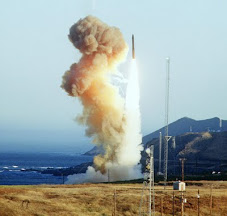
![[Global Network] against the first launch of Quasi-Zenith Satellite, Japan, on Sept. 11, 2010](https://blogger.googleusercontent.com/img/b/R29vZ2xl/AVvXsEj2sYpfodDDMIA7qXwuda0DmKapxXFB479fDnn8RKy7QNZqz0VEvWucNd-DleZ37hWNXC-Z8QtaqtM37VuPwac5SgclJ9_khBBSWOedvm19MRXIP1j1kcWrK6EW5IFjQdEEY2h7E6xuyNvC/s227/Qzss-45-0_09.jpg)
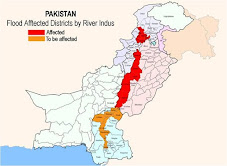
![[In update] Some collections on the Koreans’ protests against the sanction & war on Iran](http://4.bp.blogspot.com/_gnM5QlRx-4c/TJMvke6t8zI/AAAAAAAAFO4/tamQ8LUnOOA/S227/No+Sanction+on+Iran.jpg)
![[Three International Petitions] to End the Korean war and peace treaty(or peace resolution)](https://blogger.googleusercontent.com/img/b/R29vZ2xl/AVvXsEhlohLVYtpCg7iMsZhNYY4hBbhTi2dIheHMHWLDph9X2y78cjgZV1LeSfUJeu80elhJm70Q9E059q72lK-spSPvsRG4bPuCDIytltJB9IH3mWt9OG98HqhnTsPakwhvNeoCFUgF1xoxQ2EZ/s227/border.jpg)


![[Collection of Documents] No Base Learning and Solidarity Program_Korea(June 14 to 20, 2010)](https://blogger.googleusercontent.com/img/b/R29vZ2xl/AVvXsEix_HzjToh3nNGHBc-_5gasq-ykcaZ6GInLixILmZVyRJ5xoeHCxWOyYd9fSM7bmnuFsjSrYOGEPnQOwB1Dcyo-sN4Pw0cFPhUtKig_qlVnGL1Wi82ClvPqbEPWYhJiqdNF0DyzLIBETMB9/s227/No-Base-banner.jpg)
![Site Fwd:[John Hines] A U.S. Debate coach’s research trip on the Issues of Korea](https://blogger.googleusercontent.com/img/b/R29vZ2xl/AVvXsEg8yRra0zNhKHN74Auqhd3Nx9tZ7BWCGflRJHGH4CfzBT_yjhZ8Nl9b3OZuLpYWJ2exsjmR0oVl-Qq_cf832p2VdmOZhUi-lCFzCNeDSyVtweX1lWZPC-RlHmDMLtilHwHjNFTenBiM4Fk4/s227/Jeju-Peace-Tour.jpg)


![[News Update] Struggle Against the Jeju Naval Base since Jan. 18, 2010](https://blogger.googleusercontent.com/img/b/R29vZ2xl/AVvXsEhKfSTRC5QKBBSFIq_m7QIqXdlbL4-gF5GJYn9Q-pN__k7sV7uxGDcLY5L8xmU7QuWuUhBT_GhG-URBPO80RT3AfWfDrWJr06h1hFuZC6ZBVKe4U6PS1Cd7Kr6olO8TYQtk13Drox7IS6ea/s226/scrum1.jpg)


![[Urgent] Please spread the Letter!: There was no Explosion! There was no Torpedo! (May 26, 2010)](https://blogger.googleusercontent.com/img/b/R29vZ2xl/AVvXsEhSd2yWZ3xGwnJQXB73z5FgXCqSosAoB9_33-GLYprOmLqjmvgSAQp1BYI7e4slK1FDxHRi9KK4um-OpDaj8QOkXwAScVAgvvq6-ehbDA-hbkr96wT9oHNNmWnBPv8GU4hoZp9X8F9AZBX4/s227/grounded.jpg)
![Text Fwd: [Stephen Gowans]The sinking of the Cheonan: Another Gulf of Tonkin incident](https://blogger.googleusercontent.com/img/b/R29vZ2xl/AVvXsEi_L6hB3RZ1MovTXHe0A8yn_RfgMALGR0kM6poBuGp809xwvHtB_-PGWtS_WpyPWatyd9lB2pPqL2gOLc4dTCEdJ9sMvxJWEdapl-mMLm7WHAsV-jVpgqarVh8XBtdz_0c-Vohdh3HtJahD/s227/lee-myung-bak.jpg)
![[Japan Focus]Politics in Command: The "International" Investigation into the Sinking of the Cheonan](https://blogger.googleusercontent.com/img/b/R29vZ2xl/AVvXsEiHmTo8v-uCJnabRhMdnBAkC9J3s5bb2JsDKiT5leJHwbK8IDJHxfJmqQ_C0Is_bPC6UGMf05CA0exF2y4r2x9RhFUHT0kjsKviaME_MZXKnq775UyYAdb7w2SAzE75XvBfHp1al2q6i3cf/s227/wen_jiabao_and_lee_myungbak.png)
![[Japan Focus] Who Sank the SK Warship Cheonan? A New Stage in the US-Korean War and US-China](https://blogger.googleusercontent.com/img/b/R29vZ2xl/AVvXsEiKSS5ULT5QBaMGYpXXqBMX9jtwLwMLuK469b6Ku72GTJYKUObzTANaPjZqvvpPzYMJgPF53sjhvhK3DVa88ipYlggsJageykXlkxY6s8TW05xcU-_vfhf-pACUoaWuFbT-fsU1qEhm_yIi/s227/buoy_map.gif)
![[Updated on 12/13/10] [Translation Project] Overseas Proofs on the Damages by the Military Bases](https://blogger.googleusercontent.com/img/b/R29vZ2xl/AVvXsEikADE6JovUNspQyZUWVMTLAQg7yQNqXpVUbqZPk8f4uc_1723_xm1Cco6WAmstQXVPnaJAcb1mZA8Ny_3xONT_f5uh8MNLPnUhtqdGgy3HCtC1Vbbz4Q0ZY1Cssu-4cJEVNdrvznbS5UzO/s227/missile.jpg)
![[International Petition] Close the Bases in Okinawa](https://blogger.googleusercontent.com/img/b/R29vZ2xl/AVvXsEhNpQiHklwFbWVlFK7GDFXnBSOOSFEj3Il-We-N3uTDldKiidL2NGZs7X_LtTnatzTo_r8CexRkFe8NhfxYqmgp1knEEslROTfNjI5_mSb57cdbhPkftvanveYBaevAD9xuKDGoIxiTwoSb/s227/2.jpg)

![[In Update]Blog Collection: No Korean Troops in Afghanistan](https://blogger.googleusercontent.com/img/b/R29vZ2xl/AVvXsEjjEmCRXSNAG7_QBxKWbdksmxoWR4nyAovQTTdR1G2AuXh0jxtqNkI9OmYgYWRoLAJShvtBvE840QXuBWSVh3u3zMYqkNAFX6OWy3m5Nur4HM7uNK-pKT1ycyApJp-VLyhIFRRcoisYAh0E/s226/No-Troops-to--Afghanistan.jpg)


