Korea Times
Navy, Air Force generals may rotate as JCS head
By Jung Sung-ki
Sept. 6, 2010
In an effort to increase interoperability between the three military services, the Lee Myung-bak administration is considering rotating top generals from the Army, Navy and Air Force to the chairman of the Joint Chiefs of Staff (JCS), a government source said Monday.
The idea was recently suggested by a presidential ad hoc commission on defense affairs to President Lee, the source said.
Except for former Air Force Gen. Lee Yang-ho, who served as JCS chairman between 1993 and 1994, the joint military operational body has been headed by the Army general with the logic that an Air Force or Navy commander couldn’t command and control the nation’s Army-dominated armed forces.
Criticism has often risen over the Army-dominated military structure, as operational and arms acquisition plans have often been focused on ground forces.
Currently, there are about 520,000 Army troops, while the Navy has some 68,000 personnel and the Air Force, 65,000.
“There is a consensus among the government and military that such a rotation of the JCS chairmanship would help complement the weak sides of the ROK military and instead maximize its strong points,” the source said on condition of anonymity. “President Lee is also supportive of the plan.”
If a Navy or Air Force general took charge of the JCS, an Army general could assume the chief of an envisaged theater command, which will be established by 2015 in tandem with the transition of wartime operational control from the United States to South Korea, according to the source.
In 2015, South Korea and the United States will set up their own theater commands after deactivating the Combined Forces Command. With the transfer, the South Korean military is to lead ground operations in wartime, and the U.S. military is to shift its role to a naval and air-centric one.
Since his inauguration, the President has called for improving interoperability of the three military branches.
To that end, the military is considering merging the academies of the three services.
gallantjung@koreatimes.co.kr
Showing posts with label wartime operational control. Show all posts
Showing posts with label wartime operational control. Show all posts
Monday, September 6, 2010

Friday, July 23, 2010
Text Fwd:[Translation] [SPARK] Commentary to Denounce the ROK-US Foreign and Defense Ministers’ Meeting
__________________________________________________________
* The below is the arbitrary translation of the Solidarity for Peace And Reunification of Korea (SPARK) commentary on July 22, 2010, right after the joint statement of the ROK-US foreign and defense ministers' meeting on July 21, 2010. The original SPARK Korean site can be seen HERE.
__________________________________________________________
1. 아프간 전투병 파병 등 침략적 한미동맹 실행하는 ‘한미 외교·국방장관회의’ 규탄한다!
1. We denounce the ROK-US Foreign and Defense Ministers’ Meeting that carries on the invasive ROK-US alliance, such as the dispatch of the combat troops to Afghanistan!
한미양국의 외교·국방장관회의(‘2+2회의’)가 21일 서울에서 열려 ‘6·25전쟁 발발 60주년 계기 한미 외교·국방장관회의 공동성명'을 발표했다.
In the ROK-US Foreign and Defense Ministers’ Meeting of the both countries of the Republic of Korea and United States (so called ‘2+ 2 meeting’) that was held in Seoul on [July] 21st, [the ministers] announced the 'Joint Statement of ROK-US Foreign and Defense Ministers’ Meeting-On the Occasion of the 60th Anniversary of the Outbreak of the Korean War.'
양측은 2009년 6월 한미정상이 채택한 한미동맹 공동비전에 의거하여 “동맹협력을 양자적·지역적·범세계적으로 계속 발전시키기로 했다.” 양측은 지역 및 범세계적 도전에 대하여 동맹협력의 폭과 깊이를 확대하겠다는 의지를 반복해서 강조하고 있다.
The both sides saying that they “pledged to continue to advance alliance cooperation bilaterally, regionally, and globally,” based on the Joint Vision for the Alliance of the Republic of Korea and the United States that had been adapted by the summits of the ROK and United States in June, 2009, is emphasizing their will to extend the scope and depth of the alliance cooperation against the regional and global challenges to them.
이는 2009년 6월 한미정상이 채택한 ‘한미동맹 공동비전’에서 천명된 ‘포괄적 전략동맹’에 따른 것이다. ‘포괄적 전략동맹’은 미국이 한반도 및 동북아시아지역 나아가 범세계적 범주에서 자신의 세계패권 실현의 도구로서 동맹국 한국을 이용하고자 하는 전략적 필요에 따라 추진되는 것이다. 미국은 동맹의 위계적 질서에서 한국의 지위를 높여 한국의 전략적 자원을 더 많이 영구적으로 동원하고, 대신 한국은 미국 지배의 위계질서 내의 지위상승을 통해 대외적 지위 상승을 꾀하려는 것이다.
It is to follow the ‘comprehensive strategic alliance,’ declared in the ‘Joint Vision for the Alliance of the Republic of Korea and the United States’ that the two summits of the ROK and U. S. adapted in June 2009. The ‘comprehensive strategic alliance,’ is being driven according to the strategic need of the United States who is to utilize the ROK, the alliance nation, as the tool for the realization of her global dominance in the scope of the Korean peninsula & Northeast Asia region, and further, of the globe. It is for the United States to mobilize more of the strategic resource in the ROK, by heightening the status of the ROK in the rank system of her alliance, while it is for the ROK to attempt the rise of her status in the external relationships through her rise of the status within the rank system of the U. S. dominance.
* To see the JOINT VISION FOR THE ALLIANCE OF THE UNITED STATES OF AMERICA AND THE REPUBLIC OF KOREA (Washington, D.C., June 16, 2009), click HERE.
공동성명에는 테러리즘, 대량파괴무기 확산 문제 등이 포함되어 있다. 한국측은 아프간에 대한 치안·거버넌스·개발 지원 의지를 밝혔다. 이에 따라 아프간 ‘치안’을 명분으로 한국군 전투병 파병이 추진될 것으로 보인다. 또한 대량살상무기확산방지구상(PSI)에 따른 훈련이 추진되고, ‘미래 국방협력에 대한 동맹 비전’에 따라 한국의 MD 참여도 본격화될 가능성이 높아 보인다.
There were included the issues such as those on the terrorism and the WMD expansion in the joint statement. The ROK side expressed her will on the security, governance, and development in Afghanistan. It looks, according to it, the dispatch of the ROK combat troops to Afghanistan would be driven, under the pretext of the security there. Also, it looks there would be the high possibilities that the exercises according to the Proliferation Security Initiative (PSI) would be being driven while the ROK participation in the Missile Defense system (MD) would be in earnest, according to the ‘alliance vision for the future cooperation on defense.’
이는 한미동맹의 대미 종속성과 대북 적대성을 심화하고 침략성을 강화하는 것이다. 이는 한미동맹의 적용 대상과 범위를 대북 방어에 한정하고 있는 한미상호방위조약 위반이다. 이로 인해 우리나라의 자주권은 침해되고 남북관계 파탄과 군사적 긴장은 더욱 심화되며 한국의 국제적 위신은 실추되게 된다. 또한 우리 국민의 부담과 희생이 가중되게 된다.
[However,] it is to deepen the natures of the ROK-US alliance, such as those of subordination of the ROK into the U.S. and of the hostility against the North Korea, and to strengthen the invasiveness of that alliance. It is the violation of the ROK-US Mutual Defense Treaty that limits the applied target & scope of the ROK-US alliance to the defense against the North Korea. Therefore, our nation’s sovereign right would be infringed; the breakdown of the inter- Korean relationship and military tension [in the Korean peninsula] will be more aggravated; and the international prestige of the ROK would be fallen. The burden and sacrifice of our nation’s people will be aggravated, also.
* To see the ROK-US Mutual Defense Treaty, click HERE.
이에 우리는 자주와 평화·통일에 걸림돌을 놓은 한미 외교·국방장관회의 결과를 강력히 규탄한다. 우리는 불법적이고 불평등하며 반평화적인 상태를 구조화하는 침략적 한미동맹 강화 기도를 중단할 것을 한미당국에 촉구한다.
Therefore, we strongly denounce the result of the ROK-US foreign & defense ministers' meeting that put an obstacle in the self-reliance, peace and reunification [of Korea]. We call upon the ROK-US authorities to stop the scheme on the strengthening of the invasive ROK-US alliance that systemize the illegal, unequal and anti-peaceful condition.
2. 천안함 사건 빌미로 한 대북 적대정책으로 동북아에 신냉전 불러오는 한미당국을 규탄한다!
2. We denounce the ROK & US authorities that bring the new cold war in the Northeast Asia with their hostile policies against the North Korea under the pretext of the Cheonan ship incident!
공 동성명은 천안함 사건이 북의 소행이라고 단정하고 그에 대한 책임을 추궁하면서 “무책임한 행동에 대해 심각한 결과가 따를 것임을” 경고하고 있다. 한미양국은 그 연장선에서 세계 최강의 F-22 전투기를 포함한 항공기 200여대, 항공모함 조지 워싱턴호를 비롯한 함정 20여척, 병력 8천여 명이 참가하는 가공할 해상·공중훈련을 비롯한 대잠훈련과 대량살상무기확산방지구상(PSI)에 따른 해상 차단작전 등 일련의 대북 무력시위를 추진하고 있다. 뿐만 아니라 클린턴 미 국무장관은 "(핵) 확산 활동을 지원하는 개인과 거래주체에 대해 자산 동결 조치를 취하고 북한 무역회사의 불법 활동과 관련 은행들의 불법적 금융거래 지원을 중단시킬 것"이라고 밝혔다.
The joint statement being concluded with saying that the Cheonan ship incident is for the conduct [of the attack] by the North Korea and pursued with the questions of North Korean response to it, warns by saying that, “[T]here would be serious consequences for any such irresponsible behavior.” In prolongation of [the statement], The both authorities of ROK-US are driving for the series of the military power demonstration against North Korea, such as the submarine exercise that includes the terrifying sea & air exercise in which 20 F-22 fighter planes that are globally the most powerful, 20 naval vessels including the George Washington-the aircraft carrier, and 8000 force would join; and the maritime interception operation following the Proliferation Security Initiative (PSI). Not only that, Clinton, the US Secretary of State announced that the U.S. would “take the measure to freeze the asset against the individual and transaction entity who support the [North Korean](nuclear) proliferation activity and make stop the support for the illegal financial transactions of the banks related to the illegal activities of the North Korean trade companies."
* 'U.S. Secretary of State Hillary Clinton said Wednesday that the United States would place new sanctions on North Korea, including asset freezes and blocking financial deals. Clinton also said that the United States would give U.N. Security Council resolutions 1718 and 1874 new, more stringent authority to force North Korea to end its illegal activities' (New York Times)
"We will implement new country-specific sanctions aimed at North Korea’s sale and procurement of arms and related material and the procurement of luxury goods and other illicit activities [...]" (Hankyoreh)
천안함이 북의 어뢰 공격으로 침몰했다는 한미당국의 주장은 국내외 전문가들의 과학적이고 객관적인 반론에 의해 그 신뢰성을 결정적으로 상실했다. 미국이 주도하는 유엔 안전보장이사회 대북 제재 결의도 실패하고 그나마 나온 의장성명에서도 공격의 주체로 북을 명시하지 못했다. 한미당국의 주장을 국제사회가 인정하지 않은 것이다.
The ROK-US authorities’ claim that the Cheonan ship had sunken due to the torpedo attack by the North Korea lost its trust because of the scientific and objective refutations by the domestic and overseas specialists. The UN Security Council’s sanction resolution against North Korea has failed and its Presidential statement that even so came out could not be named of the North Korea as the attack subject [behind the incident]. It means the international society did not acknowledge the claim by the ROK-US authorities.
이처럼 근본적인 불신의 대상으로 되고 있는 조사결과 발표에 기대어 한미당국이 대북 제재에 혈안이 되어 있는 이유는 한미당국의 불순한 의도 때문이다. 미국은 격변하는 동북아 정세에서 위기에 빠진 자국의 패권을 유지·강화하려는 것이고, 이명박 정부는 반북수구세력의 기득권을 지키고자 하는 것이다.
The reason that the ROK-US authorities are so bloodshot-eyed for the sanction against the North Korea, relying on the announcement of the investigation result that is the object of fundamental distrust is because of the impure intention of the ROK-US authorities. The United States is to maintain and strengthen her dominance that has fallen in the crisis in the circumstance of the Northeast Asia that undergoes the rapid change, while the Lee Myung-Bak government is to save the vested interests of anti-North Korean conservative powers.
한미양국의 강압정책은 북한뿐만 아니라 중국의 반발을 불러일으키고 있다. 이는 남북 대결의 격화뿐만 아니라 동북아에서 진영 간 대결을 초래하여 한반도 비핵화와 평화협정 체결 정세를 뒤로 돌리는 시대역행적인 행동이다. 이는 또한 “분쟁을 회피하고 상황악화를 방지하기 위한 목적으로 적절한 경로를 통해 직접 대화와 협상을 가급적 조속히 재개하기 위해 평화적 수단으로 한반도의 현안들을 해결할 것을 권장”한 유엔 안보리 의장성명에도 어긋난다.
The ROK-US authorities’ coercive policy is raising the repulsions not only by North Korea but also by China. [Theirs] is a retrogressive move to the current era, that retreats the conditions of the non-nuclearization of the Korean peninsula and conclusion of the peace agreement, by causing not only the aggravation of the confrontation between the South and North Korea, but also the confrontation between the camps in the Northeast Asia. It also deviates from the UN Security Council Presidential statement that “encourages the settlement of outstanding issues on the Korean peninsula by peaceful means to resume direct dialogue and negotiation through appropriate channels as early as possible, with a view to avoiding conflicts and averting escalation.”
* To see the UN Security Council Presidential statement regarding the Cheonan ship, please go to this site and move mouse down.
이에 우리는 은폐 조작된 천안함 사건 조사결과 발표를 근거로 대북 강경책을 펼쳐 동북아에 신냉전을 불러오는 한미당국의 행태를 강력히 규탄한다. 우리는 한미양국이 대북 적대정책을 중단하고 유엔 안보리 의장성명이 권장하는 대로 대화와 협상을 통해 한반도 비핵화와 평화협정 체결에 나설 것을 촉구한다.
Therefore, we strongly denounce the behavior of the ROK-US authorities that brings the new cold war in the Northeast Asia, by staging the hard-line policy against North Korea, basing on the announcement of the Cheonan ship investigation result that was concealed and manipulated. We call upon the ROK-US authorities to stop the hostile policy against North Korea and step for the non-nuclearization of the Korean peninsula and conclusion of the peace agreement through dialogue and negotiation as encouraged by the UN Security Council Presidential statement.
3. 군사주권 포기하는 작전통제권 환수 연기 중단하고 즉각 환수하라!
3. Stop the delay of the transition of the [war time] operational control (OPCON) right, that abandons the [ROK] military sovereignty, and immediately return the OPCON back to [the ROK]!
공동성명은 “2015년 12월 한국군으로의 전시작전통제권 전환을 포함한 새로운 계획인 ‘전략동맹2015’를 금년도 안보협의회의(SCM)시까지 완성하기로 하였다.” 여기에는 용산기지이전과 미2사단이전 일정 등도 반영될 것이라고 한다. 그렇다면 국방부의 부인에도 불구하고 방위비분담금의 미2사단이전비용 돌려쓰기를 포함한 기지이전비용도 함께 논의될 수 밖에 없을 것이다. 작전통제권 환수 연기 합의를 전후하여 7년이나 쟁점이 되어왔던 미군기지이전비용이나 시기 등에 대해 미국의 요구가 관철되는 방향으로 의견이 모아지고 있는 것은 우리의 판단이 틀리지 않음을 보여준다.
The joint statement says that the both “[Ministers] also decided to complete a new plan, Strategic Alliance 2015, by this year's Security Consultative Meeting (SCM), including the transition of wartime Operational Control (OPCON) to the ROK military in December 2015.” It says the schedule of the relocation of the Yongsan garrison and 2nd Division of the US Army would be included in the plan, too. If then, [we suspect that], despite the denial of the Ministry of National Defense, ROK, the base relocation cost including the diverting of the defense sharing cost for the relocation cost of the 2nd Division of the US Army cannot but be discussed [in the SCM]. The thing that the opinions on the cost and term for the relocation of the US base, that have been the controversy points for seven years, are being converged toward the direction in which the U. S. demands are to be fulfilled, timing before and after the agreement on the delay of the OPCON transition, shows that our judgment is not wrong.
전시작전통제권은 군사주권의 핵심이기 때문에 어떤 이유와 조건도 없이 즉각 환수되어야 한다. 그럼에도 불구하고 한미양국이 가당치 않은 이유를 들이대면서 작전통제권 환수를 연기한 것은 우리나라의 군사주권 회복을 또다시 미루는 것으로서 규탄 받아 마땅하다. 게다가 이와 연관시켜 미군기지이전비용마저 추가적으로 부담케 된다면 우리 국민은 이중의 피해를 입게 된다.
Since the wartime operational control right is the core of the military sovereignty, it should be immediately recovered without any reason and condition. Nevertheless the ROK-US authorities have delayed the transition of the OPCON with the unreasonable reasons and they deserve the denunciation for the delaying again of the recovery of the military sovereignty of [ROK]. Furthermore, if the ROK should additionally charge the relocation cost of the US bases [in Korea], with the cost being related [to the delay of the transition of the operational control [right], the people in our nation would get the double damages.
이에 우리는 군사주권의 핵심인 작전통제권 환수 연기를 강력히 규탄한다. 우리는 작전통제권을 즉각 환수하며 환수 연기와 연관된 미군기지이전비용 등의 추가 부담 기도를 즉각 중단할 것을 요구한다.
Therefore, we strongly denounce the delay of the transition of the [war time] operational control right that is the core of the military sovereignty. We call upon the both authorities to immediately recover the [wartime] operational control right [to the ROK] and to immediately stop the scheme on the [South Koreans’] additional charge of the relocation cost for the US base, in relation to the delay of the [war time] operational control right.
2010. 7. 22.
July 22, 2010
평화와통일을여는사람들
Solidarity for Peace and Reunification of Korea
(상임대표 : 문규현, 배종열, 홍근수)
(Executive Co-representatives: Fr. Moon Kyu-Hyun, Bae Jong-Ryol and Rev. Hong Geun-Soo)
* The below is the arbitrary translation of the Solidarity for Peace And Reunification of Korea (SPARK) commentary on July 22, 2010, right after the joint statement of the ROK-US foreign and defense ministers' meeting on July 21, 2010. The original SPARK Korean site can be seen HERE.
__________________________________________________________
한·미 외교·국방장관회의 규탄 논평
Commentary to Denounce
the ROK-US Foreign and Defense Ministers’ Meeting
침략적 한미동맹 영구화하는 ‘한·미 외교·국방장관회의’ 규탄한다!
We denounce the ROK-US Foreign and Defense Ministers’ Meeting
that makes the invasive ROK-US alliance perpetual!
Commentary to Denounce
the ROK-US Foreign and Defense Ministers’ Meeting
침략적 한미동맹 영구화하는 ‘한·미 외교·국방장관회의’ 규탄한다!
We denounce the ROK-US Foreign and Defense Ministers’ Meeting
that makes the invasive ROK-US alliance perpetual!
By the Solidarity for Peace And Reunification of Korea (SPARK)
1. 아프간 전투병 파병 등 침략적 한미동맹 실행하는 ‘한미 외교·국방장관회의’ 규탄한다!
1. We denounce the ROK-US Foreign and Defense Ministers’ Meeting that carries on the invasive ROK-US alliance, such as the dispatch of the combat troops to Afghanistan!
한미양국의 외교·국방장관회의(‘2+2회의’)가 21일 서울에서 열려 ‘6·25전쟁 발발 60주년 계기 한미 외교·국방장관회의 공동성명'을 발표했다.
In the ROK-US Foreign and Defense Ministers’ Meeting of the both countries of the Republic of Korea and United States (so called ‘2+ 2 meeting’) that was held in Seoul on [July] 21st, [the ministers] announced the 'Joint Statement of ROK-US Foreign and Defense Ministers’ Meeting-On the Occasion of the 60th Anniversary of the Outbreak of the Korean War.'
양측은 2009년 6월 한미정상이 채택한 한미동맹 공동비전에 의거하여 “동맹협력을 양자적·지역적·범세계적으로 계속 발전시키기로 했다.” 양측은 지역 및 범세계적 도전에 대하여 동맹협력의 폭과 깊이를 확대하겠다는 의지를 반복해서 강조하고 있다.
The both sides saying that they “pledged to continue to advance alliance cooperation bilaterally, regionally, and globally,” based on the Joint Vision for the Alliance of the Republic of Korea and the United States that had been adapted by the summits of the ROK and United States in June, 2009, is emphasizing their will to extend the scope and depth of the alliance cooperation against the regional and global challenges to them.
이는 2009년 6월 한미정상이 채택한 ‘한미동맹 공동비전’에서 천명된 ‘포괄적 전략동맹’에 따른 것이다. ‘포괄적 전략동맹’은 미국이 한반도 및 동북아시아지역 나아가 범세계적 범주에서 자신의 세계패권 실현의 도구로서 동맹국 한국을 이용하고자 하는 전략적 필요에 따라 추진되는 것이다. 미국은 동맹의 위계적 질서에서 한국의 지위를 높여 한국의 전략적 자원을 더 많이 영구적으로 동원하고, 대신 한국은 미국 지배의 위계질서 내의 지위상승을 통해 대외적 지위 상승을 꾀하려는 것이다.
It is to follow the ‘comprehensive strategic alliance,’ declared in the ‘Joint Vision for the Alliance of the Republic of Korea and the United States’ that the two summits of the ROK and U. S. adapted in June 2009. The ‘comprehensive strategic alliance,’ is being driven according to the strategic need of the United States who is to utilize the ROK, the alliance nation, as the tool for the realization of her global dominance in the scope of the Korean peninsula & Northeast Asia region, and further, of the globe. It is for the United States to mobilize more of the strategic resource in the ROK, by heightening the status of the ROK in the rank system of her alliance, while it is for the ROK to attempt the rise of her status in the external relationships through her rise of the status within the rank system of the U. S. dominance.
* To see the JOINT VISION FOR THE ALLIANCE OF THE UNITED STATES OF AMERICA AND THE REPUBLIC OF KOREA (Washington, D.C., June 16, 2009), click HERE.
공동성명에는 테러리즘, 대량파괴무기 확산 문제 등이 포함되어 있다. 한국측은 아프간에 대한 치안·거버넌스·개발 지원 의지를 밝혔다. 이에 따라 아프간 ‘치안’을 명분으로 한국군 전투병 파병이 추진될 것으로 보인다. 또한 대량살상무기확산방지구상(PSI)에 따른 훈련이 추진되고, ‘미래 국방협력에 대한 동맹 비전’에 따라 한국의 MD 참여도 본격화될 가능성이 높아 보인다.
There were included the issues such as those on the terrorism and the WMD expansion in the joint statement. The ROK side expressed her will on the security, governance, and development in Afghanistan. It looks, according to it, the dispatch of the ROK combat troops to Afghanistan would be driven, under the pretext of the security there. Also, it looks there would be the high possibilities that the exercises according to the Proliferation Security Initiative (PSI) would be being driven while the ROK participation in the Missile Defense system (MD) would be in earnest, according to the ‘alliance vision for the future cooperation on defense.’
이는 한미동맹의 대미 종속성과 대북 적대성을 심화하고 침략성을 강화하는 것이다. 이는 한미동맹의 적용 대상과 범위를 대북 방어에 한정하고 있는 한미상호방위조약 위반이다. 이로 인해 우리나라의 자주권은 침해되고 남북관계 파탄과 군사적 긴장은 더욱 심화되며 한국의 국제적 위신은 실추되게 된다. 또한 우리 국민의 부담과 희생이 가중되게 된다.
[However,] it is to deepen the natures of the ROK-US alliance, such as those of subordination of the ROK into the U.S. and of the hostility against the North Korea, and to strengthen the invasiveness of that alliance. It is the violation of the ROK-US Mutual Defense Treaty that limits the applied target & scope of the ROK-US alliance to the defense against the North Korea. Therefore, our nation’s sovereign right would be infringed; the breakdown of the inter- Korean relationship and military tension [in the Korean peninsula] will be more aggravated; and the international prestige of the ROK would be fallen. The burden and sacrifice of our nation’s people will be aggravated, also.
* To see the ROK-US Mutual Defense Treaty, click HERE.
이에 우리는 자주와 평화·통일에 걸림돌을 놓은 한미 외교·국방장관회의 결과를 강력히 규탄한다. 우리는 불법적이고 불평등하며 반평화적인 상태를 구조화하는 침략적 한미동맹 강화 기도를 중단할 것을 한미당국에 촉구한다.
Therefore, we strongly denounce the result of the ROK-US foreign & defense ministers' meeting that put an obstacle in the self-reliance, peace and reunification [of Korea]. We call upon the ROK-US authorities to stop the scheme on the strengthening of the invasive ROK-US alliance that systemize the illegal, unequal and anti-peaceful condition.
2. 천안함 사건 빌미로 한 대북 적대정책으로 동북아에 신냉전 불러오는 한미당국을 규탄한다!
2. We denounce the ROK & US authorities that bring the new cold war in the Northeast Asia with their hostile policies against the North Korea under the pretext of the Cheonan ship incident!
공 동성명은 천안함 사건이 북의 소행이라고 단정하고 그에 대한 책임을 추궁하면서 “무책임한 행동에 대해 심각한 결과가 따를 것임을” 경고하고 있다. 한미양국은 그 연장선에서 세계 최강의 F-22 전투기를 포함한 항공기 200여대, 항공모함 조지 워싱턴호를 비롯한 함정 20여척, 병력 8천여 명이 참가하는 가공할 해상·공중훈련을 비롯한 대잠훈련과 대량살상무기확산방지구상(PSI)에 따른 해상 차단작전 등 일련의 대북 무력시위를 추진하고 있다. 뿐만 아니라 클린턴 미 국무장관은 "(핵) 확산 활동을 지원하는 개인과 거래주체에 대해 자산 동결 조치를 취하고 북한 무역회사의 불법 활동과 관련 은행들의 불법적 금융거래 지원을 중단시킬 것"이라고 밝혔다.
The joint statement being concluded with saying that the Cheonan ship incident is for the conduct [of the attack] by the North Korea and pursued with the questions of North Korean response to it, warns by saying that, “[T]here would be serious consequences for any such irresponsible behavior.” In prolongation of [the statement], The both authorities of ROK-US are driving for the series of the military power demonstration against North Korea, such as the submarine exercise that includes the terrifying sea & air exercise in which 20 F-22 fighter planes that are globally the most powerful, 20 naval vessels including the George Washington-the aircraft carrier, and 8000 force would join; and the maritime interception operation following the Proliferation Security Initiative (PSI). Not only that, Clinton, the US Secretary of State announced that the U.S. would “take the measure to freeze the asset against the individual and transaction entity who support the [North Korean](nuclear) proliferation activity and make stop the support for the illegal financial transactions of the banks related to the illegal activities of the North Korean trade companies."
* 'U.S. Secretary of State Hillary Clinton said Wednesday that the United States would place new sanctions on North Korea, including asset freezes and blocking financial deals. Clinton also said that the United States would give U.N. Security Council resolutions 1718 and 1874 new, more stringent authority to force North Korea to end its illegal activities' (New York Times)
"We will implement new country-specific sanctions aimed at North Korea’s sale and procurement of arms and related material and the procurement of luxury goods and other illicit activities [...]" (Hankyoreh)
천안함이 북의 어뢰 공격으로 침몰했다는 한미당국의 주장은 국내외 전문가들의 과학적이고 객관적인 반론에 의해 그 신뢰성을 결정적으로 상실했다. 미국이 주도하는 유엔 안전보장이사회 대북 제재 결의도 실패하고 그나마 나온 의장성명에서도 공격의 주체로 북을 명시하지 못했다. 한미당국의 주장을 국제사회가 인정하지 않은 것이다.
The ROK-US authorities’ claim that the Cheonan ship had sunken due to the torpedo attack by the North Korea lost its trust because of the scientific and objective refutations by the domestic and overseas specialists. The UN Security Council’s sanction resolution against North Korea has failed and its Presidential statement that even so came out could not be named of the North Korea as the attack subject [behind the incident]. It means the international society did not acknowledge the claim by the ROK-US authorities.
이처럼 근본적인 불신의 대상으로 되고 있는 조사결과 발표에 기대어 한미당국이 대북 제재에 혈안이 되어 있는 이유는 한미당국의 불순한 의도 때문이다. 미국은 격변하는 동북아 정세에서 위기에 빠진 자국의 패권을 유지·강화하려는 것이고, 이명박 정부는 반북수구세력의 기득권을 지키고자 하는 것이다.
The reason that the ROK-US authorities are so bloodshot-eyed for the sanction against the North Korea, relying on the announcement of the investigation result that is the object of fundamental distrust is because of the impure intention of the ROK-US authorities. The United States is to maintain and strengthen her dominance that has fallen in the crisis in the circumstance of the Northeast Asia that undergoes the rapid change, while the Lee Myung-Bak government is to save the vested interests of anti-North Korean conservative powers.
한미양국의 강압정책은 북한뿐만 아니라 중국의 반발을 불러일으키고 있다. 이는 남북 대결의 격화뿐만 아니라 동북아에서 진영 간 대결을 초래하여 한반도 비핵화와 평화협정 체결 정세를 뒤로 돌리는 시대역행적인 행동이다. 이는 또한 “분쟁을 회피하고 상황악화를 방지하기 위한 목적으로 적절한 경로를 통해 직접 대화와 협상을 가급적 조속히 재개하기 위해 평화적 수단으로 한반도의 현안들을 해결할 것을 권장”한 유엔 안보리 의장성명에도 어긋난다.
The ROK-US authorities’ coercive policy is raising the repulsions not only by North Korea but also by China. [Theirs] is a retrogressive move to the current era, that retreats the conditions of the non-nuclearization of the Korean peninsula and conclusion of the peace agreement, by causing not only the aggravation of the confrontation between the South and North Korea, but also the confrontation between the camps in the Northeast Asia. It also deviates from the UN Security Council Presidential statement that “encourages the settlement of outstanding issues on the Korean peninsula by peaceful means to resume direct dialogue and negotiation through appropriate channels as early as possible, with a view to avoiding conflicts and averting escalation.”
* To see the UN Security Council Presidential statement regarding the Cheonan ship, please go to this site and move mouse down.
이에 우리는 은폐 조작된 천안함 사건 조사결과 발표를 근거로 대북 강경책을 펼쳐 동북아에 신냉전을 불러오는 한미당국의 행태를 강력히 규탄한다. 우리는 한미양국이 대북 적대정책을 중단하고 유엔 안보리 의장성명이 권장하는 대로 대화와 협상을 통해 한반도 비핵화와 평화협정 체결에 나설 것을 촉구한다.
Therefore, we strongly denounce the behavior of the ROK-US authorities that brings the new cold war in the Northeast Asia, by staging the hard-line policy against North Korea, basing on the announcement of the Cheonan ship investigation result that was concealed and manipulated. We call upon the ROK-US authorities to stop the hostile policy against North Korea and step for the non-nuclearization of the Korean peninsula and conclusion of the peace agreement through dialogue and negotiation as encouraged by the UN Security Council Presidential statement.
3. 군사주권 포기하는 작전통제권 환수 연기 중단하고 즉각 환수하라!
3. Stop the delay of the transition of the [war time] operational control (OPCON) right, that abandons the [ROK] military sovereignty, and immediately return the OPCON back to [the ROK]!
공동성명은 “2015년 12월 한국군으로의 전시작전통제권 전환을 포함한 새로운 계획인 ‘전략동맹2015’를 금년도 안보협의회의(SCM)시까지 완성하기로 하였다.” 여기에는 용산기지이전과 미2사단이전 일정 등도 반영될 것이라고 한다. 그렇다면 국방부의 부인에도 불구하고 방위비분담금의 미2사단이전비용 돌려쓰기를 포함한 기지이전비용도 함께 논의될 수 밖에 없을 것이다. 작전통제권 환수 연기 합의를 전후하여 7년이나 쟁점이 되어왔던 미군기지이전비용이나 시기 등에 대해 미국의 요구가 관철되는 방향으로 의견이 모아지고 있는 것은 우리의 판단이 틀리지 않음을 보여준다.
The joint statement says that the both “[Ministers] also decided to complete a new plan, Strategic Alliance 2015, by this year's Security Consultative Meeting (SCM), including the transition of wartime Operational Control (OPCON) to the ROK military in December 2015.” It says the schedule of the relocation of the Yongsan garrison and 2nd Division of the US Army would be included in the plan, too. If then, [we suspect that], despite the denial of the Ministry of National Defense, ROK, the base relocation cost including the diverting of the defense sharing cost for the relocation cost of the 2nd Division of the US Army cannot but be discussed [in the SCM]. The thing that the opinions on the cost and term for the relocation of the US base, that have been the controversy points for seven years, are being converged toward the direction in which the U. S. demands are to be fulfilled, timing before and after the agreement on the delay of the OPCON transition, shows that our judgment is not wrong.
전시작전통제권은 군사주권의 핵심이기 때문에 어떤 이유와 조건도 없이 즉각 환수되어야 한다. 그럼에도 불구하고 한미양국이 가당치 않은 이유를 들이대면서 작전통제권 환수를 연기한 것은 우리나라의 군사주권 회복을 또다시 미루는 것으로서 규탄 받아 마땅하다. 게다가 이와 연관시켜 미군기지이전비용마저 추가적으로 부담케 된다면 우리 국민은 이중의 피해를 입게 된다.
Since the wartime operational control right is the core of the military sovereignty, it should be immediately recovered without any reason and condition. Nevertheless the ROK-US authorities have delayed the transition of the OPCON with the unreasonable reasons and they deserve the denunciation for the delaying again of the recovery of the military sovereignty of [ROK]. Furthermore, if the ROK should additionally charge the relocation cost of the US bases [in Korea], with the cost being related [to the delay of the transition of the operational control [right], the people in our nation would get the double damages.
이에 우리는 군사주권의 핵심인 작전통제권 환수 연기를 강력히 규탄한다. 우리는 작전통제권을 즉각 환수하며 환수 연기와 연관된 미군기지이전비용 등의 추가 부담 기도를 즉각 중단할 것을 요구한다.
Therefore, we strongly denounce the delay of the transition of the [war time] operational control right that is the core of the military sovereignty. We call upon the both authorities to immediately recover the [wartime] operational control right [to the ROK] and to immediately stop the scheme on the [South Koreans’] additional charge of the relocation cost for the US base, in relation to the delay of the [war time] operational control right.
2010. 7. 22.
July 22, 2010
평화와통일을여는사람들
Solidarity for Peace and Reunification of Korea
(상임대표 : 문규현, 배종열, 홍근수)
(Executive Co-representatives: Fr. Moon Kyu-Hyun, Bae Jong-Ryol and Rev. Hong Geun-Soo)
Thursday, July 22, 2010
Text Fwd:[ Joint Statemnet by 35 Korean organizatios] against the '2 + 2 meeting'
________________________________________________________
* Summary translation
Joint Press Interview against the ROK-US 2 + 2 meeting
: We Denounce the [2 + 2] ‘ROK-US Foreign and Defense Ministers’ Meeting that Makes the Invasive ROK-US Alliance Permanent!
1. We oppose the joint statement of the ‘2+2 meeting’ that re-confirms the invasive ROK-US ‘strategic alliance.’
2. Immediately stop the ROK-US exercise under the pretext of the Cheonan ship incident and act for the dialogue on the peace agreement!
3. Stop the follow-up discussions on the transition delay of the wartime operational control right and fully return back the OPCON [to the ROK] without delay.
4. Stop the re-dispatch of the ROK military to Afghanistan that is for the United States dominance!
By 35 Korean organizations, July 21, 2010
________________________________________________________
* The below original text was informed at the site of the Solidarity for Peace And Reunification of Korea.
1. 침략적인 한미 ‘전략동맹’ 재확인하는 ‘2+2회의’ 공동성명 반대한다!
한 미 외교`국방장관이 참석하는 한미 외교`국방장관회의(‘2+2회의’)가 사상 처음으로 7월 21일 서울에서 열린다. 한국전쟁 60주년을 맞아 열리는 이 회담에서는 한미 동맹의 성과 평가와 동맹 미래발전, 안보협력과 동맹강화, 북한 문제, 지역 및 세계적 협력방안, 한·미 자유무역협정(FTA) 체결 문제를 포괄적으로 논의하고 미래 공고한 한미동맹 의지 등을 담은 공동성명이 채택될 것이라고 한다.
이 번 회담에서 채택될 공동성명에서는 한반도 유사시 미군 증원전력 보장, 핵 확장 억지 공약 등을 통해 대미 종속성과 대북 적대성을 심화할 것으로 예상된다. 또한 주한미군의 안정적 주둔 여건 보장, 테러와 국제 재난에 대한 양국 간 협력 등을 담아 주한미군의 전략적 유연성을 구체화하고 한미동맹을 침략동맹화하여 한국군마저 미국의 패권전략의 도구로 삼으려 할 것이다. 천안함 사건에 대한 북의 ‘책임있는’ 자세와 일방적인 핵무기 폐기도 요구할 것이다.
이 를 통해 미국은 한반도 평화체제와 동북아 평화·안보체제 구축 과정에서 자국의 패권을 지속시키고, 이명박 정부를 대표로 하는 숭미 반북세력은 자신들의 반민족적이고 반통일적인 기득권을 지키려고 하는 것이다. 이는 주한미군 철수와 한미동맹 폐기를 통해 자주와 평화·통일로 나아가야 할 정세의 흐름에 결정적 걸림돌을 놓는 일이다. 또한 이라크와 아프간 전쟁과 같이 미국의 패권적 이익을 관철하는 일에 한미양국이 공동으로 대응하는 과정에서 우리 국민에게 온갖 부담과 희생을 강요하는 일이다.
이에 우리는 대미 종속을 심화하고 침략적 한미동맹을 영구화하며 국민 부담을 가중시키는 ‘2+2회담’을 단호히 반대하며 이를 중단할 것을 촉구한다.
2. 천안함 사건 빌미로 한 한미연합훈련 중단하고 한반도 평화협정 협상에 즉각 나서라!
한미양국 국방장관이 어제 회담을 갖고 천안함 사건을 빌미로 향후 수개월 간 동해와 서해상에서 일련의 연합군사훈련을 실시하기로 하고 첫 훈련을 25일부터 28일까지 동해에서 실시하겠다고 발표했다.
중 국의 강력한 반대로 서해에서 동해로 장소를 바꿔 실시되는 첫 한미연합해상 및 공중훈련에는 미국의 핵추진항공모함 조지워싱턴호(9만7천톤급)와 오하이오급(1만8천750톤급) 핵추진 잠수함, 한국군의 아시아 최대 상륙지원함 독도함(1만4천톤급) 등 20여대의 함정, 최초로 한반도에 전개되는 F-22 전투기, F/A-18E/F(슈퍼호넷)과 F/A-18A/C(호넷) 전폭기, 조기경보기 E-2C(호크아이2000), 한국군 F-15K 전투기를 포함한 200여대의 항공기, 양국 육·해·공·해병대 병력 8천여 명도 훈련에 참가할 계획이라고 한다.
양 국 장관은 이 연습이 방어연습이라고 주장한다. 그러나 가데나 공군기지에서 이륙하면 1시간 이내에 북한 전지역 작전 수행이 가능한 세계 최고 성능의 F-22 전투기와 북한 핵과 미사일 시설을 선제공격할 수 있는 초정밀 장거리 타격능력을 갖고 있는 미국의 F-18/A 호넷기, 한국의 F-15K, KF-16, 미사일 방어(MD) 작전능력을 보유하고 있는 이지스 구축함 존매케인함 등의 공격무기 동원, 1976년 판문점 미루나무사건 이래 최대 규모의 미군 공중·해상 전력 참여, 특수작전훈련이 포함된 훈련의 성격 등을 볼 때 이 연습은 방어연습이 아니라 공격연습임이 분명하다.
한미양국은 이 훈련에 이어 서해와 남해에서 순차적으로 한미연합 대잠훈련을 실시한다고 한다. 특히 서해 훈련은 이례적으로 북한군 장사정포와 단거리 미사일 사거리를 벗어난 최북한인 평택 앞바다에서 진행한다고 한다.
이에 대한 맞대응으로 중국도 실탄사격훈련에 이어 전시대비 해상수송훈련 ‘교전2010’ 을 실시했다.
한반도를 둘러싼 이 같은 무력시위로 인해 한반도와 동북아의 군사적 긴장과 충돌의 위험이 한층 높아지고 있다. 한반도 비핵화와 평화협정 협상의 앞길에도 중대한 장애물이 놓이고 있다.
한 미양국은 북을 압박하고 중국을 견제하여 향후 정세에서 자신들에게 유리한 정치적 조건을 만들기 위해 무력시위를 강행하고 있다. 그러나 한미당국이 벌이는 연합훈련은 자신들이 추진했던 천안함 사건에 관한 유엔 안전보장이사회 의장성명에도 위배되는 것이다. 의장성명은 “분쟁을 회피하고 상황악화를 방지하기 위한 목적으로 적절한 경로를 통해 직접 대화와 협상을 가급적 조속히 재개하기 위해 평화적 수단으로 한반도의 현안들을 해결할 것을 권장”하고 있기 때문이다.
이 에 우리는 천안함 사건을 빌미로 한미당국이 벌이는 한반도와 그 주변의 군사적 긴장과 적대감을 높이는 한미연합해상 및 공중훈련을 즉각 중단할 것을 강력히 촉구한다. 우리는 관련 당사국들이 양자 및 다자 간 대화를 조속히 재개하여 한반도 비핵화와 평화협정 협상에 돌입할 강력히 촉구한다.
3. 작전통제권 환수 연기 후속논의 중단하고 작전통제권을 지체 없이, 온전히 환수하라!
한미양국이 작전통제권 환수 연기에 합의한 뒤 주권 포기 논란이 확산되자 이명박 정부 관계자들은 작전통제권은 군사주권이 아니라고 강변하고 있다.
작 전통제권은 “작전계획이나 작전명령 상에 명시된 특정임무나 과업을 수행하기 위하여 지휘관에게 위임된 권한”으로서 전투작전과 전투편성, 정보에 관한 권한이 여기에 해당한다. 이는 군정권과 군령권을 포괄하는 군통수권의 핵심 중 핵심 권한이다. 1994년 평시작전통제권 환수 때 국방부가 스스로 "한국군은 정전 시 작전통제권을 환수함으로써…실로 44년 만에 국가 주권의 중요한 일부인 정전 시 작전통제권을 환수하고 독자적 작전지휘체계를 확립하는 계기를 마련하게 되었다”고 자평한 이유가 바로 여기에 있다.
한 미 양국이 작전권을 공동으로 행사한다는 주장도 허울일 뿐이다. 한미군사위원회와 한미연합사령부의 구성과 운영이 미국 주도로 되고 있고, 한미연합군 예하 구성군에는 한국군만 편제되어 미군의 지휘를 받는 기형적인 구조이기 때문이다.
NATO 의 경우를 들어 작전통제권 상실을 정당화하는 것도 사실을 호도하는 것이다. NATO의 의사결정은 전원 합의제이며, 개별 회원국은 NATO의 결정에 따르지 않을 권리가 있다. NATO 회원국들은 각자가 전면적인 지휘권을 가진 상태 하에서, 정치적으로 합의된 작전에 대해, 배속된 군대에 한해서 정해진 절차에 따라 NATO 전략사령부의 작전통제를 받는다. 따라서 전시작전통제권을 통째로 미국에 위임한 우리나라와 NATO의 경우는 현저한 차이가 있다.
이명박 정부가 안보환경의 변화나 군의 준비 부족을 작전통제권 환수 연기의 이유로 내세우는 것도 전시작전통제권 환수를 결정할 당시의 전망과 질적으로 변화된 것이 없다는 점에서 설득력이 없다.
이 처럼 우리는 군사주권의 핵심인 작전통제권을 미국에 빼앗긴 치욕을 60여 년간 감내해왔다. 그런데 환수하기로 한 작전통제권마저 또다시 외국군대에 상납하는 것은 어떤 이유로도 정당화될 수 없다. 이에 우리는 대미 종속을 심화하고 침략적 한미동맹을 영구화하는 치욕적인 작전통제권 환수 연기를 강력히 규탄한다. 우리는 사대주의적이고 기만적인 논리로 작전통제권 환수를 연기하기로 하고 그 후속대책을 논의하는 한미당국의 기도를 반대하며 작전통제권의 즉각적이고 온전한 환수를 강력히 촉구한다.
4. 미국의 패권을 위한 아프간 침략전쟁에 대한 한국군 재파병 중단하라!
아 프가니스탄의 미래를 논의하는 ‘역사적인’ 국제회의가 20일 아프간 수도 카불에서 열렸다. 2001년 아프간전이 시작된 이래 아프간 땅에서 처음 열린 최대 규모의 이 회의에 40개국 외무장관을 포함한 70여개 국가 및 국제기구 대표들이 참가했다. 이른바 ‘아프간 출구전략’에 대한 논의가 본격화되고 있는 것이다.
그 러나 이 논의는 미국을 중심으로 한 나라들이 미국의 꼭두각시 정권인 카르자이 정권과 함께 아프간 민중의 요구에 반하는 침략전쟁을 수습하려는 것으로서 그 앞날이 매우 불투명하다. 무기를 버리는 대가로 일자리와 경제적 지원을 하겠다는 방안을 침략자들에 맞서 싸우는 탈레반이 그대로 수용할 지 의문이고, 부패에 찌든 카르자이 정권이 요구한 원조금 집행권 확대가 부패를 더욱 확대재상산할 가능성이 높기 때문이다.
아 프간 문제의 근본적 해결 방안은 결자해지 차원에서 미국을 비롯한 침략자들이 하루 빨리 아프간에서 떠나는 일이다. 아프간의 운명은 아프간 민중에게 맡기는 것이 순리이다. 이것이 역사상 가장 긴 전쟁을 치르고 있는 미국이 수렁에서 헤어 나올 수 있는 길이다.
한 국이 이런 복잡한 정세 속의 아프간에 국민과의 약속을 저버리고 한국군을 재파병하는 것은 무모하기 짝이 없는 일이다. 특히 한국 PRT를 보호한다는 명분의 ‘오쉬노(친구)’ 부대가 도착할 즈음 파르완주 한국 지방재건팀 건설현장에 로켓포가 날아든 것은 언제 현지에서 대형 참사가 벌어질지 모른다는 것을 웅변해준다.
이 같이 위험천만한 일이 한미 전략동맹이라는 이름으로 강행되고 있다. 우리는 자국의 패권을 위해 이라크에 이어 아프간 파병을 한국에 강요해온 미국을 강력히 규탄한다. 또한 미국과 공모하여 국민과의 약속을 어기고 우리 젊은이를 죽음으로 내모는 이명박 정부의 행태도 엄중히 규탄한다.
이에 우리는 불법 부당하며 아프간 민중의 생명과 주권을 유린하고 한국 젊은이를 희생시킬 아프간 재파병을 즉각 중단할 것을 한미당국에 강력히 촉구한다.
2010. 7. 21.
노 동사회과학연구소, 민주사회를위한변호사모임 미군문제연구위원회, 사월혁명회, 예수살기, 전국민주노동조합총연맹, 전태일을따르는민주노동연구소, 평화와통일을여는사람들, 한국진보연대[기독교사회선교연대회의, 노동인권회관, 농민약국, 민가협양심수후원회, 민족민주열사희생자추모(기념)단체연대회의, 민족문제연구소, 민족자주통일중앙협의회, 민족화합운동연합, 민주노동당, 민주노동자전국회의, 민주민생평화통일주권연대, 민주주의자주통일대학생대표자회의(건), 민주화실천가족운동협의회, 불교평화연대, 우리민족연방제통일추진회의, 전국농민회총연맹, 전국민족민주유가족협의회, 전국민주화운동유가족협의회(사), 전국빈민연합, 전국여성농민회총연합, 전국여성연대, 조국통일범민족연합남측본부, 평화재향군인회, 통일광장, 한국청년연대, 21세기한국대학생연합, 615청년학생연대]
* Summary translation
Joint Press Interview against the ROK-US 2 + 2 meeting
: We Denounce the [2 + 2] ‘ROK-US Foreign and Defense Ministers’ Meeting that Makes the Invasive ROK-US Alliance Permanent!
1. We oppose the joint statement of the ‘2+2 meeting’ that re-confirms the invasive ROK-US ‘strategic alliance.’
2. Immediately stop the ROK-US exercise under the pretext of the Cheonan ship incident and act for the dialogue on the peace agreement!
3. Stop the follow-up discussions on the transition delay of the wartime operational control right and fully return back the OPCON [to the ROK] without delay.
4. Stop the re-dispatch of the ROK military to Afghanistan that is for the United States dominance!
By 35 Korean organizations, July 21, 2010
________________________________________________________
* The below original text was informed at the site of the Solidarity for Peace And Reunification of Korea.
한·미 외교·국방장관회의 규탄 공동 기자회견
침략적 한미동맹 영구화하는 ‘한·미 외교·국방장관회의’ 규탄한다!
침략적 한미동맹 영구화하는 ‘한·미 외교·국방장관회의’ 규탄한다!
1. 침략적인 한미 ‘전략동맹’ 재확인하는 ‘2+2회의’ 공동성명 반대한다!
한 미 외교`국방장관이 참석하는 한미 외교`국방장관회의(‘2+2회의’)가 사상 처음으로 7월 21일 서울에서 열린다. 한국전쟁 60주년을 맞아 열리는 이 회담에서는 한미 동맹의 성과 평가와 동맹 미래발전, 안보협력과 동맹강화, 북한 문제, 지역 및 세계적 협력방안, 한·미 자유무역협정(FTA) 체결 문제를 포괄적으로 논의하고 미래 공고한 한미동맹 의지 등을 담은 공동성명이 채택될 것이라고 한다.
이 번 회담에서 채택될 공동성명에서는 한반도 유사시 미군 증원전력 보장, 핵 확장 억지 공약 등을 통해 대미 종속성과 대북 적대성을 심화할 것으로 예상된다. 또한 주한미군의 안정적 주둔 여건 보장, 테러와 국제 재난에 대한 양국 간 협력 등을 담아 주한미군의 전략적 유연성을 구체화하고 한미동맹을 침략동맹화하여 한국군마저 미국의 패권전략의 도구로 삼으려 할 것이다. 천안함 사건에 대한 북의 ‘책임있는’ 자세와 일방적인 핵무기 폐기도 요구할 것이다.
이 를 통해 미국은 한반도 평화체제와 동북아 평화·안보체제 구축 과정에서 자국의 패권을 지속시키고, 이명박 정부를 대표로 하는 숭미 반북세력은 자신들의 반민족적이고 반통일적인 기득권을 지키려고 하는 것이다. 이는 주한미군 철수와 한미동맹 폐기를 통해 자주와 평화·통일로 나아가야 할 정세의 흐름에 결정적 걸림돌을 놓는 일이다. 또한 이라크와 아프간 전쟁과 같이 미국의 패권적 이익을 관철하는 일에 한미양국이 공동으로 대응하는 과정에서 우리 국민에게 온갖 부담과 희생을 강요하는 일이다.
이에 우리는 대미 종속을 심화하고 침략적 한미동맹을 영구화하며 국민 부담을 가중시키는 ‘2+2회담’을 단호히 반대하며 이를 중단할 것을 촉구한다.
2. 천안함 사건 빌미로 한 한미연합훈련 중단하고 한반도 평화협정 협상에 즉각 나서라!
한미양국 국방장관이 어제 회담을 갖고 천안함 사건을 빌미로 향후 수개월 간 동해와 서해상에서 일련의 연합군사훈련을 실시하기로 하고 첫 훈련을 25일부터 28일까지 동해에서 실시하겠다고 발표했다.
중 국의 강력한 반대로 서해에서 동해로 장소를 바꿔 실시되는 첫 한미연합해상 및 공중훈련에는 미국의 핵추진항공모함 조지워싱턴호(9만7천톤급)와 오하이오급(1만8천750톤급) 핵추진 잠수함, 한국군의 아시아 최대 상륙지원함 독도함(1만4천톤급) 등 20여대의 함정, 최초로 한반도에 전개되는 F-22 전투기, F/A-18E/F(슈퍼호넷)과 F/A-18A/C(호넷) 전폭기, 조기경보기 E-2C(호크아이2000), 한국군 F-15K 전투기를 포함한 200여대의 항공기, 양국 육·해·공·해병대 병력 8천여 명도 훈련에 참가할 계획이라고 한다.
양 국 장관은 이 연습이 방어연습이라고 주장한다. 그러나 가데나 공군기지에서 이륙하면 1시간 이내에 북한 전지역 작전 수행이 가능한 세계 최고 성능의 F-22 전투기와 북한 핵과 미사일 시설을 선제공격할 수 있는 초정밀 장거리 타격능력을 갖고 있는 미국의 F-18/A 호넷기, 한국의 F-15K, KF-16, 미사일 방어(MD) 작전능력을 보유하고 있는 이지스 구축함 존매케인함 등의 공격무기 동원, 1976년 판문점 미루나무사건 이래 최대 규모의 미군 공중·해상 전력 참여, 특수작전훈련이 포함된 훈련의 성격 등을 볼 때 이 연습은 방어연습이 아니라 공격연습임이 분명하다.
한미양국은 이 훈련에 이어 서해와 남해에서 순차적으로 한미연합 대잠훈련을 실시한다고 한다. 특히 서해 훈련은 이례적으로 북한군 장사정포와 단거리 미사일 사거리를 벗어난 최북한인 평택 앞바다에서 진행한다고 한다.
이에 대한 맞대응으로 중국도 실탄사격훈련에 이어 전시대비 해상수송훈련 ‘교전2010’ 을 실시했다.
한반도를 둘러싼 이 같은 무력시위로 인해 한반도와 동북아의 군사적 긴장과 충돌의 위험이 한층 높아지고 있다. 한반도 비핵화와 평화협정 협상의 앞길에도 중대한 장애물이 놓이고 있다.
한 미양국은 북을 압박하고 중국을 견제하여 향후 정세에서 자신들에게 유리한 정치적 조건을 만들기 위해 무력시위를 강행하고 있다. 그러나 한미당국이 벌이는 연합훈련은 자신들이 추진했던 천안함 사건에 관한 유엔 안전보장이사회 의장성명에도 위배되는 것이다. 의장성명은 “분쟁을 회피하고 상황악화를 방지하기 위한 목적으로 적절한 경로를 통해 직접 대화와 협상을 가급적 조속히 재개하기 위해 평화적 수단으로 한반도의 현안들을 해결할 것을 권장”하고 있기 때문이다.
이 에 우리는 천안함 사건을 빌미로 한미당국이 벌이는 한반도와 그 주변의 군사적 긴장과 적대감을 높이는 한미연합해상 및 공중훈련을 즉각 중단할 것을 강력히 촉구한다. 우리는 관련 당사국들이 양자 및 다자 간 대화를 조속히 재개하여 한반도 비핵화와 평화협정 협상에 돌입할 강력히 촉구한다.
3. 작전통제권 환수 연기 후속논의 중단하고 작전통제권을 지체 없이, 온전히 환수하라!
한미양국이 작전통제권 환수 연기에 합의한 뒤 주권 포기 논란이 확산되자 이명박 정부 관계자들은 작전통제권은 군사주권이 아니라고 강변하고 있다.
작 전통제권은 “작전계획이나 작전명령 상에 명시된 특정임무나 과업을 수행하기 위하여 지휘관에게 위임된 권한”으로서 전투작전과 전투편성, 정보에 관한 권한이 여기에 해당한다. 이는 군정권과 군령권을 포괄하는 군통수권의 핵심 중 핵심 권한이다. 1994년 평시작전통제권 환수 때 국방부가 스스로 "한국군은 정전 시 작전통제권을 환수함으로써…실로 44년 만에 국가 주권의 중요한 일부인 정전 시 작전통제권을 환수하고 독자적 작전지휘체계를 확립하는 계기를 마련하게 되었다”고 자평한 이유가 바로 여기에 있다.
한 미 양국이 작전권을 공동으로 행사한다는 주장도 허울일 뿐이다. 한미군사위원회와 한미연합사령부의 구성과 운영이 미국 주도로 되고 있고, 한미연합군 예하 구성군에는 한국군만 편제되어 미군의 지휘를 받는 기형적인 구조이기 때문이다.
NATO 의 경우를 들어 작전통제권 상실을 정당화하는 것도 사실을 호도하는 것이다. NATO의 의사결정은 전원 합의제이며, 개별 회원국은 NATO의 결정에 따르지 않을 권리가 있다. NATO 회원국들은 각자가 전면적인 지휘권을 가진 상태 하에서, 정치적으로 합의된 작전에 대해, 배속된 군대에 한해서 정해진 절차에 따라 NATO 전략사령부의 작전통제를 받는다. 따라서 전시작전통제권을 통째로 미국에 위임한 우리나라와 NATO의 경우는 현저한 차이가 있다.
이명박 정부가 안보환경의 변화나 군의 준비 부족을 작전통제권 환수 연기의 이유로 내세우는 것도 전시작전통제권 환수를 결정할 당시의 전망과 질적으로 변화된 것이 없다는 점에서 설득력이 없다.
이 처럼 우리는 군사주권의 핵심인 작전통제권을 미국에 빼앗긴 치욕을 60여 년간 감내해왔다. 그런데 환수하기로 한 작전통제권마저 또다시 외국군대에 상납하는 것은 어떤 이유로도 정당화될 수 없다. 이에 우리는 대미 종속을 심화하고 침략적 한미동맹을 영구화하는 치욕적인 작전통제권 환수 연기를 강력히 규탄한다. 우리는 사대주의적이고 기만적인 논리로 작전통제권 환수를 연기하기로 하고 그 후속대책을 논의하는 한미당국의 기도를 반대하며 작전통제권의 즉각적이고 온전한 환수를 강력히 촉구한다.
4. 미국의 패권을 위한 아프간 침략전쟁에 대한 한국군 재파병 중단하라!
아 프가니스탄의 미래를 논의하는 ‘역사적인’ 국제회의가 20일 아프간 수도 카불에서 열렸다. 2001년 아프간전이 시작된 이래 아프간 땅에서 처음 열린 최대 규모의 이 회의에 40개국 외무장관을 포함한 70여개 국가 및 국제기구 대표들이 참가했다. 이른바 ‘아프간 출구전략’에 대한 논의가 본격화되고 있는 것이다.
그 러나 이 논의는 미국을 중심으로 한 나라들이 미국의 꼭두각시 정권인 카르자이 정권과 함께 아프간 민중의 요구에 반하는 침략전쟁을 수습하려는 것으로서 그 앞날이 매우 불투명하다. 무기를 버리는 대가로 일자리와 경제적 지원을 하겠다는 방안을 침략자들에 맞서 싸우는 탈레반이 그대로 수용할 지 의문이고, 부패에 찌든 카르자이 정권이 요구한 원조금 집행권 확대가 부패를 더욱 확대재상산할 가능성이 높기 때문이다.
아 프간 문제의 근본적 해결 방안은 결자해지 차원에서 미국을 비롯한 침략자들이 하루 빨리 아프간에서 떠나는 일이다. 아프간의 운명은 아프간 민중에게 맡기는 것이 순리이다. 이것이 역사상 가장 긴 전쟁을 치르고 있는 미국이 수렁에서 헤어 나올 수 있는 길이다.
한 국이 이런 복잡한 정세 속의 아프간에 국민과의 약속을 저버리고 한국군을 재파병하는 것은 무모하기 짝이 없는 일이다. 특히 한국 PRT를 보호한다는 명분의 ‘오쉬노(친구)’ 부대가 도착할 즈음 파르완주 한국 지방재건팀 건설현장에 로켓포가 날아든 것은 언제 현지에서 대형 참사가 벌어질지 모른다는 것을 웅변해준다.
이 같이 위험천만한 일이 한미 전략동맹이라는 이름으로 강행되고 있다. 우리는 자국의 패권을 위해 이라크에 이어 아프간 파병을 한국에 강요해온 미국을 강력히 규탄한다. 또한 미국과 공모하여 국민과의 약속을 어기고 우리 젊은이를 죽음으로 내모는 이명박 정부의 행태도 엄중히 규탄한다.
이에 우리는 불법 부당하며 아프간 민중의 생명과 주권을 유린하고 한국 젊은이를 희생시킬 아프간 재파병을 즉각 중단할 것을 한미당국에 강력히 촉구한다.
2010. 7. 21.
노 동사회과학연구소, 민주사회를위한변호사모임 미군문제연구위원회, 사월혁명회, 예수살기, 전국민주노동조합총연맹, 전태일을따르는민주노동연구소, 평화와통일을여는사람들, 한국진보연대[기독교사회선교연대회의, 노동인권회관, 농민약국, 민가협양심수후원회, 민족민주열사희생자추모(기념)단체연대회의, 민족문제연구소, 민족자주통일중앙협의회, 민족화합운동연합, 민주노동당, 민주노동자전국회의, 민주민생평화통일주권연대, 민주주의자주통일대학생대표자회의(건), 민주화실천가족운동협의회, 불교평화연대, 우리민족연방제통일추진회의, 전국농민회총연맹, 전국민족민주유가족협의회, 전국민주화운동유가족협의회(사), 전국빈민연합, 전국여성농민회총연합, 전국여성연대, 조국통일범민족연합남측본부, 평화재향군인회, 통일광장, 한국청년연대, 21세기한국대학생연합, 615청년학생연대]
Wednesday, July 14, 2010
Photos Fwd: ‘Immediately and Fully Transfer the OPCON!’ and ‘We Oppose the ROK-US 2+2 Meeting’
*All the image sources: Solidarity for Peace And Reunification of Korea

 *In the performance during the rally, Obama is holding a puppet with the two strings attached to his two hands. The two labels in the strings say, 'wartime operational control right,' and 'ROK-US alliance.'
 * Delivering the letter to the United States embassy in Seoul.
130th monthly Self-Reliance Unification Peace Action
In front of the United States embassy, Seoul, July 13, 2010
‘Immediately and Fully Transfer the OPCON!’
and ‘We Oppose the ROK-US 2+2 meeting’
_______________________________________________________________

 *In the performance during the rally, Obama is holding a puppet with the two strings attached to his two hands. The two labels in the strings say, 'wartime operational control right,' and 'ROK-US alliance.'
 * Delivering the letter to the United States embassy in Seoul.
 130th monthly Self-Reliance Unification Peace Action
In front of the United States embassy, Seoul, July 13, 2010
‘Immediately and Fully Transfer the OPCON!’
and ‘We Oppose the ROK-US 2+2 meeting’
_______________________________________________________________
Tuesday, July 13, 2010
Text Fwd: President Lee uses weak analogy to justify OPCON delay
 'The President Lee Myung-bak.'
 Hankyoreh
President Lee uses weak analogy to justify OPCON delay
: The president failed to mention NATO nations maintain a significant level of sovereignty in wartime situations
July 13, 2010
President Lee Myung-bak said Monday that his decision to delay transferring the wartime operational control (OPCON) of South Korean troops from the U.S. was inevitable in light of regional and global security concerns.
President Lee stated that the North Atlantic Treaty Organization (NATO), which is controlled by a U.S. commander, is a basic framework for the security of Europe with a number of strong countries.
“Our OPCON issue should be also understood from the perspective of East Asian and global security,” Lee said in his 43rd radio address.
“Some criticize the adjustment of the timing of the OPCON transfer, citing the right to self-defense,” Lee said. “However, it was a substantial and sovereign choice based on South Korea’s needs.”
Lee’s explanation over the NATO‘s wartime operational control, however, was incorrect.
To begin, South Korea’s OPCON is completely entrusted to the U.S. Forces Korea (USFK) commander, but NATO’s decision to deploy troops is determined by unanimous agreement of the members that may also exercise their right to veto. That is, an invaded NATO member’s wartime operational control is not automatically entrusted to the NATO commander.
Furthermore, members of NATO can regain their operational control according to their own judgment.
Additionally, USFK commanders have control over all South Korean troops except for Special Forces. The NATO commander, however, has command over just 10 percent of the troops. Thus, NATO members may wield operational control over 90 percent of their troops, even during a wartime situation.
Source: the Hankyoreh and Yonhap News Agency
Friday, July 9, 2010
Photo Fwd:[SPARK] Press interview against the 26th Security Policy Initiative (SPI)
 Stop the discussion on the follow-up measures on the delay of the transfer of the [wartime] operational control right!
* All the image source: Solidarity for Peace And Reunification of Korea
'Press interview against the 26th Security Policy Initiative(SPI)
Do not discuss the measure for the delay of the wartime operational control right and properly transfer it right now!
:We oppose the USFK relocation that strengthens the invasive ROK-US alliance and ROK-US, ‘2+2 meeting.’
10am, July 9, 2010
In front of the Ministry of National Defense
Solidarity for Peace And Reunification of Korea'
국문 성명은 여기를 클릭
________________________________________________________
* Related blog
http://nobasestorieskorea.blogspot.com/2010/06/text-fwd-skorea-may-shoulder-expenses.html
Tuesday, June 29, 2010
Text Fwd: S.Korea may shoulder expenses for USFK Yongsan Garrison relocation________________________________________________________
* Related article
Yonhap News
S. Korea, U.S. discuss follow-up measures on delay of wartime command transfer
2010/07/10
Sunday, July 4, 2010
Text Fwd: US to deploy airborne network in South Korea
Korea Times
Korea Times
US to deploy airborne network in South Korea
Korea Times
US to deploy airborne network in South Korea
By Jung Sung-ki
Staff reporter
The U.S. Air Force is considering deploying an up-to-date airborne communications network system in South Korea in an effort to boost its intelligence, surveillance and reconnaissance capabilities against North Korean threats, the top American airman here said Friday.
In a speech at a security conference in Seoul, Lt. Gen. Jeffrey Remington, commander of the 7th Air Force, said his command is exploring the deployment of the Battlefield Airborne Communications Node (BACN) in the Korean theater, as the network system's effectiveness has been proven in Afghanistan.
BACN is an airborne communications relay and gateway that enables real-time information flow between different tactical data link systems on aircraft and warships, and provides decision-makers with critical battlefield information.
It raises situational awareness by correlating tactical and strategic air pictures. For instance, an Army unit on the ground sees a different picture than an aircrew, but with BACN, both see the same picture.
Due to its operational altitude this system enables ground troops to overcome communications difficulties caused by mountainous terrain.
"We are beginning to explore BACN deployment in this theater," Remington said. "It has already proven very effective in the mountainous regions of Afghanistan."
He said the communications gateway would be connected to the high-altitude Global Hawk unmanned aerial vehicle (UAV), which the South Korean military is seeking to introduce by 2015 when it takes over operational control of its forces during wartime. The military also plans to deploy four "Peace Eye" airborne early warning systems in coming years.
BACN could also enable key U.S. aircraft, including the F-15, F-16 and F-22, to exchange real-time information on battlefield situations, said the three-star general.
The idea of deploying BACN comes as the South Korean and U.S. militaries are seeking to further boost their ISR capability against North Korean provocation, in line with the postponement of the transfer of wartime operational control from the original 2012 to 2015.
The agreement followed the deadly sinking of a South Korean warship in March as a result of an alleged North Korean torpedo strike.
"The recent sinking of the Cheonan and the tragic loss of our 46 warrior brothers serves as a stern reminder of the persistent threat," Remington said. "We continue to refine plans for the transition of wartime operational control and move forward in the modernization of national defense structures."
Saturday, July 3, 2010
[영문 번역]Text Fwd: [Translation] [Koh Kwon-Il] What is the relationship between the US conspiracy to use the Cheonan Ship Incident and Jeju Naval Base?
* The below text was written by Koh Kwon-Il in the Jeju Island and sent on June 29, 2010. The article was also in Jeju sori, June 29, 2010
아래는 제주도 고권일 선생님께서 쓰신 글로 6월 29일 보내졌읍니다. 기사는 제주 소리(6월 29일)에도 실렸읍니다.
_________________________________________________________________________
천안함을 이용하려는 미국의 음모와 제주해군기지의 관계는?
What is the Relationship between the Conspiracy of the United States Who Is to Use the Cheonan Ship Incident and Jeju Naval Base?
고권일 씀 (제주도)
By Koh Kwon-Il (Jeju Island)
2010년 6월 29일
June 29, 2010
천안함이 가면 갈수록 점입가경이다. 가장 과학적 증거라고 제시한 비결정산화알루미늄 분석결과 또한 국방부에의해서 스스로 불합리함을 인정 하고 있는 형상이 되었다.
The Cheonan ship incident is becoming more and more interesting. The result of the analysis of the amorphous oxidized aluminum that has been presented as the most scientific evidence, has turned the situation into which the Ministry of the National Defense has acknowledged its irrationality itself, as well.
정부는 왜 그토록 천안함을 감추려고 안간힘을 쓰는가?
Why does the ROK government make a desperate effort to hide [the truth] of the Cheonan ship incident?
선거용으로 쓰기위한 카드로서 천안함은 그 용도가 다한것이 아닌가?
For the card for the use of the election, has not the Cheonan Ship [incident] been used up with all its usage?
그 이유가 미국에 있을 것 이라고 짐작한다면 지나친 상상일까?
Will it be the excessive imagination if one guesses the reason is in the United States?
천안함은 침몰원인규명에서부터 수많은 의문을 낳았고 여전히 풀리지 않는 궁금증을 남기고 있지만 그 원인을 떠나서 천안함은 북풍을 몰고왔고 전작권환수연기를 낳았다.
Even though he Cheonan ship incident has produced innumerable questions since the examination of the reason of its being sunken and still remains with many question marks yet solved, whatever the reasons, it has driven the wind against the North Korea and [the issue of] the delay of the transfer of the wartime operational control.
경제위기에 시달리는 미국이 천안함을 주한미군의 주둔비용절감과 한국의 MD체계 수용에따른 무기수출, 나아가 한미FTA체결의 열쇠로 이용하기위해 한국정부와 모종의 계획을 수립, 실행하고 있다는 생각은 결코 과다한 해석은 아닐 듯 싶다.
It may not be the excessive thought that the United States who suffers for the economic crisis, is establishing and carrying out the certain kind plan with the ROK government, to utilize the Cheonan ship [incident] to reduce the stationing cost of the USFK, to export arms following the ROK acceptance of the MD system, and further, as the key of the conclusion for the SK-US FTA.
천안함 사건이 발발하자 미국은 천안함은 자체적 문제에 의한 사고 그 이상은 아니다라는 공식입장을 밝혔으나 얼마가지 않아 북풍을 이용해 지방선거에서 유리한 고지를 선점하려는 한국정부의 입장과 뜻을 같이 하기 시작한것은 두 정부가 공동의 이익이 맞아 떨어졌기 때문은 아닐까?
Is not it the reason for that-even though the United States had announced its official position that the Cheonan ship incident was no more than the incident that happened for its self-containing problem, however not long after, it began to be in accord with the position and will of the ROK government who wanted to preoccupy the advantageous position in the local election, using the current against the North Korea, because the joint interests of the both governments fitted each other?
현 정부는 전시작전권 환수시기연기에 방위분담금증액은 없다고 하고 있으나 무엇보다 MD체계 가입만큼은 반드시 막아야 할 것이다.
Even though the current government is saying that there would be no increment of the sharing defense cost because of the delay of the transfer of the wartime control, the involvement in the MD system, above all, should be prevented.
MD 체계가입시 평택기지와 제주에 건설추진되는 해군기지는 미국의MD기지가 될 것이 불보듯 뻔하기 때문이고 동북아의 중심에 위치한 우리나라의 지정학적 특징상 러시아와 중국의 우선공격대상 1호가 될것임은 너무나 자명한 일이다.
It is because in case of entry in the MD system, the Pyeongteak base and the naval base that is driven to be constructed in the Jeju would be inevitably the US MD bases and because of the geopolitical character of South Korea that is located in the center of the North East Asia, it is too obvious that they would be the first primary targets by China.
굳이 전쟁이 발발하지 않더라도 중국과 러시아를 적으로 돌려서 우리가 얻을 이익이 무엇인가. 중국과 경제적으로 단절됨은 중국에 투자해온 수많은 중소기업들의 도산뿐만아니라 우리나라경제에 막대한 손실로 이어질 것이며 러시아와의 단절은 시베리아 천연가스 파이프라인 계획이나 북극해의 원유시추가능성, 북극항로 개척에 의한 유럽과의 해상수송로 단축, 한반도와 유럽을 잇는 대륙횡단 철도등 21세기 도약을 향한 원대한 계획이 모두 물거품이 됨을 의미한다.
Even though, there would happen no war, what would be the interests we would get if we make China and Russia as enemies? The [prospect to] economically cut with China would extend not only to the collapse of the innumerable small business but also to the tremendous economy in our country and to cut with Russia means all the far-reaching plans toward the leap in the 21st century, such as the natural gas pipeline in Siberia, possibility of the oil-drilling in the arctic sea, curtailment of the sea transport route with the Europe by the path-finding of the North Pole route and the railroad crossing the continent that links between the Korean peninsula and Europe, be all in vain.
보수진영측이 말하는 안보는 무엇을 위한 안보인가? 국력을 극도로 소모하며 막아야 할 적이 늘어날 수록 좋다는 것인가?
For what is the security that the conservative block says? Are they saying it would be better if the numbers of the enemies increase, that should be blocked by extremely consuming the national power?
적은 적을 수록 좋다. 적을 줄이는 최선의 길은 외교와 문화교류, 경제협력이다.
It is better if the numbers of the enemies are smaller. The best way to reduce the numbers of enemies is the diplomacy, cultural exchange ad economic co-operation.
과거의 이데올로기에서 헤어나오지 못하는 이분법적 사고방식을 가진 정치인은 더 이상 21세기를 항해하는 우리나라를 이끌어갈 자격이 없다.
The politicians that has the dichotomy thought that cannot escape from the ideology in the past, is not qualified to lead our country that sails the 21st century, any more.
보수일부에서조차 천안함 사태로 인해 오히려 전시작전권을 조기 이양해야한다는 목소리도 높다. 하지만 현 정부는 미국에 의존하는 길만이 안보를 강화 할 수 있다는 입장인것같다.
Even a portion of the conservative block heightens their voice that [the government] should rather be handed-over with the wartime operational control in the early time. However it seems that the position of the government is, only by depending on the United States, it can strengthen its security.
미국 에만 외교와 군사를 의존하는 한 동북아에서 우리는 항상 중국과 러시아와의 외교상 견제를 받을 수 밖에 없다.
In the North East Asia where we only rely the diplomacy and military on the United States, we cannot but be always diplomatically restrained by China and Russia.
편중된 외교정책으로는 한.일.중 정상회담조차 실질적인 결과를 도출해내지 못하고 결렬될 가능성이 더 높은것이다.
With the partial diplomacy policy, there is the high possibility that even the ROK-Japan-China summit meeting would not bring out any substantial result and would be broken down.
G20 가입국가인 대한민국은 언제까지 자주적인 외교와 군사주권을 포기하며 나가야하는 것인가.
Until when will the Republic of Korea, the G20-involving nation, go forward giving up its self-reliant diplomacy and military sovereignty?
아래는 제주도 고권일 선생님께서 쓰신 글로 6월 29일 보내졌읍니다. 기사는 제주 소리(6월 29일)에도 실렸읍니다.
_________________________________________________________________________
천안함을 이용하려는 미국의 음모와 제주해군기지의 관계는?
What is the Relationship between the Conspiracy of the United States Who Is to Use the Cheonan Ship Incident and Jeju Naval Base?
고권일 씀 (제주도)
By Koh Kwon-Il (Jeju Island)
2010년 6월 29일
June 29, 2010
천안함이 가면 갈수록 점입가경이다. 가장 과학적 증거라고 제시한 비결정산화알루미늄 분석결과 또한 국방부에의해서 스스로 불합리함을 인정 하고 있는 형상이 되었다.
The Cheonan ship incident is becoming more and more interesting. The result of the analysis of the amorphous oxidized aluminum that has been presented as the most scientific evidence, has turned the situation into which the Ministry of the National Defense has acknowledged its irrationality itself, as well.
정부는 왜 그토록 천안함을 감추려고 안간힘을 쓰는가?
Why does the ROK government make a desperate effort to hide [the truth] of the Cheonan ship incident?
선거용으로 쓰기위한 카드로서 천안함은 그 용도가 다한것이 아닌가?
For the card for the use of the election, has not the Cheonan Ship [incident] been used up with all its usage?
그 이유가 미국에 있을 것 이라고 짐작한다면 지나친 상상일까?
Will it be the excessive imagination if one guesses the reason is in the United States?
천안함은 침몰원인규명에서부터 수많은 의문을 낳았고 여전히 풀리지 않는 궁금증을 남기고 있지만 그 원인을 떠나서 천안함은 북풍을 몰고왔고 전작권환수연기를 낳았다.
Even though he Cheonan ship incident has produced innumerable questions since the examination of the reason of its being sunken and still remains with many question marks yet solved, whatever the reasons, it has driven the wind against the North Korea and [the issue of] the delay of the transfer of the wartime operational control.
경제위기에 시달리는 미국이 천안함을 주한미군의 주둔비용절감과 한국의 MD체계 수용에따른 무기수출, 나아가 한미FTA체결의 열쇠로 이용하기위해 한국정부와 모종의 계획을 수립, 실행하고 있다는 생각은 결코 과다한 해석은 아닐 듯 싶다.
It may not be the excessive thought that the United States who suffers for the economic crisis, is establishing and carrying out the certain kind plan with the ROK government, to utilize the Cheonan ship [incident] to reduce the stationing cost of the USFK, to export arms following the ROK acceptance of the MD system, and further, as the key of the conclusion for the SK-US FTA.
천안함 사건이 발발하자 미국은 천안함은 자체적 문제에 의한 사고 그 이상은 아니다라는 공식입장을 밝혔으나 얼마가지 않아 북풍을 이용해 지방선거에서 유리한 고지를 선점하려는 한국정부의 입장과 뜻을 같이 하기 시작한것은 두 정부가 공동의 이익이 맞아 떨어졌기 때문은 아닐까?
Is not it the reason for that-even though the United States had announced its official position that the Cheonan ship incident was no more than the incident that happened for its self-containing problem, however not long after, it began to be in accord with the position and will of the ROK government who wanted to preoccupy the advantageous position in the local election, using the current against the North Korea, because the joint interests of the both governments fitted each other?
현 정부는 전시작전권 환수시기연기에 방위분담금증액은 없다고 하고 있으나 무엇보다 MD체계 가입만큼은 반드시 막아야 할 것이다.
Even though the current government is saying that there would be no increment of the sharing defense cost because of the delay of the transfer of the wartime control, the involvement in the MD system, above all, should be prevented.
MD 체계가입시 평택기지와 제주에 건설추진되는 해군기지는 미국의MD기지가 될 것이 불보듯 뻔하기 때문이고 동북아의 중심에 위치한 우리나라의 지정학적 특징상 러시아와 중국의 우선공격대상 1호가 될것임은 너무나 자명한 일이다.
It is because in case of entry in the MD system, the Pyeongteak base and the naval base that is driven to be constructed in the Jeju would be inevitably the US MD bases and because of the geopolitical character of South Korea that is located in the center of the North East Asia, it is too obvious that they would be the first primary targets by China.
굳이 전쟁이 발발하지 않더라도 중국과 러시아를 적으로 돌려서 우리가 얻을 이익이 무엇인가. 중국과 경제적으로 단절됨은 중국에 투자해온 수많은 중소기업들의 도산뿐만아니라 우리나라경제에 막대한 손실로 이어질 것이며 러시아와의 단절은 시베리아 천연가스 파이프라인 계획이나 북극해의 원유시추가능성, 북극항로 개척에 의한 유럽과의 해상수송로 단축, 한반도와 유럽을 잇는 대륙횡단 철도등 21세기 도약을 향한 원대한 계획이 모두 물거품이 됨을 의미한다.
Even though, there would happen no war, what would be the interests we would get if we make China and Russia as enemies? The [prospect to] economically cut with China would extend not only to the collapse of the innumerable small business but also to the tremendous economy in our country and to cut with Russia means all the far-reaching plans toward the leap in the 21st century, such as the natural gas pipeline in Siberia, possibility of the oil-drilling in the arctic sea, curtailment of the sea transport route with the Europe by the path-finding of the North Pole route and the railroad crossing the continent that links between the Korean peninsula and Europe, be all in vain.
보수진영측이 말하는 안보는 무엇을 위한 안보인가? 국력을 극도로 소모하며 막아야 할 적이 늘어날 수록 좋다는 것인가?
For what is the security that the conservative block says? Are they saying it would be better if the numbers of the enemies increase, that should be blocked by extremely consuming the national power?
적은 적을 수록 좋다. 적을 줄이는 최선의 길은 외교와 문화교류, 경제협력이다.
It is better if the numbers of the enemies are smaller. The best way to reduce the numbers of enemies is the diplomacy, cultural exchange ad economic co-operation.
과거의 이데올로기에서 헤어나오지 못하는 이분법적 사고방식을 가진 정치인은 더 이상 21세기를 항해하는 우리나라를 이끌어갈 자격이 없다.
The politicians that has the dichotomy thought that cannot escape from the ideology in the past, is not qualified to lead our country that sails the 21st century, any more.
보수일부에서조차 천안함 사태로 인해 오히려 전시작전권을 조기 이양해야한다는 목소리도 높다. 하지만 현 정부는 미국에 의존하는 길만이 안보를 강화 할 수 있다는 입장인것같다.
Even a portion of the conservative block heightens their voice that [the government] should rather be handed-over with the wartime operational control in the early time. However it seems that the position of the government is, only by depending on the United States, it can strengthen its security.
미국 에만 외교와 군사를 의존하는 한 동북아에서 우리는 항상 중국과 러시아와의 외교상 견제를 받을 수 밖에 없다.
In the North East Asia where we only rely the diplomacy and military on the United States, we cannot but be always diplomatically restrained by China and Russia.
편중된 외교정책으로는 한.일.중 정상회담조차 실질적인 결과를 도출해내지 못하고 결렬될 가능성이 더 높은것이다.
With the partial diplomacy policy, there is the high possibility that even the ROK-Japan-China summit meeting would not bring out any substantial result and would be broken down.
G20 가입국가인 대한민국은 언제까지 자주적인 외교와 군사주권을 포기하며 나가야하는 것인가.
Until when will the Republic of Korea, the G20-involving nation, go forward giving up its self-reliant diplomacy and military sovereignty?
Text Fwd: Conservative : "US out of South Korea"
* Text forward from M. Munk, D. McReynolds, and Bruce Gagnon on July 2, 2010
Washington Examiner
U.S. Out of South Korea
by Gene Healy
June 29, 2010
Gene Healy is a vice president of the rightwing Cato Institute Sixty years ago Sunday, President Harry Truman ordered U.S. forces into battle to repel North Korean hordes streaming across the 38th parallel in a surprise attack on the South. What Truman termed a "police action," others have called "the Forgotten War," overshadowed by the next decade's bitter controversy over Vietnam.
It's odd that a conflict as pivotal as the Korean War could ever be "forgotten." U.S. involvement saved millions of South Koreans from being swallowed up by a militarized slave-state.
That came at no small price: Truman's unilateral decision crossed a constitutional Rubicon, eroding Congress's power to declare war and leading to the deaths of more than 36,000 American soldiers -- most of them conscripts -- without the courtesy of an up-or-down vote on the war.
Americans can be proud of what their sacrifices helped achieve. But the Korean War's anniversary ought to prompt rethinking a Cold War-era alliance well past its sell-by date.
When America signed a mutual defense treaty with the South after the 1953 armistice, the war-weakened Republic of Korea faced a communist enemy backed by China and the Soviet Union. Today, the "hermit kingdom" to the North remains belligerent -- as shown by its recent torpedo attack on the ROK vessel Cheonan -- but it's a desperately poor, internationally isolated basket case.
A look at the famous nighttime satellite photo hints at the two countries' relative strengths. In the North darkness reigns; but to the South, the brightly lit ROK is the world's "most-wired nation" and its 13th-largest economy. It has twice the population and more than 30 times the GDP of the North.
Yet today some 28,000 U.S. troops remain in South Korea, ready to defend an ally that's more than capable of defending itself. After 60 years of guarding the ROK, haven't we done our part?
Apparently not. In a Saturday press briefing, President Obama marked the war's anniversary by making clear that the U.S. isn't going anywhere. He announced that the U.S. would retain wartime command of ROK troops in any future peninsular conflict, scrapping a plan to turn over control of South Korean forces in 2012.
The U.S. has an interest in denuclearizing the Korean peninsula, of course -- but that doesn't require American troops stationed along the DMZ, bearing a disproportionate amount of the risk in an allegedly "mutual" defense pact.
South Korea sacrifices some sovereignty in this bargain, but at least it saves money. The ROK spends 2.6 of its GDP on defense -- well less than the United States -- and falling. As my colleague Doug Bandow puts it in a forthcoming study, "Americans are borrowing money to pay to defend the South so South Koreans can spend their money on other priorities."
That's a common pattern in our Cold War-era alliances. U.S. membership in NATO, an alliance crafted to contain an enemy that collapsed 18 years ago, has helped keep European defense budgets low and subsidize lavish welfare states for NATO members. Yet we still account for half of the world's military expenditures with a bloated "defense" budget largely devoted to the defense of other nations.
In his first inaugural address, Thomas Jefferson outlined the ideal American foreign policy: "peace, commerce and honest friendship with all nations, entangling alliances with none." Toward that end, President Obama's other announcement Saturday, that he would (finally) back a free-trade agreement with South Korea, was at least a half-step in the right direction.
In the years to come, we would do well to move closer to the Jeffersonian ideal in international affairs. One thing is clear: In an era of trillion-dollar deficits as far as the eye can see, America can't afford to play globocop any longer.
visit my website www.michaelmunk.com
Washington Examiner
U.S. Out of South Korea
by Gene Healy
June 29, 2010
Gene Healy is a vice president of the rightwing Cato Institute
It's odd that a conflict as pivotal as the Korean War could ever be "forgotten." U.S. involvement saved millions of South Koreans from being swallowed up by a militarized slave-state.
That came at no small price: Truman's unilateral decision crossed a constitutional Rubicon, eroding Congress's power to declare war and leading to the deaths of more than 36,000 American soldiers -- most of them conscripts -- without the courtesy of an up-or-down vote on the war.
Americans can be proud of what their sacrifices helped achieve. But the Korean War's anniversary ought to prompt rethinking a Cold War-era alliance well past its sell-by date.
When America signed a mutual defense treaty with the South after the 1953 armistice, the war-weakened Republic of Korea faced a communist enemy backed by China and the Soviet Union. Today, the "hermit kingdom" to the North remains belligerent -- as shown by its recent torpedo attack on the ROK vessel Cheonan -- but it's a desperately poor, internationally isolated basket case.
A look at the famous nighttime satellite photo hints at the two countries' relative strengths. In the North darkness reigns; but to the South, the brightly lit ROK is the world's "most-wired nation" and its 13th-largest economy. It has twice the population and more than 30 times the GDP of the North.
Yet today some 28,000 U.S. troops remain in South Korea, ready to defend an ally that's more than capable of defending itself. After 60 years of guarding the ROK, haven't we done our part?
Apparently not. In a Saturday press briefing, President Obama marked the war's anniversary by making clear that the U.S. isn't going anywhere. He announced that the U.S. would retain wartime command of ROK troops in any future peninsular conflict, scrapping a plan to turn over control of South Korean forces in 2012.
The U.S. has an interest in denuclearizing the Korean peninsula, of course -- but that doesn't require American troops stationed along the DMZ, bearing a disproportionate amount of the risk in an allegedly "mutual" defense pact.
South Korea sacrifices some sovereignty in this bargain, but at least it saves money. The ROK spends 2.6 of its GDP on defense -- well less than the United States -- and falling. As my colleague Doug Bandow puts it in a forthcoming study, "Americans are borrowing money to pay to defend the South so South Koreans can spend their money on other priorities."
That's a common pattern in our Cold War-era alliances. U.S. membership in NATO, an alliance crafted to contain an enemy that collapsed 18 years ago, has helped keep European defense budgets low and subsidize lavish welfare states for NATO members. Yet we still account for half of the world's military expenditures with a bloated "defense" budget largely devoted to the defense of other nations.
In his first inaugural address, Thomas Jefferson outlined the ideal American foreign policy: "peace, commerce and honest friendship with all nations, entangling alliances with none." Toward that end, President Obama's other announcement Saturday, that he would (finally) back a free-trade agreement with South Korea, was at least a half-step in the right direction.
In the years to come, we would do well to move closer to the Jeffersonian ideal in international affairs. One thing is clear: In an era of trillion-dollar deficits as far as the eye can see, America can't afford to play globocop any longer.
visit my website www.michaelmunk.com
Text Fwd [Translation] KAPM Report on the Oppression against the KAPM
* This site was thankfully translated in Japanese by M. S. in Japan. Click HERE.

* Image source: KAPM report (여기 클릭)
Members of the KAPM protesting in front of the NIS on July 2, 2010
'We denounce the Lee Myung-Bak government who condemns the legal [inter-Korean] exchange & co-operation as the illegal!
Do you want to make the Korean peninsula for the exchange & cooperation, co-prosperity, peaceful unification into that of the military confrontation & war crisis?'
'Stop the oppression against the KAPM, that is the retaliation against the [mass] candle [protests in 2008]!
Are you afraid of the 2nd Candles, facing the total import of the more than 30 months US beef at the risk of mad cow disease?'
Failure of the diplomacy on the Cheonan ship [incident] and increment of the suspicion
-Stop the retaliation investigation against the progressive organizations!
Are you afraid of the KAPM who demands the total re-investigation on the Cheonan ship incident and the stop of military confrontation?'
___________________________________________________________
* Below is the arbitrary translation of the KAPM Report in the KAPM site.
국문은 여기를 클릭하세요.
1. Report on the Situation
In the morning of June 29, the NIS and Security Investigation unit of the Police Agency in collaboration carried out the restraint warrant and confiscation & search warrant in the houses of Mr. Han Choong-Mok, Mr. Jung Dae-Yeon and Ms. Choi Young-Ok.
- At the same time, executed the confiscation & search of the offices of the KAPM, and Jinbosarang(* meaning progressive love) (sponsor group)
- Originally, attempted to subpoena to ten people but the justice department turned down it except for the three people.
-As a result of the substantial review of the warrant processed on July 1, the warrants of Jung Dae-Yeon and Choi Young-Ok were turned down. The two were released.
2. Situation of the Distortion and Fabrication of the Charges of the National Security Law by the NIS and Police.
- Define the principals and rules of the KAPM on August 23, 2007, in accord with ‘The Foundation Measure for the Koryeo Democratic Federation Republic,’ ‘Kim Il-Sung’s New Year Speech’ and ’ The Faced 10 rules for the Anti-imperialism and the People’s Front’ of the North Korea.
-Define the holding of the ‘2008 KAPM staff training meeting’ on Feb. 22, 2008 for the discussion and resolution of the agendas on the Koryeo federation unification and withdrawal of the USFK.
- Define that Han Choong-Mok has occupied and lead the Anti-War Peace Self-Reliance and Unification Committee of the KAPM on September 17, 2008.
1. ◯ Premising the partner of the legal inter Korean exchange as the North Korean spy against the South Korea, define the exchange as the meeting & communication with and order-receiving from [enemy] and drive as if the activities of the unification solidarity and progressive solidarity were for the purposeful carrying out of the order [from the enemy].
◯By such way, all the people who have joined the inter-Korean exchange last period can be harmed under the same crime charge.
◯ The turn over of Jung Dae-Yeon and Choi Young-Ok reveals it was the prosecutors’ unreasonable investigation.
◯ The reason that even though they had confiscated & searched the Committee against the Mad Cow disease & KAPM and such above items had been stated in the prosecutors’ announcement of the investigation during the candle light protests against the mad cow disease in 2008, the items were omitted during the indictment stage, could be because the criticism against the prosecutors' unreasonable investigation was fierce.
2. Currently Applied Law Items Revealed in the Confiscation & Search Warrants (Those may be changed later on)
- Article 7, National Security Law (Admiration and Encouragement [of the enemy])
- Article 8 (Meeting and Communication [with the enemy])
3. The Nature of Oppression
1) The incident this time is to mask the inter Korean exchange & the practical affairs’ Conference that have been legally and openly processed under the permission of the [former] Ministry of Unification as the activities of receiving the order from the NK, therefore to arrest and confiscate & search of the KAPM staffs, which is, from the view of common sense, non-persuasive and unreasonable investigation and political retaliation against the KAPM who lead and accomplished the solidarity of the opposition parties during June 2 local election.
2) It is the retaliation against the [protests of] candle lights that the Lee Myung-Bak government, who has to import the beef of more than 30 months mad cow disease, connecting it to the delay of the wartime operational transfer, became to be put in the situation not being able to get out of the fear of the people’s candles, therefore oppresses the KAPM whose eight staffs have been arrested for the charges that they were the leaders behind the scenes of the [mass] candle light [protests] in 2008.
3)It is to oppress the KAPM as [the Lee government] predicts that there would be the response against the move of the government who tries to realize the SK-US FTA, import of the U.S. beef of more than 30 months, expansion of the dispatch to Afghanistan, increment of the USFK stationing cost, in the latter half of the year, and seeing that it has applied the arrest warrant against 10 staffs including the already arrested three, at the same time, it is to destroy the KAPM, by defining it as the enemy-benefiting organization.
4. Basis for the Response
_ Will proceed the joint response works collecting all the units and persons who are oppressed under the Lee Myung-Bak government.
_ Will jointly prevent the security oppression that is, after the oppression of the Net-i-zens who raised the questions on the Cheonan ship, Pan-Korean Teachers & Education Workers’ Union, expanded to the whole of the progressive & reform front.
- Concentrate into the public relationship of the contents that the public echoes with
- Expansion of the struggle on the public opinion such as the ‘The reality of the Security Oppression and Response Measure.
5. Concrete Plans ( KAPM Proposal)
1) Indict the NIS agent who misrepresented himself as the MBC reporter
2) Rally in front of the NIS, from 1 2to 1 pm everyday.
3) Rally in front of the NIS, at 2pm on July 3(Sat)
4) Support via on-line, encouragement and joining to Jinbosarang
6. Expected Trial Date
- Sending to the Prosecutors: July 15 to 20 (It is possible that the NIS will investigate [Han] for maximum 20 days)
- Indictment: early August (It is possible that the prosecutor investigation stage is for maximum 30 days)
- 1st trial: In the middle of August
Tuesday, June 29, 2010
Text Fwd: [Exclusive] New spy planes to be deployed by 2014
 A plastic model of the Baekdu reconnaissance aircraft
/ Korea Times photo by Jung Sung-ki
Korea Times
Signal, communications intelligence from NK missile, nulcear sites to be monitored
By Jung Sung-ki, Staff reporter
June 28, 2010
South Korea plans to deploy two new reconnaissance aircraft to be used in gathering North Korean signal intelligence by 2014, a year before taking over wartime operational control of its troops, defense and procurement officials said Monday.
The Defense Acquisition Program Administration (DAPA) will release a request for proposals next month to local and foreign bidders who wish to participate in the integration of the new "Baekdu" signal-intelligence (SIGINT) planes. Final bidders will be selected by year's end.
The South Korean Air Force currently operates four Raytheon Hawker 800XP aircraft-based Baekdu SIGINT planes bought in 2000. Equipped with a remote control and signaling system, the Baekdu plane flies near the border with North Korea to gather signal intelligence.
The acquisition of upgraded Baekdu planes was proposed last year after North Korea conducted its second underground nuclear test in April. Fitted with more advanced signal and communications intelligence equipment, the new Baekdu would be able to detect and gather signals from missile and nuclear sites in the North around the clock.
"The Baekdu reconnaissance aircraft is one of the ROK military's key intelligence, surveillance and reconnaissance (ISR) assets, the key element for Seoul's takeover of OPCON," an official privy to the second-phase Baekdu acqusition program told The Korea Times on condition of anonymity.
"Baekdu planes and other ISR systems are scheduled to be operational with the ROK military by 2014 and 2015. I believe those time frames have apparently affected the latest readjustment of the timeline for the OPCON transition," he said.
The aircraft will be delivered to the Air Force by 2012 before beginning full operations by 2014, the official added.
LIG Nex1 and Samsung Thales, two rival precision electronics companies in South Korea, will bid to supply communication, electronic and foreign instrumentation signals intelligence systems, while U.S. company Gulfstream Aerospace and Canada's Bombardier will compete to make the airframes.
Korea Aerospace Industries, South Korea's only aircraft maker, and the national flag-carrier Korean Air will bid to perform the systems integration.
Officials at Cheong Wa Dae and the Ministry of National Defense cited Seoul's lack of ISR systems as a main reason why the leaders of South Korea and the United States agreed to delay the transfer of OPCON to Dec. 1, 2015.
"By 2015, our military will be better equipped with intelligence-gathering, C4I, combined fire-control and precision-strike systems," Jang Kwang-il, deputy minister for policy, told reporters. "That means the ROK military will have an improved capability to lead combat operations on the peninsula and be able to take over OPCON in a more stable manner."
South Korea had sought to buy four Global Hawk unmanned aerial vehicles by 2011 to beef up its independent ISR capability for its takeover of OPCON in 2012. But the timeline was delayed to 2015 due to budget constraints and restrictions on overseas sales of the high-end aircraft.
The Global Hawk can survey vast areas with near pinpoint accuracy from as high as 65,000 feet for up to 35 straight hours.
The ROK Air Force operates four Geumgang aircraft that collect imagery with synthetic aperture and moving target indicator radars.
The Guemgang, based in Seongnam air base, has a mission of taking pictures of key North Korean facilities 70 to 80 kilometers away from the border by flying near the Military Demarcation Line.
[단독] 신형 대북 정찰기 2014년 전력화
정성기 기자
북한의 통신 정보를 수집하는 신형 '백두' 대북 정찰기 2대가 2015년 전시작전통제권 환수 1년 전인 2014년에 전력화 예정인 것으로 확인됐다.
방사청은 다음달 사업제안 요청서를 해당 업체에 발송해 경쟁입찰을 시작한다. 최종 기종선택은 올 연말께 이뤄질 예정이다.
현재 한국 공군은 미국 레이시온사의 800XP기종을 개조한 4대의 백두 통신.감청기를 2000년부터 운용중이다.
군 관계자에 따르면 신형 백두정찰기 사업은 작년 4월 북한이 2차 핵실험을 감행한 이후 소요가 제기 된 것으로 알려진다. 신형 백두 정찰기는 업그레이드된 신호.통신.정보수집 장비를 탑재하여 북한의 미사일과 핵시설에서 발생하는 특정 신호음을 포착할 수 있다.
한 군 소식통은 "백두 정찰기는 대한민국 정보.감시.정찰 자산의 핵심 장비이자 전시작전통제권 환수의 핵심 전력"이라며 "백두 정찰기와 다른 정보감시 장비가 2014년과 2015년 경 전력화가 이루어지는 스케줄이 분명히 전작권 전환 시기 연기에 감안이 됐을 것"이라고 말했다.
2차 백두 사업에는 LIG Nex1과 삼성탈레스가 통신, 전자, 신호정보 장치 납품에 경쟁하고 있으며 미국의 걸프스트림사와 캐나다의 봄바디어 사가 동체 납품에 경쟁하고 있다.한국항공우주산업과 대한항공은 백두정찰기 체계통합 사업에 경쟁할 것으로 보인다.
청와대와 군 관계자들은 이미 정보.감시.정찰 장비 부족이 전작권 전환 시기 연기의 주된 이유임을 밝힌 바 있다.
국방부 장광일 정책 실장은 "2015년경에 우리군의 정보 능력, c4i, 합동화력운용체제, 정밀 타격능력 등 핵심 전력이 2012년 보다 더욱 구비되어 한국군이 주도적인 역할을 수행할 수 있는 여건이 보다 향상될 것"이라고 말했다.
한국군은 당초 2011년까지 미국의 글로벌호크 무인 정찰기 도입을 추진해 왔으나 예산부족과 글로벌호크 해외판매 제한 사항때문에 도입 시기를 2015년경으로 미뤄놓은 상태다.
현재 한국 공군은 백두 정찰기 외에 금강 영상수집기를 4대 운용하고 있다. 성남 기지에서 운용중인 금강 정찰기는 MDL 이북 70-80키로 지역에 있는 북한 핵심 시설들을 촬영하는 임무를 갖고 있다.
gallantjung@koreatimes.co.kr
Text Fwd: Allies reassess NK military threat
Korea Times
Allies reassess NK military threat
By Jung Sung-ki, Staff reporter
June 27, 2010
An agreement by the leaders of Seoul and Washington to delay the transfer of wartime operational control (OPCON) by some three and a half years to Dec. 1, 2015 comes after the allies reevaluated the threat posed by North Korea's asymmetrical and irregular warfare capability.
Foreign Affairs and Trade Minister Yu Myung-hwan confirmed last week that talks have been under way between Seoul and Washington to reschedule the transfer of wartime control, saying Seoul had begun rethinking the issue as a result of North Korea conducting a second nuclear test last year.
Moreover, the sinking of a South Korean warship in March in the West Sea apparently propelled the reconsideration of the timeline for the transfer of OPCON of South Korean troops during wartime from the U.S. military to Korean commanders, officials and experts here said.
A multinational investigation team concluded last month that the Cheonan ship was sunk by a torpedo fired from a North Korean submarine.
The incident revealed loopholes in the defense readiness and intelligence, surveillance and reconnaissance (ISR) capability against North Korean warfare tactics on top of the communist regime's missile and nuclear programs, they said.
"To take over the OPCON, our military has prepared to secure enough independent capability regarding ISR, C4I digital command structures and precision striking since the 2007 agreement," an official at the Ministry of National Defense said. "But the original plan has turned out to be not realistic, and that's why we've agreed to delay the timeline to 2015."
Follow-up measures for the delay of the OPCON transition will be discussed at the "2+2" meeting of foreign and defense ministers from the two countries in July in Seoul and the annual Security Consultative Meeting (SCM) of defense ministers in October in Washington, D.C., he said.
For South Korea, securing independent ISR assets has been referred to as a daunting task to retaking the wartime command that was handed over to the U.S. military with the outbreak of the 1950-53 Korean War.
But the planned acquisition of ISR systems has been postponed due largely to budget shortfalls. Major ISR assets, including U.S.-built Global Hawk high-flying unmanned aerial vehicles and domestically-built signal intelligence surveillance aircraft, are scheduled to be introduced by 2014 and 2015, respectively.
Both militaries have also been struggling to set up new C4I digital command structures to make them interoperable following the OPCON transfer.
The timeline for 2015 also coincides with the changed timetable for the relocation of U.S. bases and facilities to Pyeongtaek, Gyeonggi Province. The relocation project had been set for 2008, but the plan has been deferred due to budget problems and opposition from Pyeongtaek residents.
Under the Defense Reform 2020 plan, the South Korean Army was to launch an integrated command for ground operations, as the U.S. Forces Korea would shift its role to a naval- and air-centric one after the 2012 OPCON transition. But this plan has also been stalled.
After several years of negotiations, the governments of South Korea and the United States agreed in 2007 that Seoul would execute independent OPCON beginning April 17, 2012. Washington had called for the transfer by 2009.
The two sides also agreed on command rearrangement after disbanding the Combined Forces Command, which is to be replaced by a South Korean-U.S. "military cooperation center," a joint body for combat operations.
South Korean conservatives regard the command changes as a U.S. move to reduce its security commitment to South Korea.
They have argued that the smaller role of the U.S. military amid lingering threats posed by the reclusive North could tip the military balance on the Korean Peninsula. gallantjung@koreatimes.co.kr
Allies reassess NK military threat
By Jung Sung-ki, Staff reporter
June 27, 2010
An agreement by the leaders of Seoul and Washington to delay the transfer of wartime operational control (OPCON) by some three and a half years to Dec. 1, 2015 comes after the allies reevaluated the threat posed by North Korea's asymmetrical and irregular warfare capability.
Foreign Affairs and Trade Minister Yu Myung-hwan confirmed last week that talks have been under way between Seoul and Washington to reschedule the transfer of wartime control, saying Seoul had begun rethinking the issue as a result of North Korea conducting a second nuclear test last year.
Moreover, the sinking of a South Korean warship in March in the West Sea apparently propelled the reconsideration of the timeline for the transfer of OPCON of South Korean troops during wartime from the U.S. military to Korean commanders, officials and experts here said.
A multinational investigation team concluded last month that the Cheonan ship was sunk by a torpedo fired from a North Korean submarine.
The incident revealed loopholes in the defense readiness and intelligence, surveillance and reconnaissance (ISR) capability against North Korean warfare tactics on top of the communist regime's missile and nuclear programs, they said.
"To take over the OPCON, our military has prepared to secure enough independent capability regarding ISR, C4I digital command structures and precision striking since the 2007 agreement," an official at the Ministry of National Defense said. "But the original plan has turned out to be not realistic, and that's why we've agreed to delay the timeline to 2015."
Follow-up measures for the delay of the OPCON transition will be discussed at the "2+2" meeting of foreign and defense ministers from the two countries in July in Seoul and the annual Security Consultative Meeting (SCM) of defense ministers in October in Washington, D.C., he said.
For South Korea, securing independent ISR assets has been referred to as a daunting task to retaking the wartime command that was handed over to the U.S. military with the outbreak of the 1950-53 Korean War.
But the planned acquisition of ISR systems has been postponed due largely to budget shortfalls. Major ISR assets, including U.S.-built Global Hawk high-flying unmanned aerial vehicles and domestically-built signal intelligence surveillance aircraft, are scheduled to be introduced by 2014 and 2015, respectively.
Both militaries have also been struggling to set up new C4I digital command structures to make them interoperable following the OPCON transfer.
The timeline for 2015 also coincides with the changed timetable for the relocation of U.S. bases and facilities to Pyeongtaek, Gyeonggi Province. The relocation project had been set for 2008, but the plan has been deferred due to budget problems and opposition from Pyeongtaek residents.
Under the Defense Reform 2020 plan, the South Korean Army was to launch an integrated command for ground operations, as the U.S. Forces Korea would shift its role to a naval- and air-centric one after the 2012 OPCON transition. But this plan has also been stalled.
After several years of negotiations, the governments of South Korea and the United States agreed in 2007 that Seoul would execute independent OPCON beginning April 17, 2012. Washington had called for the transfer by 2009.
The two sides also agreed on command rearrangement after disbanding the Combined Forces Command, which is to be replaced by a South Korean-U.S. "military cooperation center," a joint body for combat operations.
South Korean conservatives regard the command changes as a U.S. move to reduce its security commitment to South Korea.
They have argued that the smaller role of the U.S. military amid lingering threats posed by the reclusive North could tip the military balance on the Korean Peninsula. gallantjung@koreatimes.co.kr
Text Fwd: S.Korea may shoulder expenses for USFK Yongsan Garrison relocation
 'Residents of Pyeongtaek City, Gyeonggi Province members of civic organizations hold a banner that states, “The U.S. Army should leave immediately,” during a demonstration, November 2007. The demonstration was held to voice opposition to the plan to relocate the U.S. Forces Korea (USFK) Yongsan Garrison in Seoul to Pyeongtaek.'
Hankyoreh
S.Korea may shoulder expenses for USFK Yongsan Garrison relocation
Posted on : Jun.29,2010 12:13 KST
The Cheong Wa Dae under President Lee Myung-bak and the Ministry of National Defense have repeatedly stated that South Korea will not be bearing any additional burden if the schedule for the transfer of wartime operational control (OPCON) is postponed until Dec. 1, 2015. Many observers, however, have been saying that the country has found itself at a great disadvantage in discussions on the expenses of relocating U.S. military bases to Pyeongtaek City.
Sejong Institute Senior Researcher Hong Hyun-ik said on Monday that while the relocation of the Pyeongtaek base was postponed due to the U.S. financial situation, “since the wartime operational control transfer was postponed at South Korea’s request, the conditions have been formed for the expenses of building the Pyeongtaek base to be shifted to South Korea.”
The Cheong Wa Dae (the presidential office in South Korea or Blue House) cited the completion of the United States Forces Korea (USFK) base relocation to Pyeongtaek in 2012 as one of the reasons for postponing the date of the transfer of wartime operational control three years and seven months past the agreed-upon date of April 17, 2012. Both South Korea and the United States agree on the relocation of the Yongsan Garrison to Pyeongtaek, scheduled to take place around 2015. Discussions, however, have remained difficult as South Korea has called for the relocation of the U.S. Second Infantry Division headquarters in Uijeongbu to Pyeongtaek in 2015 and the U.S. has called for relocation in 2016.
The reason for the stalemate in relocation discussions is the difference in opinions on the two countries’ share of the expenses for the move. According to a project management firm’s December 2008 comprehensive facilities plan, the relocation of the Yongsan garrison is set for completion in late 2014, and the U.S. Second Infantry Division headquarters in 2016. For several years, however, South Korea and the United States have been unable to agree upon their shares of the construction costs.
During the discussions, the United States argued that completing the Pyeongtaek base construction by 2015 would require a budget of $600 million per year, and that it would have to extend the construction period because it was only able to secure $300 million. This applied indirect pressure upon South Korea to pay additional expenses if it wanted to finish the relocation by 2015.
Military officials and experts predict a greater likelihood that the United States will use the Cheong Wa Dae’s policy of completing the Pyeongtaek relocation by 2015 as a means to transfer relocation expenses to South Korea during the discussion process. There is also a chance it will call for additional amendments not in the existing agreement, such as lodging for family members accompanying the U.S. forces.
Also noteworthy was the fact that on June 16, ten days before the announcement of the agreement to postpone the transfer of wartime operational control, U.S. Secretary of Defense Robert Gates announced that he would be cutting the U.S. defense budget by around $100 billion over the next five years due to the fiscal deficit. The War on Terror has caused the U.S. defense budget to balloon from $316 billion in 2001 to $693 in 2010.
“The relocation of the Yongsan Garrison and U.S. Second Infantry Division headquarters has nothing whatsoever to do with the wartime operational command transfer issue, and has been delayed due to issues such as the construction plans,” said Deputy Defense Minister Jang Kwang-il.
The Ministry of Defense has not given any official explanation to date on the specific date of the relocation or the scale of expenses shared between South Korea and the United States. It has cited as a reason for the lack of explanation the fact that discussions have remained “under way” on the USFK relocation since beginning in 2008.
Please direct questions or comments to [englishhani@hani.co.kr]
__________________________________________________________
* Related article
Hankyoreh
[Editorial] Ratify OPCON transfer delay at the National Assembly
June 29, 2010
Excerpts:
“The Lee Myung-bak government and conservative newspapers have claimed that wartime operational control has nothing to do with military sovereignty, but this is a falsehood. They have stated that wartime operational control is exercised in accordance with agreed upon guidelines from the South Korean and U.S. presidents within the framework of the Security Consultative Meeting (SCM) and Military Commission (MC). This, however, is merely a formality. It is self-evident that the commander of Combined Forces Command (CFC), who is also the commander of the U.S. Forces Korea (USFK), will follow the directions of the U.S. president in an emergency. It is a reality that OPLAN 5027, which is a plan of action for a full-scale war on the Korean Peninsula, is being planned by United States Pacific Command (USPACOM). The fact that the United States would push a security response in an emergency on the Korean Peninsula in accordance with their own strategic judgment is also a source of instability resulting from the deferment of military sovereignty.”
“In particular, it is necessary to make public the entirety of the negotiating process and what was discussed, if only to reduce suspicions of a political exchange through major South Korea-U.S. Free Trade Agreement (KORUS FTA) concessions. The Lee administration has merely stated that Kim Tae-hyo, presidential secretary for national security strategy, began discussing a delay in the transfer of wartime operational control in early February. Despite the fact that the United States likely requested something in return from South Korea when the country first requested the delay in wartime operational control transfer, there has been no explanation. There has also been no explanation about the progress of the KORUS FTA negotiations.”
Sunday, June 27, 2010
Text Fwd: Closed-door negotiations may push OPCON transfer to 2015

Hankyoreh
| Closed-door negotiations may push OPCON transfer to 2015 |
| : Diplomatic sources say S.Korea and the U.S. discussed an OPCON transfer delay, but will not go public with the plans until Saturday’s summit Posted on : Jun.26, 2010  Modified on : Jun.26,2010 Modified on : Jun.26,2010 |
Multiple diplomatic sources involved with South Korea-U.S. relations said Friday that they understand that through closed-door contacts over time, the South Korean and U.S. governments have virtually reached an agreement to postpone the transfer of wartime operational control, which was initially scheduled for April 17, 2012, three years to 2015.
“U.S. forces in Japan, which are linked to U.S. forces in South Korea, are scheduled to complete their redeployment by October 2015, and from a purely military technology perspective, even if the transfer of operational control is delayed to October 2015, the United States would not have to make any changes to its global military strategy,” said a government official. “It seems predictions that the move of U.S. bases to Pyeongtaek will be complete by around 2015 have been factored in as well.”
There are many, however, who predict that during the Toronto summit, no concrete mention of the timing of the delay will be made; rather, after the two leaders have expressed a direction in principle, the details will be worked out through follow-up negotiations between South Korean and U.S. military officials.
The South Korean and U.S. governments have until recently repeatedly said that the transfer would proceed as scheduled, but in fact, there have reportedly been under-the-table negotiations on the issue of delaying the transfer since last year. Foreign Minister Yu Myung-hwan told local and foreign journalists Thursday that the government began to recognize changes in the situation when North Korea conducted its second nuclear test (on May 25, 2009). The under-the-table negotiations reportedly began in earnest last December, when a key figure in Cheong Wa Dae’s office of the senior secretary for foreign affairs secretly visited the United States, informing not even the South Korean ambassador in Washington, to meet with White House and State Department officials. The United States was reportedly negative at first regarding South Korea’s request to delay the transfer, but it began to adopt a more positive attitude towards the matter in March-April.
The problem is that the fine-tuning on a key point of contention of the alliance was conducted via high-level, secret negotiations focused on Cheong Wa Dae and the White House while virtually excluding the ministries and departments in charge of the issue in both countries. In response, Defense Ministry spokesman Won Tae-jae said during an open briefing Friday that the Defense Ministry has not conducted any negotiations with the Untied States over delaying the transfer. Foreign Ministry officials have responded by saying they know nothing, and official of the South Korean embassy in Washington say they have not been ordered by Seoul to do anything regarding the issue. The U.S. Pentagon is reportedly opposed to delaying the transfer as it stands. In fact, U.S. Defense Secretary Robert Gates said at a press conference after the 41st Security Consultative Meeting (SCM) in October that he was “absolutely certain” operational command would be transferred on April 17, 2012.
Please direct questions or comments to [englishhani@hani.co.kr]
______________________________________________________________
* Related article (* Informed by Rick Rozoff on June 28, 2010)
: Defense News
Agence France-Presse
U.S., S. Korea Defer Command Transfer To 2015
June 27, 2010
Text Fwd: U.S. receives criticism for contrasting Korea-Japan policies

Hankyoreh
U.S. receives criticism for contrasting Korea-Japan policies
: Critics say flexibility over S.Korea’s OPCON transfer while rejecting Japan’s request to move a Marine Corps Air Station tarnishes the U.S.’s policy credibility and consistency
Posted on : Jun.26,2010 18:37 KST
The Barack Obama administration’s contrasting attitudes regarding moving the Marine Corps Air Station Futenma in Japan and the transfer of wartime operational control (OPCON) in South Korea have become a source of controversy. This is because the United States has shaken off requests by Japan’s Democratic Party government to renegotiate the deal to move Futenma outside Okinawa prefecture, with Washington basing its rejection on a deal worked out with the previous Japanese government led by the Liberal Democratic Party. Meanwhile, the United States has reportedly agreed to discuss delaying the transfer of wartime operational control to South Korea when President Obama meets with President Lee Myung-bak in Toronto on Saturday, leaving behind an agreement made with the Roh Moo-hyun administration.
The United States ignored a request to renegotiate by the former Democratic Party government of Hatoyama Yukio, who pledged in last August’s general election that he would move Marine Corps Air Station Futenma to, at the very least, a location outside of Okinawa. The United States pressured Tokyo to carry out an agreement made in May 2006 to move Futenma to Camp Schwab in Henoko, a coastal location near the city of Naho in northeast Okinawa, and the Democratic Party government was forced to “surrender.” As a result, the Social Democratic Party left the coalition government and the Hatoyama cabinet collapsed.
In response to “double moves” regarding major pending security issues in South Korea and Japan, the Center for Peace and Disarmament of the People’s Solidarity for Participatory Democracy (PSPD) released a critical editorial Thursday saying it could not help but be suspicious of the policy consistency and credibility of the Obama administration. PSPD also sent an official letter to the U.S. embassy in South Korea asking that it reveal the U.S. government’s official direction on the issue.
A former high-ranking official said Friday that the United States absolutely needs the original plan for the Futenma move to be executed, but it is likely willing to delay the wartime operational command transfer in South Korea because Washington has made the determination that a short delay would not harm the overall transfer, and that it can receive a number of concessions from South Korea in return. The official also said that in either case, U.S. policy consistency and credibility would necessarily take a hit.
Please direct questions or comments to [englishhani@hani.co.kr]
| |
Subscribe to:
Posts (Atom)
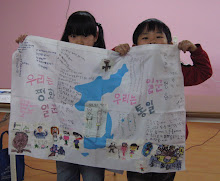
![[URGENT PLEA: In Update] EMERGENCY in GANGJEONG Since AUG. 24, 2011](https://blogger.googleusercontent.com/img/b/R29vZ2xl/AVvXsEiQvpaNf6EePZVucu97_JphYsFS5IgumnSiA4YAmen1PZcim6vMmW7XjZ7J6nLh-Cu36mwBN5n1evrA3ey0vYMpwlAGsgnSFggv6a1w4Qx9BvvqOB0hy0BIcBkL2Exfs3zIxBsBuDGa1kzg/s227/jejusit.jpg)


![[Solidarity from Japan for the Jeju] 253 individuals and 16 groups/organizations](https://blogger.googleusercontent.com/img/b/R29vZ2xl/AVvXsEivji7100kBkr0hzvqYfh4IBBilkZ6XgDIg89jOxS6kTssxsVKC6Wm-fZbKOEsiy3zcO-9gW6GHspD5R_2C9WsGx5S1Z5VPj_OVRF7H6dxdaT0S-2H1eqsDsYvIwOV26VscxTHnKmP5iZmh/s227/jeju_12_10j.jpg)

![[Translation] Korean organizations' statement: Immediately cancel the joint ROK-US drill Nov 26](https://blogger.googleusercontent.com/img/b/R29vZ2xl/AVvXsEgfKDMo-qyEjm5asUtHlREyJY_5Ou-2tyB8SH6aUxiViRbbKR-8W_rirFiGp5DYSoD_KaeNOPMWR0af0ZPUIbJKmR89ImDvADHsGAIqsJVBvJNBEIl5wLd3G_zhPDW3Z2SxsHXadOsXe8st/s227/1.jpg)
![HOT! [Hankyoreh Hani TV] Beneath the Surface: the investigation into the sinking of the Cheonan](https://blogger.googleusercontent.com/img/b/R29vZ2xl/AVvXsEh80rL3Qv9GnfHSqbYMfivdqX5gZN-1O_VQj3A_Gk3yjWdybHwJCsprA3l6cEQB0cYCP2oNeaLo2ohLGIy0Uqqkv_fRkBevGJ2f-qkKD5eP1ZGsKeQ-r-jHUUb79WvucIN7hpEtXza4xXCL/s227/HaniTV+Cheonan.gif)


![[Translation]Statement against illegal inspection and unjust lay-off by the Kunsan USAFK!(Nov_2010)](https://blogger.googleusercontent.com/img/b/R29vZ2xl/AVvXsEg3JlQ-lreusCIJo5Yv2e3ZrRwrSMUE7UQxlrDVjmBehl0Pa24QZIAbZ5vUpgnnExbkKL9PdCwxVYSHWJkr_XK0FM4EhU3CMFhqfborVNu_p4v3bEFpNm3ia-aEHnvMMuEBI27aB7_BETuJ/s227/gunsan+protest.gif)
![[Translation] Korean organizations' statement against dispatching special force to the UAE on Nov.](https://blogger.googleusercontent.com/img/b/R29vZ2xl/AVvXsEiU7TNhTDLLwZkKP0Z78JsCZKp6je-QSFll3_ThmLES_y_nPLXEzeakrsZXoNxhN5blopEhy6xGV2tneJrniPdTR-JvOQMmSLr_HhlucxFvbusxk4oKvvMO2laBOHSIkB9OOeOxrQlqCA0O/s227/antiwarpeace.jpg)
![[Translation] Stop, Joining MD!: South Korean activists' statement and writing on Oct. 25, 2010](https://blogger.googleusercontent.com/img/b/R29vZ2xl/AVvXsEggGIHVei8j7LCJPJB5HIrspd942q436daNTquP-pFd45Cl70Ml_1JFiFDHgKu6FcoqNgFVKIFqjeuSPau2k_BwGHhx0cqFFL2-4ybZSTlmua0_AsERBtKYQa7jZk7uNj41LX6rj2vksHbo/s227/StopMD.jpg)
![[In Update] People First, NO G-20 (Nov. 6 to 12, Korea)](https://blogger.googleusercontent.com/img/b/R29vZ2xl/AVvXsEhZl8VTqeL7o2ndliGIE-sZFCikbTgfB9KCc3AtZvDaYijBBEhdfultMEOpyrCaD5gzpH8mqfWjU20KXMbSUl-5KM7yQeHU6z3BWV8tiOy4UKaCudz9VKWoi5x58xdC_gQpJTjkR5u7O9xf/s227/left21_G20.jpg)
![[International Petition] Stop US helipad plan in Okinawa to save great nature](https://blogger.googleusercontent.com/img/b/R29vZ2xl/AVvXsEihgYmdb0N8ViPvTFC_5i-Psbt4eX_LnAUEOtZkUngv_pGvRyWag1r6W60NicLLyTgWq-sPT1hBxLY5SadEIVv5McfZQ5uIhe-W0VoflQNqojsYZjFW6AH-gB1jsmSDGnGuKIFk2UkvNbFG/s227/yanbaru_w.jpg)
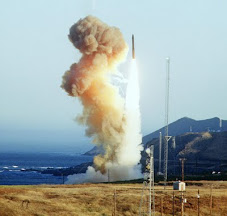
![[Global Network] against the first launch of Quasi-Zenith Satellite, Japan, on Sept. 11, 2010](https://blogger.googleusercontent.com/img/b/R29vZ2xl/AVvXsEj2sYpfodDDMIA7qXwuda0DmKapxXFB479fDnn8RKy7QNZqz0VEvWucNd-DleZ37hWNXC-Z8QtaqtM37VuPwac5SgclJ9_khBBSWOedvm19MRXIP1j1kcWrK6EW5IFjQdEEY2h7E6xuyNvC/s227/Qzss-45-0_09.jpg)
![[In update] Some collections on the Koreans’ protests against the sanction & war on Iran](http://4.bp.blogspot.com/_gnM5QlRx-4c/TJMvke6t8zI/AAAAAAAAFO4/tamQ8LUnOOA/S227/No+Sanction+on+Iran.jpg)
![[Three International Petitions] to End the Korean war and peace treaty(or peace resolution)](https://blogger.googleusercontent.com/img/b/R29vZ2xl/AVvXsEhlohLVYtpCg7iMsZhNYY4hBbhTi2dIheHMHWLDph9X2y78cjgZV1LeSfUJeu80elhJm70Q9E059q72lK-spSPvsRG4bPuCDIytltJB9IH3mWt9OG98HqhnTsPakwhvNeoCFUgF1xoxQ2EZ/s227/border.jpg)


![[Collection of Documents] No Base Learning and Solidarity Program_Korea(June 14 to 20, 2010)](https://blogger.googleusercontent.com/img/b/R29vZ2xl/AVvXsEix_HzjToh3nNGHBc-_5gasq-ykcaZ6GInLixILmZVyRJ5xoeHCxWOyYd9fSM7bmnuFsjSrYOGEPnQOwB1Dcyo-sN4Pw0cFPhUtKig_qlVnGL1Wi82ClvPqbEPWYhJiqdNF0DyzLIBETMB9/s227/No-Base-banner.jpg)
![Site Fwd:[John Hines] A U.S. Debate coach’s research trip on the Issues of Korea](https://blogger.googleusercontent.com/img/b/R29vZ2xl/AVvXsEg8yRra0zNhKHN74Auqhd3Nx9tZ7BWCGflRJHGH4CfzBT_yjhZ8Nl9b3OZuLpYWJ2exsjmR0oVl-Qq_cf832p2VdmOZhUi-lCFzCNeDSyVtweX1lWZPC-RlHmDMLtilHwHjNFTenBiM4Fk4/s227/Jeju-Peace-Tour.jpg)


![[News Update] Struggle Against the Jeju Naval Base since Jan. 18, 2010](https://blogger.googleusercontent.com/img/b/R29vZ2xl/AVvXsEhKfSTRC5QKBBSFIq_m7QIqXdlbL4-gF5GJYn9Q-pN__k7sV7uxGDcLY5L8xmU7QuWuUhBT_GhG-URBPO80RT3AfWfDrWJr06h1hFuZC6ZBVKe4U6PS1Cd7Kr6olO8TYQtk13Drox7IS6ea/s226/scrum1.jpg)


![[Urgent] Please spread the Letter!: There was no Explosion! There was no Torpedo! (May 26, 2010)](https://blogger.googleusercontent.com/img/b/R29vZ2xl/AVvXsEhSd2yWZ3xGwnJQXB73z5FgXCqSosAoB9_33-GLYprOmLqjmvgSAQp1BYI7e4slK1FDxHRi9KK4um-OpDaj8QOkXwAScVAgvvq6-ehbDA-hbkr96wT9oHNNmWnBPv8GU4hoZp9X8F9AZBX4/s227/grounded.jpg)
![Text Fwd: [Stephen Gowans]The sinking of the Cheonan: Another Gulf of Tonkin incident](https://blogger.googleusercontent.com/img/b/R29vZ2xl/AVvXsEi_L6hB3RZ1MovTXHe0A8yn_RfgMALGR0kM6poBuGp809xwvHtB_-PGWtS_WpyPWatyd9lB2pPqL2gOLc4dTCEdJ9sMvxJWEdapl-mMLm7WHAsV-jVpgqarVh8XBtdz_0c-Vohdh3HtJahD/s227/lee-myung-bak.jpg)
![[Japan Focus]Politics in Command: The "International" Investigation into the Sinking of the Cheonan](https://blogger.googleusercontent.com/img/b/R29vZ2xl/AVvXsEiHmTo8v-uCJnabRhMdnBAkC9J3s5bb2JsDKiT5leJHwbK8IDJHxfJmqQ_C0Is_bPC6UGMf05CA0exF2y4r2x9RhFUHT0kjsKviaME_MZXKnq775UyYAdb7w2SAzE75XvBfHp1al2q6i3cf/s227/wen_jiabao_and_lee_myungbak.png)
![[Japan Focus] Who Sank the SK Warship Cheonan? A New Stage in the US-Korean War and US-China](https://blogger.googleusercontent.com/img/b/R29vZ2xl/AVvXsEiKSS5ULT5QBaMGYpXXqBMX9jtwLwMLuK469b6Ku72GTJYKUObzTANaPjZqvvpPzYMJgPF53sjhvhK3DVa88ipYlggsJageykXlkxY6s8TW05xcU-_vfhf-pACUoaWuFbT-fsU1qEhm_yIi/s227/buoy_map.gif)
![[Updated on 12/13/10] [Translation Project] Overseas Proofs on the Damages by the Military Bases](https://blogger.googleusercontent.com/img/b/R29vZ2xl/AVvXsEikADE6JovUNspQyZUWVMTLAQg7yQNqXpVUbqZPk8f4uc_1723_xm1Cco6WAmstQXVPnaJAcb1mZA8Ny_3xONT_f5uh8MNLPnUhtqdGgy3HCtC1Vbbz4Q0ZY1Cssu-4cJEVNdrvznbS5UzO/s227/missile.jpg)
![[International Petition] Close the Bases in Okinawa](https://blogger.googleusercontent.com/img/b/R29vZ2xl/AVvXsEhNpQiHklwFbWVlFK7GDFXnBSOOSFEj3Il-We-N3uTDldKiidL2NGZs7X_LtTnatzTo_r8CexRkFe8NhfxYqmgp1knEEslROTfNjI5_mSb57cdbhPkftvanveYBaevAD9xuKDGoIxiTwoSb/s227/2.jpg)
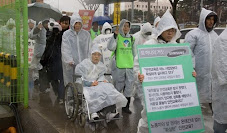
![[In Update]Blog Collection: No Korean Troops in Afghanistan](https://blogger.googleusercontent.com/img/b/R29vZ2xl/AVvXsEjjEmCRXSNAG7_QBxKWbdksmxoWR4nyAovQTTdR1G2AuXh0jxtqNkI9OmYgYWRoLAJShvtBvE840QXuBWSVh3u3zMYqkNAFX6OWy3m5Nur4HM7uNK-pKT1ycyApJp-VLyhIFRRcoisYAh0E/s226/No-Troops-to--Afghanistan.jpg)


