Korea Times
UN Security Council to meet over 'Korea woes'
By Kang Hyun-kyung
12-19-2010
Diplomatic maneuvers shifted into high gear Sunday, as South Korea plans to go ahead with a live-fire artillery drill as early as today despite North Korea’s increased threats of further retaliations.
The U.N. Security Council (UNSC) met Sunday to discuss the standoff, amid concerns fueled by speculation that a war may be unavoidable if the two Koreas engage in another artillery exchange.
Russia, a veto-wielding permanent member, requested the UNSC hold an emergency meeting after North Korea vowed strikes against the South in case the latter goes ahead with the drill in waters near the border island of Yeonpyeong in the West Sea.
The South Korean military said Sunday that there has been no change in the drill plan, stressing it is a monthly routine training the military has done over the years.
Officials of the Joint of Chiefs of Staff (JCS) said that the South would stage the one-day exercise between Saturday and Tuesday, weather permitting.
The UNSC meeting took place days after Russia and China requested South and North Korea to be restrained to prevent the situation from evolving into something uncontrollable.
China and Russia calculate the standoff put their interests at risk, leading them to ratchet up diplomatic efforts with the two Koreas as tensions are showing few signs of easing after the North shelled a South Korean island on Nov. 23.
The deadly attack killed four South Koreans, including two civilians and injured 18. No accurate reports of North Korean casualties caused by South Korea’s counter-attack have been made public.
South Korea postponed the live-fire artillery drill near the western sea border to early this week due to weather conditions.
Pyongyang has beefed up its military forces on the west coast, a government official said.
"The North Korean artillery unit along the Yellow Sea has raised its preparedness level," the official said, adding that several fighter jets that had been held inside air force hangars of the west coast are now on the tarmac.
In a statement issued under the name of an unnamed foreign ministry spokesman Saturday, North Korea renewed its hostile rhetoric to attack the South if it goes ahead with the drill.
The communist state said if the South crosses “the red line” by continuing with the live-fire drill as scheduled, the Korean Peninsula will be faced with a catastrophic security situation and deadly consequences will be unavoidable.
It blamed the United States for “prodding” South Korea to be provocative.
The spokesman warned that the North never issued empty statements.
The statement came a day after North Korea warned of “self-defense strikes” against the South, which it described will be deadlier than its November attack.
North Korea stepped up the hostile rhetoric on the same day when top diplomats from Russia and China had a phone conversation over the escalating tensions between the two Koreas.
During the conversation, Chinese Foreign Minister Yang Jiechi and his Russian counterpart Sergei Lavrov expressed worries over the situation in the region.
The two sides expressed their willingness to keep close communications and coordination with each other to prevent things from getting worse, China’s Xinhua News Agency reported.
Before the phone conversation, Russia expressed its concern over the North’s pledge of more attacks on the South if the latter goes ahead with the drill to Kim Yong-jae, North Korean ambassador to Russia.
China requested that South Korea cancel the exercise.
hkang@koreatimes.co.kr
Showing posts with label U.N. Security Council. Show all posts
Showing posts with label U.N. Security Council. Show all posts
Monday, December 20, 2010

Sunday, September 19, 2010
Text Fwd: Fidel Castro Ruz: The Strategic Counteroffensive
Global Research
The Strategic Counteroffensive
By Fidel Castro Ruz
September 16, 2010
Cuba Debate - 2010-09-10
We Are Living Through an Exceptional Moment in Human History.
The deadlines established by the United Nations Security Council for Iran to yield to the demands imposed by the United States regarding nuclear research and uranium enrichment for medical purposes and to generate electricity will be expiring in these days.
This is the only nuclear use that has been documented in Iran.
The fear that Iran is looking forward to producing nuclear weapons is only based on an assumption.
With regard to this delicate issue, the United States and its western allies, among them two of the five nuclear powers with veto power -France and the United Kingdom- supported by the richest and most developed capitalist powers of the world, have promoted an increasing number of sanctions against Iran, a rich, oil-producing Muslim country. Today, the measures adopted include the inspection of Iran’s merchant vessels and severe economic sanctions aimed at suffocating its economy.
I have been following very closely the grave dangers that may result from that situation, because if a war breaks out in that region, it could very quickly go nuclear, and this will have lethal consequences for the rest of the planet.
In referring to such danger I was not looking for publicity or sensationalism. I just wanted to warn the world public opinion hoping that, being advised of such grave danger it could contribute to avoid it.
At least we have managed to draw attention to a problem that was hardly mentioned by the big world media.
This has made me use part of the time scheduled for the launching of this book, on which we worked diligently. I did not want this to coincide with the dates of September 7 and 9. September 7 marks the end of the 90 days term established by the Security Council to know whether Iran complied or not with the requirement of authorizing the inspection of its merchant vessels. September 9 marks the expiration of the three months term fixed by the Resolution adopted on June 9. Quite possibly the establishment of this last term was what the Security Council intended to do originally.
So far we have only had the weird statement made by the Director General of the IAEA (International Atomic Energy Agency), the Japanese Yukiya Amano, a man who serves the interests of the Yankees. He added all the fuel to the flames and then, like Pontius Pilate, he washed his hands of the issue.
A spokesperson from the Foreign Ministry of Iran commented his statements with a well earned contempt. According to a news report published by EFE, Amano’s assertion that “‘our friends should not worry, because we don’t believe our region is in the position to engage in new military adventures’ and that ‘Iran was fully prepared to respond to any military invasion’ was an obvious reference to the Cuban leader Fidel Castro, ‘who warned about a possible Israeli nuclear attack against Iran with the support of the United States’”.
News on this topic are pouring and get mixed with others of remarkable repercussion.
READ MORE
The Strategic Counteroffensive
By Fidel Castro Ruz
September 16, 2010
Cuba Debate - 2010-09-10
We Are Living Through an Exceptional Moment in Human History.
The deadlines established by the United Nations Security Council for Iran to yield to the demands imposed by the United States regarding nuclear research and uranium enrichment for medical purposes and to generate electricity will be expiring in these days.
This is the only nuclear use that has been documented in Iran.
The fear that Iran is looking forward to producing nuclear weapons is only based on an assumption.
With regard to this delicate issue, the United States and its western allies, among them two of the five nuclear powers with veto power -France and the United Kingdom- supported by the richest and most developed capitalist powers of the world, have promoted an increasing number of sanctions against Iran, a rich, oil-producing Muslim country. Today, the measures adopted include the inspection of Iran’s merchant vessels and severe economic sanctions aimed at suffocating its economy.
I have been following very closely the grave dangers that may result from that situation, because if a war breaks out in that region, it could very quickly go nuclear, and this will have lethal consequences for the rest of the planet.
In referring to such danger I was not looking for publicity or sensationalism. I just wanted to warn the world public opinion hoping that, being advised of such grave danger it could contribute to avoid it.
At least we have managed to draw attention to a problem that was hardly mentioned by the big world media.
This has made me use part of the time scheduled for the launching of this book, on which we worked diligently. I did not want this to coincide with the dates of September 7 and 9. September 7 marks the end of the 90 days term established by the Security Council to know whether Iran complied or not with the requirement of authorizing the inspection of its merchant vessels. September 9 marks the expiration of the three months term fixed by the Resolution adopted on June 9. Quite possibly the establishment of this last term was what the Security Council intended to do originally.
So far we have only had the weird statement made by the Director General of the IAEA (International Atomic Energy Agency), the Japanese Yukiya Amano, a man who serves the interests of the Yankees. He added all the fuel to the flames and then, like Pontius Pilate, he washed his hands of the issue.
A spokesperson from the Foreign Ministry of Iran commented his statements with a well earned contempt. According to a news report published by EFE, Amano’s assertion that “‘our friends should not worry, because we don’t believe our region is in the position to engage in new military adventures’ and that ‘Iran was fully prepared to respond to any military invasion’ was an obvious reference to the Cuban leader Fidel Castro, ‘who warned about a possible Israeli nuclear attack against Iran with the support of the United States’”.
News on this topic are pouring and get mixed with others of remarkable repercussion.
READ MORE
Monday, July 19, 2010
Text Fwd: PSPD’s Stance on the Presidential Statement of the UNSC regarding the Sinking of the Cheonan
* Text Sent from Kim Hee-Soon, PSPD on July 15, 2010
--
김희순 참여연대 평화군축센터 간사
T.02-723-4250 HP.010-3274-7755
110-043 서울시 종로구 통인동 132 참여연대 4층
www.peoplepower21.org
________________________________________
PSPD’s Stance on the Presidential Statement of the UNSC regarding the Sinking of the ROK Naval Vessel Cheonan
July 15, 2010
People's Solidarity for Participatory Democracy (PSPD) in the ROK extends its appreciation to the UN Security Council for its Presidential Statement on the Naval Vessel Cheonan released on 9 July. Deeply concerned with the incident, PSPD sent the letter and the report, ‘The PSPD's Stance on the Naval Vessel Cheonan Sinking' to the UN Security Council Member States on 10 June.
It is fully shared and appreciated by the people in Korea that UN Security Council extends “its deep sympathy and condolences to the victims and their families and to the people and Government of the ROK.”
PSPD also welcomes the Presidential Statement of the UN Security Council “stressing the importance of maintaining peace and stability on the Korean peninsula and in north-east Asia as a whole” and “encouraging the settlement of outstanding issues on the Korean peninsula by peaceful means to resume direct dialogue and negotiation through appropriate channels as early as possible, with a view to avoiding conflicts and averting escalation.” PSPD would like to note that this is consistent with its earlier call for the UN Security Council in its letter of 10 June.
In addition, PSPD takes note that the Presidential Statement referred both the findings of the investigation led by the ROK and the counterarguments from other relevant parties. This is in accord with the PSPD’s request in the same letter to the UN Security Council; “we hope that UN Security Council makes a fair and reasonable decision considering all the grounds.” It will contribute to the realization of “the settlement of outstanding issues on the Korean peninsula by peaceful means” and “appropriate and peaceful measures to be taken against those responsible for the incident aimed at the peaceful settlement of the issue.” The reference of the responses from the DPRK and other parties, in parallel with the findings of the ROK supports the position of NGOs and scientists calling for an additional investigation and verification on the Cheonan incident.
Reminded by such clauses in the UN Security Council Presidential Statement, PSPD reiterates its call for transparent disclosure of all relevant information regarding the Cheonan incident and an additional investigation and verification by the National Assembly of the ROK or with participation of relevant state parties. PSPD will keep sharing new factual findings as they arise with UN Security Council Member States.
Thank you.
--
김희순 참여연대 평화군축센터 간사
T.02-723-4250 HP.010-3274-7755
110-043 서울시 종로구 통인동 132 참여연대 4층
www.peoplepower21.org
PSPD People's Solidarity for Participatory Democracy
132 Tongin-dong Jongno-gu Seoul ROK 110-043
tel +82 2 723 5300
fax +82 2 6919 2004
email peace@pspd.org
Sunday, July 11, 2010
Text Fwd: [SPARK] Statement on the UN Security Council Presidential Statement on Cheonan Ship
* Original Korean site: Solidarity for Peace And Reunification of Korea
* The arbitrary translation of the below statement comes later.
천안함 침몰사건 관련 유엔 안보리 의장성명에 대한 평통사 논평
유엔 안보리 의장성명은 진실 규명을 외면한 정치적 담합의 산물이다!
유엔 안전보장이사회(안보리)가 9일, 천안함 사건 관련 의장성명을 채택했다. 의장성명은 천안함이 공격(attack)받았다는 점을 적시하면서 이 같은 행위를 규탄(condemn)하고, 이번 사건 책임자(those responsibility for the incident)에 대해 적절하고 평화적인 조치를 취할 것을 촉구하고 있다.
그러나 의장성명은 공격의 주체로 북을 적시하지 않았다. 이명박 정부는 미`일 당국과 함께 천안함 사건에 대한 북한의 책임을 명시하기 위해 총력을 다했다. 그럼에도 불구하고 미국 주도의 안보리가 천안함 공격의 주체를 적시하지 않은 것은 북이 천안함을 침몰시켰다는 이명박 정부의 주장을 국제사회가 수용하지 않았다는 뜻이다. 이는 유엔 안보리 제재를 근거로 대북 고립 압살을 노린 이명박 정부의 기도가 파탄났음을 의미한다.
반면, 의장성명은 남북 양측의 입장을 소개하면서 “결론적으로 안보리는 천안함 침몰을 초래한 공격을 규탄한다”고 함으로써 공격의 주체가 북한이라고 주장할 수 있는 가능성을 열어놓았다. 안보리는 이스라엘의 팔레스타인 국제구조선 공격에 대해서도 미국의 반대로 이스라엘을 적시하지 않는 규탄 성명을 채택한 전례가 있다.
평통사는 지난 6월 14일 안보리의 천안함 침몰사건 관련 브리핑에 앞서 이사국들에게 전달한 서한에서, “사건의 원인에 대해 관련 당사자들이 서로 다른 견해를 보이고 있기 때문에 먼저 사건의 원인을 과학적이고 객관적으로 밝히는 것이 당연한 순서”라고 지적했다.
하지만 미국을 중심으로 한 안보리는 천안함 사건에 대한 과학적이고 엄밀한 조사를 거치지 않은 채 강대국 사이의 정치적 담합을 통해 북을 비난하는 것으로 해석될 수 있는 의장성명을 채택했다. 이로써 안보리는 진실에 입각한 평화를 추구하는 집단이 아니라 강대국의 패권 각축장일 뿐이라는 사실을 만천하에 드러냄으로써 스스로 권위와 신뢰를 실추시켰다.
우리는 천안함이 북한의 어뢰공격으로 침몰했다는 이명박 정부의 발표가 근본적인 불신의 대상이 되고 있는 상황에서 미국 주도의 안보리가 천안함의 진실을 밝히는 데는 관심을 돌리지 않은 채 강대국의 패권 논리에 따른 애매모호한 의장성명을 채택한 것을 매우 유감스럽게 생각한다.
무모한 안보리 제소로 외교적 부담을 자초한 이명박 정부를 강력히 규탄한다!
이명박 정부는 대북 강경몰이의 핵심적 외교수단으로 안보리 제재 결의를 추진했다. 그러나 이명박 정부가 총력전을 펼쳤음에도 불구하고 애초 천안함 사건을 안보리에 회부하며 설정한 목표인 ▲북한의 공격에 의한 천안함 침몰, ▲북한에 대한 규탄, ▲책임자 처벌, ▲북한의 사과 등은 단 하나도 제대로 관철하지 못했다. 또한 사리 분별없는 안보리 제재 결의 추진으로 중국`러시아와의 관계를 악화시키고 미국`일본 등에 대해서는 외교적 빚을 지게 됐다. 이런 점에서 천안함 사건 안보리 제소는 북과의 외교적 소모전에 따른 민족적 위신 훼손, 외교력 낭비, 외교적 자산 손상 등을 초래했다.
이런 결과는 천안함이 북의 어뢰 공격으로 침몰했다는 객관적이고 과학적인 증거를 제시하지도 못하면서 무리하게 유엔 안보리 제재를 추진할 때부터 예견되었던 것이다.
우리는 무모한 안보리 제재 결의 추진으로 국제적 망신과 외교력 훼손을 자초한 이명박 정부를 강력히 규탄한다. 우리는 이에 대해 이명박 대통령이 사과하고 유명환 외교통상부 장관 등 관련 책임자를 엄중 문책할 것을 촉구한다.
천안함 사건을 동북아 패권 강화의 계기로 악용하는 미국을 엄중히 규탄한다!
이 땅에 60여 년간 공짜로 미군을 주둔시키면서 한국군에 대한 작전통제권을 장악하고 있는 미국은 천안함 사건 관련 자료를 가지고 있을 뿐만 아니라, 사고 당시에 한미연합전쟁연습을 지휘하고 있었다는 점에서 천안함 사건에 관련되어 있다.
하지만 미국은 관련 자료를 공개하지도, 자신의 책임을 밝히지도 않은 채 안보리 의장성명, 서해 한미연합훈련 등으로 남북 간 대결과 동북아의 진영 간 대결에 가담하고 이를 부추기고 있다. 이는 천안함 사건을 계기로 한반도와 동북아에서 패권을 유지 강화하려는 그들의 속셈에 따른 것이다.
우리는 미국의 이런 패권적 태도를 강력히 규탄하면서 관련 자료를 모두 공개하고 자신의 책임을 밝힐 것을 촉구한다. 아울러 서해상에서 강행하려는 한미연합연습을 즉각 중단해야 한다.
이명박 정부는 대북 강경책 그만두고 관련 당사국들과 함께 대화와 협상을 통한 한반도 평화협정 체결에 적극 나서라!
의장성명은 “직접 대화와 협상을 가급적 조속히 재개하기 위해 평화적 수단으로 한반도의 현안들을 해결할 것을 권장”하고 있다.
의장성명이 나온 직후 북 외무성 대변인은 "우리는 평등한 6자회담을 통해 평화협정 체결과 비핵화를 실현하기 위한 노력을 일관하게 기울여 나갈 것"이라고 밝혔다. 중국과 미국도 6자회담의 조속한 재개를 강조하고 있다. 유독 이명박 정부만 여전히 천안함 사건에 대한 북한의 사과 등을 요구하며 대북 강경책을 거두지 않고 있다. 이명박 정부가 대북 압살 책동을 지속한다면 동북아에서 외교적 고립을 피하기 어려울 것이다.
이에 우리는 이명박 정부를 비롯한 관련 당사국들이 양자 및 다자 간 대화를 조속히 재개하여 한반도 비핵화와 평화협정 협상에 돌입할 강력히 촉구한다. 이것이야말로 천안함 사건과 같은 불행한 사태를 근원적으로 방지하는 가장 확실한 방법임을 관련 당사국들은 명심해야 할 것이다.
2010. 7. 10.
평화와통일을여는사람들
Text Fwd: [Korea Report] The Cheonan Controversy Continues
* Korea Report
July 10, 2010
The Cheonan Controversy Continues
.jpg) Follow-up to: http://nobasestorieskorea.blogspot.com/2010/06/text-fwd-scholars-call-for-end-to-pspd.htmlQuestions Raised on the Cheonan Incident Report
Follow-up to: http://nobasestorieskorea.blogspot.com/2010/06/text-fwd-scholars-call-for-end-to-pspd.htmlQuestions Raised on the Cheonan Incident Report
The Cheonan incident was discussed at the UN and resulted in a UN Security Council presidential statement that included both South and North Korea's positions on the incident and "calls for full adherence to the Korean Armistice Agreement and encourages the settlement of outstanding issues on the Korean peninsula by peaceful means to resume direct dialogue and negotiation through appropriate channels as early as possible, with a view to avoiding conflicts and averting escalation."
Prior to this, on June 10, the People's Solidarity for Participatory Democracy (PSPD), a major South Korean NGO, sent an open letter to the UN Security Council in which it raised questions concerning the contents of the official investigation report. This action, considered normal by UN-registered NGOs, raised ire in the South Korean foreign ministry and amongst ultra-conservatives in South Korea, who demonstrated in front of the PSPD office for several days -- even making threats to PSPD staff.
Scientists have been raising questions as well. Seung-Hun Lee, a Korean-born physicist at the University of Virginia and Jae-Jung Suh, a political scientist at Johns Hopkins University in Washington, DC (who also has a degree in physics) are questioning scientific validity of evidences set forth by the official investigative team and calls for further independent investigation. [The photo above shows a press conference by Lee and Suh on July 9 at the Foreign Correspondents Club in Tokyo.]
___________________________________________________________
* Related blog
http://nobasestorieskorea.blogspot.com/2010/07/text-fwd-un-condemns-attack-on-cheonan.html
Saturday, July 10, 2010
Text Fwd: UN condemns attack on Cheonan
http://nobasestorieskorea.blogspot.com/2010/07/text-fwd-japan-focus-rush-to-judgment.html
Saturday, July 10, 2010
Text Fwd: [Japan Focus] Rush to Judgment: Inconsistencies in South Korea’s Cheonan Report
http://nobasestorieskorea.blogspot.com/2010/06/text-fwd-scholars-call-for-end-to-pspd.html
Tuesday, June 22, 2010
Text Fwd: Scholars call for end to PSPD witch-hunt
July 10, 2010
The Cheonan Controversy Continues
.jpg) Follow-up to: http://nobasestorieskorea.blogspot.com/2010/06/text-fwd-scholars-call-for-end-to-pspd.htmlQuestions Raised on the Cheonan Incident Report
Follow-up to: http://nobasestorieskorea.blogspot.com/2010/06/text-fwd-scholars-call-for-end-to-pspd.htmlQuestions Raised on the Cheonan Incident Report The Cheonan incident was discussed at the UN and resulted in a UN Security Council presidential statement that included both South and North Korea's positions on the incident and "calls for full adherence to the Korean Armistice Agreement and encourages the settlement of outstanding issues on the Korean peninsula by peaceful means to resume direct dialogue and negotiation through appropriate channels as early as possible, with a view to avoiding conflicts and averting escalation."
Prior to this, on June 10, the People's Solidarity for Participatory Democracy (PSPD), a major South Korean NGO, sent an open letter to the UN Security Council in which it raised questions concerning the contents of the official investigation report. This action, considered normal by UN-registered NGOs, raised ire in the South Korean foreign ministry and amongst ultra-conservatives in South Korea, who demonstrated in front of the PSPD office for several days -- even making threats to PSPD staff.
Scientists have been raising questions as well. Seung-Hun Lee, a Korean-born physicist at the University of Virginia and Jae-Jung Suh, a political scientist at Johns Hopkins University in Washington, DC (who also has a degree in physics) are questioning scientific validity of evidences set forth by the official investigative team and calls for further independent investigation. [The photo above shows a press conference by Lee and Suh on July 9 at the Foreign Correspondents Club in Tokyo.]
___________________________________________________________
* Related blog
http://nobasestorieskorea.blogspot.com/2010/07/text-fwd-un-condemns-attack-on-cheonan.html
Saturday, July 10, 2010
Text Fwd: UN condemns attack on Cheonan
http://nobasestorieskorea.blogspot.com/2010/07/text-fwd-japan-focus-rush-to-judgment.html
Saturday, July 10, 2010
Text Fwd: [Japan Focus] Rush to Judgment: Inconsistencies in South Korea’s Cheonan Report
http://nobasestorieskorea.blogspot.com/2010/06/text-fwd-scholars-call-for-end-to-pspd.html
Tuesday, June 22, 2010
Text Fwd: Scholars call for end to PSPD witch-hunt
Saturday, July 10, 2010
Text Fwd: UN condemns attack on Cheonan
 * Image source: same as the below link
'Delegates attend the conference of the U.N. Security Council at the U.N. headquarters in New York City, July 9, 2010. The U.N. Security Council on Friday adopted a presidential statement on the sinking of the South Korean patrol combat corvette Cheonan in March. (Xinhua photo)'
Hankyoreh
UN condemns attack on Cheonan
: The Presidential Statement allows for a “double interpretation,” and does not blame or place consequences upon N.Korea
July 10, 2010
The President’s Statement adopted and circulated Friday (local time) by the United Nations Security Council on the Cheonan sinking was the product of an ongoing diplomatic compromise. It opened up the possibility for a “double interpretation,” allowing South Korea, the U.S., and Japan, which claim the sinking resulted from a “North Korean torpedo attack,” and North Korea, China, and Russia, which reject that explanation, to interpret it in whatever way they like. In summary, the statement ruled that the sinking resulted from an “attack,” but did not specify who carried out that attack. So the international community’s discussion on the sinking comes to an end with the adoption of this statement, but with no point of contact found between the two positions, it has become impossible to conclude the debate once and for all. “Competing interpretations” appear to be inevitable in the days ahead as well. This is why it is difficult to make any clear predictions on how the political situation on the Korean Peninsula will unfold, including whether the six-party talks will resume sooner rather than later.
An official with South Korea’s Ministry of Foreign Affairs and Trade said Friday that the statement “included all the intended key elements” and that it was a “satisfactory outcome.” They have claimed a “diplomatic success” for four reasons. First, Paragraphs 2-7 of the statement twice emphasizes that the sinking of the Cheonan was caused by an “attack,” and “deplores” and “condemns” this. Second, Item 5 expresses “deep concern” in view of the findings of the joint civilian-military investigation team stating that responsibility for the Cheonan’s sinking lies with North Korea. Third, Paragraph 8 emphasized the importance of preventing such attacks and acts of hostility. Fourth, paragraph 4 urges appropriate and peaceful measures against those responsible for the incident.
However, other interpretations differing from that of the South Korean government are also possible. A case in point is Paragraph 9, which states that the UNSC takes into account North Korea’s response that it had nothing to do with the incident, as well as the response from other concerned countries. In essence, the claims of North Korea and South were presented side by side, albeit with differences in the amount of space allotted to them, which actually leaves North Korea with the margin to use this as an “acquittal.” This is why observers are calling the statement, as Inje University professor Kim Yeon-chul put it, “a failure of South Korean diplomatic efforts that had the goal of ‘coaxing out a unified response from the international community’ by referring the matter to the UNSC.”
As a result, it has also become unclear whether the conclusion of UNSC discussions will lead to an early resolution of the Cheonan situation and a resumption of the six-party talks. The possibility exists that the controversy over the cause of the sinking will reignite among the concerned countries, including North Korea and South Korea.
However, attention must also be paid to the fact that the President’s Statement did not provide any basis for additional measures against North Korea. Indeed, even though the statement urged “appropriate and peaceful measures” against those responsible, it did not specify who should carry out such measures. In Paragraph 10, it also encouraged “the settlement of outstanding issues on the Korean peninsula by peaceful means” in order to resume direct dialogue and discussions through appropriate channels as soon as possible, which in some sense could be seen as a curb on additional hard-line measures against North Korea from South Korea, the U.S., or Japan. This gives some indication of traces of “Chinese diplomacy,” as well as strategic adjustments by the U.S. and China to prevent the political situation on the Korean Peninsula from deteriorating further.
Analysts are predicting that the future course of the political situation on the Peninsula will become clearer with the South Korea-U.S. “2 plus 2” summit between foreign and defense ministers in Seoul on July 21 and the ASEAN Regional Forum to take place in the Vietnamese capital of Hanoi on July 21 to 23. The general view among experts is that the keys to whether the situation will stabilize in the near future and dialogue will begin again are the strategic coordination by the U.S. and China and the question of whether North Korea and South Korea refrain from additional aggression.
Please direct questions or comments to [englishhani@hani.co.kr]
_____________________________________________________
* Related articles
07-09-2010
UNSC condemns attack on South Korean warship
Korea Times
'N. Korea considers exit strategy from Cheonan'
07-10-2010
Yonhap News
U.N. condemns attack of S. Korean warship without naming N. Korea
2010/07/10
 U.S. dismisses N. Korea's diplomatic victory claim over U.N. ship sinking statement China urges resumption of nuclear talks after U.N. condemns attack on S. Korean warship Chronology of events related to sinking of S. Korean warship UNSC statement-text
Friday, July 9, 2010
Text Fwd: China Urges South Korea To Refrain From War Games With U.S.
* Text sent from Rick Rozoff on July 9, 2010
Chosun Ilbo
 'A Chinese Navy ship fires a missile during a live fire exercise in the East China Sea early this month. /Xinhua-Yonhap'
 'The U.S. nuclear-powered submarine Michigan is docked at Busan Naval Operations Base late last month. /Courtesy of the website of the U.S. Navy' ===========================
Stop NATO
Blog site:
Chosun Ilbo
July 8, 2010
Beijing Urges Seoul to Refrain from West Sea Drill
* Chosun Ilbo is one of the most conservative media in South Korea.
__________________________________________________________
* Chosun Ilbo is one of the most conservative media in South Korea.
__________________________________________________________
-[T]he scale and the timing of the exercise could be adjusted if China makes some concessions. A senior presidential official hinted at a link between UNSC sanctions against the North and the joint South Korea-U.S. exercise....
-A flotilla of the Seventh U.S. Fleet, including the 97,000-ton aircraft carrier USS George Washington, a nuclear-powered submarine and an Aegis destroyer, and the South Korean Navy's destroyers and submarines were to participate in the joint exercise.
_______________________________________________________________
China has asked the South Korean government through a diplomatic channel to refrain from a join exercise with the U.S. in the West Sea [Yellow Sea] this month. The anti-submarine drill is planned as a response to North Korea's torpedo attack on the Navy corvette Cheonan.
A government official said the country will not consider canceling or changing the joint exercise plan. "A military exercise in our territorial waters is a matter of our own sovereignty," he said. A diplomatic source said Beijing asked Seoul to refrain from the exercise for fear that it "might destabilize the Korean Peninsula."
The state-controlled Chinese media have been slamming the planned exercise. The Global Times, a sister newspaper of the official People's Daily, in an unusually harshly worded front-page story on Wednesday said Seoul has "delusions" of putting pressure on Beijing through the exercise.
"The U.S. and South Korea are using the UN as an excuse to pressure China over its stance on the sinking," the daily quoted a Chinese academic as saying. In an editorial Tuesday, the same paper said the drill is a clear challenge to China's security. "Considering the growing economic, diplomatic, political and cultural ties the U.S. has with China, the price the U.S. has to pay for its irresponsible decision will be higher than it can envision now. If the U.S. does not pay for this 'adventure' now, it will pay in the future," it added.
A government official said the country will not consider canceling or changing the joint exercise plan. "A military exercise in our territorial waters is a matter of our own sovereignty," he said. A diplomatic source said Beijing asked Seoul to refrain from the exercise for fear that it "might destabilize the Korean Peninsula."
The state-controlled Chinese media have been slamming the planned exercise. The Global Times, a sister newspaper of the official People's Daily, in an unusually harshly worded front-page story on Wednesday said Seoul has "delusions" of putting pressure on Beijing through the exercise.
"The U.S. and South Korea are using the UN as an excuse to pressure China over its stance on the sinking," the daily quoted a Chinese academic as saying. In an editorial Tuesday, the same paper said the drill is a clear challenge to China's security. "Considering the growing economic, diplomatic, political and cultural ties the U.S. has with China, the price the U.S. has to pay for its irresponsible decision will be higher than it can envision now. If the U.S. does not pay for this 'adventure' now, it will pay in the future," it added.
'A Chinese Navy ship fires a missile during a live fire exercise in the East China Sea early this month. /Xinhua-Yonhap'A South Korean government official said, "Just as China staged a live fire exercise in the East China Sea on June 30, the two allies Korea and the U.S. are staging a drill in our territorial waters. It's a matter of sovereignty that nobody can interfere with. We can't cancel the plan just because China is protesting."
But some officials say the plan may be slightly adjusted depending on what position China takes when the UNSC makes a decision over the Cheonan sinking. China is against any attempts at the UNSC to put the blame on North Korea or describe the sinking as an "attack" in any official statement. If the UNSC fails to come up with a chairman's statement strongly condemning the North, South Korea and the U.S. will consider taking separate action against the North, including financial sanctions. But the scale and the timing of the exercise could be adjusted if China makes some concessions.
A senior presidential official hinted at a link between UNSC sanctions against the North and the joint South Korea-U.S. exercise, although he said that the joint exercise is not to be traded for such sanctions. "We're trying not to irritate China through the exercise," he said.
The drill was originally scheduled for late June and early July. After an inquiry found in late May that the Cheonan had been attacked by the North, the two countries intended to stage a show of force against the North.
A flotilla of the Seventh U.S. Fleet, including the 97,000-ton aircraft carrier USS George Washington, a nuclear-powered submarine and an Aegis destroyer, and the South Korean Navy's destroyers and submarines were to participate in the joint exercise. But the plan was delayed due to Chinese protests and the UNSC's failure to come up with a strong response to the sinking.
But some officials say the plan may be slightly adjusted depending on what position China takes when the UNSC makes a decision over the Cheonan sinking. China is against any attempts at the UNSC to put the blame on North Korea or describe the sinking as an "attack" in any official statement. If the UNSC fails to come up with a chairman's statement strongly condemning the North, South Korea and the U.S. will consider taking separate action against the North, including financial sanctions. But the scale and the timing of the exercise could be adjusted if China makes some concessions.
A senior presidential official hinted at a link between UNSC sanctions against the North and the joint South Korea-U.S. exercise, although he said that the joint exercise is not to be traded for such sanctions. "We're trying not to irritate China through the exercise," he said.
The drill was originally scheduled for late June and early July. After an inquiry found in late May that the Cheonan had been attacked by the North, the two countries intended to stage a show of force against the North.
A flotilla of the Seventh U.S. Fleet, including the 97,000-ton aircraft carrier USS George Washington, a nuclear-powered submarine and an Aegis destroyer, and the South Korean Navy's destroyers and submarines were to participate in the joint exercise. But the plan was delayed due to Chinese protests and the UNSC's failure to come up with a strong response to the sinking.
'The U.S. nuclear-powered submarine Michigan is docked at Busan Naval Operations Base late last month. /Courtesy of the website of the U.S. Navy' Stop NATO
Blog site:
Sunday, June 6, 2010
Text Fwd: ROK-US joint naval exercise postponed
Korea Times
ROK-US joint naval exercise postponed
June 4, 2010
Some excerpts:
'A planned naval exercise between the U.S. and South Korea in the West Sea next week will be delayed, a spokesman for Seoul's Ministry of National Defense said Friday, apparently fearful of the growing tension on the Korean Peninsula.'
'South Korea and the United States are seeking support from the international community before taking the March 26 ship sinking incident to the U.N. Security Council (UNSC) for tougher sanctions against the North. But China, a veto-wielding member of the UNSC, has been reluctant to blame Pyongyang, its Cold War ally, for the attack'
'The government said a U.S. nuclear-powered aircraft carrier and advanced U.S. warships will participate in the drill.'
'U.S. Defense Secretary Robert Gates denied any involvement of a U.S. aircraft carrier in a drill around the Korean Peninsula. Gates is in Singapore to attend an annual Asian security summit, where South Korean Defense Minister Kim Tae-young and scores of defense ministers, policymakers and military experts from 28 countries are attending.'
'However, Gates said Washington and Seoul are still consulting scenarios, including stepped-up anti-submarine exercises to deter a North Korean attack, apparently referring to the North's alleged torpedo attack on South Korea's Cheonan frigate in March. Forty-six sailors were killed in the ship sinking.'
ROK-US joint naval exercise postponed
June 4, 2010
Some excerpts:
'A planned naval exercise between the U.S. and South Korea in the West Sea next week will be delayed, a spokesman for Seoul's Ministry of National Defense said Friday, apparently fearful of the growing tension on the Korean Peninsula.'
'South Korea and the United States are seeking support from the international community before taking the March 26 ship sinking incident to the U.N. Security Council (UNSC) for tougher sanctions against the North. But China, a veto-wielding member of the UNSC, has been reluctant to blame Pyongyang, its Cold War ally, for the attack'
'The government said a U.S. nuclear-powered aircraft carrier and advanced U.S. warships will participate in the drill.'
'U.S. Defense Secretary Robert Gates denied any involvement of a U.S. aircraft carrier in a drill around the Korean Peninsula. Gates is in Singapore to attend an annual Asian security summit, where South Korean Defense Minister Kim Tae-young and scores of defense ministers, policymakers and military experts from 28 countries are attending.'
'However, Gates said Washington and Seoul are still consulting scenarios, including stepped-up anti-submarine exercises to deter a North Korean attack, apparently referring to the North's alleged torpedo attack on South Korea's Cheonan frigate in March. Forty-six sailors were killed in the ship sinking.'
Tuesday, May 18, 2010
Text Fwd: 'Seoul to send letter to UNSC over Cheonan'
Korea Times
'Seoul to send letter to UNSC over Cheonan'
By Jung Sung-ki, Staff reporter
05-17-2010 18:49
South Korea plans to send a letter to the president of the U.N. Security Council (UNSC) soon regarding the sinking of the South Korean frigate Cheonan near the sea border with North Korea on March 26, a report said Monday.
This will be the initial step in referring the naval incident to the UNSC, Yonhap News Agency said, adding the government believes North Korea was behind the sinking that claimed the lives of 46 sailors.
The letter will be sent after an announcement ― due around Thursday ― of the results of an investigation into the cause of the tragedy, according to the report.
Kim Young-sun, a spokesman for the Ministry of Foreign Affairs and Trade, declined to confirm the move, saying detailed countermeasures would be made public after the final announcement.
Kim said the government plans to brief the results to related countries beforehand.
"We plan to explain the results of the investigation to related countries before a final announcement, but consultations are under way over which nations it will be and when the briefings will be made," Kim told reporters.
Separately, Vice Defense Minister Chang Soo-man invited ambassadors of the United States, Britain, Australia and Sweden to the ministry and thanked them for their cooperation in the Cheonan investigation, a ministry spokesman said.
Experts from the four countries have been participating in the multinational team looking into the disaster.
The ministry will also invite military attaches of foreign embassies here to brief them on the outcome, the spokesman said.
Diplomatic sources said the government will outline a set of measures to respond to North Korea after the May 20 announcement.
The measures will include referring the case to the UNSC, strengthening the ROK-U.S. combined defense readiness, a review of inter-Korean economic projects, reviving radio propaganda near the border and including the North on a blacklist of countries on which international financial sanctions are imposed, the sources said.
Chinese Ambassador to South Korea Zhang Xinsheng called for "verifiable and irreversible evidence" regarding the investigation of the incident, according to Rep. Choi Moon-soon of the main opposition Democratic Party (DP).
During a meeting with DP Chairman Chung Sye-kyun, Zhang was quoted as saying that there were still many outstanding issues that investigators needed to look closely at regarding the cause of the maritime disaster.
No concrete evidence has been found so far, Zhang said.
China's stance could play a pivotal role in resolving the Cheonan row, given it is North Korea's closet ally and is one of the five veto-wielding permanent members of the UNSC.
'Seoul to send letter to UNSC over Cheonan'
By Jung Sung-ki, Staff reporter
05-17-2010 18:49
South Korea plans to send a letter to the president of the U.N. Security Council (UNSC) soon regarding the sinking of the South Korean frigate Cheonan near the sea border with North Korea on March 26, a report said Monday.
This will be the initial step in referring the naval incident to the UNSC, Yonhap News Agency said, adding the government believes North Korea was behind the sinking that claimed the lives of 46 sailors.
The letter will be sent after an announcement ― due around Thursday ― of the results of an investigation into the cause of the tragedy, according to the report.
Kim Young-sun, a spokesman for the Ministry of Foreign Affairs and Trade, declined to confirm the move, saying detailed countermeasures would be made public after the final announcement.
Kim said the government plans to brief the results to related countries beforehand.
"We plan to explain the results of the investigation to related countries before a final announcement, but consultations are under way over which nations it will be and when the briefings will be made," Kim told reporters.
Separately, Vice Defense Minister Chang Soo-man invited ambassadors of the United States, Britain, Australia and Sweden to the ministry and thanked them for their cooperation in the Cheonan investigation, a ministry spokesman said.
Experts from the four countries have been participating in the multinational team looking into the disaster.
The ministry will also invite military attaches of foreign embassies here to brief them on the outcome, the spokesman said.
Diplomatic sources said the government will outline a set of measures to respond to North Korea after the May 20 announcement.
The measures will include referring the case to the UNSC, strengthening the ROK-U.S. combined defense readiness, a review of inter-Korean economic projects, reviving radio propaganda near the border and including the North on a blacklist of countries on which international financial sanctions are imposed, the sources said.
Chinese Ambassador to South Korea Zhang Xinsheng called for "verifiable and irreversible evidence" regarding the investigation of the incident, according to Rep. Choi Moon-soon of the main opposition Democratic Party (DP).
During a meeting with DP Chairman Chung Sye-kyun, Zhang was quoted as saying that there were still many outstanding issues that investigators needed to look closely at regarding the cause of the maritime disaster.
No concrete evidence has been found so far, Zhang said.
China's stance could play a pivotal role in resolving the Cheonan row, given it is North Korea's closet ally and is one of the five veto-wielding permanent members of the UNSC.
Saturday, December 19, 2009
Text Fwd: North Korean arms plane 'has links to New Zealand'
 * Image source: same as the link below
'(Rungroj Yongrit/EPA)
The impounded missile plane'
* Imformed at the Information Clearing House
Times Online
Dec. 17, 2009
The mystery surrounding the missile-laden plane seized in Bangkok en route from North Korea deepened today as it emerged that the aircraft had links to a company based in New Zealand.
Officials in Georgia, where the plane is registered, told AFP news agency that the aircraft, which was carrying 35 tonnes of missiles and explosives, including rocket propelled grenades, was leased from its owner, Air West, by SP Trading, in Auckland.
The plane’s crew, from Kazakhstan and Belarus, were arrested last Friday after they made an emergency refuelling stop at Bangkok airport. They claimed that the plane was carrying oil drilling equipment but a tip-off from foreign intelligence services prompted a search of the plane that revealed the weapons. The five crew members continue to deny any knowledge of the weapons.
The Georgian director of Air West, Nodar Kakabadze, told AFP that his company had signed a contract with SP Trading on November 4 to “carry out some flights”.
He said: “I know nothing more about the company and we’d never worked with them before.”
The Wall Street Journal today reported that the lease agreement between Air West and SP Trading, a copy of which it had seen, listed a Lu Zhang as SP Trading’s director.
New Zealand Companies Office records seen by The Times confirm this and show that SP Trading was registered as a company in July.
A spokeswoman for the New Zealand Ministry of Foreign Affairs and Trade told The Times: “We are aware of the claims about this company and we are looking into them.”
SP Trading is registered through a company called GT Group Offshore, which has offices in Auckland but appears to be based in Vanuatu. On its website it offers “an extensive range of offshore company services for privacy, legal tax avoidance, asset protection, financial independence and freedom”.
The listed owner of SP Trading is an Auckland-based company called Vican, which, in turn, is owned by GT Group, according to the Companies Office records.
However, attempts to contact the organisation proved fruitless. When The Times rang Ian Taylor, listed as GT Group’s marketing manager, his phone rang out and he did not return messages. An Auckland phone number for Michael Taylor, who completed Lu Zhang’s form applying for directorship of SP Trading is no longer obtainable.
The Auckland number for GT Group no longer works and workers in the office block listed as its address said that they had never heard of the company. A woman who answered the Vanuatu number listed for the group insisted that no one who worked for the company was at that number.
In an email to New Zealand’s National Business Review newspaper, Michael Taylor denied that GT Group had anything to do with SP Trading and claimed that it was incorporated into the group on instruction from a UK-based company, which he did not name.
The founder of GT Group, Geoffrey Taylor, was born in Cleethorpes, South Humberside. According to his website, Mr Taylor is also a director of a corporate services company, Global Fin Net, which offers help on company formations as well as other financial services. Global Fin Net has offices in the UK, as well as Australia, New Zealand and New York. Mr Taylor did not respond to messages from The Times.
The weapons seizure is the largest since tighter UN sanctions were passed in June to curtail North Korea’s lucrative arms trade. It is thought that North Korea earns millions of dollars a year from arms trading and security experts hope that the Thailand case will shed light on how Pyongyang moves weapons around the world.
By Wednesday evening Thai officials had finished opening around 140 crates from the plane. A Thai government spokesman, Panitan Wattanayagorn, said that they would publish a report within a few days detailing what they had found. The weapons haul included surface to air missiles and tube launchers with computerised weapon controls, he said.
There are still no clues about the plane’s destination but Thai officials have said that the plane landed in Bangkok en route to Pyongyang before returning to Bangkok to refuel. Deputy Prime Minister Suthep Thaugsuban admitted that, when tipped off about the plane’s illicit cargo, officials tried to keep the plane out of Thai airspace to “avoid possible complications”.
Thai officials have previously said that the plane was due to fly to Sri Lanka next but Sri Lankan officials have denied knowledge of the flight. Security experts believe that the plane’s final destination was more likely to be the Middle East or Africa.
Earlier this week a respected Swedish think-tank linked the cargo plane, an Ilyushin-76, to two notorious East European arms dealers, the Serbian Tomislav Dmanjanovic and the Russian Viktor Bout, currently in a Thai jail awaiting extradition to the US on arms charges.
* Related article
Times Online
Dec. 17, 2009
The mystery surrounding the missile-laden plane seized in Bangkok en route from North Korea deepened today as it emerged that the aircraft had links to a company based in New Zealand.
Officials in Georgia, where the plane is registered, told AFP news agency that the aircraft, which was carrying 35 tonnes of missiles and explosives, including rocket propelled grenades, was leased from its owner, Air West, by SP Trading, in Auckland.
The plane’s crew, from Kazakhstan and Belarus, were arrested last Friday after they made an emergency refuelling stop at Bangkok airport. They claimed that the plane was carrying oil drilling equipment but a tip-off from foreign intelligence services prompted a search of the plane that revealed the weapons. The five crew members continue to deny any knowledge of the weapons.
The Georgian director of Air West, Nodar Kakabadze, told AFP that his company had signed a contract with SP Trading on November 4 to “carry out some flights”.
He said: “I know nothing more about the company and we’d never worked with them before.”
The Wall Street Journal today reported that the lease agreement between Air West and SP Trading, a copy of which it had seen, listed a Lu Zhang as SP Trading’s director.
New Zealand Companies Office records seen by The Times confirm this and show that SP Trading was registered as a company in July.
A spokeswoman for the New Zealand Ministry of Foreign Affairs and Trade told The Times: “We are aware of the claims about this company and we are looking into them.”
SP Trading is registered through a company called GT Group Offshore, which has offices in Auckland but appears to be based in Vanuatu. On its website it offers “an extensive range of offshore company services for privacy, legal tax avoidance, asset protection, financial independence and freedom”.
The listed owner of SP Trading is an Auckland-based company called Vican, which, in turn, is owned by GT Group, according to the Companies Office records.
However, attempts to contact the organisation proved fruitless. When The Times rang Ian Taylor, listed as GT Group’s marketing manager, his phone rang out and he did not return messages. An Auckland phone number for Michael Taylor, who completed Lu Zhang’s form applying for directorship of SP Trading is no longer obtainable.
The Auckland number for GT Group no longer works and workers in the office block listed as its address said that they had never heard of the company. A woman who answered the Vanuatu number listed for the group insisted that no one who worked for the company was at that number.
In an email to New Zealand’s National Business Review newspaper, Michael Taylor denied that GT Group had anything to do with SP Trading and claimed that it was incorporated into the group on instruction from a UK-based company, which he did not name.
The founder of GT Group, Geoffrey Taylor, was born in Cleethorpes, South Humberside. According to his website, Mr Taylor is also a director of a corporate services company, Global Fin Net, which offers help on company formations as well as other financial services. Global Fin Net has offices in the UK, as well as Australia, New Zealand and New York. Mr Taylor did not respond to messages from The Times.
The weapons seizure is the largest since tighter UN sanctions were passed in June to curtail North Korea’s lucrative arms trade. It is thought that North Korea earns millions of dollars a year from arms trading and security experts hope that the Thailand case will shed light on how Pyongyang moves weapons around the world.
By Wednesday evening Thai officials had finished opening around 140 crates from the plane. A Thai government spokesman, Panitan Wattanayagorn, said that they would publish a report within a few days detailing what they had found. The weapons haul included surface to air missiles and tube launchers with computerised weapon controls, he said.
There are still no clues about the plane’s destination but Thai officials have said that the plane landed in Bangkok en route to Pyongyang before returning to Bangkok to refuel. Deputy Prime Minister Suthep Thaugsuban admitted that, when tipped off about the plane’s illicit cargo, officials tried to keep the plane out of Thai airspace to “avoid possible complications”.
Thai officials have previously said that the plane was due to fly to Sri Lanka next but Sri Lankan officials have denied knowledge of the flight. Security experts believe that the plane’s final destination was more likely to be the Middle East or Africa.
Earlier this week a respected Swedish think-tank linked the cargo plane, an Ilyushin-76, to two notorious East European arms dealers, the Serbian Tomislav Dmanjanovic and the Russian Viktor Bout, currently in a Thai jail awaiting extradition to the US on arms charges.
* Related article
Yonhap News
2009/12/19 03:57 KST
N. Korean weapons seized in Bangkok were headed for Middle East: intel chief
By Hwang Doo-hyong
* Related blog
http://nobasestorieskorea.blogspot.com/2009/12/text-fwd-us-pleased-to-see-n-korean.html
Tuesday, December 15, 2009
Text Fwd: U.S. pleased to see N. Korean weapons seizure in Thailand: Clinton
2009/12/19 03:57 KST
N. Korean weapons seized in Bangkok were headed for Middle East: intel chief
By Hwang Doo-hyong
* Related blog
http://nobasestorieskorea.blogspot.com/2009/12/text-fwd-us-pleased-to-see-n-korean.html
Tuesday, December 15, 2009
Text Fwd: U.S. pleased to see N. Korean weapons seizure in Thailand: Clinton
Saturday, November 14, 2009
Text Fwd: Obama warns N. Korea of continued sanctions unless it denuclearizes

Yonhap News
Obama warns N. Korea of continued sanctions unless it denuclearizes
2009/11/13 12:00 KST
By Hwang Doo-hyong
WASHINGTON, Nov. 12 (Yonhap) -- U.S. President Barack Obama warned Thursday North Korea will face continued international sanctions unless it returns to the six-party talks and takes irreversible steps toward its denuclearization.
Obama made his remarks in an exclusive written interview with Yonhap News Agency just hours before he left Washington for an eight-day trip that brings him to South Korea, Japan, China and Singapore.
"This is the choice that North Korea faces," Obama said. "North Korea has the opportunity to move towards acceptance by the international community if it will comply with its international obligations and live up to its own commitments. By taking irreversible steps towards the complete elimination of its nuclear program, North Korea will be following the peaceful path towards security and respect."
Obama's remarks follow a rare inter-Korean skirmish Tuesday, which crippled a North Korean patrol ship that *intruded[* This word itself is in controversy because of the different dispute on the NLL] South Korean waters and ignored warning shots, prompting media speculation that North Korea is trying to attract U.S. attention ahead of Obama's visit to Seoul next week.
Secretary of State Hillary Clinton Wednesday said the naval clash will not affect U.S. plans to send Stephen Bosworth, special representative for North Korea policy, to Pyongyang "in the near future" as part of the six-party process.
The State Department said Tuesday the U.S. point man on North Korea will visit Pyongyang "sometime between now and the end of the year" to discuss resumption of the six-party talks, deadlocked over U.N. sanctions on North Korea for its nuclear and missile tests.
Obama said his administration is ready to have a bilateral dialogue with North Korea within the six-party framework.
"We believe the six-party talks are the best framework for reaching peaceful resolution and that the September 2005 Joint Statement clearly lays out the goals we must achieve," he said. "We are open to a bilateral meeting as part of the six-party process if that will lead to an expeditious resumption of the denuclearization negotiations."
The 2005 deal calls for the North's nuclear dismantlement in return for hefty economic aid, diplomatic recognition and establishment of a permanent peace regime on the Korean Peninsula to replace the fragile armistice that ended the 1950-53 Korean War.
The U.S. president, however, warned that the North will continue facing international sanctions unless it abandons its nuclear ambitions.
"North Korea's attempt to acquire weapons of mass destruction and the means to deliver them is destabilizing and represents a threat to peace and security," he said. "This is why the United Nations Security Council adopted strong measures under Resolution 1874 and why the U.N. members states are enforcing the provisions of those resolutions."
The U.S. sees the North's recent conciliatory overtures as the result of international financial sanctions and an overall arms embargo effectively cutting off revenues from arms sales, the only source of hard currency for the impoverished communist state.
Philip Crowley, State Department spokesman, said Monday, "We have to believe that North Korea has felt, you know, some of that pressure. So you've seen a shift in their strategy, the so-called charm offensive that they have engaged in for the past couple of months."
Jeffrey Bader, senior director for East Asian affairs at the National Security Council, last week dismissed the North's gestures as traditional brinkmanship, saying, "Once the cycle of provocations was completed, North Korea sat back to wait for a newer package of concessions from the U.S."
Bader called on the North to show "genuine signs" of its intent to denuclearize, saying, "If we see that, there is no problem with bilateral contacts either in Pyongyang or elsewhere. We are not interested in talks for talks' sake. We are not interested in endorsing North Korea's dream of validation of a self-claimed nuclear power."
Obama said the North's denuclearization will bring the impoverished communist state peace and prosperity.
"Pursuit of nuclear weapons and missile delivery systems makes North Korea and the region less secure, whereas negotiations in the six-party process to achieve the peaceful denuclearization of the Korean Peninsula can bring security and prosperity to North Korea and the region," he said.
Obama said that North Korea will be a top issue at the summit meeting with South Korean President Lee Myung-bak in Seoul next week.
"North Korea's nuclear and missile capabilities are a grave concern, not only to the Republic of Korea and the United States, but to the international community," he said. "This is an issue that President Lee and I have discussed in depth and we will hold consultations on this and other subjects in Seoul later this month."
Obama also said he will seek a comprehensive resolution of North Korea's nuclear and missile programs, putting an end to the controversy over the so-called grand bargain approach Lee recently proposed for the denuclearization of North Korea through a comprehensive deal rather than a piecemeal approach.
"President Lee and I are in full agreement on the need to achieve a comprehensive resolution of the nuclear, missile, and proliferation problems, and cooperation between our two governments is extremely close," he said.
The grand bargain envisions a package deal in which members of the six-nation talks provide Pyongyang with security guarantees, massive economic aid and other incentives in return for a complete deal that does not necessitate further negotiations.
A senior White House official last week said Lee and Obama do not differ on the grand bargain.
"The old approach of trying in small increments is to give a little bit to North Korea and hope that will lead to some kind of progress," he said. "That approach has had a serious flaw. Instead, what is necessary is for there to be a more comprehensive resolution of the North Korean nuclear problem.
"My understanding of the grand bargain concept is that there should be a definitive, comprehensive set of measures on economic assistance and other political areas that would move North Korea out of the darkness into the community of Northeast Asia, and that is an approach we completely agree with," he said.
The idea comes as a result of loopholes in the two six-party deals signed by the Koreas, the U.S., China, Japan and Russia in previous years that outlined phased denuclearization for the North.
"The [Feb. 13], 2007 agreement is nothing more than a declaration on North Korea's nuclear dismantlement that lacks a road map for its implementation," a senior South Korean official said recently. "The Sept. 19, 2005, agreement, which is about North Korea's nuclear reactor and reprocessing facilities at Yongbyon, does not address North Korea's existing nuclear arsenal."
hdh@yna.co.kr
*Related articles
Yonhap News
2009/11/13 12:00 KST
Obama hopes for S. Korea's leadership role in global efforts to combat recession
By Hwang Doo-hyong
Yonhap News
2009/11/13 03:00 KST
Obama is off to Asia to address N. Korea, economy
By Hwang Doo-hyong
Yonhap news
2009/11/13 12:00 KST
Full text of Obama's interview with Yonhap News Agency
By Hwang Doo-hyong
* Counter blogs
http://nobasestorieskorea.blogspot.com/2009/11/blog-post.html
Thursday, November 5, 2009
Text Fwd: USA to launch ICBM on Nov 18 from Vandenberg Air Force Base to the Marshall Islands
http://nobasestorieskorea.blogspot.com/2009/10/what-they-dont-tell-you.html
[국문 번역] WHAT THEY DON'T TELL YOU
Oct. 12, 2009
http://nobasestorieskorea.blogspot.com/2009/09/text-fwd-us-braces-for-possible-nuke.html
Wednesday, September 9, 2009
Text Fwd: 'US Braces for Possible Nuke War With NK'
Sunday, May 31, 2009
Text fwd: [From India] NORTH KOREA’S NUCLEAR BLAST
NORTH KOREA’S NUCLEAR BLAST
BY J.NARAYANA RAO
GENERAL SECRETARY ALL INDIA PEACE & SOLIDARITY ORGANISATION
MAHARASHTRA STATE COMMITTEE, NAGPUR
On 25 May 2009 North Korea conducted the Second Nuclear Test after the first which was conducted on October 9, 2006. A howl of condemnation mostly from those countries which are clinging to Nuclear weapons is being trumpeted. President Barack Obama of US says that “North Korea’s Nuclear and Ballistic Missile programmes pose a grave threat to the peace and security of the world and I strongly condemn their reckless action’.
What ever may be the circumstances which forced North Korea to conduct this test including to defend itself , at this juncture the action of North Korea cannot be appreciated. US never reconciled l to the existence of North Korea. But for the support it got from the former USSR and China and the third world countries North Korea must have been obliterated from the face of the earth by US long back. US is the main obstacle for the unification of Korea. People of both the Koreas ardently desire for the unification. US is is still maintaining more than 35,000 soldiers in South Korea after the Armstic Agreement. North Korea ever since it came into existence is living under constant fear of being invaded by US. While South Korea made tremendous economic progress North Korea is diverting all it’s resources for defence.
The Nuclear Nations are united in not only damning North Korea but also bent upon some action against it using the United Nations Security Council. The Nuclear Nations, US, Russia, China, France, UK, India, Pakistan and Israel have no moral authority to condemn North Korea. They are sinners who are keeping Nuclear Weapons against several UN Resolutions including the NPT. Only the Non-Nuclear Nations and the International Peace Movements alone can express anguish against North Korea’s Nuclear Test.
NPT came into existence more than 41 years ago in the year 1968. Article VI of the NPT states that “Each of the Parties to the Treaty under takes to pursue negotiations in good faith on affective measures relating to the cessation of the nuclear arms race at an early date and to nuclear disarmament ,and a on a treaty on general and complete disarmament under strict and effective international control’.
In every NPT Review Conference the US was the obstacle for any progress in implementation of the NPT. US has not ratified the Comprehensive Test Ban Treaty(CTBT). US never spoke against Israel acquiring Nuclear Weapons . If countries like India and Pakistan feel that they the have ground for possessing Nuclear Weapons and the UNO Security Council is not discomforted with these countries possessing Nuclear Weapons why can’t North Korea or any other country cannot have Nuclear Weapons.
US basing on it’s hegemonic behavior, while not doing any thing to abolish Nuclear Weapons and work for an international treaty to disarm the existing countries which are in possession of Nuclear Weapons, it always harps on countries like North Korea, Iran should’t test any Nuclear Weapons. It is interesting to note what the Weapons of Mass Destruction Commission headed by Hans Blix in it’s report submitted to the UN General Secretary in June 2006 states that “some current setbacks in treaty based arms control and disarmament can be traced to a pattern in US policy that is called some ‘selective multilataralism’ an increased sceptism regarding the affectiveness of international institutions and instruments coupled with a drive for freedom of action to maintain an absolute global superiority in weaponary and means of their delivery”.
This statement from such a high power committee is an indictment of the attitude of the US in not agreeing to abolish Nuclear Weapons.
When the issue of the illegality and the threat or use of Nuclear Weapons was before the International Court of Justice for an advisory opinion as sought by the UN General Assembly the Court unanimously expressed that “There exists an obligation to pursue in good faith and bring to a conclusion negotiations leading to nulclear disarment in all its aspects under strict and effective international control”. At that time Before the International Court of Justice the US justified use of Nuclear Weapons when it stated that “The United States has long taken the position that various principles of International Law of armed conflict would apply to the use of Nuclear Weapons as well as to other means and methods of war fare . This in no way means ,however, that the use of nuclear weapons is precluded by the law of war”.
This justification of US for the use of Nuclear Weapons applies not only for US itself but also for all countries . US is the only country to use Nuclear Weapons, and conducted the highest number of tests. Therefore there is no justification for howling against the Nuclear Test by North Korea.
Notwithstanding to the fact that nothing prevents North Korea conducting a Nuclear Test while other countries doing the same including India and Pakistan, the question is whether to defend and protect 20,000,000 of it’s people does North Korea needs Nuclear Weapons. There are many countries ruled by Communist Parties like Vietnam,Cuba etc are able to survive and achieve economic progress without Nuclear Weapons. Almost the entire continent of Latin America is opting for socialism by electing leaders committed to socialism. Do these countries which always attract US wrath should opt for Nuclear Tests.
Thanks to the p0licy of militarization, the economic development of North Korea is lymping. South Korea and all other countries around North Korea have made significant economic progress, North Korea must realize that it has got a responsibility to provide a comfortable living to its people .It is high time that North Korea should come out of the Nuclear Syndrome.There is no meaning in loosing the support and good will of the supporters and friends including countries like Russia and China.
------------
BY J.NARAYANA RAO
GENERAL SECRETARY ALL INDIA PEACE & SOLIDARITY ORGANISATION
MAHARASHTRA STATE COMMITTEE, NAGPUR
On 25 May 2009 North Korea conducted the Second Nuclear Test after the first which was conducted on October 9, 2006. A howl of condemnation mostly from those countries which are clinging to Nuclear weapons is being trumpeted. President Barack Obama of US says that “North Korea’s Nuclear and Ballistic Missile programmes pose a grave threat to the peace and security of the world and I strongly condemn their reckless action’.
What ever may be the circumstances which forced North Korea to conduct this test including to defend itself , at this juncture the action of North Korea cannot be appreciated. US never reconciled l to the existence of North Korea. But for the support it got from the former USSR and China and the third world countries North Korea must have been obliterated from the face of the earth by US long back. US is the main obstacle for the unification of Korea. People of both the Koreas ardently desire for the unification. US is is still maintaining more than 35,000 soldiers in South Korea after the Armstic Agreement. North Korea ever since it came into existence is living under constant fear of being invaded by US. While South Korea made tremendous economic progress North Korea is diverting all it’s resources for defence.
The Nuclear Nations are united in not only damning North Korea but also bent upon some action against it using the United Nations Security Council. The Nuclear Nations, US, Russia, China, France, UK, India, Pakistan and Israel have no moral authority to condemn North Korea. They are sinners who are keeping Nuclear Weapons against several UN Resolutions including the NPT. Only the Non-Nuclear Nations and the International Peace Movements alone can express anguish against North Korea’s Nuclear Test.
NPT came into existence more than 41 years ago in the year 1968. Article VI of the NPT states that “Each of the Parties to the Treaty under takes to pursue negotiations in good faith on affective measures relating to the cessation of the nuclear arms race at an early date and to nuclear disarmament ,and a on a treaty on general and complete disarmament under strict and effective international control’.
In every NPT Review Conference the US was the obstacle for any progress in implementation of the NPT. US has not ratified the Comprehensive Test Ban Treaty(CTBT). US never spoke against Israel acquiring Nuclear Weapons . If countries like India and Pakistan feel that they the have ground for possessing Nuclear Weapons and the UNO Security Council is not discomforted with these countries possessing Nuclear Weapons why can’t North Korea or any other country cannot have Nuclear Weapons.
US basing on it’s hegemonic behavior, while not doing any thing to abolish Nuclear Weapons and work for an international treaty to disarm the existing countries which are in possession of Nuclear Weapons, it always harps on countries like North Korea, Iran should’t test any Nuclear Weapons. It is interesting to note what the Weapons of Mass Destruction Commission headed by Hans Blix in it’s report submitted to the UN General Secretary in June 2006 states that “some current setbacks in treaty based arms control and disarmament can be traced to a pattern in US policy that is called some ‘selective multilataralism’ an increased sceptism regarding the affectiveness of international institutions and instruments coupled with a drive for freedom of action to maintain an absolute global superiority in weaponary and means of their delivery”.
This statement from such a high power committee is an indictment of the attitude of the US in not agreeing to abolish Nuclear Weapons.
When the issue of the illegality and the threat or use of Nuclear Weapons was before the International Court of Justice for an advisory opinion as sought by the UN General Assembly the Court unanimously expressed that “There exists an obligation to pursue in good faith and bring to a conclusion negotiations leading to nulclear disarment in all its aspects under strict and effective international control”. At that time Before the International Court of Justice the US justified use of Nuclear Weapons when it stated that “The United States has long taken the position that various principles of International Law of armed conflict would apply to the use of Nuclear Weapons as well as to other means and methods of war fare . This in no way means ,however, that the use of nuclear weapons is precluded by the law of war”.
This justification of US for the use of Nuclear Weapons applies not only for US itself but also for all countries . US is the only country to use Nuclear Weapons, and conducted the highest number of tests. Therefore there is no justification for howling against the Nuclear Test by North Korea.
Notwithstanding to the fact that nothing prevents North Korea conducting a Nuclear Test while other countries doing the same including India and Pakistan, the question is whether to defend and protect 20,000,000 of it’s people does North Korea needs Nuclear Weapons. There are many countries ruled by Communist Parties like Vietnam,Cuba etc are able to survive and achieve economic progress without Nuclear Weapons. Almost the entire continent of Latin America is opting for socialism by electing leaders committed to socialism. Do these countries which always attract US wrath should opt for Nuclear Tests.
Thanks to the p0licy of militarization, the economic development of North Korea is lymping. South Korea and all other countries around North Korea have made significant economic progress, North Korea must realize that it has got a responsibility to provide a comfortable living to its people .It is high time that North Korea should come out of the Nuclear Syndrome.There is no meaning in loosing the support and good will of the supporters and friends including countries like Russia and China.
------------
Saturday, May 30, 2009
Text Fwd: [DPRK Statement] DPRK Foreign Ministry Spokesman Clarifies Its Stand on UNSC’s Increasing Threat
http://tongilkorea.net/?p=1642#more-1642
DPRK Foreign Ministry Spokesman Clarifies Its Stand on UNSC’s Increasing Threat
May 29, 2009
Pyongyang, May 29 (KCNA) — A spokesman for the DPRK Foreign Ministry issued a statement on Friday as regards the UNSC’s threat to put additional sanctions against the DPRK, terming its successful nuclear test a violation of the UNSC Resolution 1718.
Over the past several decades, the DPRK has made every possible effort for the denuclearization of the Korean Peninsula, but the U.S., instead of seeking a substantial removal of nuclear threats, has steadily increased the level of pressure upon the DPRK and it has eventually brought even the six-party talks to collapse in wanton violation of the principles of respect for the sovereignty and sovereign equality, the underlying spirits of the September 19 Joint Statement, over the DPRK’s launch of satellite, the universally recognized right of each state, the statement noted, and said:
At present, some countries were shocked at the news of the DPRK’s second nuclear test. But an exceptional act has its exceptional reason.
The recent nuclear test conducted by the DPRK is the 2054th one on the earth.
The five permanent members of the UNSC have conducted 99.99 percent of all the nuclear tests.
Those countries have posed the biggest nuclear threats to the world. But they took issue with our first nuclear test, which was conducted in October 2006 as a self-defensive measure to cope with increased nuclear threats by the U.S., terming it a “threat to the international peace” and adopted the sanctions resolution against the DPRK. This is exactly the UNSC Resolution 1718.
This resolution fabricated by the hypocrites has immediately invited a total rejection by the DPRK and we still do not recognize such resolution.
The UNSC with such a record produced the “presidential statement” on April 14 putting in question only the satellite launched by the DPRK for the peaceful purpose and put into force the sanctions under its Resolution 1718 on April 24 only to cause an unbearable insult to the dignity of our people and gravely infringe upon the sovereignty of the DPRK.
The DPRK is neither a signatory to the Nuclear Non-proliferation Treaty nor to the Missile Technology Control Regime or MTCR. Such being the case, it has a right to conduct as many nuclear tests or missile launches as it wants in the event that the supreme interests of the state are infringed upon. Such self-defensive measures do not run counter to any other international law.
The UNSC has committed such unprecedented crime as the wanton infringement upon the right of a sovereign state to explore outer space for peaceful purposes and, instead of repenting of it, it is proactive in its outcry to cover up its crime. Under these circumstances, the DPRK, at this point, would like to draw a clear line of confrontation which will help clearly state who is to blame for the future unpredictable development of the situation.
First, the UNSC is involved in its high-handed act which will never be tolerated and it is the part of the self-defensive measures of the DPRK to respond to this with its own nuclear test which we had already made public to the world. There is a limit to our patience.
It is none other than the U.S. and other forces courting the U.S. favor who should be held entirely responsible for driving the situation to such a pass as they took the DPRK’s peaceful satellite launch to the UN to launch a condemnation campaign.
It is what they said to the DPRK that a satellite launch belongs to an independent right of a sovereign state. But, after our actual satellite launch, they took sides with the U.S. in its move to condemn the DPRK.
Those countries remained silent when the large scale nuclear war exercises such as Key Resolve and Foal Eagle joint military exercises took place in the depth of the Korean peninsula. But, When the DPRK was compelled to conduct a nuclear test as a self-defensive measure, they are united in their voice, condemning it as “a threat to the regional peace and stability”.
It means that they do not like the DPRK to possess what they had already put in place. In the final analysis, they mean small countries should obey big countries. The DPRK, though small in its territory and population, has self-confidence and grit that it is a politically and militarily strong country.
Second, we solemnly demanded that the UNSC make an apology for its crime of having seriously encroached upon the sovereignty of a sovereign state in gross violation of the Space Treaty and that it withdraw all its previously-crafted, unfair resolutions and decisions. Such a demand still remains in force.
As long as the Permanent Five alone invested with veto power and nuclear weapons have the mandate to identify what constitutes a “threat to international peace and security”, the UNSC is not supposed to bring their own acts of intimidation into question indefinitely.
As long as the UNSC fails to respond to the DPRK’s just demand, the DPRK will not recognize any resolution and decision of the UNSC in the future, too.
Third, if the UNSC will make further provocative actions, this will inevitably lead to the DPRK’s approach towards adopting stronger self-defensive counter-measures.
The end of the Cold War worldwide works only between big powers, but a Cold War still persists on the Korean Peninsula.
The UNSC-crafted UN Command itself is a signatory to the Korean Armistice Agreement.
Any hostile act by the UNSC immediately means the abrogation of the Armistice Agreement.
The world will soon find out how the army and people of the DPRK will stand up against the high-handed and get-it-alone approach of the UNSC in defending its dignity and sovereignty.
The U.S. is keen on using a catchphrase “Carrot and stick.”
It would be better for the “Donkey” of the U.S. Democratic Party to lick the carrot.
KCNA
Tongil Korea Net © 2007 - 2009 All Rights Reserved.
* Related Korean article
http://www.tongilnews.com/news/articleView.html?idxno=84573
북 외무성 "유엔 안보리 적대행위는 정전협정 파기"
<추가> 대변인 담화 "핵시험 99.99% 안보리 5개국이 진행" (전문)
DPRK Foreign Ministry Spokesman Clarifies Its Stand on UNSC’s Increasing Threat
May 29, 2009
Pyongyang, May 29 (KCNA) — A spokesman for the DPRK Foreign Ministry issued a statement on Friday as regards the UNSC’s threat to put additional sanctions against the DPRK, terming its successful nuclear test a violation of the UNSC Resolution 1718.
Over the past several decades, the DPRK has made every possible effort for the denuclearization of the Korean Peninsula, but the U.S., instead of seeking a substantial removal of nuclear threats, has steadily increased the level of pressure upon the DPRK and it has eventually brought even the six-party talks to collapse in wanton violation of the principles of respect for the sovereignty and sovereign equality, the underlying spirits of the September 19 Joint Statement, over the DPRK’s launch of satellite, the universally recognized right of each state, the statement noted, and said:
At present, some countries were shocked at the news of the DPRK’s second nuclear test. But an exceptional act has its exceptional reason.
The recent nuclear test conducted by the DPRK is the 2054th one on the earth.
The five permanent members of the UNSC have conducted 99.99 percent of all the nuclear tests.
Those countries have posed the biggest nuclear threats to the world. But they took issue with our first nuclear test, which was conducted in October 2006 as a self-defensive measure to cope with increased nuclear threats by the U.S., terming it a “threat to the international peace” and adopted the sanctions resolution against the DPRK. This is exactly the UNSC Resolution 1718.
This resolution fabricated by the hypocrites has immediately invited a total rejection by the DPRK and we still do not recognize such resolution.
The UNSC with such a record produced the “presidential statement” on April 14 putting in question only the satellite launched by the DPRK for the peaceful purpose and put into force the sanctions under its Resolution 1718 on April 24 only to cause an unbearable insult to the dignity of our people and gravely infringe upon the sovereignty of the DPRK.
The DPRK is neither a signatory to the Nuclear Non-proliferation Treaty nor to the Missile Technology Control Regime or MTCR. Such being the case, it has a right to conduct as many nuclear tests or missile launches as it wants in the event that the supreme interests of the state are infringed upon. Such self-defensive measures do not run counter to any other international law.
The UNSC has committed such unprecedented crime as the wanton infringement upon the right of a sovereign state to explore outer space for peaceful purposes and, instead of repenting of it, it is proactive in its outcry to cover up its crime. Under these circumstances, the DPRK, at this point, would like to draw a clear line of confrontation which will help clearly state who is to blame for the future unpredictable development of the situation.
First, the UNSC is involved in its high-handed act which will never be tolerated and it is the part of the self-defensive measures of the DPRK to respond to this with its own nuclear test which we had already made public to the world. There is a limit to our patience.
It is none other than the U.S. and other forces courting the U.S. favor who should be held entirely responsible for driving the situation to such a pass as they took the DPRK’s peaceful satellite launch to the UN to launch a condemnation campaign.
It is what they said to the DPRK that a satellite launch belongs to an independent right of a sovereign state. But, after our actual satellite launch, they took sides with the U.S. in its move to condemn the DPRK.
Those countries remained silent when the large scale nuclear war exercises such as Key Resolve and Foal Eagle joint military exercises took place in the depth of the Korean peninsula. But, When the DPRK was compelled to conduct a nuclear test as a self-defensive measure, they are united in their voice, condemning it as “a threat to the regional peace and stability”.
It means that they do not like the DPRK to possess what they had already put in place. In the final analysis, they mean small countries should obey big countries. The DPRK, though small in its territory and population, has self-confidence and grit that it is a politically and militarily strong country.
Second, we solemnly demanded that the UNSC make an apology for its crime of having seriously encroached upon the sovereignty of a sovereign state in gross violation of the Space Treaty and that it withdraw all its previously-crafted, unfair resolutions and decisions. Such a demand still remains in force.
As long as the Permanent Five alone invested with veto power and nuclear weapons have the mandate to identify what constitutes a “threat to international peace and security”, the UNSC is not supposed to bring their own acts of intimidation into question indefinitely.
As long as the UNSC fails to respond to the DPRK’s just demand, the DPRK will not recognize any resolution and decision of the UNSC in the future, too.
Third, if the UNSC will make further provocative actions, this will inevitably lead to the DPRK’s approach towards adopting stronger self-defensive counter-measures.
The end of the Cold War worldwide works only between big powers, but a Cold War still persists on the Korean Peninsula.
The UNSC-crafted UN Command itself is a signatory to the Korean Armistice Agreement.
Any hostile act by the UNSC immediately means the abrogation of the Armistice Agreement.
The world will soon find out how the army and people of the DPRK will stand up against the high-handed and get-it-alone approach of the UNSC in defending its dignity and sovereignty.
The U.S. is keen on using a catchphrase “Carrot and stick.”
It would be better for the “Donkey” of the U.S. Democratic Party to lick the carrot.
KCNA
Tongil Korea Net © 2007 - 2009 All Rights Reserved.
* Related Korean article
http://www.tongilnews.com/news/articleView.html?idxno=84573
북 외무성 "유엔 안보리 적대행위는 정전협정 파기"
<추가> 대변인 담화 "핵시험 99.99% 안보리 5개국이 진행" (전문)
Wednesday, April 8, 2009
North Korea is on mute while UN Security Council deliberates

* Image source/caption*
“In this image made from Korea Central Television footage, first made available Tuesday April 7, shows the launch of a rocket from Musudan-ni, North Korea on Sunday, April 5. (AP Photo)”
http://english.hani.co.kr/arti/english_edition/e_northkorea/348636.html
North Korea is on mute while UN Security Council deliberates: Experts say that N. Korea is watching U.S. attitudes in order to decide the next step
Posted on : Apr.8,2009 11:42 KST Modified on : Apr.8,2009 13:01 KST
North Korea has been carrying on a loud internal celebration claiming that the “satellite” launch was successful, but externally to international listeners, they have placed themselves on “mute” mode. The silence is noteworthy in light of claims put forth by North Korea ten days before the launch on March 26, when a spokesperson for the North Korean Foreign Ministry responded to a question from a reporter for the state-run Korean Central News Agency by saying, “The fact that the United Nations (UN) Security Council is raising our peaceful satellite launch as an issue for discussion is itself an outrageous and hostile act against us.” The spokesperson also warned that as a result, it would consider the 2005 six-party denuclearization agreement ended, “Six party-talks would cease to exist from that moment.” While a UN Security Council session was called at Japan‘s request at 3 pm on Sunday (4 am Monday in South Korea) immediately following the missile launch and discussions were carried out over the North Korean rocket issue, North Korea has not shown any particular response.
Some analysts view this as reflecting consideration for the UN Security Council’s uncertainty regarding adoption of a resolution for sanctions. At present, the UN Security Council has called a session and raised the North Korean rocket issue as an item for informal discussion. But this is different from a referral, for which the issue needs to pass through a broad consultative process and opinions are fine-tuned. Only after a referral takes place, is it decided whether or not a resolution will be presented for sanctions against North Korea, a chairman‘s statement or a press statement will be recommended. China had formerly said they agreed to issue a less severe response in the form of an U.N. chairman’s statement. “With China and Russia opposing sanctions, North Korea is just going to want to wait and see where the ball bounces,” said Koh Yu-hwan, a professor of North Korean studies at Dongguk University.
Experts are viewing the U.S. position as hinging on how long North Korea‘s fence sitting continues. If plans for a resolution on sanctions at the UN Security Council level do not pan out, the U.S. has a wider margin to work with and may enter into negotiations. “Without means of pressuring North Korea like energy or food, the U.S. will consider negotiations with North Korea, if only to resolve the problem of the U.S. reporters being held there,” said Yang Moo-jin, a professor at University of North Korean Studies. “If China plays the role of mediator during this time, the situation could open up for discussions between North Korea and the U.S.,” Yang predicted.
But if the U.S. is unable to produce a picture for negotiations with North Korea after the UN Security Council decision, analysts suggest that North Korea may engage in another action in order to “shock” the U.S., referring to the aftereffects of the launch which may be more significant than the launch itself.
Please direct questions or comments to [englishhani@hani.co.kr]
Tuesday, April 7, 2009
Text Fwd: [Analysis] S. Korea’s zigzag policies deliver confusing signals to N. Korea

* Image source/ caption*
same as below
'Members of Solidarity for Peace and Reunification of Korea staged a demonstration to urge the South Korea government to engage in dialogue with North Korea and to not participate in the Proliferation Security Initiative, in front of the Ministry of Foreign Affairs and Trade building in Seoul, April 6.'
http://english.hani.co.kr/arti/english_edition/e_northkorea/348426.html
[Analysis] S. Korea’s zigzag policies deliver confusing signals to N. Korea
With Prsident Lee mixing hard line and moderate suggestion at the same time, even Blue House officials are unclear on PSI participation
Posted on : Apr.7,2009 11:10 KST Modified on : Apr.7,2009 12:26 KST
Lee Myung-bak administration’s treatment of North Korea issues before and after North Korea’s missile launch on April 5 has lost its consistency. It has issued a mixture of both moderate and hard-line declarations from being prepared to send a special emissary to Pyongyang to planning to go ahead with full participation in the U.S.-led Proliferation Security Initiative (PSI).
On April 3, President Lee said his administration “is ready to send an emissary when necessary.” On April 6, however, after the rocket launch, he said something else. “The question of participating in the Proliferation Security Initiative is being actively considered in the context of international cooperation on the prevention of the spread of weapons of mass destruction (WMD), and we are pursuing full participation based on our own decision,” Lee said, indicating a turn in a hard-line direction. Put simply, he is all over the place.
Perhaps because of the inconsistency in political positions, one senses confusion within his administration about PSI. On April 6 a Cheong Wa Dae (the presidential office in South Korea or Blue House) official said full participation had already been decided. “Our participation in PSI will happen after a response to North Korea’s rocket launch is decided at the United Nations, and will not have to wait beyond April.” In other words, the administration has indicated it will announce its intention to fully participate in PSI right after the United Nations Security Council concludes an agreement about North Korea’s rocket launch.
Another Cheong Wa Dae official said there “might be various differing strategic and tactical decisions in regards to the timing” of the announcement regarding participation. The administration “is watching for the best timing.” In other words, the government is going to wait on when to make its announcement regarding its decision.
Whether a decision has been made, however, also seems to be the subject of some internal inconsistency in the administration. Yet another Cheong Wa Dae official said the “mood is one in which there is prudent consideration for whether or not to participate.” An official in one of the government’s ministries responsible for security and foreign policy said it “is not easy deciding about PSI because of issues like inter-Korean relations and Seoul’s relations with China.”
Such confusion within the government relates to the negative influence participation in PSI would have on both inter-Korean relations and the political situation on the Korean peninsula. President Lee and other high-raking administration officials insist PSI is about cooperating with the international community’s efforts to stop proliferation and is not something that targets North Korea, but many refute that.
Democratic Party Assemblyman Song Min-soon, who served as chief security secretary in the Cheong Wa Dae of the previous administration and as its minister of foreign affairs and trade, said that if South Korea fully participations in PSI, “key to that will be WMD interdiction training with other countries in the seas surrounding the Korean peninsula.” Song added, “The target inevitably has to be North Korea.”
Please direct questions or comments to [englishhani@hani.co.kr]
© 2006 The Hankyoreh Media Company.
Monday, April 6, 2009
Text Fwd: Global NATO Chimes In On North Korean Launch
* Text informed in StopNATO*
http://www.ynetnews.com/articles/0,7340,L-3697603,00.html
Reuters April 5, 2009
NATO condemns 'highly provocative' N. Korea launch
NATO condemned the launch by North Korea on Sunday of a long-range rocket as "highly provocative" and in breach of its commitments to the UN Security Council.
"This launch will only deepen concern about North Korea in the region and beyond, and complicate the six-Party talks,U. NATO Secretary-General Jaap de Hoop Scheffer said in a statement of international efforts to ease tensions over North Korea's ambitions.
===========================
Stop NATO
http://www.ynetnews.com/articles/0,7340,L-3697603,00.html
Reuters April 5, 2009
NATO condemns 'highly provocative' N. Korea launch
NATO condemned the launch by North Korea on Sunday of a long-range rocket as "highly provocative" and in breach of its commitments to the UN Security Council.
"This launch will only deepen concern about North Korea in the region and beyond, and complicate the six-Party talks,U. NATO Secretary-General Jaap de Hoop Scheffer said in a statement of international efforts to ease tensions over North Korea's ambitions.
===========================
Stop NATO
Text Fwd: S. Korea announces, “N. Korea failed to launch their satellite into orbit”

* Image Source/ Caption*
Same as the article below
'The above graph indicates the path of North Korea‘s satellite, launched on April 5. The graph below shows three projectiles that North Korea has launched since 1998 from left to right: the latest projectile, a projectile launched in 2006, a projectile launched in 1998.'
http://english.hani.co.kr/arti/english_edition/e_northkorea/348220.html
S. Korea announces, “N. Korea failed to launch their satellite into orbit” UN Security Council convenings discuss joint responses to North Korea
The above graph indicates the path of North Korea‘s satellite, launched on April 5. The graph below shows three projectiles that North Korea has launched since 1998 from left to right: the latest projectile, a projectile launched in 2006, a projectile launched in 1998.
North Korea carried out the launch of its previously announced experimental communications satellite Kwangmyongsong-2 on board the carrier rocket Unha-2, a Taepodong-2[Such a wrong description!] , at 11:20 am Sunday from a launch site in Musudan-ri, Hwadae-gun, North Hamgyeong Province. North Korea‘s state-run Korean Central News Agency reported Sunday afternoon that the Kwangmyongsong-2 entered orbit successfully nine minutes and two seconds after its launch, and transmitted melodies and measured information at 470 MHz.
The governments of South Korea, the United States and Japan announced that the rocket launch took place 15 seconds after 11:30 am, but they said that North Korea failed to carry its satellite to the orbit. South Korea Defense Minister Lee Sang-hee presented to the National Assembly on April 5 a report that North Korea’s launch was unsuccessful.
North Korea‘s first three-stage satellite launch vehicle, the Paektusan-1, had failed to put the Kwangmyongsong-1 satellite into orbit in August 1998. Both the United States and Japan confirmed that they considered this rocket launch a violation of United Nations (UN) Security Council Resolution 1718, which was adopted following North Korea’s 2006 nuclear test, and forbids North Korea from engaging in any activities related to ballistic missiles testing. The two nations have emphasized the need for a concerted response from the UN Security Council. Japan, which is a non-permanent member of the UN Security Council, requested an emergency meeting of the body 35 minutes following the launch.
Representatives of the 15 member nations of the UN Security Council, including the United States, China and Russia, were expected to convene Sunday afternoon (Monday morning in South Korea) and discuss whether the launch represents a violation of Resolution 1718. Sources have indicated that the U.S. and Japanese governments plan to present a new resolution demanding complete compliance with Resolution 1718.
In a statement issued on behalf of China‘s Ministry of Foreign Affairs, spokeswoman Jiang Yu expressed its hope that “related parties stay calm and exercise restraint, appropriately deal with the matter, and together maintain peace and stability in this region.” The statement also said that China “is willing to continue to play a constructive role” towards peace and stability in the region. China and Russia have not clearly stated whether they consider the launch a violation of Resolution 1718, and they have expressed negative positions toward the adoption of another UN Security Council resolution.
Pyongyang previously expressed objections to having this launch being referred to as a UN Security Council-level discussion matter, and warned it would take “strong measures” in response if it deemed necessary. Some are concerned if an additional resolution is adopted, North Korea will issue a hard-line response, such as: refusing to participate in the six-party talk process or halting the process of disabling its Yongbyon nuclear facilities,
Please direct questions or comments to [englishhani@hani.co.kr]
Text Fwd: S. Korea modifies message regarding PSI participation

* Image source/ caption*
Same as the article below
'President Lee Myung-bak hears the reports related to North Korea’s rocket launching from Kim Tae-young, the chairman of the Joint Chiefs of Staff, during the National Security Council meeting at Cheong Wa Dae on April 5.'
http://english.hani.co.kr/arti/english_edition/e_northkorea/348235.html
S. Korea modifies message regarding PSI participation:
Fearing heightened military tensions on the peninsula, Cheong Wa Dae reverses position after N. Korea’s launch
Posted on : Apr.6,2009 12:35 KST
Analysts are detecting signs of change in South Korea’s stance on North Korea issues after Pyongyang proceeded with the launch of what it called a communications satellite on Sunday. South Korea had previously called for stepped-up international sanctions against North Korea anticipating a launch of a “missile,” and following the launch, has placed more emphasis on the safety and stability of the Korean Peninsula.
As a case in point, experts refer to South Korea’s reversal of its announcement to participate in the Proliferation Security Initiative (PSI). Asked if participation in the PSI was the government’s intended policy direction, Vice Foreign Minister Kwon Jong-rak during a parliamentary committee on April 3 said, “Yes.” Observers had speculated that the government would announce joining the initiative immediately after North Korea’s missile launch. Following the Sunday rocket launch, however, the mood has changed.
Foreign Minister Yu Myung-hwan has issued a statement in which there is no mention of PSI. “We will take our time, watching what actions the United Nations Security Council will take,” a ministry spokesman said. The reserved stance is in line with comments that President Lee Myung-bak made during his meeting with foreign reporters in London on April 3. On the issue of the PSI, Lee had said, “It will be determined based on North Korea‘s attitude.”
Observers suggest the government has changed its stance regarding the PSI fearing that pledging participation could heighten military tensions on the peninsula, dealing another blow to its efforts to recover from the worst global economic downturn in decades. North Korea has warned that South Korea’s participation in the PSI will be seen as an “ultimatum,” and that it will take stern countermeasures.
Former vice unification minister Lee Bong-jo agrees that the government might have changed its stance for fear that it could put the nation at the forefront of a confrontation with North Korea, “The government might be thinking that it (PSI participation) will isolate itself from the international community during a time when it is uncertain what actions the U.N. Security Council will take against North Korea’s satellite launch.” He added that South Korea stands to lose a lot, and remains in a difficult position where it cannot manage countering an offensive on it’s own.
Many government officials say, however, that the PSI card is not off the table and it is just a matter of time. Chong Wa Dae (the presidential office in South Korea or Blue House) spokesman Lee Dong-kwan said that the government has already taken necessary steps, “It is a matter of timing.”
Please direct questions or comments to [englishhani@hani.co.kr]
© 2006 The Hankyoreh Media Company.
Sunday, April 5, 2009
Against the Move for the U.N. Security Council Sanction against the North Korea: Revealing Obama’s manipulation
It is such an international news that the North Korea launched the communicative satellite (or in the Washington Post’s April 5, headline title, “missile”) in the morning of April 5. The North Korea became the 10th country who launched the satellite in the world.
In the Prague where the people in the Czech Republic are protesting against the US radar, part of the U.S. missile offense system, president Obama’s position is clear in the White House Statement:
“The launch today of a Taepo-dong 2 missile was a clear violation of United Nations Security Council Resolution 1718, which expressly prohibits North Korea from conducting ballistic missile-related activities of any kind.”
“We will immediately consult with our allies in the region, including Japan and the Republic of Korea, and members of the U.N. Security Council to bring this matter before the Council. I urge North Korea to abide fully by the resolutions of the U.N. Security Council and to refrain from further provocative actions.”
The United States Director of National Intelligence Dennis Blair has already announced in March that he thought the object North Korea was planning to launch was in fact a satellite. And even the mainstream media have been saying the word, “satellite” with the word, “missile” in the laughable and manipulating manners.
Thus, it is really strange that Obama asserts so clearly the phrase of “The launch today of a Taepo-dong 2 missile”. But we soon know that it is for the falsely justifying of the next phrases of “a clear violation of United Nations Security Council Resolution 1718” and “bring this matter before the [U.N. Security Council]
How a sovereign act of a small, hungry country, whose act is totally legal according to Outer Space Treaty, in 1967 could become such a “threat” in that distorting manner, pulling into the issue of the possible sanction by the United Security Council? And also such a “Top Headline” news?
If it happened in the South Korea, the same thing would happen? But in the South Korea, a colony of the United Stated, the right of satellite launch itself has been not surprisingly tied by the United States. Miserable South Korea!
Principally, there had been nothing to “problem-atize”. But the U.S., Japan and the spineless South Korean government made it as if it was a big “threat”. Neither the U.S. military nor the Japanese government could actually practice the MD as their original saying in the beginning. They knew not only that shooting the legal satellite would be illegal but that with the current MD technology, shooting the target would be just unrealistic and would vehemently embarrass them with a total failure. So their ballooned out talks in the beginning (or Japan’s case, by the last time) proved to have only served the interests of their governments’ or the profits of the military industrial complex.
Now, upon the successful launch of the N.K’s satellite launch, the issue of MD SEEMED to disappear from their words. The changed issue is about the possibility of the sanction by the U.N. Security Council. Resolution 1718 is what we hear. So, the North Korea continues to be a “threat” for the dominant imperial powers expressed in the mainstream media.
The Resolution 1718 was done on October 14, 2006, upon the North Korea’s nuclear weapon test on October 9, 2006. The infamous JOHN BOLTON was the prominent figure at the time.
According to the Korean statement of the Solidarity for Peace And Reunification of Korea, the article 5 of the U.N. Security Council only says that:
“5. Decides that the DPRK shall suspend all activities related to its ballistic missile programme and in this context re-establish its pre-existing commitments to a moratorium on missile launching;"
The SPARK says there is no article that the UN Security Council 1718 said that the N.K must not launch the satellite. See the resolution if you want.
We may ask: why the North Korea had to develop the nuclear weapon at the time? Let’s try to hear the DPRK’s position even once. In the record of the resolution;
“PAK GIL YON (Democratic People’s Republic of Korea) … The Democratic People’s Republic of Korea had clarified more than once that it would have no need for even a single nuclear weapon as long as the United States dropped its hostile policies towards his country, and as long as confidence was built between the two countries. Instead, the United States had manipulated the Security Council into adopting a resolution pressurizing Pyongyang.”
It was after the Nuclear Posture Review in 2002 in which the Bush administration aimed the preemptive nuclear attack against the seven countries including China, Russia, Iran, Iraq, Syria, Lybia and North Korea. The invasion of Iraq broke our in March next year, following the neo-con’s scenario, with the excuse of 9.11.
The paradoxical thing is that the U. S. had to sit down with the North Korea for the success of the six party talks any way since then.
According the Associated Press, Obama continuously decried in the Prague.
“Addressing another potential nuclear foe, Obama said the U.S. will present Iran with "a clear choice" to join the community of nations by ceasing its nuclear and ballistic missile activity or face increased isolation and a nuclear arms race in the Middle East.”
“He said the U.S. will proceed with development of a missile defense system in Europe as long as there is an Iranian threat of developing nuclear weapons. If that threat is removed, he said, "The driving force for missile defense in Europe will be removed."
By clearly manipulating the facts, gaming the words of “threat” applied to the North Korea and Iran, he clarified his position that the development of the Missile Defense will be continuously funded in the United Stats.
Sung-hee Choi
Artist and a member of the Korean Organizing Committee (http://space4peace.tistory.com/)
For the International Conference against the Asia Pacific Missile Defense and for the End of Arms Race, Seoul, South Korea
April 16-18, 2009
* Realted Blogs*
http://nobasestorieskorea.blogspot.com/2009/04/video-and-text-fwd.html
Saturday, April 4, 2009
Video and Text fwd: CZECH MESSAGE TO OBAMA
http://nobasestorieskorea.blogspot.com/2009/04/international-joint-action-against-war.html
Saturday, April 4, 2009
International Joint Action against the war on April 4
http://nobasestorieskorea.blogspot.com/2009/03/text-fwd-for-warm-solidarity-with.html
Saturday, March 28, 2009
Text fwd: For warm solidarity with the friends in the Czech and against the propaganda against the North Korea
* Related articles*
http://www.washingtonpost.com/wp-dyn/content/article/2009/04/04/AR2009040403239.html?hpid=topnews
Defiant N. Korea Launches Missile
Neighbors Express Dismay; U.S. Decries 'Provocative Act'
By Blaine Harden
Washington Post Foreign Service
Sunday, April 5, 2009; Page A01
http://www.washingtonpost.com/wp-dyn/content/article/2009/04/05/AR2009040500024.html?hpid=topnews
White House Statement, April 5, 2009
Sunday, April 5, 2009; 1:48 AM
http://www.washingtonpost.com/wp-dyn/content/article/2009/04/05/AR2009040500260.html?hpid=topnews
Obama launches effort to reduce nuclear arms
By MARK S. SMITH
The Associated Press
Sunday, April 5, 2009; 5:58 AM
http://www.nytimes.com/2009/04/06/world/asia/06korea.html?hp
Defying World, North Koreans Launch Rocket
By CHOE SANG-HUN and DAVID E. SANGER
Published: April 5, 2009
http://nobasestorieskorea.blogspot.com/2009/04/text-fed-obama-arrives-in-prague-amid.html
Saturday, April 4, 2009
Text Fwd: Obama Arrives in Prague Amid Shield Protests
http://nobasestorieskorea.blogspot.com/2009/04/text-fwd-north-korea-rocket-launch.html
Saturday, April 4, 2009
Text Fwd: North Korea: Rocket launch imminent
* Related documents*
http://www.un.org/News/Press/docs/2006/sc8853.doc.htm
14 October 2006 Security Council
SECURITY COUNCIL CONDEMNS NUCLEAR TEST BY DEMOCRATIC PEOPLE’S REPUBLIC OF KOREA, UNANIMOUSLY ADOPTING RESOLUTION 1718 (2006)
http://www.fas.org/sgp/news/2002/01/npr-foreword.html
Nuclear Posture Review Report
http://www.fas.org/nuke/control/ost/text/space1.htm
TREATY ON PRINCIPLES GOVERNING THE ACTIVITIES OF STATES IN THE EXPLORATION AND USE OF OUTER SPACE, INCLUDING THE MOON AND OTHER CELESTIAL BODIES
Signed at Washington, London, Moscow, January 27, 1967
* Related Korean Statement*
http://www.spark946.org/bugsboard/index.php?BBS=s_news3&action=viewForm&uid=1048
Solidarity for Peace And Reunification Statement upon the N.K launch of the satellite and the Lee, Myung Park government’s move for the U.N. Security Council sanction on April 5, 2009
http://blog.peoplepower21.org/Peace/30788
People's Solidarity for Participatory Democracy statement
2009/04/05
http://www.peacekorea.org/main/board/view.php?id=webzine&no=157
Peace Network Statement 2009-04-05
* More related articles*
The articles below informed in StopNATO
http://www.russiatoday.com/Top_News/2009-04-05/_Iran_threat_still_persists__so_missile_system_continues__-_Obama.html/print
http://www.russiatoday.com/Top_News/2009-04-05/Czechs_say__no_to_radar__during_Obama_visit.html
http://www.guardian.co.uk/world/2009/apr/05/barack-obama-missile-shield
In the Prague where the people in the Czech Republic are protesting against the US radar, part of the U.S. missile offense system, president Obama’s position is clear in the White House Statement:
“The launch today of a Taepo-dong 2 missile was a clear violation of United Nations Security Council Resolution 1718, which expressly prohibits North Korea from conducting ballistic missile-related activities of any kind.”
“We will immediately consult with our allies in the region, including Japan and the Republic of Korea, and members of the U.N. Security Council to bring this matter before the Council. I urge North Korea to abide fully by the resolutions of the U.N. Security Council and to refrain from further provocative actions.”
The United States Director of National Intelligence Dennis Blair has already announced in March that he thought the object North Korea was planning to launch was in fact a satellite. And even the mainstream media have been saying the word, “satellite” with the word, “missile” in the laughable and manipulating manners.
Thus, it is really strange that Obama asserts so clearly the phrase of “The launch today of a Taepo-dong 2 missile”. But we soon know that it is for the falsely justifying of the next phrases of “a clear violation of United Nations Security Council Resolution 1718” and “bring this matter before the [U.N. Security Council]
How a sovereign act of a small, hungry country, whose act is totally legal according to Outer Space Treaty, in 1967 could become such a “threat” in that distorting manner, pulling into the issue of the possible sanction by the United Security Council? And also such a “Top Headline” news?
If it happened in the South Korea, the same thing would happen? But in the South Korea, a colony of the United Stated, the right of satellite launch itself has been not surprisingly tied by the United States. Miserable South Korea!
Principally, there had been nothing to “problem-atize”. But the U.S., Japan and the spineless South Korean government made it as if it was a big “threat”. Neither the U.S. military nor the Japanese government could actually practice the MD as their original saying in the beginning. They knew not only that shooting the legal satellite would be illegal but that with the current MD technology, shooting the target would be just unrealistic and would vehemently embarrass them with a total failure. So their ballooned out talks in the beginning (or Japan’s case, by the last time) proved to have only served the interests of their governments’ or the profits of the military industrial complex.
Now, upon the successful launch of the N.K’s satellite launch, the issue of MD SEEMED to disappear from their words. The changed issue is about the possibility of the sanction by the U.N. Security Council. Resolution 1718 is what we hear. So, the North Korea continues to be a “threat” for the dominant imperial powers expressed in the mainstream media.
The Resolution 1718 was done on October 14, 2006, upon the North Korea’s nuclear weapon test on October 9, 2006. The infamous JOHN BOLTON was the prominent figure at the time.
According to the Korean statement of the Solidarity for Peace And Reunification of Korea, the article 5 of the U.N. Security Council only says that:
“5. Decides that the DPRK shall suspend all activities related to its ballistic missile programme and in this context re-establish its pre-existing commitments to a moratorium on missile launching;"
The SPARK says there is no article that the UN Security Council 1718 said that the N.K must not launch the satellite. See the resolution if you want.
We may ask: why the North Korea had to develop the nuclear weapon at the time? Let’s try to hear the DPRK’s position even once. In the record of the resolution;
“PAK GIL YON (Democratic People’s Republic of Korea) … The Democratic People’s Republic of Korea had clarified more than once that it would have no need for even a single nuclear weapon as long as the United States dropped its hostile policies towards his country, and as long as confidence was built between the two countries. Instead, the United States had manipulated the Security Council into adopting a resolution pressurizing Pyongyang.”
It was after the Nuclear Posture Review in 2002 in which the Bush administration aimed the preemptive nuclear attack against the seven countries including China, Russia, Iran, Iraq, Syria, Lybia and North Korea. The invasion of Iraq broke our in March next year, following the neo-con’s scenario, with the excuse of 9.11.
The paradoxical thing is that the U. S. had to sit down with the North Korea for the success of the six party talks any way since then.
According the Associated Press, Obama continuously decried in the Prague.
“Addressing another potential nuclear foe, Obama said the U.S. will present Iran with "a clear choice" to join the community of nations by ceasing its nuclear and ballistic missile activity or face increased isolation and a nuclear arms race in the Middle East.”
“He said the U.S. will proceed with development of a missile defense system in Europe as long as there is an Iranian threat of developing nuclear weapons. If that threat is removed, he said, "The driving force for missile defense in Europe will be removed."
By clearly manipulating the facts, gaming the words of “threat” applied to the North Korea and Iran, he clarified his position that the development of the Missile Defense will be continuously funded in the United Stats.
Sung-hee Choi
Artist and a member of the Korean Organizing Committee (http://space4peace.tistory.com/)
For the International Conference against the Asia Pacific Missile Defense and for the End of Arms Race, Seoul, South Korea
April 16-18, 2009
* Realted Blogs*
http://nobasestorieskorea.blogspot.com/2009/04/video-and-text-fwd.html
Saturday, April 4, 2009
Video and Text fwd: CZECH MESSAGE TO OBAMA
http://nobasestorieskorea.blogspot.com/2009/04/international-joint-action-against-war.html
Saturday, April 4, 2009
International Joint Action against the war on April 4
http://nobasestorieskorea.blogspot.com/2009/03/text-fwd-for-warm-solidarity-with.html
Saturday, March 28, 2009
Text fwd: For warm solidarity with the friends in the Czech and against the propaganda against the North Korea
* Related articles*
http://www.washingtonpost.com/wp-dyn/content/article/2009/04/04/AR2009040403239.html?hpid=topnews
Defiant N. Korea Launches Missile
Neighbors Express Dismay; U.S. Decries 'Provocative Act'
By Blaine Harden
Washington Post Foreign Service
Sunday, April 5, 2009; Page A01
http://www.washingtonpost.com/wp-dyn/content/article/2009/04/05/AR2009040500024.html?hpid=topnews
White House Statement, April 5, 2009
Sunday, April 5, 2009; 1:48 AM
http://www.washingtonpost.com/wp-dyn/content/article/2009/04/05/AR2009040500260.html?hpid=topnews
Obama launches effort to reduce nuclear arms
By MARK S. SMITH
The Associated Press
Sunday, April 5, 2009; 5:58 AM
http://www.nytimes.com/2009/04/06/world/asia/06korea.html?hp
Defying World, North Koreans Launch Rocket
By CHOE SANG-HUN and DAVID E. SANGER
Published: April 5, 2009
http://nobasestorieskorea.blogspot.com/2009/04/text-fed-obama-arrives-in-prague-amid.html
Saturday, April 4, 2009
Text Fwd: Obama Arrives in Prague Amid Shield Protests
http://nobasestorieskorea.blogspot.com/2009/04/text-fwd-north-korea-rocket-launch.html
Saturday, April 4, 2009
Text Fwd: North Korea: Rocket launch imminent
* Related documents*
http://www.un.org/News/Press/docs/2006/sc8853.doc.htm
14 October 2006 Security Council
SECURITY COUNCIL CONDEMNS NUCLEAR TEST BY DEMOCRATIC PEOPLE’S REPUBLIC OF KOREA, UNANIMOUSLY ADOPTING RESOLUTION 1718 (2006)
http://www.fas.org/sgp/news/2002/01/npr-foreword.html
Nuclear Posture Review Report
http://www.fas.org/nuke/control/ost/text/space1.htm
TREATY ON PRINCIPLES GOVERNING THE ACTIVITIES OF STATES IN THE EXPLORATION AND USE OF OUTER SPACE, INCLUDING THE MOON AND OTHER CELESTIAL BODIES
Signed at Washington, London, Moscow, January 27, 1967
* Related Korean Statement*
http://www.spark946.org/bugsboard/index.php?BBS=s_news3&action=viewForm&uid=1048
Solidarity for Peace And Reunification Statement upon the N.K launch of the satellite and the Lee, Myung Park government’s move for the U.N. Security Council sanction on April 5, 2009
http://blog.peoplepower21.org/Peace/30788
People's Solidarity for Participatory Democracy statement
2009/04/05
http://www.peacekorea.org/main/board/view.php?id=webzine&no=157
Peace Network Statement 2009-04-05
* More related articles*
The articles below informed in StopNATO
http://www.russiatoday.com/Top_News/2009-04-05/_Iran_threat_still_persists__so_missile_system_continues__-_Obama.html/print
http://www.russiatoday.com/Top_News/2009-04-05/Czechs_say__no_to_radar__during_Obama_visit.html
http://www.guardian.co.uk/world/2009/apr/05/barack-obama-missile-shield
Subscribe to:
Posts (Atom)
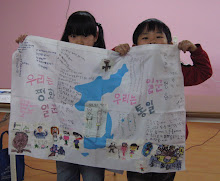
![[URGENT PLEA: In Update] EMERGENCY in GANGJEONG Since AUG. 24, 2011](https://blogger.googleusercontent.com/img/b/R29vZ2xl/AVvXsEiQvpaNf6EePZVucu97_JphYsFS5IgumnSiA4YAmen1PZcim6vMmW7XjZ7J6nLh-Cu36mwBN5n1evrA3ey0vYMpwlAGsgnSFggv6a1w4Qx9BvvqOB0hy0BIcBkL2Exfs3zIxBsBuDGa1kzg/s227/jejusit.jpg)


![[Solidarity from Japan for the Jeju] 253 individuals and 16 groups/organizations](https://blogger.googleusercontent.com/img/b/R29vZ2xl/AVvXsEivji7100kBkr0hzvqYfh4IBBilkZ6XgDIg89jOxS6kTssxsVKC6Wm-fZbKOEsiy3zcO-9gW6GHspD5R_2C9WsGx5S1Z5VPj_OVRF7H6dxdaT0S-2H1eqsDsYvIwOV26VscxTHnKmP5iZmh/s227/jeju_12_10j.jpg)

![[Translation] Korean organizations' statement: Immediately cancel the joint ROK-US drill Nov 26](https://blogger.googleusercontent.com/img/b/R29vZ2xl/AVvXsEgfKDMo-qyEjm5asUtHlREyJY_5Ou-2tyB8SH6aUxiViRbbKR-8W_rirFiGp5DYSoD_KaeNOPMWR0af0ZPUIbJKmR89ImDvADHsGAIqsJVBvJNBEIl5wLd3G_zhPDW3Z2SxsHXadOsXe8st/s227/1.jpg)
![HOT! [Hankyoreh Hani TV] Beneath the Surface: the investigation into the sinking of the Cheonan](https://blogger.googleusercontent.com/img/b/R29vZ2xl/AVvXsEh80rL3Qv9GnfHSqbYMfivdqX5gZN-1O_VQj3A_Gk3yjWdybHwJCsprA3l6cEQB0cYCP2oNeaLo2ohLGIy0Uqqkv_fRkBevGJ2f-qkKD5eP1ZGsKeQ-r-jHUUb79WvucIN7hpEtXza4xXCL/s227/HaniTV+Cheonan.gif)


![[Translation]Statement against illegal inspection and unjust lay-off by the Kunsan USAFK!(Nov_2010)](https://blogger.googleusercontent.com/img/b/R29vZ2xl/AVvXsEg3JlQ-lreusCIJo5Yv2e3ZrRwrSMUE7UQxlrDVjmBehl0Pa24QZIAbZ5vUpgnnExbkKL9PdCwxVYSHWJkr_XK0FM4EhU3CMFhqfborVNu_p4v3bEFpNm3ia-aEHnvMMuEBI27aB7_BETuJ/s227/gunsan+protest.gif)
![[Translation] Korean organizations' statement against dispatching special force to the UAE on Nov.](https://blogger.googleusercontent.com/img/b/R29vZ2xl/AVvXsEiU7TNhTDLLwZkKP0Z78JsCZKp6je-QSFll3_ThmLES_y_nPLXEzeakrsZXoNxhN5blopEhy6xGV2tneJrniPdTR-JvOQMmSLr_HhlucxFvbusxk4oKvvMO2laBOHSIkB9OOeOxrQlqCA0O/s227/antiwarpeace.jpg)
![[Translation] Stop, Joining MD!: South Korean activists' statement and writing on Oct. 25, 2010](https://blogger.googleusercontent.com/img/b/R29vZ2xl/AVvXsEggGIHVei8j7LCJPJB5HIrspd942q436daNTquP-pFd45Cl70Ml_1JFiFDHgKu6FcoqNgFVKIFqjeuSPau2k_BwGHhx0cqFFL2-4ybZSTlmua0_AsERBtKYQa7jZk7uNj41LX6rj2vksHbo/s227/StopMD.jpg)
![[In Update] People First, NO G-20 (Nov. 6 to 12, Korea)](https://blogger.googleusercontent.com/img/b/R29vZ2xl/AVvXsEhZl8VTqeL7o2ndliGIE-sZFCikbTgfB9KCc3AtZvDaYijBBEhdfultMEOpyrCaD5gzpH8mqfWjU20KXMbSUl-5KM7yQeHU6z3BWV8tiOy4UKaCudz9VKWoi5x58xdC_gQpJTjkR5u7O9xf/s227/left21_G20.jpg)
![[International Petition] Stop US helipad plan in Okinawa to save great nature](https://blogger.googleusercontent.com/img/b/R29vZ2xl/AVvXsEihgYmdb0N8ViPvTFC_5i-Psbt4eX_LnAUEOtZkUngv_pGvRyWag1r6W60NicLLyTgWq-sPT1hBxLY5SadEIVv5McfZQ5uIhe-W0VoflQNqojsYZjFW6AH-gB1jsmSDGnGuKIFk2UkvNbFG/s227/yanbaru_w.jpg)
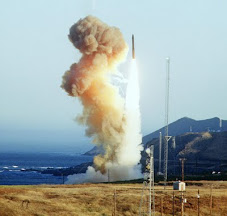
![[Global Network] against the first launch of Quasi-Zenith Satellite, Japan, on Sept. 11, 2010](https://blogger.googleusercontent.com/img/b/R29vZ2xl/AVvXsEj2sYpfodDDMIA7qXwuda0DmKapxXFB479fDnn8RKy7QNZqz0VEvWucNd-DleZ37hWNXC-Z8QtaqtM37VuPwac5SgclJ9_khBBSWOedvm19MRXIP1j1kcWrK6EW5IFjQdEEY2h7E6xuyNvC/s227/Qzss-45-0_09.jpg)
![[In update] Some collections on the Koreans’ protests against the sanction & war on Iran](http://4.bp.blogspot.com/_gnM5QlRx-4c/TJMvke6t8zI/AAAAAAAAFO4/tamQ8LUnOOA/S227/No+Sanction+on+Iran.jpg)
![[Three International Petitions] to End the Korean war and peace treaty(or peace resolution)](https://blogger.googleusercontent.com/img/b/R29vZ2xl/AVvXsEhlohLVYtpCg7iMsZhNYY4hBbhTi2dIheHMHWLDph9X2y78cjgZV1LeSfUJeu80elhJm70Q9E059q72lK-spSPvsRG4bPuCDIytltJB9IH3mWt9OG98HqhnTsPakwhvNeoCFUgF1xoxQ2EZ/s227/border.jpg)


![[Collection of Documents] No Base Learning and Solidarity Program_Korea(June 14 to 20, 2010)](https://blogger.googleusercontent.com/img/b/R29vZ2xl/AVvXsEix_HzjToh3nNGHBc-_5gasq-ykcaZ6GInLixILmZVyRJ5xoeHCxWOyYd9fSM7bmnuFsjSrYOGEPnQOwB1Dcyo-sN4Pw0cFPhUtKig_qlVnGL1Wi82ClvPqbEPWYhJiqdNF0DyzLIBETMB9/s227/No-Base-banner.jpg)
![Site Fwd:[John Hines] A U.S. Debate coach’s research trip on the Issues of Korea](https://blogger.googleusercontent.com/img/b/R29vZ2xl/AVvXsEg8yRra0zNhKHN74Auqhd3Nx9tZ7BWCGflRJHGH4CfzBT_yjhZ8Nl9b3OZuLpYWJ2exsjmR0oVl-Qq_cf832p2VdmOZhUi-lCFzCNeDSyVtweX1lWZPC-RlHmDMLtilHwHjNFTenBiM4Fk4/s227/Jeju-Peace-Tour.jpg)


![[News Update] Struggle Against the Jeju Naval Base since Jan. 18, 2010](https://blogger.googleusercontent.com/img/b/R29vZ2xl/AVvXsEhKfSTRC5QKBBSFIq_m7QIqXdlbL4-gF5GJYn9Q-pN__k7sV7uxGDcLY5L8xmU7QuWuUhBT_GhG-URBPO80RT3AfWfDrWJr06h1hFuZC6ZBVKe4U6PS1Cd7Kr6olO8TYQtk13Drox7IS6ea/s226/scrum1.jpg)


![[Urgent] Please spread the Letter!: There was no Explosion! There was no Torpedo! (May 26, 2010)](https://blogger.googleusercontent.com/img/b/R29vZ2xl/AVvXsEhSd2yWZ3xGwnJQXB73z5FgXCqSosAoB9_33-GLYprOmLqjmvgSAQp1BYI7e4slK1FDxHRi9KK4um-OpDaj8QOkXwAScVAgvvq6-ehbDA-hbkr96wT9oHNNmWnBPv8GU4hoZp9X8F9AZBX4/s227/grounded.jpg)
![Text Fwd: [Stephen Gowans]The sinking of the Cheonan: Another Gulf of Tonkin incident](https://blogger.googleusercontent.com/img/b/R29vZ2xl/AVvXsEi_L6hB3RZ1MovTXHe0A8yn_RfgMALGR0kM6poBuGp809xwvHtB_-PGWtS_WpyPWatyd9lB2pPqL2gOLc4dTCEdJ9sMvxJWEdapl-mMLm7WHAsV-jVpgqarVh8XBtdz_0c-Vohdh3HtJahD/s227/lee-myung-bak.jpg)
![[Japan Focus]Politics in Command: The "International" Investigation into the Sinking of the Cheonan](https://blogger.googleusercontent.com/img/b/R29vZ2xl/AVvXsEiHmTo8v-uCJnabRhMdnBAkC9J3s5bb2JsDKiT5leJHwbK8IDJHxfJmqQ_C0Is_bPC6UGMf05CA0exF2y4r2x9RhFUHT0kjsKviaME_MZXKnq775UyYAdb7w2SAzE75XvBfHp1al2q6i3cf/s227/wen_jiabao_and_lee_myungbak.png)
![[Japan Focus] Who Sank the SK Warship Cheonan? A New Stage in the US-Korean War and US-China](https://blogger.googleusercontent.com/img/b/R29vZ2xl/AVvXsEiKSS5ULT5QBaMGYpXXqBMX9jtwLwMLuK469b6Ku72GTJYKUObzTANaPjZqvvpPzYMJgPF53sjhvhK3DVa88ipYlggsJageykXlkxY6s8TW05xcU-_vfhf-pACUoaWuFbT-fsU1qEhm_yIi/s227/buoy_map.gif)
![[Updated on 12/13/10] [Translation Project] Overseas Proofs on the Damages by the Military Bases](https://blogger.googleusercontent.com/img/b/R29vZ2xl/AVvXsEikADE6JovUNspQyZUWVMTLAQg7yQNqXpVUbqZPk8f4uc_1723_xm1Cco6WAmstQXVPnaJAcb1mZA8Ny_3xONT_f5uh8MNLPnUhtqdGgy3HCtC1Vbbz4Q0ZY1Cssu-4cJEVNdrvznbS5UzO/s227/missile.jpg)
![[International Petition] Close the Bases in Okinawa](https://blogger.googleusercontent.com/img/b/R29vZ2xl/AVvXsEhNpQiHklwFbWVlFK7GDFXnBSOOSFEj3Il-We-N3uTDldKiidL2NGZs7X_LtTnatzTo_r8CexRkFe8NhfxYqmgp1knEEslROTfNjI5_mSb57cdbhPkftvanveYBaevAD9xuKDGoIxiTwoSb/s227/2.jpg)
![[In Update]Blog Collection: No Korean Troops in Afghanistan](https://blogger.googleusercontent.com/img/b/R29vZ2xl/AVvXsEjjEmCRXSNAG7_QBxKWbdksmxoWR4nyAovQTTdR1G2AuXh0jxtqNkI9OmYgYWRoLAJShvtBvE840QXuBWSVh3u3zMYqkNAFX6OWy3m5Nur4HM7uNK-pKT1ycyApJp-VLyhIFRRcoisYAh0E/s226/No-Troops-to--Afghanistan.jpg)


