Organizing Notes
http://space4peace.blogspot.com/2011/04/no-nukes-in-india.html
NO NUKES IN INDIA
Wednesday, April 20, 2011
Japan's nuclear crisis seems to have given fresh impetus to protests against a proposed nuclear power complex in India.
While one person was killed and at least 20 others injured after police clash with protesters in Maharashtra state, critics say the Jaitapur site lies on an active fault-line increasing the risk to residents.
Prerna Suri reports from New Delhi.
Showing posts with label India. Show all posts
Showing posts with label India. Show all posts
Thursday, April 21, 2011

Tuesday, February 8, 2011
[Text Fwd: PSPD] Open letter to Minister Shri. Jairam Ramesh on the POSCO Project
People's Solidarity for Participatory Democracy
Open letter to Minister Shri. Jairam Ramesh on the POSCO Project
To: Dear. Minister Shri. Jairam Ramesh,
The Ministry of Environment and Forests
From: Korean civil society alliance
Greetings and Peace from the Republic of Korea.
Most of all, Korean civil society has had an interest constantly on the Pohang Steel Company (POSCO)'s project launched in Orissa. We, Nongovernmental Organizations(NGOs) of the Republic of Korea, had visited the State of Orissa, India, and completed to conduct the field research in the year of 2008 and 2010, and also had sent the open letter to the Meena Gupta Committee in September 2010. We are fully understanding of the POSCO's project that was given the procedure of decision making on interruption of land purchase by the Ministry of Environment and Forests, India, on 5 August 2010, and waiting with a close attention on the Minister's final decision that are known as scheduled in the end of this January.
We, Non-governmental Organizations (NGOs) of the Republic of Korea, would like to express our special respect on your sincere efforts to protect environment and human rights of natives in the project region to the Ministry of Environment and Forests. The Forest Rights Act had been suggested as the right direction to the global community suffering from making a decision between development and villagers' right to livelihood, and the decision on Vedanta was very courageous. All the companies that are trying to invest in India including Korean corporations should respect and follow the message suggested by the Ministry of Environment, India. It is the trustworthy way that makes the sustainable development possible for all the human beings.
We, Non-governmental Organizations (NGOs) of the Republic of Korea, confirmed that the POSCO project is clearly violated by the Forest Rights Act through the two field research as the Saxena Committee Report and the Meena Gupta Committee Majority Report has been pointed out. The development project proceeding without the legally appropriate procedure must be paid huge cost as an inevitable consequence. Regardless of violation on the Forest Right Act, POSCO and the Orissa government has been persuading the villagers who are strongly against the POSCO project for the last five years until now, however it has been failed. The villagers keep objecting to accept the compensation that POSCO has suggested to them and denying to move their residences.
If you, Minister Shri. Jairam Ramesh, approve the POSCO project even though the existing reports pointed the argumentative points of this POSCO project, your decision would not be supported. Most of all, it must make the villagers who has been suffered from the POSCO project for the last five years very disappointed. Korean civil societies also never want for you to proceed the project without any support. Executing of the project which is lack of legitimacy will face the stronger resistance to the POSCO project, and it will bear the serious human rights abuse related to the project, finally it will seriously hurt both POSCO and Korean civil society.
During such a long time, the experts of the Ministry of Environment and Forests have conducted the research over the POSCO project at the same time gone through the careful analysis procedure. As being well aware of the existing problems of the POSCO project, the Forest Advisory Committee and the Infrastructure and Coastal Zone Sub-committee of the Expert Appraisal Committee also have pointed out those problems.
Korean civil society sincerely hope to end the conflict on the POSCO project and to consider the problems on development, environment, and the human rights abuse of the villagers and to find the alternatives to both the Korean and Indian society which will be definitely affected by the decision of the Ministry of Environment, India. Also, POSCO will have the opportunity to be mature in terms of operating the legitimate project through "the right decision" of the Ministry of Environment and Forests, India.
Here, "the right decision" means that everyone agrees and respect at the same time, it is the decision should be based on the truth.
We, Non-governmental Organizations (NGOs) of the Republic of Korea, believe that you, Minister Shri. Jairam Ramesh, will make the right and rational decision based on the truth and common sense.
28 January 2011
Signed by Korean civil society Alliance, below:
Amnesty International Korea
Catholic Human Rights Committee
Citizen’s Movement for Environmental Justice
Corporate for All
Dasan human rights centre
Korean House for International Solidarity
MINBYUN-Lawyers for a Democratic Society
Network for Glocal Activism
People’s Solidarity for Participatory Democracy
Sarangbang Group for Human Rights
*
openlettertominister.pdf
Open letter to Minister Shri. Jairam Ramesh on the POSCO Project
To: Dear. Minister Shri. Jairam Ramesh,
The Ministry of Environment and Forests
From: Korean civil society alliance
Greetings and Peace from the Republic of Korea.
Most of all, Korean civil society has had an interest constantly on the Pohang Steel Company (POSCO)'s project launched in Orissa. We, Nongovernmental Organizations(NGOs) of the Republic of Korea, had visited the State of Orissa, India, and completed to conduct the field research in the year of 2008 and 2010, and also had sent the open letter to the Meena Gupta Committee in September 2010. We are fully understanding of the POSCO's project that was given the procedure of decision making on interruption of land purchase by the Ministry of Environment and Forests, India, on 5 August 2010, and waiting with a close attention on the Minister's final decision that are known as scheduled in the end of this January.
We, Non-governmental Organizations (NGOs) of the Republic of Korea, would like to express our special respect on your sincere efforts to protect environment and human rights of natives in the project region to the Ministry of Environment and Forests. The Forest Rights Act had been suggested as the right direction to the global community suffering from making a decision between development and villagers' right to livelihood, and the decision on Vedanta was very courageous. All the companies that are trying to invest in India including Korean corporations should respect and follow the message suggested by the Ministry of Environment, India. It is the trustworthy way that makes the sustainable development possible for all the human beings.
We, Non-governmental Organizations (NGOs) of the Republic of Korea, confirmed that the POSCO project is clearly violated by the Forest Rights Act through the two field research as the Saxena Committee Report and the Meena Gupta Committee Majority Report has been pointed out. The development project proceeding without the legally appropriate procedure must be paid huge cost as an inevitable consequence. Regardless of violation on the Forest Right Act, POSCO and the Orissa government has been persuading the villagers who are strongly against the POSCO project for the last five years until now, however it has been failed. The villagers keep objecting to accept the compensation that POSCO has suggested to them and denying to move their residences.
If you, Minister Shri. Jairam Ramesh, approve the POSCO project even though the existing reports pointed the argumentative points of this POSCO project, your decision would not be supported. Most of all, it must make the villagers who has been suffered from the POSCO project for the last five years very disappointed. Korean civil societies also never want for you to proceed the project without any support. Executing of the project which is lack of legitimacy will face the stronger resistance to the POSCO project, and it will bear the serious human rights abuse related to the project, finally it will seriously hurt both POSCO and Korean civil society.
During such a long time, the experts of the Ministry of Environment and Forests have conducted the research over the POSCO project at the same time gone through the careful analysis procedure. As being well aware of the existing problems of the POSCO project, the Forest Advisory Committee and the Infrastructure and Coastal Zone Sub-committee of the Expert Appraisal Committee also have pointed out those problems.
Korean civil society sincerely hope to end the conflict on the POSCO project and to consider the problems on development, environment, and the human rights abuse of the villagers and to find the alternatives to both the Korean and Indian society which will be definitely affected by the decision of the Ministry of Environment, India. Also, POSCO will have the opportunity to be mature in terms of operating the legitimate project through "the right decision" of the Ministry of Environment and Forests, India.
Here, "the right decision" means that everyone agrees and respect at the same time, it is the decision should be based on the truth.
We, Non-governmental Organizations (NGOs) of the Republic of Korea, believe that you, Minister Shri. Jairam Ramesh, will make the right and rational decision based on the truth and common sense.
28 January 2011
Signed by Korean civil society Alliance, below:
Amnesty International Korea
Catholic Human Rights Committee
Citizen’s Movement for Environmental Justice
Corporate for All
Dasan human rights centre
Korean House for International Solidarity
MINBYUN-Lawyers for a Democratic Society
Network for Glocal Activism
People’s Solidarity for Participatory Democracy
Sarangbang Group for Human Rights
*
openlettertominister.pdf
Wednesday, February 2, 2011
Text Fwd: India Approves Long-Delayed Korean Steel Mill Project By Anti-Labor Posco
________________________________________
* Text informed by Steve Zeltzer on Feb. 2, 2011
New York Times
India Approves Long-Delayed Korean Steel Mill Project By Anti-Labor Posco
By VIKAS BAJAJ
Published: January 31, 2011
SHAREMUMBAI, India — An Indian ministry on Monday approved a long-delayed, $12 billion steel mill and port proposed by Posco, a South Korean company. Foreign companies and governments had been closely watching the project to gauge how receptive Indian officials were to big investment projects.
The decision, which is contingent on the company’s meeting 60 new requirements, comes nearly six years after Posco and the eastern Indian state of Orissa signed an agreement for the project, which would be the largest single foreign direct investment in India.
The Indian Ministry of Environment and Forests, which business executives have criticized in recent months for blocking significant industrial projects, gave its approval. It said its concerns about the project would be addressed by the new conditions, which include safeguards for turtles and mangrove forests. The ministry also directed Posco to spend 2 percent of its profit on social welfare programs.
India Approves Long-Delayed Korean Steel Mill Project By Anti-Labor Posco
By VIKAS BAJAJ
Published: January 31, 2011
SHAREMUMBAI, India — An Indian ministry on Monday approved a long-delayed, $12 billion steel mill and port proposed by Posco, a South Korean company. Foreign companies and governments had been closely watching the project to gauge how receptive Indian officials were to big investment projects.
The decision, which is contingent on the company’s meeting 60 new requirements, comes nearly six years after Posco and the eastern Indian state of Orissa signed an agreement for the project, which would be the largest single foreign direct investment in India.
The Indian Ministry of Environment and Forests, which business executives have criticized in recent months for blocking significant industrial projects, gave its approval. It said its concerns about the project would be addressed by the new conditions, which include safeguards for turtles and mangrove forests. The ministry also directed Posco to spend 2 percent of its profit on social welfare programs.
“Undoubtedly, projects such as that of Posco have considerable economic, technological and strategic significance for the country,” India’s minister for the environment, Jairam Ramesh, wrote in the approval document. “At the same time, laws on environment and forests must be implemented seriously.”
In recent months, some executives and analysts have criticized Mr. Ramesh, an engineer by training, for his opposition to several prominent industrial projects. Some Indian newspapers have taken to calling him “Dr. No.” In August, he blocked plans by Vedanta Resources to mine bauxite on a hill in Orissa that a local tribe considered sacred.
Mr. Ramesh, who declined to comment, has defended himself by saying he is simply enforcing India’s environmental laws, which were brazenly flouted in the past.
In recent months, some executives and analysts have criticized Mr. Ramesh, an engineer by training, for his opposition to several prominent industrial projects. Some Indian newspapers have taken to calling him “Dr. No.” In August, he blocked plans by Vedanta Resources to mine bauxite on a hill in Orissa that a local tribe considered sacred.
Mr. Ramesh, who declined to comment, has defended himself by saying he is simply enforcing India’s environmental laws, which were brazenly flouted in the past.
Disputes over big industrial projects have become more common in India in recent years as demand for manufactured goods has increased in the country’s fast-growing economy. Analysts say that Indian officials have not yet figured how to strike the right balance among industry, the environment and the rights of local people.
The difficulty in getting projects approved and acquiring land appear to have depressed foreign interest in India. As hedge funds and other financial investors poured money into the Indian stock market last year, direct investments by foreigners fell 27 percent, to $14 billion, from April to November, compared with the period a year earlier.
The Posco project has faced stiff opposition from environmentalists, villagers and tribes in Orissa, which sits on the Bay of Bengal. Opponents say the project will mar the state’s forests and coastline and dislocate hundreds of people. On Monday, one of the main groups opposed to the project said it would continue to try to block it.
“We strongly condemn this decision,” said Prashant Paikray, a spokesman for Posco Pratirodh Sangram Samiti, or the People’s Organization Opposing Posco, an opposition group that represents villagers affected by the project. He said the decision ignored the findings of committees of experts that were appointed to study the project, which had advised against its approval.
Posco faces a number of other hurdles. The decision issued by the ministry for the environment, for instance, does not give the company permission to mine iron ore, the main raw material of steel. Orissa is rich in that natural resource, an important reason Posco wanted to build a plant and port there. The company’s plans are also contingent on the outcome of a court case filed by opponents against the state government.
“We fully appreciate the concerns of different stakeholders on sustainability of environment as well as livelihood of affected people,” G. W. Sung, the managing director of Posco India, said in a statement.
Separately on Monday, the Indian government said the economy grew 8 percent in the fiscal year that ended in March 2010, up from a previous estimate of 7.4 percent.
Tuesday, January 18, 2011
Text Fwd: S. Korea, India to hold talks over CEPA, bilateral cooperation
Yonhap News
S. Korea, India to hold talks over CEPA, bilateral cooperation
2011/01/17 16:46 KST
S. Korea, India to hold talks over CEPA, bilateral cooperation SEOUL, Jan. 17 (Yonhap) -- South Korea and India will hold minister-level talks this week over their bilateral free trade accord and economic cooperation, Seoul's trade ministry said Monday.
During a meeting in India on Thursday, South Korean Trade Minister Kim Jong-hoon and his Indian counterpart A. Sharma will discuss ways to further boost economic ties between the countries, one year after their free trade pact went into effect early last year.
South Korea and India implemented their free trade agreement on Jan. 1 last year, known as a comprehensive economic partnership agreement (CEPA) that covers services and investment as well as competition and other issues.
Overall, the CEPA is expected to boost bilateral trade by as much as $3.3 billion annually, according to estimates by the state-run Korea Institute for International Economic Policy (KIEP).
Trade volume between South Korea and India jumped 41 percent last year from a year earlier to US$17.1 billion, the trade ministry said.
South Korea exported goods worth $11.4 billion to India last year, up 43 percent from a year earlier. Seoul's imports of Indian goods jumped 37 percent to $5.7 billion over the cited period, according to the ministry.
Seoul has free trade pacts in effect with 16 nations. South Korea is also in talks with 12 other nations over free trade accords.
In December of last year, South Korea and the United States reached a final trade agreement focusing on U.S. demands that South Korea soften its automotive safety and environmental standards.
A similar pact with the European Union (EU) is also set to go into effect in July.
sam@yna.co.kr
S. Korea, India to hold talks over CEPA, bilateral cooperation
2011/01/17 16:46 KST
S. Korea, India to hold talks over CEPA, bilateral cooperation SEOUL, Jan. 17 (Yonhap) -- South Korea and India will hold minister-level talks this week over their bilateral free trade accord and economic cooperation, Seoul's trade ministry said Monday.
During a meeting in India on Thursday, South Korean Trade Minister Kim Jong-hoon and his Indian counterpart A. Sharma will discuss ways to further boost economic ties between the countries, one year after their free trade pact went into effect early last year.
South Korea and India implemented their free trade agreement on Jan. 1 last year, known as a comprehensive economic partnership agreement (CEPA) that covers services and investment as well as competition and other issues.
Overall, the CEPA is expected to boost bilateral trade by as much as $3.3 billion annually, according to estimates by the state-run Korea Institute for International Economic Policy (KIEP).
Trade volume between South Korea and India jumped 41 percent last year from a year earlier to US$17.1 billion, the trade ministry said.
South Korea exported goods worth $11.4 billion to India last year, up 43 percent from a year earlier. Seoul's imports of Indian goods jumped 37 percent to $5.7 billion over the cited period, according to the ministry.
Seoul has free trade pacts in effect with 16 nations. South Korea is also in talks with 12 other nations over free trade accords.
In December of last year, South Korea and the United States reached a final trade agreement focusing on U.S. demands that South Korea soften its automotive safety and environmental standards.
A similar pact with the European Union (EU) is also set to go into effect in July.
sam@yna.co.kr
Wednesday, January 12, 2011
Video Fwd: INDIA'S FARMERS LOSING HOPE
Bruce Gagnon's Organizing Note
Tuesday, January 11, 2011
INDIA'S FARMERS LOSING HOPE
Mounting debts, international competition and climate change are all being blamed as the reason for a rising number of Indian farmers who are taking their own lives.
Official figures say at least 17,000 farmers committed suicide in 2009.
Al Jazeera's Sohail Rahman reports from the farming belt in India's Andhra Pradesh state.
Tuesday, January 11, 2011
INDIA'S FARMERS LOSING HOPE
Mounting debts, international competition and climate change are all being blamed as the reason for a rising number of Indian farmers who are taking their own lives.
Official figures say at least 17,000 farmers committed suicide in 2009.
Al Jazeera's Sohail Rahman reports from the farming belt in India's Andhra Pradesh state.
Friday, January 7, 2011
Text Fwd: New ties set with India, U.S. / Govt entering 3-way partnership to tackle security, economic issues
* Text sent from Corazon Valdez Fabros on Jan. 6, 2011
The Yomiuri Shimbun
New ties set with India, U.S. / Govt entering 3-way partnership to tackle security, economic issues
Jan. 6, 2011
Japan, India and the United States will launch a trilateral strategic dialogue this year on security and economic issues, including measures to deal with China's expansion of its naval power, sources said.
The three countries are aiming to hold talks among top bureaucrats in the first half of this year, and ministerial talks as soon as possible after that, the sources said.
They will discuss a wide range of issues, including security, counterterrorism, economic cooperation and energy. They also plan to formulate international rules as soon as possible in such areas as sea lane security, development of outer space and use of the Internet.
The countries want to agree on rules and promote them as international standards in the future through multilateral frameworks such as the East Asia Summit talks, the sources said.
Sea lane security issues include measures to counter terrorist threats and deal with China's expanding naval power.
China is involved in disputes over territories in the South China Sea with Vietnam and the Philippines, and has sent naval ships to those waters in the name of defending Chinese fishing vessels operating there.
Japan, India and the United States will together urge China to observe international rules because Washington, which emphasizes the importance of free seas, is becoming increasingly concerned about China's naval activities in the region.
Tokyo and New Delhi are also involved in disputes with Beijing, in the East China Sea and the Indian Ocean respectively.
Officials of Japan, India and the United States will also exchange opinions on North Korea's nuclear development and the situations in Afghanistan and Pakistan, the sources added.
A senior Foreign Ministry official said some members of the government are considering using three triangular relationships--Japan, South Korea and the United States; Japan, Australia and the United States; and Japan, India and the United States--to deal with China's expanding influence in the region.
The Yomiuri Shimbun
New ties set with India, U.S. / Govt entering 3-way partnership to tackle security, economic issues
Jan. 6, 2011
Japan, India and the United States will launch a trilateral strategic dialogue this year on security and economic issues, including measures to deal with China's expansion of its naval power, sources said.
The three countries are aiming to hold talks among top bureaucrats in the first half of this year, and ministerial talks as soon as possible after that, the sources said.
They will discuss a wide range of issues, including security, counterterrorism, economic cooperation and energy. They also plan to formulate international rules as soon as possible in such areas as sea lane security, development of outer space and use of the Internet.
The countries want to agree on rules and promote them as international standards in the future through multilateral frameworks such as the East Asia Summit talks, the sources said.
Sea lane security issues include measures to counter terrorist threats and deal with China's expanding naval power.
China is involved in disputes over territories in the South China Sea with Vietnam and the Philippines, and has sent naval ships to those waters in the name of defending Chinese fishing vessels operating there.
Japan, India and the United States will together urge China to observe international rules because Washington, which emphasizes the importance of free seas, is becoming increasingly concerned about China's naval activities in the region.
Tokyo and New Delhi are also involved in disputes with Beijing, in the East China Sea and the Indian Ocean respectively.
Officials of Japan, India and the United States will also exchange opinions on North Korea's nuclear development and the situations in Afghanistan and Pakistan, the sources added.
A senior Foreign Ministry official said some members of the government are considering using three triangular relationships--Japan, South Korea and the United States; Japan, Australia and the United States; and Japan, India and the United States--to deal with China's expanding influence in the region.
Wednesday, November 24, 2010
Text Fwd: Indo-US Join Statement
* Text sent from J. Narayana Rao on Nov. 23, 2010
INDO US JOINT STATEMENT
J.Narayana Rao, General Secretary, All Inda Peace & Solidarity Organisaton
Maharastra State Committee, Nagpur.
A scrutiny of the Joint Statement signed by US President Barack Obama and Prime Minster of India Manmohan Singh on Nov 8,2010 unfurls that the provisions of Hyde Act that India’s foreign policy should be congruent to US Foreign Policy.Since such a joint statement does’t require any prior discussion in the Parliament our Prime Minister must not have considered that such a Statement can be signed whether it is in tune with the foreign policy of our country or not.
It is customary that any head of a state of a foreign country visits India a statement is signed by the Heads of both the countries.But It has to reflect the foreign policy of both the countries than on the basis of platitudes and which does’t infringe on the values of of any country.
Our country must have good relations with not only with US but all other countries whether big or small.But we cannot afford to carry the burden of the ideas of other countries when they encroach on ours.It appears that our Prime Minister has succumbed to the temptations of being called a developed country and a great power.
The statement begins with a commitment of shared values and convergence of interests and it goes on to state to tensify co-operation between US and India to promote and secure a stable world.There was never any convergence of values between these two countries. The values of India and US are diverse.Since Independence our Country stood against colonialism, imperialism,racism,military blocks,aggressions,military bases in foreign countries,pioneered non-aligned movement and peaceful co-existence.Where as US supported racism,opposed non alignment,established military blocks and military bases.Then how can we say that the there is convergence of US and Indian interests.
Another feature is that US and India will intensify co-operation to promote a secure and stable world.Did US ever show that It stands for a secure and stable world. It was always working to create insecurity and unstable world.An unsecure and unstable world is always in the interest of US Military and Industrial Complex.Unless there is insecurity in the world leading to wars and aggressions,the US economy which is resting on the weapons industry will collapse.US was constantly committing aggressions and wars and creating insecurity.On the other hand India is a peaceful country and never committed aggression on any other country.
Another formulation in the statement is that India and the United States as Global leaders will be partners for global security.Global Securiy according to US means committing aggressions and waging wars on other countries on some plea or the other.Some times to establish democracy,some times to fight terrorism, violation of human reights,not following UN sanctions,fighting Rouge States etc.US sucks into its fold any country which goes closer to it.It traps the countries into NATO or any other military alliances or economic groups.
The Nuclear Non-proliferation Treaty(NPT) ever since it has come into existence could not make any progress on nuclear disarmament due to the intransigence of US.It is hypocritical to state that India and US have a shared commitment to a World Without Nuclear Weapons.
How India can trust US for international partnership for developing democracy and development in the world.How India can ignore that US has suppored a host of Dictators who murdered millions of people struggling for democracy, like Ngo Dinh Diem and Syngman Rhee([ South Korea], Park Chung Hee (S.Korea),Laurent Kabila(Congo)Idi Amin(Uganda),Francisco Franco(Spain),Marco Vincicio (Gautemala), Roberto Suazo Crdova(Honduras),Anastasio Somoza(Nicaragua),General Suharto(Indonesia), Shah of Iran,Batista(Cuba) Augusto Ponnochat(Chile) P.W.Botha(South Africa),Rafeel Trujillo(Dominican Republic),Mannual Noriega(Panama),Anwar Al Saddat(Egypt) and many more.US supports democracies which will be subservient to its interests.
Barack Obama is maintaing continuity of US foreign policy of his predecssors whether they are Republicans or Democrats.He is not free from the hold of CIA,Pentagon, the Military Industrial Complex and the Multinational Corporations.Our Prime Minister Manmohan Singh could not reflect the foreign policy elements of our Country rather than endorsing indirectly what US camouflaged what it stands for.
Sunday, November 21, 2010
Text Fwd: [J. Narayana Rao] OBAMA’S VISIT OF INDIA 오바마의 인도 방문
* Text sent from J. Narayana Rao on Nov. 20, 2010
OBAMA’S VISIT OF INDIA
J.Narayana Rao,
General Secretary All India Peace & Solidarity Organisation, Maharashtra State Committee,Nagpur.
FNo.207, Kailashpati Apts,Kamptee Road,Nagpur-440 017.
Part-1
The address of US President Barack Obama on the 9th instant in the Indian Parliament House is a magnum opus.His eloquence is hitherto unheard. It was carpe diem. In a very intelligent way while flattering Indan leaders,culture and history he tried to drag India to US orbit and attempted to keep India on the same trajectory of US foreign policy. Indications show that India is not unwilling to follow the US in it’s foreign policy.
It is a negation of the basic values of India’s foreign policy, for India to line up beside US.The Countries which were invaded and the people were butchered and the governments were over thrown by the US empire in Latin America, Asia and Africa will not ignore the overtures of India to tail with US in the name of equal partnership. India has to take many issues of US adventures into consideration to frame it’s foreign policy.
Earlier it was the devil of communism to incite many countries and movements against USSR and other socialist Countries.After the disintegration of USSR the threat of rogue states was brought to the fore and countries like Iran, Cuba, North Korea and Iraq were listed to be attacked.When Iraq was attacked and lakhs of people were butchered and President Saddam Hussein was hanged,it is said that democracy was restored in Iraq not withstanding to the fact it is terrorism that is reigning the roost there.
While feigning peaceful co-existence with Russia and China, US is trying to encircle these countries with Ballistic Missiles and Military Bases.US is stedfastly trying to mobalise ASEAN Countries to sorround China and is now trying to enlist India into this scheme.How India can ignore the diabolical attempts of US to master and weponise space.Obama’s offer to cooperate with India in space is an attempt to drag India in it’s plan of weaponisation of space and missile defence programme.
In the 21ast Century if US wants to play a leading role it has abandon it’s addiction to wars.It has to forget that it is world policeman and shed hegemonism.Iran and N.Korea which are in the immediate hit list have to be protected and India has to show concern on this.US has to be prevented in dabbling in the internal affairs of other countires.Most of the countries in the Latin America have got them self freed from the clutches of military dictatorships supported by US and from the influence of the Multi National Corporations and embarking a road of transition from capitalism to socialism.US is not so naïve to appreciate these changes.At an appropriate time it will try to instigate and patronize the counter revolutionary forces in these countries to destabilize them.
How India can trust the democratic pretenstions of Obama. He should have been politely told that the gunboat diplomacy is not akin to the culture of India.The succsive US presidents of US indulged in wars and aggressions in the world.US aided most notorious military autocracies likeTurkey,Zaire, Chad, Pakistan, Morocco, Indonesia, Honduras,Peru,Colombo, El Salvador,Haiti,Cuba under Batista,Nucaragua under Somoza,Iran under Shah,the Phillippines under Marcos and Portugese under Salazar.Whie professing democracy US engineered destruction of democratically elected Governments in Gautemela.Gyana,the Dominican Republic,Brazil,Chile Uruguay,Syria,Indonesia under Sukarno,Greece,Argentina,Bolivia,Haiti and numerous other Countires by Capitalist Militaries which were funded and aided by he US.
How India can forget that it is the US which has initiated terrorist and fundamentalist vultlures against the Socialist and Progressive Countries.The notorious Al Qaida and Taliban were given birth and funded and trained by US.Even the Kalistan Terrorists were trained in US.In the name of fighting international terrorism US wants to attack countries at will.The expansion of NATO serves only one purpose i.e to attack other countries and threaten Russia and China.All the aggressive wars which the US is waging are from the Military bases which it has set up around the world.Can India afford to ignore this.If it does’t stand up against the US black mail it will face the same fate which Pakistan has become under US patronage.India’s foreign policy cannot be so sterile.Obama’s appeal for India to co- operate with US for Nuclear disarmament is the greatest bluff.If he is really interested in Nuclear disarmament why he is sanctioning more money for modernizing Nuclear Arsenals and approving sub-critical Nuclear tests.
OBAMA’S VISIT OF INDIA
J.Narayana Rao,
General Secretary All India Peace & Solidarity Organisation, Maharashtra State Committee,Nagpur.
FNo.207, Kailashpati Apts,Kamptee Road,Nagpur-440 017.
Part-1
The address of US President Barack Obama on the 9th instant in the Indian Parliament House is a magnum opus.His eloquence is hitherto unheard. It was carpe diem. In a very intelligent way while flattering Indan leaders,culture and history he tried to drag India to US orbit and attempted to keep India on the same trajectory of US foreign policy. Indications show that India is not unwilling to follow the US in it’s foreign policy.
It is a negation of the basic values of India’s foreign policy, for India to line up beside US.The Countries which were invaded and the people were butchered and the governments were over thrown by the US empire in Latin America, Asia and Africa will not ignore the overtures of India to tail with US in the name of equal partnership. India has to take many issues of US adventures into consideration to frame it’s foreign policy.
Earlier it was the devil of communism to incite many countries and movements against USSR and other socialist Countries.After the disintegration of USSR the threat of rogue states was brought to the fore and countries like Iran, Cuba, North Korea and Iraq were listed to be attacked.When Iraq was attacked and lakhs of people were butchered and President Saddam Hussein was hanged,it is said that democracy was restored in Iraq not withstanding to the fact it is terrorism that is reigning the roost there.
While feigning peaceful co-existence with Russia and China, US is trying to encircle these countries with Ballistic Missiles and Military Bases.US is stedfastly trying to mobalise ASEAN Countries to sorround China and is now trying to enlist India into this scheme.How India can ignore the diabolical attempts of US to master and weponise space.Obama’s offer to cooperate with India in space is an attempt to drag India in it’s plan of weaponisation of space and missile defence programme.
In the 21ast Century if US wants to play a leading role it has abandon it’s addiction to wars.It has to forget that it is world policeman and shed hegemonism.Iran and N.Korea which are in the immediate hit list have to be protected and India has to show concern on this.US has to be prevented in dabbling in the internal affairs of other countires.Most of the countries in the Latin America have got them self freed from the clutches of military dictatorships supported by US and from the influence of the Multi National Corporations and embarking a road of transition from capitalism to socialism.US is not so naïve to appreciate these changes.At an appropriate time it will try to instigate and patronize the counter revolutionary forces in these countries to destabilize them.
How India can trust the democratic pretenstions of Obama. He should have been politely told that the gunboat diplomacy is not akin to the culture of India.The succsive US presidents of US indulged in wars and aggressions in the world.US aided most notorious military autocracies likeTurkey,Zaire, Chad, Pakistan, Morocco, Indonesia, Honduras,Peru,Colombo, El Salvador,Haiti,Cuba under Batista,Nucaragua under Somoza,Iran under Shah,the Phillippines under Marcos and Portugese under Salazar.Whie professing democracy US engineered destruction of democratically elected Governments in Gautemela.Gyana,the Dominican Republic,Brazil,Chile Uruguay,Syria,Indonesia under Sukarno,Greece,Argentina,Bolivia,Haiti and numerous other Countires by Capitalist Militaries which were funded and aided by he US.
How India can forget that it is the US which has initiated terrorist and fundamentalist vultlures against the Socialist and Progressive Countries.The notorious Al Qaida and Taliban were given birth and funded and trained by US.Even the Kalistan Terrorists were trained in US.In the name of fighting international terrorism US wants to attack countries at will.The expansion of NATO serves only one purpose i.e to attack other countries and threaten Russia and China.All the aggressive wars which the US is waging are from the Military bases which it has set up around the world.Can India afford to ignore this.If it does’t stand up against the US black mail it will face the same fate which Pakistan has become under US patronage.India’s foreign policy cannot be so sterile.Obama’s appeal for India to co- operate with US for Nuclear disarmament is the greatest bluff.If he is really interested in Nuclear disarmament why he is sanctioning more money for modernizing Nuclear Arsenals and approving sub-critical Nuclear tests.
Text Fwd: Hundreds Arrested Opposing New Nuclear Power in India 인도에서 수백여명이 원전에 반대하다 체포됨
 * Text informed from Frank Cordaro
The Nuclear Resister E-bulletin
November, 2010
The Nuclear Resister
Hundreds Arrested Opposing New Nuclear Power in India
Posted on November 16, 2010
Hundreds of people were arrested October 29, protesting the Jaitapur Nuclear Power Project (JNPP) on India’s west coast. The project is the crown jewel of the U.S./India nuclear partnership, and, if realized, it would be the world’s largest nuclear energy park.
Six huge French-designed reactors producing 10,000 MW of electricity for Mumbai and Goa would displace thousands of village farmers and fishers. Compensation payments for the targeted villagers have been refused en masse, and in October a large police escort kept locals from confronting a visiting committee of site-selection experts. When a regional government official declared that locals did not oppose the project and outside instigators were at work, the people’s organization Janhit Seva Samiti called for a satyagraha action October 29 in remote Madban Village, at the heart of the area coveted by the JNPP. Warrants were issued for the arrest of Janhit Seva Samiti leaders, and some were detained while others went underground.
On the day of the action, police from three districts were mobilized to block roads and enforce an emergency closure of the area. They were outnumbered by more than 3,000 villagers who walked jungle paths or arrived by sea to pack the village temple and peacefully defy the orders. Some held placards declaring “Areva, Go Back,” “Sarkozy, Go Back” and “Obama, Go Back.”
Police had arrested 800 people before begging Janhit Seva Samiti leaders to stop a protest that had overwhelmed their capacity to arrest and transport people to a detention center 15 miles away. Those in custody were released that evening.
Vivek Monteiro, who attended the demonstration, wrote about it here.
Tuesday, November 16, 2010
Text Fwd: Russia, India, China to discuss new security architecture in Asia and the Pacific 러시아, 인도, 중국, 아태지역에서 새로운 안보 구조 토론 예정
Stop NATO
Voice of Russia
November 14, 2010
Russia, India, China to discuss new security architecture in Asia and the Pacific
-The outcome of the trilateral meeting will ultimately depend on whether New Delhi still relies on the US as an outside factor in its relationship with Beijing....If no, then we will have every reason to hope that, working together, Russia, India and China will eventually be able to settle existing and future conflicts in the Asia-Pacific region.
A new security architecture in Asia and the Pacific will dominate the agenda when foreign ministers of Russia, India and China get together on Monday. During the meeting in Uhan, China, Russia’s foreign minister Sergei Lavrov will also discuss with his colleagues cooperation in forecasting natural disasters and dealing with their devastating aftermaths.
During President Dmitry Medvedev’s visit to Beijing in September the two countries’ leaders agreed on the need for the Asia-Pacific countries to reiterate the principle of the indivisibility of their common security in this generally unstable part of the world.
In Moscow, foreign policy expert Andrei Volodin believes that if the three ministers manage to reach a common stand on regional security, the meeting will have every reason to be called a success. He fears, however, that India’s apprehension towards China’s increasingly active role in the region may be a problem here.
The outcome of the trilateral meeting will ultimately depend on whether New Delhi still relies on the US as an outside factor in its relationship with Beijing....If no, then we will have every reason to hope that, working together, Russia, India and China will eventually be able to settle existing and future conflicts in the Asia-Pacific region.
As we already said, Monday’s meeting will also deal with coordination of the three countries’ effort in early warning about and dealing with the aftermath of natural disasters, and here Russia has a lot to offer. This country provided humanitarian help and rescue personnel during the devastating earthquake in China’s Sichuan province and massive floods in India. With the process of global warming picking up, the importance of having a system of early warning about upcoming natural calamities can hardly be exaggerated – something we in Russia realized all too well this past summer…
Just hours before the start of Monday’s meeting in Uhan, emergency response experts will get together in New Delhi to map out a set of joint projects for next year when Russia takes over the organization’s rotating chair.
===========================
Stop NATO
Blog site
Voice of Russia
November 14, 2010
Russia, India, China to discuss new security architecture in Asia and the Pacific
-The outcome of the trilateral meeting will ultimately depend on whether New Delhi still relies on the US as an outside factor in its relationship with Beijing....If no, then we will have every reason to hope that, working together, Russia, India and China will eventually be able to settle existing and future conflicts in the Asia-Pacific region.
A new security architecture in Asia and the Pacific will dominate the agenda when foreign ministers of Russia, India and China get together on Monday. During the meeting in Uhan, China, Russia’s foreign minister Sergei Lavrov will also discuss with his colleagues cooperation in forecasting natural disasters and dealing with their devastating aftermaths.
During President Dmitry Medvedev’s visit to Beijing in September the two countries’ leaders agreed on the need for the Asia-Pacific countries to reiterate the principle of the indivisibility of their common security in this generally unstable part of the world.
In Moscow, foreign policy expert Andrei Volodin believes that if the three ministers manage to reach a common stand on regional security, the meeting will have every reason to be called a success. He fears, however, that India’s apprehension towards China’s increasingly active role in the region may be a problem here.
The outcome of the trilateral meeting will ultimately depend on whether New Delhi still relies on the US as an outside factor in its relationship with Beijing....If no, then we will have every reason to hope that, working together, Russia, India and China will eventually be able to settle existing and future conflicts in the Asia-Pacific region.
As we already said, Monday’s meeting will also deal with coordination of the three countries’ effort in early warning about and dealing with the aftermath of natural disasters, and here Russia has a lot to offer. This country provided humanitarian help and rescue personnel during the devastating earthquake in China’s Sichuan province and massive floods in India. With the process of global warming picking up, the importance of having a system of early warning about upcoming natural calamities can hardly be exaggerated – something we in Russia realized all too well this past summer…
Just hours before the start of Monday’s meeting in Uhan, emergency response experts will get together in New Delhi to map out a set of joint projects for next year when Russia takes over the organization’s rotating chair.
===========================
Stop NATO
Blog site
Saturday, November 13, 2010
Video Fwd: [Ten Thousand Things] Vandana Shiva on industrial agriculture's use of war chemicals 반다나 시바, 기업 농업의 전쟁 화학물질 사용, 또한 식량 주권에 반대되는 신식민주의에 대해 강연
Ten Thousand Things
Friday, November 12, 2010
Vandana Shiva on industrial agriculture's use of war chemicals and food sovereignty versus the new colonialism
This is an excerpt of Vandana Shiva's eye-opening talk about the role of war chemicals (pesticides, fertilizers) in industrial agriculture's new colonization in her talk on food and seed sovereignty at the International Meeting on Resisting Hegemony held 2-5 August 2010 in Penang, Malaysia. The complete presentation and others from the meeting are available at the TV Multiversity channel on Vimeo:
For more reading
Friday, November 12, 2010
Vandana Shiva on industrial agriculture's use of war chemicals and food sovereignty versus the new colonialism
This is an excerpt of Vandana Shiva's eye-opening talk about the role of war chemicals (pesticides, fertilizers) in industrial agriculture's new colonization in her talk on food and seed sovereignty at the International Meeting on Resisting Hegemony held 2-5 August 2010 in Penang, Malaysia. The complete presentation and others from the meeting are available at the TV Multiversity channel on Vimeo:
For more reading
Text Fwd: [ROBERT D. KAPLAN] Obama Takes Asia by Sea 미 극우 인사 카플란 말하길, 오바마는 바다에서 아시아를 차지
 * Image source: Daniel Stolle, New York Times, Nov. 12, 2010
Click the image for larger view
이미지를 클릭하시면 확대됩니다.

'Robert D. Kaplan, the author of “Monsoon: The Indian Ocean and the Future of American Power,” is a senior fellow at the Center for a New American Security and a correspondent for The Atlantic.'(NYT)
New York Times
Op-Ed Contributor
Obama Takes Asia by Sea
By ROBERT D. KAPLAN
Published: November 11, 2010
PRESIDENT OBAMA has insisted that his 10-day Asian journey is all about jobs: “The primary purpose is to ... open up markets so that we can sell in Asia, in some of the fastest-growing markets in the world, and we can create jobs here in the United States of America.” But this recasting of the agenda, a late reaction to the midterm election, obscured the vital geopolitical importance of the trip.
In fact, the president has been confronting a new strategic map that lies beyond our messy and diversionary land wars in Afghanistan and Iraq. In geographical terms, two of the countries on the itinerary, India and Indonesia, are in the same increasingly pivotal region: the southern coastal areas, or “rimland” of Eurasia, which is emerging as the world’s hydrocarbon interstate, uniting energy-rich Arabia and Iran with the growing economies of the Pacific.
Gone today are the artificial divisions of cold-war-era studies: now the “Middle East,” “South Asia,” “Southeast Asia” and “East Asia” are part of a single organic continuum. In geopolitical terms, the president’s visits in all four countries are about one challenge: the rise of China on land and sea.
India is increasingly feeling hemmed in by China’s military might. It lies within the arc of operations of Chinese fighter jets based in Tibet. China is building or developing large ports in Pakistan, Bangladesh, Sri Lanka and Burma, and providing all these Indian Ocean countries with significant military and economic aid.
Although India and China fought a border war in the early 1960s, they have never really been rivals, separated as they are by the Himalayas. But the shrinkage of distance thanks to globalism and advances of military technology has spawned a rivalry that is defining the new Eurasia.
Indeed, it is India’s emergence as a great Eurasian power that constitutes the best piece of news for American strategists since the end of the cold war. Merely by rising without any formal alliance with Washington, democratic India balances statist China. Even closer links between the United States and India would be better — and no doubt factored into Mr. Obama’s talk of backing India for a seat on the United Nations Security Council — but are made complex by our chaotic land wars.
While President Obama would like to withdraw from Afghanistan, Indian leaders remain afraid he will do precisely that. To Indians, Afghanistan is not a distant Central Asian country: it is historically part of the subcontinent. Empires as distant as the Harappans in the fourth millennium B.C. and as recent as the Mughals in the early modern era made Afghanistan, Pakistan and northern India part of the same polity. Indian elites carry this history in their bones.
READ MORE
_________________________________________________________
Another Blog about Center for a New American Security
Friday, November 12, 2010
Text Fwd: SIPRI: Comabt Planes Top World Arms Sales, U.S. Top Provider 전투기들, 세계 무기 판매 1위, 미국 1위 판매자
Stop NATO
Defense News letter
Combat Aircraft Top International Sales: SIPRI
By IGOR GEDILAGHINE, AGENCE FRANCE-PRESSE
Published: 10 Nov 2010
STOCKHOLM - Combat planes account for one-third of all global arms transfers, with the United States topping the list of sellers and India, the United Arab Emirates and Israel the biggest buyers, according to the SIPRI think tank.
In a report published Nov. 10, just a week before China opens its massive airshow in Zhuhai, the independent Swedish institute cautioned that increased sales of combat aircraft could have a destabilizing effect in many parts of the world.
Between 2005 and 2009, according to the report by the Stockholm International Peace Research Institute, the U.S. had sold 341 fighter jets, up from 286 planes sold during the previous five-year period, while Russia sold 219 planes, down from 331, and France sold 75, up from 58.
Only 11 of the world's countries figure on the list of combat aircraft producers: the United States, Russia, China, France, Sweden, India and Japan on their own, and Germany, Italy, Spain and Britain as part of the Eurofighter consortium.
However, the list of buyers is far longer.
During the five-year period, more than 50 countries, including Algeria (32), Bangladesh (16), Israel (82), Jordan (36), Pakistan (23), Syria (33), Venezuela (24), Chile (28), Poland (48), China (45) and Yemen (37), purchased a total of 995 new and second-hand fighter planes.
READ MORE
===========================
Stop NATO
Blog site
Defense News letter
Combat Aircraft Top International Sales: SIPRI
By IGOR GEDILAGHINE, AGENCE FRANCE-PRESSE
Published: 10 Nov 2010
STOCKHOLM - Combat planes account for one-third of all global arms transfers, with the United States topping the list of sellers and India, the United Arab Emirates and Israel the biggest buyers, according to the SIPRI think tank.
In a report published Nov. 10, just a week before China opens its massive airshow in Zhuhai, the independent Swedish institute cautioned that increased sales of combat aircraft could have a destabilizing effect in many parts of the world.
Between 2005 and 2009, according to the report by the Stockholm International Peace Research Institute, the U.S. had sold 341 fighter jets, up from 286 planes sold during the previous five-year period, while Russia sold 219 planes, down from 331, and France sold 75, up from 58.
Only 11 of the world's countries figure on the list of combat aircraft producers: the United States, Russia, China, France, Sweden, India and Japan on their own, and Germany, Italy, Spain and Britain as part of the Eurofighter consortium.
However, the list of buyers is far longer.
During the five-year period, more than 50 countries, including Algeria (32), Bangladesh (16), Israel (82), Jordan (36), Pakistan (23), Syria (33), Venezuela (24), Chile (28), Poland (48), China (45) and Yemen (37), purchased a total of 995 new and second-hand fighter planes.
READ MORE
===========================
Stop NATO
Blog site
Tuesday, November 9, 2010
Text Fwd: U.S., NATO Recruiting Indian Troops For Afghan War? 미국과 나토, 아프간 전쟁으로 인도 군대를 고용할 것인가?
* Text sent from Rick Rozoff on Nov. 9, 2010
Daily Times
November 7, 2010
Indian boots in Afghanistan?
By Ali K Chishti
-“The almost 9,000 Indian troops deployed on UN peacekeeping missions could easily be re-deployed in Afghanistan,” confirmed Bharat Singh, an Indian defence analyst....Daily Times has been told that Lt Gen RK Loomba, the Indian Army’s Military Intelligence DG, was...in Afghanistan to assess Afghan military’s capabilities, and India is keen on taking the new role in Afghanistan.
-[T]he NATO and ISAF command, which sees Pakistan as an “enemy” because of Pakistan’s security doctrine of “strategic depth” and the analogy of “good Taliban and bad Taliban”, also wants Indian boots in Afghanistan since 2006 and would still welcome them.
US President Barack Obama has already begun his 10-day trip to Asia where he would be visiting Japan, South Korea, Indonesia and India. Obama’s trip to Japan, South Korea and Indonesia is seen as a “continuing policy” to further strategic cooperation between the US against growing Chinese influence and North Korea. However, it is his trip to India, which is being seen as “agenda-driven” and somewhat a strategic shift by the US.
Obama’s trip to India, which the Indian media is playing up as an “extra-ordinary trip”, is being seen with very high hopes domestically where various agreements and issues such as civil nuclear cooperation, economics, counter-terrorism, Pakistan and China will be discussed in great detail. The real agenda of Obama’s trip to India is “Afghanistan” where there’s “an absolute breakdown of relations”. While both the US and India wish to avoid re-emergence of terrorism sanctuaries capable of carrying out international terrorism, it is the “US giving all cards to the Pakistanis in Afghanistan, which is a real problem. We have investments, assets and recent history which prove that Afghanistan is abused and used against carrying out attacks inside India”, confirmed Zahid Hussain, an Indian defence analyst.
“Afghanistan has become a major source of tension between the US and India for the primary reason that India does not believe that we will stay until the job is done,” McCain said in a speech before leaving for a trip to Pakistan, Afghanistan and Iraq. While President Obama will be in India signing deals and will give a strong statement supporting India, McCain will be on a “Mission Pakistan” to make sure “no egos are hurt” in Islamabad.
READ MORE
===========================
Stop NATO
Blog site
Daily Times
November 7, 2010
Indian boots in Afghanistan?
By Ali K Chishti
-“The almost 9,000 Indian troops deployed on UN peacekeeping missions could easily be re-deployed in Afghanistan,” confirmed Bharat Singh, an Indian defence analyst....Daily Times has been told that Lt Gen RK Loomba, the Indian Army’s Military Intelligence DG, was...in Afghanistan to assess Afghan military’s capabilities, and India is keen on taking the new role in Afghanistan.
-[T]he NATO and ISAF command, which sees Pakistan as an “enemy” because of Pakistan’s security doctrine of “strategic depth” and the analogy of “good Taliban and bad Taliban”, also wants Indian boots in Afghanistan since 2006 and would still welcome them.
US President Barack Obama has already begun his 10-day trip to Asia where he would be visiting Japan, South Korea, Indonesia and India. Obama’s trip to Japan, South Korea and Indonesia is seen as a “continuing policy” to further strategic cooperation between the US against growing Chinese influence and North Korea. However, it is his trip to India, which is being seen as “agenda-driven” and somewhat a strategic shift by the US.
Obama’s trip to India, which the Indian media is playing up as an “extra-ordinary trip”, is being seen with very high hopes domestically where various agreements and issues such as civil nuclear cooperation, economics, counter-terrorism, Pakistan and China will be discussed in great detail. The real agenda of Obama’s trip to India is “Afghanistan” where there’s “an absolute breakdown of relations”. While both the US and India wish to avoid re-emergence of terrorism sanctuaries capable of carrying out international terrorism, it is the “US giving all cards to the Pakistanis in Afghanistan, which is a real problem. We have investments, assets and recent history which prove that Afghanistan is abused and used against carrying out attacks inside India”, confirmed Zahid Hussain, an Indian defence analyst.
“Afghanistan has become a major source of tension between the US and India for the primary reason that India does not believe that we will stay until the job is done,” McCain said in a speech before leaving for a trip to Pakistan, Afghanistan and Iraq. While President Obama will be in India signing deals and will give a strong statement supporting India, McCain will be on a “Mission Pakistan” to make sure “no egos are hurt” in Islamabad.
READ MORE
===========================
Stop NATO
Blog site
Monday, November 8, 2010
Text Fwd: [Rick Rozoff] Obama, Gates, Clinton In Asia: U.S. Expands Military Build-Up In East 오바마, 게이츠, 클린턴, 다 아시아에: 미국, 동아시아에서 군사 증강 확장
* Text sent from Rick Rozoff on Nov. 8, 2010
Rick Rozoff blog
Stop NATO
Obama, Gates And Clinton In Asia: U.S. Expands Military Build-Up In The East
Rick Rozoff
November 7, 2010
President Barack Obama arrived in Mumbai, India on November 6 and announced $10 billion in business deals with his host country which he claimed will contribute to 50,000 new American jobs. By some accounts half the transactions will be for India's purchase of U.S. military equipment and half the new jobs will be created in the defense sector.
Secretary of State Hillary Clinton is completing a nearly two-week tour of the Asia-Pacific region which will culminate in meeting up with Defense Secretary Robert Gates and Chairman of the Joint Chiefs of Staff Admiral Michael Mullen in Australia on November 8 to among other matters secure the use of the country's military bases.
Gates will then visit Malaysia, "amid concern in the region over China's growing economic and naval power" [1], to solidify military ties with the Southeast Asian nation as Obama moves to Indonesia, South Korea and Japan after his first visit to India on what will be his longest trip abroad since assuming the presidency.
Obama styles himself "America's first Pacific president," having been born in Hawaii and spending part of his childhood in Indonesia, and his administration has targeted Asia for the expansion of U.S. military influence and presence.
Several months ago a Chinese report warned that his visit to India was designed in large part to “secure $5 billion worth of arms sales,” a deal that “would make the US replace Russia as India’s biggest arms supplier” and “help India curb China’s rise.” [2]
What he has accomplished is "a $5 billion sale for 10 of Boeing's C-17 cargo planes" which represents "the sixth biggest arms deal in U.S. history."
"This and the pending $60 billion deal with Saudi Arabia will certainly help to jump-start the economy, as they [arms sales] have for the past fifty years." [3]
Job creation in the U.S. is an abysmal failure except in the military sector.
"Boeing said the C-17 deal with India will support 650 suppliers in 44 U.S. states and support the company's own C-17 production facility in Long Beach, California, for an entire year." [4]
Other deals included an $822 million contract for General Electric to provide 107 F414 engines for the Tejas lightweight multirole jet fighter being developed by India.
READ MORE
===========================
Stop NATO
Blog site
__________________________________________________
*See also the below (* Text sent from Rock Rozoff)
The Voice of Russia
Japan Reviving Militarism Under U.S. Patronage: Paper
Nov. 6, 2010
Rick Rozoff blog
Stop NATO
Obama, Gates And Clinton In Asia: U.S. Expands Military Build-Up In The East
Rick Rozoff
November 7, 2010
President Barack Obama arrived in Mumbai, India on November 6 and announced $10 billion in business deals with his host country which he claimed will contribute to 50,000 new American jobs. By some accounts half the transactions will be for India's purchase of U.S. military equipment and half the new jobs will be created in the defense sector.
Secretary of State Hillary Clinton is completing a nearly two-week tour of the Asia-Pacific region which will culminate in meeting up with Defense Secretary Robert Gates and Chairman of the Joint Chiefs of Staff Admiral Michael Mullen in Australia on November 8 to among other matters secure the use of the country's military bases.
Gates will then visit Malaysia, "amid concern in the region over China's growing economic and naval power" [1], to solidify military ties with the Southeast Asian nation as Obama moves to Indonesia, South Korea and Japan after his first visit to India on what will be his longest trip abroad since assuming the presidency.
Obama styles himself "America's first Pacific president," having been born in Hawaii and spending part of his childhood in Indonesia, and his administration has targeted Asia for the expansion of U.S. military influence and presence.
Several months ago a Chinese report warned that his visit to India was designed in large part to “secure $5 billion worth of arms sales,” a deal that “would make the US replace Russia as India’s biggest arms supplier” and “help India curb China’s rise.” [2]
What he has accomplished is "a $5 billion sale for 10 of Boeing's C-17 cargo planes" which represents "the sixth biggest arms deal in U.S. history."
"This and the pending $60 billion deal with Saudi Arabia will certainly help to jump-start the economy, as they [arms sales] have for the past fifty years." [3]
Job creation in the U.S. is an abysmal failure except in the military sector.
"Boeing said the C-17 deal with India will support 650 suppliers in 44 U.S. states and support the company's own C-17 production facility in Long Beach, California, for an entire year." [4]
Other deals included an $822 million contract for General Electric to provide 107 F414 engines for the Tejas lightweight multirole jet fighter being developed by India.
READ MORE
===========================
Stop NATO
Blog site
__________________________________________________
*See also the below (* Text sent from Rock Rozoff)
The Voice of Russia
Japan Reviving Militarism Under U.S. Patronage: Paper
Nov. 6, 2010
Text Fwd: [Matthew Hoey & Joan Johnson-Freese] India: Militarizing Space with U.S. Help 인도: 미국의 도움으로 우주를 군사화하기
* Texts informed from Matthew Hoey on Nov. 6, 2010
Foreign Policy in Focus
India: Militarizing Space with U.S. Help
By Matthew Hoey and Joan Johnson-Freese,
November 3, 2010
5 Nov, 2010
US defence and nuclear deals could touch $15 bn
Foreign Policy in Focus
India: Militarizing Space with U.S. Help
By Matthew Hoey and Joan Johnson-Freese,
November 3, 2010

U.S. President Barack Obama and Indian Prime Minister Manmohan Singh have a meeting scheduled in Delhi on November 8. Certain to be on the agenda is the removal of the last remaining export controls on U.S. dual-use technology and military hardware to India, including technology appropriate for development of space weapons. Since President Obama pledged in 2009 to seek a ban on space weapons, the United States should not be helping other countries develop these weapons, especially in dangerous regions that have nuclear weapons on hair-trigger alert. But with the final hurdles of export control removed, Washington could be doing just that for India, with so far little or no objection.
The relationship between the United States and India has been extraordinarily close since 2001. The United States views India as a rising democracy and ally in the fight against radical Islamic fundamentalism. Ten days after 9/11, Washington began to lift sanctions in place against India since its 1998 nuclear tests. Subsequently in 2001 the number of Indian companies on the Commerce Department’s Entity List was reduced to just two from 159.
Additionally, the U.S. licensing policy with India for nuclear- and missile- related technology changed from “policy of denial” to case-by-case review. Since 2006, delegations from the U.S. defense industry, including large numbers of retired high-ranking military officers, have flocked to India to prospect the $32 billion that has been allocated for defense procurement in 2010-11, with $13 billion of that figure set aside for the acquisition of new weapons systems. These defense industry representatives and retired military officials have served as an informal lobbying firm that continues to actively encourage the U.S. government to drop remaining export restrictions on India organizations like the Indian Space Research Organization (ISRO) and the Defense Research and Development Organization (DRDO). In July 2010, the investment firm Deloitte estimated that India will “spend nearly US$80 billion over the next five years on defense related capital expenditure.”
______________________________________________________
* See also
The Economic Times5 Nov, 2010
US defence and nuclear deals could touch $15 bn
Thursday, October 28, 2010
Text Fwd: [J. Narayana Rao] Report on Nagpur Conference, India [J. 나라야나 라오] 인도 나그푸르 우주 평화 회담 보고

* Text from J. Narayana Rao and forwarded from Bruce Gagnon on Oct. 27, 2010
_____________________________________________________
* Related blog & site 관련 블로그 및 사이트
Wednesday, October 27, 2010
Photo Fwd: India Conference during the 2010 Keep Space for Peace Week 2010
우주 평화주 동안 인도 회담 사진
Global Network against Weapons and Nuclear Power in Space
우주의 무기와 핵을 반대하는 글로벌 넷워크
_____________________________________________________
A BRIEF REPORT ON THE NATIONAL CONFERENCE TO ACHIEVE NUCLEAR WEAPONS AND MISSILE DEFENCE FREE ASIA
Having been denied permission to organize an International conference on Achieving a Nuclear and Missile Defence Free Asia on 9-10,October 2010 at Nagpur, India, by the Govt of India a National Conference on the same theme was held at the same venue and dates.Vice Admiral Vishnu Bhagwat, former Naval chief of India and Bruce Gagnon, Co-ordinator Global Network attended. More than 225 delegates from the States of Andhrapradesh, Madhypradesh, Chattisgarh, Maharashtra, Orissa, New Delhi have participated nincludent more than students.
On 9th October the inaugural session was held and Admiral Vishnu Bhagwat made the inaugural address and Bruce Gagnon greeted the Conference.
On 10th the discussions on Abolition of Nuclear Weapons, prevention of An Arms Race in the Outer Space, the concept of Asian Union and other issues were discussed. At the beginning of the discussion a Question and Answere session for 30 mts was held with Mr.J ayantha Dhanapala, former UN Under Secretary General from Sri lanka was held through Skype. Admiramal Bhagwat and Bruce hae extensivel highlighted the danger of Weaponistion of space.
A note worth feature was that many girl students and women intellectuals played a great role in the discussions and some of the peace activists from other states who attended the Conference were surprised at the dynamism with which the youth strongly articulated their views. This was noticed by Admiral Vishnu Bhagwat and Bruce Gagnon.
At the end a Nagpur Declaration was adopted.
On 11th night myself and Bruce left to Bhopal, Agra, Jammu and Srinagar for a lecture tour.
On 12 Bruce Addressed a large gathering of Acdemicians and students at Bhopal in the Bhansal College of Technology and National Institute of Technology. At each of the meetings more than 200 staff and students were present. A retired Colonel Mr.N.P Dixit has taken the responisibility for organising the meetings assisted by Mr.Vivek Dhawan, CEO of Smrit Netcome Private Limited. In the evening Hindustan Times a daily news paper had an exclusive interview with Bruce.
In 13-14 October we were at Agra the place of Taj mahal. After seeing the beauty and grandeur of Taj mahal we met a group of Doctors of Indian Doctors for Peace & Development affiliated IPPNW and discussed various issues. After Bruce spoke about the danger of weaponistion of space, they have expressed that for the first time they are hearing about the danger from Space and they will be cooperating with the G.N in future.We left to Jammu on the evening of 14th.
On 15 Oct under the banner of Global Network a well attended public meeting was held at Jammu in the State of Jammu and Kashmir. This was a unique meeting attended by high intellectuals including scientists, retired and serving Govt Officilas, academicians, retired Military Officers, Trade Union leaders and others. It was addressed by Bruce, myself and Senior Advocate M.A. Goni former Advocate General of Jammu and Kashmir State. On 16th we visited the house of Adv. Goni and discussed with him for a couple of hours on several international issues and the situation in J&K. We left to Srinagar on 17th and during our stay there till 19th we couldnt address any meetings because of the disturbances there and students are unable to attend the Colleges. However we held a brief of disucussion with the Principal of Government Womens College, Srinagar and got an assurance that she will assist us in spreading our movement amongst the students.This college has got more than 7,000 girl students.We visited the Office of the Rising Kashmir a daily English newspaper and discussed with the senior journalists on various issues.
At Jammu Mr. Ashwani Pradhan, General Secretary of All India Peace & Solidarity Organisation of J&K State, leader of the Bank Employees and a member of the Global Network did a splendid job in organizing the meeting and also for our stay. At Srinagar we have been taken care by Mr. Abdul Ghani Hafiz and Mr.Abdul Rehamn Tukroo (An Ex. Member of the Legislative Council of J&K.) Both are very progressive individuals.
The experience of Bruce has already been put in his Blog ..
Some Important Developments.
Seeing the enthusiasm of the Youth at Nagpur in the conference, I am feeling to organize a National Conference of Youth at Nagpur in October 2011 on Nuclear Issues, PAROS and Global Warming to consolidate.
Colonel Dixit at Bhopal wants to host the G.N Annual Conference in 2012 at Bhopal. Bhopal is the Capital City of Madhyapradesh State and connected with AIR and Train services. If the G.N Board approves Mr. Dixit can be given the necessary directions.
NATIONAL CONFERENCE ON ACHIEVING NULCEAR WEAPONS AND MISSILEDEFENCE FREE ASIA,9-10,OCTOBER 2010,NAGPUR
NAGPUR DECLARATION
The National Conference held at Nagpur on 9-10,October 2010 on Achieving Nuclear Weapons and Missile Defence Free Asia welcomes the statement of External Affairs Minister of India supporting Nuclear Disarmament in the UN Conference on Disarmament held on 24th Sept 2010.This conference suggests that the Nuclear Nations of Asia,like China,India,Pakistan,North Korea and Israel jointly work for a Nuclear Free Asia and the World.To begin with they should hold a Conference shortly to deliberate on this important issue.
Many Asian Countries like China,India,South Korea,Japan and Israel are making rapid strides in the Space technology.This Conference alerts that the these countries should not drift away from the policy of Space for Peace only and not to promote and participate in any Militarisation and weaponisation of Space.In addition they should collaborate with the efforts of Russia,China and Canada in the United Nations to Prevent an Arms Race in the outer Space.
This Conference alerts Asian countries not to fall a prey to the US&NATO manipulations to encircle Russia and China with Missile Defence deployment which is meant for first strike attacks.The Missile Defence system of US are infact Missile Offiensive programmes.Asian Countries should not allow any deployment of US Missile Defence systems any where in Asian Countries.
This Conference demands the dismantling of all Foreign Military Bases of US in Japan,South Korea,Diego Garcia,Phillippines, Thailand,Gaum and other Asian Countries.US is trying to expand NATO into Asia which is very dangerous and provocative and this Conference opposes this move and appeales to the people of Asia to oppose these US moves.
The imperialist forces engineered many conflicts in Asia.Inspiteof these conflicts, Asia is now rising.The economic growth of India,China and Vietnam etc is note worthy.If Asian Countries are not involved in Nuclear and Space Arms races and reduce their military budgets,it will help to develop the human development of the people to a very extent.To address various political,security and economic issues,Asian countries should explore the possibility of establishing Asian Union on the lines of the European Union..
J.NARAYANA RAO
Wednesday, October 27, 2010
Photo Fwd: India Conference during the 2010 Keep Space for Peace Week 2010 우주 평화주 동안 인도 회담 사진
 Click the image for larger view
이미지를 클릭하시면 확대됩니다.
* J. Narayana Rao sent the above photo of India Conference(Oct. 9~11, 2010) on Oct. 26, 2010
_______________________________________________________
* To see the Global Network pictures of the 2010 Keep Space for Peace Week, see HERE.
우주의 무기와 핵을 반대하는 글로벌 넷워크의 2010 우주 평화주 세계 행사 사진들은 여기를 보시길(클릭)
_______________________________________________________
* Related blogs 관련 블로그들
Thursday, October 28, 2010
Text Fwd: [J. Narayana Rao] Report on Nagpur Conference, India (* Including Nagpur declaration)
[J. 나라야나 라오] 인도 나그푸르 우주 평화 회담 보고 (* 나그푸르 선언 포함)
Tuesday, October 12, 2010
[국문 번역]Text Fwd: [Bruce Gagnon] THE ADMIRAL SPEAKS TRUTH TO POWER, [Nagpur, India]
[브루스 개그논] 권력에 진실을 말하는 사령관, [인디아 나그푸르, 10월 9일~11]
(* Related event: Nagpur, India (Oct 9-11) National conference on Achieving a Nuclear Weapons and Missile Defense Free Asia, during the Keep Space for Peace Week _jnrao36@rediffmail.com
* 관련 행사: 2010 우주 평화주 행사 기간 동안, 인디아 나그푸르 (10월 9일~11일) 핵무기와 미사일 방어망 없는 아시아를 이룩하기 위한 범인디아 회담_ jnrao36@rediffmail.com)
Keep Space for Peace Week Oct 2~9, 2010
우주 평화주 2010년 10월 2일~9일
Wednesday, October 20, 2010
Text Fwd: [PSPD] An Open Letter from the Civil Groups of South Korea Forwarded by the Asian Human Rights Commission (AHRC) 한국 시민 사회 단체, 포스코 인도 관련 편지
______________________________________________________
* 아래 영문의 원 국문 기사 및 그 외 관련 국문 기사는 아래를 클릭하세요.
참여 연대: 한국 시민 사회 단체 포스코 인도 자원 개발 프로젝트의 산림 주민 보호법 위반에 대해 공정한 조사결과 촉구 (2010년 9월 17일)
참여 연대: [포럼 아시아] 현지 조사중 불법 구금된 인도 인권 활동가들을 석방하라 (2010년 8월 24일)
참여 연대: 포스코는 인도 오리사주 제철소 건설 반대 주민에 대한 유혈 진압에 대해 책임져야 한다. (2010년 5월 25일)
______________________________________________________
People's Solidarity for Participatory Democracy 참여 연대
INDIA/SOUTH KOREA: Korean Civil Society Expects the Meena Gupta Committee to Make a Fair and prompt Decision on POSCO Project in Orissa
Sept. 18, 2010
In June 2006, the State government of Orissa, India, signed a Memorandum of Understanding with the South Korean company Pohang Steel Company (POSCO) for the establishment of a 12 million tonnes per annum Integrated Steel Plant at Ersamma Block of Jagatsinghpur district of the state. Recently, the Indian government established the Saxena Committee to investigate POSCO's builidng site according to The Scheduled Tribes and Other Traditional Forest Dwellers Acts. As a result, the Committee concluded that residents or Orissa who should be protected under the abovementioned Act could not get into consensus with POSCO during the construction of their Steel Meal. As a result, the Ministry of Envirnoment of India has cancelled the Posco's activity on 5 August. (http://www.moneycontrol.com/news/economy/serious-violationforest-rights-actorissa-nc-saxena_480463.html)
The State of Orissa who pushed for POSCO project strongly against the decision and as a result, the Ministry of Environment re-set up the Committee with the Chairperson Ms. Meena Gupta to reinvestigate Posco's building site. ( http://www.youtube.com/watch?v=K_ic2mbrBiE ) According to Indian local media, this Meena Gupta Committee was established to overturn Saxena Commttee's decision and to faciliate Posco's construction work in Orissa.
Based on Korean House for International Solidarity(KHIS)'s fact finding mission, they strongly believe that Saxena Commttee's report is well-grounded, and if Meena Gupta Committee overturn the decision, it will bring further violation of human rights and give power to POSCO to conduct their work in Orissa without considering local people's rights.
Therefore, PSPD, KHIS and other Korean civil society sent a letter to Meena Gupta Committee to express their deep concerns and request them to conduct fair investigation on the issue. For more details, please see the below open letter.
To: The Chairperson
Meena Gupta Committee
Greetings and peace from the People of Korea
First, let me say that we appreciate your efforts regarding the Pohang Steel Company (POSCO)’s project launched in Orissa. Our civil society, including NGOs in South Korea, has been paying close attention to this project. We have noticed recently that the Saxena Committee’s report reveals this important fact. The villagers, protected under the Scheduled Tribes and Other Traditional Forest-Dwellers Recognition of Forest Rights Act, 2006 (Forest Rights Act) reside in the areas the POSCO project will occupy. Furthermore, the report discloses the problems caused in the process in which the state government attempted to acquire the land for the POSCO project.
The objection has been constantly raised that the POSCO project has been proceeding without appropriate communication with the villagers which would further deprive the villagers of the right to livelihood while destroying their environment. As a result of our first and second fact-finding research conducted in April 2008, and August 29. 2010, immediately after field research by your Committee, we can clarify the proof upholding the findings of the Saxena Committee. We also share the concerns about violations of their right to livelihood and environmental disruption voiced by the villagers and local NGO’s.
As your Committee is well aware, the kinds of natural resource development-based projects have been emerging as acute social issues at a global level. It is creating various human rights violations including environmental disruption, forced eviction, and deprivation of the right to livelihood. Up to now, Korean civil society has been making efforts to solve these problems.
It is impressive that Indian society, the world’s largest democracy, deals with issues and problems through consultation and intervention with different interest groups. Accordingly, we absolutely respect the decision made by the Ministry of Environment on August 5 2010. She ordered to stop the land acquisition for the POSCO project based on the Saxena Committee’s report, which is in accordance with the Forest Rights Act, protecting the rights of residents in the forest area.
We are aware that the Meena Gupta Committee, composed of four members including the honourable Chairperson, conducted thorough investigations with a report that will be published in September. They included various environmental issues relating to POSCO projected areas as well as the Forest Rights Act. We would expect your Committee to give more attention to the problems raised by villagers and local NGOs by looking into the documents and the evidence submitted by them.
Korean civil society confidently expects your Committee to make a fair and prompt decision that will lead international society to reinforce the credibility and trust of India. If your Committee fails to release findings that are believable, it would cause great dissatisfaction to the villagers affected by POSCO project as well as the entire Korean civil society. To constantly raise disputes and doubts regarding the POSCO project is not productive to either POSCO or Korean society.
Korean civil society requests your decision will be based on conscience and common sense.
Sincerely,
Na. Hyun-Phil
Korean House for Internation Solidarity
110-440, 2 F, 184-2, Pirun-dong, Jongno-gu, Seoul, Korea
tel) +82-2-736-5808 fax) +82-2-736-5810
September 17, 2010
Endorsed by:
Amnesty International S. Korea
Buddhism Human Rights Committee
Citizen’s Movement for Environmental Justice
Corporate for All
Dasan human rights centre
Democratic Legal Studies Association
Network for Glocal Activism/School of Feminism for glocal activists
Jeju human rights centre
Korean House for International Solidarity
Korean Confederation of Trade Unions
Migrants' Trade Union
MINBYUN-Lawyers for a Democratic Society
People’s Solidarity for Participatory Democracy
Public Interest Lawyers Group ‘Gonggam’
Sarangbang Group for Human Rights
____________________________________________________
* 아래 영문의 원 국문 기사 및 그 외 관련 국문 기사는 아래를 클릭하세요.
참여 연대: 한국 시민 사회 단체 포스코 인도 자원 개발 프로젝트의 산림 주민 보호법 위반에 대해 공정한 조사결과 촉구 (2010년 9월 17일)
참여 연대: [포럼 아시아] 현지 조사중 불법 구금된 인도 인권 활동가들을 석방하라 (2010년 8월 24일)
참여 연대: 포스코는 인도 오리사주 제철소 건설 반대 주민에 대한 유혈 진압에 대해 책임져야 한다. (2010년 5월 25일)
______________________________________________________
People's Solidarity for Participatory Democracy 참여 연대
INDIA/SOUTH KOREA: Korean Civil Society Expects the Meena Gupta Committee to Make a Fair and prompt Decision on POSCO Project in Orissa
Sept. 18, 2010
An Open Letter from the Civil Groups of South Korea
Forwarded by the Asian Human Rights Commission (AHRC)
Forwarded by the Asian Human Rights Commission (AHRC)
In June 2006, the State government of Orissa, India, signed a Memorandum of Understanding with the South Korean company Pohang Steel Company (POSCO) for the establishment of a 12 million tonnes per annum Integrated Steel Plant at Ersamma Block of Jagatsinghpur district of the state. Recently, the Indian government established the Saxena Committee to investigate POSCO's builidng site according to The Scheduled Tribes and Other Traditional Forest Dwellers Acts. As a result, the Committee concluded that residents or Orissa who should be protected under the abovementioned Act could not get into consensus with POSCO during the construction of their Steel Meal. As a result, the Ministry of Envirnoment of India has cancelled the Posco's activity on 5 August. (http://www.moneycontrol.com/news/economy/serious-violationforest-rights-actorissa-nc-saxena_480463.html)
The State of Orissa who pushed for POSCO project strongly against the decision and as a result, the Ministry of Environment re-set up the Committee with the Chairperson Ms. Meena Gupta to reinvestigate Posco's building site. ( http://www.youtube.com/watch?v=K_ic2mbrBiE ) According to Indian local media, this Meena Gupta Committee was established to overturn Saxena Commttee's decision and to faciliate Posco's construction work in Orissa.
Based on Korean House for International Solidarity(KHIS)'s fact finding mission, they strongly believe that Saxena Commttee's report is well-grounded, and if Meena Gupta Committee overturn the decision, it will bring further violation of human rights and give power to POSCO to conduct their work in Orissa without considering local people's rights.
Therefore, PSPD, KHIS and other Korean civil society sent a letter to Meena Gupta Committee to express their deep concerns and request them to conduct fair investigation on the issue. For more details, please see the below open letter.
To: The Chairperson
Meena Gupta Committee
Greetings and peace from the People of Korea
First, let me say that we appreciate your efforts regarding the Pohang Steel Company (POSCO)’s project launched in Orissa. Our civil society, including NGOs in South Korea, has been paying close attention to this project. We have noticed recently that the Saxena Committee’s report reveals this important fact. The villagers, protected under the Scheduled Tribes and Other Traditional Forest-Dwellers Recognition of Forest Rights Act, 2006 (Forest Rights Act) reside in the areas the POSCO project will occupy. Furthermore, the report discloses the problems caused in the process in which the state government attempted to acquire the land for the POSCO project.
The objection has been constantly raised that the POSCO project has been proceeding without appropriate communication with the villagers which would further deprive the villagers of the right to livelihood while destroying their environment. As a result of our first and second fact-finding research conducted in April 2008, and August 29. 2010, immediately after field research by your Committee, we can clarify the proof upholding the findings of the Saxena Committee. We also share the concerns about violations of their right to livelihood and environmental disruption voiced by the villagers and local NGO’s.
As your Committee is well aware, the kinds of natural resource development-based projects have been emerging as acute social issues at a global level. It is creating various human rights violations including environmental disruption, forced eviction, and deprivation of the right to livelihood. Up to now, Korean civil society has been making efforts to solve these problems.
It is impressive that Indian society, the world’s largest democracy, deals with issues and problems through consultation and intervention with different interest groups. Accordingly, we absolutely respect the decision made by the Ministry of Environment on August 5 2010. She ordered to stop the land acquisition for the POSCO project based on the Saxena Committee’s report, which is in accordance with the Forest Rights Act, protecting the rights of residents in the forest area.
We are aware that the Meena Gupta Committee, composed of four members including the honourable Chairperson, conducted thorough investigations with a report that will be published in September. They included various environmental issues relating to POSCO projected areas as well as the Forest Rights Act. We would expect your Committee to give more attention to the problems raised by villagers and local NGOs by looking into the documents and the evidence submitted by them.
Korean civil society confidently expects your Committee to make a fair and prompt decision that will lead international society to reinforce the credibility and trust of India. If your Committee fails to release findings that are believable, it would cause great dissatisfaction to the villagers affected by POSCO project as well as the entire Korean civil society. To constantly raise disputes and doubts regarding the POSCO project is not productive to either POSCO or Korean society.
Korean civil society requests your decision will be based on conscience and common sense.
Sincerely,
Na. Hyun-Phil
Korean House for Internation Solidarity
110-440, 2 F, 184-2, Pirun-dong, Jongno-gu, Seoul, Korea
tel) +82-2-736-5808 fax) +82-2-736-5810
September 17, 2010
Endorsed by:
Amnesty International S. Korea
Buddhism Human Rights Committee
Citizen’s Movement for Environmental Justice
Corporate for All
Dasan human rights centre
Democratic Legal Studies Association
Network for Glocal Activism/School of Feminism for glocal activists
Jeju human rights centre
Korean House for International Solidarity
Korean Confederation of Trade Unions
Migrants' Trade Union
MINBYUN-Lawyers for a Democratic Society
People’s Solidarity for Participatory Democracy
Public Interest Lawyers Group ‘Gonggam’
Sarangbang Group for Human Rights
____________________________________________________
Tuesday, October 19, 2010
[국문 번역] Text Fwd: [Bruce Gagnon from India] STONES IN KASHMIR & OBAMA'S ARMS SALE [브루스 개그논, 인디아에서] 카쉬미르의 돌들과 오바마의 무기 판매
Bruce Gagnon blog, Oct. 18, 2010
브루스 개그논 블로그, 2010년 10월 18일
STONES IN KASHMIR & OBAMA'S ARMS SALE
카쉬미르의 돌들과 오바마의 무기 판매


 The idea was for me to speak at the Women’s College in Srinagar today but it is closed due to the separatist turmoil in Kashmir. So we checked out of the government guesthouse and moved to the local home of an friend of Rao, a man who is a retired government worker.
원래 오늘 저를 위한 계획은 제가 스리나가르의 여성 대학에서 연설하는 것이었으나 그 대학은 카쉬미르 분리주의자 소요 때문에 폐쇄되었읍니다. 그래서 우리는 정부 내빈 숙박소를 나와 라오의 친구 지방 저택으로 옮겼는데 그 친구는 은퇴한 공무원입니다.
* J. 나라야나 라오는 우주의 무기와 핵을 반대하는 글로벌 넷워크 인도 자문의원으로 은톼한 철도 노동자임. 우주 평화주를 맞아 10월 9일부터 19일까지 브루스 개그논을 인도로 초청, 나그푸르, 보팔, 아그라, 잠무, 스리나가르 등에서 연설 여행을 기획함.
As we drove from the college to the private home they explained to me that everything is closed in Srinagar today. All shops, even the corporate malls that fear they have to comply with protest movement demands, have shuttered their doors and windows.
우리가 대학에서 개인 저택으로 운전할 때 그들은 오늘 스리나가르에서 모든 것이 폐쇄되었다고 설명했읍니다.모든 가게들, 심지어 항의 운동 요구에 따라야 한다고 두려움을 느끼는 기업 소핑몰들조차 문들과 창문들을 닫았읍니다.
The Muslim community is the majority here by about 80%. In Jammu it is about 60%. Thus the entire state is now solidly Muslim and they are demanding “Azadi” or freedom. The Indian government has long ago promised autonomy for this state but has failed to deliver. People have had enough waiting.
무슬림 공동체는 여기서 80%란 대다수를 차지합니다. 잠무에서 그것은 약 60%입니다. 그러므로 [카쉬미르] 주 전체는 현재 탄탄하게 무슬림이며 그들은 “아자디 Azadi” 또는 자유를 요구하고 있읍니다. 인디아 정부는 오래 전에 이 주에 대해 자치권을 약속했으나 그것을 실행하는데 실패했습니다. 사람들은 충분히 기다린 것입니다.
After lunch we loaded into a press car from the Rising Kashmir newspaper and took a long driving tour of the city. We stopped and took a stroll through a beautiful botanical garden, more than 700 years old, that sits at the foot of the jagged mountains that surround the city. As we left the garden I noticed the waxing moon nestled near the top of the mountain range and I told the others that everywhere I go in the world I see the moon. It belongs to everyone I said.
점심 식사 후에 우리는 ‘일어나는 카쉬미르 Rising Kashmir’란 신문사에서 온 보도 차량에 타고 시내를 장시간 드라이브 여행했습니다. 우리는 멈춰 시를 에워싼 들쭉날쭉란 산들 발치에 있는 700년 이상 오래된, 아름다운 식물 정원을 산책했습니다. 우리가 정원을 떠날때 저는 산마루 정상 가까이 편안히 있는, 커지는 달에 주목했고 다른 이들에게 세계 어디를 가도 그 달을 본다고 말했숩니다. 그것은 모든 사람에 속한다고 저는 말했습니다.
Srinagar is one of the most interesting cities I have ever seen. The very old buildings, many of worn wood, have a real character. We drove around the huge Dal Lake and I heard that tourism, which is Kashmir’s biggest industry, is now decimated due to the political unrest. All along the lake are wonderful long wooden houseboats that tourists would normally rent as hotel rooms but they are now largely vacant.
스리나가르는 제가 이제까지 보아왔던 도시들 중 가장 흥미있는 도시들 중의 한 곳입니다. 그 매우 오래된 건물들의 많은 것들은 낡은 목재로 되어 있었고 진짜의 성격을 갖고 있었습니다. 우리는 거대한 달(Dal) 호수 주위를 운전했고 카쉬미르의 가장 큰 산업인 관광이 현재 정치적 동요로 죽어갔다고 들었습니다. 호수 주위를 따라 훌륭하고 길게 생긴 목재 주거 선박들이 놓여져 있었는데 그것들은 관광객들이 보통 호텔방으로 빌리는 것이지만 현재 대개가 텅비었습니다.
Following the driving tour we stopped at the Rising Kashmir newspaper. Little did I know that our host is the father-in-law of the editor of the newspaper. We visited him in his office and talked about the Global Network’s efforts to keep the arms race out of space and the upcoming visit of Obama to India. Syed Rafiuddin Bukhari handed me a recent edition of the paper where he wrote a column about Obama’s trip. In the piece he describes that other countries are in competition with the U.S. over the $10.9 billion weapons deal with India. He wrote, “His visit will be followed by Presidents of France and Russia and before that German foreign minister is scheduled to visit New Delhi on October 18. Intense lobbying for the agreement has been on for many years with all the countries putting weight behind their products, which they believe, would fit in the requirements of Delhi.”
드라이브 여행 이후, 우리는 ‘일어나는 카쉬미르 Rising Kashmir’ 신문사에서 멈췄습니다. 저는 우리의 호스트가 그 신문사 편집자의 장인인 것을 거의 알지 못했었습니다. 우리는 그의 사무실로 그를 방문했고 우주에서의 무기 경쟁을 떼내려는 [우주의 무기와 핵을 반대하는] 글로벌 넷워크의 노력들과 다가올 오바마의 인디아 방문에 대해 이야기 했습니다. 시예드 라피우딘 부카리는 저에게 그가 오바마 여행에 관해 쓴 칼럼난이 단긴 최근 신문 편집을 보여주었읍니다. 그 기사에서 그는 다른 나라들이 인도와의 109억 달러 무기 거래를 가지고 미국과 경쟁 중에 있다 묘사합니다. 그는 “그의 방문은 프랑스와 러시아의 대통령에 이을 것이며 그 전에 독일 외무 장관이 10월 18일 뉴델리를 방문하기로 되어 있다. 모든 나라들이 그들 생산품들을 미는 가운데 협정을 위한 긴장된 로비가 많은 해동안 있었는데 그것들은 그들이 델리의 필요에 맞을 거라고 믿는 것들이다.” 라고 썼습니다.
Bukhari felt that the U.S. was likely to get the weapons deal in the end due to greater political clout. He felt though that the hopes of separatist activists in Kashmir to get Obama involved in the “Azadi” issue was not likely to happen.
부카리는 미국이 더 큰 정치적 영향력 때문에 종국에는 무기 거래에서 이길 것 같다 느꼈습니다. 그럼에도 불구, 그는 오바마가 “아자디(자유)” 이슈에 참여하는 것을 바라는 카쉬미르 분리주의 행동주의자들의 희망들이 실현될 것 같지 않다고 느꼈습니다.
In the Rising Kashmir today an Op-Ed by the title “Listen to the stones” has a line in it worthy of note, “Wounded is an inner state of being in Kashmir.” As I wrote in an earlier post, Indian military forces have killed 111 people as the resistance has grown during recent months.
오늘 ‘일어나는 카쉬미르” 신문의 “돌들을 들어라”라는 제목의 의견난은 "상처받음은 카쉬미르에 있는 것의 내부 상태이다” 라는 주목할 만한 한 줄을 담고 있었습니다. “ 제가 이른 포스트에 쓴 것처럼, 인도 군대는 최근 몇 개월간 저항이 일어남에 따라 111 명의 사람들을 죽였습니다.
The piece also reports, “They [the young stone throwers] are viscerally anti-India but also anti-Pakistan. They are speaking a dogged new language of non-violence but are not above picking up the gun. They threaten to engulf India in a new round of bloody militancy but keep cajoling it not to push them that far. They have a disarming collegiate politeness but are floating on lethal helium of rage. Their talk has an undertow of radicalized Islamic rhetoric, but they are proud of Kashmir’s syncretic traditions. They are uncomfortable being typecast.”
그 기사는 또한 “그 [젊은 돌던지는] 이들은 마음 깊은 곳에서 인도 반대 이나 또한 피키스탄 반대이다. 그들은 비폭력이란 끈덕진 새로운 언어를 말하나 총을 들지 않는 것 그 이상이 아닐 뿐이다. 그들은 피튀기는 투지의 새로운 단계로 인도를 삼키려 위협하나 인도가 그들을 그 정도 까지 몰고 가지는 않도록 인도를 구슬리는 것을 유지한다. 그들은 붙임성있는 대학생다운 정중함을 지니나 분노의 치명적인 헬륨위를 유동하고 있는 것이다. 그들은 급진적 이슬람 수사를 밑에 깔고 있으나 카쉬미르의 혼합주의 전통을 자랑스러워한다. 그들은 판에 박힌 이미지 고정을 불편해 한다.” 라고 썼습니다.
The Indian government has been slow to respond to the growing cries for independence. The Indian right-wing party (BJP) refuses to even consider any change of status for Kashmir. Instead a multi-party commission was just sent from New Delhi to Kashmir to review the situation but their window-dressing proposals were not taken seriously. The money to create 43,000 make-work jobs for Kashmir has just been announced, likely as a strategy to keep the youth off the streets.
인도 정부는 커져가는 독립 외침에 대답하는데 느렸읍니다. 인도 우익 정당(BJP)은 카쉬미르의 지위를 바꾸는 것을 고려하는 것조차 거절합니다. 대신 다수당 위원회가 상황을 검토하기 위해 뉴델리로부터 카쉬미르로 보내졌을 뿐이나 그들의 겉치레적인 제안서들은 진지하게 고려되지 않았읍니다. 카쉬미르의 43,000 직장을 창출하려는 돈은 젊은이들을 거리로부터 떼어내기 위한 전략일 가능성으로 발표되기만 했을 뿐입니다.
Protest leaders have announced a “black day” on October 27, calling for a complete strike in Kashmir.
시위 지도자들은 카쉬미르에서의 완전한 파업을 외치며 10월 27일 “블랙 데이”를 발표했었읍니다.
The Rising Kashmir also carried a news story today entitled “Obama visit: Indian jet deal may create 27,000 jobs in US”. It reads in part:
‘일어나는 카쉬미르’ 는 오늘 또한 “오바마 방문: 인도 제트기, 미국에서 2만 7천 직종 을 창출해낼지 모른다” 라는 제목의 뉴스 이야기를 실었읍니다. 부분을 읽어보면:
Two major fighter jet manufacturing companies – Boeing and Lockheed Martin – are vying for the $10 billion Indian tender; which is expected to be raised by the U.S. officials during the November India visit.
두 주요 전투 제트기 제조 회사들, 보잉과 락히드 마틴은 100억 달러 인도 보급 정비를 위해 경쟁하고 있는데, 미국 관리들의 11월 인도 방문 기간동안 논해질 것으로 예상된다.
“If either jet wins, we estimate that it could bring 27,000 jobs to the U.S.,” Assistant Secretary of State for South and Central Asia Robert Blake told a Baltimore-based think tank, thus indicating the importance the U.S. attaches in bagging such a deal.
남아시아 및 중부 아시아 국무 차관보 로버트 블레이크는 볼티모어 기반 씽크 탱크에
“우리는 어느 제트기가 이기던 그것이 미국에 27,000 직장을 가져올 수 있다 산정한다.”라고 말하면서 그러한 거래를 챙기는 미국의 집착을 나타냈읍니다.
Thus it is clear why Obama is unlikely to intervene in the Kashmir conflict that is a key spark to the already unstable relationship between India and Pakistan. As long as the U.S. keeps arming both sides, as it has done for years, the profits will continue to grow for the American weapons industry and the dangerous trigger for future conflicts in the region will be set.
그러므로 왜 오바마가 인도와 파키스탄간 이미 불안정한 관계의 핵심 불티인 카쉬미르 갈등에 개입하지 않을 것 같은 것이 명확해집니다. 미국이 자국이 몇 년동안 해온 것처럼 양쪽 편을 무장하길 유지하는 한, 미국 무기 회사 산업을 위한 이윤들은 계속 증가할 것이며 그 지역의 미래 갈등을 위한 위험한 자극은 정착될 것입니다.
This is the American global marketing strategy for the U.S. “security export” role in the world under corporate globalization. More weapons – more war – more profits.
이는 기업 세계화 아래 놓인 전 세계에서 “안보 수출” 이란 미국의 역활을 위한 미국의 전지구적 시장 전략입니다. 더 많은 무기들-더 많은 전쟁-더 많은 이윤.
As I continue to read the book by former Indian Naval Chief, Admiral Vishnu Bhagwat, he makes all this even more clear. One important strategy of corporate globalization he reminds the reader is “balkanization.” They did it in Yugoslavia when they broke apart that socialist country by fueling ethnic conflicts. Bhagwat says the global corporate agenda is now the same everywhere, fuel the rage and divide the people against one another. Then sell weapons and steal natural resources and exploit cheap labor as the people fight one another.
제가 전 인도 해군 사령관 비쉬누 바그와트의 책을 계속 읽음에 따라, 그는 이 모든 것을 더욱 명확히 합니다. 기업 세계화의 한 중요한 전략으로 그가 독자들에게 상기시키는 것은 “발카나이제이션 balkanization”입니다. [기업들]은 그것을 유고슬라비아에서 했는데, 민족적 갈등들에 불을 붙이며 그 사회주의 국가를 분열시켰을 때 바로 그것을 행했던 것입니다. 바그와트는 전지구적 기업 안건은 그 밖의 현재 어디에서도 같다고 말합니다. 즉 사람들끼리 서로 대치하도록 분노를 붙이고 분리시키는 것이지요. 그리고 나서 사람들이 서로 싸우는 동안, 무기들을 팔고 천연 자원을 훔치며 값싼 노동력을 착취하는 것이지요.
Bhagwat writes:
바그와트는 씁니다:
Therefore, the big question is whether the Indian military is being nudged to reorient itself to moving away from defending India and Indian interests to such unending, quests as ‘furthering regime changes, democracy, and the smoke-screen, of the global war on terror’, under U.S. auspices.
그러므로 큰 질문은 인도 군대가 미국의 원조아래 ‘테러에 대한 전지구적 전쟁의 정권 교체, 민주주의, 그리고 연막을 더 밀고 가는 것”의 그러한 끝나지 않은 탐구를 위해 인도와 인도의 이익을 방어하는 것에서 벗어나 자신에게 새로운 방향을 제공하도록 주의를 환기하는가에 대한 것이다.
In other words, bring India into the expanding NATO effort to encircle China. The U.S. intends to arm India and Pakistan to the teeth and is mastering the old British Empire dictum of “divide and rule”. It’s a win-win for the U.S. if you think about it. Make lots of profit for the weapons industry; expand the power and influence of the military industrial complex inside the increasingly American “warrior culture” economy, and spur conflict around the globe that then justifies expanded U.S. imperial bases in these countries enabling it to control declining resources and still hold the keys to the global economic engine. A desperate and dangerous strategy indeed.
바꾸어 말하면, 중국을 봉쇄하기 위한 나토의 확장되는 노력에 인도를 끌어들이냐 하는 것입니다. 미국은 인도와 파키스탄이 서로 싸울 준비를 하도록 무장하려 의도하고 있고 오래된 대영제국의 격언인 ”분리와 지배”를 완전 습득하고 있습니다. 그것은 당신이 생각한다면 미국을 위한 윈윈 게임입니다. 무기 산업을 위해 많은 이윤을 만들어 내는 것; 증가하는 미국의 “전사 문화” 경제 내 군산 복합체의 힘과 영향을 확장하는 것, 그리고 지구 주위 갈등에 박차를 가하고 나서 이들 나라내 미국이 감퇴해가는 자원들을 통제하고 아직도 전지구적 경제 엔진의 열쇠를 쥐도록 미제국주의의 기지들을 확장하는 것을 정당화하는 것. 진정 필사적이고 위험한 전략입니다.
Sadly those in Kashmir who dream for Obama’s claimed “hope and change” will find it is not likely in the cards for them. He has bigger fish to fry and the growing conflict here helps justify the sale of more weapons to make his corporate masters even richer.
안타깝게도 오바마가 주장한 “희망과 변화”를 꿈꾸는 카쉬미르의 이들은 그들에게 그것이 가능하지 않음을 알게 될 것 같습니다. [오바마]는 더 큰 꿍꿍이를 안고 있고 이곳의 커져가는 갈등은 그의 기업 지배자들을 더 부유하게 할 무기 판매를 정당화하는데 도울 것입니다.
Bruce K. Gagnon 브루스 개그논
Coordinator
Global Network Against Weapons & Nuclear Power in Space
우주의 무기와 핵을 반대하는 글로벌 넷워크
PO Box 652
Brunswick, ME 04011
(207) 443-9502
globalnet@mindspring.com
www.space4peace.org
http://space4peace.blogspot.com/ (blog)
브루스 개그논 블로그, 2010년 10월 18일
STONES IN KASHMIR & OBAMA'S ARMS SALE
카쉬미르의 돌들과 오바마의 무기 판매


 The idea was for me to speak at the Women’s College in Srinagar today but it is closed due to the separatist turmoil in Kashmir. So we checked out of the government guesthouse and moved to the local home of an friend of Rao, a man who is a retired government worker.
원래 오늘 저를 위한 계획은 제가 스리나가르의 여성 대학에서 연설하는 것이었으나 그 대학은 카쉬미르 분리주의자 소요 때문에 폐쇄되었읍니다. 그래서 우리는 정부 내빈 숙박소를 나와 라오의 친구 지방 저택으로 옮겼는데 그 친구는 은퇴한 공무원입니다.
* J. 나라야나 라오는 우주의 무기와 핵을 반대하는 글로벌 넷워크 인도 자문의원으로 은톼한 철도 노동자임. 우주 평화주를 맞아 10월 9일부터 19일까지 브루스 개그논을 인도로 초청, 나그푸르, 보팔, 아그라, 잠무, 스리나가르 등에서 연설 여행을 기획함.
As we drove from the college to the private home they explained to me that everything is closed in Srinagar today. All shops, even the corporate malls that fear they have to comply with protest movement demands, have shuttered their doors and windows.
우리가 대학에서 개인 저택으로 운전할 때 그들은 오늘 스리나가르에서 모든 것이 폐쇄되었다고 설명했읍니다.모든 가게들, 심지어 항의 운동 요구에 따라야 한다고 두려움을 느끼는 기업 소핑몰들조차 문들과 창문들을 닫았읍니다.
The Muslim community is the majority here by about 80%. In Jammu it is about 60%. Thus the entire state is now solidly Muslim and they are demanding “Azadi” or freedom. The Indian government has long ago promised autonomy for this state but has failed to deliver. People have had enough waiting.
무슬림 공동체는 여기서 80%란 대다수를 차지합니다. 잠무에서 그것은 약 60%입니다. 그러므로 [카쉬미르] 주 전체는 현재 탄탄하게 무슬림이며 그들은 “아자디 Azadi” 또는 자유를 요구하고 있읍니다. 인디아 정부는 오래 전에 이 주에 대해 자치권을 약속했으나 그것을 실행하는데 실패했습니다. 사람들은 충분히 기다린 것입니다.
After lunch we loaded into a press car from the Rising Kashmir newspaper and took a long driving tour of the city. We stopped and took a stroll through a beautiful botanical garden, more than 700 years old, that sits at the foot of the jagged mountains that surround the city. As we left the garden I noticed the waxing moon nestled near the top of the mountain range and I told the others that everywhere I go in the world I see the moon. It belongs to everyone I said.
점심 식사 후에 우리는 ‘일어나는 카쉬미르 Rising Kashmir’란 신문사에서 온 보도 차량에 타고 시내를 장시간 드라이브 여행했습니다. 우리는 멈춰 시를 에워싼 들쭉날쭉란 산들 발치에 있는 700년 이상 오래된, 아름다운 식물 정원을 산책했습니다. 우리가 정원을 떠날때 저는 산마루 정상 가까이 편안히 있는, 커지는 달에 주목했고 다른 이들에게 세계 어디를 가도 그 달을 본다고 말했숩니다. 그것은 모든 사람에 속한다고 저는 말했습니다.
Srinagar is one of the most interesting cities I have ever seen. The very old buildings, many of worn wood, have a real character. We drove around the huge Dal Lake and I heard that tourism, which is Kashmir’s biggest industry, is now decimated due to the political unrest. All along the lake are wonderful long wooden houseboats that tourists would normally rent as hotel rooms but they are now largely vacant.
스리나가르는 제가 이제까지 보아왔던 도시들 중 가장 흥미있는 도시들 중의 한 곳입니다. 그 매우 오래된 건물들의 많은 것들은 낡은 목재로 되어 있었고 진짜의 성격을 갖고 있었습니다. 우리는 거대한 달(Dal) 호수 주위를 운전했고 카쉬미르의 가장 큰 산업인 관광이 현재 정치적 동요로 죽어갔다고 들었습니다. 호수 주위를 따라 훌륭하고 길게 생긴 목재 주거 선박들이 놓여져 있었는데 그것들은 관광객들이 보통 호텔방으로 빌리는 것이지만 현재 대개가 텅비었습니다.
Following the driving tour we stopped at the Rising Kashmir newspaper. Little did I know that our host is the father-in-law of the editor of the newspaper. We visited him in his office and talked about the Global Network’s efforts to keep the arms race out of space and the upcoming visit of Obama to India. Syed Rafiuddin Bukhari handed me a recent edition of the paper where he wrote a column about Obama’s trip. In the piece he describes that other countries are in competition with the U.S. over the $10.9 billion weapons deal with India. He wrote, “His visit will be followed by Presidents of France and Russia and before that German foreign minister is scheduled to visit New Delhi on October 18. Intense lobbying for the agreement has been on for many years with all the countries putting weight behind their products, which they believe, would fit in the requirements of Delhi.”
드라이브 여행 이후, 우리는 ‘일어나는 카쉬미르 Rising Kashmir’ 신문사에서 멈췄습니다. 저는 우리의 호스트가 그 신문사 편집자의 장인인 것을 거의 알지 못했었습니다. 우리는 그의 사무실로 그를 방문했고 우주에서의 무기 경쟁을 떼내려는 [우주의 무기와 핵을 반대하는] 글로벌 넷워크의 노력들과 다가올 오바마의 인디아 방문에 대해 이야기 했습니다. 시예드 라피우딘 부카리는 저에게 그가 오바마 여행에 관해 쓴 칼럼난이 단긴 최근 신문 편집을 보여주었읍니다. 그 기사에서 그는 다른 나라들이 인도와의 109억 달러 무기 거래를 가지고 미국과 경쟁 중에 있다 묘사합니다. 그는 “그의 방문은 프랑스와 러시아의 대통령에 이을 것이며 그 전에 독일 외무 장관이 10월 18일 뉴델리를 방문하기로 되어 있다. 모든 나라들이 그들 생산품들을 미는 가운데 협정을 위한 긴장된 로비가 많은 해동안 있었는데 그것들은 그들이 델리의 필요에 맞을 거라고 믿는 것들이다.” 라고 썼습니다.
Bukhari felt that the U.S. was likely to get the weapons deal in the end due to greater political clout. He felt though that the hopes of separatist activists in Kashmir to get Obama involved in the “Azadi” issue was not likely to happen.
부카리는 미국이 더 큰 정치적 영향력 때문에 종국에는 무기 거래에서 이길 것 같다 느꼈습니다. 그럼에도 불구, 그는 오바마가 “아자디(자유)” 이슈에 참여하는 것을 바라는 카쉬미르 분리주의 행동주의자들의 희망들이 실현될 것 같지 않다고 느꼈습니다.
In the Rising Kashmir today an Op-Ed by the title “Listen to the stones” has a line in it worthy of note, “Wounded is an inner state of being in Kashmir.” As I wrote in an earlier post, Indian military forces have killed 111 people as the resistance has grown during recent months.
오늘 ‘일어나는 카쉬미르” 신문의 “돌들을 들어라”라는 제목의 의견난은 "상처받음은 카쉬미르에 있는 것의 내부 상태이다” 라는 주목할 만한 한 줄을 담고 있었습니다. “ 제가 이른 포스트에 쓴 것처럼, 인도 군대는 최근 몇 개월간 저항이 일어남에 따라 111 명의 사람들을 죽였습니다.
The piece also reports, “They [the young stone throwers] are viscerally anti-India but also anti-Pakistan. They are speaking a dogged new language of non-violence but are not above picking up the gun. They threaten to engulf India in a new round of bloody militancy but keep cajoling it not to push them that far. They have a disarming collegiate politeness but are floating on lethal helium of rage. Their talk has an undertow of radicalized Islamic rhetoric, but they are proud of Kashmir’s syncretic traditions. They are uncomfortable being typecast.”
그 기사는 또한 “그 [젊은 돌던지는] 이들은 마음 깊은 곳에서 인도 반대 이나 또한 피키스탄 반대이다. 그들은 비폭력이란 끈덕진 새로운 언어를 말하나 총을 들지 않는 것 그 이상이 아닐 뿐이다. 그들은 피튀기는 투지의 새로운 단계로 인도를 삼키려 위협하나 인도가 그들을 그 정도 까지 몰고 가지는 않도록 인도를 구슬리는 것을 유지한다. 그들은 붙임성있는 대학생다운 정중함을 지니나 분노의 치명적인 헬륨위를 유동하고 있는 것이다. 그들은 급진적 이슬람 수사를 밑에 깔고 있으나 카쉬미르의 혼합주의 전통을 자랑스러워한다. 그들은 판에 박힌 이미지 고정을 불편해 한다.” 라고 썼습니다.
The Indian government has been slow to respond to the growing cries for independence. The Indian right-wing party (BJP) refuses to even consider any change of status for Kashmir. Instead a multi-party commission was just sent from New Delhi to Kashmir to review the situation but their window-dressing proposals were not taken seriously. The money to create 43,000 make-work jobs for Kashmir has just been announced, likely as a strategy to keep the youth off the streets.
인도 정부는 커져가는 독립 외침에 대답하는데 느렸읍니다. 인도 우익 정당(BJP)은 카쉬미르의 지위를 바꾸는 것을 고려하는 것조차 거절합니다. 대신 다수당 위원회가 상황을 검토하기 위해 뉴델리로부터 카쉬미르로 보내졌을 뿐이나 그들의 겉치레적인 제안서들은 진지하게 고려되지 않았읍니다. 카쉬미르의 43,000 직장을 창출하려는 돈은 젊은이들을 거리로부터 떼어내기 위한 전략일 가능성으로 발표되기만 했을 뿐입니다.
Protest leaders have announced a “black day” on October 27, calling for a complete strike in Kashmir.
시위 지도자들은 카쉬미르에서의 완전한 파업을 외치며 10월 27일 “블랙 데이”를 발표했었읍니다.
The Rising Kashmir also carried a news story today entitled “Obama visit: Indian jet deal may create 27,000 jobs in US”. It reads in part:
‘일어나는 카쉬미르’ 는 오늘 또한 “오바마 방문: 인도 제트기, 미국에서 2만 7천 직종 을 창출해낼지 모른다” 라는 제목의 뉴스 이야기를 실었읍니다. 부분을 읽어보면:
Two major fighter jet manufacturing companies – Boeing and Lockheed Martin – are vying for the $10 billion Indian tender; which is expected to be raised by the U.S. officials during the November India visit.
두 주요 전투 제트기 제조 회사들, 보잉과 락히드 마틴은 100억 달러 인도 보급 정비를 위해 경쟁하고 있는데, 미국 관리들의 11월 인도 방문 기간동안 논해질 것으로 예상된다.
“If either jet wins, we estimate that it could bring 27,000 jobs to the U.S.,” Assistant Secretary of State for South and Central Asia Robert Blake told a Baltimore-based think tank, thus indicating the importance the U.S. attaches in bagging such a deal.
남아시아 및 중부 아시아 국무 차관보 로버트 블레이크는 볼티모어 기반 씽크 탱크에
“우리는 어느 제트기가 이기던 그것이 미국에 27,000 직장을 가져올 수 있다 산정한다.”라고 말하면서 그러한 거래를 챙기는 미국의 집착을 나타냈읍니다.
Thus it is clear why Obama is unlikely to intervene in the Kashmir conflict that is a key spark to the already unstable relationship between India and Pakistan. As long as the U.S. keeps arming both sides, as it has done for years, the profits will continue to grow for the American weapons industry and the dangerous trigger for future conflicts in the region will be set.
그러므로 왜 오바마가 인도와 파키스탄간 이미 불안정한 관계의 핵심 불티인 카쉬미르 갈등에 개입하지 않을 것 같은 것이 명확해집니다. 미국이 자국이 몇 년동안 해온 것처럼 양쪽 편을 무장하길 유지하는 한, 미국 무기 회사 산업을 위한 이윤들은 계속 증가할 것이며 그 지역의 미래 갈등을 위한 위험한 자극은 정착될 것입니다.
This is the American global marketing strategy for the U.S. “security export” role in the world under corporate globalization. More weapons – more war – more profits.
이는 기업 세계화 아래 놓인 전 세계에서 “안보 수출” 이란 미국의 역활을 위한 미국의 전지구적 시장 전략입니다. 더 많은 무기들-더 많은 전쟁-더 많은 이윤.
As I continue to read the book by former Indian Naval Chief, Admiral Vishnu Bhagwat, he makes all this even more clear. One important strategy of corporate globalization he reminds the reader is “balkanization.” They did it in Yugoslavia when they broke apart that socialist country by fueling ethnic conflicts. Bhagwat says the global corporate agenda is now the same everywhere, fuel the rage and divide the people against one another. Then sell weapons and steal natural resources and exploit cheap labor as the people fight one another.
제가 전 인도 해군 사령관 비쉬누 바그와트의 책을 계속 읽음에 따라, 그는 이 모든 것을 더욱 명확히 합니다. 기업 세계화의 한 중요한 전략으로 그가 독자들에게 상기시키는 것은 “발카나이제이션 balkanization”입니다. [기업들]은 그것을 유고슬라비아에서 했는데, 민족적 갈등들에 불을 붙이며 그 사회주의 국가를 분열시켰을 때 바로 그것을 행했던 것입니다. 바그와트는 전지구적 기업 안건은 그 밖의 현재 어디에서도 같다고 말합니다. 즉 사람들끼리 서로 대치하도록 분노를 붙이고 분리시키는 것이지요. 그리고 나서 사람들이 서로 싸우는 동안, 무기들을 팔고 천연 자원을 훔치며 값싼 노동력을 착취하는 것이지요.
Bhagwat writes:
바그와트는 씁니다:
Therefore, the big question is whether the Indian military is being nudged to reorient itself to moving away from defending India and Indian interests to such unending, quests as ‘furthering regime changes, democracy, and the smoke-screen, of the global war on terror’, under U.S. auspices.
그러므로 큰 질문은 인도 군대가 미국의 원조아래 ‘테러에 대한 전지구적 전쟁의 정권 교체, 민주주의, 그리고 연막을 더 밀고 가는 것”의 그러한 끝나지 않은 탐구를 위해 인도와 인도의 이익을 방어하는 것에서 벗어나 자신에게 새로운 방향을 제공하도록 주의를 환기하는가에 대한 것이다.
In other words, bring India into the expanding NATO effort to encircle China. The U.S. intends to arm India and Pakistan to the teeth and is mastering the old British Empire dictum of “divide and rule”. It’s a win-win for the U.S. if you think about it. Make lots of profit for the weapons industry; expand the power and influence of the military industrial complex inside the increasingly American “warrior culture” economy, and spur conflict around the globe that then justifies expanded U.S. imperial bases in these countries enabling it to control declining resources and still hold the keys to the global economic engine. A desperate and dangerous strategy indeed.
바꾸어 말하면, 중국을 봉쇄하기 위한 나토의 확장되는 노력에 인도를 끌어들이냐 하는 것입니다. 미국은 인도와 파키스탄이 서로 싸울 준비를 하도록 무장하려 의도하고 있고 오래된 대영제국의 격언인 ”분리와 지배”를 완전 습득하고 있습니다. 그것은 당신이 생각한다면 미국을 위한 윈윈 게임입니다. 무기 산업을 위해 많은 이윤을 만들어 내는 것; 증가하는 미국의 “전사 문화” 경제 내 군산 복합체의 힘과 영향을 확장하는 것, 그리고 지구 주위 갈등에 박차를 가하고 나서 이들 나라내 미국이 감퇴해가는 자원들을 통제하고 아직도 전지구적 경제 엔진의 열쇠를 쥐도록 미제국주의의 기지들을 확장하는 것을 정당화하는 것. 진정 필사적이고 위험한 전략입니다.
Sadly those in Kashmir who dream for Obama’s claimed “hope and change” will find it is not likely in the cards for them. He has bigger fish to fry and the growing conflict here helps justify the sale of more weapons to make his corporate masters even richer.
안타깝게도 오바마가 주장한 “희망과 변화”를 꿈꾸는 카쉬미르의 이들은 그들에게 그것이 가능하지 않음을 알게 될 것 같습니다. [오바마]는 더 큰 꿍꿍이를 안고 있고 이곳의 커져가는 갈등은 그의 기업 지배자들을 더 부유하게 할 무기 판매를 정당화하는데 도울 것입니다.
Bruce K. Gagnon 브루스 개그논
Coordinator
Global Network Against Weapons & Nuclear Power in Space
우주의 무기와 핵을 반대하는 글로벌 넷워크
PO Box 652
Brunswick, ME 04011
(207) 443-9502
globalnet@mindspring.com
www.space4peace.org
http://space4peace.blogspot.com/ (blog)
Subscribe to:
Posts (Atom)
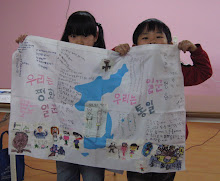
![[URGENT PLEA: In Update] EMERGENCY in GANGJEONG Since AUG. 24, 2011](https://blogger.googleusercontent.com/img/b/R29vZ2xl/AVvXsEiQvpaNf6EePZVucu97_JphYsFS5IgumnSiA4YAmen1PZcim6vMmW7XjZ7J6nLh-Cu36mwBN5n1evrA3ey0vYMpwlAGsgnSFggv6a1w4Qx9BvvqOB0hy0BIcBkL2Exfs3zIxBsBuDGa1kzg/s227/jejusit.jpg)


![[Solidarity from Japan for the Jeju] 253 individuals and 16 groups/organizations](https://blogger.googleusercontent.com/img/b/R29vZ2xl/AVvXsEivji7100kBkr0hzvqYfh4IBBilkZ6XgDIg89jOxS6kTssxsVKC6Wm-fZbKOEsiy3zcO-9gW6GHspD5R_2C9WsGx5S1Z5VPj_OVRF7H6dxdaT0S-2H1eqsDsYvIwOV26VscxTHnKmP5iZmh/s227/jeju_12_10j.jpg)

![[Translation] Korean organizations' statement: Immediately cancel the joint ROK-US drill Nov 26](https://blogger.googleusercontent.com/img/b/R29vZ2xl/AVvXsEgfKDMo-qyEjm5asUtHlREyJY_5Ou-2tyB8SH6aUxiViRbbKR-8W_rirFiGp5DYSoD_KaeNOPMWR0af0ZPUIbJKmR89ImDvADHsGAIqsJVBvJNBEIl5wLd3G_zhPDW3Z2SxsHXadOsXe8st/s227/1.jpg)
![HOT! [Hankyoreh Hani TV] Beneath the Surface: the investigation into the sinking of the Cheonan](https://blogger.googleusercontent.com/img/b/R29vZ2xl/AVvXsEh80rL3Qv9GnfHSqbYMfivdqX5gZN-1O_VQj3A_Gk3yjWdybHwJCsprA3l6cEQB0cYCP2oNeaLo2ohLGIy0Uqqkv_fRkBevGJ2f-qkKD5eP1ZGsKeQ-r-jHUUb79WvucIN7hpEtXza4xXCL/s227/HaniTV+Cheonan.gif)


![[Translation]Statement against illegal inspection and unjust lay-off by the Kunsan USAFK!(Nov_2010)](https://blogger.googleusercontent.com/img/b/R29vZ2xl/AVvXsEg3JlQ-lreusCIJo5Yv2e3ZrRwrSMUE7UQxlrDVjmBehl0Pa24QZIAbZ5vUpgnnExbkKL9PdCwxVYSHWJkr_XK0FM4EhU3CMFhqfborVNu_p4v3bEFpNm3ia-aEHnvMMuEBI27aB7_BETuJ/s227/gunsan+protest.gif)
![[Translation] Korean organizations' statement against dispatching special force to the UAE on Nov.](https://blogger.googleusercontent.com/img/b/R29vZ2xl/AVvXsEiU7TNhTDLLwZkKP0Z78JsCZKp6je-QSFll3_ThmLES_y_nPLXEzeakrsZXoNxhN5blopEhy6xGV2tneJrniPdTR-JvOQMmSLr_HhlucxFvbusxk4oKvvMO2laBOHSIkB9OOeOxrQlqCA0O/s227/antiwarpeace.jpg)
![[Translation] Stop, Joining MD!: South Korean activists' statement and writing on Oct. 25, 2010](https://blogger.googleusercontent.com/img/b/R29vZ2xl/AVvXsEggGIHVei8j7LCJPJB5HIrspd942q436daNTquP-pFd45Cl70Ml_1JFiFDHgKu6FcoqNgFVKIFqjeuSPau2k_BwGHhx0cqFFL2-4ybZSTlmua0_AsERBtKYQa7jZk7uNj41LX6rj2vksHbo/s227/StopMD.jpg)
![[In Update] People First, NO G-20 (Nov. 6 to 12, Korea)](https://blogger.googleusercontent.com/img/b/R29vZ2xl/AVvXsEhZl8VTqeL7o2ndliGIE-sZFCikbTgfB9KCc3AtZvDaYijBBEhdfultMEOpyrCaD5gzpH8mqfWjU20KXMbSUl-5KM7yQeHU6z3BWV8tiOy4UKaCudz9VKWoi5x58xdC_gQpJTjkR5u7O9xf/s227/left21_G20.jpg)
![[International Petition] Stop US helipad plan in Okinawa to save great nature](https://blogger.googleusercontent.com/img/b/R29vZ2xl/AVvXsEihgYmdb0N8ViPvTFC_5i-Psbt4eX_LnAUEOtZkUngv_pGvRyWag1r6W60NicLLyTgWq-sPT1hBxLY5SadEIVv5McfZQ5uIhe-W0VoflQNqojsYZjFW6AH-gB1jsmSDGnGuKIFk2UkvNbFG/s227/yanbaru_w.jpg)
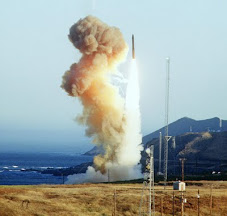
![[Global Network] against the first launch of Quasi-Zenith Satellite, Japan, on Sept. 11, 2010](https://blogger.googleusercontent.com/img/b/R29vZ2xl/AVvXsEj2sYpfodDDMIA7qXwuda0DmKapxXFB479fDnn8RKy7QNZqz0VEvWucNd-DleZ37hWNXC-Z8QtaqtM37VuPwac5SgclJ9_khBBSWOedvm19MRXIP1j1kcWrK6EW5IFjQdEEY2h7E6xuyNvC/s227/Qzss-45-0_09.jpg)
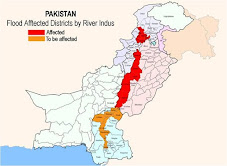
![[In update] Some collections on the Koreans’ protests against the sanction & war on Iran](http://4.bp.blogspot.com/_gnM5QlRx-4c/TJMvke6t8zI/AAAAAAAAFO4/tamQ8LUnOOA/S227/No+Sanction+on+Iran.jpg)
![[Three International Petitions] to End the Korean war and peace treaty(or peace resolution)](https://blogger.googleusercontent.com/img/b/R29vZ2xl/AVvXsEhlohLVYtpCg7iMsZhNYY4hBbhTi2dIheHMHWLDph9X2y78cjgZV1LeSfUJeu80elhJm70Q9E059q72lK-spSPvsRG4bPuCDIytltJB9IH3mWt9OG98HqhnTsPakwhvNeoCFUgF1xoxQ2EZ/s227/border.jpg)


![[Collection of Documents] No Base Learning and Solidarity Program_Korea(June 14 to 20, 2010)](https://blogger.googleusercontent.com/img/b/R29vZ2xl/AVvXsEix_HzjToh3nNGHBc-_5gasq-ykcaZ6GInLixILmZVyRJ5xoeHCxWOyYd9fSM7bmnuFsjSrYOGEPnQOwB1Dcyo-sN4Pw0cFPhUtKig_qlVnGL1Wi82ClvPqbEPWYhJiqdNF0DyzLIBETMB9/s227/No-Base-banner.jpg)
![Site Fwd:[John Hines] A U.S. Debate coach’s research trip on the Issues of Korea](https://blogger.googleusercontent.com/img/b/R29vZ2xl/AVvXsEg8yRra0zNhKHN74Auqhd3Nx9tZ7BWCGflRJHGH4CfzBT_yjhZ8Nl9b3OZuLpYWJ2exsjmR0oVl-Qq_cf832p2VdmOZhUi-lCFzCNeDSyVtweX1lWZPC-RlHmDMLtilHwHjNFTenBiM4Fk4/s227/Jeju-Peace-Tour.jpg)


![[News Update] Struggle Against the Jeju Naval Base since Jan. 18, 2010](https://blogger.googleusercontent.com/img/b/R29vZ2xl/AVvXsEhKfSTRC5QKBBSFIq_m7QIqXdlbL4-gF5GJYn9Q-pN__k7sV7uxGDcLY5L8xmU7QuWuUhBT_GhG-URBPO80RT3AfWfDrWJr06h1hFuZC6ZBVKe4U6PS1Cd7Kr6olO8TYQtk13Drox7IS6ea/s226/scrum1.jpg)


![[Urgent] Please spread the Letter!: There was no Explosion! There was no Torpedo! (May 26, 2010)](https://blogger.googleusercontent.com/img/b/R29vZ2xl/AVvXsEhSd2yWZ3xGwnJQXB73z5FgXCqSosAoB9_33-GLYprOmLqjmvgSAQp1BYI7e4slK1FDxHRi9KK4um-OpDaj8QOkXwAScVAgvvq6-ehbDA-hbkr96wT9oHNNmWnBPv8GU4hoZp9X8F9AZBX4/s227/grounded.jpg)
![Text Fwd: [Stephen Gowans]The sinking of the Cheonan: Another Gulf of Tonkin incident](https://blogger.googleusercontent.com/img/b/R29vZ2xl/AVvXsEi_L6hB3RZ1MovTXHe0A8yn_RfgMALGR0kM6poBuGp809xwvHtB_-PGWtS_WpyPWatyd9lB2pPqL2gOLc4dTCEdJ9sMvxJWEdapl-mMLm7WHAsV-jVpgqarVh8XBtdz_0c-Vohdh3HtJahD/s227/lee-myung-bak.jpg)
![[Japan Focus]Politics in Command: The "International" Investigation into the Sinking of the Cheonan](https://blogger.googleusercontent.com/img/b/R29vZ2xl/AVvXsEiHmTo8v-uCJnabRhMdnBAkC9J3s5bb2JsDKiT5leJHwbK8IDJHxfJmqQ_C0Is_bPC6UGMf05CA0exF2y4r2x9RhFUHT0kjsKviaME_MZXKnq775UyYAdb7w2SAzE75XvBfHp1al2q6i3cf/s227/wen_jiabao_and_lee_myungbak.png)
![[Japan Focus] Who Sank the SK Warship Cheonan? A New Stage in the US-Korean War and US-China](https://blogger.googleusercontent.com/img/b/R29vZ2xl/AVvXsEiKSS5ULT5QBaMGYpXXqBMX9jtwLwMLuK469b6Ku72GTJYKUObzTANaPjZqvvpPzYMJgPF53sjhvhK3DVa88ipYlggsJageykXlkxY6s8TW05xcU-_vfhf-pACUoaWuFbT-fsU1qEhm_yIi/s227/buoy_map.gif)
![[Updated on 12/13/10] [Translation Project] Overseas Proofs on the Damages by the Military Bases](https://blogger.googleusercontent.com/img/b/R29vZ2xl/AVvXsEikADE6JovUNspQyZUWVMTLAQg7yQNqXpVUbqZPk8f4uc_1723_xm1Cco6WAmstQXVPnaJAcb1mZA8Ny_3xONT_f5uh8MNLPnUhtqdGgy3HCtC1Vbbz4Q0ZY1Cssu-4cJEVNdrvznbS5UzO/s227/missile.jpg)
![[International Petition] Close the Bases in Okinawa](https://blogger.googleusercontent.com/img/b/R29vZ2xl/AVvXsEhNpQiHklwFbWVlFK7GDFXnBSOOSFEj3Il-We-N3uTDldKiidL2NGZs7X_LtTnatzTo_r8CexRkFe8NhfxYqmgp1knEEslROTfNjI5_mSb57cdbhPkftvanveYBaevAD9xuKDGoIxiTwoSb/s227/2.jpg)
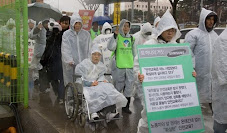
![[In Update]Blog Collection: No Korean Troops in Afghanistan](https://blogger.googleusercontent.com/img/b/R29vZ2xl/AVvXsEjjEmCRXSNAG7_QBxKWbdksmxoWR4nyAovQTTdR1G2AuXh0jxtqNkI9OmYgYWRoLAJShvtBvE840QXuBWSVh3u3zMYqkNAFX6OWy3m5Nur4HM7uNK-pKT1ycyApJp-VLyhIFRRcoisYAh0E/s226/No-Troops-to--Afghanistan.jpg)


