* Sent by Ariel Ky on Oct. 20, 2010
UB POST
Reaching Out to North Korea
Written by Ariel Ky
Tuesday, August 04, 2009.
North Korea has suggested that it is willing to enter bilateral talks with the United States to resolve tensions over its atomic weapons program, now that it’s bolstered its negotiating power with nuclear and missile tests, according to a July 27 article by Jae Soon-chang in the Associated Press. However, U.S. Secretary of State Hillary Clinton said earlier in the day that a multilateral framework is “the appropriate way to engage with North Korea.”
State Department spokesperson Ian Kelly also said that negotiations could only happen on the sidelines of a new round of six-nation multilateral talks, which would include the two nations, as well as Russia, China, and Japan.
The U.S. has called for international support in strictly enforcing the U.N. sanctions resolution against North Korea as a way to pressure them to return to talks, after the country’s May 25 nuclear test.
North Korea has “ratcheted up tensions at a rapid pace”, according to Jae’s article.
“It conducted a long-range rocket launch in April, quit the six-nation nuclear talks, restarted its nuclear facilities, conducted its second-ever nuclear test, and test-launched a barrage of banned ballistic missiles,” the article said.
North Korea’s July 27 statement said that the country refuses to engage in six-party talks again, because “it became all the more clear that other parties are taking advantage of these six-party talks to seek their ulterior aims to disarm and incapacitate the (North) so that it can only subsist on the bread crumbs thrown away by them.”
Despite this, there were no written threats in the statement, and the suggestion for talks – even if limited to bilateral arrangements with the U.S. – is rare, said Jae.
Decades of sanctions have made little impact on North Korea’s weapons program and strident militarism. The failure of sanctions to steer policy has led to new approaches in reaching out to North Korea in an attempt to find feasible ways to end the country’s isolation so that they may have a stake in global peacekeeping.
In the New York Times article, “Will Sanctions Ever Work on North Korea”, Martin Fackler and Choe Sang-Hun said that the North will need motivation.
“In the end what is needed … is a ‘grand bargain’ of sweeping incentives that could include large-scale economic aid, normalization of relations with the United States and pledges that Washington will not attack or topple the North Korean government,” it said.
Yun Duk-min, a North Korea specialist at the Institute of Foreign Affairs and National Security based in South Korea agrees that it is the only hope for breaking the cycle.
“We need big enough carrots to go along with a stronger stick,” he said.
Dr. Chris Williams of the University of Birmingham’s Centre for International Education and Research suggested another option for disarmament: A road. Williams said that a connecting passageway would act as a better deterrent than a nuclear bomb.
The 2005 UN East Asian Highway Agreement encourages 32 Asian countries to extend existing roads towards and across borders, creating a 141,000-kilometer long trans-Asia network of roads. An agreement for a parallel railway network dubbed the “Iron Silk Road” was signed in Busan in 2006.
Politically, this idea is probably one of the most exciting moves towards peace and security since the United Nations was founded, said Williams. He argues that once people have the freedom to travel from country to country on a network of roads such as happened in Europe in the 20th century, losing that freedom due to war would be unthinkable.
Financial assistance may also be more readily available to North Korea once an agreement for a structured foreign reserve currency for Asian countries is finalized. Ongoing negotiations on the proposal have taken place between the ASEAN countries, plus China, Japan and Korea, in Chiang Rai, Bali, and most recently Yekatarinburg.
In a July 29 article in the Korea Herald titled “Creating a Good Bank for North Korea”, Bernard Seliger argues that a Northeast Asian Development Bank (NADB) should be formed and it should produce a strong offer to North Korea to participate from the beginning.
He suggests that funding could be regional – with the majority likely coming from South Korea and China, but also from Japan and non-Asian states such as the European Union.
Seliger went on to say that the North American Development Bank (NADB) would also be helpful in addressing an issue that has plagued many socialist and developing countries – North Korea defaulted on its external debt in the 1980s. This problem has to be resolved as a precondition for the re-integration of North Korea in the world economy.
“This does not mean North Korea has to pay back all of that debt - principal plus interest - which is not possible in the foreseeable future. Looking at the experience of debt rescheduling of Soviet and Russian debt with the London Club [of private lenders] and Paris Club [of state lenders], it can be said that the process was helpful beyond solving the original problem,” said Seliger.
“A new generation of debt and trade finance specialists emerged [as] more understanding, for international trade followed, and economic reform was forwarded by negotiations. Creating macroeconomic specialist, debt and trade finance specialists would be as well a precondition as an outcome of negotiations. In both, the NADB could play a pivotal role.”
In a second step, the NADB could also assume the debt – where the possibility of repayment is currently zero – after large write-offs, and for concessions in terms of reform in North Korea. A strong linkage of capacity building, aid and trade would result.
Seliger further states that resolving current problems goes hand-in-hand with developing solutions for North Korea.
“Extending an olive branch to North Korea, particularly in the form of a regional initiative that includes China, would put pressure on North Korea to react positively,” Seliger said. “It would also show the population of North Korea, which by now has at least limited access to information from abroad, that the international community is not hostile vis-à-vis North Korea, but offering help.”
He goes on to say that that this would open other various possibilities with the country.
“The most benign, but currently least probable, would be that North Korea itself becomes interested in capacity-building and economic integration. A more probable outcome would be that growing Chinese frustration with its ally would lead to stronger Chinese efforts to convince North Korea to open up,” he said.
“There is no guarantee that the NADB will succeed with regard to North Korea. However, a lot of money has been spent on much more dubious inter-Korean cooperation projects to no avail. This approach might well be worth trying out.”
Mongolia could also play an active role because of the long friendship it has shared with North Korea.
In a June 12 article in the UB Post titled “Looking Beyond North Korea”, Stephen Noerper stated that Mongolia has “offered itself as a venue for talks on easing tensions on the Korean peninsula, notable given its good relations with both North and South Korea.”
Hopefully, the U.S. will take up Mongolia’s offer.
Showing posts with label Mongolia. Show all posts
Showing posts with label Mongolia. Show all posts
Friday, October 22, 2010

Saturday, July 10, 2010
Text Fwd:[Rick Rozoff]Pentagon Provokes New Crisis With China
* Text sent from Rick Rozoff on July 10, 2010
Stop NATO
July 10, 2010
Pentagon Provokes New Crisis With China
Rick Rozoff
Three news features appearing earlier this week highlight tensions between the United States and the People's Republic of China that, at least in relation to the language used to describe them, would have seemed unimaginable even a few months ago and are evocative more of the Korean War era than of any time since the entente cordiale initiated by the Richard Nixon-Mao Zedong meeting in Beijing in 1972.
To indicate the seriousness of the matter, the stories are from Global Times, a daily newspaper published in conjunction with the People's Daily, official press organ of the ruling Communist Party of China, and Time, preeminent American weekly news magazine. Both accounts use as their point of departure and source of key information a July 4 report in Hong Kong's major English-language daily.
On July 6 writer Li Jing penned a news article for Global Times called "US subs reach Asian ports: report," which detailed the following recent developments:
"Three of the largest submarines of the US Seventh Fleet surfaced in Asia-Pacific ports last week, the South China Morning Post reported Monday [July 5]. The appearance of the USS Michigan in Pusan, South Korea, the USS Ohio in Subic Bay, the Philippines, and the USS Florida in the strategic Indian Ocean outpost of Diego Garcia was a show of force not seen since the end of the Cold War, the paper said, adding that the position of those three ports looks like a siege of China." [1]
The piece from the Hong Kong newspaper cited was entitled "US submarines emerge in show of military might: Message unlikely to be lost on Beijing as 3 vessels turn up in Asian ports," and was in fact dated July 4.
The author, South China Morning Post Asia correspondent Greg Torode, described the simultaneous arrival of three "Ohio-class submarines" equipped with "a vast quantity of Tomahawk cruise missiles" as a reflection of "the trend of escalating submarine activity in East Asia...." [2]
He further added this noteworthy data: "Between them, the three submarines can carry 462 Tomahawks, boosting by an estimated 60 per cent-plus the potential Tomahawk strike force of the entire Japanese-based Seventh Fleet - the core projection of US military power in East Asia."
The author quotes without identifying his name or nation a veteran Asian military attache with reported close ties to both Chinese and U.S. military officials: "460-odd Tomahawks is a huge amount of potential firepower in anybody's language.
"It is another sign that the US is determined to not just maintain its military dominance in Asia, but to be seen doing so...that is a message for Beijing and for everybody else, whether you are a US ally or a nation sitting on the fence." [3]
 * Image source: same as the link, [USS Ohio]
On July 8 Time magazine's Mark Thompson elaborated on the earlier report with language, including that of his title, "U.S. Missiles Deployed Near China Send a Message," derived from the South China Morning Post piece, which Thompson claims contained information planted by "U.S. officials...on July 4, no less" [4] in a clear signal to the government in mainland China.
The Time journalist added details, though, not in the original story, replete with a good deal of editorializing that perhaps serves the same source he attributes the contents of the Hong Kong article to and for the same reason: As a shot across the bow to China.
His account of last week's deployments included: "A new class of U.S. superweapon had suddenly surfaced nearby. It was an Ohio-class submarine, which for decades carried only nuclear missiles targeted against the Soviet Union, and then Russia."
The U.S. has eighteen nuclear-powered Ohio class ballistic missile submarines, fourteen still armed with nuclear warhead-tipped Trident missiles and four which "hold up to 154 Tomahawk cruise missiles each, capable of hitting anything within 1,000 miles with non-nuclear warheads."
"The 14 Trident-carrying subs are useful in the unlikely event of a nuclear Armageddon, and Russia remains their prime target. But the Tomahawk-outfitted quartet carries a weapon that the U.S. military has used repeatedly against targets in Afghanistan, Bosnia, Iraq and Sudan." [5]
With the arrival of the USS Ohio in the Philippines, the USS Michigan in South Korea and the USS Florida "in the strategic Indian Ocean outpost of Diego Garcia" [6] on the same day, "the Chinese military awoke to find as many as 462 new Tomahawks deployed by the U.S. in its neighborhood." [7]
The Time report also revealed that all four Ohio class Tomahawk-armed submarines were operationally deployed away from their home ports for the first time.
Thompson wrote that the coordinated actions were "part of a policy by the U.S. government to shift firepower from the Atlantic to the Pacific theater, which Washington sees as the military focus of the 21st century."
Regarding the submarines still carrying Trident missiles, he rhetorically added, "Why 14 subs, as well as bombers and land-based missiles carrying nuclear weapons, are still required to deal with the Russian threat is a topic for another day." [8]
All three journalists cited - Jing, Torode and Thompson - place the U.S. submarine deployments within a broader and also a more pressing context.
The South China Morning Post writer stated: "In policies drafted under then-president George W. Bush, a Republican, and continued by the administration of his successor, Democrat Barack Obama, the Pentagon is shifting 60 per cent of its 53 fast-attack [as distinct from ballistic and guided missile] submarines to the Pacific - a process that is now virtually complete.
"But the presence of the larger cruise-missile submarines shows that, at times, the US forward posture will be significantly larger."
The USS Ohio, for example, "has been operating out of Guam for most of the last year, taking advantage of the island's expanding facilities to extend its operations in the western Pacific.
"It is due to return soon, but the Florida and the Michigan are likely to remain in the region for many months yet, using Guam and possibly Diego Garcia for essential maintenance and crew changes."
Additionally, "The presence of the Florida, based on the US east coast, appears to confirm the US is still routinely bringing submarines under the arctic ice cap to East Asia." [9]
Just as the Pentagon is moving nuclear submarines under the northern polar ice cap to the Indian Ocean, so it has recently reached an "agreement [that] will allow troops to fly directly from the United States over the North Pole" to Afghanistan and "the region" by way of Kazakhstan, which borders China as well as Russia. [10]
The U.S. military "siege of China" is proceeding on several fronts, on land as well as under water and in Central as well as South and East Asia. But what primarily had been a policy of surveillance and probing China's perimeter is now entering a new phase.
That the U.S. currently has over 60 per cent of the Tomahawk cruise missiles assigned to its Japan-based Seventh Fleet near China emphasizes the qualitative escalation of Washington's show of strength vis-a-vis Beijing. One related to, as was seen above, a strategic shift of attack submarines nearer China and also to the crisis on the Korean Peninsula that was exacerbated by the sinking of a South Korean warship, the Cheonan, in March.
There has even been speculation that U.S. submarine deployments and other "messages" delivered to China of late were designed to pressure Beijing into taking a tougher stance toward North Korea over the Cheonan incident. What journalists have been referring to as messages would in an earlier age have been called saber-rattling and gunboat diplomacy.
U.S.-China relations sharply deteriorated this January when the Obama administration finalized an almost $6.5 billion arms sales package for Taiwan which includes 200 Patriot missiles. [11] An article on the subject in the New York Times on January 31 was titled, revealing enough, "U.S. Arms for Taiwan Send Beijing a Message."
China suspended military ties with the U.S., and bad blood has persisted throughout the year, resulting in Secretary of Defense Robert Gates scrapping plans to visit Beijing early last month when he was effectively disinvited by Chinese officialdom on the prompting of the military.
The White House and the Pentagon have been sending a number of unequivocal - and increasingly provocative - messages to China this year.
The new U.S. administration signalled a confrontational approach early on. In May of 2009 Secretary of State Hillary Clinton, barely three months in her post, stated, “The Obama administration is working to improve deteriorating U.S. relations with a number of Latin American nations to counter growing Iranian, Chinese and Russian influence in the Western Hemisphere....” [12]
Later in the year then Director of National Intelligence (and retired admiral and former commander-in-chief of the Pacific Command) Dennis Blair released the latest quadrennial National Intelligence Strategy report which said “Russia, China, Iran, and North Korea pose the greatest challenges to the United States’ national interests. [13]
While Blair headed up the Pacific Command (PACOM) from 1999-2002, his role included overseeing a vast area of the planet that includes China (since the Ronald Reagan administration assigned it to that military command in 1983).
Arrogating the right to divide the entire world into military zones, areas of operation, has never been attempted by any other nation, any group of nations, not even all the nations of the world collectively (in the United Nations or otherwise). But the U.S. has and does do just that. It has even added two new Unified Combatant Commands - Northern Command and Africa Command - in recent years, in 2002 and 2007 respectively.
 * Image source: same as the link
The Pacific Command is the oldest and largest of the six current regional commands (the others being the Africa, Northern, European, Central and Southern Commands), and was formed during the dawning of the Cold War in 1947. Its area of responsibility takes in over 50 per cent of the world - 105 million square miles - 36 nations and almost 60 per cent of the world's population.
300,000 troops from all major branches of the U.S. armed forces - the Air Force, Army, Marine Corps and Navy - are assigned to it, 20 per cent of all active duty American service members.
Pacific Command is in charge of military defense treaties with Australia, Japan, New Zealand, the Philippines and South Korea.
The U.S. is also alone in assigning the world's oceans and seas to naval commands. Washington has six naval fleets - the Fourth Fleet (the Caribbean, Central and South America) was reactivated in 2008 after being disbanded in 1950) - and just as Pacific Command is the largest unified, multi-service command, so the Seventh is the largest forward-deployed fleet, with 50-60 warships, 350 aircraft and as many as 60,000 Sailors and Marines at any given time. It is based in Japan and its area of responsibility includes over 50 million square miles of the (largely western) Pacific and Indian Oceans.
The U.S. also has eleven aircraft carriers, ten of them nuclear-powered and all eleven part of strike groups. [14] (China has no and Russia one carrier.)
The Time magazine article quoted from earlier mentioned that the deployment of four U.S. guided missile submarines to East Asia and the Indian Ocean is not the only development that China needs to be concerned about. The U.S. is simultaneously presiding over six-week biennial Rim of the Pacific (RIMPAC) military exercises in Hawaii with over 20,000 troops, 36 warships and submarines (25 American) and 180 planes and helicopters.
This year's RIMPAC, which began on June 23 and is to be completed by the end of July, includes for the first time the participation of France, Colombia - with which the U.S. has recently concluded an agreement for the use of seven of its military bases [15] - and the Southeast Asia nations of Malaysia and Singapore. The other countries involved are Australia, Canada, Chile, Indonesia, Japan, the Netherlands, Peru, South Korea and Thailand. The five-week war games involve "missile exercises and the sinking of three abandoned vessels playing the role of enemy ships." [16]
The combined task force commander for RIMPAC 2010 is commander of the U.S. Third Fleet, whose area of responsibility is approximately 50 million square miles of the eastern Pacific, Vice Admiral Richard Hunt, who stated, "This is the largest RIMPAC that we've had," and one which "clearly focuses on maritime domain awareness dealing with expanded military operations across the complete spectrum of warfare." [17]
Time's Mark Thompson also wrote: "Closer to China, CARAT 2010 - for Cooperation Afloat Readiness and Training - just got underway [July 5] off Singapore. The operation involves 17,000 personnel and 73 ships from the U.S., Singapore, Bangladesh, Brunei, Cambodia, Indonesia, Malaysia, the Philippines and Thailand.
"China is absent from both exercises, and that's no oversight." [18]
This February Cobra Gold 2010, "the largest multinational military exercise in the world," [19}, was launched in Thailand (separated from China by only one nation, either Laos or Myanmar) and as with all previous Cobra Gold war games was run by U.S. Pacific Command and the Royal Thai Supreme Command. Joining the U.S. and Thailand in this year's exercises, designed "to build interoperability between the United States and its Asia-Pacific regional partners," [20] were the armed forces of Japan, Indonesia, Singapore and, for the first time, South Korea.
From June 8-25 the latest U.S. Air Force-led Red Flag Alaska air maneuvers were held near the eastern Pacific. "The Red Flag exercises, conducted in four-to-six cycles a year by the 414th Combat Training Squadron of the 57th Wing, are very realistic aerial war games. The purpose is to train pilots from the U.S., NATO and other allied countries for real combat situations." [21]
Over a thousand airmen from five nations - the U.S., Japan, South Korea, Romania and Belgium - assembled at Alaska's Elmendorf and Eielson Air Force Bases for air combat training which "unites forces from all over the world."
"South Korea, a country already accustomed to working with U.S. troops, is also in Alaska to strengthen the two nations' ties after the sinking of a South Korean warship by a North Korean submarine.
"'We have the American Air Force in Korea, and the coalition and the combined working environment is very important,' said Lt. Hoon Min Kim, a member of South Korea's air force. 'And being able to perform under a combined environment is therefore essential as well.'" [22]
The incorporation of progressively more Asia-Pacific nations into what has been referred to as an Asian NATO is by no means directed solely at North Korea nor is it understood as such by officials in Beijing.
Participants in that arrangement, among them Australia, New Zealand, Singapore, South Korea and Mongolia, have troops serving under NATO in Afghanistan. Recently 140 new South Korean forces arrived at the Bagram Air Base in Afghanistan to reinforce a base in Parwan province recently subjected to repeated rocket attacks. Seoul's troop strength in the war zone is now at 230.
This month the government of Singapore announced it will increase its soldiers in the NATO-led International Security Assistance Force to "a record 162, from 97 last year."
"Next month, the Singapore Armed Forces (SAF) will send a 52-man unmanned aerial vehicle (UAV) team - its biggest deployment to Afghanistan - to Oruzgan [Uruzgan], one of two provinces where Singapore has troops." [23]
Earlier this year NATO announced that Mongolia and South Korea have become the 45th and 46th nations to provide it with troops for the war in Afghanistan. Mongolia borders both China and Russia and is the object of intense efforts by the U.S. to increase military cooperation and integration. [24] On July 6 NATO's Assistant Secretary General for Political Affairs and Security Policy Dirk Brengelmann paid a two-day visit to South Korea, where he stated, "Our security interests and security interests of countries like Korea coincide today more than ever."
A news report of his visit paraphrased his comments as asserting that "The world's biggest military alliance, NATO, is looking to increase cooperation with South Korea and other partners beyond Europe and North America," and added that "Speaking of cooperation, Brengelmann noted NATO's show of support for South Korea in light of the sinking of its warship Cheonan....The diplomat said some NATO members also serve on the U.N. Security Council and that the NATO members will try to ensure any Security Council action on the Cheonan sinking will represent their views expressed in the NATO statement." [25]
Another country that shares borders with China and Russia, Kazakhstan, has allowed the U.S. and NATO transit and overflight rights for the Afghan war and last week the nation's president, Nursultan Nazarbayev, signed a law permitting the Pentagon to ship "special cargo" - armored vehicles - through his country.
The U.S. and NATO have transited hundreds of thousands of troops through the Manas Air Base (now Transit Center at Manas) in Kyrgyzstan, which also borders China, since 2001 and in recent months troops have passed in and out from Afghanistan at the rate of 55,000 a month, 660,000 a year. [26] Washington has announced plans to open new training bases in Kyrgyzstan and Tajikistan, the second nation also adjoining China.
With Afghanistan and Pakistan, which also have borders with China, the U.S. and NATO have a military presence in five nations on China's western flank and a foothold in Mongolia. The U.S. and NATO war in South Asia will enter its tenth year this autumn with no sign of Western military presence departing from China's backyard.
The U.S. military remains ensconced in Japan and South Korea, has returned to the Philippines (including camps in Mindanao), is solidifying bilateral and multilateral military relations with practically all nations in Southeast Asia, and for the past five years has cultivated India as a military partner. [India is currently an observer at the RIMPAC exercises.) Japan, Taiwan and Australia are being integrated into a U.S.-designed regional and broader global interceptor missile system.
The U.S. is conducting regular military exercises, building military partnerships, stationing troops and opening bases around China's periphery, in addition to the positioning of warships, submarines and aircraft carriers in the waters off its coasts.
What alarms China most at the moment, though, is a proposed joint U.S.-South Korean military exercise in the Yellow Sea, enclosed by both Koreas to the east and China to the north and west.
China's Global Times recently quoted Xu Guangqian, military strategist at the People's Liberation Army's Academy of Military Sciences, issuing this warning: "China's position on the Yellow Sea issue demonstrates its resolution to safeguard national rights and interests. It also reflects that China is increasingly aware of the fact that its strategic space has confronted threats from other countries." [27]
China, which just concluded six days of naval drills of its own in the East China Sea, had more reason to be concerned when it was disclosed earlier this month that a U.S. aircraft carrier would join the maneuvers off its Yellow Sea coast.
On July 8 China renewed its opposition to the planned U.S.-South Korean war games, with Foreign Ministry spokesman Qin Gang telling reporters, "China has expressed its serious concerns with relevant parties. We are firmly opposed to foreign military vessels engaging in activities that undermine China's security interests in the Yellow Sea or waters close to China." [28]
An unsigned editorial in the Chinese Global Times of July 8 stated, "Beijing sees the joint exercise not only as being aimed at Pyongyang, but also as a direct threat to its territorial waters and coastline," and blamed South Korean President Lee Myung-bak for worsening relations between the two nations:
"It is not known whether Lee had thought of China's reaction when he announced in May the drill with the US.
"Did he foresee Chinese people's anger? Or, did he intend to provoke the country on the other side of the Yellow Sea?
"It is a shame and a provocation on China's doorstep.
"If a US aircraft carrier enters the Yellow Sea, it will mean a major setback to Seoul's diplomacy, as hostility between the peoples of China and South Korea will probably escalate, which Beijing and Seoul have been working for years to avoid." [29]
President Lee met with his American counterpart, Barack Obama, on the sidelines of the Group of Eight summit in Toronto late last month, during which a previous arrangement to transfer wartime command of South Korean forces to the nation in 2012 were postponed if not abandoned. In Obama's words, "One of the topics that we discussed is that we have arrived at an agreement that the transition of operational control for alliance activities in the Korean peninsula will take place in 2015." In the five-year interim "if war were to break out on the Korean peninsula the United States would assume operational command of South Korean forces." [30]
If Washington is planning direct intervention on the Korean Peninsula as its military buildup in the region, including off China's shores, might indicate, the words of former South Korean president Kim Young-Sam a decade ago are worth recalling. Two years after stepping down as head of state, Kim revealed to one of his nation's main newspapers that he had intervened to prevent a second Korean war, that his government "stopped US President Bill Clinton from launching an air strike against North Korea's nuclear facilities in June 1994."
He initiated a last-minute phone conversation with the U.S. president which "saved the Korean peninsula from an imminent war," as "The Clinton government was preparing a war" by deploying an aircraft carrier off the eastern coast of North Korea "close enough for its war planes to hit the North's nuclear facilities in Yongbyon."
Furthermore, Kim warned the U.S. ambassador in Seoul that "another war on the Korean peninsula would turn all of Korea into a bloodbath, killing between 10 and 20 million people and destroying South Korea's prosperous economy." [31]
Any catastrophic event on the Korean Peninsula, and war is the ultimate cataclysm, could lead to hundreds of thousands of North Korean refugees fleeing to Russia and millions to China.
The nearly nine-year war in Afghanistan being waged by the U.S. and NATO has led to an explosion of violence and destabilization in three nations flanking China: Afghanistan itself, Pakistan and Kyrgyzstan.
Also, since 2001 Afghanistan has become the world's largest producer of opium and hashish, flooding the European and other drug markets. A forum entitled "Afghan Drug Production - A Challenge to the International Community" was held in Moscow a month ago.
A Russian report on the meeting stated "The situation around drug production in Afghanistan has gained a catastrophic character. Some 100,000 people died globally from Afghan drugs in 2009 alone. In all, Afghan-made opiates have claimed one million human lives in the past decade, and 16 million more ruined their health." [32] 30,000 of the drug-related deaths occurred in Russia. The United Nations estimates that Afghanistan currently accounts for 92 per cent of world opium cultivation.
China and Russia are viewed as, if not challengers to U.S. global dominance, impediments to its further consolidation. And not in the military sphere but in the fields of economics, trade, energy and transportation. Destabilization of their neighborhoods and frontiers is one manner of limiting competition.
All means fair and foul are employed to eliminate obstacles to uncontested supremacy, and what the world's sole military superpower (the term is President Obama's from his Nobel Peace Prize acceptance speech) truly excels at is expanding its international military machine with an unflinching willingness to use it.
1) Global Times, July 8, 2010
2) South China Morning Post, July 4, 2010 http://www.scmp.com/portal/site/SCMP/menuitem.2c913216495213d5df646910cba0a0a0/?vgnextoid=6c48dbee25999210VgnVCM100000360a0a0aRCRD&vgnextfmt=teaser&ss=Asia+%26+World&s=News (Subscribers only)
3) Ibid
4) Time, July 8, 2010
http://www.time.com/time/nation/article/0,8599,2002378,00.html?xid=rss-topstories
5) Ibid
6) South China Morning Post, July 4, 2010
7) Time, July 8, 2010
8) Ibid
9) South China Morning Post, July 4, 2010
10) Kazakhstan: U.S., NATO Seek Military Outpost Between Russia And China
Stop NATO, April 14, 2010
http://rickrozoff.wordpress.com/2010/04/15/kazakhstan-u-s-nato-seek-military-outpost-between-russia-and-china
11) U.S.-China Military Tensions Grow
Stop NATO, January 19, 2010
http://rickrozoff.wordpress.com/2010/01/20/u-s-china-military-tensions-grow
12) Associated Press, May 1, 2009
13) Radio Free Europe/Radio Liberty, September 16, 2009
14) U.S. Consolidates Military Network In Asia-Pacific Region
April 28, 2010
http://rickrozoff.wordpress.com/2010/04/28/s-consolidates-military-network-in-asia-pacific-region
15) Colombia: U.S. Escalates War Plans In Latin America
Stop NATO, July 22, 2009
http://rickrozoff.wordpress.com/2009/09/01/colombia-u-s-escalates-war-plans-in-latin-america
16) Time, July 8, 2010
17) Navy Times, July 6, 2010
18) Ibid
19) American Forces Press Service, January 13, 2010
20) Ibid
21) http://en.wikipedia.org/wiki/Red_Flag_(USAF)
22) KTUU TV, June 24, 2010
23) AsiaOne, July 1, 2010
24) Mongolia: Pentagon Trojan Horse Wedged Between China And Russia
Stop NATO, March 31, 2010
http://rickrozoff.wordpress.com/2010/03/31/mongolia-pentagon-trojan-horse-wedged-between-china-and-russia
25) Yonhap News Agency, July 6, 2010
26) Kyrgyzstan And The Battle For Central Asia
Stop NATO, April 7, 2010
http://rickrozoff.wordpress.com/2010/04/08/kyrgyzstan-and-the-battle-for-central-asia
27) Global Times, July 6, 2010
28) Agence France-Presse, July 8, 2010
29) Global Times, July 8, 2010
30) Agence France-Presse, July 27, 2010
31) Agence France-Presse, May 24, 2000
32) Itar-Tass, June 9, 2010
Stop NATO
July 10, 2010
Pentagon Provokes New Crisis With China
Rick Rozoff
Three news features appearing earlier this week highlight tensions between the United States and the People's Republic of China that, at least in relation to the language used to describe them, would have seemed unimaginable even a few months ago and are evocative more of the Korean War era than of any time since the entente cordiale initiated by the Richard Nixon-Mao Zedong meeting in Beijing in 1972.
To indicate the seriousness of the matter, the stories are from Global Times, a daily newspaper published in conjunction with the People's Daily, official press organ of the ruling Communist Party of China, and Time, preeminent American weekly news magazine. Both accounts use as their point of departure and source of key information a July 4 report in Hong Kong's major English-language daily.
On July 6 writer Li Jing penned a news article for Global Times called "US subs reach Asian ports: report," which detailed the following recent developments:
"Three of the largest submarines of the US Seventh Fleet surfaced in Asia-Pacific ports last week, the South China Morning Post reported Monday [July 5]. The appearance of the USS Michigan in Pusan, South Korea, the USS Ohio in Subic Bay, the Philippines, and the USS Florida in the strategic Indian Ocean outpost of Diego Garcia was a show of force not seen since the end of the Cold War, the paper said, adding that the position of those three ports looks like a siege of China." [1]
The piece from the Hong Kong newspaper cited was entitled "US submarines emerge in show of military might: Message unlikely to be lost on Beijing as 3 vessels turn up in Asian ports," and was in fact dated July 4.
The author, South China Morning Post Asia correspondent Greg Torode, described the simultaneous arrival of three "Ohio-class submarines" equipped with "a vast quantity of Tomahawk cruise missiles" as a reflection of "the trend of escalating submarine activity in East Asia...." [2]
He further added this noteworthy data: "Between them, the three submarines can carry 462 Tomahawks, boosting by an estimated 60 per cent-plus the potential Tomahawk strike force of the entire Japanese-based Seventh Fleet - the core projection of US military power in East Asia."
The author quotes without identifying his name or nation a veteran Asian military attache with reported close ties to both Chinese and U.S. military officials: "460-odd Tomahawks is a huge amount of potential firepower in anybody's language.
"It is another sign that the US is determined to not just maintain its military dominance in Asia, but to be seen doing so...that is a message for Beijing and for everybody else, whether you are a US ally or a nation sitting on the fence." [3]
 * Image source: same as the link, [USS Ohio]
On July 8 Time magazine's Mark Thompson elaborated on the earlier report with language, including that of his title, "U.S. Missiles Deployed Near China Send a Message," derived from the South China Morning Post piece, which Thompson claims contained information planted by "U.S. officials...on July 4, no less" [4] in a clear signal to the government in mainland China.
The Time journalist added details, though, not in the original story, replete with a good deal of editorializing that perhaps serves the same source he attributes the contents of the Hong Kong article to and for the same reason: As a shot across the bow to China.
His account of last week's deployments included: "A new class of U.S. superweapon had suddenly surfaced nearby. It was an Ohio-class submarine, which for decades carried only nuclear missiles targeted against the Soviet Union, and then Russia."
The U.S. has eighteen nuclear-powered Ohio class ballistic missile submarines, fourteen still armed with nuclear warhead-tipped Trident missiles and four which "hold up to 154 Tomahawk cruise missiles each, capable of hitting anything within 1,000 miles with non-nuclear warheads."
"The 14 Trident-carrying subs are useful in the unlikely event of a nuclear Armageddon, and Russia remains their prime target. But the Tomahawk-outfitted quartet carries a weapon that the U.S. military has used repeatedly against targets in Afghanistan, Bosnia, Iraq and Sudan." [5]
With the arrival of the USS Ohio in the Philippines, the USS Michigan in South Korea and the USS Florida "in the strategic Indian Ocean outpost of Diego Garcia" [6] on the same day, "the Chinese military awoke to find as many as 462 new Tomahawks deployed by the U.S. in its neighborhood." [7]
The Time report also revealed that all four Ohio class Tomahawk-armed submarines were operationally deployed away from their home ports for the first time.
Thompson wrote that the coordinated actions were "part of a policy by the U.S. government to shift firepower from the Atlantic to the Pacific theater, which Washington sees as the military focus of the 21st century."
Regarding the submarines still carrying Trident missiles, he rhetorically added, "Why 14 subs, as well as bombers and land-based missiles carrying nuclear weapons, are still required to deal with the Russian threat is a topic for another day." [8]
All three journalists cited - Jing, Torode and Thompson - place the U.S. submarine deployments within a broader and also a more pressing context.
The South China Morning Post writer stated: "In policies drafted under then-president George W. Bush, a Republican, and continued by the administration of his successor, Democrat Barack Obama, the Pentagon is shifting 60 per cent of its 53 fast-attack [as distinct from ballistic and guided missile] submarines to the Pacific - a process that is now virtually complete.
"But the presence of the larger cruise-missile submarines shows that, at times, the US forward posture will be significantly larger."
The USS Ohio, for example, "has been operating out of Guam for most of the last year, taking advantage of the island's expanding facilities to extend its operations in the western Pacific.
"It is due to return soon, but the Florida and the Michigan are likely to remain in the region for many months yet, using Guam and possibly Diego Garcia for essential maintenance and crew changes."
Additionally, "The presence of the Florida, based on the US east coast, appears to confirm the US is still routinely bringing submarines under the arctic ice cap to East Asia." [9]
Just as the Pentagon is moving nuclear submarines under the northern polar ice cap to the Indian Ocean, so it has recently reached an "agreement [that] will allow troops to fly directly from the United States over the North Pole" to Afghanistan and "the region" by way of Kazakhstan, which borders China as well as Russia. [10]
The U.S. military "siege of China" is proceeding on several fronts, on land as well as under water and in Central as well as South and East Asia. But what primarily had been a policy of surveillance and probing China's perimeter is now entering a new phase.
That the U.S. currently has over 60 per cent of the Tomahawk cruise missiles assigned to its Japan-based Seventh Fleet near China emphasizes the qualitative escalation of Washington's show of strength vis-a-vis Beijing. One related to, as was seen above, a strategic shift of attack submarines nearer China and also to the crisis on the Korean Peninsula that was exacerbated by the sinking of a South Korean warship, the Cheonan, in March.
There has even been speculation that U.S. submarine deployments and other "messages" delivered to China of late were designed to pressure Beijing into taking a tougher stance toward North Korea over the Cheonan incident. What journalists have been referring to as messages would in an earlier age have been called saber-rattling and gunboat diplomacy.
U.S.-China relations sharply deteriorated this January when the Obama administration finalized an almost $6.5 billion arms sales package for Taiwan which includes 200 Patriot missiles. [11] An article on the subject in the New York Times on January 31 was titled, revealing enough, "U.S. Arms for Taiwan Send Beijing a Message."
China suspended military ties with the U.S., and bad blood has persisted throughout the year, resulting in Secretary of Defense Robert Gates scrapping plans to visit Beijing early last month when he was effectively disinvited by Chinese officialdom on the prompting of the military.
The White House and the Pentagon have been sending a number of unequivocal - and increasingly provocative - messages to China this year.
The new U.S. administration signalled a confrontational approach early on. In May of 2009 Secretary of State Hillary Clinton, barely three months in her post, stated, “The Obama administration is working to improve deteriorating U.S. relations with a number of Latin American nations to counter growing Iranian, Chinese and Russian influence in the Western Hemisphere....” [12]
Later in the year then Director of National Intelligence (and retired admiral and former commander-in-chief of the Pacific Command) Dennis Blair released the latest quadrennial National Intelligence Strategy report which said “Russia, China, Iran, and North Korea pose the greatest challenges to the United States’ national interests. [13]
While Blair headed up the Pacific Command (PACOM) from 1999-2002, his role included overseeing a vast area of the planet that includes China (since the Ronald Reagan administration assigned it to that military command in 1983).
Arrogating the right to divide the entire world into military zones, areas of operation, has never been attempted by any other nation, any group of nations, not even all the nations of the world collectively (in the United Nations or otherwise). But the U.S. has and does do just that. It has even added two new Unified Combatant Commands - Northern Command and Africa Command - in recent years, in 2002 and 2007 respectively.
 * Image source: same as the link
The Pacific Command is the oldest and largest of the six current regional commands (the others being the Africa, Northern, European, Central and Southern Commands), and was formed during the dawning of the Cold War in 1947. Its area of responsibility takes in over 50 per cent of the world - 105 million square miles - 36 nations and almost 60 per cent of the world's population.
300,000 troops from all major branches of the U.S. armed forces - the Air Force, Army, Marine Corps and Navy - are assigned to it, 20 per cent of all active duty American service members.
Pacific Command is in charge of military defense treaties with Australia, Japan, New Zealand, the Philippines and South Korea.
The U.S. is also alone in assigning the world's oceans and seas to naval commands. Washington has six naval fleets - the Fourth Fleet (the Caribbean, Central and South America) was reactivated in 2008 after being disbanded in 1950) - and just as Pacific Command is the largest unified, multi-service command, so the Seventh is the largest forward-deployed fleet, with 50-60 warships, 350 aircraft and as many as 60,000 Sailors and Marines at any given time. It is based in Japan and its area of responsibility includes over 50 million square miles of the (largely western) Pacific and Indian Oceans.
The U.S. also has eleven aircraft carriers, ten of them nuclear-powered and all eleven part of strike groups. [14] (China has no and Russia one carrier.)
The Time magazine article quoted from earlier mentioned that the deployment of four U.S. guided missile submarines to East Asia and the Indian Ocean is not the only development that China needs to be concerned about. The U.S. is simultaneously presiding over six-week biennial Rim of the Pacific (RIMPAC) military exercises in Hawaii with over 20,000 troops, 36 warships and submarines (25 American) and 180 planes and helicopters.
This year's RIMPAC, which began on June 23 and is to be completed by the end of July, includes for the first time the participation of France, Colombia - with which the U.S. has recently concluded an agreement for the use of seven of its military bases [15] - and the Southeast Asia nations of Malaysia and Singapore. The other countries involved are Australia, Canada, Chile, Indonesia, Japan, the Netherlands, Peru, South Korea and Thailand. The five-week war games involve "missile exercises and the sinking of three abandoned vessels playing the role of enemy ships." [16]
The combined task force commander for RIMPAC 2010 is commander of the U.S. Third Fleet, whose area of responsibility is approximately 50 million square miles of the eastern Pacific, Vice Admiral Richard Hunt, who stated, "This is the largest RIMPAC that we've had," and one which "clearly focuses on maritime domain awareness dealing with expanded military operations across the complete spectrum of warfare." [17]
Time's Mark Thompson also wrote: "Closer to China, CARAT 2010 - for Cooperation Afloat Readiness and Training - just got underway [July 5] off Singapore. The operation involves 17,000 personnel and 73 ships from the U.S., Singapore, Bangladesh, Brunei, Cambodia, Indonesia, Malaysia, the Philippines and Thailand.
"China is absent from both exercises, and that's no oversight." [18]
This February Cobra Gold 2010, "the largest multinational military exercise in the world," [19}, was launched in Thailand (separated from China by only one nation, either Laos or Myanmar) and as with all previous Cobra Gold war games was run by U.S. Pacific Command and the Royal Thai Supreme Command. Joining the U.S. and Thailand in this year's exercises, designed "to build interoperability between the United States and its Asia-Pacific regional partners," [20] were the armed forces of Japan, Indonesia, Singapore and, for the first time, South Korea.
From June 8-25 the latest U.S. Air Force-led Red Flag Alaska air maneuvers were held near the eastern Pacific. "The Red Flag exercises, conducted in four-to-six cycles a year by the 414th Combat Training Squadron of the 57th Wing, are very realistic aerial war games. The purpose is to train pilots from the U.S., NATO and other allied countries for real combat situations." [21]
Over a thousand airmen from five nations - the U.S., Japan, South Korea, Romania and Belgium - assembled at Alaska's Elmendorf and Eielson Air Force Bases for air combat training which "unites forces from all over the world."
"South Korea, a country already accustomed to working with U.S. troops, is also in Alaska to strengthen the two nations' ties after the sinking of a South Korean warship by a North Korean submarine.
"'We have the American Air Force in Korea, and the coalition and the combined working environment is very important,' said Lt. Hoon Min Kim, a member of South Korea's air force. 'And being able to perform under a combined environment is therefore essential as well.'" [22]
The incorporation of progressively more Asia-Pacific nations into what has been referred to as an Asian NATO is by no means directed solely at North Korea nor is it understood as such by officials in Beijing.
Participants in that arrangement, among them Australia, New Zealand, Singapore, South Korea and Mongolia, have troops serving under NATO in Afghanistan. Recently 140 new South Korean forces arrived at the Bagram Air Base in Afghanistan to reinforce a base in Parwan province recently subjected to repeated rocket attacks. Seoul's troop strength in the war zone is now at 230.
This month the government of Singapore announced it will increase its soldiers in the NATO-led International Security Assistance Force to "a record 162, from 97 last year."
"Next month, the Singapore Armed Forces (SAF) will send a 52-man unmanned aerial vehicle (UAV) team - its biggest deployment to Afghanistan - to Oruzgan [Uruzgan], one of two provinces where Singapore has troops." [23]
Earlier this year NATO announced that Mongolia and South Korea have become the 45th and 46th nations to provide it with troops for the war in Afghanistan. Mongolia borders both China and Russia and is the object of intense efforts by the U.S. to increase military cooperation and integration. [24] On July 6 NATO's Assistant Secretary General for Political Affairs and Security Policy Dirk Brengelmann paid a two-day visit to South Korea, where he stated, "Our security interests and security interests of countries like Korea coincide today more than ever."
A news report of his visit paraphrased his comments as asserting that "The world's biggest military alliance, NATO, is looking to increase cooperation with South Korea and other partners beyond Europe and North America," and added that "Speaking of cooperation, Brengelmann noted NATO's show of support for South Korea in light of the sinking of its warship Cheonan....The diplomat said some NATO members also serve on the U.N. Security Council and that the NATO members will try to ensure any Security Council action on the Cheonan sinking will represent their views expressed in the NATO statement." [25]
Another country that shares borders with China and Russia, Kazakhstan, has allowed the U.S. and NATO transit and overflight rights for the Afghan war and last week the nation's president, Nursultan Nazarbayev, signed a law permitting the Pentagon to ship "special cargo" - armored vehicles - through his country.
The U.S. and NATO have transited hundreds of thousands of troops through the Manas Air Base (now Transit Center at Manas) in Kyrgyzstan, which also borders China, since 2001 and in recent months troops have passed in and out from Afghanistan at the rate of 55,000 a month, 660,000 a year. [26] Washington has announced plans to open new training bases in Kyrgyzstan and Tajikistan, the second nation also adjoining China.
With Afghanistan and Pakistan, which also have borders with China, the U.S. and NATO have a military presence in five nations on China's western flank and a foothold in Mongolia. The U.S. and NATO war in South Asia will enter its tenth year this autumn with no sign of Western military presence departing from China's backyard.
The U.S. military remains ensconced in Japan and South Korea, has returned to the Philippines (including camps in Mindanao), is solidifying bilateral and multilateral military relations with practically all nations in Southeast Asia, and for the past five years has cultivated India as a military partner. [India is currently an observer at the RIMPAC exercises.) Japan, Taiwan and Australia are being integrated into a U.S.-designed regional and broader global interceptor missile system.
The U.S. is conducting regular military exercises, building military partnerships, stationing troops and opening bases around China's periphery, in addition to the positioning of warships, submarines and aircraft carriers in the waters off its coasts.
What alarms China most at the moment, though, is a proposed joint U.S.-South Korean military exercise in the Yellow Sea, enclosed by both Koreas to the east and China to the north and west.
China's Global Times recently quoted Xu Guangqian, military strategist at the People's Liberation Army's Academy of Military Sciences, issuing this warning: "China's position on the Yellow Sea issue demonstrates its resolution to safeguard national rights and interests. It also reflects that China is increasingly aware of the fact that its strategic space has confronted threats from other countries." [27]
China, which just concluded six days of naval drills of its own in the East China Sea, had more reason to be concerned when it was disclosed earlier this month that a U.S. aircraft carrier would join the maneuvers off its Yellow Sea coast.
On July 8 China renewed its opposition to the planned U.S.-South Korean war games, with Foreign Ministry spokesman Qin Gang telling reporters, "China has expressed its serious concerns with relevant parties. We are firmly opposed to foreign military vessels engaging in activities that undermine China's security interests in the Yellow Sea or waters close to China." [28]
An unsigned editorial in the Chinese Global Times of July 8 stated, "Beijing sees the joint exercise not only as being aimed at Pyongyang, but also as a direct threat to its territorial waters and coastline," and blamed South Korean President Lee Myung-bak for worsening relations between the two nations:
"It is not known whether Lee had thought of China's reaction when he announced in May the drill with the US.
"Did he foresee Chinese people's anger? Or, did he intend to provoke the country on the other side of the Yellow Sea?
"It is a shame and a provocation on China's doorstep.
"If a US aircraft carrier enters the Yellow Sea, it will mean a major setback to Seoul's diplomacy, as hostility between the peoples of China and South Korea will probably escalate, which Beijing and Seoul have been working for years to avoid." [29]
President Lee met with his American counterpart, Barack Obama, on the sidelines of the Group of Eight summit in Toronto late last month, during which a previous arrangement to transfer wartime command of South Korean forces to the nation in 2012 were postponed if not abandoned. In Obama's words, "One of the topics that we discussed is that we have arrived at an agreement that the transition of operational control for alliance activities in the Korean peninsula will take place in 2015." In the five-year interim "if war were to break out on the Korean peninsula the United States would assume operational command of South Korean forces." [30]
If Washington is planning direct intervention on the Korean Peninsula as its military buildup in the region, including off China's shores, might indicate, the words of former South Korean president Kim Young-Sam a decade ago are worth recalling. Two years after stepping down as head of state, Kim revealed to one of his nation's main newspapers that he had intervened to prevent a second Korean war, that his government "stopped US President Bill Clinton from launching an air strike against North Korea's nuclear facilities in June 1994."
He initiated a last-minute phone conversation with the U.S. president which "saved the Korean peninsula from an imminent war," as "The Clinton government was preparing a war" by deploying an aircraft carrier off the eastern coast of North Korea "close enough for its war planes to hit the North's nuclear facilities in Yongbyon."
Furthermore, Kim warned the U.S. ambassador in Seoul that "another war on the Korean peninsula would turn all of Korea into a bloodbath, killing between 10 and 20 million people and destroying South Korea's prosperous economy." [31]
Any catastrophic event on the Korean Peninsula, and war is the ultimate cataclysm, could lead to hundreds of thousands of North Korean refugees fleeing to Russia and millions to China.
The nearly nine-year war in Afghanistan being waged by the U.S. and NATO has led to an explosion of violence and destabilization in three nations flanking China: Afghanistan itself, Pakistan and Kyrgyzstan.
Also, since 2001 Afghanistan has become the world's largest producer of opium and hashish, flooding the European and other drug markets. A forum entitled "Afghan Drug Production - A Challenge to the International Community" was held in Moscow a month ago.
A Russian report on the meeting stated "The situation around drug production in Afghanistan has gained a catastrophic character. Some 100,000 people died globally from Afghan drugs in 2009 alone. In all, Afghan-made opiates have claimed one million human lives in the past decade, and 16 million more ruined their health." [32] 30,000 of the drug-related deaths occurred in Russia. The United Nations estimates that Afghanistan currently accounts for 92 per cent of world opium cultivation.
China and Russia are viewed as, if not challengers to U.S. global dominance, impediments to its further consolidation. And not in the military sphere but in the fields of economics, trade, energy and transportation. Destabilization of their neighborhoods and frontiers is one manner of limiting competition.
All means fair and foul are employed to eliminate obstacles to uncontested supremacy, and what the world's sole military superpower (the term is President Obama's from his Nobel Peace Prize acceptance speech) truly excels at is expanding its international military machine with an unflinching willingness to use it.
1) Global Times, July 8, 2010
2) South China Morning Post, July 4, 2010 http://www.scmp.com/portal/
3) Ibid
4) Time, July 8, 2010
http://www.time.com/time/
5) Ibid
6) South China Morning Post, July 4, 2010
7) Time, July 8, 2010
8) Ibid
9) South China Morning Post, July 4, 2010
10) Kazakhstan: U.S., NATO Seek Military Outpost Between Russia And China
Stop NATO, April 14, 2010
http://rickrozoff.wordpress.
11) U.S.-China Military Tensions Grow
Stop NATO, January 19, 2010
http://rickrozoff.wordpress.
12) Associated Press, May 1, 2009
13) Radio Free Europe/Radio Liberty, September 16, 2009
14) U.S. Consolidates Military Network In Asia-Pacific Region
April 28, 2010
http://rickrozoff.wordpress.
15) Colombia: U.S. Escalates War Plans In Latin America
Stop NATO, July 22, 2009
http://rickrozoff.wordpress.
16) Time, July 8, 2010
17) Navy Times, July 6, 2010
18) Ibid
19) American Forces Press Service, January 13, 2010
20) Ibid
21) http://en.wikipedia.org/wiki/
22) KTUU TV, June 24, 2010
23) AsiaOne, July 1, 2010
24) Mongolia: Pentagon Trojan Horse Wedged Between China And Russia
Stop NATO, March 31, 2010
http://rickrozoff.wordpress.
25) Yonhap News Agency, July 6, 2010
26) Kyrgyzstan And The Battle For Central Asia
Stop NATO, April 7, 2010
http://rickrozoff.wordpress.
27) Global Times, July 6, 2010
28) Agence France-Presse, July 8, 2010
29) Global Times, July 8, 2010
30) Agence France-Presse, July 27, 2010
31) Agence France-Presse, May 24, 2000
32) Itar-Tass, June 9, 2010
Saturday, April 3, 2010
Text Fw: Mongolia: Pentagon Trojan Horse Wedged Between China And Russia
Rick Rozoff ( also in Stop NATO) on April 1, 2010
March 31, 2010
Mongolia: Pentagon Trojan Horse Wedged Between China And Russia
Rick Rozoff
Because of its history, its location and the nations which surround it, Mongolia would seem the last country in the world to host annual Pentagon-led military exercises and to be the third Asian nation to offer NATO troops for the war in Afghanistan.
From the early 1920s until the breakup of the Soviet Union in 1991 Mongolia was the latter nation's longest-standing and in many ways closest political and military ally, its armed forces fighting alongside those of the USSR against the Japanese in World War II. It was not a member of the Warsaw Pact as that alliance was formed in Europe six years after and in response to the creation of NATO in 1949, but Mongolia was a military buffer between the Soviet Union and the Japanese army in China in the Second World War and between it and China during the decades of the Sino-Soviet conflict.
Mongolia is also buried deep within the Asian continent and is the world's second-largest landlocked nation next to Kazakhstan, which is only 21 miles from its western border. Those two countries along with North Korea, impenetrable in most every sense of the word, are the only three that border both China and Russia.
Russia abuts Mongolia along its entire northern frontier and China along its eastern, southern and western borders. There is no way to enter the country except by passing through or over Russia and China.
As such Mongolia would have appeared to be a refuge of non-alignment in a world of rapidly expanding U.S. and NATO penetration of increasingly vast tracts of the earth's surface.
But in the post-Cold War period no country is beyond the Pentagon's reach, either inside or on its borders.
In the last decade alone the U.S. has acquired bases and other military installations and stationed its armed forces throughout parts of the world that it had never penetrated during the Cold War era, including:
Africa: Approximately 2,000 troops and the Pentagon's Combined Joint Task Force-Horn of Africa at Camp Lemonnier in Djibouti in the Horn of Africa.
Black Sea: Seven new air and training bases in Bulgaria and Romania and the de facto control of air, navy, infantry and surveillance bases in Georgia.
Baltic Sea: The activation in April of a Patriot Advanced Capability-3 theater interceptor missile battery in Eastern Poland with an initial contingent of 100 troops to run it.
Middle East: Air bases, forward operating bases, base camps, weapons storage facilities and troops transit centers in Iraq, Jordan and Kuwait and a long-range (2,900-mile) interceptor missile radar facility in Israel staffed by 120 U.S. military personnel.
Central Asia: An air base in Kyrgyzstan through which 35,000 U.S. and NATO troops transit each month for the war in Afghanistan and plans for a new special forces "anti-terrorist" training center in the nation.
South Asia: A proliferation of infantry and air bases in Afghanistan, including the mammoth Bagram Air Field with 25,000 military personnel and contractors. The Bagram military complex has been more than tripled in size since the 2001 invasion and is currently undergoing yet further large-scale expansion.
East Asia: The return of the U.S. military to the Philippines after being ordered to leave by the country's Senate in 1991 with at least 600 troops and two permanent structures in Camp Navarro in Mindanao where the U.S. Joint Special Operations Task Force-Philippines (JSOTF-P) is based.
South America: Seven new military, including air and naval, bases in Colombia agreed upon last summer.
Central America: In addition to the U.S. retaining the use of the Soto Cano Air Base in Honduras for its 550-troop Joint Task Force-Bravo after the military coup d'etat of last June 28, a report surfaced in September of 2009 that U.S. Secretary of State Hillary Clinton had reached an agreement with new Panamanian President Ricardo Martinelli for the opening of two new American naval bases, one each on the Caribbean and Pacific coasts.
Indian Ocean: U.S. Africa Command deployed lethal Reaper "hunter-killer" drones, spy planes and over a hundred service members to Seychelles late last year.
South Pacific: A secretive military satellite base in Western Australia was approved in 2007. The massive expansion of the Andersen Air Force Base and construction of barracks for 8,000 Marines on Guam is underway.
FOR MORE
Stop NATO
Blog site:
March 31, 2010
Mongolia: Pentagon Trojan Horse Wedged Between China And Russia
Rick Rozoff
Because of its history, its location and the nations which surround it, Mongolia would seem the last country in the world to host annual Pentagon-led military exercises and to be the third Asian nation to offer NATO troops for the war in Afghanistan.
From the early 1920s until the breakup of the Soviet Union in 1991 Mongolia was the latter nation's longest-standing and in many ways closest political and military ally, its armed forces fighting alongside those of the USSR against the Japanese in World War II. It was not a member of the Warsaw Pact as that alliance was formed in Europe six years after and in response to the creation of NATO in 1949, but Mongolia was a military buffer between the Soviet Union and the Japanese army in China in the Second World War and between it and China during the decades of the Sino-Soviet conflict.
Mongolia is also buried deep within the Asian continent and is the world's second-largest landlocked nation next to Kazakhstan, which is only 21 miles from its western border. Those two countries along with North Korea, impenetrable in most every sense of the word, are the only three that border both China and Russia.
Russia abuts Mongolia along its entire northern frontier and China along its eastern, southern and western borders. There is no way to enter the country except by passing through or over Russia and China.
As such Mongolia would have appeared to be a refuge of non-alignment in a world of rapidly expanding U.S. and NATO penetration of increasingly vast tracts of the earth's surface.
But in the post-Cold War period no country is beyond the Pentagon's reach, either inside or on its borders.
In the last decade alone the U.S. has acquired bases and other military installations and stationed its armed forces throughout parts of the world that it had never penetrated during the Cold War era, including:
Africa: Approximately 2,000 troops and the Pentagon's Combined Joint Task Force-Horn of Africa at Camp Lemonnier in Djibouti in the Horn of Africa.
Black Sea: Seven new air and training bases in Bulgaria and Romania and the de facto control of air, navy, infantry and surveillance bases in Georgia.
Baltic Sea: The activation in April of a Patriot Advanced Capability-3 theater interceptor missile battery in Eastern Poland with an initial contingent of 100 troops to run it.
Middle East: Air bases, forward operating bases, base camps, weapons storage facilities and troops transit centers in Iraq, Jordan and Kuwait and a long-range (2,900-mile) interceptor missile radar facility in Israel staffed by 120 U.S. military personnel.
Central Asia: An air base in Kyrgyzstan through which 35,000 U.S. and NATO troops transit each month for the war in Afghanistan and plans for a new special forces "anti-terrorist" training center in the nation.
South Asia: A proliferation of infantry and air bases in Afghanistan, including the mammoth Bagram Air Field with 25,000 military personnel and contractors. The Bagram military complex has been more than tripled in size since the 2001 invasion and is currently undergoing yet further large-scale expansion.
East Asia: The return of the U.S. military to the Philippines after being ordered to leave by the country's Senate in 1991 with at least 600 troops and two permanent structures in Camp Navarro in Mindanao where the U.S. Joint Special Operations Task Force-Philippines (JSOTF-P) is based.
South America: Seven new military, including air and naval, bases in Colombia agreed upon last summer.
Central America: In addition to the U.S. retaining the use of the Soto Cano Air Base in Honduras for its 550-troop Joint Task Force-Bravo after the military coup d'etat of last June 28, a report surfaced in September of 2009 that U.S. Secretary of State Hillary Clinton had reached an agreement with new Panamanian President Ricardo Martinelli for the opening of two new American naval bases, one each on the Caribbean and Pacific coasts.
Indian Ocean: U.S. Africa Command deployed lethal Reaper "hunter-killer" drones, spy planes and over a hundred service members to Seychelles late last year.
South Pacific: A secretive military satellite base in Western Australia was approved in 2007. The massive expansion of the Andersen Air Force Base and construction of barracks for 8,000 Marines on Guam is underway.
FOR MORE
Stop NATO
Blog site:
Saturday, January 9, 2010
Text Fwd: Marines to Join Drills in Thailand
 Image source/ caption: Yonhap News
‘S. Korea to join multinational drill in Thailand:
Jan, 8, SEOUL, South Korea -- South Korean navy and marine corps will join "Cobra Gold," a U.S.-led annual multinational exercise in Thailand that will start on Jan. 28 this year. It is the first time for South Korea to send troops to the drill, although it has previously joined as an observer. (Yonhap) (Photo courtesy of Navy)”
Korea Times
01-08-2010 19:44
Marines to Join Drills in Thailand
By Jung Sung-ki, Staff Reporter
About 330 South Korean Marines and sailors will participate in the U.S.-led multinational Cobra Gold exercise in Thailand to hone their joint humanitarian and peacekeeping operational skills with other nations, the Navy announced Friday.
The exercise will be held from Jan. 28 to Feb. 11, it said in a news release.
Cobra Gold is a joint exercise designed to ensure regional peace and strengthen the ability of allied forces to respond to regional contingencies.
South Korea has taken part in the drill, which the U.S. and Thai armed forces began in 1982, since 2002 as ab observer.
The exercise has expanded to include Singapore, Japan and Indonesia. Observers include Australia, Canada, China, France, Germany, India, Italy, Mongolia, the Philippines, the United Kingdom and Vietnam.
The South Korean Marine Corps will dispatch 187 troops, along with eight amphibious assault vehicles — a 2,600-ton landing ship tank. A total of 146 Navy sailors will accompany the Marines, according to the release.
The Korean Marine Corps is the second largest in troop strength in the world, with more than 27,000 personnel. The service saw action during the Vietnam War, fighting alongside the U.S. Marine Corps and Navy SEALs. During the war, the Korean Marines were never defeated on the battlefield, earning nicknames such as "Ghost Busters."
During the 1950-53 Korean War, the South Korean Marines successfully carried out the renowned Incheon landing operation with the U.S. Marines to reclaim the capital of Seoul, then occupied by North Korea.
gallantjung@koreatimes.co.kr
* Related blog
http://nobasestorieskorea.blogspot.com/2010/01/text-fwd-s-korea-to-join-us-thai-led_08.html
Friday, January 8, 2010
Text Fwd: Thailand: South Korea To Join "Asian NATO" Exercise For First Time
Sunday, December 6, 2009
[국문 번역] Text Fwd: U.S., NATO War In Afghanistan: Antecedents And Precedents
Rick Rozoff blog
U.S., NATO War In Afghanistan: Antecedents And Precedents
아프가니스탄의 미국과 나토의 전쟁: 상황과 선례들
December 5, 2009
2009년 12월 5일
Rick Rozoff(릭 로조프)
The U.S. (and Britain) began bombing the Afghan capital of Kabul on October 7, 2001 with Tomahawk cruise missiles launched from warships and submarines and bombs dropped from warplanes and shortly thereafter American special forces began ground operations, a task that has been conducted since by regular Army and Marine units. The bombing and the ground combat operations continue more than eight years later and both will be intensified to record levels in short order.
미국과 영국은 2001년 10월 7일 전함과 잠수함으로 부터 발사된 토마호크 크루즈 미사일 공격과 전쟁 비행기에서 발사된 폭탄들로부터 아프가니스탄의 수도 카불을 공격하기 시작했고 그로부터 즉시 미국 특수 부대가 지상 작전을 시작했는데 이는 후에 정규 육군 부대와 해병 부대에 의해 진행되었다. 폭탄 투하와 지상 전투 작전은 후에 8년 이상 계속되었고 양자 모두 짧은 명령 내에 기록을 달성할 정도로 격화될 것이다.
The combined U.S. and NATO forces would represent a staggering number, in excess of 150,000 soldiers. By way of comparison, as of September of this year there were approximately 120,000 U.S. troops in Iraq and only a small handful of other nations’ personnel, those assigned to the NATO Training Mission – Iraq, remaining with them.
합쳐진 미국과 나토군은 15만 명 이상의 군인이란 휘청할 숫자를 대변할 것이다. 비교하면 올 9월 이라크에는 12만 미국 군대가 있었으며 나토 훈련 임무- 이라크에 할당된 단지 한 줌의 다른 나라의 개인들이 그들과 남아 있다.
“Secretary Gates has made clear that the conflicts we’re in should be at the very forefront of our agenda. He wants to make sure we’re not giving up capabilities needed now for those needed for some unknown future conflict. He wants to make sure the Pentagon is truly on war footing….For the first time in decades, the political and economic stars are aligned for a fundamental overhaul of the way the Pentagon does business.”
"게이츠 장관은 우리가 처한 그 갈등이 우리 안건의 최우선에 있어야 한다는 점을 분명히 했왔다. 그는 미래의 알려지지 않은 갈등들을 위해 우리가 지금 필요한 능력들을 포기하지 않을 것을 확실하게 하길 원한다. 그는 미 국방부가 진정 전쟁에 발딛고 있음을 확실하게 하길 원한다… 수십년 만에 처음으로 정치.경제계 거물들은 미국방부가 하는 식데로 근본적으로 정밀 분석하는 데 몰두해 있다.”
-----------------------------------------------------------------------------------------------------------------
Over the past ten years citizens of the United States and other Western nations, and unfortunately most of the world, have become accustomed to Washington and its military allies in Europe and those appointed as armed outposts on the periphery of the “Euro-Atlantic community” engaging in armed aggression around the world.
지난 십년간 미국과 다른 서구 국가들 그리고 불행히도 세계의 대부분의 시민들은 워싱턴과 그 유럽의 군사 동맹국들 그리고 “유로-아틀란틱 공동체” 의 변방 무장 전초 기지들로 임명된 국가들에 익숙해져 세계의 무장 공격에 참여해왔다.
Wars against Yugoslavia, Afghanistan and Iraq and lower profile military operations and surrogate campaigns in nations as diverse as Colombia, Yemen, the Philippines, Ivory Coast, Somalia, Chad, the Central African Republic, South Ossetia and elsewhere have become an unquestioned prerogative of the U.S. and its NATO partners. So much so that many have forgotten to consider how comparable actions have been or might be viewed if a non-Western nation attempted them.
유고슬라비아, 아프가니스탄, 이라크에 대한 전쟁들, 그리고 콜롬비아, 예멘, 필리핀, 아이보리 코스트, 소말리아, 차드, 중앙 아프리카 공화국, 남 오세티아와 그밖의 곳들의 다양한 지역에서 낮은 순위의 군사 작전들과 대리 켐페인들은 미국과 나토 동맹국들의 질문 필요없는 특권이 되어 왔다. 그 도가 너무 심해 많은 이들이 만약 비 서구 국가가 그와 비견할 만한 행동들을 시도하려 한다면 어떨 것인가 또는 어떻게 보일 건가하고 고려하는 곳을 잊었다.
Thirty years ago this December 24 the first Soviet troops entered Afghanistan to assist a neighboring nation’s government to combat an armed insurgency based in Pakistan and surreptitiously (later quite openly) supported by the United States.
30년전, 바로 12월 24일, 소비에트 연방의 첫 군대가 아프가니스탄에 들어갔는데 이는 이웃 국가 정부가 무장 반란에 맞서는 싸우는 것을 돕기 위한 것으로 [그 무장 반란은] 파키스탄에 기반을 두고 미국에 의해 은밀하게 (후에 꽤 노골적으로) 지지된 것이었다.
In the waning days of that year, 1979, and in the early ones of the following Soviet troop strength grew to some 50,000 soldiers. (In 1839 Britain invaded Afghanistan with 21,000 of its own and Indian colonial troops and in 1878 with twice that number to counter Russian influence in the country in what came to be called the Great Game.)
1979년 그 해 전세가 약화될 무렵, 그리고 그 다음의 초기 해들에 증원된 소 연방 병력은 5만 군인에 달했다. (1839년 영국이 자신과 인도 식민지 군대를 합친 2만 1천 병력으로 이프가니스탄을 침공했고 1878년에는 그 두배에 달하는 병력으로 [아프가니스탄]에 대한 러시아 영향에 맞서기 위해 아프가니스탄을 침공했는데 이는 큰 게임(Great Game) 이라 불리게 되었다.
On January 23, 1980 U.S. President James Earl (Jimmy) Carter stated in his last State of the Union Address that “The implications of the Soviet invasion of Afghanistan could pose the most serious threat to the peace since the Second World War.”
1980년 1월 23일, 미 대통령 제임스 얼 (지미) 카터는 그의 마지막 국정 연설에서 “아프가니스탄에 대한 소비에트의 침공이 암시하는 것은 그 것이 2차 대전 이후 평화에 대한 가장 심각한 위협이 될 수 있다라는 것이다” 라고 말했다.
When the Soviet Union began withdrawing its forces from the nation – the first half from May 15 to August 16, 1988 and the last from November 15, 1988 to February 15, 1989 – their peak number had been slightly over 100,000.
소비에트 연방이 [아프가니스탄]으로부터 자신의 병력을 철수하기 시작했을 무렵-첫번째는 1988년 5월 15일부터 8월 16일 일어났고 마지막은 1988년 11월 15일에서 1989년 2월 15일 일어났는데- 그들의 최고 병력은 10만을 약간 넘었었다.
On December 1 of 2009 U.S. President Barack Obama announced that he was deploying 30,000 new troops to Afghanistan in addition to the 68,000 already there and two days later “Defense Secretary Robert Gates told Congress…that the surge force of 30,000 going to Afghanistan will grow to at least 33,000 when support troops are included.” [1]
2009년 12월 1일 미국 대통령 버락 오바마는 이미 그 곳에 있는 6만 8천외에 아프가니스탄에 3만의 새 병력을 배치할 것이라 발표했고 이틀 후 “국방 장관 로버트 게이츠는 아프가니스탄으로 가는 3만 대증원은 지원 병력이 포함되면 적어도 3만 3천으로 증가할 것이라 국회에 말했다.” [1]
That is, over 100,000 troops. Along with private military and security contractors whose number is even larger.
이는 10만이 넘는 병력이다. 사적 군대들과 안보 계약업자들을 합치면 그 숫자는 더 커질 것이다.
Soviet troops were in Afghanistan barely over nine years. American troops are now involved in the ninth year of combat operations in the country and in less than four weeks will be engaged in their tenth calendar year of war there.
소비에트 군대는 아프가니스탄에 거의 9년 이상 있었다. 미국 군대는 그 나라의 전투 작전에 9년째 있으며 4주안으로 그 곳 전쟁의 열 번째 해를 맞게 될 것이다.
On November 25 White House spokesman Robert Gibbs assured the people of his nation that “We are in year nine of our efforts in Afghanistan. We are not going to be there another eight or nine years.” [2] The implication is that the U.S. may wage a war in Afghanistan that could last until 2017. For sixteen years.
11월 25일, 백악관 대변인 로버트 깁스는 [미] 국민들에게 말하길, “우리는 아프가니스탄에 9년 째 노력중이다. 우리는 또 다른 8년 또는 9년을 있지 않을 것이다.” 라고 확실하게 말했다[2]. 그 것이 암시하는 것은 미국은 2017년 까지 지속될 지 모르는 아프가니스탄 전쟁을 할 거라는 거다. 16년간.
The longest war in American history prior to the current one was that in Vietnam. U.S. military advisers were present in the country from the late 1950s onward and covert operations were carried on in the early 1960s, but only in the year after the contrived Gulf of Tonkin incident – 1965 – did the Pentagon begin major combat operations in the south and regular bombing raids in the north. The last American combat unit left South Vietnam in 1972, seven years later.
현재 [전쟁] 이전 미국 역사상 가장 긴 전쟁은 베트남 [전쟁] 이었다. 미국 군사 자문관들은 그 곳에 1950 년 대 후반 이후 계속 있었으며 1960년 대 초부터 전복 공작들이 실행되었으나 미 국방부가 남쪽에서 주요 전투 작전들을 시행하고 북쪽에 정기적인 폭탄 공습을 한 것은 1965년 조작된 통킹만 사건이 일어난 해 이 후 였다. 가장 마지막의 미국 전투 군대는 1972년, 7년이 지나자 남 베트남을 떠났다.
The U.S. (and Britain) began bombing the Afghan capital of Kabul on October 7, 2001 with Tomahawk cruise missiles launched from warships and submarines and bombs dropped from warplanes and shortly thereafter American special forces began ground operations, a task that has been conducted since by regular Army and Marine units. The bombing and the ground combat operations continue more than eight years later and both will be intensified to record levels in short order.
미국과 영국은 2001년 10월 7일 전함과 잠수함으로 부터 발사된 토마호크 크루즈 미사일 공격과 전쟁 비행기에서 발사된 폭탄들로부터 아프가니스탄의 수도 카불을 공격하기 시작했고 그로부터 즉시 미국 특수 부대가 지상 작전을 시작했는데 이는 후에 정규 육군 부대와 해병 부대에 의해 진행되었다. 폭탄 투하와 지상 전투 작전은 후에 8년 이상 계속되었고 양자 모두 짧은 명령 내에 기록을 달성할 정도로 격화될 것이다.
Since late last summer the U.S. and its NATO allies have launched regular drone missile and attack helicopter assaults inside Pakistan. Had the Soviets attempted to do likewise thirty years ago – when their own borders were threatened – Washington’s response might well have triggered a third world war.
지난 늦은 여름부터 미국과 나토 동맹국들은 파키스탄에 정기적으로 무인 비행기[로부터] 미사일을 발사하고 헬리콥터 공격을 가했다. 소비에트 연방이 자신의 국경들이 위협받았던 30년 전에 그렇게 하려 했다면 그에 대한 워싱턴의 반응은 제 3차 세계 대전을 일으켰을 법 했다.
The USSR did not deploy troops from any of its fellow Warsaw Pact nations in Afghanistan during the 1980s. In a historical irony that warrants more commentary that it has received – none – every one of those nations now has forces serving under NATO and killing and dying in the Afghan war theater: Bulgaria, the Czech Republic, Hungary, Poland, Romania, Slovakia and the former German Democratic Republic (subsumed under a united Federal Republic, which has almost 4,500 soldiers stationed there).
소비에트 연방은 1980년대 아프가니스탄에 바르샤바 조약 기구의 자신의 어떠한 동료 국가들로부터도 군대를 끌어들이지 않았다. 자신이 받았던 언급이상의 정당성을 제공하는 역사적 아이러니가운데-그 누구도 [1980년대 아프가니스탄에 소련을 따라 병력을 파견하지 않았던] -[구 바르샤바 조약 기구의] 각 국가들은 [현재] 아프가니스탄 전쟁 무대에 나토에 봉사하는 병력을 갖고 있으며 죽이고 죽고 있다: [그들은] 불가리아, 체코 공화국, 헝가리, 폴란드, 루마니아, 슬로바키아, 그리고 전 독일 민주 공화국[동독]( 독연방 공화국에 포섭되어 [아프가니스탄에] 4천 5백 군인들이 주둔해 있는) 등이다.
They are among troops from close to 50 nations serving or soon to serve under NATO command on the Afghanistan-Pakistan war front, which include the following from the Alliance and several of its partnership programs:
그들은 아프가니스탄-파키스탄 전선의 나토 사령관에 복무하고 있고 복무할 50여개에 가까운 국가들의 군대의 일부인데 [그 50여개국은] 다음의 동맹국들과 협력(Partnership) 프로그램들의 몇 개국들을 포함한다:
NATO members: 나토 회원국들:
Albania 알바니아
Belgium 벨지움
Britain 영국
Bulgaria 불가리아
Canada 캐나다
Croatia 크로아티아
The Czech Republic 체코 공화국
Denmark 덴마크
Estonia 에스토니아
France 프랑스
Germany 독일
Greece 그리스
Hungary 헝가리
Iceland 아이슬랜드
Italy 이탈리아
Latvia 라트비아
Lithuania 리투아니아
Luxembourg 룩셈부르그
The Netherlands 네델란드
Norway 노르웨이
Poland 폴란드
Portugal 포루투갈
Romania 루마니아
Slovakia 슬로바키아
Slovenia 슬로베니아
Spain 스페인
Turkey 터키
The United States (35,000 troops with as many more on the way)
미국 (3만 5천 또는 그 이상 현재 [증원] 진행중)
[* 이상 28개국]
Partnership for Peace/Euro-Atlantic Partnership Council (EAPC):
평화를 위한 협력/ 유로-아틀란틱 협력 위원회
Armenia 아르메니아
Austria 오스트리아
Azerbaijan 아제르바이잔
Bosnia 보스니아
Finland 핀란드
Georgia 조지아
Ireland 아일랜드
Macedonia 마케도니아
Montenegro 몬테네그로
Sweden 스웨덴
Switzerland (withdrawn last year) 스위스(작년 철수)
Ukraine 우크라이나
Contact Countries: 연락 국가들:
Australia 호주 [→ 오세아니아]
Japan (naval forces) 일본(해군)[ → 아시아]
[* For Japan question, Please see HERE 일본 부분은 여기를 볼 것]
New Zealand 뉴질랜드 [→ 오세아니아]
South Korea 한국 [→ 아시아]
[*이상 4개국]
Adriatic Charter (overlaps with the Partnership for Peace):
아드리아 헌장 [국가들] (평화를 위한 협력국과 겹침)
Albania 알바니아[→ 나토 회원국]
Bosnia 보스니아 [→ 평화를 위한 협력]
Croatia 크로아티아[→ 나토 회원국]
Macedonia 마케도니아 [→ 평화를 위한 협력]
Montenegro 몬테네그로 [→ 평화를 위한 협력]
Istanbul Cooperation Initiative: 이스탄불 협력 기구
United Arab Emirates 유나이티드 아랍 에미레이츠[→ 중동]
[*이상 1개국]
Trilateral Afghanistan-Pakistan-NATO Military Commission:
아프가니스탄-파키스탄-나토 삼각 군사 위원회:
Afghanistan 아프가니스탄 [→ 아시아]
Pakistan 파키스탄[→ 아시아]
Miscellaneous: 그 외:
Colombia 콜롬비아 [→ 남미]
Mongolia 몽골리아 [→ 아시아]
Singapore 싱가포르 [→ 아시아]
[*이상 3개국]
[* 대륙별 색깔 표시는 번역자에 의한 것]
The above roster includes seven of fifteen former Soviet republics (another development worthy of consideration), with Moldova after this year’s “Twitter Revolution” and Kazakhstan, where in September the U.S. ambassador pressured the government for troops, candidates for deployments under Partnership for Peace obligations. (Both had earlier sent troops to Iraq.) Their participation would lead to 60% of former Soviet states having troops committed to NATO in Afghanistan. With Moldova added, every European nation (excluding microstates like Andorra, Liechtenstein, Monaco, San Marino and Vatican City) except for Belarus, Cyprus, Malta, Russia and Serbia will have military forces serving under NATO in Afghanistan.
위의 명부는 전 소련 공화국의 7 또는 15 개국을 포함하는데 (고려할 가치가 있는 또 하나의 진전) 그들은 올 해 “트위터 혁명”의 몰도바와 9월 미 대사가 군대를 보내라 정부에 압력했던 카자흐스탄으로 평화를 위한 협력 준수의무에 따라 파병할 후보들이다. (양국 모두 이라크에 이미 파병했었다.) 그들의 참여는 나토에 충실하여 아프가니스탄에 군대를 갖고 있는 구 소비에트 연방의 60%에 달할 것이다. 몰도바가 더해지면 벨라루스. 사이프러스, 말타, 러시아 그리고 세르비아를 제외. 모든 유럽 국가( 소국들인 안도라, 리히텐시타인, 모나코, 산 마리노와 바티칸 시 제외)가 나토의 명령 아래 아프가니스탄에 군병력을 갖게 될 것이다.
Never in the history of world warfare have military contingents from so many nations – fifty or more – served in one war theater. In a single nation. Troops from five continents, Oceania and the Middle East. [3]
세계 전쟁 역사상 50 또는 그 이상의 많은 국가들에서 하나의 전쟁 무대에 복무하기 위해 군대가 파견된 적이 없다. 단 하나의 국가에. 5대륙과 오세아니아 그리고 중동으로부터의 군대를 [3].
Even the putative coalition of the willing stitched together by the U.S. and Britain after the invasion of Iraq in March of 2003 and until troops were pulled for redeployment to Afghanistan only consisted of forces from thirty one nations: The U.S., Britain, Albania, Armenia, Australia, Azerbaijan, Bosnia, Bulgaria, Croatia, the Czech Republic, Denmark, El Salvador, Estonia, Georgia, Hungary, Japan, Italy, Kazakhstan, Latvia, Lithuania, Macedonia, Moldova, Mongolia, Poland, Romania, Slovakia, Slovenia, South Korea, Spain, Thailand and Ukraine. Twenty two of those thirty one contributors were former Soviet bloc (Albania remotely) nations or former Yugoslav republics that had recently (1999) joined NATO or were being prepared for integration into or in other manners with the bloc.
2003년 3월 이라크 침공 이후 그리고 아프가니스탄 재파병을 위해 군대들이 철수하기 전까지, 미국과 영국에 의해 함께 기꺼이 묶여지길 원한 [국가들의] 추정상의 연합은 단지 31개국을 이루었을 뿐이다: 미국, 영국, 알바니아, 아르메니아, 호주, 아제르바이잔, 보스니아, 불가리아, 크로아티아, 체코 공화국, 덴마크, 엘 살바도르, 에스토니아, 조지아, 헝가리, 일본, 이탤리, 카지흐스탄, 라트비아, 리투아니아, 마케도니아, 몰도바, 몽골리아, 폴란드, 루마니아, 슬로바키아, 슬로베니아, 남한, 스페인, 태국 그리고 우크라이나. 그 31개국 공헌국들 중 22개국이 전 소비에트 연방 국가들( 알바니아는 떨어져), 또는 최근 (1991년) 나토에 참여했던 전 유고슬라비아 공화국가들, 또는 [나토] 블록 통합이나 또 다른 식으로 블록과 연합을 위해 준비되었던 나라들이다.
The world’s last three major wars – those in and against Yugoslavia, Afghanistan and Iraq – have been used as testing and training grounds for the expansion of global NATO.
세계의 가장 최근 3대 주요 전쟁들-유고슬라비아 내전 및 침공, 아프가니스탄과 이라크는 전지구적 나토 확장을 위한 실험 및 훈련 장으로 이용되었다.
The consolidation of an international rapid response (strike) force and occupation army under NATO control was further advanced this week with Obama’s troop surge speech on the 1st and follow-up efforts by Secretary of State Hillary Clinton and NATO Secretary General Anders Fogh Rasmussen to recruit more allied troops at the recently concluded meeting of NATO (and allied) foreign ministers.
국제적 신속 대응 (공격) 병력과 점령군의 나토 통제하 통합은 이번주 [12월]1일 오바마의 군대 증파 연설과 이 후 국무 장관 힐러리 클린턴과 나토 사무 총장 앤더스 포그 라스무센의 나토 (그리고 동맹국들의) 외무 장관들과의 최근 결론된 회의에서 더 많은 동맹국 군대들을 끌어들이기 위한 사후 노력으로 진일보했다.
On December 4 “NATO’s top official said…that at least 25 countries will send a total of about 7,000 additional forces to Afghanistan next year ‘with more to come,’ as U.S. Secretary of State Hillary Rodham Clinton sought to bolster allied resolve.” [4] In attendance at the NATO meeting in Brussels were also an unspecified number of foreign ministers of non-NATO nations providing troops for the Afghan war, top military commander of all U.S. and NATO forces General Stanley McChrystal and Afghan Foreign Minister Rangeen Dadfar Spanta.
12월 4일 “나토의 고위 관리는 말했다… 미 국무 장관 힐러리 클린턴이 동맹국들의 결심을 강화하려 함에 따라, ‘더 많이 올’ [병력과 함께], 적어도 25개국이 도합 7천여명의 추가 병력을 다음해 아프가니스탄에 보낼 것이다. [4] 브뤼셀 나토 회의에 참석한 이들은 아프간 전쟁에 군대를 제공하는, 알려지지 않은 숫자의 비나토 국가들의 외무 장관들, 모든 미국과 나토 병력의 수석 군사령관 스탠리 맥크리스탈 장군, 그리고 아프간 외무장관 랑진 다드파 스판타였다.
7,000 more NATO troops with “more to come” would, added to some 42,000 non-U.S. soldiers currently serving with NATO and 35,000 U.S. forces doing the same, mean at least 85,000 troops under NATO command even without the 33,000 new U.S. troops headed to Afghanistan. The bloc’s largest foreign deployment before this was to Kosovo in 1999 when at its peak the Alliance-led Kosovo Force (KFOR) consisted of 50,000 troops from 39 nations. [5]
‘더 많이 올’ [병력과 함께], 7천 이상의 나토 군대가 현재 나토와 일하는 약 4만 2천 미국 [병력]아닌 군인들, 같은 일을 하는 3만 5천 미군 병력들과 더해지면, 아프가니스탄으로 향하는 3만 3천 새 미국 군인들이 없어도, 적어도 8만 5천의 군대가 나토 사령부 밑에 있게 될 것을 의미한다. 이 것 이전에 이 [나토] 블록의 가장 큰 해외 배치는 코소보인데 1999년 그 절정에 동맹국이 이끈 코소보 군대 (Alliance-led Kosovo Force (KFOR))가 39개국에서 온 5만으로 구성되어 있었다.
The combined U.S. and NATO forces would represent a staggering number, in excess of 150,000 soldiers. By way of comparison, as of September of this year there were approximately 120,000 U.S. troops in Iraq and only a small handful of other nations’ personnel, those assigned to the NATO Training Mission – Iraq, remaining with them.
합쳐진 미국과 나토군은 15만 명 이상의 군인이란 휘청할 숫자를 대변할 것이다. 비교하면 올 9월 이라크에는 12만 미국 군대가 있었으며 나토 훈련 임무- 이라크에 할당된 단지 한 줌의 다른 나라의 개인들이 그들과 남아 있다.
Among NATO member states Italian Defense Minister Ignazio La Russa recently announced an increase of 1,000 troops, bringing the nation’s total to almost 4,500, 50% more than had previously been stationed in Iraq.
나토 회원 국가들가운데 이탈리아 국방 장관 이그나지오 라 루사는 최근 1천여명 군대 증원을 발표했는데 [이를 합치면] 이 전 이라크에 주둔한 병력의 50%이상이 증가된 4천 5백여명으로 달하게 된다.
Poland will send another 600-700 troops which, added to those already in Afghanistan, will constitute the largest aggregate Polish military deployment abroad in the post-Cold War era and the highest number of troops ever deployed outside Europe in the nation’s history.
폴란드는 또 다른 600~700 병력을 보낼 것인데 이미 아프가니스탄에 있는 병력에 합치면 냉전후 폴란드 군대가 해외에 배치하는 가장 큰 숫자가 될 것이자 자국 역사상 유럽 외 배치할 가장 큰 숫자가 될 것이다.
Britain will provide another 500 troops, with its total rising to close to 10,000.
영국은 도합 1만에 가까운 숫자를 채울 또다른 500 여 병력을 보낼 것이다.
Bulgarian Defense Minister Nikolay Mladenov said last week that “there is a strong possibility that the country will increase its military contingent in Afghanistan.” [6] To indicate the nature of the commitments new NATO member states shoulder when they join the Alliance and what their priority then becomes, three days earlier Mladenov, speaking of budgetary constraints placed on the armed forces because of the current financial crisis, affirmed that “We may cut down some other items of the army budget, but there will always be enough money for missions abroad.” [7]
불가리아 국방 장관 니콜라이 믈라드노프는 지난 주 말하길, “국가가 아프가니스탄의 군대 파견을 늘릴 가능성이 강하다”라 말했다.[6] 믈라드노프는 나토 새 회원국들이 동맹에 참여하고 그들의 우선적 일이 무엇이 될 건지 그들의 어깨에 짊어질 사명감을 지적하기 위해, 3일 전 무장 병력 예산이 현재 재정 위기로 제한될 것에 대해 말하면서[도] “우리는 군대 예산의 다른 품목들을 삭감할 지 모르나 해외 임무에는 향상 충분한 돈이 있을 것이다.” 라 말했다.[7]
Washington has also pressured Croatia, which became a full member of the bloc this past April, to supply more troops and Prime Minister Jadranka Kosor hastened to pledge that “Croatia, being a NATO member, would fulfill its obligations.” [8]
워싱턴은 또한 올 지난 4월 블록의 정회원이 된 크로아티아를 압박하여 더 많은 군대를 공급하도록 했고 자드라나 코소르 수상은 서둘러 맹세했다. “크로아티아는 나토의 회원국으로 임무를 완수할 것이다.” [8]
The Czech republic’s defense minister, Martin Bartak, spoke after the Obama troop surge speech earlier this week and threatened the Czech parliament by stating “it will have to be explained to allies why the Czech Republic does not want to take part in the reinforcements while Slovakia and Britain, for instance, will reinforce their contingents….” [9]
체코 공화국의 국방 장관, 마틴 바탁은 이번 주 초에 있었던 오바마 군대 증파 연설 후에 다음과 같이 말하며 체코 국회를 위협했다. “예를 들면 슬로바키아와 영국이 그들의 파견을 강화하는데 비해 왜 체코 공화국이 참여하려 하지 않는지 동맹국들에 설명되어야 할 것이다…” [9]
Slovakia has announced that it will more than double its forces in Afghanistan.
슬로바키아는 아프가니스탄의 병력을 두 배이상 배가할 것이라 말했다.
The German parliament has just renewed for another year the deployment of the nation’s almost 4,500 troops in Afghanistan, the maximum allowed by the Bundestag, although discussions are being held to increase that number to 7,000 after a conference on Afghanistan in London on January 28. German armed forces in the country are engaged in their nation’s first ground combat operations since World War II.
독일 국회는 아프가니스탄에 있는 자국의 4천 5백 병력 배치를 한 해 더 갱신하기로 했는데 [이 숫자는] 분데스탁이 최대한 허락하는 수치이다. 그렇다 하더라도 1월 28일 런던에서 있는 아프가니스탄에 관한 회담 이후 그 숫자를 7천까지 늘릴 것에 대한 토론이 진행중 이다.
독일 무장 병력은 2차 대전 이후 자국의 첫 지상 전투 작전에 참여한다.
A news report on December 3 said that U.S. ambassador to Turkey James Jeffrey was pressuring Ankara to provide a “specific number” of troops and to be “”more flexible” [10] in how they will be deployed, meaning that Turkey must drop so-called combat caveats and engage in active fighting along with its NATO allies.
12월 3일 한 뉴스 리포트는 터키의 미대사 제임스 제프리가 “ 특정 숫자” 의 군대를 제공하고 그들이 어떻게 배치될 지 “더 유연하도록” [수도] 안카라를 압박하고 있었다는 것을 말했다. 이는 터키가 전투[에 대한] 법적 소송 중지를 포기하고 나토 동맹국들과 같이 적극적인 싸움에 참여하도록 의미하는 것이었다.
After meeting with U.S. Vice President Joseph Biden on December 4, Hungarian Prime Minister Gyorgy Gordon Bajnai vowed to send 200 more soldiers to the South Asian war zone, an increase of 60% as Hungary currently has 360 there.
미국 부통령 존 바이덴과 12월 4일 만난 헝가리 수상 기요르기 고르돈 바예나이는 남아시아 전쟁 지대에 200여명의 더 많은 군인들을 보낼 것을 맹세했다. 현재 그 곳에 있는 헝가리 [병력의] 60% 이상 증가이다.
Regarding NATO partner states, U.S. Deputy Assistant Secretary of Defense for Russia, Ukraine and Eurasia Celeste Wallander was in Armenia to secure that nation’s first military deployment to Afghanistan, the handiwork of NATO’s first Special Representative for the Caucasus and Central Asia Robert Simmons [11], who has also gained a doubling of troops from neighboring Azerbaijan and a pledge of as many as 1,000 Georgian troops by next year.
나토 협력국(partner states )들에 대해 말할 것 같으면, 러시아, 우크라이나, 유라시아 지역을 담당하는 미 국방 차관보 셀레스트 왈란더는 아르메니아의 아프가니스탄의 첫 군대 배치를 확보하기 위해 아르메니아에 있었다. 이는 코카사스와 중앙 아시아 지역 담당 나토의 첫 특별 대표 로버트 시몬스 [11]의 작업이었는데 그는 이웃 아제르바이잔으로부터도 군대를 두 배이상 늘리고 조지아로부터 다음해 1천 군대까지 받기로 하는 성과를 올리기도 했다.
During a press conference at NATO headquarters on the first day of the Alliance’s recent Afghan war council, December 3, the bloc’s chief Anders Fogh Rasmussen expressed gratitude to the United Arab Emirates for dispatching troops to Afghanistan and “hosting…the alliance’s International Conference on NATO-UAE Relations and the Way Forward in the Istanbul Cooperation Initiative last October.” [12]
동맹의 최근 아프간 전쟁 연석 회의 첫날, 12월 3일, 나토 본부에서 있었던 언론 인터뷰에서 블록 수장 앤더스 포그 라스무센은 유나이티드 아랍 에미레이츠가 아프가니스탄으로 군대를 파견하고 지난 10월, “나토-유나이티드 아랍 에미레이츠 관계에 대한 동맹의 국제 회담과 이스탄불 협력 구상의 ‘전방으로’ 를… 주관한 것에” 대해 감사를 표현했다. [12]
The Istanbul Cooperation Initiative was launched at the NATO summit in Turkey in 2004 to upgrade military partnerships with members of the Mediterranean Dialogue (Algeria, Egypt, Israel, Jordan, Mauritania, Morocco and Tunisia) and the Gulf Cooperation Council (Bahrain, Kuwait, Oman, Qatar, Saudi Arabia and the United Arab Emirates). [13]
이스탄불 협력 구상은 2004년 터키에서 열렸던 나토 정상 회담에서 지중해 대화 (Mediterranean Dialogue: 알제리아, 이집트, 이스라엘, 요르단, 모리타니아, 모로코 그리고 튀니지아)의 회원국들과 걸프 협력 연석 회의 (바레인, 쿠웨이트, 오만, 카타르, 사우디 아라비아 그리고 유나이티드 아랍 에미레이츠)의 군대 협력을 엎그레이드 하기 위해 개시되었다.[13]
A U.S. military news agency published an article on December 3 that discussed the Quadrennial Defense Review currently being deliberated on at the Pentagon.
미국 군대 뉴스 기관은 12월 3일 기사를 출판했는데 현재 미 국방부에서 진행되는 4년 국방 심의(The Quadrennial Defense Review: QDR)를 토론한 것이었다.
Deputy Defense Secretary William J. Lynn III, who before assuming that post was Vice President of Government Operations and Strategy for Raytheon, was quoted as boasting that “The Quadrennial Defense Review…will be unlike any other: the first to be driven by current wartime requirements, to balance conventional and nonconventional capabilities, and to embrace a ‘whole of government’ approach to national security….This is a landmark QDR.”
국방 차관 윌리암 제이 린 3세는 현재의 직 이전에 ‘정부 작전과 레이시온 전략(Government Operations and Strategy for Raytheon)’의 부의장이었는데 “[곧 발행될] 4년 국방 심의는 다른 것과 같지 않을 것이다: 현재의 전시 필요들에 의해 이끌어지고 재래식과 비재래식 능력[* 핵무기 포함: 역주]을 합치고 국방을 위해 ‘전 정부가 달려드는’식을 포함한 첫번째 것으로서… 이정표가 되는 4년간 국방 심의(QDR )이다 라고 자랑했다.
Lynn also said that “Secretary Gates has made clear that the conflicts we’re in should be at the very forefront of our agenda. He wants to make sure we’re not giving up capabilities needed now for those needed for some unknown future conflict. He wants to make sure the Pentagon is truly on war footing….For the first time in decades, the political and economic stars are aligned for a fundamental overhaul of the way the Pentagon does business.” [14]
린은 또한 말하길 “게이츠 장관은 우리가 처한 그 갈등이 우리 안건의 최우선에 있어야 한다는 점을 분명히 했왔다. 그는 미래의 알려지지 않은 갈등들을 위해 우리가 지금 필요한 능력들을 포기하지 않을 것을 확실하게 하길 원한다. 그는 미 국방부가 진정 전쟁에 발딛고 있음을 확실하게 하길 원한다… 수십년 만에 처음으로 정치.경제계 거물들은 미국방부가 하는 식데로 근본적으로 정밀 분석하는 데 몰두해 있다.” [14]
The more than eight-year war in Afghanistan is not going to end in 2011, Obama’s asseverations notwithstanding, nor will it be the last of its kind. It will continue to engulf neighboring Pakistan with the threat of also spilling over into Central Asia and Iran.
8년 이상의 아프가니스탄 전쟁은 오바마의 단언에도 불구, 2011년에 끝나지 않을 것이며 그러한 종류로서 마지막이 되지도 않을 것이다. 그것은 또한 중앙 아시아와 이란위를 흩뿌리는 위협과 함께 이웃 파키스탄을 삼키는 것을 계속 할 것이다.
The crisis confronting the world is not only the war in South Asia: It is war itself. More particularly, the recklessness of the self-proclaimed sole superpower and the military bloc it heads in arrogating to themselves the exclusive right to threaten nations around the world with military aggression.
세계를 마주하고 있는 위기는 남아시아의 전쟁만이 아니다: 그것은 전쟁 자체이다. 더 특별하게는 자칭 유일 초강대국과 [그 유일 초강대국]이 이끄는 군사 블록의 무모함으로 그들은 군사 공격으로 세계의 국가들을 위협하는 배타적 특권을 사취한다.
If that policy is not brought to an end by the real international community – the more than six-sevenths of humanity outside the greater Euro-Atlantic world (as it deems itself) – Afghanistan will not be this century’s last war front but its first and prototypical one. Portents are of even worse to come.
그 정책이 진정한 국제 공동체-확장된 유로-아틀란틱 세계(그것이 스스로를 판단하는 것처럼) 외곽의 7분의 6이상 인류에 의해 끝장나지 않으면 아프가니스탄은 이 세기의 마지막 전쟁이 되기는 커녕 첫번째 그리고 전형적인 전쟁이 될 것이다. 다가올 징조들은 더 불길하다.
___________________________________________________________________
1) New York Daily News, December 4, 2009
1) 뉴욕 데일리 뉴스 (New York Daily News), 2009년 12월 4일
2) New York Times, November 26, 2009
2) 뉴욕 타임즈 (New York Times), 2009년 11월 26일
3) Afghan War: NATO Builds History’s First Global Army
3) 아프간 전쟁: 나토, 역사상 첫 전지구적 군대를 세운다
Stop NATO, August 9, 2009 스탑 나토(Stop NATO), 2009년 8월 9일
http://rickrozoff.wordpress.com/2009/09/01/afghan-war-nato-builds-historys-first-global-army
4) Associated Press, December 4, 2009
4) 어소시에이티드 프레스, 2009년 4월
5) U.S., NATO Poised For Most Massive War In Afghanistan’s History
5) 미국, 나토, 아프가니스탄 역사상 가장 거대한 전쟁에 빠지다
Stop NATO, September 24, 2009
스탑 나토(Stop NATO), 2009년 9월 24일
http://rickrozoff.wordpress.com/2009/09/24/u-s-nato-poised-for-most-massive-war-in-afghanistans-history
6) Sofia News Agency, November 26, 2009
6)소피아 뉴스 에이전시 (Sofia News Agency) 2009년 11월 26일
7) Standart News, November 23, 2009
7) 스탠다드 뉴스 (Standart News) 2009년 11월 23일
8) Xinhua News Agency, December 3, 2009
8) 징후아 뉴스 에이전시 (Xinhua News Agency) 2009년 12월 3일
9) Czech News Agency, December 2, 2009
9) 체코 공화국 뉴스 에이전시(Czech News Agency), 2009 년 12월 2일
10) PanArmenian.net, December 3, 2009
10) 팬아메리카.넷 (PanArmenian.net) 2009 년 12월 3일
11) Mr. Simmons’ Mission: NATO Bases From Balkans To Chinese Border
11) 시몬스 씨의 임무: 발칸에서 중국 국경에 이르는 나토 기지들
Stop NATO, March 4, 2009 스탑 나토(Stop NATO), 2009년 3월 4일
http://rickrozoff.wordpress.com/2009/08/27/mr-simmons-mission-nato-bases-from-balkans-to-chinese-border
12) Emirates News Agency, December 3, 2009
12) 에미레이츠 뉴스 에이전시 (Emirates News Agency), 2009년 12월 3일
13) NATO In Persian Gulf: From Third World War To Istanbul
13) 페르시아 만의 나토: 3차 대전에서 이스탄불에 이르기까지
Stop NATO, February 6, 2009 스탑 나토 (Stop NATO) 2009년 2월 6일
http://rickrozoff.wordpress.com/2009/08/26/nato-in-persian-gulf-from-third-world-war-to-istanbul
14) American Forces Press Service, December 3, 2009
14) 미 병력 프레스 서비스 (American Forces Press Service) 2009년 12월 3일
U.S., NATO War In Afghanistan: Antecedents And Precedents
아프가니스탄의 미국과 나토의 전쟁: 상황과 선례들
December 5, 2009
2009년 12월 5일
Rick Rozoff(릭 로조프)
The U.S. (and Britain) began bombing the Afghan capital of Kabul on October 7, 2001 with Tomahawk cruise missiles launched from warships and submarines and bombs dropped from warplanes and shortly thereafter American special forces began ground operations, a task that has been conducted since by regular Army and Marine units. The bombing and the ground combat operations continue more than eight years later and both will be intensified to record levels in short order.
미국과 영국은 2001년 10월 7일 전함과 잠수함으로 부터 발사된 토마호크 크루즈 미사일 공격과 전쟁 비행기에서 발사된 폭탄들로부터 아프가니스탄의 수도 카불을 공격하기 시작했고 그로부터 즉시 미국 특수 부대가 지상 작전을 시작했는데 이는 후에 정규 육군 부대와 해병 부대에 의해 진행되었다. 폭탄 투하와 지상 전투 작전은 후에 8년 이상 계속되었고 양자 모두 짧은 명령 내에 기록을 달성할 정도로 격화될 것이다.
The combined U.S. and NATO forces would represent a staggering number, in excess of 150,000 soldiers. By way of comparison, as of September of this year there were approximately 120,000 U.S. troops in Iraq and only a small handful of other nations’ personnel, those assigned to the NATO Training Mission – Iraq, remaining with them.
합쳐진 미국과 나토군은 15만 명 이상의 군인이란 휘청할 숫자를 대변할 것이다. 비교하면 올 9월 이라크에는 12만 미국 군대가 있었으며 나토 훈련 임무- 이라크에 할당된 단지 한 줌의 다른 나라의 개인들이 그들과 남아 있다.
“Secretary Gates has made clear that the conflicts we’re in should be at the very forefront of our agenda. He wants to make sure we’re not giving up capabilities needed now for those needed for some unknown future conflict. He wants to make sure the Pentagon is truly on war footing….For the first time in decades, the political and economic stars are aligned for a fundamental overhaul of the way the Pentagon does business.”
"게이츠 장관은 우리가 처한 그 갈등이 우리 안건의 최우선에 있어야 한다는 점을 분명히 했왔다. 그는 미래의 알려지지 않은 갈등들을 위해 우리가 지금 필요한 능력들을 포기하지 않을 것을 확실하게 하길 원한다. 그는 미 국방부가 진정 전쟁에 발딛고 있음을 확실하게 하길 원한다… 수십년 만에 처음으로 정치.경제계 거물들은 미국방부가 하는 식데로 근본적으로 정밀 분석하는 데 몰두해 있다.”
-----------------------------------------------------------------------------------------------------------------
Over the past ten years citizens of the United States and other Western nations, and unfortunately most of the world, have become accustomed to Washington and its military allies in Europe and those appointed as armed outposts on the periphery of the “Euro-Atlantic community” engaging in armed aggression around the world.
지난 십년간 미국과 다른 서구 국가들 그리고 불행히도 세계의 대부분의 시민들은 워싱턴과 그 유럽의 군사 동맹국들 그리고 “유로-아틀란틱 공동체” 의 변방 무장 전초 기지들로 임명된 국가들에 익숙해져 세계의 무장 공격에 참여해왔다.
Wars against Yugoslavia, Afghanistan and Iraq and lower profile military operations and surrogate campaigns in nations as diverse as Colombia, Yemen, the Philippines, Ivory Coast, Somalia, Chad, the Central African Republic, South Ossetia and elsewhere have become an unquestioned prerogative of the U.S. and its NATO partners. So much so that many have forgotten to consider how comparable actions have been or might be viewed if a non-Western nation attempted them.
유고슬라비아, 아프가니스탄, 이라크에 대한 전쟁들, 그리고 콜롬비아, 예멘, 필리핀, 아이보리 코스트, 소말리아, 차드, 중앙 아프리카 공화국, 남 오세티아와 그밖의 곳들의 다양한 지역에서 낮은 순위의 군사 작전들과 대리 켐페인들은 미국과 나토 동맹국들의 질문 필요없는 특권이 되어 왔다. 그 도가 너무 심해 많은 이들이 만약 비 서구 국가가 그와 비견할 만한 행동들을 시도하려 한다면 어떨 것인가 또는 어떻게 보일 건가하고 고려하는 곳을 잊었다.
Thirty years ago this December 24 the first Soviet troops entered Afghanistan to assist a neighboring nation’s government to combat an armed insurgency based in Pakistan and surreptitiously (later quite openly) supported by the United States.
30년전, 바로 12월 24일, 소비에트 연방의 첫 군대가 아프가니스탄에 들어갔는데 이는 이웃 국가 정부가 무장 반란에 맞서는 싸우는 것을 돕기 위한 것으로 [그 무장 반란은] 파키스탄에 기반을 두고 미국에 의해 은밀하게 (후에 꽤 노골적으로) 지지된 것이었다.
In the waning days of that year, 1979, and in the early ones of the following Soviet troop strength grew to some 50,000 soldiers. (In 1839 Britain invaded Afghanistan with 21,000 of its own and Indian colonial troops and in 1878 with twice that number to counter Russian influence in the country in what came to be called the Great Game.)
1979년 그 해 전세가 약화될 무렵, 그리고 그 다음의 초기 해들에 증원된 소 연방 병력은 5만 군인에 달했다. (1839년 영국이 자신과 인도 식민지 군대를 합친 2만 1천 병력으로 이프가니스탄을 침공했고 1878년에는 그 두배에 달하는 병력으로 [아프가니스탄]에 대한 러시아 영향에 맞서기 위해 아프가니스탄을 침공했는데 이는 큰 게임(Great Game) 이라 불리게 되었다.
On January 23, 1980 U.S. President James Earl (Jimmy) Carter stated in his last State of the Union Address that “The implications of the Soviet invasion of Afghanistan could pose the most serious threat to the peace since the Second World War.”
1980년 1월 23일, 미 대통령 제임스 얼 (지미) 카터는 그의 마지막 국정 연설에서 “아프가니스탄에 대한 소비에트의 침공이 암시하는 것은 그 것이 2차 대전 이후 평화에 대한 가장 심각한 위협이 될 수 있다라는 것이다” 라고 말했다.
When the Soviet Union began withdrawing its forces from the nation – the first half from May 15 to August 16, 1988 and the last from November 15, 1988 to February 15, 1989 – their peak number had been slightly over 100,000.
소비에트 연방이 [아프가니스탄]으로부터 자신의 병력을 철수하기 시작했을 무렵-첫번째는 1988년 5월 15일부터 8월 16일 일어났고 마지막은 1988년 11월 15일에서 1989년 2월 15일 일어났는데- 그들의 최고 병력은 10만을 약간 넘었었다.
On December 1 of 2009 U.S. President Barack Obama announced that he was deploying 30,000 new troops to Afghanistan in addition to the 68,000 already there and two days later “Defense Secretary Robert Gates told Congress…that the surge force of 30,000 going to Afghanistan will grow to at least 33,000 when support troops are included.” [1]
2009년 12월 1일 미국 대통령 버락 오바마는 이미 그 곳에 있는 6만 8천외에 아프가니스탄에 3만의 새 병력을 배치할 것이라 발표했고 이틀 후 “국방 장관 로버트 게이츠는 아프가니스탄으로 가는 3만 대증원은 지원 병력이 포함되면 적어도 3만 3천으로 증가할 것이라 국회에 말했다.” [1]
That is, over 100,000 troops. Along with private military and security contractors whose number is even larger.
이는 10만이 넘는 병력이다. 사적 군대들과 안보 계약업자들을 합치면 그 숫자는 더 커질 것이다.
Soviet troops were in Afghanistan barely over nine years. American troops are now involved in the ninth year of combat operations in the country and in less than four weeks will be engaged in their tenth calendar year of war there.
소비에트 군대는 아프가니스탄에 거의 9년 이상 있었다. 미국 군대는 그 나라의 전투 작전에 9년째 있으며 4주안으로 그 곳 전쟁의 열 번째 해를 맞게 될 것이다.
On November 25 White House spokesman Robert Gibbs assured the people of his nation that “We are in year nine of our efforts in Afghanistan. We are not going to be there another eight or nine years.” [2] The implication is that the U.S. may wage a war in Afghanistan that could last until 2017. For sixteen years.
11월 25일, 백악관 대변인 로버트 깁스는 [미] 국민들에게 말하길, “우리는 아프가니스탄에 9년 째 노력중이다. 우리는 또 다른 8년 또는 9년을 있지 않을 것이다.” 라고 확실하게 말했다[2]. 그 것이 암시하는 것은 미국은 2017년 까지 지속될 지 모르는 아프가니스탄 전쟁을 할 거라는 거다. 16년간.
The longest war in American history prior to the current one was that in Vietnam. U.S. military advisers were present in the country from the late 1950s onward and covert operations were carried on in the early 1960s, but only in the year after the contrived Gulf of Tonkin incident – 1965 – did the Pentagon begin major combat operations in the south and regular bombing raids in the north. The last American combat unit left South Vietnam in 1972, seven years later.
현재 [전쟁] 이전 미국 역사상 가장 긴 전쟁은 베트남 [전쟁] 이었다. 미국 군사 자문관들은 그 곳에 1950 년 대 후반 이후 계속 있었으며 1960년 대 초부터 전복 공작들이 실행되었으나 미 국방부가 남쪽에서 주요 전투 작전들을 시행하고 북쪽에 정기적인 폭탄 공습을 한 것은 1965년 조작된 통킹만 사건이 일어난 해 이 후 였다. 가장 마지막의 미국 전투 군대는 1972년, 7년이 지나자 남 베트남을 떠났다.
The U.S. (and Britain) began bombing the Afghan capital of Kabul on October 7, 2001 with Tomahawk cruise missiles launched from warships and submarines and bombs dropped from warplanes and shortly thereafter American special forces began ground operations, a task that has been conducted since by regular Army and Marine units. The bombing and the ground combat operations continue more than eight years later and both will be intensified to record levels in short order.
미국과 영국은 2001년 10월 7일 전함과 잠수함으로 부터 발사된 토마호크 크루즈 미사일 공격과 전쟁 비행기에서 발사된 폭탄들로부터 아프가니스탄의 수도 카불을 공격하기 시작했고 그로부터 즉시 미국 특수 부대가 지상 작전을 시작했는데 이는 후에 정규 육군 부대와 해병 부대에 의해 진행되었다. 폭탄 투하와 지상 전투 작전은 후에 8년 이상 계속되었고 양자 모두 짧은 명령 내에 기록을 달성할 정도로 격화될 것이다.
Since late last summer the U.S. and its NATO allies have launched regular drone missile and attack helicopter assaults inside Pakistan. Had the Soviets attempted to do likewise thirty years ago – when their own borders were threatened – Washington’s response might well have triggered a third world war.
지난 늦은 여름부터 미국과 나토 동맹국들은 파키스탄에 정기적으로 무인 비행기[로부터] 미사일을 발사하고 헬리콥터 공격을 가했다. 소비에트 연방이 자신의 국경들이 위협받았던 30년 전에 그렇게 하려 했다면 그에 대한 워싱턴의 반응은 제 3차 세계 대전을 일으켰을 법 했다.
The USSR did not deploy troops from any of its fellow Warsaw Pact nations in Afghanistan during the 1980s. In a historical irony that warrants more commentary that it has received – none – every one of those nations now has forces serving under NATO and killing and dying in the Afghan war theater: Bulgaria, the Czech Republic, Hungary, Poland, Romania, Slovakia and the former German Democratic Republic (subsumed under a united Federal Republic, which has almost 4,500 soldiers stationed there).
소비에트 연방은 1980년대 아프가니스탄에 바르샤바 조약 기구의 자신의 어떠한 동료 국가들로부터도 군대를 끌어들이지 않았다. 자신이 받았던 언급이상의 정당성을 제공하는 역사적 아이러니가운데-그 누구도 [1980년대 아프가니스탄에 소련을 따라 병력을 파견하지 않았던] -[구 바르샤바 조약 기구의] 각 국가들은 [현재] 아프가니스탄 전쟁 무대에 나토에 봉사하는 병력을 갖고 있으며 죽이고 죽고 있다: [그들은] 불가리아, 체코 공화국, 헝가리, 폴란드, 루마니아, 슬로바키아, 그리고 전 독일 민주 공화국[동독]( 독연방 공화국에 포섭되어 [아프가니스탄에] 4천 5백 군인들이 주둔해 있는) 등이다.
They are among troops from close to 50 nations serving or soon to serve under NATO command on the Afghanistan-Pakistan war front, which include the following from the Alliance and several of its partnership programs:
그들은 아프가니스탄-파키스탄 전선의 나토 사령관에 복무하고 있고 복무할 50여개에 가까운 국가들의 군대의 일부인데 [그 50여개국은] 다음의 동맹국들과 협력(Partnership) 프로그램들의 몇 개국들을 포함한다:
NATO members: 나토 회원국들:
Albania 알바니아
Belgium 벨지움
Britain 영국
Bulgaria 불가리아
Canada 캐나다
Croatia 크로아티아
The Czech Republic 체코 공화국
Denmark 덴마크
Estonia 에스토니아
France 프랑스
Germany 독일
Greece 그리스
Hungary 헝가리
Iceland 아이슬랜드
Italy 이탈리아
Latvia 라트비아
Lithuania 리투아니아
Luxembourg 룩셈부르그
The Netherlands 네델란드
Norway 노르웨이
Poland 폴란드
Portugal 포루투갈
Romania 루마니아
Slovakia 슬로바키아
Slovenia 슬로베니아
Spain 스페인
Turkey 터키
The United States (35,000 troops with as many more on the way)
미국 (3만 5천 또는 그 이상 현재 [증원] 진행중)
[* 이상 28개국]
Partnership for Peace/Euro-Atlantic Partnership Council (EAPC):
평화를 위한 협력/ 유로-아틀란틱 협력 위원회
Armenia 아르메니아
Austria 오스트리아
Azerbaijan 아제르바이잔
Bosnia 보스니아
Finland 핀란드
Georgia 조지아
Ireland 아일랜드
Macedonia 마케도니아
Montenegro 몬테네그로
Sweden 스웨덴
Switzerland (withdrawn last year) 스위스(작년 철수)
Ukraine 우크라이나
Contact Countries: 연락 국가들:
Australia 호주 [→ 오세아니아]
Japan (naval forces) 일본(해군)[ → 아시아]
[* For Japan question, Please see HERE 일본 부분은 여기를 볼 것]
New Zealand 뉴질랜드 [→ 오세아니아]
South Korea 한국 [→ 아시아]
[*이상 4개국]
Adriatic Charter (overlaps with the Partnership for Peace):
아드리아 헌장 [국가들] (평화를 위한 협력국과 겹침)
Albania 알바니아[→ 나토 회원국]
Bosnia 보스니아 [→ 평화를 위한 협력]
Croatia 크로아티아[→ 나토 회원국]
Macedonia 마케도니아 [→ 평화를 위한 협력]
Montenegro 몬테네그로 [→ 평화를 위한 협력]
Istanbul Cooperation Initiative: 이스탄불 협력 기구
United Arab Emirates 유나이티드 아랍 에미레이츠[→ 중동]
[*이상 1개국]
Trilateral Afghanistan-Pakistan-NATO Military Commission:
아프가니스탄-파키스탄-나토 삼각 군사 위원회:
Afghanistan 아프가니스탄 [→ 아시아]
Pakistan 파키스탄[→ 아시아]
Miscellaneous: 그 외:
Colombia 콜롬비아 [→ 남미]
Mongolia 몽골리아 [→ 아시아]
Singapore 싱가포르 [→ 아시아]
[*이상 3개국]
[* 대륙별 색깔 표시는 번역자에 의한 것]
The above roster includes seven of fifteen former Soviet republics (another development worthy of consideration), with Moldova after this year’s “Twitter Revolution” and Kazakhstan, where in September the U.S. ambassador pressured the government for troops, candidates for deployments under Partnership for Peace obligations. (Both had earlier sent troops to Iraq.) Their participation would lead to 60% of former Soviet states having troops committed to NATO in Afghanistan. With Moldova added, every European nation (excluding microstates like Andorra, Liechtenstein, Monaco, San Marino and Vatican City) except for Belarus, Cyprus, Malta, Russia and Serbia will have military forces serving under NATO in Afghanistan.
위의 명부는 전 소련 공화국의 7 또는 15 개국을 포함하는데 (고려할 가치가 있는 또 하나의 진전) 그들은 올 해 “트위터 혁명”의 몰도바와 9월 미 대사가 군대를 보내라 정부에 압력했던 카자흐스탄으로 평화를 위한 협력 준수의무에 따라 파병할 후보들이다. (양국 모두 이라크에 이미 파병했었다.) 그들의 참여는 나토에 충실하여 아프가니스탄에 군대를 갖고 있는 구 소비에트 연방의 60%에 달할 것이다. 몰도바가 더해지면 벨라루스. 사이프러스, 말타, 러시아 그리고 세르비아를 제외. 모든 유럽 국가( 소국들인 안도라, 리히텐시타인, 모나코, 산 마리노와 바티칸 시 제외)가 나토의 명령 아래 아프가니스탄에 군병력을 갖게 될 것이다.
Never in the history of world warfare have military contingents from so many nations – fifty or more – served in one war theater. In a single nation. Troops from five continents, Oceania and the Middle East. [3]
세계 전쟁 역사상 50 또는 그 이상의 많은 국가들에서 하나의 전쟁 무대에 복무하기 위해 군대가 파견된 적이 없다. 단 하나의 국가에. 5대륙과 오세아니아 그리고 중동으로부터의 군대를 [3].
Even the putative coalition of the willing stitched together by the U.S. and Britain after the invasion of Iraq in March of 2003 and until troops were pulled for redeployment to Afghanistan only consisted of forces from thirty one nations: The U.S., Britain, Albania, Armenia, Australia, Azerbaijan, Bosnia, Bulgaria, Croatia, the Czech Republic, Denmark, El Salvador, Estonia, Georgia, Hungary, Japan, Italy, Kazakhstan, Latvia, Lithuania, Macedonia, Moldova, Mongolia, Poland, Romania, Slovakia, Slovenia, South Korea, Spain, Thailand and Ukraine. Twenty two of those thirty one contributors were former Soviet bloc (Albania remotely) nations or former Yugoslav republics that had recently (1999) joined NATO or were being prepared for integration into or in other manners with the bloc.
2003년 3월 이라크 침공 이후 그리고 아프가니스탄 재파병을 위해 군대들이 철수하기 전까지, 미국과 영국에 의해 함께 기꺼이 묶여지길 원한 [국가들의] 추정상의 연합은 단지 31개국을 이루었을 뿐이다: 미국, 영국, 알바니아, 아르메니아, 호주, 아제르바이잔, 보스니아, 불가리아, 크로아티아, 체코 공화국, 덴마크, 엘 살바도르, 에스토니아, 조지아, 헝가리, 일본, 이탤리, 카지흐스탄, 라트비아, 리투아니아, 마케도니아, 몰도바, 몽골리아, 폴란드, 루마니아, 슬로바키아, 슬로베니아, 남한, 스페인, 태국 그리고 우크라이나. 그 31개국 공헌국들 중 22개국이 전 소비에트 연방 국가들( 알바니아는 떨어져), 또는 최근 (1991년) 나토에 참여했던 전 유고슬라비아 공화국가들, 또는 [나토] 블록 통합이나 또 다른 식으로 블록과 연합을 위해 준비되었던 나라들이다.
The world’s last three major wars – those in and against Yugoslavia, Afghanistan and Iraq – have been used as testing and training grounds for the expansion of global NATO.
세계의 가장 최근 3대 주요 전쟁들-유고슬라비아 내전 및 침공, 아프가니스탄과 이라크는 전지구적 나토 확장을 위한 실험 및 훈련 장으로 이용되었다.
The consolidation of an international rapid response (strike) force and occupation army under NATO control was further advanced this week with Obama’s troop surge speech on the 1st and follow-up efforts by Secretary of State Hillary Clinton and NATO Secretary General Anders Fogh Rasmussen to recruit more allied troops at the recently concluded meeting of NATO (and allied) foreign ministers.
국제적 신속 대응 (공격) 병력과 점령군의 나토 통제하 통합은 이번주 [12월]1일 오바마의 군대 증파 연설과 이 후 국무 장관 힐러리 클린턴과 나토 사무 총장 앤더스 포그 라스무센의 나토 (그리고 동맹국들의) 외무 장관들과의 최근 결론된 회의에서 더 많은 동맹국 군대들을 끌어들이기 위한 사후 노력으로 진일보했다.
On December 4 “NATO’s top official said…that at least 25 countries will send a total of about 7,000 additional forces to Afghanistan next year ‘with more to come,’ as U.S. Secretary of State Hillary Rodham Clinton sought to bolster allied resolve.” [4] In attendance at the NATO meeting in Brussels were also an unspecified number of foreign ministers of non-NATO nations providing troops for the Afghan war, top military commander of all U.S. and NATO forces General Stanley McChrystal and Afghan Foreign Minister Rangeen Dadfar Spanta.
12월 4일 “나토의 고위 관리는 말했다… 미 국무 장관 힐러리 클린턴이 동맹국들의 결심을 강화하려 함에 따라, ‘더 많이 올’ [병력과 함께], 적어도 25개국이 도합 7천여명의 추가 병력을 다음해 아프가니스탄에 보낼 것이다. [4] 브뤼셀 나토 회의에 참석한 이들은 아프간 전쟁에 군대를 제공하는, 알려지지 않은 숫자의 비나토 국가들의 외무 장관들, 모든 미국과 나토 병력의 수석 군사령관 스탠리 맥크리스탈 장군, 그리고 아프간 외무장관 랑진 다드파 스판타였다.
7,000 more NATO troops with “more to come” would, added to some 42,000 non-U.S. soldiers currently serving with NATO and 35,000 U.S. forces doing the same, mean at least 85,000 troops under NATO command even without the 33,000 new U.S. troops headed to Afghanistan. The bloc’s largest foreign deployment before this was to Kosovo in 1999 when at its peak the Alliance-led Kosovo Force (KFOR) consisted of 50,000 troops from 39 nations. [5]
‘더 많이 올’ [병력과 함께], 7천 이상의 나토 군대가 현재 나토와 일하는 약 4만 2천 미국 [병력]아닌 군인들, 같은 일을 하는 3만 5천 미군 병력들과 더해지면, 아프가니스탄으로 향하는 3만 3천 새 미국 군인들이 없어도, 적어도 8만 5천의 군대가 나토 사령부 밑에 있게 될 것을 의미한다. 이 것 이전에 이 [나토] 블록의 가장 큰 해외 배치는 코소보인데 1999년 그 절정에 동맹국이 이끈 코소보 군대 (Alliance-led Kosovo Force (KFOR))가 39개국에서 온 5만으로 구성되어 있었다.
The combined U.S. and NATO forces would represent a staggering number, in excess of 150,000 soldiers. By way of comparison, as of September of this year there were approximately 120,000 U.S. troops in Iraq and only a small handful of other nations’ personnel, those assigned to the NATO Training Mission – Iraq, remaining with them.
합쳐진 미국과 나토군은 15만 명 이상의 군인이란 휘청할 숫자를 대변할 것이다. 비교하면 올 9월 이라크에는 12만 미국 군대가 있었으며 나토 훈련 임무- 이라크에 할당된 단지 한 줌의 다른 나라의 개인들이 그들과 남아 있다.
Among NATO member states Italian Defense Minister Ignazio La Russa recently announced an increase of 1,000 troops, bringing the nation’s total to almost 4,500, 50% more than had previously been stationed in Iraq.
나토 회원 국가들가운데 이탈리아 국방 장관 이그나지오 라 루사는 최근 1천여명 군대 증원을 발표했는데 [이를 합치면] 이 전 이라크에 주둔한 병력의 50%이상이 증가된 4천 5백여명으로 달하게 된다.
Poland will send another 600-700 troops which, added to those already in Afghanistan, will constitute the largest aggregate Polish military deployment abroad in the post-Cold War era and the highest number of troops ever deployed outside Europe in the nation’s history.
폴란드는 또 다른 600~700 병력을 보낼 것인데 이미 아프가니스탄에 있는 병력에 합치면 냉전후 폴란드 군대가 해외에 배치하는 가장 큰 숫자가 될 것이자 자국 역사상 유럽 외 배치할 가장 큰 숫자가 될 것이다.
Britain will provide another 500 troops, with its total rising to close to 10,000.
영국은 도합 1만에 가까운 숫자를 채울 또다른 500 여 병력을 보낼 것이다.
Bulgarian Defense Minister Nikolay Mladenov said last week that “there is a strong possibility that the country will increase its military contingent in Afghanistan.” [6] To indicate the nature of the commitments new NATO member states shoulder when they join the Alliance and what their priority then becomes, three days earlier Mladenov, speaking of budgetary constraints placed on the armed forces because of the current financial crisis, affirmed that “We may cut down some other items of the army budget, but there will always be enough money for missions abroad.” [7]
불가리아 국방 장관 니콜라이 믈라드노프는 지난 주 말하길, “국가가 아프가니스탄의 군대 파견을 늘릴 가능성이 강하다”라 말했다.[6] 믈라드노프는 나토 새 회원국들이 동맹에 참여하고 그들의 우선적 일이 무엇이 될 건지 그들의 어깨에 짊어질 사명감을 지적하기 위해, 3일 전 무장 병력 예산이 현재 재정 위기로 제한될 것에 대해 말하면서[도] “우리는 군대 예산의 다른 품목들을 삭감할 지 모르나 해외 임무에는 향상 충분한 돈이 있을 것이다.” 라 말했다.[7]
Washington has also pressured Croatia, which became a full member of the bloc this past April, to supply more troops and Prime Minister Jadranka Kosor hastened to pledge that “Croatia, being a NATO member, would fulfill its obligations.” [8]
워싱턴은 또한 올 지난 4월 블록의 정회원이 된 크로아티아를 압박하여 더 많은 군대를 공급하도록 했고 자드라나 코소르 수상은 서둘러 맹세했다. “크로아티아는 나토의 회원국으로 임무를 완수할 것이다.” [8]
The Czech republic’s defense minister, Martin Bartak, spoke after the Obama troop surge speech earlier this week and threatened the Czech parliament by stating “it will have to be explained to allies why the Czech Republic does not want to take part in the reinforcements while Slovakia and Britain, for instance, will reinforce their contingents….” [9]
체코 공화국의 국방 장관, 마틴 바탁은 이번 주 초에 있었던 오바마 군대 증파 연설 후에 다음과 같이 말하며 체코 국회를 위협했다. “예를 들면 슬로바키아와 영국이 그들의 파견을 강화하는데 비해 왜 체코 공화국이 참여하려 하지 않는지 동맹국들에 설명되어야 할 것이다…” [9]
Slovakia has announced that it will more than double its forces in Afghanistan.
슬로바키아는 아프가니스탄의 병력을 두 배이상 배가할 것이라 말했다.
The German parliament has just renewed for another year the deployment of the nation’s almost 4,500 troops in Afghanistan, the maximum allowed by the Bundestag, although discussions are being held to increase that number to 7,000 after a conference on Afghanistan in London on January 28. German armed forces in the country are engaged in their nation’s first ground combat operations since World War II.
독일 국회는 아프가니스탄에 있는 자국의 4천 5백 병력 배치를 한 해 더 갱신하기로 했는데 [이 숫자는] 분데스탁이 최대한 허락하는 수치이다. 그렇다 하더라도 1월 28일 런던에서 있는 아프가니스탄에 관한 회담 이후 그 숫자를 7천까지 늘릴 것에 대한 토론이 진행중 이다.
독일 무장 병력은 2차 대전 이후 자국의 첫 지상 전투 작전에 참여한다.
A news report on December 3 said that U.S. ambassador to Turkey James Jeffrey was pressuring Ankara to provide a “specific number” of troops and to be “”more flexible” [10] in how they will be deployed, meaning that Turkey must drop so-called combat caveats and engage in active fighting along with its NATO allies.
12월 3일 한 뉴스 리포트는 터키의 미대사 제임스 제프리가 “ 특정 숫자” 의 군대를 제공하고 그들이 어떻게 배치될 지 “더 유연하도록” [수도] 안카라를 압박하고 있었다는 것을 말했다. 이는 터키가 전투[에 대한] 법적 소송 중지를 포기하고 나토 동맹국들과 같이 적극적인 싸움에 참여하도록 의미하는 것이었다.
After meeting with U.S. Vice President Joseph Biden on December 4, Hungarian Prime Minister Gyorgy Gordon Bajnai vowed to send 200 more soldiers to the South Asian war zone, an increase of 60% as Hungary currently has 360 there.
미국 부통령 존 바이덴과 12월 4일 만난 헝가리 수상 기요르기 고르돈 바예나이는 남아시아 전쟁 지대에 200여명의 더 많은 군인들을 보낼 것을 맹세했다. 현재 그 곳에 있는 헝가리 [병력의] 60% 이상 증가이다.
Regarding NATO partner states, U.S. Deputy Assistant Secretary of Defense for Russia, Ukraine and Eurasia Celeste Wallander was in Armenia to secure that nation’s first military deployment to Afghanistan, the handiwork of NATO’s first Special Representative for the Caucasus and Central Asia Robert Simmons [11], who has also gained a doubling of troops from neighboring Azerbaijan and a pledge of as many as 1,000 Georgian troops by next year.
나토 협력국(partner states )들에 대해 말할 것 같으면, 러시아, 우크라이나, 유라시아 지역을 담당하는 미 국방 차관보 셀레스트 왈란더는 아르메니아의 아프가니스탄의 첫 군대 배치를 확보하기 위해 아르메니아에 있었다. 이는 코카사스와 중앙 아시아 지역 담당 나토의 첫 특별 대표 로버트 시몬스 [11]의 작업이었는데 그는 이웃 아제르바이잔으로부터도 군대를 두 배이상 늘리고 조지아로부터 다음해 1천 군대까지 받기로 하는 성과를 올리기도 했다.
During a press conference at NATO headquarters on the first day of the Alliance’s recent Afghan war council, December 3, the bloc’s chief Anders Fogh Rasmussen expressed gratitude to the United Arab Emirates for dispatching troops to Afghanistan and “hosting…the alliance’s International Conference on NATO-UAE Relations and the Way Forward in the Istanbul Cooperation Initiative last October.” [12]
동맹의 최근 아프간 전쟁 연석 회의 첫날, 12월 3일, 나토 본부에서 있었던 언론 인터뷰에서 블록 수장 앤더스 포그 라스무센은 유나이티드 아랍 에미레이츠가 아프가니스탄으로 군대를 파견하고 지난 10월, “나토-유나이티드 아랍 에미레이츠 관계에 대한 동맹의 국제 회담과 이스탄불 협력 구상의 ‘전방으로’ 를… 주관한 것에” 대해 감사를 표현했다. [12]
The Istanbul Cooperation Initiative was launched at the NATO summit in Turkey in 2004 to upgrade military partnerships with members of the Mediterranean Dialogue (Algeria, Egypt, Israel, Jordan, Mauritania, Morocco and Tunisia) and the Gulf Cooperation Council (Bahrain, Kuwait, Oman, Qatar, Saudi Arabia and the United Arab Emirates). [13]
이스탄불 협력 구상은 2004년 터키에서 열렸던 나토 정상 회담에서 지중해 대화 (Mediterranean Dialogue: 알제리아, 이집트, 이스라엘, 요르단, 모리타니아, 모로코 그리고 튀니지아)의 회원국들과 걸프 협력 연석 회의 (바레인, 쿠웨이트, 오만, 카타르, 사우디 아라비아 그리고 유나이티드 아랍 에미레이츠)의 군대 협력을 엎그레이드 하기 위해 개시되었다.[13]
A U.S. military news agency published an article on December 3 that discussed the Quadrennial Defense Review currently being deliberated on at the Pentagon.
미국 군대 뉴스 기관은 12월 3일 기사를 출판했는데 현재 미 국방부에서 진행되는 4년 국방 심의(The Quadrennial Defense Review: QDR)를 토론한 것이었다.
Deputy Defense Secretary William J. Lynn III, who before assuming that post was Vice President of Government Operations and Strategy for Raytheon, was quoted as boasting that “The Quadrennial Defense Review…will be unlike any other: the first to be driven by current wartime requirements, to balance conventional and nonconventional capabilities, and to embrace a ‘whole of government’ approach to national security….This is a landmark QDR.”
국방 차관 윌리암 제이 린 3세는 현재의 직 이전에 ‘정부 작전과 레이시온 전략(Government Operations and Strategy for Raytheon)’의 부의장이었는데 “[곧 발행될] 4년 국방 심의는 다른 것과 같지 않을 것이다: 현재의 전시 필요들에 의해 이끌어지고 재래식과 비재래식 능력[* 핵무기 포함: 역주]을 합치고 국방을 위해 ‘전 정부가 달려드는’식을 포함한 첫번째 것으로서… 이정표가 되는 4년간 국방 심의(QDR )이다 라고 자랑했다.
Lynn also said that “Secretary Gates has made clear that the conflicts we’re in should be at the very forefront of our agenda. He wants to make sure we’re not giving up capabilities needed now for those needed for some unknown future conflict. He wants to make sure the Pentagon is truly on war footing….For the first time in decades, the political and economic stars are aligned for a fundamental overhaul of the way the Pentagon does business.” [14]
린은 또한 말하길 “게이츠 장관은 우리가 처한 그 갈등이 우리 안건의 최우선에 있어야 한다는 점을 분명히 했왔다. 그는 미래의 알려지지 않은 갈등들을 위해 우리가 지금 필요한 능력들을 포기하지 않을 것을 확실하게 하길 원한다. 그는 미 국방부가 진정 전쟁에 발딛고 있음을 확실하게 하길 원한다… 수십년 만에 처음으로 정치.경제계 거물들은 미국방부가 하는 식데로 근본적으로 정밀 분석하는 데 몰두해 있다.” [14]
The more than eight-year war in Afghanistan is not going to end in 2011, Obama’s asseverations notwithstanding, nor will it be the last of its kind. It will continue to engulf neighboring Pakistan with the threat of also spilling over into Central Asia and Iran.
8년 이상의 아프가니스탄 전쟁은 오바마의 단언에도 불구, 2011년에 끝나지 않을 것이며 그러한 종류로서 마지막이 되지도 않을 것이다. 그것은 또한 중앙 아시아와 이란위를 흩뿌리는 위협과 함께 이웃 파키스탄을 삼키는 것을 계속 할 것이다.
The crisis confronting the world is not only the war in South Asia: It is war itself. More particularly, the recklessness of the self-proclaimed sole superpower and the military bloc it heads in arrogating to themselves the exclusive right to threaten nations around the world with military aggression.
세계를 마주하고 있는 위기는 남아시아의 전쟁만이 아니다: 그것은 전쟁 자체이다. 더 특별하게는 자칭 유일 초강대국과 [그 유일 초강대국]이 이끄는 군사 블록의 무모함으로 그들은 군사 공격으로 세계의 국가들을 위협하는 배타적 특권을 사취한다.
If that policy is not brought to an end by the real international community – the more than six-sevenths of humanity outside the greater Euro-Atlantic world (as it deems itself) – Afghanistan will not be this century’s last war front but its first and prototypical one. Portents are of even worse to come.
그 정책이 진정한 국제 공동체-확장된 유로-아틀란틱 세계(그것이 스스로를 판단하는 것처럼) 외곽의 7분의 6이상 인류에 의해 끝장나지 않으면 아프가니스탄은 이 세기의 마지막 전쟁이 되기는 커녕 첫번째 그리고 전형적인 전쟁이 될 것이다. 다가올 징조들은 더 불길하다.
___________________________________________________________________
1) New York Daily News, December 4, 2009
1) 뉴욕 데일리 뉴스 (New York Daily News), 2009년 12월 4일
2) New York Times, November 26, 2009
2) 뉴욕 타임즈 (New York Times), 2009년 11월 26일
3) Afghan War: NATO Builds History’s First Global Army
3) 아프간 전쟁: 나토, 역사상 첫 전지구적 군대를 세운다
Stop NATO, August 9, 2009 스탑 나토(Stop NATO), 2009년 8월 9일
http://rickrozoff.wordpress.com/2009/09/01/afghan-war-nato-builds-historys-first-global-army
4) Associated Press, December 4, 2009
4) 어소시에이티드 프레스, 2009년 4월
5) U.S., NATO Poised For Most Massive War In Afghanistan’s History
5) 미국, 나토, 아프가니스탄 역사상 가장 거대한 전쟁에 빠지다
Stop NATO, September 24, 2009
스탑 나토(Stop NATO), 2009년 9월 24일
http://rickrozoff.wordpress.com/2009/09/24/u-s-nato-poised-for-most-massive-war-in-afghanistans-history
6) Sofia News Agency, November 26, 2009
6)소피아 뉴스 에이전시 (Sofia News Agency) 2009년 11월 26일
7) Standart News, November 23, 2009
7) 스탠다드 뉴스 (Standart News) 2009년 11월 23일
8) Xinhua News Agency, December 3, 2009
8) 징후아 뉴스 에이전시 (Xinhua News Agency) 2009년 12월 3일
9) Czech News Agency, December 2, 2009
9) 체코 공화국 뉴스 에이전시(Czech News Agency), 2009 년 12월 2일
10) PanArmenian.net, December 3, 2009
10) 팬아메리카.넷 (PanArmenian.net) 2009 년 12월 3일
11) Mr. Simmons’ Mission: NATO Bases From Balkans To Chinese Border
11) 시몬스 씨의 임무: 발칸에서 중국 국경에 이르는 나토 기지들
Stop NATO, March 4, 2009 스탑 나토(Stop NATO), 2009년 3월 4일
http://rickrozoff.wordpress.com/2009/08/27/mr-simmons-mission-nato-bases-from-balkans-to-chinese-border
12) Emirates News Agency, December 3, 2009
12) 에미레이츠 뉴스 에이전시 (Emirates News Agency), 2009년 12월 3일
13) NATO In Persian Gulf: From Third World War To Istanbul
13) 페르시아 만의 나토: 3차 대전에서 이스탄불에 이르기까지
Stop NATO, February 6, 2009 스탑 나토 (Stop NATO) 2009년 2월 6일
http://rickrozoff.wordpress.com/2009/08/26/nato-in-persian-gulf-from-third-world-war-to-istanbul
14) American Forces Press Service, December 3, 2009
14) 미 병력 프레스 서비스 (American Forces Press Service) 2009년 12월 3일
Wednesday, November 25, 2009
Text fwd: S. Korea, Mongolia agree to develop coalbed methane gas
* Yonhap News
S. Korea, Mongolia agree to develop coalbed methane gas
SEOUL, Nov. 24 (Yonhap)
SEOUL, Nov. 24 (Yonhap) -- South Korea and Mongolia agreed Tuesday to jointly develop coalbed methane (CBM) gas that could lead to wide-scale use of the resource, the government said.
The deal, reached at a meeting of the bilateral resource cooperation committee on Jeju Island off South Korea's southern coast, calls for exploration, drilling and commercial development of CBMs in the land-locked Asian country, the Ministry of Knowledge Economy said.
S. Korea, Mongolia agree to develop coalbed methane gas
SEOUL, Nov. 24 (Yonhap)
SEOUL, Nov. 24 (Yonhap) -- South Korea and Mongolia agreed Tuesday to jointly develop coalbed methane (CBM) gas that could lead to wide-scale use of the resource, the government said.
The deal, reached at a meeting of the bilateral resource cooperation committee on Jeju Island off South Korea's southern coast, calls for exploration, drilling and commercial development of CBMs in the land-locked Asian country, the Ministry of Knowledge Economy said.
Thursday, September 24, 2009
Text Fwd: HERE WE GO AGAIN
 * Image source: same as the blog below
Bruce Gagon blog
Wednesday, September 23, 2009
HERE WE GO AGAIN
Speaking of Mongolia, sandwiched between America's two biggest rivals, Navy Admiral Timothy Keating, Commander, US Pacific Command recently told the media, "They’re in, of course, a strategically critical spot for us, with Russia to the north and China in the south. They have some marvelous natural resources upon which they intend to capitalize. So they’re a good partner of ours, they’re good friends, and we enjoy working closely with them."
Indeed the US is very interested in the resources that lie beneath the soil of Mongolia. They have the world's third largest deposits of uranium with virtually none of it currently being extracted. Coal and gold are also available in Mongolia and the multi-national mining industries are salivating at the chance to get at all of these deposits - and they want to keep competitors like Russia and China at arms length.
But even more important is the strategic value of Mongolia's location. It is the perfect military outpost for any nation trying to surround Russia and China as the US is today.
Since 9-11 happened in 2001 the US has expanded its interaction with Mongolia. Military advisers now routinely make their way to Mongolia and the US is helping to finance and outfit new military bases there and is working to have unlimited access to them.
In August of this year the sixth annual Khaan Quest 2009 multinational military exercises were held there, jointly run by the Mongolian Armed Forces and the US Pacific Command under the Global Peace Initiative program, at the Five Hills Training Camp, 60 km west of Ulaanbaatar. Over 700 military personnel from Mongolia, US, India, South Korea, and Cambodia took part in the war games.
The Global Peace Initiative is a program managed by the U.S. Department of State to supposedly train "peace keeping troops" around the world. In truth this program recruits nations like Mongolia to have the Pentagon train their military forces for deployments in Iraq and Afghanistan and gives the US a "legitimate" excuse to set up military operations at bases inside their country.
You can imagine that China and Russia are not thrilled to have the US military prowling around another country right on their border. Mongolia is just one more example of the current aggressive US plan to create more military outposts around the world - particularly in Central Asia.
Be prepared next to hear that NATO wants to set up "global partnership" relationships with Mongolia.
Sunday, August 9, 2009
Text fwd: S. Korean Marines to Join PKO Drills in Mongolia
Korea Times
08-07-2009 20:56
S. Korean Marines to Join PKO Drills in Mongolia
By Jung Sung-ki, Staff Reporter
South Korea will dispatch a platoon of Marines for the first time to a multinational peacekeeping exercise to be held in Mongolia later this month, government officials said Friday.
Korea has participated in the annual ``Khan Quest'' exercise since 2006 as an observer by sending working-level officers.
This year's exercise will take place from Aug. 15 to 25 at a training camp, about 40 miles west of the capital Ulan Bator, officials at the Ministry of National Defense said.
Since 2001, the general staff of the Mongolian Armed Forces, with the support of the U.S. Pacific Command, has organized the summer peacekeeping exercise.
For the first five years, only Mongolian and U.S. troops participated in the exercise. The joint drills have expanded since then to include many other countries.
About 450 troops from some 20 nations, including Germany, India, Bangladesh and Cambodia, are to take part in this year's exercise.
During Khan Quest, instructors, who have experience in peacekeeping operations overseas, lead practical lessons in realistic conditions. Troops also introduce their weapons and military vehicles to each other.
Korea has actively participated in peacekeeping operations overseas. Currently, about 350 soldiers are stationed in Lebanon, while a 300-strong naval unit is conducting an anti-piracy mission off the coast of Somalia.
In June, the government announced a plan to establish a 3,000-strong standby peacekeeping unit that can be rapidly deployed to troubled regions.
• Related blog
http://nobasestorieskorea.blogspot.com/2009/08/text-fwd-chinas-russias-neighbor-us.html
Friday, August 7, 2009
Text Fwd: China's, Russia's Neighbor: US Military In Mongolian Military Exercise
08-07-2009 20:56
S. Korean Marines to Join PKO Drills in Mongolia
By Jung Sung-ki, Staff Reporter
South Korea will dispatch a platoon of Marines for the first time to a multinational peacekeeping exercise to be held in Mongolia later this month, government officials said Friday.
Korea has participated in the annual ``Khan Quest'' exercise since 2006 as an observer by sending working-level officers.
This year's exercise will take place from Aug. 15 to 25 at a training camp, about 40 miles west of the capital Ulan Bator, officials at the Ministry of National Defense said.
Since 2001, the general staff of the Mongolian Armed Forces, with the support of the U.S. Pacific Command, has organized the summer peacekeeping exercise.
For the first five years, only Mongolian and U.S. troops participated in the exercise. The joint drills have expanded since then to include many other countries.
About 450 troops from some 20 nations, including Germany, India, Bangladesh and Cambodia, are to take part in this year's exercise.
During Khan Quest, instructors, who have experience in peacekeeping operations overseas, lead practical lessons in realistic conditions. Troops also introduce their weapons and military vehicles to each other.
Korea has actively participated in peacekeeping operations overseas. Currently, about 350 soldiers are stationed in Lebanon, while a 300-strong naval unit is conducting an anti-piracy mission off the coast of Somalia.
In June, the government announced a plan to establish a 3,000-strong standby peacekeeping unit that can be rapidly deployed to troubled regions.
• Related blog
http://nobasestorieskorea.blogspot.com/2009/08/text-fwd-chinas-russias-neighbor-us.html
Friday, August 7, 2009
Text Fwd: China's, Russia's Neighbor: US Military In Mongolian Military Exercise
Saturday, August 8, 2009
Text Fwd: China's, Russia's Neighbor: US Military In Mongolian Military Exercise
StopNATO
China's, Russia's Neighbor: US Military In Mongolian Military Exercise
http://ubpost.mongolnews.mn/index.php?option=com_content&task=view&id=3380&Itemi\
d=36
Ulan Bator Post
August 7, 2009
Khaan Quest 2009 Multinational Military Exercise Starts
Approximately 250 members of the Mongolian Armed Forces, 150 members of the U.S.
military, and 150 international military representatives are scheduled to
participate in the Khaan Quest 2009 from Aug. 3-26 at the Tavan Tolgoi military
training facility near Ulaanbaatar.
Khaan Quest is a multinational training exercise with the goal of improving
peace support operations. The exercise is hosted by the Mongolian Armed Forces
and sponsored by the U.S. Pacific Command.
As part of the exercise, troops will conduct field exercises, humanitarian civic
assistance training, medical readiness training and will take part in a
peacekeeping operations seminar.
The purpose of Khaan Quest is to increase interoperability and planning
expertise among participating nations and to further develop the Mongolian Armed
Forces's training center.
===========================
Stop NATO
China's, Russia's Neighbor: US Military In Mongolian Military Exercise
http://ubpost.mongolnews.mn/index.php?option=com_content&task=view&id=3380&Itemi\
d=36
Ulan Bator Post
August 7, 2009
Khaan Quest 2009 Multinational Military Exercise Starts
Approximately 250 members of the Mongolian Armed Forces, 150 members of the U.S.
military, and 150 international military representatives are scheduled to
participate in the Khaan Quest 2009 from Aug. 3-26 at the Tavan Tolgoi military
training facility near Ulaanbaatar.
Khaan Quest is a multinational training exercise with the goal of improving
peace support operations. The exercise is hosted by the Mongolian Armed Forces
and sponsored by the U.S. Pacific Command.
As part of the exercise, troops will conduct field exercises, humanitarian civic
assistance training, medical readiness training and will take part in a
peacekeeping operations seminar.
The purpose of Khaan Quest is to increase interoperability and planning
expertise among participating nations and to further develop the Mongolian Armed
Forces's training center.
===========================
Stop NATO
Subscribe to:
Comments (Atom)
![[URGENT PLEA: In Update] EMERGENCY in GANGJEONG Since AUG. 24, 2011](https://blogger.googleusercontent.com/img/b/R29vZ2xl/AVvXsEiQvpaNf6EePZVucu97_JphYsFS5IgumnSiA4YAmen1PZcim6vMmW7XjZ7J6nLh-Cu36mwBN5n1evrA3ey0vYMpwlAGsgnSFggv6a1w4Qx9BvvqOB0hy0BIcBkL2Exfs3zIxBsBuDGa1kzg/s227/jejusit.jpg)


![[Solidarity from Japan for the Jeju] 253 individuals and 16 groups/organizations](https://blogger.googleusercontent.com/img/b/R29vZ2xl/AVvXsEivji7100kBkr0hzvqYfh4IBBilkZ6XgDIg89jOxS6kTssxsVKC6Wm-fZbKOEsiy3zcO-9gW6GHspD5R_2C9WsGx5S1Z5VPj_OVRF7H6dxdaT0S-2H1eqsDsYvIwOV26VscxTHnKmP5iZmh/s227/jeju_12_10j.jpg)

![[Translation] Korean organizations' statement: Immediately cancel the joint ROK-US drill Nov 26](https://blogger.googleusercontent.com/img/b/R29vZ2xl/AVvXsEgfKDMo-qyEjm5asUtHlREyJY_5Ou-2tyB8SH6aUxiViRbbKR-8W_rirFiGp5DYSoD_KaeNOPMWR0af0ZPUIbJKmR89ImDvADHsGAIqsJVBvJNBEIl5wLd3G_zhPDW3Z2SxsHXadOsXe8st/s227/1.jpg)
![HOT! [Hankyoreh Hani TV] Beneath the Surface: the investigation into the sinking of the Cheonan](https://blogger.googleusercontent.com/img/b/R29vZ2xl/AVvXsEh80rL3Qv9GnfHSqbYMfivdqX5gZN-1O_VQj3A_Gk3yjWdybHwJCsprA3l6cEQB0cYCP2oNeaLo2ohLGIy0Uqqkv_fRkBevGJ2f-qkKD5eP1ZGsKeQ-r-jHUUb79WvucIN7hpEtXza4xXCL/s227/HaniTV+Cheonan.gif)


![[Translation]Statement against illegal inspection and unjust lay-off by the Kunsan USAFK!(Nov_2010)](https://blogger.googleusercontent.com/img/b/R29vZ2xl/AVvXsEg3JlQ-lreusCIJo5Yv2e3ZrRwrSMUE7UQxlrDVjmBehl0Pa24QZIAbZ5vUpgnnExbkKL9PdCwxVYSHWJkr_XK0FM4EhU3CMFhqfborVNu_p4v3bEFpNm3ia-aEHnvMMuEBI27aB7_BETuJ/s227/gunsan+protest.gif)
![[Translation] Korean organizations' statement against dispatching special force to the UAE on Nov.](https://blogger.googleusercontent.com/img/b/R29vZ2xl/AVvXsEiU7TNhTDLLwZkKP0Z78JsCZKp6je-QSFll3_ThmLES_y_nPLXEzeakrsZXoNxhN5blopEhy6xGV2tneJrniPdTR-JvOQMmSLr_HhlucxFvbusxk4oKvvMO2laBOHSIkB9OOeOxrQlqCA0O/s227/antiwarpeace.jpg)
![[Translation] Stop, Joining MD!: South Korean activists' statement and writing on Oct. 25, 2010](https://blogger.googleusercontent.com/img/b/R29vZ2xl/AVvXsEggGIHVei8j7LCJPJB5HIrspd942q436daNTquP-pFd45Cl70Ml_1JFiFDHgKu6FcoqNgFVKIFqjeuSPau2k_BwGHhx0cqFFL2-4ybZSTlmua0_AsERBtKYQa7jZk7uNj41LX6rj2vksHbo/s227/StopMD.jpg)
![[In Update] People First, NO G-20 (Nov. 6 to 12, Korea)](https://blogger.googleusercontent.com/img/b/R29vZ2xl/AVvXsEhZl8VTqeL7o2ndliGIE-sZFCikbTgfB9KCc3AtZvDaYijBBEhdfultMEOpyrCaD5gzpH8mqfWjU20KXMbSUl-5KM7yQeHU6z3BWV8tiOy4UKaCudz9VKWoi5x58xdC_gQpJTjkR5u7O9xf/s227/left21_G20.jpg)
![[International Petition] Stop US helipad plan in Okinawa to save great nature](https://blogger.googleusercontent.com/img/b/R29vZ2xl/AVvXsEihgYmdb0N8ViPvTFC_5i-Psbt4eX_LnAUEOtZkUngv_pGvRyWag1r6W60NicLLyTgWq-sPT1hBxLY5SadEIVv5McfZQ5uIhe-W0VoflQNqojsYZjFW6AH-gB1jsmSDGnGuKIFk2UkvNbFG/s227/yanbaru_w.jpg)
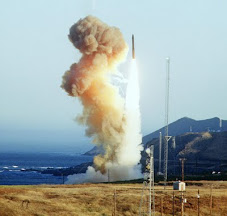
![[Global Network] against the first launch of Quasi-Zenith Satellite, Japan, on Sept. 11, 2010](https://blogger.googleusercontent.com/img/b/R29vZ2xl/AVvXsEj2sYpfodDDMIA7qXwuda0DmKapxXFB479fDnn8RKy7QNZqz0VEvWucNd-DleZ37hWNXC-Z8QtaqtM37VuPwac5SgclJ9_khBBSWOedvm19MRXIP1j1kcWrK6EW5IFjQdEEY2h7E6xuyNvC/s227/Qzss-45-0_09.jpg)
![[In update] Some collections on the Koreans’ protests against the sanction & war on Iran](http://4.bp.blogspot.com/_gnM5QlRx-4c/TJMvke6t8zI/AAAAAAAAFO4/tamQ8LUnOOA/S227/No+Sanction+on+Iran.jpg)
![[Three International Petitions] to End the Korean war and peace treaty(or peace resolution)](https://blogger.googleusercontent.com/img/b/R29vZ2xl/AVvXsEhlohLVYtpCg7iMsZhNYY4hBbhTi2dIheHMHWLDph9X2y78cjgZV1LeSfUJeu80elhJm70Q9E059q72lK-spSPvsRG4bPuCDIytltJB9IH3mWt9OG98HqhnTsPakwhvNeoCFUgF1xoxQ2EZ/s227/border.jpg)


![[Collection of Documents] No Base Learning and Solidarity Program_Korea(June 14 to 20, 2010)](https://blogger.googleusercontent.com/img/b/R29vZ2xl/AVvXsEix_HzjToh3nNGHBc-_5gasq-ykcaZ6GInLixILmZVyRJ5xoeHCxWOyYd9fSM7bmnuFsjSrYOGEPnQOwB1Dcyo-sN4Pw0cFPhUtKig_qlVnGL1Wi82ClvPqbEPWYhJiqdNF0DyzLIBETMB9/s227/No-Base-banner.jpg)
![Site Fwd:[John Hines] A U.S. Debate coach’s research trip on the Issues of Korea](https://blogger.googleusercontent.com/img/b/R29vZ2xl/AVvXsEg8yRra0zNhKHN74Auqhd3Nx9tZ7BWCGflRJHGH4CfzBT_yjhZ8Nl9b3OZuLpYWJ2exsjmR0oVl-Qq_cf832p2VdmOZhUi-lCFzCNeDSyVtweX1lWZPC-RlHmDMLtilHwHjNFTenBiM4Fk4/s227/Jeju-Peace-Tour.jpg)


![[News Update] Struggle Against the Jeju Naval Base since Jan. 18, 2010](https://blogger.googleusercontent.com/img/b/R29vZ2xl/AVvXsEhKfSTRC5QKBBSFIq_m7QIqXdlbL4-gF5GJYn9Q-pN__k7sV7uxGDcLY5L8xmU7QuWuUhBT_GhG-URBPO80RT3AfWfDrWJr06h1hFuZC6ZBVKe4U6PS1Cd7Kr6olO8TYQtk13Drox7IS6ea/s226/scrum1.jpg)


![[Urgent] Please spread the Letter!: There was no Explosion! There was no Torpedo! (May 26, 2010)](https://blogger.googleusercontent.com/img/b/R29vZ2xl/AVvXsEhSd2yWZ3xGwnJQXB73z5FgXCqSosAoB9_33-GLYprOmLqjmvgSAQp1BYI7e4slK1FDxHRi9KK4um-OpDaj8QOkXwAScVAgvvq6-ehbDA-hbkr96wT9oHNNmWnBPv8GU4hoZp9X8F9AZBX4/s227/grounded.jpg)
![Text Fwd: [Stephen Gowans]The sinking of the Cheonan: Another Gulf of Tonkin incident](https://blogger.googleusercontent.com/img/b/R29vZ2xl/AVvXsEi_L6hB3RZ1MovTXHe0A8yn_RfgMALGR0kM6poBuGp809xwvHtB_-PGWtS_WpyPWatyd9lB2pPqL2gOLc4dTCEdJ9sMvxJWEdapl-mMLm7WHAsV-jVpgqarVh8XBtdz_0c-Vohdh3HtJahD/s227/lee-myung-bak.jpg)
![[Japan Focus]Politics in Command: The "International" Investigation into the Sinking of the Cheonan](https://blogger.googleusercontent.com/img/b/R29vZ2xl/AVvXsEiHmTo8v-uCJnabRhMdnBAkC9J3s5bb2JsDKiT5leJHwbK8IDJHxfJmqQ_C0Is_bPC6UGMf05CA0exF2y4r2x9RhFUHT0kjsKviaME_MZXKnq775UyYAdb7w2SAzE75XvBfHp1al2q6i3cf/s227/wen_jiabao_and_lee_myungbak.png)
![[Japan Focus] Who Sank the SK Warship Cheonan? A New Stage in the US-Korean War and US-China](https://blogger.googleusercontent.com/img/b/R29vZ2xl/AVvXsEiKSS5ULT5QBaMGYpXXqBMX9jtwLwMLuK469b6Ku72GTJYKUObzTANaPjZqvvpPzYMJgPF53sjhvhK3DVa88ipYlggsJageykXlkxY6s8TW05xcU-_vfhf-pACUoaWuFbT-fsU1qEhm_yIi/s227/buoy_map.gif)
![[Updated on 12/13/10] [Translation Project] Overseas Proofs on the Damages by the Military Bases](https://blogger.googleusercontent.com/img/b/R29vZ2xl/AVvXsEikADE6JovUNspQyZUWVMTLAQg7yQNqXpVUbqZPk8f4uc_1723_xm1Cco6WAmstQXVPnaJAcb1mZA8Ny_3xONT_f5uh8MNLPnUhtqdGgy3HCtC1Vbbz4Q0ZY1Cssu-4cJEVNdrvznbS5UzO/s227/missile.jpg)
![[International Petition] Close the Bases in Okinawa](https://blogger.googleusercontent.com/img/b/R29vZ2xl/AVvXsEhNpQiHklwFbWVlFK7GDFXnBSOOSFEj3Il-We-N3uTDldKiidL2NGZs7X_LtTnatzTo_r8CexRkFe8NhfxYqmgp1knEEslROTfNjI5_mSb57cdbhPkftvanveYBaevAD9xuKDGoIxiTwoSb/s227/2.jpg)
![[In Update]Blog Collection: No Korean Troops in Afghanistan](https://blogger.googleusercontent.com/img/b/R29vZ2xl/AVvXsEjjEmCRXSNAG7_QBxKWbdksmxoWR4nyAovQTTdR1G2AuXh0jxtqNkI9OmYgYWRoLAJShvtBvE840QXuBWSVh3u3zMYqkNAFX6OWy3m5Nur4HM7uNK-pKT1ycyApJp-VLyhIFRRcoisYAh0E/s226/No-Troops-to--Afghanistan.jpg)


