* Text fwd by Bruce Gagnon on April 28, 2011
http://af.reuters.com/article/worldNews/idAFTRE73Q3GH20110427
Russia worried by NATO expansion near its border April 27, 2011
STOCKHOLM (Reuters) - Russian Prime Minister Vladimir Putin expressed worries again Wednesday about the expansion of NATO, which has already taken in former Soviet states as members.
"The expansion of NATO infrastructure towards our borders is causing us concern," Putin told a news conference after meeting Swedish Prime Minister Fredrik Reinfeldt.
"NATO is not simply a political bloc, it is a military bloc. No one cancelled the agreements on how the bloc reacts to external threats. It is a defence structure," added Putin.
NATO has already taken in the three former Soviet Baltic states as members, as well as old Warsaw Pact nations including Poland and the Czech Republic.
Moscow has long been worried by the military alliance's growth and the possibility of its further expansion to take in former Soviet republics such as Georgia or Ukraine. And it is wary of U.S. and NATO plans for a European missile defence shield, which it fears could be a threat to its security unless Russia too is integrated into such a system.
Visiting Denmark Tuesday, Putin criticized the Western coalition attacking Libya, saying it had neither the right nor the mandate to kill the country's leader, Muammar Gaddafi.
Sweden is taking part in the NATO operation in Libya, though it is not a member of the military alliance.
In the context of the Libya operation, Putin also said decisions on using military force were being taken too easily.
He contrasted this with the Soviet war in Afghanistan in the 1980s, when he said Soviet commanders were much more careful in their use of force for fear of causing civilian deaths and casualties.
Global Network Against Weapons & Nuclear Power in Space
PO Box 652
Brunswick, ME 04011
(207) 443-9502
globalnet@mindspring.com
www.space4peace.org
http://space4peace.blogspot.com/ (blog)
Thank God men cannot fly, and lay waste the sky as well as the earth. ~Henry David Thoreau
Showing posts with label NATO Partnership countries. Show all posts
Showing posts with label NATO Partnership countries. Show all posts
Friday, April 29, 2011

Monday, April 4, 2011
Text Fwd: Libyan War In Third Week As NATO Takes Command
Stop NATO blog
http://rickrozoff.wordpress.com/2011/04/03/libyan-war-in-third-week-as-nato-takes-command/
April 3, 2011
Libyan War In Third Week As NATO Takes CommandRick Rozoff
On the morning of March 31 the North Atlantic Treaty Organization assumed full command of military operations against Libya, effecting the transfer of air, naval and preliminary ground operations from U.S. Africa Command's Joint Task Force Odyssey Dawn to NATO's Operation Unified Protector. In NATO's words, "The Alliance has the assets in place to conduct its tasks under Operation Unified Protector – the arms embargo, no-fly zone and actions to protect civilians and civilian centres."
On the same day a press conference was conducted by NATO Spokesperson Oana Lungescu, the commander of Unified Protector Lieutenant General Charles Bouchard and the chairman of NATO's Military Committee Admiral Giampaolo Di Paola to announce the transition.
Romania's Lungescu (a veteran of BBC World Service), Quebec's Bouchard and Italy's Di Paola spoke entirely in English, as notwithstanding NATO's formal command of Libyan war operations Bouchard reports to America's Admiral James Stavridis, NATO's Supreme Allied Commander Europe and also the chief of the Pentagon's European Command, and NATO is after all a U.S.-controlled military alliance. One speaks to a master in his language.
The day after NATO took over control of the war Stavridis asserted that "the Libyan operation demonstrates just how capable the Western alliance remains two decades after the end of the Cold War," in the words of an Associated Press dispatch. The news agency added that "This is the first time in its history that NATO is engaged in two major conflicts at once," meaning the wars in Libya and Afghanistan, in Africa and Asia.
The day before NATO assumed command of the North African war, Stavridis told the House Armed Services Committee that the war in Afghanistan "has become a global effort, with committed partners from nations that include Mongolia, Bulgaria, Tonga and El Salvador." He referred to 49 nations contributing troops for NATO's International Security Assistance Force, one more than has been acknowledged before, with El Salvador evidently the latest. There are also military personnel assigned to NATO in Afghanistan from countries that are not yet official Troop Contributing Nations like Bahrain, Colombia, Egypt, Japan and Kazakhstan. Never before have armed forces from so many nations been stationed in a war zone in a single country.
Stavridis, who as NATO's top military commander is in ultimate charge of both current wars, made the latter comments in an address commemorating the 60th anniversary of NATO's Supreme Headquarters Allied Powers Europe in Mons, Belgium, which "was set up by NATO's then-commander and later U.S. President Dwight Eisenhower" as Associated Press reminded its readers.
On March 21, hours after NATO launched Operation Unified Protector, Secretary of Defense Roberts Gates and chairman of the Joint Chiefs of Staff Admiral Michael Mullen also addressed the House Armed Services Committee on Libya. Later Gates appeared before the Senate Armed Services Committee and confirmed that U.S. warplanes would remain in the Libyan war theater to assist the new NATO mission.
Referring to the twelve days of Operation Odyssey Dawn, he said: “That part of our mission is complete and successful.”
He further boasted of Western bombs and cruise missiles destroying Libyan air capabilities and ground assets - the second category includes administrative buildings, oil depots, ammunition dumps and naval facilities - and affirmed that the intensive onslaught "will not diminish under NATO leadership.”
And indeed it hasn't. On the third day of Unified Protector, April 2, NATO announced that it had conducted 174 air missions over Libya on the preceding day, including 74 strike sorties, ones involving bombing missions and missile strikes. The total for the first two days of the NATO operation were 363 sorties and 148 strike sorties.
In his testimony on March 1, Secretary Gates also said: "A decision about support to the opposition is clearly the next step. I think all members of the coalition are thinking about that at this point.”
NATO Military Committee chief Admiral Paola was more candid, stating that he was "confident, absolutely confident, that one of the (NATO) allies" has already been arming anti-government insurgents in Libya.
Gates offered the standard official explanation of the ongoing war as being actuated by alleged humanitarian concerns and disavowed a formal policy of regime change, but gave the lie to his own words in adding that NATO forces “will continue to attack (Gadhafi’s) ground forces with no opportunity for resupply" to the point where “His military is going to face the question of whether they are prepared to be destroyed by air attacks, or if it’s time for him to go.”
In addition, according to the Pentagon's website: "The issue is more complicated than simply arming the rebels. What the opposition really needs, Gates said, is organization, training, and command and control - something he said likely requires coalition forces on the ground in Libya." He refrained from openly endorsing that strategy although it is already being implemented with American and British special forces and intelligence operatives directing air strikes from the ground in Libya.
Gates warned against the alternative to an overthrow of the government and ground operations while speaking in the House earlier, saying "We have considered the possibility of this being a stalemate and being a drawn-out affair...where you achieve the military goal but not achieve the political goal" of regime change.
Chairman of the House Armed Services Committee Howard McKeon cautioned that NATO "could be expected to support a decade-long no-fly zone enforcement like the one over Iraq in the 1990s," a further incentive for entertaining the alternative - or complementary - option of staging a ground war.
A recent poll demonstrated 47 percent of Americans in opposition to the military operation in Libya with 41 supporting it. The same survey, conducted by Quinnipiac University, shows that by a two-to-one majority, 58-29 percent, Americans feel that President Obama has not clearly and convincingly presented an argument for U.S. involvement.
Pressure will be applied on the public to support a prospective invasion of Libya employing the same rationale used for the ongoing air war: The need for an alleged humanitarian intervention.
Modeled after the calls by the likes of former British Prime Minister Tony Blair and NATO Supreme Allied Commander General Wesley Clark during the 1999 war against Yugoslavia, a ground invasion will be presented as a humane remedy for the death and destruction not so much exacerbated as caused by an air campaign.
And there is no lack of Libyans being killed and wounded by the current one.
The Vatican's senior representative (vicar apostolic) in Libya, Bishop Giovanni Innocenzo Martinelli, recently decried the fact that NATO air attacks "are killing dozens of civilians."
He added that "In the Tajoura neighborhood [of the Libyan capital, Tripoli], around 40 civilians were killed, and a house with a family inside collapsed."
In early March Bishop Martinelli had pleaded against the "further spilling of blood” in the country, warning against outside intervention and saying any attempt at a military resolution of the Libyan crisis would only escalate the level of violence.
On April 1 it was announced that a NATO air strike killed seven Libyan civilians, including three girls from one family, and injured 25 in the village of Zawia el Argobe.
On the same day Western warplanes strafed areas east and southwest of Tripoli.
An Associated Press correspondent interviewed the mother and uncle of an 18-month-old boy killed by a NATO air strike in the village of Khorum on March 29.
The mother said, "His blood was streaming down my arm." The uncle added: "We took him to the hospital where they treated him for...burns and some broken bones. But by nightfall he was dead."
On April 2 a spokesman for the Libyan opposition reported that a NATO air strike had killed 13 rebels and wounded at least a score more, adding that the "collateral damage" was "an unfortunate accident." Evidently being killed by Western bombers is more humane than being killed in a firefight with government forces.
Far more Libyans stand to be killed and injured in what NATO has announced will be at least a 90-day campaign.
To indicate the probable true duration, and the scope, of the war, NATO spokesperson Lungescu said at the press conference on March 31 that the North Atlantic Council, the military bloc's highest decision-making body consisting of the permanent representatives (ambassadors) of its 28 member states, had met the day before to discuss the transfer of the war's command to the Alliance.
She also said that the North Atlantic Council met with representatives of the Euro-Atlantic Partnership Council, the Mediterranean Dialogue, the Istanbul Cooperation Initiative "and other partners around the globe."
She added that "I can tell you it was a big room and the room was full."
The Euro-Atlantic Partnership Council includes all 28 full NATO members and the 22 affiliates of its Partnership for Peace program:
Armenia, Austria, Azerbaijan, Belarus, Bosnia, Georgia, Finland, Ireland, Kazakhstan, Kyrgyzstan, Macedonia, Malta, Moldova, Montenegro, Russia, Serbia, Sweden, Switzerland, Tajikistan, Turkmenistan, Ukraine and Uzbekistan.
NATO's Mediterranean Dialogue partners are Libya's neighbors Algeria, Egypt and Tunisia and Israel, Jordan, Mauritania and Morocco.
The Istanbul Cooperation Initiative's members are Bahrain, Kuwait, Qatar and the United Arab Emirates - the last two providing warplanes for NATO's Operation Unified Protector - with Oman and Saudi Arabia next in line to join.
After NATO led a conference in London on March 29 to plan for a "post-Gaddafi" Libya along the lines of such precedents as Bosnia, Kosovo, Macedonia, Afghanistan and Iraq, the bloc's Secretary General Anders Fogh Rasmussen celebrated the creation of a Contact Group on Libya and stated "NATO has long-standing relations with partner countries from the region, notably through its Mediterranean Dialogue programme and the Istanbul Cooperation Initiative."
Two days later Rasmussen delivered an address in Stockholm titled "The New NATO and Sweden’s security" in which he stated:
"NATO welcomes contributions from all its partners across the world to ensure that the will of the international community is heard....We have extensive experience of involving partner nations in our operations – partners such as Sweden, but also partners in the Mediterranean and Gulf regions."
"Afghanistan is another example where we can see the value of partnership. 48 countries are now part of the International Stabilisation Force [International Security Assistance Force] ISAF. With one in four UN member states taking part, this is the largest coalition in history. And Sweden is part of it, along with NATO Allies."
400 Swedish troops serving under NATO in Afghanistan are fighting their country's first war in 200 years.
On April 2, two days after the NATO chief left the country, Sweden deployed the first three warplanes assigned for NATO's air operations in Libya with five more leaving the next day.
As with Afghanistan, the war against Libya is being employed by the U.S. and NATO to consolidate military partnerships with nations around the world under wartime conditions.
Russian political analyst Pyotr Iskenderov recently wrote that "A deployment of multinational forces on a long-term basis under the aegis of NATO paves the way for Brussels to bypass the only restriction [against military occupation] imposed by the UN Security Council on an operation in Libya."
His compatriot Alexander Karasev added:
"An allegedly humanitarian intervention by NATO against Yugoslavia in 1999 ended with the deployment of NATO forces in Kosovo and the setting up of the largest U.S. [overseas base since the Vietnam war] Camp Bondsteel in the province. The U.S. and NATO may repeat this scenario in Libya."
As U.S. military vessels are scheduled to depart the Mediterranean Sea, NATO is amassing an imposing array of warplanes and warships to intensify the attack against Libya.
Tallies compiled by Agence France-Presse and Deutsche Presse-Agentur list the following inventory of military assets deployed against Libya:
Britain: 17 Tornado and Typhoon fighter bombers as well as surveillance, reconnaissance and refuelling aircraft and two frigates and a submarine.
France: 36 warplanes. 20 Mirage and Rafale combat planes and the Charles de Gaulle aircraft carrier with ten Rafale and six Super Etendard attack jets escorted by two frigates, as well as AWACS and refuelling aircraft.
Italy: 16 jets, the Garibaldi aircraft carrier and four other ships as well as seven air and naval bases.
Canada: Eleven fighter jets, patrol and refuelling planes and a frigate.
Belgium: Six F-16 fighter jets and mine-hunting ship.
The Netherlands: Seven jets and a ship.
Turkey: Seven jets, five warships and a submarine.
Norway: Six F-16s.
Denmark: Six F-16s.
Greece: Two jets, a helicopter, a ship and four bases.
Bulgaria: A frigate.
Romania: A frigate and use of an air base.
From NATO partner nations:
Sweden: Eight Gripen fighter jets, a C-130 transport plane and reconnaissance aircraft.
Qatar: Six Mirage fighter jets and two C-17 military transport planes.
United Arab Emirates: Six Mirage jets, six F-16s and one C-17 transport aircraft.
Warplanes from the above nations have launched several hundred ground strikes against Libyan targets already.
NATO's first African war, following its first European and Asian wars in Yugoslavia and Afghanistan respectively, will be neither short nor limited in scale and intensity.
The new commander of U.S. Africa Command, General Carter Ham, said of the first phase of the war that "We've demonstrated the capability to [lead military operations]."
Now NATO is following suit and escalating the conflict to new and more dangerous heights.
====================================================================
Stop NATO e-mail list home page with archives and search engine:
http://groups.yahoo.com/group/stopnato/messages
Stop NATO website and articles:
http://rickrozoff.wordpress.com
http://rickrozoff.wordpress.com/2011/04/03/libyan-war-in-third-week-as-nato-takes-command/
April 3, 2011
Libyan War In Third Week As NATO Takes CommandRick Rozoff
On the morning of March 31 the North Atlantic Treaty Organization assumed full command of military operations against Libya, effecting the transfer of air, naval and preliminary ground operations from U.S. Africa Command's Joint Task Force Odyssey Dawn to NATO's Operation Unified Protector. In NATO's words, "The Alliance has the assets in place to conduct its tasks under Operation Unified Protector – the arms embargo, no-fly zone and actions to protect civilians and civilian centres."
On the same day a press conference was conducted by NATO Spokesperson Oana Lungescu, the commander of Unified Protector Lieutenant General Charles Bouchard and the chairman of NATO's Military Committee Admiral Giampaolo Di Paola to announce the transition.
Romania's Lungescu (a veteran of BBC World Service), Quebec's Bouchard and Italy's Di Paola spoke entirely in English, as notwithstanding NATO's formal command of Libyan war operations Bouchard reports to America's Admiral James Stavridis, NATO's Supreme Allied Commander Europe and also the chief of the Pentagon's European Command, and NATO is after all a U.S.-controlled military alliance. One speaks to a master in his language.
The day after NATO took over control of the war Stavridis asserted that "the Libyan operation demonstrates just how capable the Western alliance remains two decades after the end of the Cold War," in the words of an Associated Press dispatch. The news agency added that "This is the first time in its history that NATO is engaged in two major conflicts at once," meaning the wars in Libya and Afghanistan, in Africa and Asia.
The day before NATO assumed command of the North African war, Stavridis told the House Armed Services Committee that the war in Afghanistan "has become a global effort, with committed partners from nations that include Mongolia, Bulgaria, Tonga and El Salvador." He referred to 49 nations contributing troops for NATO's International Security Assistance Force, one more than has been acknowledged before, with El Salvador evidently the latest. There are also military personnel assigned to NATO in Afghanistan from countries that are not yet official Troop Contributing Nations like Bahrain, Colombia, Egypt, Japan and Kazakhstan. Never before have armed forces from so many nations been stationed in a war zone in a single country.
Stavridis, who as NATO's top military commander is in ultimate charge of both current wars, made the latter comments in an address commemorating the 60th anniversary of NATO's Supreme Headquarters Allied Powers Europe in Mons, Belgium, which "was set up by NATO's then-commander and later U.S. President Dwight Eisenhower" as Associated Press reminded its readers.
On March 21, hours after NATO launched Operation Unified Protector, Secretary of Defense Roberts Gates and chairman of the Joint Chiefs of Staff Admiral Michael Mullen also addressed the House Armed Services Committee on Libya. Later Gates appeared before the Senate Armed Services Committee and confirmed that U.S. warplanes would remain in the Libyan war theater to assist the new NATO mission.
Referring to the twelve days of Operation Odyssey Dawn, he said: “That part of our mission is complete and successful.”
He further boasted of Western bombs and cruise missiles destroying Libyan air capabilities and ground assets - the second category includes administrative buildings, oil depots, ammunition dumps and naval facilities - and affirmed that the intensive onslaught "will not diminish under NATO leadership.”
And indeed it hasn't. On the third day of Unified Protector, April 2, NATO announced that it had conducted 174 air missions over Libya on the preceding day, including 74 strike sorties, ones involving bombing missions and missile strikes. The total for the first two days of the NATO operation were 363 sorties and 148 strike sorties.
In his testimony on March 1, Secretary Gates also said: "A decision about support to the opposition is clearly the next step. I think all members of the coalition are thinking about that at this point.”
NATO Military Committee chief Admiral Paola was more candid, stating that he was "confident, absolutely confident, that one of the (NATO) allies" has already been arming anti-government insurgents in Libya.
Gates offered the standard official explanation of the ongoing war as being actuated by alleged humanitarian concerns and disavowed a formal policy of regime change, but gave the lie to his own words in adding that NATO forces “will continue to attack (Gadhafi’s) ground forces with no opportunity for resupply" to the point where “His military is going to face the question of whether they are prepared to be destroyed by air attacks, or if it’s time for him to go.”
In addition, according to the Pentagon's website: "The issue is more complicated than simply arming the rebels. What the opposition really needs, Gates said, is organization, training, and command and control - something he said likely requires coalition forces on the ground in Libya." He refrained from openly endorsing that strategy although it is already being implemented with American and British special forces and intelligence operatives directing air strikes from the ground in Libya.
Gates warned against the alternative to an overthrow of the government and ground operations while speaking in the House earlier, saying "We have considered the possibility of this being a stalemate and being a drawn-out affair...where you achieve the military goal but not achieve the political goal" of regime change.
Chairman of the House Armed Services Committee Howard McKeon cautioned that NATO "could be expected to support a decade-long no-fly zone enforcement like the one over Iraq in the 1990s," a further incentive for entertaining the alternative - or complementary - option of staging a ground war.
A recent poll demonstrated 47 percent of Americans in opposition to the military operation in Libya with 41 supporting it. The same survey, conducted by Quinnipiac University, shows that by a two-to-one majority, 58-29 percent, Americans feel that President Obama has not clearly and convincingly presented an argument for U.S. involvement.
Pressure will be applied on the public to support a prospective invasion of Libya employing the same rationale used for the ongoing air war: The need for an alleged humanitarian intervention.
Modeled after the calls by the likes of former British Prime Minister Tony Blair and NATO Supreme Allied Commander General Wesley Clark during the 1999 war against Yugoslavia, a ground invasion will be presented as a humane remedy for the death and destruction not so much exacerbated as caused by an air campaign.
And there is no lack of Libyans being killed and wounded by the current one.
The Vatican's senior representative (vicar apostolic) in Libya, Bishop Giovanni Innocenzo Martinelli, recently decried the fact that NATO air attacks "are killing dozens of civilians."
He added that "In the Tajoura neighborhood [of the Libyan capital, Tripoli], around 40 civilians were killed, and a house with a family inside collapsed."
In early March Bishop Martinelli had pleaded against the "further spilling of blood” in the country, warning against outside intervention and saying any attempt at a military resolution of the Libyan crisis would only escalate the level of violence.
On April 1 it was announced that a NATO air strike killed seven Libyan civilians, including three girls from one family, and injured 25 in the village of Zawia el Argobe.
On the same day Western warplanes strafed areas east and southwest of Tripoli.
An Associated Press correspondent interviewed the mother and uncle of an 18-month-old boy killed by a NATO air strike in the village of Khorum on March 29.
The mother said, "His blood was streaming down my arm." The uncle added: "We took him to the hospital where they treated him for...burns and some broken bones. But by nightfall he was dead."
On April 2 a spokesman for the Libyan opposition reported that a NATO air strike had killed 13 rebels and wounded at least a score more, adding that the "collateral damage" was "an unfortunate accident." Evidently being killed by Western bombers is more humane than being killed in a firefight with government forces.
Far more Libyans stand to be killed and injured in what NATO has announced will be at least a 90-day campaign.
To indicate the probable true duration, and the scope, of the war, NATO spokesperson Lungescu said at the press conference on March 31 that the North Atlantic Council, the military bloc's highest decision-making body consisting of the permanent representatives (ambassadors) of its 28 member states, had met the day before to discuss the transfer of the war's command to the Alliance.
She also said that the North Atlantic Council met with representatives of the Euro-Atlantic Partnership Council, the Mediterranean Dialogue, the Istanbul Cooperation Initiative "and other partners around the globe."
She added that "I can tell you it was a big room and the room was full."
The Euro-Atlantic Partnership Council includes all 28 full NATO members and the 22 affiliates of its Partnership for Peace program:
Armenia, Austria, Azerbaijan, Belarus, Bosnia, Georgia, Finland, Ireland, Kazakhstan, Kyrgyzstan, Macedonia, Malta, Moldova, Montenegro, Russia, Serbia, Sweden, Switzerland, Tajikistan, Turkmenistan, Ukraine and Uzbekistan.
NATO's Mediterranean Dialogue partners are Libya's neighbors Algeria, Egypt and Tunisia and Israel, Jordan, Mauritania and Morocco.
The Istanbul Cooperation Initiative's members are Bahrain, Kuwait, Qatar and the United Arab Emirates - the last two providing warplanes for NATO's Operation Unified Protector - with Oman and Saudi Arabia next in line to join.
After NATO led a conference in London on March 29 to plan for a "post-Gaddafi" Libya along the lines of such precedents as Bosnia, Kosovo, Macedonia, Afghanistan and Iraq, the bloc's Secretary General Anders Fogh Rasmussen celebrated the creation of a Contact Group on Libya and stated "NATO has long-standing relations with partner countries from the region, notably through its Mediterranean Dialogue programme and the Istanbul Cooperation Initiative."
Two days later Rasmussen delivered an address in Stockholm titled "The New NATO and Sweden’s security" in which he stated:
"NATO welcomes contributions from all its partners across the world to ensure that the will of the international community is heard....We have extensive experience of involving partner nations in our operations – partners such as Sweden, but also partners in the Mediterranean and Gulf regions."
"Afghanistan is another example where we can see the value of partnership. 48 countries are now part of the International Stabilisation Force [International Security Assistance Force] ISAF. With one in four UN member states taking part, this is the largest coalition in history. And Sweden is part of it, along with NATO Allies."
400 Swedish troops serving under NATO in Afghanistan are fighting their country's first war in 200 years.
On April 2, two days after the NATO chief left the country, Sweden deployed the first three warplanes assigned for NATO's air operations in Libya with five more leaving the next day.
As with Afghanistan, the war against Libya is being employed by the U.S. and NATO to consolidate military partnerships with nations around the world under wartime conditions.
Russian political analyst Pyotr Iskenderov recently wrote that "A deployment of multinational forces on a long-term basis under the aegis of NATO paves the way for Brussels to bypass the only restriction [against military occupation] imposed by the UN Security Council on an operation in Libya."
His compatriot Alexander Karasev added:
"An allegedly humanitarian intervention by NATO against Yugoslavia in 1999 ended with the deployment of NATO forces in Kosovo and the setting up of the largest U.S. [overseas base since the Vietnam war] Camp Bondsteel in the province. The U.S. and NATO may repeat this scenario in Libya."
As U.S. military vessels are scheduled to depart the Mediterranean Sea, NATO is amassing an imposing array of warplanes and warships to intensify the attack against Libya.
Tallies compiled by Agence France-Presse and Deutsche Presse-Agentur list the following inventory of military assets deployed against Libya:
Britain: 17 Tornado and Typhoon fighter bombers as well as surveillance, reconnaissance and refuelling aircraft and two frigates and a submarine.
France: 36 warplanes. 20 Mirage and Rafale combat planes and the Charles de Gaulle aircraft carrier with ten Rafale and six Super Etendard attack jets escorted by two frigates, as well as AWACS and refuelling aircraft.
Italy: 16 jets, the Garibaldi aircraft carrier and four other ships as well as seven air and naval bases.
Canada: Eleven fighter jets, patrol and refuelling planes and a frigate.
Belgium: Six F-16 fighter jets and mine-hunting ship.
The Netherlands: Seven jets and a ship.
Turkey: Seven jets, five warships and a submarine.
Norway: Six F-16s.
Denmark: Six F-16s.
Greece: Two jets, a helicopter, a ship and four bases.
Bulgaria: A frigate.
Romania: A frigate and use of an air base.
From NATO partner nations:
Sweden: Eight Gripen fighter jets, a C-130 transport plane and reconnaissance aircraft.
Qatar: Six Mirage fighter jets and two C-17 military transport planes.
United Arab Emirates: Six Mirage jets, six F-16s and one C-17 transport aircraft.
Warplanes from the above nations have launched several hundred ground strikes against Libyan targets already.
NATO's first African war, following its first European and Asian wars in Yugoslavia and Afghanistan respectively, will be neither short nor limited in scale and intensity.
The new commander of U.S. Africa Command, General Carter Ham, said of the first phase of the war that "We've demonstrated the capability to [lead military operations]."
Now NATO is following suit and escalating the conflict to new and more dangerous heights.
====================================================================
Stop NATO e-mail list home page with archives and search engine:
http://groups.yahoo.com/group/stopnato/messages
Stop NATO website and articles:
http://rickrozoff.wordpress.com
Monday, March 21, 2011
Text Fwd: S. Korean warship on standby after Western attack on Libya
Yonhap News
S. Korean warship on standby after Western attack on Libya
March 20, 2011
SEOUL, March 20 (Yonhap) -- A South Korean destroyer was on standby on Sunday off the coast of Egypt to help in the evacuations of South Korean nationals from Libya, after Western countries launched military action against Libyan leader Moammar Gadhafi's forces, Seoul's foreign and defense ministries said.
The 4,500-ton Choi Young destroyer decided not to enter the Suez Canal to head back to the Gulf of Aden where it operates as part of a multinational anti-piracy campaign, ministry officials said.
The warship had transported 32 South Koreans from Tripoli to Malta in the Mediterranean Sea on March 3 before carrying out another evacuation mission for five Koreans from Libya to a Greek island on March 14.
The decision to place the ship on standby for another possible rescue operation comes as Seoul has begun to review various options to withdraw its remaining 118 nationals, including 70 in the capital Tripoli, from the turmoil-battered North African nation.
The U.S., Britain and France on Saturday launched missile attacks on positions on Libya's coast controlled by Gadhafi's forces, after the United Nations authorized military actions against the Libyan ruler.
"The government is currently assessing the situations in Libya through close consultations with the Korean embassy in Libya," said the official on condition of anonymity.
"Phased evacuation plans for the remaining South Koreans in Libya have already been in place. All of them will be pulled out of Libya if necessary," the official said, adding the primary targets of the multinational forces' attacks are military facilities.
He noted that a network of emergency contacts for all South Korean nationals in Libya has already been established and they were notified of assembly locations for evacuations.
The official said that the first phase of evacuations will take place over land routes, as it takes about four hours to drive from Tripoli to Libya's border.
"The dispatch of the Choi Young is just intended to help protect South Korean nationals in Libya. It is not directly related to the Western countries' military action against Gadhafi's forces," a defense official said.
S. Korean warship on standby after Western attack on Libya
March 20, 2011
SEOUL, March 20 (Yonhap) -- A South Korean destroyer was on standby on Sunday off the coast of Egypt to help in the evacuations of South Korean nationals from Libya, after Western countries launched military action against Libyan leader Moammar Gadhafi's forces, Seoul's foreign and defense ministries said.
The 4,500-ton Choi Young destroyer decided not to enter the Suez Canal to head back to the Gulf of Aden where it operates as part of a multinational anti-piracy campaign, ministry officials said.
The warship had transported 32 South Koreans from Tripoli to Malta in the Mediterranean Sea on March 3 before carrying out another evacuation mission for five Koreans from Libya to a Greek island on March 14.
The decision to place the ship on standby for another possible rescue operation comes as Seoul has begun to review various options to withdraw its remaining 118 nationals, including 70 in the capital Tripoli, from the turmoil-battered North African nation.
The U.S., Britain and France on Saturday launched missile attacks on positions on Libya's coast controlled by Gadhafi's forces, after the United Nations authorized military actions against the Libyan ruler.
"The government is currently assessing the situations in Libya through close consultations with the Korean embassy in Libya," said the official on condition of anonymity.
"Phased evacuation plans for the remaining South Koreans in Libya have already been in place. All of them will be pulled out of Libya if necessary," the official said, adding the primary targets of the multinational forces' attacks are military facilities.
He noted that a network of emergency contacts for all South Korean nationals in Libya has already been established and they were notified of assembly locations for evacuations.
The official said that the first phase of evacuations will take place over land routes, as it takes about four hours to drive from Tripoli to Libya's border.
"The dispatch of the Choi Young is just intended to help protect South Korean nationals in Libya. It is not directly related to the Western countries' military action against Gadhafi's forces," a defense official said.
Friday, February 25, 2011
[ROK MND News Cathch Up] South Korea's military ambition has been expanded
ROK MND News No 714
'Korean troops participate in 'Cobra Gold 2011'
Feb. 14, 2011 (Uploaded on Feb. 21, 2011)
An estimated 10,000 troops from Korea, the United States and Thailand participated in a joint landing exercise in Hat Yao on Feb. 10 as part of the 30th annual Cobra Gold exercise.
[..]
On this day, Korean marines and sailors implemented joint landing operation along with U.S. and Thailand servicemembers by using assault amphibious vehicles under the U.S. 31st Marine Expeditionary Unit in Okinawa, Japan. The unit known as the first unit to be deployed to Korea in case of emergencies.
[..]
Cobra Gold, which began in 1982, is one of the world's largest multinational military exercises taking place in the Pacific region. Service members from Korea, Japan, Singapore, Malaysia and Indonesia joined hosts of Thailand and the U.S.
Korea had participated in the drill as an observer until 2009 but dispatched regular military unit of 332 marines and sailors last year to join joint combat exercise.
Cobra Gold includes joint non-military convoy operation, live-fire demonstrations, field strategic exercise and community service projects. The joint drill ended on Feb. 18.
________________________________________

ROK MND News NO 714
Korea and Indonesia deepen military ties
Feb. 14, 2011 (uploaded on Feb. 21, 2011)
EXCERPT
Korean Minister of National Defense Kim Kwan-jin received Indonesian Defense Minister Purnomo Yusgiantoro on Feb. 15 and discussed ways to boost military exchanges, including arms industry cooperation.
[..]
Yusgiantoro, as a leader of special envoy team for defense exchange, visited Korea on Feb. 14 to discuss strategic measures to deepen arms cooperation with Kim.
On Feb. 14, the head of Defense Acquisition Program Administration of Korea and Defense Vice Minister of Indonesia held talks for measures to reinforce long-term and comprehensive arms trade.
Korea and Indonesia have been working hard to deepen military ties by holding minister-level talks such as during the Shangri-La dialogue held in Singapore in June last year, former Minister Kim Tae-young's official visit to Indonesia in August last year and the Asean Defense Ministers Meeting Plus in Vietnam in October last year.
____________________________________________________
 Korea MND Recent News NO 713
KF-16 jets to be fitted with precision-guided missiles
Feb. 10, 2011 (uploaded on 2011-02-14)
EXCERPT
Korea's Air Force mainstay KF-16 fighter jets will have their performance enhanced by installing and dropping GBU-31 Joint Direct Attack Munition (JDAM) precision-guided missiles.
[..]
According to the Air Force, JDAM is a precision-guided bomb guided by an integrated inertial guidance system coupled to a Global Positioning System that can disable North Korea's long range artilleries and other strategic targets at the same time. So far, the state-of-the-art missile system has been operated on F-15K fighter jets. In order to operate JDAM on KF-16, producer has to either purchase proper software or develop it in Korea.
__________________________________________
Korea MND News NO 712
Feb. 10, 2011 (uploaded on 2011-02-14)
Defense minister visits Afghanistan and UAE
EXCERPT
The Minister of National Defense Kim Kwan-jin was on a five-day trip to Afghanistan and the United Arab Emirates, which embarked on Feb. 7 with an aim to encourage Korean troops and provincial reconstruction team (PRT) who are stationed there for peacekeeping activities, according to the Defense Ministry on Feb. 9.
[..]
The ministry said that Kim inspected bases where "Ashena Unit" and PRT are stationed in the morning on Feb. 8 and examined security and safety conditions. Followed by the inspection, Kim encouraged Korean troops. Some 340 troops are operating to protect PRT to help rebuild the war-torn country.
Ashena means "friend" in the country's local language.
In the afternoon, Kim had talks with U.S. Gen. David Howell Petraeus, the commander of International Security Assistance Force and U.S. Forces Afghanistan, and Abdul Rahim Wardak, Defense Minister of Afghanistan to discuss current situation in the local region and direction of mission performance.
During talks with Wardak, Kim asked for Afghanistan's support and cooperation for Ashena Unit.
As construction of unit's base ended on Jan. 24, Korean troops have moved from U.S. Bagram base to Charika base and it is preparing for its full-scale mission.
On Feb. 9, Kim headed for the UAE to meet some 130 Korean troops there.
In the UAE, Kim paid a courtesy visit to HH General Sheikh Mohammed Bin Zayed Al Nahyan, Crown Prince of Abu Dhabi and Deputy Supremem Commander of the United Emirates Armed Forces, and Lt. Gen. Hamad Mohammed Thani Al Rumaithi, Chief of Staff of the UAE Armed Forces. They discussed measures to boost bilateral military exchanges and enhance cooperaton in the defense industry.
In addition, Kim expressed his gratitude for the support of military operation to capture pirates and save sailors of hijacked Korean commercial ship last month.
Kim visited Korean contingent named "Akh Unit," which was dispatched to the UAE last month for a two-year mission to help train the UAE special forces, and inspect the base as well as encourage troops.
"Kim's oversea trips will be an good opportunity to not only boost morale of Korean troops stationed overseas but also expand military exchanges with the UAE and Afghanistan," said a defense official in Seoul.
'Korean troops participate in 'Cobra Gold 2011'
Feb. 14, 2011 (Uploaded on Feb. 21, 2011)
An estimated 10,000 troops from Korea, the United States and Thailand participated in a joint landing exercise in Hat Yao on Feb. 10 as part of the 30th annual Cobra Gold exercise.
[..]
On this day, Korean marines and sailors implemented joint landing operation along with U.S. and Thailand servicemembers by using assault amphibious vehicles under the U.S. 31st Marine Expeditionary Unit in Okinawa, Japan. The unit known as the first unit to be deployed to Korea in case of emergencies.
[..]
Cobra Gold, which began in 1982, is one of the world's largest multinational military exercises taking place in the Pacific region. Service members from Korea, Japan, Singapore, Malaysia and Indonesia joined hosts of Thailand and the U.S.
Korea had participated in the drill as an observer until 2009 but dispatched regular military unit of 332 marines and sailors last year to join joint combat exercise.
Cobra Gold includes joint non-military convoy operation, live-fire demonstrations, field strategic exercise and community service projects. The joint drill ended on Feb. 18.
________________________________________

ROK MND News NO 714
Korea and Indonesia deepen military ties
Feb. 14, 2011 (uploaded on Feb. 21, 2011)
EXCERPT
Korean Minister of National Defense Kim Kwan-jin received Indonesian Defense Minister Purnomo Yusgiantoro on Feb. 15 and discussed ways to boost military exchanges, including arms industry cooperation.
[..]
Yusgiantoro, as a leader of special envoy team for defense exchange, visited Korea on Feb. 14 to discuss strategic measures to deepen arms cooperation with Kim.
On Feb. 14, the head of Defense Acquisition Program Administration of Korea and Defense Vice Minister of Indonesia held talks for measures to reinforce long-term and comprehensive arms trade.
Korea and Indonesia have been working hard to deepen military ties by holding minister-level talks such as during the Shangri-La dialogue held in Singapore in June last year, former Minister Kim Tae-young's official visit to Indonesia in August last year and the Asean Defense Ministers Meeting Plus in Vietnam in October last year.
____________________________________________________
Korea MND Recent News NO 713KF-16 jets to be fitted with precision-guided missiles
Feb. 10, 2011 (uploaded on 2011-02-14)
EXCERPT
Korea's Air Force mainstay KF-16 fighter jets will have their performance enhanced by installing and dropping GBU-31 Joint Direct Attack Munition (JDAM) precision-guided missiles.
[..]
According to the Air Force, JDAM is a precision-guided bomb guided by an integrated inertial guidance system coupled to a Global Positioning System that can disable North Korea's long range artilleries and other strategic targets at the same time. So far, the state-of-the-art missile system has been operated on F-15K fighter jets. In order to operate JDAM on KF-16, producer has to either purchase proper software or develop it in Korea.
__________________________________________
Korea MND News NO 712
Feb. 10, 2011 (uploaded on 2011-02-14)
Defense minister visits Afghanistan and UAE
EXCERPT
The Minister of National Defense Kim Kwan-jin was on a five-day trip to Afghanistan and the United Arab Emirates, which embarked on Feb. 7 with an aim to encourage Korean troops and provincial reconstruction team (PRT) who are stationed there for peacekeeping activities, according to the Defense Ministry on Feb. 9.
[..]
The ministry said that Kim inspected bases where "Ashena Unit" and PRT are stationed in the morning on Feb. 8 and examined security and safety conditions. Followed by the inspection, Kim encouraged Korean troops. Some 340 troops are operating to protect PRT to help rebuild the war-torn country.
Ashena means "friend" in the country's local language.
In the afternoon, Kim had talks with U.S. Gen. David Howell Petraeus, the commander of International Security Assistance Force and U.S. Forces Afghanistan, and Abdul Rahim Wardak, Defense Minister of Afghanistan to discuss current situation in the local region and direction of mission performance.
During talks with Wardak, Kim asked for Afghanistan's support and cooperation for Ashena Unit.
As construction of unit's base ended on Jan. 24, Korean troops have moved from U.S. Bagram base to Charika base and it is preparing for its full-scale mission.
On Feb. 9, Kim headed for the UAE to meet some 130 Korean troops there.
In the UAE, Kim paid a courtesy visit to HH General Sheikh Mohammed Bin Zayed Al Nahyan, Crown Prince of Abu Dhabi and Deputy Supremem Commander of the United Emirates Armed Forces, and Lt. Gen. Hamad Mohammed Thani Al Rumaithi, Chief of Staff of the UAE Armed Forces. They discussed measures to boost bilateral military exchanges and enhance cooperaton in the defense industry.
In addition, Kim expressed his gratitude for the support of military operation to capture pirates and save sailors of hijacked Korean commercial ship last month.
Kim visited Korean contingent named "Akh Unit," which was dispatched to the UAE last month for a two-year mission to help train the UAE special forces, and inspect the base as well as encourage troops.
"Kim's oversea trips will be an good opportunity to not only boost morale of Korean troops stationed overseas but also expand military exchanges with the UAE and Afghanistan," said a defense official in Seoul.
Tuesday, December 14, 2010
Text Fwd: S. Korea, U.S. launch joint committee to deter N. Korea's nuclear threats
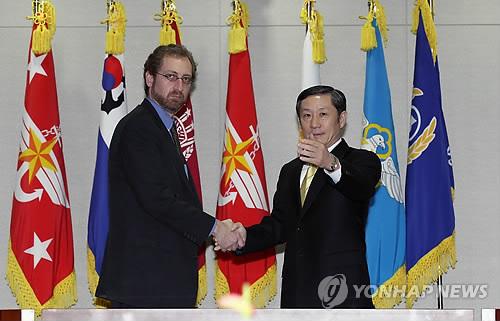
* Image & caption: same as the link
'Deputy Defense Minister Chang Kwang-il (R) shakes hands with Michael Schiffer, U.S. deputy assistant secretary of defense for Asia and Pacific affairs, before starting the SPI talks in Seoul on Dec. 13. (Yonhap)'
Yonhap News
S. Korea, U.S. launch joint committee to deter N. Korea's nuclear threats
2010/12/13
SEOUL, Dec. 13 (Yonhap) -- South Korea and the United States have formed a joint committee to make decisions about the alliance's nuclear policy, stepping up their commitment to deterring threats from North Korea's nuclear programs and other weapons of mass destruction, officials here said Monday.
The Extended Deterrence Policy Committee was officially set up at a meeting of the Security Policy Initiative (SPI) forum in Seoul earlier in the day between senior defense officials from the two nations, the South's defense ministry said in a statement.
"The Extended Deterrence Policy Committee was launched as the two sides signed terms of reference to systemize it," said a senior ministry official.
"Institutionalizing the committee is meaningful for the alliance because it paves the way for the two governments to draw up countermeasures against North Korea's nuclear threats and weapons of mass destruction," the official said on the condition of anonymity.
South Korea and the U.S. agreed to hold the first meeting of the committee in February or March of next year in Washington, headed by Deputy Defense Minister Chang Kwang-il and his U.S. counterpart, Michael Schiffer, deputy assistant secretary of defense for Asia and Pacific security affairs.
South Korea and the U.S. agreed to form the committee at their annual defense ministers' meeting in October.
Extended deterrence means the U.S. can provide tactical and strategic nuclear weapons, conventional strike and missile defense capabilities to defend South Korea in case of an attack from North Korea. It is the first time for the U.S. to create such a committee with a non-NATO ally.
During the SPI talks, the allies also reaffirmed their commitment to respond firmly should North Korea strike the South again, after its Nov. 23 artillery on the South's border island of Yeonpyeong.
The SPI talks, the 27th of their kind, come as tensions run high on the Korean Peninsula following the North's island attack that killed four people.
The bombardment also injured 18 people and destroyed dozens of homes, marking the first attack by the North on a civilian area on the South's soil since the end of the 1950-53 Korean War.
South Korea and the U.S. have held SPI talks regularly since 2005 to discuss a wide range of military and defense issues. The U.S. has about 28,500 troops in South Korea to help defend its ally against North Korea.
______________________________
Related articles
Korea Times
12-13-2010
Allies set up body on extended deterrence The Kyunghyang Sinmun
President Lee's Perception of North Korea is Highly Dangerous
Posted on : 2010-12-13
Hankyoreh
S. Korea - U.S. to organize a joint committee for extending nuclear deterrence
The committee will provide U.S. nuclear umbrella against “North Korean provocation”
Oct. 9, 2010
______________________________
Sunday, October 31, 2010
Text Fwd: Translation: [Cheong Wooksik] Would South Korea fall down into a ‘swamp of MD’?[on Oct. 25, 2010]
[영문 번역] MB 정부, 결국 ‘MD의 늪’으로 빠져드나?
Sunday, October 31, 2010
Text Fwd: Translation: Korean civic organizations’ joint press Interview against ROK’s joining of MD [on Oct. 25, 2010]
[영문 번역] 한국의 미사일 방어망 참여 반대, 한국 단체 공동 성명
Monday, November 29, 2010
Text Fwd: NATO's De Facto Members In Asia Include South Korea
* Text sent from Rick Rozoff on Nov 29, 2010
EastWest Institute
28 November 2010 - Issue : 913
NATO’s de facto Members in Asia: South Korea Included
Dr. Greg Austin
NATO has a special class of partners, informally called “contact countries” or NATO’s “other partners”, all in the Asia Pacific.
They “share similar strategic concerns and key Alliance values”, according to NATO, and include “Australia, Japan, the Republic of Korea and New Zealand”.
In the 1980s, we often called Japan the 16th member of NATO. This de facto status hinged on the American commitment to defend Japan in the face of possible war with the Soviet Union, a circumstance that would have almost certainly involved NATO as a whole.
Fast forward to 2010....The United States has a bilateral security treaty with South Korea. Does South Korea’s treaty relationship with the United States engage NATO on a de facto basis as committed to defend South Korea if there is an all-out war?
The UK, France, Belgium, the Netherlands, Greece and Turkey sent forces to the Korean War (1950-53) to fight alongside their United States allies. (So did Australia, New Zealand, South Africa and Ethiopia.) The operation was UN-sanctioned, because the Republic of China on Taiwan, and not the Peoples Republic of China, was sitting in the UN Security Council and the USSR, with veto power, had been boycotting the Security Council at the time the vote was taken. The allies (including Taiwan) went to the General Assembly in a Uniting for Peace Resolution to prevent any Soviet veto of the continuation of the UN mandate.
The world is a very different place now, more than half a century later. The UN Command in Korea may still exist formally, as South Africa was reinstated to membership of it in 2010, just last week....But the Republic of Korea continues to deepen its relations with NATO. The Foreign Minister addressed the North Atlantic Council in May 2010 after offering in April to send a Provincial Reconstruction Team to Afghanistan to join NATO-led forces there. South Korea participated in the NATO Summit in Lisbon in November 2010 along with some 19 other partner countries.
The latest North Korean attack coincided with the visit to the South by a NATO parliamentary delegation. NATO has expressed strong concern about the attack.
In the new NATO strategic concept approved at the Summit, Asia is not a subject that gets attention even though the “Gulf” (Persian Gulf?) is. Yet NATO appears to have made what, as a package, could be interpreted as a new formal, if fairly low-level and evolutionary commitment to Asia (and the world). “We will be open to consultation with any partner country on security issues of common concern. We will give our operational partners a structural role in shaping strategy and decisions on NATO-led missions to which they contribute.”
So what is the NATO role in Asia, and more specifically East Asia? It is hard to escape the conclusion that now, as in the 1980s, NATO remains a major determinant of the balance of military power in East Asia. This does not mean that all European members of NATO would become automatically engaged in fighting in Korea if it escalated to all war. The United States and South Korean forces would easily defeat North Korean conventional forces.
It does mean however, that leaders of NATO Europe with an interest in Korean security must now review where exactly they stand. NATO’s centrality to the latest Korean crisis as a continuing power balancer is mandated by the strong and perfectly legitimate interest of China in what may now unfold.
===========================
Stop NATO
Blog site:
EastWest Institute
28 November 2010 - Issue : 913
NATO’s de facto Members in Asia: South Korea Included
Dr. Greg Austin
NATO has a special class of partners, informally called “contact countries” or NATO’s “other partners”, all in the Asia Pacific.
They “share similar strategic concerns and key Alliance values”, according to NATO, and include “Australia, Japan, the Republic of Korea and New Zealand”.
In the 1980s, we often called Japan the 16th member of NATO. This de facto status hinged on the American commitment to defend Japan in the face of possible war with the Soviet Union, a circumstance that would have almost certainly involved NATO as a whole.
Fast forward to 2010....The United States has a bilateral security treaty with South Korea. Does South Korea’s treaty relationship with the United States engage NATO on a de facto basis as committed to defend South Korea if there is an all-out war?
The UK, France, Belgium, the Netherlands, Greece and Turkey sent forces to the Korean War (1950-53) to fight alongside their United States allies. (So did Australia, New Zealand, South Africa and Ethiopia.) The operation was UN-sanctioned, because the Republic of China on Taiwan, and not the Peoples Republic of China, was sitting in the UN Security Council and the USSR, with veto power, had been boycotting the Security Council at the time the vote was taken. The allies (including Taiwan) went to the General Assembly in a Uniting for Peace Resolution to prevent any Soviet veto of the continuation of the UN mandate.
The world is a very different place now, more than half a century later. The UN Command in Korea may still exist formally, as South Africa was reinstated to membership of it in 2010, just last week....But the Republic of Korea continues to deepen its relations with NATO. The Foreign Minister addressed the North Atlantic Council in May 2010 after offering in April to send a Provincial Reconstruction Team to Afghanistan to join NATO-led forces there. South Korea participated in the NATO Summit in Lisbon in November 2010 along with some 19 other partner countries.
The latest North Korean attack coincided with the visit to the South by a NATO parliamentary delegation. NATO has expressed strong concern about the attack.
In the new NATO strategic concept approved at the Summit, Asia is not a subject that gets attention even though the “Gulf” (Persian Gulf?) is. Yet NATO appears to have made what, as a package, could be interpreted as a new formal, if fairly low-level and evolutionary commitment to Asia (and the world). “We will be open to consultation with any partner country on security issues of common concern. We will give our operational partners a structural role in shaping strategy and decisions on NATO-led missions to which they contribute.”
So what is the NATO role in Asia, and more specifically East Asia? It is hard to escape the conclusion that now, as in the 1980s, NATO remains a major determinant of the balance of military power in East Asia. This does not mean that all European members of NATO would become automatically engaged in fighting in Korea if it escalated to all war. The United States and South Korean forces would easily defeat North Korean conventional forces.
It does mean however, that leaders of NATO Europe with an interest in Korean security must now review where exactly they stand. NATO’s centrality to the latest Korean crisis as a continuing power balancer is mandated by the strong and perfectly legitimate interest of China in what may now unfold.
===========================
Stop NATO
Blog site:
Saturday, November 13, 2010
Text Fwd: [Rick Rozoff] Timetable Abandoned: U.S. And NATO To Wage Endless War In Afghanistan 일정을 무시하고 나토와 미국, 아프가니스탄에서 끝없는 전쟁 펼칠 것임
Rick Rozoff blog
Stop NATO
November 12, 2010
Timetable Abandoned: U.S. And NATO To Wage Endless War In Afghanistan
Rick Rozoff
The mainstream news media and alternative sources alike have seized on a recent revelation – though it is hardly such – published by McClatchy Newspapers that “The Obama administration has decided to begin publicly walking away from what it once touted as key deadlines in the war in Afghanistan in an effort to remove emphasis from Barack Obama’s pledge that he would begin withdrawing US forces in July 2011.” [1]
An article in this series of over a month earlier, U.S. And NATO To Wage War 15-Year War In Afghanistan And Pakistan [2], documented that much and more, and any attentive reader of news on the Internet during the preceding weeks would not have been surprised by the McClatchy feature.
On October 25 Edmund Whiteside, North Atlantic Treaty Organization Council Secretary, spoke at Concordia University in Montreal, Canada, and according to the local press said, “Expect the war in Afghanistan — the longest military engagement in both Canadian and American history — to continue for a ‘very long’ time.” In his exact words, “Afghanistan will be a very long military venture.”
His position will be confirmed at the NATO summit in Lisbon, Portugal next week, as will a major commitment demanded by the U.S.-dominated military bloc’s new Strategic Concept to be adopted at the meeting: The retention of nuclear arms in NATO’s arsenal and the continued stationing of American nuclear bombs in Europe. Whiteside also argued: “Canada says that it doesn’t need ballistic missiles. But Canada is part of a nuclear policy alliance. There’s no getting around that….” [3]
On November 8, the day before the McClatchy article appeared, the spokesman for the 152,000-troop, 50-nation, NATO-led International Security Assistance Force in Afghanistan, German Brigadier-General Josef Blotz, stated that “no timetable has been set for withdrawal of coalition troops from Afghanistan.”
READ MORE
Stop NATO
November 12, 2010
Timetable Abandoned: U.S. And NATO To Wage Endless War In Afghanistan
Rick Rozoff
The mainstream news media and alternative sources alike have seized on a recent revelation – though it is hardly such – published by McClatchy Newspapers that “The Obama administration has decided to begin publicly walking away from what it once touted as key deadlines in the war in Afghanistan in an effort to remove emphasis from Barack Obama’s pledge that he would begin withdrawing US forces in July 2011.” [1]
An article in this series of over a month earlier, U.S. And NATO To Wage War 15-Year War In Afghanistan And Pakistan [2], documented that much and more, and any attentive reader of news on the Internet during the preceding weeks would not have been surprised by the McClatchy feature.
On October 25 Edmund Whiteside, North Atlantic Treaty Organization Council Secretary, spoke at Concordia University in Montreal, Canada, and according to the local press said, “Expect the war in Afghanistan — the longest military engagement in both Canadian and American history — to continue for a ‘very long’ time.” In his exact words, “Afghanistan will be a very long military venture.”
His position will be confirmed at the NATO summit in Lisbon, Portugal next week, as will a major commitment demanded by the U.S.-dominated military bloc’s new Strategic Concept to be adopted at the meeting: The retention of nuclear arms in NATO’s arsenal and the continued stationing of American nuclear bombs in Europe. Whiteside also argued: “Canada says that it doesn’t need ballistic missiles. But Canada is part of a nuclear policy alliance. There’s no getting around that….” [3]
On November 8, the day before the McClatchy article appeared, the spokesman for the 152,000-troop, 50-nation, NATO-led International Security Assistance Force in Afghanistan, German Brigadier-General Josef Blotz, stated that “no timetable has been set for withdrawal of coalition troops from Afghanistan.”
READ MORE
Friday, November 12, 2010
Text Fwd: [Rock Rozoff] Lisbon: NATO To Retain Nuclear Arms, Build Missile Shield In Europe 나토, 핵무기 보유, 유럽에 미사일 방어 지을 것임
 * Image & caption source: same as the link
NATO, Partnership for Peace and Mediterranean Dialogue members
 * Image & caption source: same as the link
Meeting of the Tripartite Commission
* Rick Rozoff sent on Nov. 11, 2010
Rick Rozoff blog or Stop NATO
Lisbon Summit: NATO To Retain Nuclear Arms, Build Missile Shield In Europe
Rick Rozoff
November 10, 2010
In little more than a week the North Atlantic Treaty Organization will convene a two-day summit in Lisbon, Portugal with the heads of state and government (presidents and prime ministers) of its 28 member states.
At the summit the world's only military bloc will endorse its new Strategic Concept, the first since 1999 and as such the first for the 21st century, a doctrine which will formalize NATO's role as an international military-security-political force and a rival to the United Nations in that regard.
The main items on NATO's Lisbon agenda will be the war in Afghanistan, the Alliance's first armed conflict outside Europe and the first ground combat operations in its history; the launching of a continent-wide interceptor missile system subsumed under U.S. global missile shield auspices; an analogous cyber warfare operation building upon initiatives like NATO's cyber defense center in Estonia and subordinated to the Pentagon's new Cyber Command; the retention of hundreds of American nuclear bombs on air bases in five European nations; a multiplication of new roles and missions from patrolling strategic sea lanes with warships to guarding NATO member states' energy interests in any - in every - part of the world.
As an illustration of the ever-broadening scope of the U.S.-dominated military alliance, in regard to the Afghan war in particular, where there are currently 140,000 troops from the U.S. and almost 50 other nations assigned to NATO's International Security Assistance Force (ISAF), leaders of various NATO partnership nations will also attend the Lisbon summit.
They could include participants from NATO's Partnership for Peace program in Europe and Asia: Armenia, Austria, Azerbaijan, Belarus, Bosnia, Finland, Georgia, Ireland, Kazakhstan, Kyrgyzstan, Macedonia, Malta, Moldova, Montenegro, Serbia, Sweden, Switzerland, Tajikistan, Turkmenistan, Ukraine and Uzbekistan.
The Mediterranean Dialogue in Africa and the Middle East: Algeria, Egypt, Israel, Jordan, Mauritania, Morocco and Tunisia.
The Istanbul Cooperation Initiative in the Persian Gulf: Bahrain, Kuwait, Oman, Qatar, Saudi Arabia and the United Arab Emirates.
Contact Country allies in East Asia and the South Pacific: Australia, Japan, New Zealand and South Korea.
The NATO-Russia Council: President Dmitry Medvedev will be the first Russian head of state to attend a NATO summit.
The military commanders' Tripartite Commission of NATO, Afghanistan and Pakistan.
Official Troop Contributing Nations (TNC) for NATO's ISAF not in any of the above categories: Malaysia, Mongolia, Singapore and Tonga. Colombia has also pledged troops for ISAF and nations like Bangladesh are being pressured to do the same.
READ MORE
===========================
Stop NATO
Blog site
Friday, October 22, 2010
[국문 번역] Text Fwd: Southeast Asia: West Completes Plans For Asian NATO 서구, 동남 아시아에서 아시아 나토를 위한 계획들을 완성하다
____________________________________________________
* Rick Rozoff sent on Oct. 22, 2010 릭 로조프, 2010년 10월22일 보냄
* Also in Rick Rozoff blog and StopNATO 또한 릭 로조프 블로그 및 스탑 나토에
____________________________________________________
October 21, 2010
2010년 10월 21일
Southeast Asia: West Completes Plans For Asian NATO
서구, 동남 아시아에서 아시아 나토를 위한 계획들을 완성하다
Rick Rozoff
릭 로조프
In keeping with the global trend manifested in other strategically vital areas of the world, the United States and its allies in the North Atlantic Treaty Organization - a consortium of all major Western military (including nuclear) powers and former colonial empires - are increasing their military presence in Southeast Asia with special emphasis on the geopolitically critical Strait of Malacca.
세계의 전략적으로 사활적인 다른 지역들에 분명히 나타난 전지구적 추세와 일치시키기며, 미국과 모든 주요 서구 군사력(핵을 포함한)과 이전 식민 통치 제국들의 협의체인 나토(북대서양 조약 기구)의 동맹국들은 지리 정치적으로 결정적인 말래카 해협에 대한 특별한 강조와 함께 그들의 군사 존재를 증가시키고 있다.
 * Image source: google
The latter is one of the world's most important shipping lanes and major strategic chokepoints.
후자는 세계의 가장 중요한 선박 수송로이자 주요한 전략적 요충지들의 하나이다.
In an opinion piece The Times of London granted to George Robertson and Paddy Ashdown - the first a former NATO secretary general and current Baron Robertson of Port Ellen, the other a past intelligence officer and the West's viceroy in Bosnia at the beginning of the decade who nearly reprised the role in Afghanistan two years ago - in June of 2008 which in part rued the fact that "For the first time in more than 200 years we are moving into a world not wholly dominated by the West." [1]
조지 로버트슨과 패디 애쉬다운에게 부여된 2008년 6월 더 타임즈 오브 런던(The Times of London)의 의견난을 보면—전자는 전 나토 사무 총장이자 현재 포트 엘렌의 로버트슨 남작이고 후자는 과거 첩보 관료이자 2000년대 초, 보스니아의 서구 총독으로 2년전 아프가니스탄에서 그 역활을 거의 반복했는데- 그것은 부분적으로 “200년 이상이 지나고 처음으로 우리는 서구에 의해 전체적으로 지배되지 않는 세계로 움직이고 있다.” 란 사실을 한탄했다. [1]
In fact for the first time in half a millennium the founding members of NATO in Europe and North America are confronted with a planet not largely or entirely under their control.
사실 반 세기만에 처음으로, 유럽의 나토와 북미의 창설자들은 그들의 통제에 크게, 또는 전적으로 동의하지 않는 행성과 대립하게 되었다.
With the elimination of the Union of Soviet Socialist Republics and its network of allies around the world a generation ago, the prospect of the West reestablishing uncontested worldwide domination appeared a more viable option than it had at any time since the First World War.
소련 사회주의 공화국 연방과 그것의 세계 동맹국들의 넷워크를 한 세대 이전에 제거함과 더불어, 경쟁자없이 전세계적 지배를 다시 형성하려는 서구의 전망은, 1차 세계 대전 이후 서구가 누렸던 어느 때보다 더 확실한 선택으로 나타났다.
Much as the British Empire had done earlier in positioning its navy and its military outposts overlooking maritime access points to monitor and control vital shipping lanes and to block adversaries' transit of military personnel and materiel, the West now collectively envisions regaining lost advantages and gaining new ones in areas of the world previously inaccessible to its military penetration.
대영제국이 자신의 사활적인 선박 수송로들을 감시하고 통제하며 적들의 군인들과 물자들의 수송을 막기위해 해양 접근 지점들을 검열하는 자신의 해군과 그 군사 전초 기지들을 일찍 배치시킨 것과 아주 같게, 서구는 현재 공동으로, 잃은 이익들을 다시 얻고 그것의 군사적 침투가 이전에는 접근되지 않았던 세계의 지역들로부터 새로운 이익들을 얻는 것을 구상한다.
Southeast Asia is one such case. Divided during the colonial epoch between Britain, France, the Netherlands, Portugal and Spain (with the U.S. supplanting the last-named in the Philippines in 1898), it has a combined population of approximately 600 million, two-thirds that of the Western Hemisphere and almost three-quarters that of Europe.
동남아시아는 그러한 하나의 경우이다. 영국, 프랑스, 네델란드, 포루투갈 그리고 스페인(그리고 1898년 필리핀에서 그 끝의 마지막 이름을 탈취한 미국)에 의해 식민 시대 때 분리된 동남 아시아에는 대략 합쳐 6억의 인구가 있는데, 그 숫자는 서반구의 2/3 이자 유럽의 3/4이다.
The Strait of Malacca runs for 600 miles between Thailand, Malaysia and Singapore to the east and the Indonesian island of Sumatra to the west. According to the United Nations International Maritime Organization, at least 50,000 ships pass through the strait annually, transporting 30 percent of the goods traded in the world including oil from the Persian Gulf to major East Asian nations like China, Japan and South Korea. As many as 20 million barrels of oil a day pass through the Strait of Malacca, an amount that will only increase with the further advance of the Asian Century.
말래카 해협은 동쪽으로는 태국, 말레이시아, 싱가포르 그리고 서쪽으로는 인도네시안 섬 수마트라 사이 600마일에 걸쳐 있다. 유엔 국제 해양 기구에 따르면, 적어도 연간 5만 개의 선박들이 그 해협을 통과하는데 페르시아만으로부터 중국, 일본, 남한과 같은 주요 동아시아 국가들에 이르는 석유를 포함, 세계에서 무역되는 상품들의 30%를 운송한다. 하루에 2천만 배럴에 이르는 석유가 말래카 해협을 통과하는데 그것은 아시아 세기의 진전을 더 증가시킬 뿐이다.
When the U.S. went to war against Iraq in 1991, notwithstanding claims concerning Kuwait's territorial integrity and fictitious accusations of infants being torn from incubators in the country's capital, one of the major objectives was to demonstrate to a new unipolar world that Washington had its hand on the global oil spigot. That it controlled the flow of Persian Gulf oil north and west to Europe and east to Asia, especially to the four nations that import the most oil next to the United States: Japan, China, South Korea and India. The first three receive Persian Gulf oil primarily by tankers passing through the Strait of Malacca.
쿠웨이트의 영토적 보전과 그 나라 수도의 인큐베이터들에서 찢겨진 유아들에 대한 허위의 고발들을 우려하는 주장들에도 불구, 미국이 1991년 이라크에 맞서 전쟁에 갔을 때 주요 목표들의 하나는 새로운 단일극의 세계에 워싱턴이 세계 석유 수도 꼭지를 통제한다는 것을 나타내는 것이었다. 미국이 북쪽과 서쪽으로는 유럽을, 그리고 동쪽으로는 미국 다음으로 대부분의 석유들을 수입하는 일본, 중국, 남한 그리고 인도등 특히 네 개국의 아시아에 이르기까지 페르시아 만 석유의 흐름을 통제한다는 것이었다. 처음에 언급된 세 곳은 무엇보다 말래카 해협을 통과하는 유조선들에 의해 페르시아만 석유를 공급받는다.
The U.S. Department of Energy has provided a comprehensive yet concise blueprint for the Pentagon to act on:
미국 에너지 부는 미 국방부가 행동해야 할 포괄적이면서도 간명한 청사진을 제공했다.
"Chokepoints are narrow channels along widely used global sea routes. They are a critical part of global energy security due to the high volume of oil traded through their narrow straits. The Strait of Hormuz leading out of the Persian Gulf and the Strait of Malacca linking the Indian and Pacific Oceans are two of the world’s most strategic chokepoints. Other important passages include: Bab el-Mandab which connects the Arabian Sea with the Red Sea; the Panama Canal and the Panama Pipeline connecting the Pacific and Atlantic Oceans; the Suez Canal and the Sumed Pipeline linking the Red Sea and Mediterranean Sea; and the Turkish/Bosporus Straits joining the Black Sea and the Caspian Sea region to the Mediterranean Sea." [2]
“요충지들은 넓게 사용되는 전지구적 바닷길들을 따라 있는 좁은 수로들이다. 그것들은 그들의 좁은 해협들을 따라 통과되는 많은 양의 석유로 인해 전지구적 에너지 안보에서 결정적 부분이다. 페르시안 만에서 이어지는 호르뮤즈 해협과 인도양과 태평양 바다들을 연결하는 말래카 해협은 세계의 가장 전략적 요충지들 두 곳이다. 다른 중요한 통로들은 아라비아 해와 홍해를 연결하는 밥 엘 만다브; 태평양과 대서양을 연결하는 파나마 운하와 파나마 수송 관로; 홍해와 지중해를 연결하는 수에즈 운하와 수메드 수송 관로; 그리고 흑해와 카스피안 바다 지역을 지중해에 연결하는 터키/보스퍼러스 해협들이다. [2]
 * Image source: google
The U.S. has moved its military into the Black Sea and Central Asia as well as into the Persian Gulf, and two years ago the Pentagon inaugurated U.S. Africa Command primarily to secure oil supplies and transport in Africa's Gulf of Guinea and in the Horn of Africa.
미국은 그 군사력을 페르시아 만으로 옮긴 것처럼 군사력을 흑해와 중앙 아시아로 옮겼으며, 미 국방부는 2년전에 주로 아프리카 기니아 만과 아프리카 곶의 석유 공급들과 수송을 확보하기위해 미국 아프리카 사령부를 발족했다.
 * Image source: Google
The Strait of Malacca is the main channel connecting the Indian Ocean and the Pacific Ocean. On its southeastern end it flows into the South China Sea where the natural resource-rich Paracel and Spratly island groups are contested between China on the one hand and several members of the Association of Southeast Asian Nations (ASEAN) on the other. The Spratly Islands are claimed in part by ASEAN member states Brunei, Malaysia, the Philippines and Vietnam as well as Taiwan. The Paracel Islands were seized by China in a naval battle with South Vietnam in 1974.
말래카 해협은 인도양과 태평양을 연결하는 주요 운하이다. 그것의 동남아 끝에서 그것은 천연 자원이 풍부한 남중국해로 흐르는데, 그 곳에서 파라셀과 스프래틀리 섬 그룹들은 한 쪽에는 중국이, 다른 쪽에는 동남아 아시안 국가들 연합 (ASEAN)의 몇 회원국들 사이에서 겨루어 진다. 스프래틀리 군도들은 브루네이, 말레이시아, 필리핀, 그리고 베트남과 마찬가지로 대만에 의해 부분적으로 권리가 주장된다. 파라셀 군도들은 1974년 남베트남과의 해군 전쟁에서 중국에 의해 빼앗겼다.
The U.S. deployed the USS George Washington nuclear-powered supercarrier and the USS John S. McCain destroyer to the South China Sea in August for the first joint military exercise ever conducted by the U.S. and (unified) Vietnam, three weeks after Secretary of State Hillary Clinton said while attending the ASEAN foreign ministers' meeting in the Vietnamese capital that "The United States...has a national interest in freedom of navigation, open access to Asia's maritime commons, and respect for international law in the South China Sea," adding "The United States is a Pacific nation, and we are committed to being an active partner with ASEAN."
미국은 8월, 미국과 (통일) 베트남사이 사상 처음 있던 연합 군사 훈련에 핵 항공 모함 조지 워싱턴과 존 맥케인 구축함을 남중국해에 배치했는데 3주 후에 국무 장관 힐러리 클린턴은 베트남 수도에서 있었던 아세안 외무 장관들 모임에 참석해서 “미국은… 항해의 자유와 아시아 해양 공동체에의 개방적 접근, 그리고 남중국해의 국제법에 대한 존경에 국가적 관심을 갖고 있읍니다.”라고 말했으며 “미국은 태평양 국가입니다. 그리고 우리는 아세안과 적극적 협력자가 될 사명감을 갖고 있읍니다.” 라고 덧붙였다.
Clinton's trip to Hanoi was preceded by visits to the capitals of Pakistan, Afghanistan and South Korea, all three Asian nations solidly in the U.S. military orbit. While in the last country she traveled to the Demilitarized Zone separating South from North Korea with Pentagon chief Robert Gates, in the first such joint visit by U.S. Secretaries of State and Defense, to commemorate the 60th anniversary of the start of the Korean War (which led to war with China within three months).
클린턴의 하노이로의 여행은 미국 군사 궤도에 탄탄이 있는 세개의 아시아 국가들, 파키스탄, 아프가니스탄, 그리고 남한의 수도들 방문에 이어진 것이었다. 마지막 국가에서 그녀는 국방부 수장 로버트 게이츠와 함께 남과 북을 분리하는 비무장 지대를 여행했으며 그것은 한국 전쟁 발발 (3개월안에 중국과의 전쟁으로 이어졌던) 60주년을 기념한, 미국의 국무 장관과 국방 장관들의 그러한 첫 공동 방문이었다.
Four days after Clinton left Seoul the U.S. launched the Invincible Spirit joint war games in the East Sea/Sea of Japan with South Korea, the following month the latest of annual Ulchi Freedom Guardian military exercises with 30,000 American and 56,000 South Korean troops, and in September anti-submarine drills in the Yellow Sea. [3]
클린턴이 서울을 떠난 나흘 후에 미국은 남한과 동해/일본해에서 무적 정신 (Invincible Spirit) 연합 전쟁 게임들을, 그 다음 달에 3만 미군들과 5만 6천 남한 군대들이 참여한 가장 최근의 연간 을지 프리던 가디안 군사 훈련들을, 그리고 9월에 황해에서 대항 잠수함 훈련들을 개시했다. [3]
Reflecting on Clinton's statements at July's ASEAN summit, Malaysian-based journalist and analyst Kazi Mahmoud wrote:
클린턴의 7월 아세안 정상 회담 성명서들을 돌아보며, 말레이시아에 사는 언론인이자 분석가인 카지 마흐무드는 썼다:
"Washington is using the Association of Southeast Asian Nations (ASEAN) regional group for a bigger military purpose and this strategy is becoming clear to observers due to the U.S. push for greater influence in Asia.
“워싱턴은 동남아 국가들 (아세안) 연합 지역 그룹을 더 큰 군사적 목적들에 사용하고 있으며, 이 전략은 미국의 아시아에서의 더 큰 영향을 위한 미국의 밀어붙임때문에 관찰자들에게 명확해지고 있다.”
By reaching out to nations like Vietnam, Laos and even Myanmar (Burma) as it has lately - ASEAN consists of Indonesia, Malaysia, the Philippines, Singapore, Thailand, Brunei, Cambodia, Laos, Myanmar and Vietnam - "The United States is fomenting a long-term strategy to contain both China and Russia in Southeast Asia....Before the Afghan war, the Americans could count on Thailand, Singapore, Malaysia and Indonesia along with Brunei in the region. Today the U.S. has Vietnam and Cambodia on its side." (In July U.S. Pacific Command and U.S. Army Pacific led the Angkor Sentinel 2010 multinational exercises in Cambodia.)
베트남, 라오스, 그리고 최근 심지어 미얀마(버마) 같은 국가들에게 접근하면서- 아세안은 인도네시아, 말레이시아, 필리핀, 싱가포르, 태국, 브루네이, 캄보디아, 라오스, 미얀마, 그리고 베트남으로 구성된다- “미국은 남중국해에서 중국과 러시아 양쪽 모두를 견제하기 위해 장기간 전략을 조성하고 있다… 아프간 전쟁 전에, 미국은 그 지역에서 브루네이와 더불어, 태국, 싱가포르, 말레이지아, 그리고 인도네시아를 셈할 수 있었다. 오늘날 미국은 그 편에 베트남과 캄보디아를 가지고 있다.” (7월에 미국 태평양 사령부와 미국 태평양 군대는 캄보디아에서 다국적 훈련인 앙코르 보초 (Angkor Sentinel) 2010 훈련을 이끌었다.
Furthermore, Washington's recruitment of ASEAN nations, initially over territorial disputes with China, will lead to "turn[ing] ASEAN into a...military corps to fight for American causes in Iraq, Afghanistan, Yemen and surely Georgia and North Korea....Once the U.S. has achieved such goals, it will control the Malacca Straits and the seaways of the region." [4]
게다가 애초에 중국과의 영토 분쟁으로 시작된 워싱턴의 아세안 국가들 고용은 “아세안(ASEAN)을, 이라크, 아프가니스탄, 예멘, 그리고 확실히 조지아와 북한에서 미국의 명분들을 위해 싸우게 하기 위해, 군대 경찰들로 이끌 것이다….미국이 그러한 목적들을 이루기만 하면 그것은 말래카 해협과 그 지역의 바닷길들을 통제할 것이다.” [4]
Non-ASEAN nations Taiwan, with which the U.S. formalized a $6.4 billion arms deal earlier this year [5], is involved in a Spratly Islands territorial dispute with China and Japan is at loggerheads with China over what it calls the Senkaku Islands and China the Diaoyu Islands in the East China Sea.
미국이 올 초 64억 달러 무기 거래를 정식화했던 대만[5]과 같은 비아세안 국가들은 중국과 일본과의 스프래틀리 섬들 영토 분쟁에 참여하며 동중국해에서 그것이 센카쿠 섬들이라 부르고 중국이 다이오유 섬들이라 부르는 섬들을 놓고 중국과 반목하고 있다.
On October 11 U.S. Defense Secretary Gates met with Japanese Defense Minister Toshimi Kitazawa at the ASEAN defense ministers' meeting in Hanoi, and the "defense chiefs agreed in their talks...that their countries will jointly respond in line with a bilateral security pact toward stability in areas in the East China Sea covering the Senkaku Islands that came into the spotlight in disputes between Japan and China...." [6]
10월 11일, 미 국방부 장관 게이츠는 하노이에서 열린 아세안 국방 장관들의 모임에서 일본 국방 장관 토쉬미 기타자와와 만났고 “국방 장관들이 그들 대화에서 동의했다… 그들의 국가들이 일본과 중국 사이 논쟁들의 촛점이 된 센카쿠 열도가 있는 동중국해 지역들에서 안정을 위해 양자 안보 협정으로 일련으로 연합 대응할 거라고…” [6]
The pact in question is the Treaty of Mutual Cooperation and Security between Japan and the United States signed in 1960, comparable to mutual military assistance arrangements the Pentagon has with Australia, the Philippines, Singapore, South Korea and Thailand in the Asia-Pacific region. "It is also developing a strong strategic relationship with Vietnam, of all places. It is also working hard on Indonesia and Malaysia, both of which have indicated they want to get closer to Washington." [7]
문제의 그 협정은 1960년 일본과 미국간에 조인된 상호 협력 및 안보 조약으로 미 국방부가 아시아 태평양 지역에서 호주, 필리핀, 싱가포르, 남한, 그리고 태국과 맺었던 상호 군사 지원 배열들에 비견된다. “미국은 모든 지역들 중, 베트남과 강한 전략적 관계를 개발하고 있다. 미국은 또한 인도네시아, 말레이시아와 열심히 일하고 있는데 양쪽은 그들이 워싱턴과 더 가까이 하고 싶어한다고 지적했었다…” [7]
During the Shangri-La Dialogue defense ministers' meeting in Singapore this June Gates stated: "My government's overriding obligation to allies, partners and the region is to reaffirm America's security commitments in the region." [8]
올 6월, 싱가포르에서 있었던 샹그릴라 대화(Shangri-La Dialogue) 국방 장관들의 모임에서 게이츠는 말했다. “우리 정부의 동맹국들, 협력자들, 그리고 지역에 대한 최우선의 책무는 지역에 대한 안보 사명감들을 다시 확인하는 것이다.” [8]
Singapore and, since July, Malaysia are official Troop Contributing Countries for NATO's war in Afghanistan. In June Malaysia and Thailand joined this year's version of the annual U.S.-led Rim of the Pacific (RIMPAC) naval exercises, the largest in the world (with 20,000 troops, 34 ships, five submarines and over 100 aircraft this year), hosted by the U.S. Pacific Fleet in Hawaii. RIMPAC 2010 marked the two Southeast Asian nations' first participation in the war games. Other nations involved were the U.S., Australia, Canada, Chile, Colombia, France, Indonesia, Japan, the Netherlands, Peru, Singapore and South Korea.
싱가포르, 그리고 7월 이후의 말레이시아는 아프가니스탄에서 나토의 전쟁을 위한 공식적인 군대 공헌 국가들(Troop Contributing Countries)이다. 6월에 말레이시아와 타일랜드는 올해의 미국 주도 연간 환태평양 Rim of the Pacific (RIMPAC) 해군 연습들에 합류했는데 환태평양 해군 연습은 세계에서 가장 큰 것으로 (올해 2만 군대들, 34선박들, 5개 잠수함들, 그리고 100개 이상의 비행기가 참여) 하와이 미 태평양 함대에 의해 주최된다. RIMPAC 2010은 그 전쟁 게임들에 두 동남아 국가들의 첫 참여로 기록된다. 참여한 다른 국가들은 미국, 호주, 캐나다, 칠레, 콜롬비아, 프랑스, 인도네시아, 일본, 네델란드, 페루, 싱가포르, 그리고 남한이다.
In addition to occupying Afghanistan with 152,000 U.S. and NATO troops, building an Afghan army and air force under the West's command, and integrating Pakistan in joint commissions with the U.S. and NATO [9], Washington is also consolidating a strategic military partnership with India. Last October the U.S. Army participated in the latest and largest of Yudh Abhyas (training for war) war games held since 2004 with its Indian counterpart. Exercise Yudh Abhyas 2009 featured 1,000 troops, the U.S.’s Javelin anti-tank missile system and the first deployment of American Stryker armored combat vehicles outside the Afghan and Iraqi war theaters. [10]
15만 2천 미군들과 나토 군대들로 아프가니스탄을 점령하고 서구의 명령 아래 아프간 육군과 공군을 형성하는 것, 그리고 미국과 나토와 더불어 파키스탄을 공동 위원회에 통합시키는 것 외에[9], 워싱턴은 또한 인도와 전략적 군사 협력을 공고히하고 있다. 지난 10월, 미국 군대는 인도의 파트너와 2004년 이후 가졌던 가장 최근이자 가장 컸던 유드 아비야스 (전쟁을 위한 훈련) 전쟁 게임들에 참여했다. 유드 아비야스 2009는 천명의 군인들, 미국의 재벌린(* ‘창’이라는 뜻) 대항 탱크 미사일 시스템, 그리고 아프간과 이라크 전쟁 지역들 외곽으로는 아메리칸 스트라이커로 무장된 전투 차량들의 첫 배치가 특징이었다. [10]
The U.S. has also been holding annual naval exercises codenamed Malabar with the world's second most populous country and in the past four years has broadened them into a multinational format with the inclusion of Canada, Australia, Japan and Singapore.
미국은 또한 세계에서 두 번째로 인구 많은 나라와 말라바라 코드명이 붙여진 연간 해군 훈련들을 펼치고 있었고 지난 4년동안 그것을 캐나다, 호주, 일본과 싱가포르를 포함, 다국적 형식으로 넓혀 왔다.
Malabar 2007 was conducted in the Bay of Bengal, immediately north of the Strait of Malacca, and included 25 warships from five nations: The U.S., India, Australia, Japan and Singapore.
말라바 2007은 말라카 해협의 바로 북쪽인 벵갈만에서 행해졌으며 미국, 인도, 호주, 일본과 싱가포르 5개국의 25전함들을 포함했다.
This September 28 India and Japan held their first army-to-army talks in New Delhi which "aimed at reviewing the present status of engagements, military cooperation and military security issues...." Japan thus became the ninth country with which the Indian Army has a bilateral dialogue, joining the U.S., Britain, France, Australia, Bangladesh, Israel, Malaysia and Singapore. At the same time the Indian Chief of Air Staff, Air Chief Marshal Pradeep Naik, was on a "three-day goodwill visit" to Japan to meet with his Japanese counterpart, Air Self-Defense Force chief of staff General Kenichiro Hokazono. [11]
올 9월 28일, 인도와 일본은 그들의 첫번째 군대 대 군대 대화를 가졌는데. 그것은 “교전, 군사 협조, 그리고 군사 안보 이슈들의 현재 상태를 검토하는 것을 목적으로 했다.”일본은 그럼으로서 인도 군대가 미국, 영국, 프랑스, 호주, 방글라데시. 이스라엘, 말레아시아, 그리고 싱가포르에 이어 양자 대화를 가진 9번째 국가가 되었다. 동시에 인도 공군 사령관, 공군 원수 프라딥 나이크는 그의 일본 상대인 공군 자위 방위대 공군 사령관 케니치로 호카조노를 만나러 “3일간 친선 방문”으로 일본에 갔었다. [11]
On October 14 the Pentagon launched the latest bilateral Amphibious Landing Exercise (PHIBLEX) and Cooperation Afloat Readiness and Training (CARAT) in the Philippines, with over 3,000 U.S. troops and six ships and aircraft involved.
10월 14일 미 국방부는 필리핀과 가장 최근인 양자 수륙 착륙 작전 Amphibious Landing Exercise (PHIBLEX)과 협력 해상 대기와 훈련 Cooperation Afloat Readiness and Training (CARAT)을 개시했는데, 그것은 3천 이상의 미군 군대, 6개 선박, 그리고 항공기가 결합된 것이었다.
If a recurrence of the 1974 Battle of the Paracel Islands or the 1988 Chinese-Vietnamese clash over the Spratly Islands erupts between China and other claimants, the U.S. is poised to intervene.
1974년 파라셀 군도의 전투 또는 1988년 스프레틀리 군도를 둘러싼 중국-베트남 충돌의 재현이 발생한다면, 미국은 개입하도록 태세를 갖추었다.
On October 13 South Korea for the first time hosted an exercise of the U.S.-formed Proliferation Security Initiative (PSI) naval interdiction operation, launched by President George W. Bush in 2003 with initial emphasis on Asia but which in the interim has assumed a global scope. [12]
10월 13일, 남한은 미국이 만든 확산 안보 구상 Proliferation Security Initiative (PSI) 해군 저지 작전 훈련을 사상 처음으로 주최하게 되었는데 그것은 조지 W. 부쉬 대통령이 2003년, 애초에 아시아에 대한 강조로 만들어진 것이었으나 잠정적으로 세계적 영역을 가정한 것이다. [12]
To end on October 22, it involves the participation of 14 nations including the U.S., Canada, France, Australia and Japan, which are contributing a guided missile destroyer, maritime patrol planes and anti-submarine helicopters.
10월 22일 끝날 때까지 그 훈련은 미국, 캐나다, 프랑스, 호주, 일본을 포함 14개국의 참여를 포함했는데, 그 국가들은 유도 미사일 구축함, 해양 정찰 비행기들, 그리고 대잠 헬리콥터들로 공헌했다.
Six years ago Admiral Thomas Fargo, at the time head of U.S. Pacific Command, promoted a Regional Maritime Security Initiative which was described as "grow[ing] out of the Proliferation Security Initiative (PSI)” and designed to "deploy US marines with high-speed boats to guard the Malacca Straits...." [13] Both Indonesia and Malaysia objected to the plan to station American military forces off their coasts.
6년전, 당시 미국 태평양 사령부의 수장이었던 토머스 파고 사령관은 “확산 안보 구상 Proliferation Security Initiative (PSI)으로부터 성장한” 이란 표현으로 묘사되고 “말래카 해협들을 경호하기 위한 고속정들에 탄 미국 해병대들 을 배치하기 위해…” 고안된 지역 해양 안보 구상을 촉진했다. [13] 인도네시아와 말레이시아 모두는 미국 군사력을 그들 해안에 주둔시려는 계획을 반대했다.
In January of 2009 NATO announced plans for the Standing NATO Maritime Group 1 (SNMG1), part of the NATO Response Force of up to 25,000 troops designed for global missions, to engage in "a six-month deployment to the Arabian Sea, Indian Ocean and Pacific Ocean" and to travel "through areas such as the Strait of Malacca, Java and the South China sea, an area of the world that is not frequented by NATO fleets." [14] The Indian Ocean, which the Pentagon divides between its Central Command, Africa Command and Pacific Command, is now also being patrolled by NATO warships. [15]
2009년 1월, 나토는 상비 나토 해양 그룹 1 Standing NATO Maritime Group 1 (SNMG1)을 위한 계획들을 발표했는데 그것은 세계 임무를 위해 고안된 2만 5천 군대들에 이르는 나토 대응 군사력의 일부가 “아라비아 해, 인도양, 태평양 6개월간 배치”에 참여하고 “나토 함대들에 의해 자주 들려지지 않는 세계의 지역인 말래카 해협, 자바, 남중국해와 같은 지역들에” 여행하기 위한 것이었다. [14] 미 국방부가 중동 사령부, 아프리카 사령부, 그리고 태평양 사령부 사이에 분할하는 인도양은 현재 나토 전함들에 의해 또한 정찰된다. [15]
The SNMG1, which was the first NATO naval group to circumnavigate the African continent two years before, was diverted to the Gulf of Aden for NATO's Operation Allied Provider begun in April of 2009 and succeeded in August with the still active Operation Ocean Shield. Also last April, the NATO naval group, with warships from Canada, the Netherlands, Portugal and Spain, arrived in Karachi, Pakistan "to conduct a two-day joint naval exercise with the Pakistan Navy in the North Arabian Sea" [16] en route to Singapore. According to the Alliance, "The deployment of warships in South East Asia demonstrates the high value NATO places on its relationship with other partners across the globe...." [17]
그 상비 나토 해양 그룹 1은 2년전, 아프리카 대륙을 일주한 첫번째 나토 해군 그룹이었는데 2009년 4월 시작된 나토의 작전 동맹 제공자 Operation Allied Provider 를 위해 아덴만으로 방향이 바꾸어졌으며 8월에 아직도 능동적인 작전 해양 방패 Operation Ocean Shield 에 의해 계승되었다. 또한 지난 4월 캐나다, 네델란드, 포루투칼, 스페인들의 전함들을 동반한 나토 해양 그룹은 “이틀간 북아라비아 해에서 파키스탄 해군과 연합 해군 훈련을 행하기 위해” [16] 싱가포르로 가는 길에 파키스탄 카라치에 도착했다. 동맹에 의하면, “동남아에 전함들을 배치하는 것은 나토가 세계에 걸쳐 다른 협력자들과의 관계에 높은 가치를 부여하는 것을 나타냄”을 입증한다. [17]
Just as the U.S. has reactivated Cold War-era military alliances in the Asia-Pacific region in the first decade of this century, [18] so have its main NATO allies.
미국이 아시아 태평양 지역에서 현 세기의 첫 10년 동안 냉전 시대 군사 동맹들을 재활성화시킨 것[18]처럼, 그의 주요 나토 동맹들도 그러하다.
Shortly after Washington deployed the USS Abraham Lincoln nuclear-powered supercarrier with "F/A-18C Hornet, F/A-18E/F super Hornet, C-2A Greyhound, MH-60R Seahawk and MH-60S Seahawk helicopters and other fighter jets" [19] to the Port Klang Cruise Centre in Malaysia this month, the defense ministers of the United Kingdom-initiated Five Power Defence Arrangements (FPDA) collective - whose members are Britain, Australia, Malaysia, New Zealand and Singapore - met in the capital of Singapore for the 13th FPDA Defence Chiefs’ Conference.
워싱턴이 “F/A-18C 호넷, F/A-18E/F 슈퍼 호넷, C-2A 그레이하운드, MH-60R 씨호크, 그리고 MH-60S 씨호크 헬리콥터들과 다른 전투 제트기들” [19] 을 탑재한 핵항공모함 아브라함 링컨을 이 달 말레이시아 클랭 크루즈 센터 항구에 배치한 직후, 영국이 주도한 5개국 방어 배치 Five Power Defence Arrangements (FPDA) 연합 국방 장관들-그 회원들은 영국, 호주, 말레이시아, 뉴질랜드, 그리고 싱가포르인데- 싱가포르의 수도에서 13번째 5개국 방어 배치 회담을 위해 모였다.
"The Defence Chiefs...issued the FPDA Exercise Concept Directive during the conference.
“그 국방 장관들은 …회담 기간 동안 5개국 방어 배치 훈련 개념 지령을 발표했다.”
"The directive aims to guide the development of future FPDA exercises and activities to strengthen interoperability and interactions between the armed forces of the five member countries.”
“그 지령은 미래의 5개국 방어 배치 훈련들과 활동들의 개발을 가이드하고 5개 회원국들의 무장 군사력들간 상호 운용성과 상호 작용들을 강화하는 것을 목적으로 한다.”
"It also aims to further enhance the FPDA’s capacity in conducting conventional and non-conventional operations...." [20] The five defense chiefs then left Singapore to attend the opening ceremony of Exercise Bersama Padu 2010 at the Butterworth Airbase in the Malaysian state of Penang on October 15.
“그것은 또한 재래식과 비재래식 작전들을 유도하는 데 있어 5개국 방어 배치의 눙력을 더 가능하게 한다…” [20] 5개의 국방 장관들은 그리고 나서 10월 15일 말레이시안 페낭주의 버터워쓰 공군 기지에서 열렸던 버사마 파두 2010훈련의 개막식에 참가하기 위해 싱가포르를 떠났다.
The military exercise continues to October 29 and includes "13 ships and 63 aircraft from the five FPDA countries working together in a multi-threat environment." [21]
그 군사 훈련들은 10월 29일까지 계속되며 "다수의 위협 환경에서 같이 일하는 5개국 방어 배치 국가들의 13 선박들과 63 항공기들”[21]을 포함한다.
The FPDA was set up in 1971, at the height of the Cold War, and along with similar military groups - NATO most prominently - has not only continued but expanded in the post-Cold War period.
그 5개국 방어 배치는 냉전 시기 정점인 1971년 시작되었고 유사 군대 그룹들을 따라- 가장 두드러지게는 나토-계속되었을 뿐만 아니라 냉전 시대 이후 확장되었다.
According to the Australian Department of Defence, Bersama Padu 2010, "is a three-week exercise [commenced on October 11] designed to enhance regional security in the area.
호주 국방부 장관에 따르면, 버사마 파두 2010은 “[10월 11일 시작되어] 지역의 지역적 안보를 가능하게 하기 위한 3주 훈련” 이다.
"The exercise, which is part of the Five Power Defence Arrangement (FPDA), will take place at various locations across the Malaysian Peninsula as well as the South China Sea." It includes four Australian warships and eight F/A-18 multirole fighter jets. Australian Lieutenant General Mark Evans, Chief of Joint Operations, said "the FPDA countries shared a common interest in the security and stability of the region, and the exercise would enhance the interoperability of the combined air, ground and naval forces of member nations." [22]
“5개국 방어 배치의 일부인 그 훈련은, 남중국해에서와 마찬가지로 말레이시아 반도의 다양한 지역들에서 행해질 것이다.” 그것은 네 호주 전함들과 8개의 F/A-18 다역활 전투 제트기들을 포함한다. 호주 연합 작전 사령관인 중장 마크 에반스는 “5개국 방어 배치의 국가들은 지역의 안보와 안정에 공통된 이해를 공유했으며 그 훈련은 회원 국가들간 연합 공군, 지상, 그리고 해군력의 상호 운용성을 가능하게 할 것이다.” [22]라고 말하였다.
All five FPDA members are engaged in NATO's war in Afghanistan as part of a historically unprecedented exercise in warfighting interoperability with some 45 other nations. Britain has the second largest amount of troops assigned to NATO's International Security Assistance Force, an estimated 9,500, and Australia the most of any non-NATO member state, 1,550. [23]
5개국 방어 배치의 모든 회원들은 45개의 다른 국가들과 함깨 전투 상호운용성에 있어 역사적으로 전례없는 훈련의 일환으로 나토의 전쟁인 아프가니스탄에 참여하고 있다. 영국은 나토의 국제 안보 조력군에서 9천 5백이란 숫자로 두번째로 가장 큰 군대를 할당하고 있으며 호주는 비나토 국가들 중 가장 많은 1,550이란 숫자를 할당하고 있다. [23]
Afghanistan is the training ground for a global expeditionary NATO. And for a rapidly emerging Asian NATO, one which is being prepared to confront China in the South China Sea and elsewhere.
아프가니스탄은 세계 기동 나토의 훈련장이다. 그리고 급속히 떠오르는 아시아 나토를 위한 것으로 남중국해와 그밖의 곳에서 중국에 대항하기 위해 준비되고 있다.
1) The Times, June 12, 2008
2) U.S. Energy Information Administration
http://www.eia.doe.gov/cabs/world_oil_transit_chokepoints/background.html
3) U.S.-China Conflict: From War Of Words To Talk Of War, Part I
Stop NATO, August 15, 2010
http://rickrozoff.wordpress.com/2010/08/15/u-s-china-conflict-from-war-of-words-to-talk-of-war-part-i
Part II: U.S.-China Crisis: Beyond Words To Confrontation
Stop NATO, August 17, 2010
http://rickrozoff.wordpress.com/2010/08/17/part-ii-u-s-china-crisis-beyond-words-toward-confrontation
4) Kazi Mahmood, U.S. Using ASEAN To Weaken China
World Future Online, August 13, 2010
5) U.S.-China Military Tensions Grow
Stop NATO, January 19, 2010
http://rickrozoff.wordpress.com/2010/01/20/u-s-china-military-tensions-grow
6) Kyodo News, October 11, 2010
7) The Australian, August 19, 2010
8) Ibid
9) NATO Pulls Pakistan Into Its Global Network
Stop NATO, July 23, 2010
http://rickrozoff.wordpress.com/2010/07/23/nato-pulls-pakistan-into-its-global-network
10) India: U.S. Completes Global Military Structure
Stop NATO, September 10, 2010
http://rickrozoff.wordpress.com/2010/09/10/india-u-s-completes-global-military-structure
11) The Hindu, September 29, 2010
12) Proliferation Security Initiative And U.S. 1,000-Ship Navy: Control Of
World’s Oceans, Prelude To War
Stop NATO, January 29, 2009
http://rickrozoff.wordpress.com/2009/08/26/proliferation-security-initiative-and-us-1000-ship-navy-control-of-worlds-oceans-prelude-to-war
13) Financial Times, April 5, 2004
14) Victoria News, January 30, 2009
15) U.S., NATO Expand Afghan War To Horn Of Africa And Indian Ocean
Stop NATO, January 8, 2010
http://rickrozoff.wordpress.com/2010/01/08/u-s-nato-expand-afghan-war-to-horn-of-africa-and-indian-ocean-2
16) The News International, April 27, 2009
17) Indo-Asian News Service, March 26, 2009
18) Asia: Pentagon Revives And Expands Cold War Military Blocs
Stop NATO, September 14, 2010
http://rickrozoff.wordpress.com/2010/09/15/asia-pentagon-revives-and-expands-cold-war-military-blocs
U.S. Marshals Military Might To Challenge Asian Century
Stop NATO, August 21, 2010
http://rickrozoff.wordpress.com/2010/08/21/u-s-marshals-military-might-to-challenge-asian-century
19) Bernama, October 8, 2010
20) Government of Singapore, October 14, 2010
21) Ibid
22) Australian Government
Department of Defence
October 11, 2010
23) Afghan War: NATO Builds History’s First Global Army
Stop NATO, August 9, 2009
http://rickrozoff.wordpress.com/2009/09/01/afghan-war-nato-builds-historys-first-global-army
===========================
Stop NATO
Blog site

* Rick Rozoff sent on Oct. 22, 2010 릭 로조프, 2010년 10월22일 보냄
* Also in Rick Rozoff blog and StopNATO 또한 릭 로조프 블로그 및 스탑 나토에
____________________________________________________
October 21, 2010
2010년 10월 21일
Southeast Asia: West Completes Plans For Asian NATO
서구, 동남 아시아에서 아시아 나토를 위한 계획들을 완성하다
Rick Rozoff
릭 로조프
In keeping with the global trend manifested in other strategically vital areas of the world, the United States and its allies in the North Atlantic Treaty Organization - a consortium of all major Western military (including nuclear) powers and former colonial empires - are increasing their military presence in Southeast Asia with special emphasis on the geopolitically critical Strait of Malacca.
세계의 전략적으로 사활적인 다른 지역들에 분명히 나타난 전지구적 추세와 일치시키기며, 미국과 모든 주요 서구 군사력(핵을 포함한)과 이전 식민 통치 제국들의 협의체인 나토(북대서양 조약 기구)의 동맹국들은 지리 정치적으로 결정적인 말래카 해협에 대한 특별한 강조와 함께 그들의 군사 존재를 증가시키고 있다.
 * Image source: google
The latter is one of the world's most important shipping lanes and major strategic chokepoints.
후자는 세계의 가장 중요한 선박 수송로이자 주요한 전략적 요충지들의 하나이다.
In an opinion piece The Times of London granted to George Robertson and Paddy Ashdown - the first a former NATO secretary general and current Baron Robertson of Port Ellen, the other a past intelligence officer and the West's viceroy in Bosnia at the beginning of the decade who nearly reprised the role in Afghanistan two years ago - in June of 2008 which in part rued the fact that "For the first time in more than 200 years we are moving into a world not wholly dominated by the West." [1]
조지 로버트슨과 패디 애쉬다운에게 부여된 2008년 6월 더 타임즈 오브 런던(The Times of London)의 의견난을 보면—전자는 전 나토 사무 총장이자 현재 포트 엘렌의 로버트슨 남작이고 후자는 과거 첩보 관료이자 2000년대 초, 보스니아의 서구 총독으로 2년전 아프가니스탄에서 그 역활을 거의 반복했는데- 그것은 부분적으로 “200년 이상이 지나고 처음으로 우리는 서구에 의해 전체적으로 지배되지 않는 세계로 움직이고 있다.” 란 사실을 한탄했다. [1]
In fact for the first time in half a millennium the founding members of NATO in Europe and North America are confronted with a planet not largely or entirely under their control.
사실 반 세기만에 처음으로, 유럽의 나토와 북미의 창설자들은 그들의 통제에 크게, 또는 전적으로 동의하지 않는 행성과 대립하게 되었다.
With the elimination of the Union of Soviet Socialist Republics and its network of allies around the world a generation ago, the prospect of the West reestablishing uncontested worldwide domination appeared a more viable option than it had at any time since the First World War.
소련 사회주의 공화국 연방과 그것의 세계 동맹국들의 넷워크를 한 세대 이전에 제거함과 더불어, 경쟁자없이 전세계적 지배를 다시 형성하려는 서구의 전망은, 1차 세계 대전 이후 서구가 누렸던 어느 때보다 더 확실한 선택으로 나타났다.
Much as the British Empire had done earlier in positioning its navy and its military outposts overlooking maritime access points to monitor and control vital shipping lanes and to block adversaries' transit of military personnel and materiel, the West now collectively envisions regaining lost advantages and gaining new ones in areas of the world previously inaccessible to its military penetration.
대영제국이 자신의 사활적인 선박 수송로들을 감시하고 통제하며 적들의 군인들과 물자들의 수송을 막기위해 해양 접근 지점들을 검열하는 자신의 해군과 그 군사 전초 기지들을 일찍 배치시킨 것과 아주 같게, 서구는 현재 공동으로, 잃은 이익들을 다시 얻고 그것의 군사적 침투가 이전에는 접근되지 않았던 세계의 지역들로부터 새로운 이익들을 얻는 것을 구상한다.
Southeast Asia is one such case. Divided during the colonial epoch between Britain, France, the Netherlands, Portugal and Spain (with the U.S. supplanting the last-named in the Philippines in 1898), it has a combined population of approximately 600 million, two-thirds that of the Western Hemisphere and almost three-quarters that of Europe.
동남아시아는 그러한 하나의 경우이다. 영국, 프랑스, 네델란드, 포루투갈 그리고 스페인(그리고 1898년 필리핀에서 그 끝의 마지막 이름을 탈취한 미국)에 의해 식민 시대 때 분리된 동남 아시아에는 대략 합쳐 6억의 인구가 있는데, 그 숫자는 서반구의 2/3 이자 유럽의 3/4이다.
The Strait of Malacca runs for 600 miles between Thailand, Malaysia and Singapore to the east and the Indonesian island of Sumatra to the west. According to the United Nations International Maritime Organization, at least 50,000 ships pass through the strait annually, transporting 30 percent of the goods traded in the world including oil from the Persian Gulf to major East Asian nations like China, Japan and South Korea. As many as 20 million barrels of oil a day pass through the Strait of Malacca, an amount that will only increase with the further advance of the Asian Century.
말래카 해협은 동쪽으로는 태국, 말레이시아, 싱가포르 그리고 서쪽으로는 인도네시안 섬 수마트라 사이 600마일에 걸쳐 있다. 유엔 국제 해양 기구에 따르면, 적어도 연간 5만 개의 선박들이 그 해협을 통과하는데 페르시아만으로부터 중국, 일본, 남한과 같은 주요 동아시아 국가들에 이르는 석유를 포함, 세계에서 무역되는 상품들의 30%를 운송한다. 하루에 2천만 배럴에 이르는 석유가 말래카 해협을 통과하는데 그것은 아시아 세기의 진전을 더 증가시킬 뿐이다.

When the U.S. went to war against Iraq in 1991, notwithstanding claims concerning Kuwait's territorial integrity and fictitious accusations of infants being torn from incubators in the country's capital, one of the major objectives was to demonstrate to a new unipolar world that Washington had its hand on the global oil spigot. That it controlled the flow of Persian Gulf oil north and west to Europe and east to Asia, especially to the four nations that import the most oil next to the United States: Japan, China, South Korea and India. The first three receive Persian Gulf oil primarily by tankers passing through the Strait of Malacca.
쿠웨이트의 영토적 보전과 그 나라 수도의 인큐베이터들에서 찢겨진 유아들에 대한 허위의 고발들을 우려하는 주장들에도 불구, 미국이 1991년 이라크에 맞서 전쟁에 갔을 때 주요 목표들의 하나는 새로운 단일극의 세계에 워싱턴이 세계 석유 수도 꼭지를 통제한다는 것을 나타내는 것이었다. 미국이 북쪽과 서쪽으로는 유럽을, 그리고 동쪽으로는 미국 다음으로 대부분의 석유들을 수입하는 일본, 중국, 남한 그리고 인도등 특히 네 개국의 아시아에 이르기까지 페르시아 만 석유의 흐름을 통제한다는 것이었다. 처음에 언급된 세 곳은 무엇보다 말래카 해협을 통과하는 유조선들에 의해 페르시아만 석유를 공급받는다.
The U.S. Department of Energy has provided a comprehensive yet concise blueprint for the Pentagon to act on:
미국 에너지 부는 미 국방부가 행동해야 할 포괄적이면서도 간명한 청사진을 제공했다.
"Chokepoints are narrow channels along widely used global sea routes. They are a critical part of global energy security due to the high volume of oil traded through their narrow straits. The Strait of Hormuz leading out of the Persian Gulf and the Strait of Malacca linking the Indian and Pacific Oceans are two of the world’s most strategic chokepoints. Other important passages include: Bab el-Mandab which connects the Arabian Sea with the Red Sea; the Panama Canal and the Panama Pipeline connecting the Pacific and Atlantic Oceans; the Suez Canal and the Sumed Pipeline linking the Red Sea and Mediterranean Sea; and the Turkish/Bosporus Straits joining the Black Sea and the Caspian Sea region to the Mediterranean Sea." [2]
“요충지들은 넓게 사용되는 전지구적 바닷길들을 따라 있는 좁은 수로들이다. 그것들은 그들의 좁은 해협들을 따라 통과되는 많은 양의 석유로 인해 전지구적 에너지 안보에서 결정적 부분이다. 페르시안 만에서 이어지는 호르뮤즈 해협과 인도양과 태평양 바다들을 연결하는 말래카 해협은 세계의 가장 전략적 요충지들 두 곳이다. 다른 중요한 통로들은 아라비아 해와 홍해를 연결하는 밥 엘 만다브; 태평양과 대서양을 연결하는 파나마 운하와 파나마 수송 관로; 홍해와 지중해를 연결하는 수에즈 운하와 수메드 수송 관로; 그리고 흑해와 카스피안 바다 지역을 지중해에 연결하는 터키/보스퍼러스 해협들이다. [2]
 * Image source: google
The U.S. has moved its military into the Black Sea and Central Asia as well as into the Persian Gulf, and two years ago the Pentagon inaugurated U.S. Africa Command primarily to secure oil supplies and transport in Africa's Gulf of Guinea and in the Horn of Africa.
미국은 그 군사력을 페르시아 만으로 옮긴 것처럼 군사력을 흑해와 중앙 아시아로 옮겼으며, 미 국방부는 2년전에 주로 아프리카 기니아 만과 아프리카 곶의 석유 공급들과 수송을 확보하기위해 미국 아프리카 사령부를 발족했다.
 * Image source: Google
The Strait of Malacca is the main channel connecting the Indian Ocean and the Pacific Ocean. On its southeastern end it flows into the South China Sea where the natural resource-rich Paracel and Spratly island groups are contested between China on the one hand and several members of the Association of Southeast Asian Nations (ASEAN) on the other. The Spratly Islands are claimed in part by ASEAN member states Brunei, Malaysia, the Philippines and Vietnam as well as Taiwan. The Paracel Islands were seized by China in a naval battle with South Vietnam in 1974.
말래카 해협은 인도양과 태평양을 연결하는 주요 운하이다. 그것의 동남아 끝에서 그것은 천연 자원이 풍부한 남중국해로 흐르는데, 그 곳에서 파라셀과 스프래틀리 섬 그룹들은 한 쪽에는 중국이, 다른 쪽에는 동남아 아시안 국가들 연합 (ASEAN)의 몇 회원국들 사이에서 겨루어 진다. 스프래틀리 군도들은 브루네이, 말레이시아, 필리핀, 그리고 베트남과 마찬가지로 대만에 의해 부분적으로 권리가 주장된다. 파라셀 군도들은 1974년 남베트남과의 해군 전쟁에서 중국에 의해 빼앗겼다.

The U.S. deployed the USS George Washington nuclear-powered supercarrier and the USS John S. McCain destroyer to the South China Sea in August for the first joint military exercise ever conducted by the U.S. and (unified) Vietnam, three weeks after Secretary of State Hillary Clinton said while attending the ASEAN foreign ministers' meeting in the Vietnamese capital that "The United States...has a national interest in freedom of navigation, open access to Asia's maritime commons, and respect for international law in the South China Sea," adding "The United States is a Pacific nation, and we are committed to being an active partner with ASEAN."
미국은 8월, 미국과 (통일) 베트남사이 사상 처음 있던 연합 군사 훈련에 핵 항공 모함 조지 워싱턴과 존 맥케인 구축함을 남중국해에 배치했는데 3주 후에 국무 장관 힐러리 클린턴은 베트남 수도에서 있었던 아세안 외무 장관들 모임에 참석해서 “미국은… 항해의 자유와 아시아 해양 공동체에의 개방적 접근, 그리고 남중국해의 국제법에 대한 존경에 국가적 관심을 갖고 있읍니다.”라고 말했으며 “미국은 태평양 국가입니다. 그리고 우리는 아세안과 적극적 협력자가 될 사명감을 갖고 있읍니다.” 라고 덧붙였다.
Clinton's trip to Hanoi was preceded by visits to the capitals of Pakistan, Afghanistan and South Korea, all three Asian nations solidly in the U.S. military orbit. While in the last country she traveled to the Demilitarized Zone separating South from North Korea with Pentagon chief Robert Gates, in the first such joint visit by U.S. Secretaries of State and Defense, to commemorate the 60th anniversary of the start of the Korean War (which led to war with China within three months).
클린턴의 하노이로의 여행은 미국 군사 궤도에 탄탄이 있는 세개의 아시아 국가들, 파키스탄, 아프가니스탄, 그리고 남한의 수도들 방문에 이어진 것이었다. 마지막 국가에서 그녀는 국방부 수장 로버트 게이츠와 함께 남과 북을 분리하는 비무장 지대를 여행했으며 그것은 한국 전쟁 발발 (3개월안에 중국과의 전쟁으로 이어졌던) 60주년을 기념한, 미국의 국무 장관과 국방 장관들의 그러한 첫 공동 방문이었다.
Four days after Clinton left Seoul the U.S. launched the Invincible Spirit joint war games in the East Sea/Sea of Japan with South Korea, the following month the latest of annual Ulchi Freedom Guardian military exercises with 30,000 American and 56,000 South Korean troops, and in September anti-submarine drills in the Yellow Sea. [3]
클린턴이 서울을 떠난 나흘 후에 미국은 남한과 동해/일본해에서 무적 정신 (Invincible Spirit) 연합 전쟁 게임들을, 그 다음 달에 3만 미군들과 5만 6천 남한 군대들이 참여한 가장 최근의 연간 을지 프리던 가디안 군사 훈련들을, 그리고 9월에 황해에서 대항 잠수함 훈련들을 개시했다. [3]
Reflecting on Clinton's statements at July's ASEAN summit, Malaysian-based journalist and analyst Kazi Mahmoud wrote:
클린턴의 7월 아세안 정상 회담 성명서들을 돌아보며, 말레이시아에 사는 언론인이자 분석가인 카지 마흐무드는 썼다:
"Washington is using the Association of Southeast Asian Nations (ASEAN) regional group for a bigger military purpose and this strategy is becoming clear to observers due to the U.S. push for greater influence in Asia.
“워싱턴은 동남아 국가들 (아세안) 연합 지역 그룹을 더 큰 군사적 목적들에 사용하고 있으며, 이 전략은 미국의 아시아에서의 더 큰 영향을 위한 미국의 밀어붙임때문에 관찰자들에게 명확해지고 있다.”
By reaching out to nations like Vietnam, Laos and even Myanmar (Burma) as it has lately - ASEAN consists of Indonesia, Malaysia, the Philippines, Singapore, Thailand, Brunei, Cambodia, Laos, Myanmar and Vietnam - "The United States is fomenting a long-term strategy to contain both China and Russia in Southeast Asia....Before the Afghan war, the Americans could count on Thailand, Singapore, Malaysia and Indonesia along with Brunei in the region. Today the U.S. has Vietnam and Cambodia on its side." (In July U.S. Pacific Command and U.S. Army Pacific led the Angkor Sentinel 2010 multinational exercises in Cambodia.)
베트남, 라오스, 그리고 최근 심지어 미얀마(버마) 같은 국가들에게 접근하면서- 아세안은 인도네시아, 말레이시아, 필리핀, 싱가포르, 태국, 브루네이, 캄보디아, 라오스, 미얀마, 그리고 베트남으로 구성된다- “미국은 남중국해에서 중국과 러시아 양쪽 모두를 견제하기 위해 장기간 전략을 조성하고 있다… 아프간 전쟁 전에, 미국은 그 지역에서 브루네이와 더불어, 태국, 싱가포르, 말레이지아, 그리고 인도네시아를 셈할 수 있었다. 오늘날 미국은 그 편에 베트남과 캄보디아를 가지고 있다.” (7월에 미국 태평양 사령부와 미국 태평양 군대는 캄보디아에서 다국적 훈련인 앙코르 보초 (Angkor Sentinel) 2010 훈련을 이끌었다.
Furthermore, Washington's recruitment of ASEAN nations, initially over territorial disputes with China, will lead to "turn[ing] ASEAN into a...military corps to fight for American causes in Iraq, Afghanistan, Yemen and surely Georgia and North Korea....Once the U.S. has achieved such goals, it will control the Malacca Straits and the seaways of the region." [4]
게다가 애초에 중국과의 영토 분쟁으로 시작된 워싱턴의 아세안 국가들 고용은 “아세안(ASEAN)을, 이라크, 아프가니스탄, 예멘, 그리고 확실히 조지아와 북한에서 미국의 명분들을 위해 싸우게 하기 위해, 군대 경찰들로 이끌 것이다….미국이 그러한 목적들을 이루기만 하면 그것은 말래카 해협과 그 지역의 바닷길들을 통제할 것이다.” [4]

Non-ASEAN nations Taiwan, with which the U.S. formalized a $6.4 billion arms deal earlier this year [5], is involved in a Spratly Islands territorial dispute with China and Japan is at loggerheads with China over what it calls the Senkaku Islands and China the Diaoyu Islands in the East China Sea.
미국이 올 초 64억 달러 무기 거래를 정식화했던 대만[5]과 같은 비아세안 국가들은 중국과 일본과의 스프래틀리 섬들 영토 분쟁에 참여하며 동중국해에서 그것이 센카쿠 섬들이라 부르고 중국이 다이오유 섬들이라 부르는 섬들을 놓고 중국과 반목하고 있다.

On October 11 U.S. Defense Secretary Gates met with Japanese Defense Minister Toshimi Kitazawa at the ASEAN defense ministers' meeting in Hanoi, and the "defense chiefs agreed in their talks...that their countries will jointly respond in line with a bilateral security pact toward stability in areas in the East China Sea covering the Senkaku Islands that came into the spotlight in disputes between Japan and China...." [6]
10월 11일, 미 국방부 장관 게이츠는 하노이에서 열린 아세안 국방 장관들의 모임에서 일본 국방 장관 토쉬미 기타자와와 만났고 “국방 장관들이 그들 대화에서 동의했다… 그들의 국가들이 일본과 중국 사이 논쟁들의 촛점이 된 센카쿠 열도가 있는 동중국해 지역들에서 안정을 위해 양자 안보 협정으로 일련으로 연합 대응할 거라고…” [6]
The pact in question is the Treaty of Mutual Cooperation and Security between Japan and the United States signed in 1960, comparable to mutual military assistance arrangements the Pentagon has with Australia, the Philippines, Singapore, South Korea and Thailand in the Asia-Pacific region. "It is also developing a strong strategic relationship with Vietnam, of all places. It is also working hard on Indonesia and Malaysia, both of which have indicated they want to get closer to Washington." [7]
문제의 그 협정은 1960년 일본과 미국간에 조인된 상호 협력 및 안보 조약으로 미 국방부가 아시아 태평양 지역에서 호주, 필리핀, 싱가포르, 남한, 그리고 태국과 맺었던 상호 군사 지원 배열들에 비견된다. “미국은 모든 지역들 중, 베트남과 강한 전략적 관계를 개발하고 있다. 미국은 또한 인도네시아, 말레이시아와 열심히 일하고 있는데 양쪽은 그들이 워싱턴과 더 가까이 하고 싶어한다고 지적했었다…” [7]
During the Shangri-La Dialogue defense ministers' meeting in Singapore this June Gates stated: "My government's overriding obligation to allies, partners and the region is to reaffirm America's security commitments in the region." [8]
올 6월, 싱가포르에서 있었던 샹그릴라 대화(Shangri-La Dialogue) 국방 장관들의 모임에서 게이츠는 말했다. “우리 정부의 동맹국들, 협력자들, 그리고 지역에 대한 최우선의 책무는 지역에 대한 안보 사명감들을 다시 확인하는 것이다.” [8]
Singapore and, since July, Malaysia are official Troop Contributing Countries for NATO's war in Afghanistan. In June Malaysia and Thailand joined this year's version of the annual U.S.-led Rim of the Pacific (RIMPAC) naval exercises, the largest in the world (with 20,000 troops, 34 ships, five submarines and over 100 aircraft this year), hosted by the U.S. Pacific Fleet in Hawaii. RIMPAC 2010 marked the two Southeast Asian nations' first participation in the war games. Other nations involved were the U.S., Australia, Canada, Chile, Colombia, France, Indonesia, Japan, the Netherlands, Peru, Singapore and South Korea.
싱가포르, 그리고 7월 이후의 말레이시아는 아프가니스탄에서 나토의 전쟁을 위한 공식적인 군대 공헌 국가들(Troop Contributing Countries)이다. 6월에 말레이시아와 타일랜드는 올해의 미국 주도 연간 환태평양 Rim of the Pacific (RIMPAC) 해군 연습들에 합류했는데 환태평양 해군 연습은 세계에서 가장 큰 것으로 (올해 2만 군대들, 34선박들, 5개 잠수함들, 그리고 100개 이상의 비행기가 참여) 하와이 미 태평양 함대에 의해 주최된다. RIMPAC 2010은 그 전쟁 게임들에 두 동남아 국가들의 첫 참여로 기록된다. 참여한 다른 국가들은 미국, 호주, 캐나다, 칠레, 콜롬비아, 프랑스, 인도네시아, 일본, 네델란드, 페루, 싱가포르, 그리고 남한이다.
In addition to occupying Afghanistan with 152,000 U.S. and NATO troops, building an Afghan army and air force under the West's command, and integrating Pakistan in joint commissions with the U.S. and NATO [9], Washington is also consolidating a strategic military partnership with India. Last October the U.S. Army participated in the latest and largest of Yudh Abhyas (training for war) war games held since 2004 with its Indian counterpart. Exercise Yudh Abhyas 2009 featured 1,000 troops, the U.S.’s Javelin anti-tank missile system and the first deployment of American Stryker armored combat vehicles outside the Afghan and Iraqi war theaters. [10]
15만 2천 미군들과 나토 군대들로 아프가니스탄을 점령하고 서구의 명령 아래 아프간 육군과 공군을 형성하는 것, 그리고 미국과 나토와 더불어 파키스탄을 공동 위원회에 통합시키는 것 외에[9], 워싱턴은 또한 인도와 전략적 군사 협력을 공고히하고 있다. 지난 10월, 미국 군대는 인도의 파트너와 2004년 이후 가졌던 가장 최근이자 가장 컸던 유드 아비야스 (전쟁을 위한 훈련) 전쟁 게임들에 참여했다. 유드 아비야스 2009는 천명의 군인들, 미국의 재벌린(* ‘창’이라는 뜻) 대항 탱크 미사일 시스템, 그리고 아프간과 이라크 전쟁 지역들 외곽으로는 아메리칸 스트라이커로 무장된 전투 차량들의 첫 배치가 특징이었다. [10]
The U.S. has also been holding annual naval exercises codenamed Malabar with the world's second most populous country and in the past four years has broadened them into a multinational format with the inclusion of Canada, Australia, Japan and Singapore.
미국은 또한 세계에서 두 번째로 인구 많은 나라와 말라바라 코드명이 붙여진 연간 해군 훈련들을 펼치고 있었고 지난 4년동안 그것을 캐나다, 호주, 일본과 싱가포르를 포함, 다국적 형식으로 넓혀 왔다.
Malabar 2007 was conducted in the Bay of Bengal, immediately north of the Strait of Malacca, and included 25 warships from five nations: The U.S., India, Australia, Japan and Singapore.
말라바 2007은 말라카 해협의 바로 북쪽인 벵갈만에서 행해졌으며 미국, 인도, 호주, 일본과 싱가포르 5개국의 25전함들을 포함했다.
This September 28 India and Japan held their first army-to-army talks in New Delhi which "aimed at reviewing the present status of engagements, military cooperation and military security issues...." Japan thus became the ninth country with which the Indian Army has a bilateral dialogue, joining the U.S., Britain, France, Australia, Bangladesh, Israel, Malaysia and Singapore. At the same time the Indian Chief of Air Staff, Air Chief Marshal Pradeep Naik, was on a "three-day goodwill visit" to Japan to meet with his Japanese counterpart, Air Self-Defense Force chief of staff General Kenichiro Hokazono. [11]
올 9월 28일, 인도와 일본은 그들의 첫번째 군대 대 군대 대화를 가졌는데. 그것은 “교전, 군사 협조, 그리고 군사 안보 이슈들의 현재 상태를 검토하는 것을 목적으로 했다.”일본은 그럼으로서 인도 군대가 미국, 영국, 프랑스, 호주, 방글라데시. 이스라엘, 말레아시아, 그리고 싱가포르에 이어 양자 대화를 가진 9번째 국가가 되었다. 동시에 인도 공군 사령관, 공군 원수 프라딥 나이크는 그의 일본 상대인 공군 자위 방위대 공군 사령관 케니치로 호카조노를 만나러 “3일간 친선 방문”으로 일본에 갔었다. [11]
On October 14 the Pentagon launched the latest bilateral Amphibious Landing Exercise (PHIBLEX) and Cooperation Afloat Readiness and Training (CARAT) in the Philippines, with over 3,000 U.S. troops and six ships and aircraft involved.
10월 14일 미 국방부는 필리핀과 가장 최근인 양자 수륙 착륙 작전 Amphibious Landing Exercise (PHIBLEX)과 협력 해상 대기와 훈련 Cooperation Afloat Readiness and Training (CARAT)을 개시했는데, 그것은 3천 이상의 미군 군대, 6개 선박, 그리고 항공기가 결합된 것이었다.
If a recurrence of the 1974 Battle of the Paracel Islands or the 1988 Chinese-Vietnamese clash over the Spratly Islands erupts between China and other claimants, the U.S. is poised to intervene.
1974년 파라셀 군도의 전투 또는 1988년 스프레틀리 군도를 둘러싼 중국-베트남 충돌의 재현이 발생한다면, 미국은 개입하도록 태세를 갖추었다.
On October 13 South Korea for the first time hosted an exercise of the U.S.-formed Proliferation Security Initiative (PSI) naval interdiction operation, launched by President George W. Bush in 2003 with initial emphasis on Asia but which in the interim has assumed a global scope. [12]
10월 13일, 남한은 미국이 만든 확산 안보 구상 Proliferation Security Initiative (PSI) 해군 저지 작전 훈련을 사상 처음으로 주최하게 되었는데 그것은 조지 W. 부쉬 대통령이 2003년, 애초에 아시아에 대한 강조로 만들어진 것이었으나 잠정적으로 세계적 영역을 가정한 것이다. [12]
To end on October 22, it involves the participation of 14 nations including the U.S., Canada, France, Australia and Japan, which are contributing a guided missile destroyer, maritime patrol planes and anti-submarine helicopters.
10월 22일 끝날 때까지 그 훈련은 미국, 캐나다, 프랑스, 호주, 일본을 포함 14개국의 참여를 포함했는데, 그 국가들은 유도 미사일 구축함, 해양 정찰 비행기들, 그리고 대잠 헬리콥터들로 공헌했다.
Six years ago Admiral Thomas Fargo, at the time head of U.S. Pacific Command, promoted a Regional Maritime Security Initiative which was described as "grow[ing] out of the Proliferation Security Initiative (PSI)” and designed to "deploy US marines with high-speed boats to guard the Malacca Straits...." [13] Both Indonesia and Malaysia objected to the plan to station American military forces off their coasts.
6년전, 당시 미국 태평양 사령부의 수장이었던 토머스 파고 사령관은 “확산 안보 구상 Proliferation Security Initiative (PSI)으로부터 성장한” 이란 표현으로 묘사되고 “말래카 해협들을 경호하기 위한 고속정들에 탄 미국 해병대들 을 배치하기 위해…” 고안된 지역 해양 안보 구상을 촉진했다. [13] 인도네시아와 말레이시아 모두는 미국 군사력을 그들 해안에 주둔시려는 계획을 반대했다.
In January of 2009 NATO announced plans for the Standing NATO Maritime Group 1 (SNMG1), part of the NATO Response Force of up to 25,000 troops designed for global missions, to engage in "a six-month deployment to the Arabian Sea, Indian Ocean and Pacific Ocean" and to travel "through areas such as the Strait of Malacca, Java and the South China sea, an area of the world that is not frequented by NATO fleets." [14] The Indian Ocean, which the Pentagon divides between its Central Command, Africa Command and Pacific Command, is now also being patrolled by NATO warships. [15]
2009년 1월, 나토는 상비 나토 해양 그룹 1 Standing NATO Maritime Group 1 (SNMG1)을 위한 계획들을 발표했는데 그것은 세계 임무를 위해 고안된 2만 5천 군대들에 이르는 나토 대응 군사력의 일부가 “아라비아 해, 인도양, 태평양 6개월간 배치”에 참여하고 “나토 함대들에 의해 자주 들려지지 않는 세계의 지역인 말래카 해협, 자바, 남중국해와 같은 지역들에” 여행하기 위한 것이었다. [14] 미 국방부가 중동 사령부, 아프리카 사령부, 그리고 태평양 사령부 사이에 분할하는 인도양은 현재 나토 전함들에 의해 또한 정찰된다. [15]
The SNMG1, which was the first NATO naval group to circumnavigate the African continent two years before, was diverted to the Gulf of Aden for NATO's Operation Allied Provider begun in April of 2009 and succeeded in August with the still active Operation Ocean Shield. Also last April, the NATO naval group, with warships from Canada, the Netherlands, Portugal and Spain, arrived in Karachi, Pakistan "to conduct a two-day joint naval exercise with the Pakistan Navy in the North Arabian Sea" [16] en route to Singapore. According to the Alliance, "The deployment of warships in South East Asia demonstrates the high value NATO places on its relationship with other partners across the globe...." [17]
그 상비 나토 해양 그룹 1은 2년전, 아프리카 대륙을 일주한 첫번째 나토 해군 그룹이었는데 2009년 4월 시작된 나토의 작전 동맹 제공자 Operation Allied Provider 를 위해 아덴만으로 방향이 바꾸어졌으며 8월에 아직도 능동적인 작전 해양 방패 Operation Ocean Shield 에 의해 계승되었다. 또한 지난 4월 캐나다, 네델란드, 포루투칼, 스페인들의 전함들을 동반한 나토 해양 그룹은 “이틀간 북아라비아 해에서 파키스탄 해군과 연합 해군 훈련을 행하기 위해” [16] 싱가포르로 가는 길에 파키스탄 카라치에 도착했다. 동맹에 의하면, “동남아에 전함들을 배치하는 것은 나토가 세계에 걸쳐 다른 협력자들과의 관계에 높은 가치를 부여하는 것을 나타냄”을 입증한다. [17]
Just as the U.S. has reactivated Cold War-era military alliances in the Asia-Pacific region in the first decade of this century, [18] so have its main NATO allies.
미국이 아시아 태평양 지역에서 현 세기의 첫 10년 동안 냉전 시대 군사 동맹들을 재활성화시킨 것[18]처럼, 그의 주요 나토 동맹들도 그러하다.
Shortly after Washington deployed the USS Abraham Lincoln nuclear-powered supercarrier with "F/A-18C Hornet, F/A-18E/F super Hornet, C-2A Greyhound, MH-60R Seahawk and MH-60S Seahawk helicopters and other fighter jets" [19] to the Port Klang Cruise Centre in Malaysia this month, the defense ministers of the United Kingdom-initiated Five Power Defence Arrangements (FPDA) collective - whose members are Britain, Australia, Malaysia, New Zealand and Singapore - met in the capital of Singapore for the 13th FPDA Defence Chiefs’ Conference.
워싱턴이 “F/A-18C 호넷, F/A-18E/F 슈퍼 호넷, C-2A 그레이하운드, MH-60R 씨호크, 그리고 MH-60S 씨호크 헬리콥터들과 다른 전투 제트기들” [19] 을 탑재한 핵항공모함 아브라함 링컨을 이 달 말레이시아 클랭 크루즈 센터 항구에 배치한 직후, 영국이 주도한 5개국 방어 배치 Five Power Defence Arrangements (FPDA) 연합 국방 장관들-그 회원들은 영국, 호주, 말레이시아, 뉴질랜드, 그리고 싱가포르인데- 싱가포르의 수도에서 13번째 5개국 방어 배치 회담을 위해 모였다.
"The Defence Chiefs...issued the FPDA Exercise Concept Directive during the conference.
“그 국방 장관들은 …회담 기간 동안 5개국 방어 배치 훈련 개념 지령을 발표했다.”
"The directive aims to guide the development of future FPDA exercises and activities to strengthen interoperability and interactions between the armed forces of the five member countries.”
“그 지령은 미래의 5개국 방어 배치 훈련들과 활동들의 개발을 가이드하고 5개 회원국들의 무장 군사력들간 상호 운용성과 상호 작용들을 강화하는 것을 목적으로 한다.”
"It also aims to further enhance the FPDA’s capacity in conducting conventional and non-conventional operations...." [20] The five defense chiefs then left Singapore to attend the opening ceremony of Exercise Bersama Padu 2010 at the Butterworth Airbase in the Malaysian state of Penang on October 15.
“그것은 또한 재래식과 비재래식 작전들을 유도하는 데 있어 5개국 방어 배치의 눙력을 더 가능하게 한다…” [20] 5개의 국방 장관들은 그리고 나서 10월 15일 말레이시안 페낭주의 버터워쓰 공군 기지에서 열렸던 버사마 파두 2010훈련의 개막식에 참가하기 위해 싱가포르를 떠났다.
The military exercise continues to October 29 and includes "13 ships and 63 aircraft from the five FPDA countries working together in a multi-threat environment." [21]
그 군사 훈련들은 10월 29일까지 계속되며 "다수의 위협 환경에서 같이 일하는 5개국 방어 배치 국가들의 13 선박들과 63 항공기들”[21]을 포함한다.
The FPDA was set up in 1971, at the height of the Cold War, and along with similar military groups - NATO most prominently - has not only continued but expanded in the post-Cold War period.
그 5개국 방어 배치는 냉전 시기 정점인 1971년 시작되었고 유사 군대 그룹들을 따라- 가장 두드러지게는 나토-계속되었을 뿐만 아니라 냉전 시대 이후 확장되었다.
According to the Australian Department of Defence, Bersama Padu 2010, "is a three-week exercise [commenced on October 11] designed to enhance regional security in the area.
호주 국방부 장관에 따르면, 버사마 파두 2010은 “[10월 11일 시작되어] 지역의 지역적 안보를 가능하게 하기 위한 3주 훈련” 이다.
"The exercise, which is part of the Five Power Defence Arrangement (FPDA), will take place at various locations across the Malaysian Peninsula as well as the South China Sea." It includes four Australian warships and eight F/A-18 multirole fighter jets. Australian Lieutenant General Mark Evans, Chief of Joint Operations, said "the FPDA countries shared a common interest in the security and stability of the region, and the exercise would enhance the interoperability of the combined air, ground and naval forces of member nations." [22]
“5개국 방어 배치의 일부인 그 훈련은, 남중국해에서와 마찬가지로 말레이시아 반도의 다양한 지역들에서 행해질 것이다.” 그것은 네 호주 전함들과 8개의 F/A-18 다역활 전투 제트기들을 포함한다. 호주 연합 작전 사령관인 중장 마크 에반스는 “5개국 방어 배치의 국가들은 지역의 안보와 안정에 공통된 이해를 공유했으며 그 훈련은 회원 국가들간 연합 공군, 지상, 그리고 해군력의 상호 운용성을 가능하게 할 것이다.” [22]라고 말하였다.
All five FPDA members are engaged in NATO's war in Afghanistan as part of a historically unprecedented exercise in warfighting interoperability with some 45 other nations. Britain has the second largest amount of troops assigned to NATO's International Security Assistance Force, an estimated 9,500, and Australia the most of any non-NATO member state, 1,550. [23]
5개국 방어 배치의 모든 회원들은 45개의 다른 국가들과 함깨 전투 상호운용성에 있어 역사적으로 전례없는 훈련의 일환으로 나토의 전쟁인 아프가니스탄에 참여하고 있다. 영국은 나토의 국제 안보 조력군에서 9천 5백이란 숫자로 두번째로 가장 큰 군대를 할당하고 있으며 호주는 비나토 국가들 중 가장 많은 1,550이란 숫자를 할당하고 있다. [23]
Afghanistan is the training ground for a global expeditionary NATO. And for a rapidly emerging Asian NATO, one which is being prepared to confront China in the South China Sea and elsewhere.
아프가니스탄은 세계 기동 나토의 훈련장이다. 그리고 급속히 떠오르는 아시아 나토를 위한 것으로 남중국해와 그밖의 곳에서 중국에 대항하기 위해 준비되고 있다.
1) The Times, June 12, 2008
2) U.S. Energy Information Administration
http://www.eia.doe.gov/cabs/world_oil_transit_chokepoints/background.html
3) U.S.-China Conflict: From War Of Words To Talk Of War, Part I
Stop NATO, August 15, 2010
http://rickrozoff.wordpress.com/2010/08/15/u-s-china-conflict-from-war-of-words-to-talk-of-war-part-i
Part II: U.S.-China Crisis: Beyond Words To Confrontation
Stop NATO, August 17, 2010
http://rickrozoff.wordpress.com/2010/08/17/part-ii-u-s-china-crisis-beyond-words-toward-confrontation
4) Kazi Mahmood, U.S. Using ASEAN To Weaken China
World Future Online, August 13, 2010
5) U.S.-China Military Tensions Grow
Stop NATO, January 19, 2010
http://rickrozoff.wordpress.com/2010/01/20/u-s-china-military-tensions-grow
6) Kyodo News, October 11, 2010
7) The Australian, August 19, 2010
8) Ibid
9) NATO Pulls Pakistan Into Its Global Network
Stop NATO, July 23, 2010
http://rickrozoff.wordpress.com/2010/07/23/nato-pulls-pakistan-into-its-global-network
10) India: U.S. Completes Global Military Structure
Stop NATO, September 10, 2010
http://rickrozoff.wordpress.com/2010/09/10/india-u-s-completes-global-military-structure
11) The Hindu, September 29, 2010
12) Proliferation Security Initiative And U.S. 1,000-Ship Navy: Control Of
World’s Oceans, Prelude To War
Stop NATO, January 29, 2009
http://rickrozoff.wordpress.com/2009/08/26/proliferation-security-initiative-and-us-1000-ship-navy-control-of-worlds-oceans-prelude-to-war
13) Financial Times, April 5, 2004
14) Victoria News, January 30, 2009
15) U.S., NATO Expand Afghan War To Horn Of Africa And Indian Ocean
Stop NATO, January 8, 2010
http://rickrozoff.wordpress.com/2010/01/08/u-s-nato-expand-afghan-war-to-horn-of-africa-and-indian-ocean-2
16) The News International, April 27, 2009
17) Indo-Asian News Service, March 26, 2009
18) Asia: Pentagon Revives And Expands Cold War Military Blocs
Stop NATO, September 14, 2010
http://rickrozoff.wordpress.com/2010/09/15/asia-pentagon-revives-and-expands-cold-war-military-blocs
U.S. Marshals Military Might To Challenge Asian Century
Stop NATO, August 21, 2010
http://rickrozoff.wordpress.com/2010/08/21/u-s-marshals-military-might-to-challenge-asian-century
19) Bernama, October 8, 2010
20) Government of Singapore, October 14, 2010
21) Ibid
22) Australian Government
Department of Defence
October 11, 2010
23) Afghan War: NATO Builds History’s First Global Army
Stop NATO, August 9, 2009
http://rickrozoff.wordpress.com/2009/09/01/afghan-war-nato-builds-historys-first-global-army
===========================
Stop NATO
Blog site
Friday, October 1, 2010
Text Fwd: Bangladesh: U.S., NATO Forge New Military Partnership In South Asia 방글라데시: 미국과 나토, 남아시아에서 새로운 군사 협력 관계 세움
* Rick Rozoff on Sept. 29, 2010
Stop NATO
September 29, 2010
Bangladesh: U.S. And NATO Forge New Military Partnership In South Asia
Rick Rozoff
The Foreign Ministry of Bangladesh disclosed on September 26 that the United States had requested combat troops for the North Atlantic Treaty Organization's military command in Afghanistan.
The effort to recruit Bangladeshi soldiers for the nine-year-old war was made in an overture by U.S. Special Representative for Afghanistan and Pakistan Richard Holbrooke to Bangladesh's Foreign Minister Dipu Moni in New York City, presumably on the sidelines of or following last week's United Nations General Assembly session.
A statement issued by the government of Bangladesh said that Holbrooke "sought for any kind of help like deploying combat troops, providing economic and development assistance or giving training among the law enforcement agencies." [1]
Should the government of Bangladesh accede to the American request, it would become the 48th official Troop Contributing Nation for NATO's International Security Assistance Force (ISAF) and the seventh Asia-Pacific nation to provide troops to the North Atlantic military alliance for its war in South Asia, one which has further advanced across Afghanistan's eastern border into Pakistan with marked ferocity during the past five days. NATO will have gained another major ally in the building of its Asian complement using the Afghan-Pakistani war theater as the grounds for integrating the armed forces of countries on the other side of the world from the North Atlantic for what is expanding into a global U.S.-led military network.
Bangladesh's combat forces would join military units from Malaysia, Mongolia, Singapore, South Korea, Australia and New Zealand among Asia-Pacific countries, with a report that a 275-troop marine contingent from Tonga is also to arrive in Afghanistan soon. Japan has personnel assigned to NATO's Provincial Reconstruction Teams in the country and in the past has supplied the U.S. with naval assistance for the war effort.
The inclusion of Bangladesh into the ranks of NATO's ISAF, however, would constitute a milestone in two key ways. It would be the only country in South Asia with troops in the war zone aside from the two nations in which the expanding conflict is being fought: Afghanistan and Pakistan. And Bangladesh would be the second most populous state contributing to NATO's military campaign, only surpassed by the U.S., as it has the seventh largest population in the world at 160 million.
The war in Afghanistan has provided the Pentagon and NATO the groundwork for working with the militaries of scores of nations under real-world and real-time combat conditions. Every European country except Belarus, Cyprus, Malta, Moldova, Russia and Serbia has deployed troops to Afghanistan under NATO command, as have the nations of the South Caucasus: Armenia, Azerbaijan and Georgia. The United Arab Emirates is the first Persian Gulf state to do so.
Though not yet official contributing nations, several other countries have personnel in Afghanistan or on the way, including Bahrain, Colombia, Egypt, Japan and Ukraine. Over a quarter of the world's nations have supplied military units of various size for the North Atlantic bloc's war in Afghanistan.
In the past year both the U.S. and NATO have intensified activities aimed at integrating Bangladesh into the West's military nexus, both in preparation for the deployment of its troops to Afghanistan and for solidifying what for the past decade has been referred to as Asian NATO.
This May 12 a roundtable meeting was held in the capital of Bangladesh entitled "The Role of NATO in the New Security Order" with the participation of several "experts, military personnel and former government officials from the region." [2] The title of the event suggests it was conducted in the context of last year's discussions of the new NATO Strategic Concept held in several European and North American nations. The Indian subcontinent is far-removed from the North Atlantic Alliance's point of origin, but the new doctrine to be adopted this November at NATO's summit in Portugal will institutionalize the bloc's expansion into an international military and - to use its own term - security organization.
READ MORE
Stop NATO
September 29, 2010
Bangladesh: U.S. And NATO Forge New Military Partnership In South Asia
Rick Rozoff
The Foreign Ministry of Bangladesh disclosed on September 26 that the United States had requested combat troops for the North Atlantic Treaty Organization's military command in Afghanistan.
The effort to recruit Bangladeshi soldiers for the nine-year-old war was made in an overture by U.S. Special Representative for Afghanistan and Pakistan Richard Holbrooke to Bangladesh's Foreign Minister Dipu Moni in New York City, presumably on the sidelines of or following last week's United Nations General Assembly session.
A statement issued by the government of Bangladesh said that Holbrooke "sought for any kind of help like deploying combat troops, providing economic and development assistance or giving training among the law enforcement agencies." [1]
Should the government of Bangladesh accede to the American request, it would become the 48th official Troop Contributing Nation for NATO's International Security Assistance Force (ISAF) and the seventh Asia-Pacific nation to provide troops to the North Atlantic military alliance for its war in South Asia, one which has further advanced across Afghanistan's eastern border into Pakistan with marked ferocity during the past five days. NATO will have gained another major ally in the building of its Asian complement using the Afghan-Pakistani war theater as the grounds for integrating the armed forces of countries on the other side of the world from the North Atlantic for what is expanding into a global U.S.-led military network.
Bangladesh's combat forces would join military units from Malaysia, Mongolia, Singapore, South Korea, Australia and New Zealand among Asia-Pacific countries, with a report that a 275-troop marine contingent from Tonga is also to arrive in Afghanistan soon. Japan has personnel assigned to NATO's Provincial Reconstruction Teams in the country and in the past has supplied the U.S. with naval assistance for the war effort.
The inclusion of Bangladesh into the ranks of NATO's ISAF, however, would constitute a milestone in two key ways. It would be the only country in South Asia with troops in the war zone aside from the two nations in which the expanding conflict is being fought: Afghanistan and Pakistan. And Bangladesh would be the second most populous state contributing to NATO's military campaign, only surpassed by the U.S., as it has the seventh largest population in the world at 160 million.
The war in Afghanistan has provided the Pentagon and NATO the groundwork for working with the militaries of scores of nations under real-world and real-time combat conditions. Every European country except Belarus, Cyprus, Malta, Moldova, Russia and Serbia has deployed troops to Afghanistan under NATO command, as have the nations of the South Caucasus: Armenia, Azerbaijan and Georgia. The United Arab Emirates is the first Persian Gulf state to do so.
Though not yet official contributing nations, several other countries have personnel in Afghanistan or on the way, including Bahrain, Colombia, Egypt, Japan and Ukraine. Over a quarter of the world's nations have supplied military units of various size for the North Atlantic bloc's war in Afghanistan.
In the past year both the U.S. and NATO have intensified activities aimed at integrating Bangladesh into the West's military nexus, both in preparation for the deployment of its troops to Afghanistan and for solidifying what for the past decade has been referred to as Asian NATO.
This May 12 a roundtable meeting was held in the capital of Bangladesh entitled "The Role of NATO in the New Security Order" with the participation of several "experts, military personnel and former government officials from the region." [2] The title of the event suggests it was conducted in the context of last year's discussions of the new NATO Strategic Concept held in several European and North American nations. The Indian subcontinent is far-removed from the North Atlantic Alliance's point of origin, but the new doctrine to be adopted this November at NATO's summit in Portugal will institutionalize the bloc's expansion into an international military and - to use its own term - security organization.
READ MORE
Wednesday, September 29, 2010
Text Fwd: NATO Expands Afghan War Into Pakistan 나토, 파키스탄으로 아프간 전쟁 확대
Rick Rozoff
Stop NATO
September 28, 2010
NATO Expands Afghan War Into Pakistan
Rick Rozoff
On October 7 the United States and its North Atlantic Treaty Organization military allies will begin the tenth year of their war in Afghanistan, over 3,000 miles from NATO Headquarters in Brussels.
The following month midterm elections will be held in the U.S. and NATO will hold a two-day summit in Portugal. The American administration is eager to achieve, or appear to have achieved, a foreign policy triumph in an effort to retain Democratic Party control of Congress and NATO something to show for the longest and largest military mission in its 61 years of existence.
President Barack Obama has tripled the amount of American combat troops in Afghanistan to 100,000 and along with forces from other NATO member states and partner nations there are now over 150,000 foreign troops in the nation, the most ever stationed in the war-wracked country. 120,000 of those soldiers are now under the command of NATO’s International Security Assistance Force (ISAF), the most ever serving in a North Atlantic Alliance-led military operation. NATO deployed 60,000 troops to Bosnia in 1995 and 50,000 to Kosovo four years later, in both instances after bombing campaigns and in post-conflict situations.
The 120,000 NATO forces currently in theater – from 50 nations already with more pegged to provide troops – are at the center of the world’s longest-lasting and increasingly deadly hot war. NATO’s first ground war, its first combat operations in Asia.
Last year was the most lethal for the U.S and NATO in what is now a nine-year conflict and this year has already proven even more costly in terms of combat deaths. And there are three more months to go.
Washington and Brussels could decide to save face and end the fighting through some combination of an internal political settlement and a true international peacekeeping arrangement – rather than the subversion of the International Security Assistance Force that was established by a United Nations mandate in December of 2001 but which is now the Pentagon’s and NATO’s vehicle for waging war in Afghanistan. And in neighboring Pakistan.
But the military metaphysic prevalent in Washington over the past 65 years will allow for nothing other than what is seen as victory, with a “Who lost Afghanistan?” legacy tarnishing the president who fails to secure it and the party to which he belongs being branded half-hearted and defeatist.
READ MORE
Stop NATO
September 28, 2010
NATO Expands Afghan War Into Pakistan
Rick Rozoff
On October 7 the United States and its North Atlantic Treaty Organization military allies will begin the tenth year of their war in Afghanistan, over 3,000 miles from NATO Headquarters in Brussels.
The following month midterm elections will be held in the U.S. and NATO will hold a two-day summit in Portugal. The American administration is eager to achieve, or appear to have achieved, a foreign policy triumph in an effort to retain Democratic Party control of Congress and NATO something to show for the longest and largest military mission in its 61 years of existence.
President Barack Obama has tripled the amount of American combat troops in Afghanistan to 100,000 and along with forces from other NATO member states and partner nations there are now over 150,000 foreign troops in the nation, the most ever stationed in the war-wracked country. 120,000 of those soldiers are now under the command of NATO’s International Security Assistance Force (ISAF), the most ever serving in a North Atlantic Alliance-led military operation. NATO deployed 60,000 troops to Bosnia in 1995 and 50,000 to Kosovo four years later, in both instances after bombing campaigns and in post-conflict situations.
The 120,000 NATO forces currently in theater – from 50 nations already with more pegged to provide troops – are at the center of the world’s longest-lasting and increasingly deadly hot war. NATO’s first ground war, its first combat operations in Asia.
Last year was the most lethal for the U.S and NATO in what is now a nine-year conflict and this year has already proven even more costly in terms of combat deaths. And there are three more months to go.
Washington and Brussels could decide to save face and end the fighting through some combination of an internal political settlement and a true international peacekeeping arrangement – rather than the subversion of the International Security Assistance Force that was established by a United Nations mandate in December of 2001 but which is now the Pentagon’s and NATO’s vehicle for waging war in Afghanistan. And in neighboring Pakistan.
But the military metaphysic prevalent in Washington over the past 65 years will allow for nothing other than what is seen as victory, with a “Who lost Afghanistan?” legacy tarnishing the president who fails to secure it and the party to which he belongs being branded half-hearted and defeatist.
READ MORE
Subscribe to:
Posts (Atom)
![[URGENT PLEA: In Update] EMERGENCY in GANGJEONG Since AUG. 24, 2011](https://blogger.googleusercontent.com/img/b/R29vZ2xl/AVvXsEiQvpaNf6EePZVucu97_JphYsFS5IgumnSiA4YAmen1PZcim6vMmW7XjZ7J6nLh-Cu36mwBN5n1evrA3ey0vYMpwlAGsgnSFggv6a1w4Qx9BvvqOB0hy0BIcBkL2Exfs3zIxBsBuDGa1kzg/s227/jejusit.jpg)


![[Solidarity from Japan for the Jeju] 253 individuals and 16 groups/organizations](https://blogger.googleusercontent.com/img/b/R29vZ2xl/AVvXsEivji7100kBkr0hzvqYfh4IBBilkZ6XgDIg89jOxS6kTssxsVKC6Wm-fZbKOEsiy3zcO-9gW6GHspD5R_2C9WsGx5S1Z5VPj_OVRF7H6dxdaT0S-2H1eqsDsYvIwOV26VscxTHnKmP5iZmh/s227/jeju_12_10j.jpg)

![[Translation] Korean organizations' statement: Immediately cancel the joint ROK-US drill Nov 26](https://blogger.googleusercontent.com/img/b/R29vZ2xl/AVvXsEgfKDMo-qyEjm5asUtHlREyJY_5Ou-2tyB8SH6aUxiViRbbKR-8W_rirFiGp5DYSoD_KaeNOPMWR0af0ZPUIbJKmR89ImDvADHsGAIqsJVBvJNBEIl5wLd3G_zhPDW3Z2SxsHXadOsXe8st/s227/1.jpg)
![HOT! [Hankyoreh Hani TV] Beneath the Surface: the investigation into the sinking of the Cheonan](https://blogger.googleusercontent.com/img/b/R29vZ2xl/AVvXsEh80rL3Qv9GnfHSqbYMfivdqX5gZN-1O_VQj3A_Gk3yjWdybHwJCsprA3l6cEQB0cYCP2oNeaLo2ohLGIy0Uqqkv_fRkBevGJ2f-qkKD5eP1ZGsKeQ-r-jHUUb79WvucIN7hpEtXza4xXCL/s227/HaniTV+Cheonan.gif)


![[Translation]Statement against illegal inspection and unjust lay-off by the Kunsan USAFK!(Nov_2010)](https://blogger.googleusercontent.com/img/b/R29vZ2xl/AVvXsEg3JlQ-lreusCIJo5Yv2e3ZrRwrSMUE7UQxlrDVjmBehl0Pa24QZIAbZ5vUpgnnExbkKL9PdCwxVYSHWJkr_XK0FM4EhU3CMFhqfborVNu_p4v3bEFpNm3ia-aEHnvMMuEBI27aB7_BETuJ/s227/gunsan+protest.gif)
![[Translation] Korean organizations' statement against dispatching special force to the UAE on Nov.](https://blogger.googleusercontent.com/img/b/R29vZ2xl/AVvXsEiU7TNhTDLLwZkKP0Z78JsCZKp6je-QSFll3_ThmLES_y_nPLXEzeakrsZXoNxhN5blopEhy6xGV2tneJrniPdTR-JvOQMmSLr_HhlucxFvbusxk4oKvvMO2laBOHSIkB9OOeOxrQlqCA0O/s227/antiwarpeace.jpg)
![[Translation] Stop, Joining MD!: South Korean activists' statement and writing on Oct. 25, 2010](https://blogger.googleusercontent.com/img/b/R29vZ2xl/AVvXsEggGIHVei8j7LCJPJB5HIrspd942q436daNTquP-pFd45Cl70Ml_1JFiFDHgKu6FcoqNgFVKIFqjeuSPau2k_BwGHhx0cqFFL2-4ybZSTlmua0_AsERBtKYQa7jZk7uNj41LX6rj2vksHbo/s227/StopMD.jpg)
![[In Update] People First, NO G-20 (Nov. 6 to 12, Korea)](https://blogger.googleusercontent.com/img/b/R29vZ2xl/AVvXsEhZl8VTqeL7o2ndliGIE-sZFCikbTgfB9KCc3AtZvDaYijBBEhdfultMEOpyrCaD5gzpH8mqfWjU20KXMbSUl-5KM7yQeHU6z3BWV8tiOy4UKaCudz9VKWoi5x58xdC_gQpJTjkR5u7O9xf/s227/left21_G20.jpg)
![[International Petition] Stop US helipad plan in Okinawa to save great nature](https://blogger.googleusercontent.com/img/b/R29vZ2xl/AVvXsEihgYmdb0N8ViPvTFC_5i-Psbt4eX_LnAUEOtZkUngv_pGvRyWag1r6W60NicLLyTgWq-sPT1hBxLY5SadEIVv5McfZQ5uIhe-W0VoflQNqojsYZjFW6AH-gB1jsmSDGnGuKIFk2UkvNbFG/s227/yanbaru_w.jpg)
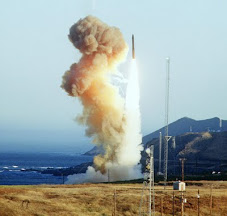
![[Global Network] against the first launch of Quasi-Zenith Satellite, Japan, on Sept. 11, 2010](https://blogger.googleusercontent.com/img/b/R29vZ2xl/AVvXsEj2sYpfodDDMIA7qXwuda0DmKapxXFB479fDnn8RKy7QNZqz0VEvWucNd-DleZ37hWNXC-Z8QtaqtM37VuPwac5SgclJ9_khBBSWOedvm19MRXIP1j1kcWrK6EW5IFjQdEEY2h7E6xuyNvC/s227/Qzss-45-0_09.jpg)
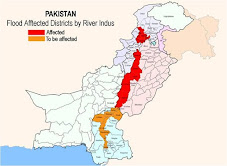
![[In update] Some collections on the Koreans’ protests against the sanction & war on Iran](http://4.bp.blogspot.com/_gnM5QlRx-4c/TJMvke6t8zI/AAAAAAAAFO4/tamQ8LUnOOA/S227/No+Sanction+on+Iran.jpg)
![[Three International Petitions] to End the Korean war and peace treaty(or peace resolution)](https://blogger.googleusercontent.com/img/b/R29vZ2xl/AVvXsEhlohLVYtpCg7iMsZhNYY4hBbhTi2dIheHMHWLDph9X2y78cjgZV1LeSfUJeu80elhJm70Q9E059q72lK-spSPvsRG4bPuCDIytltJB9IH3mWt9OG98HqhnTsPakwhvNeoCFUgF1xoxQ2EZ/s227/border.jpg)


![[Collection of Documents] No Base Learning and Solidarity Program_Korea(June 14 to 20, 2010)](https://blogger.googleusercontent.com/img/b/R29vZ2xl/AVvXsEix_HzjToh3nNGHBc-_5gasq-ykcaZ6GInLixILmZVyRJ5xoeHCxWOyYd9fSM7bmnuFsjSrYOGEPnQOwB1Dcyo-sN4Pw0cFPhUtKig_qlVnGL1Wi82ClvPqbEPWYhJiqdNF0DyzLIBETMB9/s227/No-Base-banner.jpg)
![Site Fwd:[John Hines] A U.S. Debate coach’s research trip on the Issues of Korea](https://blogger.googleusercontent.com/img/b/R29vZ2xl/AVvXsEg8yRra0zNhKHN74Auqhd3Nx9tZ7BWCGflRJHGH4CfzBT_yjhZ8Nl9b3OZuLpYWJ2exsjmR0oVl-Qq_cf832p2VdmOZhUi-lCFzCNeDSyVtweX1lWZPC-RlHmDMLtilHwHjNFTenBiM4Fk4/s227/Jeju-Peace-Tour.jpg)


![[News Update] Struggle Against the Jeju Naval Base since Jan. 18, 2010](https://blogger.googleusercontent.com/img/b/R29vZ2xl/AVvXsEhKfSTRC5QKBBSFIq_m7QIqXdlbL4-gF5GJYn9Q-pN__k7sV7uxGDcLY5L8xmU7QuWuUhBT_GhG-URBPO80RT3AfWfDrWJr06h1hFuZC6ZBVKe4U6PS1Cd7Kr6olO8TYQtk13Drox7IS6ea/s226/scrum1.jpg)


![[Urgent] Please spread the Letter!: There was no Explosion! There was no Torpedo! (May 26, 2010)](https://blogger.googleusercontent.com/img/b/R29vZ2xl/AVvXsEhSd2yWZ3xGwnJQXB73z5FgXCqSosAoB9_33-GLYprOmLqjmvgSAQp1BYI7e4slK1FDxHRi9KK4um-OpDaj8QOkXwAScVAgvvq6-ehbDA-hbkr96wT9oHNNmWnBPv8GU4hoZp9X8F9AZBX4/s227/grounded.jpg)
![Text Fwd: [Stephen Gowans]The sinking of the Cheonan: Another Gulf of Tonkin incident](https://blogger.googleusercontent.com/img/b/R29vZ2xl/AVvXsEi_L6hB3RZ1MovTXHe0A8yn_RfgMALGR0kM6poBuGp809xwvHtB_-PGWtS_WpyPWatyd9lB2pPqL2gOLc4dTCEdJ9sMvxJWEdapl-mMLm7WHAsV-jVpgqarVh8XBtdz_0c-Vohdh3HtJahD/s227/lee-myung-bak.jpg)
![[Japan Focus]Politics in Command: The "International" Investigation into the Sinking of the Cheonan](https://blogger.googleusercontent.com/img/b/R29vZ2xl/AVvXsEiHmTo8v-uCJnabRhMdnBAkC9J3s5bb2JsDKiT5leJHwbK8IDJHxfJmqQ_C0Is_bPC6UGMf05CA0exF2y4r2x9RhFUHT0kjsKviaME_MZXKnq775UyYAdb7w2SAzE75XvBfHp1al2q6i3cf/s227/wen_jiabao_and_lee_myungbak.png)
![[Japan Focus] Who Sank the SK Warship Cheonan? A New Stage in the US-Korean War and US-China](https://blogger.googleusercontent.com/img/b/R29vZ2xl/AVvXsEiKSS5ULT5QBaMGYpXXqBMX9jtwLwMLuK469b6Ku72GTJYKUObzTANaPjZqvvpPzYMJgPF53sjhvhK3DVa88ipYlggsJageykXlkxY6s8TW05xcU-_vfhf-pACUoaWuFbT-fsU1qEhm_yIi/s227/buoy_map.gif)
![[Updated on 12/13/10] [Translation Project] Overseas Proofs on the Damages by the Military Bases](https://blogger.googleusercontent.com/img/b/R29vZ2xl/AVvXsEikADE6JovUNspQyZUWVMTLAQg7yQNqXpVUbqZPk8f4uc_1723_xm1Cco6WAmstQXVPnaJAcb1mZA8Ny_3xONT_f5uh8MNLPnUhtqdGgy3HCtC1Vbbz4Q0ZY1Cssu-4cJEVNdrvznbS5UzO/s227/missile.jpg)
![[International Petition] Close the Bases in Okinawa](https://blogger.googleusercontent.com/img/b/R29vZ2xl/AVvXsEhNpQiHklwFbWVlFK7GDFXnBSOOSFEj3Il-We-N3uTDldKiidL2NGZs7X_LtTnatzTo_r8CexRkFe8NhfxYqmgp1knEEslROTfNjI5_mSb57cdbhPkftvanveYBaevAD9xuKDGoIxiTwoSb/s227/2.jpg)

![[In Update]Blog Collection: No Korean Troops in Afghanistan](https://blogger.googleusercontent.com/img/b/R29vZ2xl/AVvXsEjjEmCRXSNAG7_QBxKWbdksmxoWR4nyAovQTTdR1G2AuXh0jxtqNkI9OmYgYWRoLAJShvtBvE840QXuBWSVh3u3zMYqkNAFX6OWy3m5Nur4HM7uNK-pKT1ycyApJp-VLyhIFRRcoisYAh0E/s226/No-Troops-to--Afghanistan.jpg)


