* Text Fwd from Bruce Gagnon on March 30, 2011
New York Times
http://www.nytimes.com/2011/03/30/business/30military.html?scp=1&sq=pentagon%20spending%20%2470%20billion%20waste&st=cse
Audit of Pentagon Spending Finds $70 Billion in WasteBy CHRISTOPHER DREW
March 29, 2011
Despite improvements, more than half of the Pentagon’s big weapons systems still cost more than they should, with management failures adding at least $70 billion to the projected costs over the last two years, government auditors said Tuesday.
The Government Accountability Office, a Congressional watchdog, said the biggest program, the F-35 Joint Strike Fighter, accounted for $28 billion of that increase. Other systems also had significant cost overruns, the agency said, adding that the increases could force the Pentagon to cut the number of ships and planes it buys.
The auditors said many of the problems occurred because the Pentagon began building the systems before the designs were fully tested.
The findings were significant because Congress and the Obama administration have promised to change many of the practices that have long allowed weapons costs to spiral out of control.
President Obama signed a law in 2009 to improve contracting. The accountability office said that Pentagon officials had done a better job in starting new programs. But the agency also found that most of the new programs were not “fully adhering” to the best procedures, leaving them “at a higher risk for cost growth and schedule delays.”
Pentagon officials questioned some of the calculations. But Nancy L. Spruill, a Pentagon acquisition official, added in a letter to the auditors that the military was determined to “address cost growth where it is real and unacceptable.”
The defense secretary, Robert M. Gates, has acknowledged that the Pentagon lacked discipline as its budget more than doubled after the 9/11 terrorist attacks. But with military budgets tightening, Mr. Gates has canceled several expensive systems and sought simpler alternatives.
All told, the accountability office said, the projected cost of the Pentagon’s largest programs has risen by $135 billion, or 9 percent, to $1.68 trillion since 2008.
It estimated that about $65 billion of that increase resulted from decisions to buy more of some systems, like mine-resistant vehicles and Navy destroyers, than had been planned.
But it said the other $70 billion of increases appeared “to be indicative of production problems and inefficiencies or flawed initial cost estimates.”
The auditors also found that a significant part of the total cost increase for nearly 100 programs came from just a few of the largest and oldest ones.
The F-35, which is supposed to become the main fighter for the Air Force, the Navy and the Marines, had by far the worst problems. The Pentagon has revamped the program, led by Lockheed Martin, twice over the last year. It has budgeted an additional $6 billion for development, as well as the projected $28 billion increase in production costs, for a program that is expected to cost well over $300 billion.
The report indicated that the Pentagon also had to spend $9 billion more on research and development to fix problems with satellites and other systems that had already entered production.
The auditors said the biggest problems occurred when the Pentagon changed the capabilities it sought or started production before critical technologies were ready.
Global Network Against Weapons & Nuclear Power in Space
PO Box 652
Brunswick, ME 04011
(207) 443-9502
globalnet@mindspring.com
www.space4peace.org
http://space4peace.blogspot.com/ (blog)
Showing posts with label Lockheed Martin. Show all posts
Showing posts with label Lockheed Martin. Show all posts
Thursday, March 31, 2011

Wednesday, March 30, 2011
Photos Fwd:[SPARK] No import of F-35
___________________________________
* Related blog 관련 블로그
http://nobasestorieskorea.blogspot.com/2011/03/text-fwd-translation-spark-discussion.html
SPARK, “Discussion on the TTX will be retrogressive to the non-nuclearization of the Korean peninsula”
____________________________________
* All the image source: Solidarity for Peace And Reunification of Korea, March 29, 2011 평화와 통일을 여는 사람들(클릭)
국방부는 성능 검증 안 된 전투기에 국민혈세를 쏟아 붓는 F-35 도입 계획 중단하라! 110차 국방부앞 평화군축집회
2011년 3월 29일 낮 12시, 국방부 민원실 앞 –
The Ministry of National Defense should stop its import plan of F-35, which is to pour the people’s bloody tax to the fighter planes that have not been proved of their functions!110th Peace Disarmament rally
In front of Ministry of National Defense
12pm, March 29, 2011


* Related blog 관련 블로그
http://nobasestorieskorea.blogspot.com/2011/03/text-fwd-translation-spark-discussion.html
SPARK, “Discussion on the TTX will be retrogressive to the non-nuclearization of the Korean peninsula”
____________________________________
* All the image source: Solidarity for Peace And Reunification of Korea, March 29, 2011 평화와 통일을 여는 사람들(클릭)
국방부는 성능 검증 안 된 전투기에 국민혈세를 쏟아 붓는 F-35 도입 계획 중단하라! 110차 국방부앞 평화군축집회
2011년 3월 29일 낮 12시, 국방부 민원실 앞 –
The Ministry of National Defense should stop its import plan of F-35, which is to pour the people’s bloody tax to the fighter planes that have not been proved of their functions!110th Peace Disarmament rally
In front of Ministry of National Defense
12pm, March 29, 2011


Tuesday, March 22, 2011
Text Fwd: Conspiracy theory on Lotte whodunit
Korea Times
Conspiracy theory on Lotte whodunit
By Jung Sung-ki
A spy break-in of an Indonesian special envoy’s hotel room in Seoul last week made headlines here and abroad and cast doubts on a number of angles.
On the operational side, the state spy agency, the National Intelligence Service (NIS), was rightly scorned. Its maneuvers to obtain information on Indonesia’s plans, including the potential purchase of T-50 Golden Eagle supersonic trainer aircraft, jointly developed by Korea Aerospace Industries (KAI) and Lockheed Martin of the United States were amateurish.
As for the political side, suspicion erupted about a test of authority between the NIS and the Defense Security Command (DSC), the military’s top intelligence-gathering branch. The two agencies have competed hard to gain up-to-date information about arms sales, which President Lee Myung-bak has called a new growth engine.
Some political insiders and intelligence officials depicted the spy scandal as the results of a simmering power game in the NIS between those supporting NIS chief Won Se-hoon and a group allegedly under the command of President Lee’s elder brother, Lee Sang-deuk.
The media was the subject of debate for making public the details of the botched intelligence operation at the risk of a diplomatic feud.
In all events, the finger was pointed at the NIS in the end for “harming national interest” on T-50 export negotiations that may have been close to a final agreement.
Citing unidentified government sources, many local newspapers claimed the bungled espionage attempt would likely deal a fatal blow to Seoul’s first chance of selling the luxury trainer jet.
It seems they took it for granted that Jakarta was in favor of the $25 billion Korean aircraft over Russia’s subsonic Yak-130 in its advanced trainer aircraft contest to buy 16 planes.
At this point, I can’t help raising my own doubt: Did Indonesia came close to buying the T-50?
From a nationalistic point of view, I hope that they did. But from a journalistic perspective, I can say that’s not the case now.
I’m not against the T-50, but no decision has been made by Indonesia regarding the aircraft, and the prospects for its export remain bleak due mainly to the jet’s high price tag, according to high-ranking officials at the Defense Acquisition Program Administration (DAPA), the NIS and the DSC.
After returning from Indonesia in December, former DAPA Commissioner Chang Soo-man, who stepped down last week over a bribery scandal, admitted that the T-50 sale to Indonesia had virtually failed because Jakarta was negative about the Golden Eagle’s high price tag and was being lobbied intensively by the Kremlin. Chang was a key member of President Lee Myung-bak’s delegation at the time.
“When President Lee and (Susilo Bambang) Yudhoyono held a summit, I sat just beside them and listened carefully to their conversation, hoping that the Indonesian leader would mention something about the T-50. But I couldn’t hear any mention of the ‘T’ word, and President Lee was also very disappointed,” Chang recalled in a meeting with reporters.
Following the trip Lee ordered efforts to speed up the privatization of the KAI, as his patience was wearing thin over exporting the T-50. The Korea Finance Corp. subsequently announced plans to sell its 30.1 percent stake in KAI by the year’s end.
On top of that, the head of state is said to have directed an audit of the KAI to look into alleged management failures in exporting the T-50.
A DAPA official in charge of weapons exports also voiced concerns on the outlook for T-50 sales.
“We’ve not engaged in specific negotiations with Indonesians over the T-50, and Indonesia hasn’t given any positive signal for the aircraft purchase,” said the official. “There were a few discussions about the T-50 when the Indonesian delegation visited Seoul last week. I don’t know why such groundless reports have been published, and I’m worried that such hasty action could provoke a backlash in negotiations.”
The T-50 is South Korea’s flagship weapons system and its export will serve as a springboard for the country to quadruple overseas arms sales to $4 billion by 2020 and become a top seven weapons exporter.
Against that backdrop, Cheong Wa Dae could be pressed to make the first sale of the T-50 and show off the CEO-turned-President’s business skills, following the back-to-back defeats in attempts to sell the Golden Eagle to the United Arab Emirates and Singapore.
One more conspiracy theory occurs to me. Are Lee’s office and KAI smiling behind the scenes because they’ve shifted the blame for an anticipated failure in sales of the T-50 to Indonesia to the NIS? More conspiracy theories may be conjured up before this spy saga ends.
gallantjung@koreatimes.co.kr
Conspiracy theory on Lotte whodunit
By Jung Sung-ki
A spy break-in of an Indonesian special envoy’s hotel room in Seoul last week made headlines here and abroad and cast doubts on a number of angles.
On the operational side, the state spy agency, the National Intelligence Service (NIS), was rightly scorned. Its maneuvers to obtain information on Indonesia’s plans, including the potential purchase of T-50 Golden Eagle supersonic trainer aircraft, jointly developed by Korea Aerospace Industries (KAI) and Lockheed Martin of the United States were amateurish.
As for the political side, suspicion erupted about a test of authority between the NIS and the Defense Security Command (DSC), the military’s top intelligence-gathering branch. The two agencies have competed hard to gain up-to-date information about arms sales, which President Lee Myung-bak has called a new growth engine.
Some political insiders and intelligence officials depicted the spy scandal as the results of a simmering power game in the NIS between those supporting NIS chief Won Se-hoon and a group allegedly under the command of President Lee’s elder brother, Lee Sang-deuk.
The media was the subject of debate for making public the details of the botched intelligence operation at the risk of a diplomatic feud.
In all events, the finger was pointed at the NIS in the end for “harming national interest” on T-50 export negotiations that may have been close to a final agreement.
Citing unidentified government sources, many local newspapers claimed the bungled espionage attempt would likely deal a fatal blow to Seoul’s first chance of selling the luxury trainer jet.
It seems they took it for granted that Jakarta was in favor of the $25 billion Korean aircraft over Russia’s subsonic Yak-130 in its advanced trainer aircraft contest to buy 16 planes.
At this point, I can’t help raising my own doubt: Did Indonesia came close to buying the T-50?
From a nationalistic point of view, I hope that they did. But from a journalistic perspective, I can say that’s not the case now.
I’m not against the T-50, but no decision has been made by Indonesia regarding the aircraft, and the prospects for its export remain bleak due mainly to the jet’s high price tag, according to high-ranking officials at the Defense Acquisition Program Administration (DAPA), the NIS and the DSC.
After returning from Indonesia in December, former DAPA Commissioner Chang Soo-man, who stepped down last week over a bribery scandal, admitted that the T-50 sale to Indonesia had virtually failed because Jakarta was negative about the Golden Eagle’s high price tag and was being lobbied intensively by the Kremlin. Chang was a key member of President Lee Myung-bak’s delegation at the time.
“When President Lee and (Susilo Bambang) Yudhoyono held a summit, I sat just beside them and listened carefully to their conversation, hoping that the Indonesian leader would mention something about the T-50. But I couldn’t hear any mention of the ‘T’ word, and President Lee was also very disappointed,” Chang recalled in a meeting with reporters.
Following the trip Lee ordered efforts to speed up the privatization of the KAI, as his patience was wearing thin over exporting the T-50. The Korea Finance Corp. subsequently announced plans to sell its 30.1 percent stake in KAI by the year’s end.
On top of that, the head of state is said to have directed an audit of the KAI to look into alleged management failures in exporting the T-50.
A DAPA official in charge of weapons exports also voiced concerns on the outlook for T-50 sales.
“We’ve not engaged in specific negotiations with Indonesians over the T-50, and Indonesia hasn’t given any positive signal for the aircraft purchase,” said the official. “There were a few discussions about the T-50 when the Indonesian delegation visited Seoul last week. I don’t know why such groundless reports have been published, and I’m worried that such hasty action could provoke a backlash in negotiations.”
The T-50 is South Korea’s flagship weapons system and its export will serve as a springboard for the country to quadruple overseas arms sales to $4 billion by 2020 and become a top seven weapons exporter.
Against that backdrop, Cheong Wa Dae could be pressed to make the first sale of the T-50 and show off the CEO-turned-President’s business skills, following the back-to-back defeats in attempts to sell the Golden Eagle to the United Arab Emirates and Singapore.
One more conspiracy theory occurs to me. Are Lee’s office and KAI smiling behind the scenes because they’ve shifted the blame for an anticipated failure in sales of the T-50 to Indonesia to the NIS? More conspiracy theories may be conjured up before this spy saga ends.
gallantjung@koreatimes.co.kr
Friday, March 11, 2011
Text Fwd: Prison Labor Help Build Patriot Missiles for Raytheon

* Text Fwd from Bruce Gagnon on March 10, 2011
Wired
Prisoners Help Build Patriot Missiles
By Noah Shachtman
This spring, the United Arab Emirates is expected to close a deal for $7 billion dollars’ worth of American arms. Nearly half of the cash will be spent on Patriot missiles, which cost as much as $5.9 million apiece.
Prisoners Help Build Patriot Missiles
By Noah Shachtman
This spring, the United Arab Emirates is expected to close a deal for $7 billion dollars’ worth of American arms. Nearly half of the cash will be spent on Patriot missiles, which cost as much as $5.9 million apiece.
But what makes those eye-popping sums even more shocking is that some of the workers manufacturing parts for those Patriot missiles are prisoners, earning as little as 23 cents an hour. (Credit Justin Rohrlich with the catch.)
The work is done by Unicor, previously known as Federal Prison Industries. It’s a government-owned corporation, established during the Depression, that employs about 20,000 inmates in 70 prisons to make everything from clothing to office furniture to solar panels to military electronics.
One of the company’s high-tech specialties: Patriot missile parts. “UNICOR/FPI supplies numerous electronic components and services for guided missiles, including the Patriot Advanced Capability (PAC-3) missile,” Unicor’s website explains. “We assemble and distribute the Intermediate Frequency Processor (IFP) for the PAC-3s seeker. The IFP receives and filters radio-frequency signals that guide the missile toward its target.”
The missiles are then marketed worldwide — sometimes by Washington’s top officials. Last year, Secretary of Defense Robert Gates pitched the Patriots to the Turkish government last year, a diplomatic cable released by WikiLeaks reveals: “SecDef stressed that ‘nothing can compete with the PAC-3 when it comes to capabilities.’”
Patriot assemblers Raytheon and Lockheed Martin aren’t the only defense contractors relying on prison help. As Rohrlich notes, Unicor “inmates also make cable assemblies for the McDonnell Douglas/Boeing F-15, the General Dynamics/Lockheed Martin F-16, Bell/Textron’s Cobra helicopter, as well as electro-optical equipment for the BAE Systems Bradley Fighting Vehicle’s laser rangefinder.”
Unicor used to make helmets for the military, as well. But that work was suspended when 44,000 helmets were recalled for shoddy quality.
Government agencies — with the exception of the Defense Department and the CIA — are required to buy goods from Unicor, according to a Congressional Research Service report (.pdf). And no wonder: the labor costs are bordering on zero. “Inmates earn from $0.23 per hour up to a maximum of $1.15 per hour, depending on their proficiency and educational level, among other things,” the report notes.
Last year, Unicor grossed $772 million, according to its most recent financial report (.pdf). Traditionally, inmate salaries make up about five percent of that total.
Unicor insists that the deal is a good one for inmates — and for the government. The manufacturing work offers a chance for job training, which “improves the likelihood that inmates will remain crime-free upon their release,” the company says in its report. (Some reports suggest that Unicor prisoners are as much as 24% less likely to return to crime.)
The work also keeps the inmates in check, Unicor insists. “In the face of an escalating inmate population and an increasing percentage of inmates with histories of violence, FPI’s programs have helped ease tension and avert volatile situations, thereby protecting lives and federal property,” the company says. “Prisons without meaningful activities for inmates are dangerous prisons, and dangerous prisons are expensive prisons.”
Global Network Against Weapons & Nuclear Power in Space
PO Box 652
Brunswick, ME 04011
(207) 443-9502
globalnet@mindspring.com
http://www.space4peace.org/
http://space4peace.blogspot.com/ (blog)
Tuesday, March 1, 2011
Video Fwd: SPACE FENCE
Organizing Notes
Monday, February 28, 2011
SPACE FENCE
This is a Lockheed Martin Corporation promotional video for their "Space Fence" project that is being sold as a system to protect against space junk accidents.
But what they don't talk about is how this system can be used to identify and target other countries space satellites in times of conflict.
Monday, February 28, 2011
SPACE FENCE
This is a Lockheed Martin Corporation promotional video for their "Space Fence" project that is being sold as a system to protect against space junk accidents.
But what they don't talk about is how this system can be used to identify and target other countries space satellites in times of conflict.
Saturday, February 26, 2011
Text Fwd: White House Pushing F-35 Joint Strike Fighter Sales Worldwide
Stop NATO
White House Pushing F-35 Joint Strike Fighter Sales Worldwide
GlobalPost
Obama’s F-35 sales push :
Why is Obama peddling Lockheed Martin’s stealth F-35 fighter around the world?
Barry Neild
February 24, 2011
With prices starting at $110 million per jet, the F-35 Lightning II fighter isn’t really the sort of thing for sale on Craigslist. But the way the Obama administration has been peddling this sophisticated aerial combat tool around the world, perhaps it wouldn’t be a surprise if it were.
While countries including Australia, Canada, Turkey, the United Kingdom and the Netherlands have all placed orders amounting to hundreds of F-35s, the president and his team of executive salesmen have been pitching hard elsewhere.
Late last year, U.S. Secretary of Defense Robert Gates was in Japan singing the praises of the stealth fighter that has cost his government billions to develop. And in Israel, ministers have reportedly been debating F-35 deals offered by Barack Obama as sweeteners in the Middle East peace process.
To some, it might seem odd that the commander-in-chief is willing to hand over keys to aircraft packed to the hilt with the latest U.S. military technology — particularly radar-evading stealth, which no other country yet has — even if the paying customers are allies.
At a time of global instability, particularly in the Middle East, some observers say this hard sell is risky. In the 1970s, the United States sold F-14 fighters to a friendly, seemingly-stable Iran. These later fell into hostile hands after a regime change.
So what’s behind this sales drive? Has F-35 builder Lockheed Martin proved so successful at lobbying the Obama administration that the presidential team is now effectively selling its products door-to-door? Is it about votes? Is it money? Analysts say the truth – like the aircraft – is far more complex.
The F-35’s back story is scattered with controversy. Still not yet in service, the next-generation aircraft has been beset by missed deadlines, and by budgets that have helped make its decade-long development the most expensive weapons program ever undertaken in the United States.
Lockheed says the F-35 will be worth the wait. When it does finally make it off the runway, many experts agree it should be an impressive machine, crammed with gadgetry. Some models will even be capable of performing vertical take offs and landings.
Still five years from completion, the aircraft has already faced hostilities. It has been criticized for performing poorly in simulations, and for including features beyond what’s needed on the battlefield. It has been deemed such a drain on resources that Gates now wants to cut America’s F-35 order to reduce the Pentagon’s budget.
This reluctance to buy a product at home might seem at odds with the U.S. government’s eagerness to promote it abroad, were it not for the fact that the F-35 has been specifically designed with foreign sales in mind.
Since its inception, the F-35 has been known as the “Joint Strike Fighter” in reference to the involvement of allies including Britain, the Netherlands, Canada, Denmark, Norway and Turkey. All have contributed in varying degrees to the jet’s funding and development.
Strategically, that’s an advantage to the U.S., both in getting other nations to help foot the defense bill, and arming friends with familiar “interoperable” technology, says Craig Caffrey, a military aviation analyst with Jane’s Information Group.
“The vast majority of military operations that America undertakes nowadays are coalition operations,” he said. “If you can have a platform in service with your main allied nations — the U.K. in particular is a good example — it makes sense.”
Gates’ recent mission to Japan was also, said Caffrey, an attempt to capitalize on recent high-profile test flight of the J-20, China’s first foray into stealth fighters. “There's obviously a sales pitch here. They're saying if you're worried about that Chinese fifth generation aircraft, we can supply you with one of your own.”
According to reports from the WikiLeaks cache of U.S. State Department documents, American diplomats put pressure on Norway to choose the F-35 instead of rival machines from Swedish SAAB’s JAS Grippen or Eurofighter (another multinational military aircraft project).
Some arms watchers have suggested that the U.S. is playing one country off of another in order to boost its arms trade. Though clearly arranged with a possible threat from Iran in mind, sales of F-35s to Israel could be seen as a way to encourage potential rivals such as Saudi Arabia to spend money upgrading and expanding their fleets of F-15 fighters, made in the United States by Boeing.
To what extent are Obama administration officials acting at the behest of manufacturers such as Lockheed Martin — or perhaps seeking to win key votes from districts involved in the defence industry?
Lockheed spends good money on promoting its interests. In 2010 its lobbying bill exceeded $12.7 million, according to the non-partisan watchdog OpenSecrets.org. Much of this lobbying appears to be aimed at staving off military budget cuts rather than promoting aircraft sales.
But while aggressive sales pitches overseas may suggest otherwise, the Obama administration doesn’t seem to be bowing to the company’s every demand. For example, despite requests from Lockheed Martin, the government has refused to allow overseas sales of another of its stealth fighters, the F-22, which is said to be too technologically sensitive for foreign customers.
Moreover, Obama has urged Congress to scrap funding to build an alternative F-35 engine, a project that currently employs 1,000 people in the swing state of Ohio. (The House of Representatives in early February voted with the president on this.)
It would seem, therefore, that he’s not viewing the aircraft program as a vote winner. Instead, said Caffrey, any promotion of Lockheed’s interests is likely to result from simple economics.
“One key reason why you get heads of states involved in selling this kind of equipment abroad is because they are major industrial deals; they are worth large sums of money, and keep large numbers of people employed in high tech jobs," he said. He pointed out that similar overseas missions have been carried out by British Prime Minister David Cameron and French President Nicolas Sarkozy.
“It’s big business, and it’s long term business. You don't sell an aircraft and that's the end of the company's involvement — it goes on for at least 30 years.”
Jeff Abramson, deputy director of the Arms Control Association, argues that attempts to sell the F-35 overseas are part of the Obama administration’s efforts to double U.S. arms exports and thus aid economic recovery.
But even if F-35s are merely being deployed against economic uncertainty rather than into aerial combat, Abramson warned of other consequences.
“In general, it is unwise to think of arms sales as just any other commercial transaction,” he said, suggesting that the F-35s could be vulnerable to misuse or even contribute to regional arms races and instability.
“Any transfer agreement must consider whether the proposed weapons are appropriate for their intended use, and whether they might contribute to regional arms races or instability. It’s not clear that all the discussions around F-35s have adequately taken these considerations in mind.”
White House Pushing F-35 Joint Strike Fighter Sales Worldwide
GlobalPost
Obama’s F-35 sales push :
Why is Obama peddling Lockheed Martin’s stealth F-35 fighter around the world?
Barry Neild
February 24, 2011
With prices starting at $110 million per jet, the F-35 Lightning II fighter isn’t really the sort of thing for sale on Craigslist. But the way the Obama administration has been peddling this sophisticated aerial combat tool around the world, perhaps it wouldn’t be a surprise if it were.
While countries including Australia, Canada, Turkey, the United Kingdom and the Netherlands have all placed orders amounting to hundreds of F-35s, the president and his team of executive salesmen have been pitching hard elsewhere.
Late last year, U.S. Secretary of Defense Robert Gates was in Japan singing the praises of the stealth fighter that has cost his government billions to develop. And in Israel, ministers have reportedly been debating F-35 deals offered by Barack Obama as sweeteners in the Middle East peace process.
To some, it might seem odd that the commander-in-chief is willing to hand over keys to aircraft packed to the hilt with the latest U.S. military technology — particularly radar-evading stealth, which no other country yet has — even if the paying customers are allies.
At a time of global instability, particularly in the Middle East, some observers say this hard sell is risky. In the 1970s, the United States sold F-14 fighters to a friendly, seemingly-stable Iran. These later fell into hostile hands after a regime change.
So what’s behind this sales drive? Has F-35 builder Lockheed Martin proved so successful at lobbying the Obama administration that the presidential team is now effectively selling its products door-to-door? Is it about votes? Is it money? Analysts say the truth – like the aircraft – is far more complex.
The F-35’s back story is scattered with controversy. Still not yet in service, the next-generation aircraft has been beset by missed deadlines, and by budgets that have helped make its decade-long development the most expensive weapons program ever undertaken in the United States.
Lockheed says the F-35 will be worth the wait. When it does finally make it off the runway, many experts agree it should be an impressive machine, crammed with gadgetry. Some models will even be capable of performing vertical take offs and landings.
Still five years from completion, the aircraft has already faced hostilities. It has been criticized for performing poorly in simulations, and for including features beyond what’s needed on the battlefield. It has been deemed such a drain on resources that Gates now wants to cut America’s F-35 order to reduce the Pentagon’s budget.
This reluctance to buy a product at home might seem at odds with the U.S. government’s eagerness to promote it abroad, were it not for the fact that the F-35 has been specifically designed with foreign sales in mind.
Since its inception, the F-35 has been known as the “Joint Strike Fighter” in reference to the involvement of allies including Britain, the Netherlands, Canada, Denmark, Norway and Turkey. All have contributed in varying degrees to the jet’s funding and development.
Strategically, that’s an advantage to the U.S., both in getting other nations to help foot the defense bill, and arming friends with familiar “interoperable” technology, says Craig Caffrey, a military aviation analyst with Jane’s Information Group.
“The vast majority of military operations that America undertakes nowadays are coalition operations,” he said. “If you can have a platform in service with your main allied nations — the U.K. in particular is a good example — it makes sense.”
Gates’ recent mission to Japan was also, said Caffrey, an attempt to capitalize on recent high-profile test flight of the J-20, China’s first foray into stealth fighters. “There's obviously a sales pitch here. They're saying if you're worried about that Chinese fifth generation aircraft, we can supply you with one of your own.”
According to reports from the WikiLeaks cache of U.S. State Department documents, American diplomats put pressure on Norway to choose the F-35 instead of rival machines from Swedish SAAB’s JAS Grippen or Eurofighter (another multinational military aircraft project).
Some arms watchers have suggested that the U.S. is playing one country off of another in order to boost its arms trade. Though clearly arranged with a possible threat from Iran in mind, sales of F-35s to Israel could be seen as a way to encourage potential rivals such as Saudi Arabia to spend money upgrading and expanding their fleets of F-15 fighters, made in the United States by Boeing.
To what extent are Obama administration officials acting at the behest of manufacturers such as Lockheed Martin — or perhaps seeking to win key votes from districts involved in the defence industry?
Lockheed spends good money on promoting its interests. In 2010 its lobbying bill exceeded $12.7 million, according to the non-partisan watchdog OpenSecrets.org. Much of this lobbying appears to be aimed at staving off military budget cuts rather than promoting aircraft sales.
But while aggressive sales pitches overseas may suggest otherwise, the Obama administration doesn’t seem to be bowing to the company’s every demand. For example, despite requests from Lockheed Martin, the government has refused to allow overseas sales of another of its stealth fighters, the F-22, which is said to be too technologically sensitive for foreign customers.
Moreover, Obama has urged Congress to scrap funding to build an alternative F-35 engine, a project that currently employs 1,000 people in the swing state of Ohio. (The House of Representatives in early February voted with the president on this.)
It would seem, therefore, that he’s not viewing the aircraft program as a vote winner. Instead, said Caffrey, any promotion of Lockheed’s interests is likely to result from simple economics.
“One key reason why you get heads of states involved in selling this kind of equipment abroad is because they are major industrial deals; they are worth large sums of money, and keep large numbers of people employed in high tech jobs," he said. He pointed out that similar overseas missions have been carried out by British Prime Minister David Cameron and French President Nicolas Sarkozy.
“It’s big business, and it’s long term business. You don't sell an aircraft and that's the end of the company's involvement — it goes on for at least 30 years.”
Jeff Abramson, deputy director of the Arms Control Association, argues that attempts to sell the F-35 overseas are part of the Obama administration’s efforts to double U.S. arms exports and thus aid economic recovery.
But even if F-35s are merely being deployed against economic uncertainty rather than into aerial combat, Abramson warned of other consequences.
“In general, it is unwise to think of arms sales as just any other commercial transaction,” he said, suggesting that the F-35s could be vulnerable to misuse or even contribute to regional arms races and instability.
“Any transfer agreement must consider whether the proposed weapons are appropriate for their intended use, and whether they might contribute to regional arms races or instability. It’s not clear that all the discussions around F-35s have adequately taken these considerations in mind.”
Friday, February 4, 2011
Text Fwd: [ Hankyoreh Editorial] Egypt’s revolution
Hankyoreh
[Editorial] Egypt’s revolution
Posted on : Feb.1,2011 14:11 KST
EXCERPT
More attention is focusing on Washington’s role in the situation that has arrived at this point. The United States sends about $1.3 billion dollars a year in military aid to Egypt, and major corporations in the military-industrial complex such as Lockheed Martin have concessions there. Washington is in a position to wield considerable influence on the military government in Cairo. It needs to send a signal so that the Egyptian government does not go against the people’s hunger for democracy.
Of course, the idea of an Egypt without Mubarak may be troubling for the United States. He has, after all, been a key companion in Washington’s Middle East policy, which regards the security of Israel as paramount. But quashing Egyptians’ desire for democratization after decades of suppression is not desirable for Washington’s long-term interests or those of the international community. There is a grave danger that thwarting the democratization drive could empower fundamentalists who depend on terror tactics, and lead to greater instability in the region and throughout the world. We hope that the United States does not repeat in Egypt the foolishness of supporting the military government that quashed the Gwangju Democratization Movement in the 1980s, which had the effect of delaying South Korea’s democratization and generating anti-U.S. sentiment.
READ THE FULL ARTICLE
[Editorial] Egypt’s revolution
Posted on : Feb.1,2011 14:11 KST
EXCERPT
More attention is focusing on Washington’s role in the situation that has arrived at this point. The United States sends about $1.3 billion dollars a year in military aid to Egypt, and major corporations in the military-industrial complex such as Lockheed Martin have concessions there. Washington is in a position to wield considerable influence on the military government in Cairo. It needs to send a signal so that the Egyptian government does not go against the people’s hunger for democracy.
Of course, the idea of an Egypt without Mubarak may be troubling for the United States. He has, after all, been a key companion in Washington’s Middle East policy, which regards the security of Israel as paramount. But quashing Egyptians’ desire for democratization after decades of suppression is not desirable for Washington’s long-term interests or those of the international community. There is a grave danger that thwarting the democratization drive could empower fundamentalists who depend on terror tactics, and lead to greater instability in the region and throughout the world. We hope that the United States does not repeat in Egypt the foolishness of supporting the military government that quashed the Gwangju Democratization Movement in the 1980s, which had the effect of delaying South Korea’s democratization and generating anti-U.S. sentiment.
READ THE FULL ARTICLE
Monday, January 31, 2011
Text Fwd: S. Korea seeks to deploy stealth fighters in 2015
Korea Times
01-30-2011 16:10
S. Korea seeks to deploy stealth fighters in 2015
By Lee Tae-hoon
South Korea is seeking to purchase its first stealth fighter jets at an earlier date to replace aging Air Force fighters and to secure capabilities to counter North Korea's increasing provocations, government sources said Sunday.
Initially, the Air Force sought to launch the third and final phase of the F-X fighter acquisition program this year with the aim of obtaining fifth generation combat aircraft to be commissioned in 2016.
The sources said Seoul is now seeking to introduce and weaponize next generation stealth fighters ahead of schedule to enhance combat readiness to counter possible North Korean attacks.
"There is a growing consensus within the government that the third phase fighter acquisition program should be launched at the earliest date possible," a defense official said asking for anonymity.
"It usually takes about four years for the first shipment of aircraft after a contract is signed, which means the new fighter jets can start to be deployed as early as 2015."
He noted that there has been a growing call to speed up the fighter program since Pyongyang’s string of armed provocations last year near the maritime border in the West Sea.
The North’s March 26 torpedoing of the South’s warship Cheonan killed 46 of the sailors onboard and the shelling of Yeonpyeong Island killed four people, including two civilians, on Nov. 23.
Some, however, remain skeptical about the move, given that the National Assembly has already slashed the Ministry of National Defense’s request for some 15.7 billion won ($14 million) to launch the new jet procurement program this year, granting only 300 million won.
"There is only 300 million won to fund research this year,” another official said.
He noted that the government will need to allocate additional funds from its defense budget if it wants to accelerate the project.
South Korea has purchased 60 F-15K fighter jets from U.S. manufacturer Boeing under an earlier program.
Sources say Seoul is also considering purchasing fighter jets with partial stealth capabilities, such the semi-stealth version of Boeing's F-15 aircraft, the Silent Eagle (SE).
The new fighter jet program is expected to be worth some 10 trillion won with potential candidates for jets include the F-15SE, Lockheed Martin's F-35 and Eurofighter’s Typhoon.
한국, 스텔스 전투기도입 조기추진
한국이 노후 기종을 대체하고 점증하는 북한의 도발에 대처하기 위해 스텔스기 도입을 추진하고 있다고 정부소식통이 30일 전했다.
공군은 당초 2016년에 제5세대 전투기를 획득한다는 목표를 가지고 제3차 차세대 전투기 사업을 금년에 시작할 방침이었다.
이 소식통은 한국은 북한의 공격에 대처하기 위한 전투태세 강화를 위해 차
세대 스텔스기 전투화 사업을 예정보다 앞당기는 것을 모색하고 있다고 말했
다.
“정부 내에서 3차 차세대 전투기 사업을 빨리 추진해야 한다는 공감대가 형성되고 있다"고 익명을 요구하는 국방부의 한 관계자가 말했다.
이 관계자는“전투기사업의 첫번째 선적은 계약 체결 후 통상 4년이 걸린다”며 “이는 새로운 전투기가 빠르면 2015년부터 배치될 수 있다는 것을 의미한다”고 설명했다.
________________________________
See also Yonhap News
S. Korea seeking early purchase of stealth jets: sources
2011/01/30 14:36 KST
01-30-2011 16:10
S. Korea seeks to deploy stealth fighters in 2015
By Lee Tae-hoon
South Korea is seeking to purchase its first stealth fighter jets at an earlier date to replace aging Air Force fighters and to secure capabilities to counter North Korea's increasing provocations, government sources said Sunday.
Initially, the Air Force sought to launch the third and final phase of the F-X fighter acquisition program this year with the aim of obtaining fifth generation combat aircraft to be commissioned in 2016.
The sources said Seoul is now seeking to introduce and weaponize next generation stealth fighters ahead of schedule to enhance combat readiness to counter possible North Korean attacks.
"There is a growing consensus within the government that the third phase fighter acquisition program should be launched at the earliest date possible," a defense official said asking for anonymity.
"It usually takes about four years for the first shipment of aircraft after a contract is signed, which means the new fighter jets can start to be deployed as early as 2015."
He noted that there has been a growing call to speed up the fighter program since Pyongyang’s string of armed provocations last year near the maritime border in the West Sea.
The North’s March 26 torpedoing of the South’s warship Cheonan killed 46 of the sailors onboard and the shelling of Yeonpyeong Island killed four people, including two civilians, on Nov. 23.
Some, however, remain skeptical about the move, given that the National Assembly has already slashed the Ministry of National Defense’s request for some 15.7 billion won ($14 million) to launch the new jet procurement program this year, granting only 300 million won.
"There is only 300 million won to fund research this year,” another official said.
He noted that the government will need to allocate additional funds from its defense budget if it wants to accelerate the project.
South Korea has purchased 60 F-15K fighter jets from U.S. manufacturer Boeing under an earlier program.
Sources say Seoul is also considering purchasing fighter jets with partial stealth capabilities, such the semi-stealth version of Boeing's F-15 aircraft, the Silent Eagle (SE).
The new fighter jet program is expected to be worth some 10 trillion won with potential candidates for jets include the F-15SE, Lockheed Martin's F-35 and Eurofighter’s Typhoon.
한국, 스텔스 전투기도입 조기추진
한국이 노후 기종을 대체하고 점증하는 북한의 도발에 대처하기 위해 스텔스기 도입을 추진하고 있다고 정부소식통이 30일 전했다.
공군은 당초 2016년에 제5세대 전투기를 획득한다는 목표를 가지고 제3차 차세대 전투기 사업을 금년에 시작할 방침이었다.
이 소식통은 한국은 북한의 공격에 대처하기 위한 전투태세 강화를 위해 차
세대 스텔스기 전투화 사업을 예정보다 앞당기는 것을 모색하고 있다고 말했
다.
“정부 내에서 3차 차세대 전투기 사업을 빨리 추진해야 한다는 공감대가 형성되고 있다"고 익명을 요구하는 국방부의 한 관계자가 말했다.
이 관계자는“전투기사업의 첫번째 선적은 계약 체결 후 통상 4년이 걸린다”며 “이는 새로운 전투기가 빠르면 2015년부터 배치될 수 있다는 것을 의미한다”고 설명했다.
________________________________
See also Yonhap News
S. Korea seeking early purchase of stealth jets: sources
2011/01/30 14:36 KST
Monday, January 10, 2011
Text Fwd: U.S. To Equip Third South Korean Warship With Interceptor Missiles
* Text informed by Rick Rozoff on Jan. 8, 2011
Global Security Newswire
January 7, 2011
South Korea Orders Third Aegis System
U.S. defense firm Lockheed Martin has received a new contract to outfit another South Korean warship with Aegis missile defense technology, the Philadelphia Business Journal reported yesterday (see GSN, Dec. 2, 2009).
The $40.6 million contract would pay for South Korea's third Aegis Weapon System. The destroyer is expected to be sea ready in February; it would be commissioned in summer 2012, followed by two years of testing.
"We fully expected this and have been working together with the U.S. Navy and the Republic of Korea to make this happen," Lockheed official Doug Wilhelm said.
Aegis-equipped warships can provide defenses against missile and aircraft attacks while enabling warships to simultaneously strike against land, surface water and submerged targets, according to Lockheed.
Aegis systems have been deployed on 95 vessels in the Australian, Japanese, Norwegian, Spanish, South Korean and U.S. navies, the Business Journal reported (Peter Key, Philadelphia Business Journal, Jan. 6).
Global Security Newswire
January 7, 2011
South Korea Orders Third Aegis System
U.S. defense firm Lockheed Martin has received a new contract to outfit another South Korean warship with Aegis missile defense technology, the Philadelphia Business Journal reported yesterday (see GSN, Dec. 2, 2009).
The $40.6 million contract would pay for South Korea's third Aegis Weapon System. The destroyer is expected to be sea ready in February; it would be commissioned in summer 2012, followed by two years of testing.
"We fully expected this and have been working together with the U.S. Navy and the Republic of Korea to make this happen," Lockheed official Doug Wilhelm said.
Aegis-equipped warships can provide defenses against missile and aircraft attacks while enabling warships to simultaneously strike against land, surface water and submerged targets, according to Lockheed.
Aegis systems have been deployed on 95 vessels in the Australian, Japanese, Norwegian, Spanish, South Korean and U.S. navies, the Business Journal reported (Peter Key, Philadelphia Business Journal, Jan. 6).
Thursday, November 4, 2010
Text Fwd: Spy plane development hits snag 백두 정찰기 사업 난항
 * Image & caption source: A plastic model of the Baekdu reconnaissance aircraft / Korea Times
Korea Times
Spy plane development hits snag
11-02-2010
Arms agency blamed for delaying procurement programs
By Jung Sung-ki
A plan to develop a new reconnaissance aircraft to gather North Korean signal intelligence (SIGINT) has hit a snag after one of the two contenders dropped its bid, a source said Tuesday.
The contender in question — Korea Aerospace Industries (KAI) — blamed the government for offering too small a budget and poor management of arms procurement programs, the source said.
As a result, the deployment of two Baekdu signal-intelligence (SIGINT) planes, which was originally planned for 2014, will be postponed, affecting the country’s pursuit of an independent intelligence, surveillance and reconnaissance capability to prepare for the 2015 transition of wartime operational command from the United States to Korea.
“KAI didn’t submit its proposal until the Oct. 29 deadline, while its competitor, Korean Air, presented its proposal to the Defense Acquisition Program Administration (DAPA),” the source told The Korea Times. DAPA was supposed to select the preferred bidder Nov. 5 after reviewing the proposals from the two aircraft companies.
According to the source, KAI believes the allocated budget of some 90 billion won ($80 million) is too small to develop an advanced SIGINT plane. The aircraft manufacturer also claims there are too many risks to meet the required operational capability of the high-tech plane.
“For example, the military has demanded that the new Baekdu aircraft be equipped with domestically-built SIGINT equipment,” said the source. “But local precision electronics makers — Samsung Thales and LIG Nex1 — have only developed SIGINT equipment for ships. They have to make the naval equipment suitable for aircraft.”
It’s rare to install a ship-based SIGINT device on a surveillance aircraft, he said.
The Air Force currently operates four Raytheon Hawker 800XP aircraft-based Baekdu SIGINT planes bought in 2000. Equipped with a remote control and signaling system, the Baekdu plane flies near the border with North Korea to gather signals intelligence.
Fitted with more advanced signal and communications equipment, the new Baekdu planes would be able to detect and gather signals from missile and nuclear sites in the North around the clock.
The fiasco of the Baekdu project is the latest in a series of delays in key arms procurement programs due to DAPA’s poor management.
DAPA has failed to conclude a deal on the purchase of up-to-date military transport planes due to a disagreement on the price of the product, according to industry sources.
The failure in the projected contract of the C-130J Super Hercules built by U.S. Lockheed Martin was largely due to a “miscalculation” of the program costs by the arms agency, they say.
“The agency was trying hard in recent months to revive the negotiations over the C-130J purchase, but there is a large gap between the DAPA-estimated costs and those presented by Lockheed Martin,” a foreign industry official said.
“DAPA focuses too much on low cost arms programs but often falls short of its goals of effectiveness and professionalism in arms acquisition,” the official said. “That’s good for South Korean interests in some sense, but you should keep in mind that the top priority for soldiers in the field is to get the right systems at the right time.”
He continued, “When a contract is delayed past the planned time frame or to next year, costs for spare parts, for example, are often readjusted, so price negotiations must begin from scratch.”
DAPA was also blamed for a legal dispute earlier this year over the Tactical Information Communication Network (TICN).
Samsung Thales, one of the main bidders for the 4 trillion won program, argued that the agency changed the standards of evaluation in an arbitrary manner in favor of its competitor LIG Nex1.
The company then filed for an injunction to prevent DAPA from proceeding with the program, and the court upheld the appeal.
Samsung Thales voluntarily withdrew its lawsuit last month to get the program going. But due to a year-long dispute, the development of TICN is to be postponed by a year to 2014.
TICN is a cutting-edge digital command-and-control and sensor-to-shooter battlefield system expected to replace the existing SPIDER communication systems run by the Army by 2020.
It is designed to advance into a high-speed, large-capacity, long-distance wireless relay transmission system. SPIDER can only transmit still images and voice data, but TICN allows for the integrated transmission of video, image and voice data at more than 10 times the current speed.
_______________________________________________
[단독] 백두 정찰기 사업 난항
- 잇따른 주요 무기사업 지연에 방위사업청 사업관리 능력 도마위에
정성기 기자
북한 미사일과 핵시설의 신호를 수집하는 정찰기 사업이 난항을 겪고 있는 것으로 확인됐다.
최근 잇따른 주요 무기체계 사업이 지연되거나 법률 소송에 휘말리는 등 방위사업청의 사업관리 능력에 대한 비판이 잇따르고 있다.
소식통에 의하면 신형 백두 정찰기 사업에 체계통합 업체로 참여할 예정이었던 한국항공우주산업(KAI)이 지난 10월 29일 마감 시한까지 입찰 제안서를 제출하지 않았다.
KAI측은 해당 사업의 예산이 너무 낮게 책정되어 있고 체계개발 방안이 국방과학연구소 주도에서 업체 주도로 갑자기 변경되는 등의 ‘리스크’를 이유로 든 것으로 알려진다.
결국 신형 백두 신호수집 정찰기를 2014년까지 2대 배치 하겠다는 계획에는 차질이 빚어질 것으로 보인다. 한국군은 2015년 전시작전권 전환에 맞춰 독자적인 정보수집, 감시, 정찰 능력을 강화하는데 힘쓰고 있으며 백두 정찰기 배치는 이러한 노력의 핵심 무기 사업이다.
소식통은 “KAI는 지난 29일 마감시한까지 입찰 제안서를 제출하지 않았고, 대한항공만 제출한 상태”라며 “원래는 11월 5일 우선협상 대상자를 선정할 계획이었으나 이에 차질이 빚어질 것으로 보인다”라고 말했다.
그는 “KAI측은 약 900억원 정도로 책정되어 있는 예산이 너무 적고 군이 요구하는 성능을 업체 주관으로 개발하는 데에는 리스크가 많다라는 이유로 입찰을 포기한 것으로 안다”라고 말했다.
소식통은 “예를 들어, 군에선 백두 정찰기에 국내개발된 SIGINT 장비 탑재를 원하고 있지만 현재 국내 개발업체인 삼성탈레스와 LIG Nex1은 함정용 SIGING장비만을 개발한 상태” 라며 “함정용 장비를 개조해 정찰 항공기에 탑재하는 것은 드문 일이기 때문에 성능에 대한 리스크가 분명히 있을 것”이라고 말했다.
신형 백두정찰기는 북한의 핵과 미사일 기지를 24시간 감시하며 신호를 탐지 및 수집하는 역할을 하게 된다.
백두 정찰기 사업과 같이 최근 주요무기 사업이 지연되는데에는 방사청의 사업 관리 부실에 책임이 있다는 지적이 일고 있다.
방사청은 올해 초 마무리를 짓기로 예정되어 있던 대형수송기 구매 사업도 가격 협상 실패로 난항을 겪고 있는 것으로 알려진다.
업계 관계자들은 애초부터 너무 낮은 가격으로 협상에 임하면서 C-130J 제조사인 록히드마틴사와 큰 입장 차를 보였다고 전한다.
한 외국 업계 관계자는 “방사청은 최근 C-130J 협상타결을 위해 최대한 노력했지만 양측의 가격차가 너무 커서 이견을 좁히는 데 어려움이 있는 것으로 안다”고 말했다.
그는 “방사청은 싼 가격으로 무기를 들여오는데 너무 집중하지만 결국 무기 도입의 효율성과 전문성에는 부족함을 드러내는 게 사실이다”라며 “싼 가격의 무기 도입은 국익에 일면 국익에 도움이 되긴 하겠지만, 야전에 배치된 병사들은 필요한 무기가 제때 들어오기를 바라는 점은 간과하고 있는 것”이라고 꼬집었다.
그는 또 “계약이 기한을 넘거나 한 해를 넘길 경우 부품 가격은 올라가거나 다시 재조정되야 하고 결국 가격 협상은 처음부터 다시 해야 하는 번거로움이 있다”라고 불만을 토로했다.
방사청의 사업관리 부실은 법률 소송으로 비화됐던 TICN 전술통신체계 사업에서 여실히 드러난다.
입찰업체였던 삼성탈레스는 방위사업청이 경쟁사인 LIG Nex1에게 유리하도록 평가 기준을 바꿨다는 점에 이의를 제기, 가처분 소송을 진행하기까지 이르렀다.
법원은 삼성탈레스의 입장에 손을 들어줬지만 지난달 업체 측이 자발적으로 소송을 취하하면서 논란은 일단락 됐다. 하지만 이와 같은 일년 간의 논쟁과 법률 소송으로 4조원 가량의 TICN개발과 전력화는 적어도 1년 가량 지연될 전망이다.
gallantjung@koreatimes.co.kr
Saturday, October 30, 2010
Text Fwd: Japan, Missile tests in collaboration with the United States 일본, 미국과 공동으로 하와이에서 미사일 방어 요격 실험, 10월 28일
 * Image source: Stars and Stripes, Oct. 29, 2010
'In this image provided by the U.S. Missile Defense Agency a Standard Missile – 3 is launched Thursday from the Japanese destroyer JS Kirishima in a joint missile defense intercept test with the Missile Defense Agency in the mid-Pacific. The U.S. and Japanese militaries said Thursday the JS Kirishima fired an interceptor missile that shot down a separating medium-range missile target about 100 miles above the Pacific Ocean.
U.S. Missile Defense Agency/The Associated Press'
 *Image source: DMZ Hawai'i 카우아이, 니하우, 카울라 섬
*See also
[국문 번역][Site Fwd: DMZ Hawai’i] Presentation given at the International Conference For a Nuclear Free, Peaceful, Just and Sustainable World [With Map]
비핵, 평화, 정의, 지속가능한 세계를 위한 국제회의 하와이 발표문[지도 함께]
____________________________________________________
Stop NATO
Global Security Newswire
October 28, 2010
Japan to Test Missile Interceptor
Japan is set today to test a missile defense system in collaboration with the
United States, Reuters reported (see GSN, Oct. 15).
The flight-intercept trial near Hawaii is intended to demonstrate Japan's readiness to properly field a Raytheon Standard Missile 3 Block 1A interceptor against a medium-range ballistic missile target, the U.S. Missile Defense Agency said.
The Japanese destroyer JS Kirishima has been outfitted with defense contractor Lockheed Martin's Aegis ballistic missile defense system. It is one of six Japanese battleships to be supplied with the technology....
The missile interceptor test is expected to confirm "the ability of the Japan Aegis BMD system to monitor and report ballistic missile track information and assess the ability of the Japan Aegis BMD system to plan a BMD mission in tactical situations," the Pentagon branch said.
....
Japan is working with Washington on preparing a bigger and more advanced
interceptor -- the SM-3 Block 2A -- which could be fielded in approximately
eight years (Jim Wolf, Reuters, Oct. 28).
______________________________________________________
Stop NATO
Hawaii: Pentagon Tests Sea-Based Missile Interception
Thu Oct 28, 2010
Hawaii News Now
October 28, 2010
Missile defense system testing to take place on Kauai
KAUAI: On Kauai, the Pacific Missile Range Facility plans to test its missile defense system Thursday.
The Navy will fire a rocket from land out to sea, and a Japanese war ship will try to intercept it.
The launch time is not revealed to any of the participants to simulate a real world scenario.
===========================
Stop NATO
Blog site
Wednesday, July 21, 2010
Photo and article Fwd: One man protest /S. Korea-US joint exercise to be held July 25-28

* Image source: Solidarity for Peace And Reunification of Korea
SPARK secretary, Kim Jong-Il in front of the Ministry of National Defense, ROK, July 20, 2010
"Immediately stop the discussion on the ROK-US war exercise!
"We denounce the meeting by the ROK-US Defense Secretary& Minister"
|

* Image source: Hankyoreh, 'The USS George Washington aircraft carrier'
______________________________
http://www.koreatimes.co.kr/
F-22 'Raptors' to join naval drill
S. Korea-US joint exercise to be held July 25-28
By Jung Sung-ki, Staff reporter
07-20-2010 18:57

Four state-of-the-art U.S. stealth fighters will join a massive combined air and naval exercise to be held by South Korea and the United States in the East Sea later this month in a show of the allies’ strong deterrence plans against North Korean provocations, South Korean and U.S. defense officials announced Tuesday.
The plan was made public after consultations between Defense Minister Kim Tae-young and his U.S. counterpart Robert Gates in Seoul. The two defense chiefs discussed a series of combined maritime and air readiness drills in waters around the peninsula in the coming months.
Gates arrived in Seoul late Monday to attend the “2+2” meeting that will include Secretary of State Hillary Clinton, South Korean Foreign Minister Yu Myung-hwan and Defense Minister Kim Tae-young.
The exercise, “Invincible Spirit,” will be the largest in scale with the participation of 8,000 Army, Air, Navy and Marine forces from the South Korean and U.S. militaries. The drill will be held from July 25 to 28.
About 200 fighter jets, and naval aircraft and helicopters will fly training missions in and around Korea. In addition, approximately 20 warships, including the U.S. nuclear-powered aircraft carrier USS George Washington, the South Korean Navy’s 14,000-ton Dokdo large-deck landing ship, and attack submarines will participate in the exercise.
The deployment of the F-22 Raptor, the world’s most advanced aircraft, will be symbolic in heralding the solid and broader alliance of the two governments against emerging regional threats, including a North Korean provocation, said Maj. Gen. John A. Macdonald, director of the ROK-U.S. Combined Forces Command’s operations bureau.
“The Raptor is the capability that we brought here to help in the defense of the Republic of Korea. It is part of the ROK-U.S. alliance,” Macdonald said.
“We will have four Raptors to participate in the exercise, and they will be involved in strike operations that will take place on ranges.”
This will be the first time that the “fifth-generation” radar-evading aircraft will participate in exercises with South Korea. The F-22, built by Lockheed Martin, is equipped with an active electronically scanned radar for cruise missile detection and is capable of evading advanced air defenses to bomb ballistic missile launch sites.
The single-seat fighter can fly at a maximum speed of Mach 1.8 and has an operational radius of 2,000 kilometers. Its weapons systems include AIM-9 Sidewinders and Joint Direct Attack Munitions (JDAM).
Macdonald added allied troops will be engaged in “network defense” to ensure they are secure in adverse conditions.
“The exercise will sharpen our military readiness by improving interoperability and the combined operational capability of the ROK-U.S. combined forces, while demonstrating the resolve and strength of the alliance,” Gen. Han Min-koo, chairman of the ROK Joint Chiefs of Staff, said in a statement. “We stand fully prepared to respond militarily to any further North Korean provocation.”
The exercise was originally scheduled to be held in the West Sea, but defense authorities in Seoul and Washington changed the venue apparently after strong protests from China.
The USS George Washington carries nearly 5,000 crew and flight staff, including 400-plus officers and more than 4,000 enlisted sailors.
The 97,000-ton vessel carries more than 65 aircraft, including F/A 18 Hornets, F/A 18 E/F Super Hornets, EA6B Prowlers, E2C Hawkeyes, C-2 Greyhounds and SH-60 Seahawk helicopters.
Joining the East Sea exercise will be the USS McCampbell, USS John S. McCain and USS Lassen (* Aegis Destroyers)
Earlier this month, the U.N. Security Council issued a statement that expressed “deep concern” over the sinking of the frigate Cheonan in the West Sea in March, but did not identify who was responsible for sinking the ship.
China, North Korea’s most important ally, was reportedly the main force behind the watering down of the Security Council resolution. It is also very uneasy about the ROK-U.S. joint exercise involving a U.S. nuclear-powered aircraft carrier.
______________________________
You may also see Hankyoreh
http://english.hani.co.kr/
The exercises, to be held in the Yellow Sea, are expected to draw additional criticism from China
Posted on : Jul.20,2010 12:33 KST
Excerpts
The South Korean media reported that the country developed a cruise missile ‘Hyunmoo 3-C’ with a 1500 km range that can reach Beijing and northeast region of China. Observers said that South Korean government leaked the fact in order to place a power check on China. (* South Korea has become the forth nation to develop the 1500km long range missile after the United States, Russia, Israel. The Korean media reports)
One Chinese newspaper, which took a hardline stance in response to the joint ROK-U.S. military exercises, posted on the front page of its Monday edition, “South Korean Cruise Missile’s Range Covers the Region. It is Feared that Tensions Will Increase Around the Region.”
______________________________You may also see
http://www.globalresearch.ca/
Confronting both China and Russia: U.S. Risks Military Clash With China In Yellow Sea
Rick Rozoff
http://rickrozoff.wordpress.
______________________________
* Other related articles from Rick Rozoff on July 20, 2010
US, South Korea to conduct war games
July 20, 2010
U.S. Deploys Nuclear-Powered Aircraft Carrier To South Korea
Associated Press
July 19, 2010
By ANNE FLAHERTY
Excerpts:
The carrier was expected to be in South Korea's port of Busan by Wednesday and could participate in an upcoming military exercise.
The nuclear powered carrier, one of the world's largest warships, will be accompanied by three destroyers — the McCampbell, the John S. McCain and the Lassen.
The Cheonan's sinking was considered South Korea's worst military disaster since the Korean War, which ended in a cease-fire in 1953. No formal peace treaty was ever signed, and more than 28,000 U.S. troops remain stationed in the south with a vow to protect its critical ally.
The deployment of the aircraft carrier could be seen by North Korea as a particularly aggressive move by the United States because of the ship's sheer size. According to a Navy website, the George Washington is 244 feet high from keel to mast and can accommodate some 6,250 crew members.
Wednesday, June 9, 2010
Text Fwd: Boeging Eyes India & Asia for Big Weapons Profits
* Text sent from Bruce Gagnon on June 8, 2010
Singapore Airfreight Directory
07 June 10
The Business Times
Boeing eyes Asia for its defence sales
(SINGAPORE) Faced with slumping demand and budget cuts in the United States, American aerospace giant Boeing's defence arm is looking to Asia to pick up the slack.
Singapore Airfreight Directory
07 June 10
The Business Times
Boeing eyes Asia for its defence sales
(SINGAPORE) Faced with slumping demand and budget cuts in the United States, American aerospace giant Boeing's defence arm is looking to Asia to pick up the slack.
Dennis Muilenburg, president and chief executive of Boeing Defense, Space and Security (BDS), estimates that countries such as South Korea, Japan, India, Australia and South-east Asian partners such as Malaysia will be strong markets for its fighter jets, unmanned systems, helicopters, energy systems security and even cyber-warfare technology amid a slowdown in defence spending in its US home market.
'We are seeing some pressure in our core business in the US, such as missile defence, but growth will come from other markets, particularly in Asia,' he said.
About 16 per cent of BDS's US$34 billion business comes from international sales. Mr Muilenburg, who was in Singapore last week for the Asia Security Summit, sees international business share rising to 25 per cent in five years.
Asian markets account for about half the international sales. And this could grow sharply in the next three years.
The company is awaiting a Japanese tender for some 40 next-generation fighters to replace its ageing F4 Phantoms.
In Korea, where it has delivered 61 F15-K Eagle fighters, it is looking at an opportunity to clinch another deal for 60 more of the planes.
In Australia, where it has delivered the first five of 25 F18 Superhornets and five C17 transport planes, it sees interest for the P8 anti-submarine planes.
In Malaysia, it is currently in talks to sell its F18 Hornets to replace the air force's ageing Russian MiG fighters, while in Singapore, it is in the process of supplying the 24 F15 Eagles on order.
But it is India which Mr Muilenburg sees as the 'Jewel in the Crown'.
The signing of the nuclear agreement by former president US George W Bush two years ago, and the subsequent thawing of relations between the US and India, have finally opened up the country's US$30 billion defence market to Boeing.
'In the past, Boeing's relationship with India was purely on the commercial airplanes side,' he said. 'Now, relations encompass the defence side.'
India has already inked a deal to buy eight P8i anti-submarine aircraft and has expressed an interest in purchasing 10 C17 military transport aircraft. If that US$4 billion C17 deal comes through, it will be Boeing's single biggest for this aircraft type.
But the biggest competition now going on is India's request for the supply of 126 multi-role combat fighter planes. Besides Boeing, others in the battle for this US$10 billion deal include Eurofighter Typhoon, Sweden's Griffin, France's Rafale and Lockheed Martin of the US.
Besides fighters, the Indian army is also looking to buy Apache attack helicopters and the Chinook heavy-lift helicopters.
Thursday, May 13, 2010
Text Fwd: T-50 trainer jets in full service
 A T-50 supersonic trainer jet sits on a runway of the Air Force’s 1st Fighter Wing in Gwangju, Gyeonggi Province, Thursday, after completing its ceremonial flight marking the acceptance of the last of the planned delivery of 50 T-50 aircraft to the service. / Courtesy of Air Force.
Korea Times
05-13-2010 18:50
T-50 trainer jets in full service
By Jung Sung-ki
Staff Reporter
The Air Force said Thursday that it has received the 50th and last of the advanced T-50 Golden Eagle supersonic trainer jets from the aircraft's manufacturer Korea Aerospace Industries (KAI).
The delivery of the T-50 trainer jets jointly built by Lockheed Martin of the United States began in December 2005. KAI is the prime contractor, and Lockheed Martin is the principal subcontractor, assisting with development and international marketing.
The Air Force placed an order for 82 T-50 variants, including 50 advanced jet trainers, 22 TA-50 light armed aircraft and 10 other T-50Bs modified for aerobatic performances.
``I sincerely congratulate you on being fully operational with the world's best T-50 advanced trainer jet," President Lee Myung-bak said in a congratulatory message. "I expect the successful production of T-50 aircraft with outstanding pilot training capability will help achieve our dream of entering the world's seventh largest aerospace power within 10 years.''
The single-engine trainer aircraft features digital flight controls and a modern ground-based training system, which helps new pilots smoothly transition into advanced fighters, such the F-22 Raptor and F-35 Lightening II, as well as the F-16 Fighting Falcon.
It has a top speed of Mach 1.5. The per-unit price is about $25 million.
The government is accelerating efforts to make its first overseas sale of the``luxury'' T-50, tying the success of the jet to becoming a major arms exporter and reviving its economy.
The government aims to reach $3 billion in defense exports by 2012, and industry and government officials agree that sales of the T-50 are essential to attaining that goal.
But thus far, the marketing of the trainer has produced no tangible results.
The T-50 is competing with Italy's M-346 over deals in the United Arab Emirates, Singapore, Israel and Iraq.
The United States is also said to be looking to open a bid for trainer acquisition in the near future.
gallantjung@koreatimes.co.kr
Tuesday, May 4, 2010
Text Fw: S. Korean Aegis destroyer to check its combat capabilities in June
Yonhap News
2010/03/01 15:30 KST
S. Korean Aegis destroyer to check its combat capabilities in June
SEOUL, March 1 (Yonhap) -- South Korea's first Aegis destroyer will undergo a comprehensive evaluation of its fighting capabilities near Hawaii in June, a Navy source said Monday.
The source said Sejong the Great will conduct tests while taking part in the multinational Rim of the Pacific (RIMPAC) naval exercise. Lockheed Martin -- the developer of the Aegis system -- and U.S. Navy experts will act as observers and evaluate the weapons systems during the trial.
2010/03/01 15:30 KST
S. Korean Aegis destroyer to check its combat capabilities in June
SEOUL, March 1 (Yonhap) -- South Korea's first Aegis destroyer will undergo a comprehensive evaluation of its fighting capabilities near Hawaii in June, a Navy source said Monday.
The source said Sejong the Great will conduct tests while taking part in the multinational Rim of the Pacific (RIMPAC) naval exercise. Lockheed Martin -- the developer of the Aegis system -- and U.S. Navy experts will act as observers and evaluate the weapons systems during the trial.
Saturday, February 20, 2010
Text Fwd: US Defense Firms Considers Transparency Pledge
Korea Times
02-19-2010 18:08
[Exclusive] US Defense Firms Considers Transparency Pledge
By Jung Sung-ki
Staff Reporter
Representatives from U.S. defense firms doing business here have discussed the idea of submitting a declaration of transparency to Cheong Wa Dae, amid Seoul's crackdown on irregular weapons acquisition deals, an industry source said Friday.
During a meeting at the American Chamber of Commerce (AMCHAM) in Korea in Seoul, Tuesday, some of the executive officers complained that the proposed policy to fight corruption in arms deals was too rigid and not realistic, the source said, requesting anonymity.
Participants included representatives from Lockheed Martin, Boeing, Raytheon, Northrop Grumman and General Electric, he said.
"The representatives were engaged in a debate over arms acquisition policy that has been proposed by the government," the source told The Korea Times.
"They put forward the idea of presenting a pledge of transparency to the presidential office as part of anti-corruption efforts but failed to reach an agreement."
In recent months, President Lee Myung-bak and other government officials have called for a new arms-buying mechanism, citing rampant corruption in arms contracts such as overblown commissions for purchasing arms overseas, inflated unit costs and the leakage of classified military information.
Against this backdrop, Defense Minister Kim Tae-young said late last year in a report to President Lee that the government would reduce the amount of arms bought through the roughly 600 arms agents who do business in the country.
Instead of such commercial sales, which currently account for 65 percent of procurement, the ministry will encourage more government-to-government foreign military acquisition programs, the minister said.
Officially, the arms agents receive about 3-5 percent in commissions from procurement spending, but industry officials said their actual take is much higher, particularly in large deals. So the government wants to introduce a standard price cap on the payments.
"Most of the participants at the AMCHAM meeting discussed ways of meeting the new standards, but some of them complained of the Korean government's rigid approach to the issue," said the source.
A Lockheed Martin executive officer said the current commission payments rate is quite low, so agents sometimes engage in behind-the-scenes deals.
He argued that reducing the number of agents would not be a fundamental solution in that context.
gallantjung@koreatimes.co.kr
02-19-2010 18:08
[Exclusive] US Defense Firms Considers Transparency Pledge
By Jung Sung-ki
Staff Reporter
Representatives from U.S. defense firms doing business here have discussed the idea of submitting a declaration of transparency to Cheong Wa Dae, amid Seoul's crackdown on irregular weapons acquisition deals, an industry source said Friday.
During a meeting at the American Chamber of Commerce (AMCHAM) in Korea in Seoul, Tuesday, some of the executive officers complained that the proposed policy to fight corruption in arms deals was too rigid and not realistic, the source said, requesting anonymity.
Participants included representatives from Lockheed Martin, Boeing, Raytheon, Northrop Grumman and General Electric, he said.
"The representatives were engaged in a debate over arms acquisition policy that has been proposed by the government," the source told The Korea Times.
"They put forward the idea of presenting a pledge of transparency to the presidential office as part of anti-corruption efforts but failed to reach an agreement."
In recent months, President Lee Myung-bak and other government officials have called for a new arms-buying mechanism, citing rampant corruption in arms contracts such as overblown commissions for purchasing arms overseas, inflated unit costs and the leakage of classified military information.
Against this backdrop, Defense Minister Kim Tae-young said late last year in a report to President Lee that the government would reduce the amount of arms bought through the roughly 600 arms agents who do business in the country.
Instead of such commercial sales, which currently account for 65 percent of procurement, the ministry will encourage more government-to-government foreign military acquisition programs, the minister said.
Officially, the arms agents receive about 3-5 percent in commissions from procurement spending, but industry officials said their actual take is much higher, particularly in large deals. So the government wants to introduce a standard price cap on the payments.
"Most of the participants at the AMCHAM meeting discussed ways of meeting the new standards, but some of them complained of the Korean government's rigid approach to the issue," said the source.
A Lockheed Martin executive officer said the current commission payments rate is quite low, so agents sometimes engage in behind-the-scenes deals.
He argued that reducing the number of agents would not be a fundamental solution in that context.
gallantjung@koreatimes.co.kr
Friday, December 25, 2009
Text Fwd: Taiwan: Raytheon Gets $1.1 Billion Advanced Patriot Missile Order
Text Fwd fro Rick Rozoff (StopNATO) on Dec. 24, 2009
Defense News
December 23, 2009
Raytheon Gets $1.1B Patriot Missile Systems Order From Taiwan
By ANTONIE BOESSENKOOL
-Configuration 3 is Raytheon's most advanced Patriot system and allows the use of Lockheed Martin's Patriot Advanced Capability-3 (PAC-3) missiles Raytheon's Guidance Enhanced Missile-Tactical (GEM-T) missiles and allows missile launchers to be placed miles in front of the radar of the system, rather than right next to the radar as in earlier Patriot systems.
-"We've been in Taiwan for 40 years. We are embedded (there) and are honored that they continue to trust Raytheon with the defense of their country."
Raytheon received a $1.1 billion order from Taiwan for new Patriot missile systems, Raytheon said Dec. 23.
The order for the four new Patriot fire units, made as a Foreign Military Sale, is a $966 million contract for ground-system hardware and a $134 million contract for spares. It will include new advances in technology, improved man-machine interface and reduced life-cycle costs, Raytheon said.
Raytheon already won smaller contracts for Taiwan in January 2009 and in 2008 for upgrades to the Patriot systems the country already had. Those contracts were to upgrade the systems to Configuration 3, the same upgrade the company is completing for the U.S. Army.
Configuration 3 is Raytheon's most advanced Patriot system and allows the use of Lockheed Martin's Patriot Advanced Capability-3 (PAC-3) missiles Raytheon's Guidance Enhanced Missile-Tactical (GEM-T) missiles and allows missile launchers to be placed miles in front of the radar of the system, rather than right next to the radar as in earlier Patriot systems.
The four new systems under the latest contract will be built as Configuration 3 systems, said Dan Smith, Raytheon Integrated Defense Systems president.
"We've been in Taiwan for 40 years," Smith said. "We are embedded (there) and are honored that they continue to trust Raytheon with the defense of their country."
Twelve countries, including the U.S., are Patriot system customers. Raytheon is in discussions with customer countries that haven't yet upgraded to the Configuration-3 status, like Saudi Arabia, and is looking at adding new customers, like Turkey, which currently has a competition going for an air and missile defense system.
"With the countries that have not yet upgraded to the Config 3 baseline, we are in discussions with those countries, along with the U.S. Army, in terms of getting their plans in order to upgrade to the baseline for all nations," Smith said.
Raytheon, based in Tewksbury, Mass., is the prime contractor for Patriot air and missile defense systems and system integrator for PAC-3 missiles.
===========================
Stop NATO
Blog site:
Defense News
December 23, 2009
Raytheon Gets $1.1B Patriot Missile Systems Order From Taiwan
By ANTONIE BOESSENKOOL
-Configuration 3 is Raytheon's most advanced Patriot system and allows the use of Lockheed Martin's Patriot Advanced Capability-3 (PAC-3) missiles Raytheon's Guidance Enhanced Missile-Tactical (GEM-T) missiles and allows missile launchers to be placed miles in front of the radar of the system, rather than right next to the radar as in earlier Patriot systems.
-"We've been in Taiwan for 40 years. We are embedded (there) and are honored that they continue to trust Raytheon with the defense of their country."
Raytheon received a $1.1 billion order from Taiwan for new Patriot missile systems, Raytheon said Dec. 23.
The order for the four new Patriot fire units, made as a Foreign Military Sale, is a $966 million contract for ground-system hardware and a $134 million contract for spares. It will include new advances in technology, improved man-machine interface and reduced life-cycle costs, Raytheon said.
Raytheon already won smaller contracts for Taiwan in January 2009 and in 2008 for upgrades to the Patriot systems the country already had. Those contracts were to upgrade the systems to Configuration 3, the same upgrade the company is completing for the U.S. Army.
Configuration 3 is Raytheon's most advanced Patriot system and allows the use of Lockheed Martin's Patriot Advanced Capability-3 (PAC-3) missiles Raytheon's Guidance Enhanced Missile-Tactical (GEM-T) missiles and allows missile launchers to be placed miles in front of the radar of the system, rather than right next to the radar as in earlier Patriot systems.
The four new systems under the latest contract will be built as Configuration 3 systems, said Dan Smith, Raytheon Integrated Defense Systems president.
"We've been in Taiwan for 40 years," Smith said. "We are embedded (there) and are honored that they continue to trust Raytheon with the defense of their country."
Twelve countries, including the U.S., are Patriot system customers. Raytheon is in discussions with customer countries that haven't yet upgraded to the Configuration-3 status, like Saudi Arabia, and is looking at adding new customers, like Turkey, which currently has a competition going for an air and missile defense system.
"With the countries that have not yet upgraded to the Config 3 baseline, we are in discussions with those countries, along with the U.S. Army, in terms of getting their plans in order to upgrade to the baseline for all nations," Smith said.
Raytheon, based in Tewksbury, Mass., is the prime contractor for Patriot air and missile defense systems and system integrator for PAC-3 missiles.
===========================
Stop NATO
Blog site:
Wednesday, December 23, 2009
Text Fwd: Lockheed Martin: U.S., Allies Advance Global Layered Missile Shield
 * Image source/ caption: same as in the article below
'The USS Bunker Hill completed its operational trial of its full combat system, which includes Aegis Open Architecture, in August. This milestone is part of the development path to merge Aegis Open Architecture and Aegis BMD in 2012, when the Aegis Modernization program begins for the Navy's 62 Aegis-equipped destroyers.'
StopNATO
Lockheed Martin: U.S., Allies Advance Global Layered Missile Shield
Space War
SPX
Decmber 22, 2009
Critical Global BMD Milestones In 2009
-Lockheed Martin operational systems and next-generation capabilities address
each phase of missile defense - boost, ascent, midcourse and terminal - in
support of the U.S. Missile Defense Agency's (MDA) layered Ballistic Missile
Defense System (BMDS) and international allies' requirements.
-MEADS is designed to permit full interoperability between the U.S. and allied
armies, and it is the only medium-range air defense system to provide full
360-degree coverage.
Bethesda MD: Lockheed Martin missile defense systems achieved several key
milestones in 2009, including five successful intercepts and numerous other
major accomplishments, further solidifying Lockheed Martin as a world leader in
air and missile defense.
With 20 successful Aegis BMD intercepts, six successful Terminal High Altitude
Area Defense (THAAD) intercepts and 26 successful Patriot Advanced Capability-3
(PAC-3) Missile intercepts since the inception of those programs, Lockheed
Martin continues to build on its unmatched legacy as the pioneer of hit-to-kill
technologies.
"Lockheed Martin is proud to continue to lead ballistic missile defense efforts
for the United States and allied nations," said John Holly, vice president of
Lockheed Martin's newly established Missile Defense Systems operating unit,
based in Huntsville, AL.
....
Lockheed Martin operational systems and next-generation capabilities address
each phase of missile defense - boost, ascent, midcourse and terminal - in
support of the U.S. Missile Defense Agency's (MDA) layered Ballistic Missile
Defense System (BMDS) and international allies' requirements.
2009 Missile Defense Milestones - Weapons Systems
Aegis: In July, the Aegis BMD system destroyed a ballistic missile target in an
at-sea firing under operationally realistic conditions - marking the continued
successful engineering development of the next generational upgrade in Aegis BMD
capability.
The USS Bunker Hill completed its operational trial of its full combat system,
which includes Aegis Open Architecture, in August. This milestone is part of the
development path to merge Aegis Open Architecture and Aegis BMD in 2012, when
the Aegis Modernization program begins for the Navy's 62 Aegis-equipped
destroyers.
JS Myoko, Japan's third destroyer equipped with the Aegis BMD system,
successfully intercepted and destroyed a ballistic missile target above the
atmosphere during an October test event. Also that month, the MDA awarded a $1
billon follow-on contract providing for the integration of Aegis BMD into the
Aegis Modernization program and a contract vehicle for the next five years to
continue evolving BMD capability.
Additionally, the guided missile cruiser USS Lake Erie - using the latest Aegis
BMD baseline version 4.0.1 and new Aegis BSP signal processor - proved
successful during a series of long-range tracking, surveillance and engagement
exercises against a variety of ballistic missile targets in October.
MEADS: In July, the Medium Extended Air Defense System (MEADS) successfully
completed Critical Design Reviews (CDRs) for all major components, clearing the
way for production of radars, launchers, tactical operation centers, and
reloaders needed for system tests.
The program is on track to complete its final system-level CDR event in August
2010, with initial flight tests planned for 2012.
The program announced that it had received approval to use a European
cryptographic device to implement Identification Friend or Foe in October. The
selected subsystem makes both of the MEADS radars more robust than other current
U.S. systems and provides the highest level of fratricide prevention available
to protect coalition pilots.
MEADS is designed to permit full interoperability between the U.S. and allied
armies, and it is the only medium-range air defense system to provide full
360-degree coverage.
PAC-3 Missile: Lockheed Martin broke ground on an expansion of its
state-of-the-art PAC-3 Missile production complex in Camden, AR, in May. This
new facility will allow for continued production expansion and modest hiring of
new employees over the next several years.
In September, Airmen of the Japanese Self Defense Force and Lockheed Martin
successfully conducted the second Japanese PAC-3 Missile flight test at White
Sands Missile Range, NM.
The flight test demonstrated the Patriot Configuration-3 upgrades to Japanese
Patriot ground system, and the addition of the PAC-3 Missile Segment to detect,
track, engage and destroy a tactical ballistic missile target in a realistic
battlefield environment.
On December 11, Lockheed Martin successfully conducted the PAC-3 Missile PC-08
Flight Test at White Sands Missile Range, NM.
Preliminary test data indicates mission objectives were successfully achieved.
The test demonstrated system capability using Post Deployment Build -6.5
(PDB-6.5) software to search, detect, track, engage, and kill an aerodynamic
Tactical Ballistic Missile (TBM) using a ripple method of fire engagement.
THAAD: In March, Lockheed Martin and the U.S. Missile Defense Agency conducted
their sixth successful intercept in six attempts of the THAAD weapon system at
the Pacific Missile Range Facility in Kauai, HI. This flight test demonstrated
the system's ability to detect, track and intercept a separating target inside
the Earth's atmosphere.
This was the first salvo mission, with two THAAD interceptors launched against a
single separating target, which is a tactical option for the system. Data
indicates the first interceptor successfully destroyed the target while the
second interceptor destroyed a large piece of debris from the initial intercept.
This year, Lockheed Martin employees celebrated the 10th anniversary of the
first THAAD successful intercept and the 25th anniversary of the first
hit-to-kill intercept of a ballistic missile target outside of the Earth's
atmosphere.
In October, the U.S. Army and the MDA activated the second THAAD Battery at Fort
Bliss, TX, signifying the continued integration of THAAD into the U.S. Army's
Air and Missile Defense force structure. Unit training on the second THAAD
Battery is underway with equipment hardware deliveries slated to occur within a
year. 2009 Missile Defense Milestones - Next-Generation Capabilities and
Supporting Systems.
C2BMC: Command, Control, Battle Management and Communications (C2BMC) continues
to support real-world operations 24/7 around the world in 17 time zones,
supporting the Missile Defense Agency's strategic and regional objectives.
Logistics and Sustainment: In November, Global Aerospace Logistics, LLC (GAL),
Lockheed Martin and Raytheon announced the signing of a Joint Collaborative
Agreement that will establish world-class logistics and sustainment services for
the United Arab Emirates' air and missile defense systems.
Under the agreement, GAL will work with Raytheon and Lockheed Martin to develop
a logistics and sustainment capability to meet the immediate and future needs of
the UAE's air and missile defense strategy.
Targets and Countermeasures: Through 2009, Lockheed Martin's Targets and
Countermeasures Program has achieved 33 successful target missions out of 34
since 1996. Lockheed Martin's unmatched 97 percent reliability rate has included
unitary and separating targets, spanning land, sea and air launches.
In 2009, Lockheed Martin shipped the next-generation Launch Vehicle-2 target to
a test range in preparation for an upcoming test.
Space Based Infrared System (SBIRS): In November, the Lockheed Martin-led team
developing the Space Based Infrared System (SBIRS) program for the U.S. Air
Force successfully completed thermal vacuum testing of the first geosynchronous
(GEO-1) satellite, one of the most significant program milestones that validates
spacecraft performance in a simulated space environment.
The first SBIRS GEO spacecraft is planned for delivery to Cape Canaveral Air
Force Station in late 2010, where it will then undergo final processing and
preparation for launch aboard an Atlas V launch vehicle.
===========================
Stop NATO
Thursday, December 10, 2009
[국문 번역] Text Fwd: Exclusive: Obama eyes arms sales to Taiwan
 * Image source: same as the article below
* 국문 번역은 마우스를 내려가 밑에를 보실 것
Reuters
Exclusive: Obama eyes arms sales to Taiwan
Wed, Dec 9 2009
By Jim Wolf
WASHINGTON (Reuters) - The Obama administration is moving toward possible new arms sales to Taiwan, including design work on diesel-electric submarines, a State Department official told Reuters on Wednesday.
China strongly opposes arms sales to Taiwan, which Beijing sees as a renegade province, as interference in its domestic affairs. New submarines could help challenge any Chinese seaborne assault on the self-governing island, which Beijing reserves the right to take by force.
Also progressing toward notification to the U.S. Congress is the sale to Taiwan of UH-60 Black Hawk helicopters, said Robert Kovac, acting deputy assistant secretary of state for defense trade.
In addition, the Obama administration is weighing more sales to Taiwan of Patriot "Advanced Capability" missiles known as PAC-3 as well as an operations deal for the "Po Sheng" (Broad Victory) command and control program, Kovac said.
"All of those things are going on," he said during a break in testimony to a House of Representatives Foreign Affairs subcommittee hearing on U.S. aerospace exports.
Asked whether "going on" meant advancing toward notification to Congress as a prelude to any sale, Kovac said: "In some cases, yes," including the Black Hawks and the submarines. On supplying more PAC-3 missiles, he said this was "in discussions."
China suspended military-to-military contacts with the United States after then President George W. Bush notified Congress in October 2008 of plans to sell Taiwan a long-delayed arms package valued at up to $6.4 billion.
'VERY SIGNIFICANT EVENT'
The United States does not build diesel-electric submarines.
The design work, estimated at $360 million, would require a U.S. company to show it had the ability to build them or had found a foreign partner that would do so, said Ed Ross, director of operations at the Pentagon's Defense Security Cooperation Agency from 1994 to 2007.
The cost of building eight diesel-electric submarines had been estimated at $10.2 billion and would take 10 to 15 years, he added in a telephone interview.
"It's a very significant event if they go forward with these sales," said Ross, now a defense consultant specializing in East Asia. "They are desperately needed for Taiwan's defense and deterrence to maintain the relative military balance in the Taiwan Strait."
The Black Hawk, a tactical transport helicopter, is built by Sikorsky Aircraft, a unit of United Technologies Corp.
The PAC-3 missile is built by Lockheed Martin Corp and Raytheon Co is the system integrator. Lockheed was the prime contractor for the original Po Sheng program, designed to integrate Taiwan's air, marine, ground and command and control assets in a single network.
Taiwan long has sought 60 Black Hawks and the submarines.
Bush had cleared both for sale in April 1991 but he omitted them when he finally sent Congress his 2008 arms package after much debate in Taiwan's legislative Yuan.
Included were up to 330 PAC-3 missiles and related gear valued at up to $3.1 billion, about half the amount Taiwan had sought for its defense against missiles and aircraft.
"We decided that trying to make up for the delays in the arms sale package in one fell swoop was potentially destabilizing to the improvements in cross-strait relations that occurred during the first year" of President Ma Ying-jeou's administration, Dennis Wilder, senior director for East Asian affairs on Bush's National Security Council staff, told Reuters in March.
"We also clearly told Taiwan that nothing had been taken off the table," Wilder said. "We wanted to leave the door open for the next U.S. administration to do its own review in consultation with Taiwan to decide on future arms sales."
Defense Secretary Robert Gates said in a September 16 speech that China's investments in anti-ship weaponry "could threaten America's primary way to project power and help allies in the Pacific -- in particular our forward air bases and carrier strike groups."
(Editing by John O'Callaghan)
* Related article
http://www.nytimes.com/2009/12/16/world/asia/16taiwan.html
Arms Sales to Taiwan Will Proceed, U.S. Says
By EDWARD WONG
Published: December 15, 2009
___________________________________________________________________
2009년 12월 14일
안녕하세요. 믾은 분들께 보냅니다.
첨부 번역된 원문(2페이지)은 우주의 무기와 핵을 반대하는 글로벌 넷워크 사무 총장 브루스 개그논 (globalnet@mindspring.com/ http://www.space4peace.
미국의 대만 무기 판매 계획은 미국의 나토를 이용한 대중 대 러시아 봉쇄 정책의 일환으로 보여집니다. [올해] 10월 이례적인 서해상 한-미 연합 훈련(중국을 염두에 둔)과 제주 해군 기지 계획과도 맥이 통하겠지요.
평 통사 고영대 공동 대표님은 나토 확장이 동쪽으로는 한반도를 긴장 요지로, 서쪽으로는 아프가니스탄과 이란등을 긴장 요지로 할 것을 지적하신 바 있읍니다. 이 모두 궁극적으로 중국과 러시아를 봉쇄하기 위한 것입니다. 브루스 개그논에 따르면 미국의 중국 침략은 2016년을 염두에 두고 있읍니다.
한호석 선생님에 따르면 중국은 1971년 미국과의 담판에서 대만의 미군 기지화를 중단하는 조건(세 조건 중 하나)으로 미국과의 수교를 시작했다 합니다. 첨부되는 글을 보시면 현재 미국의 대만 무기 판매 계획이 얼마나 중국을 긴장시킬 지 알 수 있읍니다. 또한 록히드 마틴 등 전쟁과 갈등으로 이윤을 획득하는 무기 회사의 속내가 뻔히 보입니다.
평화넷트 워크 정욱식 대표님은 PAC-3, 이지스 구축함, 전구 고고도 지역 방어 시스템(Theater High Altitude Area Defense: THAAD)이 아시아 태평양 지역에서 미국의 3대 미사일 방어 사스템 목표임을 주지시킨 바 있읍니다.
첨부글에 나오듯. 미국의 대만 무기 판매 계획의 일환인 PAC-3는 현재 평택, 군산, 일본등에 이미 배치되어 있지요.
한편 브루스 개그논은 많은 기회를 통해 미국의 미사일 방어망을 통한 아시아 태평양 전략을 주의시킨 바 있읍니다.
여기를 보실 것(국, 영문)
http://nobasestorieskorea.
감사합니다.
___________________________________________________________________
원문 링크
http://www.reuters.com/
단독: 오바마, 대만에 무기 판매 눈독
Exclusive: Obama eyes arms sales to Taiwan
짐 울프 (Jim Wolf)
2009년 12월 3일
워싱턴(로이터)- 오바마 행정부는 디젤 전동 잠수함 디자인 작업을 포함, 대만을 대상으로 가능성있는 새 무기 판매를 향해 움직이고 있다고 국무부 관리가 수요일 로이터에 말했다.
중국은 대만에 대한 무기 판매를 강하게 반대하는데 대만은 베이징이 배반자의 지역으로 보는 곳이며 [그러한 무기 판매를] 내정 간섭으로 본다. 새로운 잠수함은 중국이 무력 행사권을 갖는 중국의 자치도에 대한 어떠한 해상 공격에도 도전하는 것을 도울 수 있다.
미국 국회로 또한 보고되려 하는 것은 대만에 UH-60 블랙 호크 (Black Hawk) 헬리콥터들을 파는 것이라고 로버트 코박, 국방 무역 담당 국무 차관보는 말했다.
그 외에도 오바마 행정부는 대만에 PAC-3 로 알려진 패트리어트 " 선진 능력" 미사일들과 함께 " 포 쉥"( 큰 승리) 명령 통제 프로그램을 위한 작전 거래들을 더 팔 것을 저울질하고 있다.고 코박은 말했다.
" 이 모든 것이 진행되고 있다," 고 그는 하원 외교부 하부 위원회의 미국 우주 항공 수출에 대한 청문회의 증언의 휴식 시간에 말했다,
"진행된다"라는 것이 판매 이전 서막 과정으로 국회에 보고하는 것으로 진전되고 있는 것을 의미하느냐는 질문에. 코박은 블랙 호크들과 잠수함 을 포함, "어떤 경우는, 예, 그렇소,"라고 말했다. 더 많은 PAC-3 미사일 판매에 대해서는, 그는 이것이 "토론 중." 이라 말했다.
중국은 2008년 10월 당시 대통령 조지 W. 부쉬가 오랫동안 지연되었던 64억달러의 값어치가 있는 무기 상품을 대만에 팔 계획을 국회에 보고하자 미국과의 군사 대 군사 계약을 유보했었다.
'매우 중요한 사건'
미국은 디젤 전동 잠수함을 만들지 않는다.
3억 6천만 달러에 달하는 그 디자인 작업은 한 회사가 그것들을 지을 능력을 갖고 있음을 보이거나 그렇게 할 외국 동업자를 찾았음을 보이는 것을 필요로 할 거라고 1994년 부터 2007년까지 국방부의 국방 안보 협조청의 작전 감독을 역임했던 에드 로스는 말했다.
8개의 디젤 전동 잠수함들 가격은 102억 달러로 추산되었고 10~15년이 걸릴 거라고 그는 텔레비전 인터뷰에 첨가했다.
" 만약 그들이 이 판매들을 진전시킨다면 매우 중요한 사건이 될 것이다," 라고 현재 동아시아 전문 국방 자문관, 로스는 말했다. "그것들은 대만 해협의 상대적인 군사적 균형을 유지하기 위해 대만의 방어와 억제를 위해 필사적으로 필요하다.
전술적 운송 헬리콥터인 블랙 호크는 유나이티드 테크놀로지 기업(United Technologies Corp.)의 일부인 시코르스키 항공사에 의해 지어진다.
PAC-3 미사일은 록히드 마틴 기업에 의해 만들어지며 레이시온 기업은 시스템 통합자이다. 록히드는 대만의 공중, 해양, 지상, 그리고 명령과 통제 자산을 단일 넷워크에 통합하도록 디자인되었던 원래의 포 쉥 프로그램의 주요 계약업자였다.
대만은 오랫동안 60 블랙 호크들과 잠수함들을 갖길 원했다.
부쉬는 1991년 4월 양자를 다 팔 것으로 확정지었으나 대만 입법인 유안과의 많은 토론끝에 그의 무기 상품을 2008년 국회에 최종 제출했을 때 그것들을 삭제했다.
포함된 것은 330 PAC-3 미사일들과 31억 달러의 값어치가 있는 관련 기어들로 대만은 그 것들의 약 반 가량이 대만이 미사일들과 비행기에 대항하는 방어용으로 찾았던 것들이다.
"리는 연기되었던 무기 상품 판매를 한꺼번에 해결하려 하는 것(?) 은 마 잉주 행정부 총리와의 첫 해 있었던 해협간 관계 개선을 잠정적으로 불안하게 할 수 있다라고 결정했다" 라고 데니스 왈더 , 부쉬의 국가 안보 연석 회의 스탭 동아시아 업무 선임 감독은 말했다.
"우리는 또한 대만에 아무 것도 안건에서 지워진 바 없다 (Nothing had been taken offthe table) 라고 윌더는 말했다. "우리는 차기 미 행정부에 과제를 넘겨 그 자신이 대만과 상의한 후 스스로의 심의를 거쳐 무기 판매를 결정하게 할 것을 원했다."
국방 장관 로버츠 게이츠는 9월 16일 연설에서 중국의 대함선 무기(?) 투자가 "미국이 태평양에서 힘을 행사하고 동맹국들을 돕는 주요한 일에 위협이 될 수 있다 보았다--특히 우리의 공군 기지들과 선체 공격 그룹들에."
(존 오칼라한 편집)
Subscribe to:
Posts (Atom)

![[URGENT PLEA: In Update] EMERGENCY in GANGJEONG Since AUG. 24, 2011](https://blogger.googleusercontent.com/img/b/R29vZ2xl/AVvXsEiQvpaNf6EePZVucu97_JphYsFS5IgumnSiA4YAmen1PZcim6vMmW7XjZ7J6nLh-Cu36mwBN5n1evrA3ey0vYMpwlAGsgnSFggv6a1w4Qx9BvvqOB0hy0BIcBkL2Exfs3zIxBsBuDGa1kzg/s227/jejusit.jpg)


![[Solidarity from Japan for the Jeju] 253 individuals and 16 groups/organizations](https://blogger.googleusercontent.com/img/b/R29vZ2xl/AVvXsEivji7100kBkr0hzvqYfh4IBBilkZ6XgDIg89jOxS6kTssxsVKC6Wm-fZbKOEsiy3zcO-9gW6GHspD5R_2C9WsGx5S1Z5VPj_OVRF7H6dxdaT0S-2H1eqsDsYvIwOV26VscxTHnKmP5iZmh/s227/jeju_12_10j.jpg)

![[Translation] Korean organizations' statement: Immediately cancel the joint ROK-US drill Nov 26](https://blogger.googleusercontent.com/img/b/R29vZ2xl/AVvXsEgfKDMo-qyEjm5asUtHlREyJY_5Ou-2tyB8SH6aUxiViRbbKR-8W_rirFiGp5DYSoD_KaeNOPMWR0af0ZPUIbJKmR89ImDvADHsGAIqsJVBvJNBEIl5wLd3G_zhPDW3Z2SxsHXadOsXe8st/s227/1.jpg)
![HOT! [Hankyoreh Hani TV] Beneath the Surface: the investigation into the sinking of the Cheonan](https://blogger.googleusercontent.com/img/b/R29vZ2xl/AVvXsEh80rL3Qv9GnfHSqbYMfivdqX5gZN-1O_VQj3A_Gk3yjWdybHwJCsprA3l6cEQB0cYCP2oNeaLo2ohLGIy0Uqqkv_fRkBevGJ2f-qkKD5eP1ZGsKeQ-r-jHUUb79WvucIN7hpEtXza4xXCL/s227/HaniTV+Cheonan.gif)


![[Translation]Statement against illegal inspection and unjust lay-off by the Kunsan USAFK!(Nov_2010)](https://blogger.googleusercontent.com/img/b/R29vZ2xl/AVvXsEg3JlQ-lreusCIJo5Yv2e3ZrRwrSMUE7UQxlrDVjmBehl0Pa24QZIAbZ5vUpgnnExbkKL9PdCwxVYSHWJkr_XK0FM4EhU3CMFhqfborVNu_p4v3bEFpNm3ia-aEHnvMMuEBI27aB7_BETuJ/s227/gunsan+protest.gif)
![[Translation] Korean organizations' statement against dispatching special force to the UAE on Nov.](https://blogger.googleusercontent.com/img/b/R29vZ2xl/AVvXsEiU7TNhTDLLwZkKP0Z78JsCZKp6je-QSFll3_ThmLES_y_nPLXEzeakrsZXoNxhN5blopEhy6xGV2tneJrniPdTR-JvOQMmSLr_HhlucxFvbusxk4oKvvMO2laBOHSIkB9OOeOxrQlqCA0O/s227/antiwarpeace.jpg)
![[Translation] Stop, Joining MD!: South Korean activists' statement and writing on Oct. 25, 2010](https://blogger.googleusercontent.com/img/b/R29vZ2xl/AVvXsEggGIHVei8j7LCJPJB5HIrspd942q436daNTquP-pFd45Cl70Ml_1JFiFDHgKu6FcoqNgFVKIFqjeuSPau2k_BwGHhx0cqFFL2-4ybZSTlmua0_AsERBtKYQa7jZk7uNj41LX6rj2vksHbo/s227/StopMD.jpg)
![[In Update] People First, NO G-20 (Nov. 6 to 12, Korea)](https://blogger.googleusercontent.com/img/b/R29vZ2xl/AVvXsEhZl8VTqeL7o2ndliGIE-sZFCikbTgfB9KCc3AtZvDaYijBBEhdfultMEOpyrCaD5gzpH8mqfWjU20KXMbSUl-5KM7yQeHU6z3BWV8tiOy4UKaCudz9VKWoi5x58xdC_gQpJTjkR5u7O9xf/s227/left21_G20.jpg)
![[International Petition] Stop US helipad plan in Okinawa to save great nature](https://blogger.googleusercontent.com/img/b/R29vZ2xl/AVvXsEihgYmdb0N8ViPvTFC_5i-Psbt4eX_LnAUEOtZkUngv_pGvRyWag1r6W60NicLLyTgWq-sPT1hBxLY5SadEIVv5McfZQ5uIhe-W0VoflQNqojsYZjFW6AH-gB1jsmSDGnGuKIFk2UkvNbFG/s227/yanbaru_w.jpg)
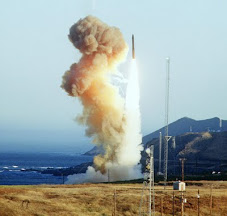
![[Global Network] against the first launch of Quasi-Zenith Satellite, Japan, on Sept. 11, 2010](https://blogger.googleusercontent.com/img/b/R29vZ2xl/AVvXsEj2sYpfodDDMIA7qXwuda0DmKapxXFB479fDnn8RKy7QNZqz0VEvWucNd-DleZ37hWNXC-Z8QtaqtM37VuPwac5SgclJ9_khBBSWOedvm19MRXIP1j1kcWrK6EW5IFjQdEEY2h7E6xuyNvC/s227/Qzss-45-0_09.jpg)

![[In update] Some collections on the Koreans’ protests against the sanction & war on Iran](http://4.bp.blogspot.com/_gnM5QlRx-4c/TJMvke6t8zI/AAAAAAAAFO4/tamQ8LUnOOA/S227/No+Sanction+on+Iran.jpg)
![[Three International Petitions] to End the Korean war and peace treaty(or peace resolution)](https://blogger.googleusercontent.com/img/b/R29vZ2xl/AVvXsEhlohLVYtpCg7iMsZhNYY4hBbhTi2dIheHMHWLDph9X2y78cjgZV1LeSfUJeu80elhJm70Q9E059q72lK-spSPvsRG4bPuCDIytltJB9IH3mWt9OG98HqhnTsPakwhvNeoCFUgF1xoxQ2EZ/s227/border.jpg)


![[Collection of Documents] No Base Learning and Solidarity Program_Korea(June 14 to 20, 2010)](https://blogger.googleusercontent.com/img/b/R29vZ2xl/AVvXsEix_HzjToh3nNGHBc-_5gasq-ykcaZ6GInLixILmZVyRJ5xoeHCxWOyYd9fSM7bmnuFsjSrYOGEPnQOwB1Dcyo-sN4Pw0cFPhUtKig_qlVnGL1Wi82ClvPqbEPWYhJiqdNF0DyzLIBETMB9/s227/No-Base-banner.jpg)
![Site Fwd:[John Hines] A U.S. Debate coach’s research trip on the Issues of Korea](https://blogger.googleusercontent.com/img/b/R29vZ2xl/AVvXsEg8yRra0zNhKHN74Auqhd3Nx9tZ7BWCGflRJHGH4CfzBT_yjhZ8Nl9b3OZuLpYWJ2exsjmR0oVl-Qq_cf832p2VdmOZhUi-lCFzCNeDSyVtweX1lWZPC-RlHmDMLtilHwHjNFTenBiM4Fk4/s227/Jeju-Peace-Tour.jpg)


![[News Update] Struggle Against the Jeju Naval Base since Jan. 18, 2010](https://blogger.googleusercontent.com/img/b/R29vZ2xl/AVvXsEhKfSTRC5QKBBSFIq_m7QIqXdlbL4-gF5GJYn9Q-pN__k7sV7uxGDcLY5L8xmU7QuWuUhBT_GhG-URBPO80RT3AfWfDrWJr06h1hFuZC6ZBVKe4U6PS1Cd7Kr6olO8TYQtk13Drox7IS6ea/s226/scrum1.jpg)


![[Urgent] Please spread the Letter!: There was no Explosion! There was no Torpedo! (May 26, 2010)](https://blogger.googleusercontent.com/img/b/R29vZ2xl/AVvXsEhSd2yWZ3xGwnJQXB73z5FgXCqSosAoB9_33-GLYprOmLqjmvgSAQp1BYI7e4slK1FDxHRi9KK4um-OpDaj8QOkXwAScVAgvvq6-ehbDA-hbkr96wT9oHNNmWnBPv8GU4hoZp9X8F9AZBX4/s227/grounded.jpg)
![Text Fwd: [Stephen Gowans]The sinking of the Cheonan: Another Gulf of Tonkin incident](https://blogger.googleusercontent.com/img/b/R29vZ2xl/AVvXsEi_L6hB3RZ1MovTXHe0A8yn_RfgMALGR0kM6poBuGp809xwvHtB_-PGWtS_WpyPWatyd9lB2pPqL2gOLc4dTCEdJ9sMvxJWEdapl-mMLm7WHAsV-jVpgqarVh8XBtdz_0c-Vohdh3HtJahD/s227/lee-myung-bak.jpg)
![[Japan Focus]Politics in Command: The "International" Investigation into the Sinking of the Cheonan](https://blogger.googleusercontent.com/img/b/R29vZ2xl/AVvXsEiHmTo8v-uCJnabRhMdnBAkC9J3s5bb2JsDKiT5leJHwbK8IDJHxfJmqQ_C0Is_bPC6UGMf05CA0exF2y4r2x9RhFUHT0kjsKviaME_MZXKnq775UyYAdb7w2SAzE75XvBfHp1al2q6i3cf/s227/wen_jiabao_and_lee_myungbak.png)
![[Japan Focus] Who Sank the SK Warship Cheonan? A New Stage in the US-Korean War and US-China](https://blogger.googleusercontent.com/img/b/R29vZ2xl/AVvXsEiKSS5ULT5QBaMGYpXXqBMX9jtwLwMLuK469b6Ku72GTJYKUObzTANaPjZqvvpPzYMJgPF53sjhvhK3DVa88ipYlggsJageykXlkxY6s8TW05xcU-_vfhf-pACUoaWuFbT-fsU1qEhm_yIi/s227/buoy_map.gif)
![[Updated on 12/13/10] [Translation Project] Overseas Proofs on the Damages by the Military Bases](https://blogger.googleusercontent.com/img/b/R29vZ2xl/AVvXsEikADE6JovUNspQyZUWVMTLAQg7yQNqXpVUbqZPk8f4uc_1723_xm1Cco6WAmstQXVPnaJAcb1mZA8Ny_3xONT_f5uh8MNLPnUhtqdGgy3HCtC1Vbbz4Q0ZY1Cssu-4cJEVNdrvznbS5UzO/s227/missile.jpg)
![[International Petition] Close the Bases in Okinawa](https://blogger.googleusercontent.com/img/b/R29vZ2xl/AVvXsEhNpQiHklwFbWVlFK7GDFXnBSOOSFEj3Il-We-N3uTDldKiidL2NGZs7X_LtTnatzTo_r8CexRkFe8NhfxYqmgp1knEEslROTfNjI5_mSb57cdbhPkftvanveYBaevAD9xuKDGoIxiTwoSb/s227/2.jpg)

![[In Update]Blog Collection: No Korean Troops in Afghanistan](https://blogger.googleusercontent.com/img/b/R29vZ2xl/AVvXsEjjEmCRXSNAG7_QBxKWbdksmxoWR4nyAovQTTdR1G2AuXh0jxtqNkI9OmYgYWRoLAJShvtBvE840QXuBWSVh3u3zMYqkNAFX6OWy3m5Nur4HM7uNK-pKT1ycyApJp-VLyhIFRRcoisYAh0E/s226/No-Troops-to--Afghanistan.jpg)


