Yonhap News
N. Korea's 2nd nuclear test site pinpointed in new study
2010/01/10 08:00 KST
By Sam Kim
SEOUL, Jan. 10 (Yonhap) -- Two U.S.-based scientists say they've located the site of North Korea's second nuclear test held last year more precisely than ever before, pinpointing it near Mount Mantap just 2 kilometers off the place where the first test had been conducted in 2006.
Lianxing Wen, a geophysics professor at the State University of New York in Stonybrook, and his graduate student, Hui Long, located the epicenter of the North's second nuclear test on May 5 last year with a margin of error of only 140 meters, compared with 3.8 kilometers achieved by the U.S. Geological Survey last year, according to their joint study published in the January-February edition of Seismological Research Letters of the Seismological Society of America.
Showing posts with label Nuclear test. Show all posts
Showing posts with label Nuclear test. Show all posts
Sunday, January 10, 2010

Saturday, September 26, 2009
Text Fwd: Some Details about nucear Weaons
Informed by J. Narayana Rao on Sept. 25, 2009
SOME IMPORTANT DETAILS REGARDING THE NUCLEAR WEAPONS.
Nuclear Weapon States Expenditure in 2008.
Country. No of War Heads Nuclear Budget in 2008 in USD Billions.
China. 150-300 . 10 Billion out of Total Defence Budget 90-100 Billion.
DPRK 5-12. 1 Billion out of 4-4.5 Billion.
France 300-350. 6.5 to 7 Billion out of 60 to 65 Billion.
India 50-90 3 to 3.5 Billion out of 9.4 to 13 Billion
Israel 200-400 1.5 Billion out of 9.4 to 13 Billion.
Pakistan. 40-70 1.1 Billion out of 3.6 to 4.4Billion.
Russia 5200-5600 6.7 Billion out of 55 to 70 Billion.
UK 185 -200 6.7 Billion out of 60 to 68 Billion.
US 4075-5500 52.55 Billion out of 600 to 620 Billion.
DAILY EXPENDITURE ON NUCLEAR WEAPONS DURING 2007-2008.
USA 145,00,00 Dollars.
Russia 18,000,000
China 12,400,000.
France. 12,300,000
U.K 10,000,000
India 8,400,000
Israel 4,200,000
Pakistan 3,000,000
NUMBER OF NUCLEAR TESTS WORLD WIDE UNTILL JUNE 2009
Country. Atmospheric Underground Total.
China 23 22 45
DPRK - 2 2
France 50 160 210
India - 6 6
Israel 1 (Doubtful) - -
Pakistan - 6 6
South Africa 1 - 1
Soviet Union 219 496 715
UK 21 23 44
US 215 813 1028
Total 528+ 1 1522 2057
SOME IMPORTANT DETAILS REGARDING THE NUCLEAR WEAPONS.
Nuclear Weapon States Expenditure in 2008.
Country. No of War Heads Nuclear Budget in 2008 in USD Billions.
China. 150-300 . 10 Billion out of Total Defence Budget 90-100 Billion.
DPRK 5-12. 1 Billion out of 4-4.5 Billion.
France 300-350. 6.5 to 7 Billion out of 60 to 65 Billion.
India 50-90 3 to 3.5 Billion out of 9.4 to 13 Billion
Israel 200-400 1.5 Billion out of 9.4 to 13 Billion.
Pakistan. 40-70 1.1 Billion out of 3.6 to 4.4Billion.
Russia 5200-5600 6.7 Billion out of 55 to 70 Billion.
UK 185 -200 6.7 Billion out of 60 to 68 Billion.
US 4075-5500 52.55 Billion out of 600 to 620 Billion.
DAILY EXPENDITURE ON NUCLEAR WEAPONS DURING 2007-2008.
USA 145,00,00 Dollars.
Russia 18,000,000
China 12,400,000.
France. 12,300,000
U.K 10,000,000
India 8,400,000
Israel 4,200,000
Pakistan 3,000,000
NUMBER OF NUCLEAR TESTS WORLD WIDE UNTILL JUNE 2009
Country. Atmospheric Underground Total.
China 23 22 45
DPRK - 2 2
France 50 160 210
India - 6 6
Israel 1 (Doubtful) - -
Pakistan - 6 6
South Africa 1 - 1
Soviet Union 219 496 715
UK 21 23 44
US 215 813 1028
Total 528+ 1 1522 2057
Sunday, August 9, 2009
Text Fwd: Reasons for Progressives to Oppose North Korean Nuclear Armament
Below was the speech by Gwang Eun, Choi, Representative, Socialist Party, South Korea, during the 64th World Conferences against A- and H-Bombs in Hiroshima, from Aug. 3 to Aug. 7. The writing does not necessarily reflects the opinion of this blogger.
Second Nuclear Experiment and Missile Launch of North Korea
The 64th World Conferences against A- and H-Bombs has the subject of 'Northeast Asian Security and Denuclearization.' The biggest concern, when discussing the Northeast Asian security, will undoubtedly be the North Korean nuclear armament. The second nuclear experiment of North Korea that was carried out on May 25th morning, as well as the succeeding missile launches, has severely aggravated the unpredictability of the Northeast Asain security. North Korea repeatedly claimed that the May nuclear experiment has been performed “to consolidate the self-defensive nuclear control”, and that it will secure the autonomy of the nation as well as contributing to the peace and safety of the region including the Korean Peninsula, which is too doubtful.
On May 26th, the day after the experiment, North Korea held the immensely scaled 'Pyongyang People's Rally of Celebrating the Successful Nuclear Test', which has shown that the experiment had not only an effect of outward ostentation but also functioned to strengthen the internal unity. Notably this second experiment is quite different from the first one of 2006 in terms of denuclearization. Back then that was the whole point, the country open to communication and negotiation in quest of denuclearization, while this time the 'consolidation of nuclear control' is highly accentuated and denuclearization is not even mentioned.
In the background of North Korean nuclear experiment is surely the well-known hostile USA-NK relation, but since the North-South Korean relationship is also playing a certain role here, and for that this relationship has been further worsened during the Lee Myung-Bak administration, the discussion needs to expand to include the behavior of South Korean government so far.
Further reading
Reasons for Progressives to Oppose North Korean Nuclear Armament
- In Support of Universal Pacifism and Antinuclear Universalism
- In Support of Universal Pacifism and Antinuclear Universalism
Gwang Eun Choi / Representative, Socialist Party (South Korea)
Second Nuclear Experiment and Missile Launch of North Korea
The 64th World Conferences against A- and H-Bombs has the subject of 'Northeast Asian Security and Denuclearization.' The biggest concern, when discussing the Northeast Asian security, will undoubtedly be the North Korean nuclear armament. The second nuclear experiment of North Korea that was carried out on May 25th morning, as well as the succeeding missile launches, has severely aggravated the unpredictability of the Northeast Asain security. North Korea repeatedly claimed that the May nuclear experiment has been performed “to consolidate the self-defensive nuclear control”, and that it will secure the autonomy of the nation as well as contributing to the peace and safety of the region including the Korean Peninsula, which is too doubtful.
On May 26th, the day after the experiment, North Korea held the immensely scaled 'Pyongyang People's Rally of Celebrating the Successful Nuclear Test', which has shown that the experiment had not only an effect of outward ostentation but also functioned to strengthen the internal unity. Notably this second experiment is quite different from the first one of 2006 in terms of denuclearization. Back then that was the whole point, the country open to communication and negotiation in quest of denuclearization, while this time the 'consolidation of nuclear control' is highly accentuated and denuclearization is not even mentioned.
In the background of North Korean nuclear experiment is surely the well-known hostile USA-NK relation, but since the North-South Korean relationship is also playing a certain role here, and for that this relationship has been further worsened during the Lee Myung-Bak administration, the discussion needs to expand to include the behavior of South Korean government so far.
Further reading
Thursday, August 6, 2009
[국문 번역]Text Fwd: DOMINATING PALAU

Text informed in Bruce Gagnon blog
Tuesday, August 04, 2009
DOMINATING PALAU
I made my first trip to Japan in 1984 to attend the World Conference against A & H Bombs. While at the event one evening I attended a film showing about the island of Palau in the Pacific. I don't think at that time I'd ever heard of Palau. The documentary told the sad story of their efforts to resist US pressure to give up their Nuclear-Free constitution. One scene I will always remember was a family sitting in their thatched hut watching TV and seeing President Ronald Reagan come on the screen urging Palauans to vote down their constitution in order to help the US fight the Communism. Below is a part of one moving statement from the conference here in Hiroshima.
By Balhaim Sakuma
Executive Director, Belau Cares Palau
After more than 200 years under foreign domination Palau was "allowed" by the US to become an independent nation. We were told by the US that we could choose the kind of government we want and write our own constitution. Thirty-one years ago, in 1978, the people of Palau wrote the first Nuclear-Free Constitution in the world and adopted it by an overwhelming majority vote of 92%. This took the US by surprise. Immediately a team from Washington DC arrived in Palau with a message that Palau could not choose a Nuclear-Free Constitution government.
The succeeding 10 years were years of turmoil and conflict between the US and Palau because we stood up and told the US that we would not allow any kind of nuclear to enter within the 200-mile territory of Palau. Palauans suffered so much and went through so much hardship during the 10 years of fighting with USA for our right to be Nuclear-Free. The President Haruo Remeliik, who supported the nuclear-free constitution, was assassinated. At that time I was fighting with him as an advisor to him. Some of us lost their lives. When women activists held a meeting at a house, a bomb was thrown to them. When I was attending the World Conference in early eighties, my house was burnt out. I myself was also attempted to be killed several times. The US forced us to hold a national referendum about six times to get the people's support for the revision of the constitution. But it did not meet the requirement of the constitution, 75% of the people's support. The US finally came up with some kind of legal maneuvering to lower the 75% requirement to 50% and forced Palau to accept the Compact of Free Association. But Palauan people fought against such violence, intimidation and bribery and no one can dispute the fact the majority of Palauans are against nuclear weapons.
People of the Pacific have been suffering not only from war but from damage of nuclear weapons. The US conducted 57 nuclear tests at Bikini and Eniwetok in the Marshall Islands after WW II. France tested their bombs in Tahiti. UK tested at Christmas Island and Australia. Thus, the Pacific has been used as a nuclear playground. The people are still nomads with no place they can call home because their islands are highly contaminated.
After the nuclear-free constitution was neglected by the US, Palau was forced to conclude the Compact of Free Association, which substantially made Palau a colony of the US. The US can use our lands for its military if and when the US chooses to.
Our lands, our life, the future of our children are still determined by big powers. Even if we are a small island nation, we have national pride. It is us who should determine how to use our lands and what nation we should establish relationship with.
팔라우를 지배하기
2009년 8월 4일, 브루스 개그논 씀
저는 1984년 원자 폭탄 및 수소 폭탄에 반대하는 국제 회담에 참석하기 위해 일본으로 첫 여행을 간 적이 있읍니다. 한 저녁의 행사에서 저는 태평양의 팔라우라는 섬에 관한 영화를 보았읍니다. 저는 당시 제가 팔라우라는 섬에 대해 들어 본 적이 있다고 생각하지 않습니다. 그 다큐멘타리는 그들의 비핵 헌법을 포기하도록 압력을 가하는 미 정부에 저항하는 그들의 노력에 관한 슬픈 이야기를 들려 주었읍니다. 제가 항상 기억할 장면은 한 가족이 초가집에서 TV를 보는데
스크린에 나온 로널드 레이건 대통령이 미국이 공산주의에 맞서 싸우는 것을 돕기 위해 팔라우 인들에게 그들의 헌법에 반대표를 던지도록 촉구하는 것이었읍니다. 아래는 여기 히로시마 회담에서 나온 것으로 마음을 움직이는 성명의 한 부분입니다.
발하임 사쿠마 (Balhaim Sakuma)
벨라우 캐어스 팔라우의 상임 감독 (Executive Director, Belau Cares Palau)
200년이상 지속된 외세의 지배이후 팔라우는 미국으로부터 독립적인 국가가 되도록“허락”받았읍니다. 우리는 미국으로부터 우리가 원하는 정부를 선택할 수 있으며 우리 자신의 헌법을 쓸 수 있다고 들었읍니다. 31년전인 1978년에 팔라우 인들은 세계에서 첫번째로 비핵 헌법을 썼고 92%라는 압도적인 대다수의 찬성으로 그 것을 채택햇읍니다. 이는 미국을 놀라게 했읍니다. 수도 워싱턴에서 한 팀이 즉시 팔라우에 도착해 팔라우는 비핵 헌법을 선택할 수 없다는 메시지를 주었읍니다.
이 후 10년간은 미국과 팔라우 사이 혼란과 갈등의 세월이었읍니다. 왜냐하면 우리는 일어섰고 미국에게 우리는 팔라우 영토로부터 200마일 이내 어떠한 핵도 허락하지 않겠다고 미국에게 말했기 때문입니다. 우리 팔라우 인들은 우리의 비핵 권리를 지키기 위한 10년간 미국과의 싸움에서 많은 고통을 당했으며 너무나 많은 역경을 겪었읍니다.
비핵 헌법을 지지했던 대통령 하루오 레멜리이크는 살해되었읍니다. 당시 저는 그의 자문 위원으로서 그와 함께 싸우고 있었읍니다. 우리중의 몇몇은 그들의 생명을 빼앗겼읍니다. 여성 활동가들이 한 집에서 회의를 했을 때, 폭탄이 그 들에게 떨어졌읍니다. 제가 80년대 초기 국제 회담에 참석하고 있었을 때, 제 집이 불타버렸읍니다. 제 자신에게도 몇 번 살해 시도가 행해졌읍니다. 미국은 헌법 개정에 대한 팔라우 인들의 지지를 얻기 위해우리가 국민 투표를 약 6번이나 하도록 강제햇읍니다. 그러나 그것은 75% 민중의 지지라는 헌법의 필요 요건을 충족시키지 못했읍니다. 미국은 마침내 75% 필요 요건을 50%로 낮추는, 법적인 책략 같은 것을 들고 나왔고 팔라우 인들이 자유 연합 계약 Compact of Free Association 을 받아 들이도록 강제했읍니다. 그러나 팔라우 인들은 그러한 폭력, 위협, 그리고 뇌물에 저항했고 아무도 팔라우 인등의 대다수가 핵무기에 반대한다는 사실을 논박할 수 없읍니다. .
태평양의 사람들은 전쟁 뿐만이 아니라 핵 무기로 인한 손상으로부터 고통을 겪어왔읍니다. 미국은 2 차 대전 이후 마샬 제도의 비키니와 에니위토크에서 57회의 핵 실험을 단행했읍니다. 프랑스는 타히티에서 그들의 폭탄을 실험했읍니다. 영국은 크리스마스 섬과 호주에서 실험했읍니다. 그러므로 태평양은 핵 운동장으로 이용되어 왔읍니다. 사람들은 그 들이 집이라 부를 수 있는 곳이 없는 유목민들인데 그 들의 섬이 심하게 오염되었기 때문입니다.
비핵 헌법이 미국에 의해 무시된 이후 팔라우는 자유 연합 계약을 결론지도록 강제되었읍니다. 그 자유 연합 계약은 팔라우를 미국의 지속적인 식민지가 되게 했읍니다. 미국은 원하기만 하면, 그리고 언제 선택하느냐에 따라 우리의 땅을 그 군대를 위해 사용할 수 있읍니다.
우리의 땅들, 우리의 삶, 그리고 우리 어린이들의 미래는 아직도 강대국들에 의해 결정됩니다. 비록 우리가 작은 섬 나라이지만 우리에게는 민족적 자랑이 있읍니다. 어떻게 우리의 땅을 사용해야 하고 우리가 어떤 나라와 우리가 관계를 맺어야 할 지를 결정해야 한는 것은 우리인 것입니다.
-역주 링크-
팔라우:
영문
http://en.wikipedia.org/wiki/Palau
한글
http://ko.wikipedia.org/wiki/%ED%8C%94%EB%9D%BC%EC%9A%B0
Sunday, June 28, 2009
Text fwd: US Nuclear Umbrella: Double-Edged Sword for S. Korea
 Korea Times
By Jung Sung-ki
Staff Reporter, June 24, 2009
Amid growing concern about North Korea's high-stake nuclear gamesmanship, the United State has vowed to provide an ``extended'' nuclear umbrella to South Korea, where no tactical nuclear weapons are present.
Debates are under way, however, on the effectiveness of this in the case of conflict on the Korean Peninsula.
Proponents say the U.S. commitment to providing extended nuclear deterrence capabilities will help prevent the North from ``miscalculating'' that it would gain anything from missile and nuclear tests.
Opponents argue the U.S. nuclear deterrence pledge could only provoke the communist North and send the wrong message that Pyongyang is a recognized nuclear state.
``The U.S. extended deterrence means a stronger and broader defense against the North's chemical, biological and missile attacks as well as nuclear attacks. So this is huge step in the joint defense of South Korea and the United States against North Korea,'' a senior researcher at the Korea Institute for Defense Analyses (KIDA) said.
``But there is concern, at the same time, that talking too much of the nuclear umbrella would give North Korea a good excuse to claim itself to be a nuclear power,'' the researcher said.
At the June 16 summit in Washington, U.S. President Barack Obama reaffirmed that the United States would provide an ``extended nuclear umbrella'' to South Korea in response to increasing nuclear threats from North Korea. Pyongyang conducted a second nuclear test last month and test-fired several short-range missiles, defying calls by the international community to give up its nuclear ambitions.
This was the first time for a U.S. leader to clarify at a summit coverage of South Korea under its nuclear umbrella.
The U.S. government has promised since 1978 that it will provide necessary nuclear deterrence capabilities for South Korea against North Korea in the annual South Korea-U.S. defense ministers' meetings, but the issue had not been discussed at a summit level.
Under the extended nuclear deterrence pledge, military experts say, the U.S. military would mobilize all necessary capabilities to neutralize North Korean nuclear provocations.
For example, the U.S. Air Force could send B-2/52 bombers and other fighter aircraft carrying nuclear bombs, such as the B-61, to hit nuclear facilities in the North. Tomahawk cruise missiles could be launched from nuclear-powered submarines to strike targets.
The B-61 bomb is known to have a ``dial able'' explosive power of 0.3 to 340 kilotons and believed to be capable of destroying North Korea's key underground facilities.
U.S. fighter aircraft would also be ready to conduct surgical strikes with high-end bombs, such as bunker busters.
Redeployment of US nuclear weapons in S. Korea?
Some conservatives argue the government should ask the U.S. Forces Korea (USFK) to re-deploy its tactical nuclear weapons to deter nuclear-armed North Korea.
Tactical nuclear weapons (TNWs) typically refer to short-range weapons, including land-based missiles with a range of up to 500 kilometers and air- and sea-launched weapons with a range of around 600 kilometers.
The USFK removed its TNWs in 1991. Prompted by mounting concerns about the security of nuclear weapons in the former Soviet Union, then U.S. President George Bush announced in September 1991 that the United States would eliminate its entire worldwide inventory of ground-launched TNWs and would remove all nuclear weapons from surface ships and attack submarines.
Jeon Seong-hoon at the Korea Institute for National Unification said, ``As North Korea's nuclear capability increases, the effectiveness of the U.S. nuclear umbrella could decrease. In that context, I believe, the redeployment of USFK's tactical nuclear weapons, at least on a temporary basis, could be the best option.''
A military official concurred. The official, who requested to remain anonymous, said the USFK should deploy tactical nuclear weapons again as long as it is not violating the 1991 Washington-Moscow arms control agreement.
``Redeployment of air-launched tactical nuclear weapons do not violate the 1991 agreement,'' the official said. ``If there were 10 tactical nuclear weapons in the South, North Korea's nuclear threat could be easily neutralized.''
An Army commanding general, who has been in charge of military operations, expressed a negative view about the redeployment of tactical nuclear weapons to the South.
``Realistically, it's impossible and not feasible,'' the officer said, asking not to be named. ``Politically, such a move would face severe opposition from China.''
Self-Reliant Deterrence
South Korea's military is also planning to acquire weapons systems to help deter North Korea's lingering nuclear and missile threats on its own.
The military plans to increase the procurement numbers of precision-guided Joint Direct Attack Munitions (JDAM) and air-launched cruise missiles. It aims to buy 1,400 JDAMs by 2013 to bring its total number to 4,551.
The JDAM is a guidance tail kit that converts existing unguided free-fall bombs into accurate, adverse weather munitions. Carried by advanced fighter jets, including F-15Ks, the bomb has a glide range of 24 kilometers and can strike within 13 meters of its target. It can penetrate up to 2.4 meters of concrete.
The South Korean Air Force is also seeking to equip some of its KF-16 fleet with JDAMs.
In addition, the South plans to acquire about 270 joint air-to-surface, standoff (cruise) missiles (JASSM) by 2011. The JASSM, developed by U.S. Lockheed Martin, is an autonomous, long-range, air-to-ground, precision missile designed to destroy high-value, fixed and mobile targets.
Nuclear Submarines?
Beginning in 2018, South Korea plans to build indigenous 3,000-ton KSS-III submarines fitted with domestically built submarine combat systems aimed at automating target detection, tracking, threat assessment and weapons control. The heavy sub will be armed with indigenous ship-to-ground cruise missiles and be capable of underwater operations for up to 50 days with an advanced AIP system, Navy officials said.
According to informed government sources, the Navy wants to deploy about six KSS-III submarines and then may push to develop a nuclear-powered submarine as a hedge against future uncertainties in Northeast Asia.
Many observes admitted the Navy needs nuclear-powered submarines in the long term but are skeptical about the plan, citing the potential political and diplomatic backlash, particularly from the United States.
South Korea initially pushed for developing a nuclear-powered sub in 2004 but canceled the initiative later for these reasons.
``A nuclear-powered submarine plan involves both military and political aspects,'' a defense analyst said. ``Nuclear subs will, of course, offer benefits to the Navy in terms of much longer operational range and fuel efficiency. But the thing is, unless legal and political problems are resolved first, we can't go forward with the plan.''
The analyst apparently referred to a 1991 inter-Korean non-nuclear declaration and the Nuclear Non-Proliferation Treaty, in which non-nuclear weapon states such as South Korea are required to place all of their nuclear materials under inspection by the International Atomic Energy Agency to ensure they are not used to develop atomic weapons.
Some proponents say that because nuclear-powered submarines use low-grade nuclear fuel, they do not violate the denuclearization pledge. Opponents say that since a nuclear-powered sub would require enriched uranium fuel, the ability to enrich uranium also could be used to produce material for building nuclear weapons.
Nuclear submarines can remain underwater much longer than conventional submarines, propelled by diesel generators, and are considered a strategic weapon second only to aircraft carriers.
To thwart North Korea's asymmetrical capabilities and other regional hostile forces, the Navy has emphasized strengthening its submarine fleet. The Navy has nine German-made Type-209 1,200-ton submarines and three Type-214 1,800-ton submarines, first built locally under technical cooperation with HDW of Germany. They are all diesel- and electric-powered.
``Submarine fleets are seen as one of the most powerful features of any military force,'' said the analyst. ``For South Korea, the requirements and roles of advanced attack submarines are essential to help neutralize the North's increasing asymmetrical capabilities.''
Six more Type-214 subs are scheduled to be commissioned by 2018, when the Navy will inaugurate a submarine command. The Type-214 submarine, a core part of the future strategic mobile squadrons, is armed with modern torpedoes and submarine-to-surface missiles.
The 65.3-meter-long sub can submerge to depths of up to 400 meters, with a maximum submerged speed of 20 knots. With the help of Air Independent Propulsion (AIP), which improves its underwater performance and gives it stealth capability, the submarine can carry out underwater operations for as long as two weeks, putting Guam in its operational range, according to the Navy.
The sub's ISUS-90 integrated sensor enables operators to detect about 240 targets simultaneously and track 32 targets.
gallantjung@koreatimes.co.kr
* Related blog *
Letter Fwd: Letter Sent to the Presidents of the Republic of Korea and the United States on the Occasion of the Korean-US Summit Conference (2009.6.16)
Sunday, June 7, 2009
Text Fwd: Nuclear test veterans win right to sue MoD
* Text informed by Corazon Valdez Fabros on June 7, 2009
Nuclear test veterans win right to sue MoD
1,000 servicemen exposed to radiation in South Pacific and Australia during 1950s claim for cancer and other illnesses
Peter Walker, guardian.co.uk, Friday 5 June 2009 13.40 BST
Military veterans who claim they were negligently exposed to excessive radiation during nuclear tests in the 1950s won a high court case today permitting them to sue the Ministry of Defence, exposing the government to a potential compensation bill running into hundreds of millions of pounds.
A group of around 1,000 veterans of tests in the South Pacific and Australia between 1952 and 1958 launched the case as they believe radiation exposure caused illnesses including cancer and chromosome damage.
The MoD argued that the group had waited too long to lodge its claim and was thus excluded under limitations regulations. It also argued that the cases were certain to fail at any eventual trial.
But giving his verdict in the high court in London today, Mr Justice Foskett rejected these arguments, pointing to a recent scientific study involving veterans in New Zealand which provided new evidence of the potential health impact of the tests, which would be "crucial and pivotal" for any potential case against the MoD.
Five of the 10 lead cases he had considered were thus permitted, while the other five should be allowed to proceed as well on grounds of fairness, the judge said, delivering a 217-page judgment.
The judge urged ministers to consider a settlement rather than drag out legal proceedings further.
The judgment was witnessed by dozens of veterans and their relatives, who immediately decamped to the front steps of the high court building in central London to celebrate, cheering and spraying champagne.
"I'm absolutely over the moon," said Don James, who was deployed on Christmas island, a remote Pacific atoll also known as Kiritimati, during five offshore nuclear tests in 1958.
"We had no special kit. They just told us to turn your back to the blast and cover your eyes. You could see the bones in your fingers," he said. "I have a blood disorder now, and so does my daughter. I'm still very angry. It should not have come to this. If they had owned up at the beginning they could have released documents and let us understand what happened."
Neil Sampson from Rosenblatt, the firm of solicitors which led the case, said he was "appalled, if not disgusted" with the way the government had allowed the issue of compensation to drag on, and the way the MoD fought the case.
"Prime minister after prime minister over the past 50 years have said that if veterans could prove that they had been exposed to radiation they would be compensated," he said.
"When we could prove that they had been exposed to radiation the MoD says, 'Sorry guys, you're too late.' That's disingenuous. It's not right. It's appalling." He accused ministers of wanting to delay the case so long that all the claimants would be dead: "There is no other conclusion that one could reach."
With 59 of the veterans involved having died since the action began, Sampson said, he was hopeful the MoD would now reach a settlement with the surviving veterans, a process which would take a matter of months. A full trial would take three years even to prepare, he estimated.
In total, around 25,000 forces members from the UK, Australia and New Zealand were stationed near nuclear blasts, the first of which took place on the Monte Bello islands off north-west Australia in 1952. Subsequent tests were at Maralinga, a desert region of mainland South Australia, and Christmas island.
While New Zealand, along with the US, France and Canada, has previously paid money to service personnel involved in nuclear tests, the MoD has always insisted that there is no evidence its troops were exposed to excessive radiation
Nuclear test veterans win right to sue MoD
1,000 servicemen exposed to radiation in South Pacific and Australia during 1950s claim for cancer and other illnesses
Peter Walker, guardian.co.uk, Friday 5 June 2009 13.40 BST
Military veterans who claim they were negligently exposed to excessive radiation during nuclear tests in the 1950s won a high court case today permitting them to sue the Ministry of Defence, exposing the government to a potential compensation bill running into hundreds of millions of pounds.
A group of around 1,000 veterans of tests in the South Pacific and Australia between 1952 and 1958 launched the case as they believe radiation exposure caused illnesses including cancer and chromosome damage.
The MoD argued that the group had waited too long to lodge its claim and was thus excluded under limitations regulations. It also argued that the cases were certain to fail at any eventual trial.
But giving his verdict in the high court in London today, Mr Justice Foskett rejected these arguments, pointing to a recent scientific study involving veterans in New Zealand which provided new evidence of the potential health impact of the tests, which would be "crucial and pivotal" for any potential case against the MoD.
Five of the 10 lead cases he had considered were thus permitted, while the other five should be allowed to proceed as well on grounds of fairness, the judge said, delivering a 217-page judgment.
The judge urged ministers to consider a settlement rather than drag out legal proceedings further.
The judgment was witnessed by dozens of veterans and their relatives, who immediately decamped to the front steps of the high court building in central London to celebrate, cheering and spraying champagne.
"I'm absolutely over the moon," said Don James, who was deployed on Christmas island, a remote Pacific atoll also known as Kiritimati, during five offshore nuclear tests in 1958.
"We had no special kit. They just told us to turn your back to the blast and cover your eyes. You could see the bones in your fingers," he said. "I have a blood disorder now, and so does my daughter. I'm still very angry. It should not have come to this. If they had owned up at the beginning they could have released documents and let us understand what happened."
Neil Sampson from Rosenblatt, the firm of solicitors which led the case, said he was "appalled, if not disgusted" with the way the government had allowed the issue of compensation to drag on, and the way the MoD fought the case.
"Prime minister after prime minister over the past 50 years have said that if veterans could prove that they had been exposed to radiation they would be compensated," he said.
"When we could prove that they had been exposed to radiation the MoD says, 'Sorry guys, you're too late.' That's disingenuous. It's not right. It's appalling." He accused ministers of wanting to delay the case so long that all the claimants would be dead: "There is no other conclusion that one could reach."
With 59 of the veterans involved having died since the action began, Sampson said, he was hopeful the MoD would now reach a settlement with the surviving veterans, a process which would take a matter of months. A full trial would take three years even to prepare, he estimated.
In total, around 25,000 forces members from the UK, Australia and New Zealand were stationed near nuclear blasts, the first of which took place on the Monte Bello islands off north-west Australia in 1952. Subsequent tests were at Maralinga, a desert region of mainland South Australia, and Christmas island.
While New Zealand, along with the US, France and Canada, has previously paid money to service personnel involved in nuclear tests, the MoD has always insisted that there is no evidence its troops were exposed to excessive radiation
Thursday, June 4, 2009
US to sell 'bunker-buster' bombs to SKorea: official

 * Image source: Wikipedia
* Text informed by Agneta Noberg on June 3, 2009 *
US to sell 'bunker-buster' bombs to SKorea: official
by Staff Writers
Seoul (AFP) June 2, 2009
The United States has agreed to sell "bunker-buster" bombs to South Korea that are capable of destroying underground facilities in North Korea, a military official said Tuesday.
Washington recently approved the sale of GBU-28 bombs, which were used during the 1990-91 Gulf War to destroy underground command centres in Iraq, a defence ministry official told AFP on condition of anonymity.
The laser-guided bombs, which could be used to hit North Korean missiles and aircraft stored underground, will be delivered to South Korea between 2010 and 2014, South Korea's Yonhap news agency reported.
It said that in the event of war South Korean jet fighters would carry the bombs to attack underground targets such as North Korea's nuclear facilities and artillery hidden in caves.
South Korea also plans to purchase other high-tech bombs such as JDAMs, JASSMs and GBU-24s, Yonhap said.
GBU-24s perform better at low altitudes and under poor visibility conditions. JDAMs with global positioning systems would be effective against North Korean artillery while JASSMs are precision cruise missiles, Yonhap said.
"These high-tech bombs are some of the most urgently needed weapons for us to deal with North Korean missile sites and artillery guns," a source told the news agency.
Military officials here say the North's artillery deployed in tunnels along the border poses a serious threat to South Korea.
General Walter Sharp, the top US commander in the South, said in April that the North has the world's largest artillery force.
He said the North is believed to have some 13,000 artillery pieces deployed along the border.
South Korea has generally favoured defence equipment from the United States, which has kept troops here since the 1950-53 Korean War to deter aggression by North Korea.
More than 600,000 South Korean troops, backed by 28,500 US troops, are confronting the potential threat from the North's 1.1 million-strong military.
* Yonhap News Seoul(Korean)
北핵.지하시설 파괴용 GBU-28 수십발 도입
美 판매 승인..'2010~2014 중기계획' 반영
[2009-06-02 10:45 송고]
(서울=연합뉴스) 김귀근 기자 = 유사시 북한의 핵시설과 동굴속 장사정포 등 지하군사시설을 뚫고 들어가 폭파시키는 레이저유도폭탄(GBU-28) 수십 발이 도입된다.
군 소식통은 2일 "미국은 그간 전략무기로 분류해 국외 수출을 엄격히 통제했던 GBU-28 폭탄을 한국에 판매키로 최근 승인했다"면서 "우리 군은 '2010~2014년 국방중기계획'에 이 폭탄 구매계획을 반영했다"고 밝혔다.
미국이 한국에 GBU-28 폭탄을 판매키로 한 것은 북한이 두 차례 핵실험을 하고 장거리 미사일을 발사하는 등 핵과 미사일 위협이 가중되고 있어 이에 대응하는 차원이라고 소식통은 말했다.
그는 "미국이 한국에 전략무기인 무인정찰기 글로벌호크 판매를 승인한 데 이어 GBU-28 폭탄까지 판매키로 한 것은 양국 신뢰관계를 반영하는 것"이라며 "GBU-28 폭탄을 도입한 데 이어 글로벌호크도 구매하는 방안을 적극적으로 고려하고 있다"고 강조했다.
일명 '벙커버스터'로 불리는 GBU-28은 미국이 1991년 걸프전쟁 때 지하 30여m 깊이의 벙커에서 전쟁을 지휘하는 이라크군 사령부를 공격하기 위해 특별히 설계됐다.
스텔스 폭격기나 F-15A 전폭기를 이용, 공중에서 투하한 뒤 레이저로 유도해 목표물에 도달한다. 폭탄에 장착된 2천kg의 탄두는 지상에서 바로 터지지 않고 지하 20~30여m(콘크리트는 6m)까지 뚫고 들어가 폭발하도록 설계되어 있다.
지난 2001년 '테러와의 전쟁'에서는 탈레반과 오사마 빈 라덴의 지하 요새를 공격하기 위해 수도 카불과 탈레반 거점 도시인 칸다하르 등지에 투하된 것으로 알려졌다.
군은 F-15K 전투기에 GBU-28 폭탄을 장착해 유사시 핵시설과 동굴속 장사정포, 지하군사시설 등을 격파한다는 계획이다. GBU-28 폭탄의 제원은 길이 3.8m, 지름 36.8cm, 무게 2천250kg 등이다.
한편 지난 주 평양 산음동 병기연구소에서 대륙간탄도미사일(ICBM)을 싣고 평안북도 철산군 동창리 미사일기지에 도착한 화물열차는 화물칸이 비어 있는 상태로 산음동으로 되돌아온 것으로 알려졌다.
이 때문에 첩보당국은 덮개로 가려진 ICBM이 동창리 기지에서 내려져 조립건물로 옮겨진 것으로 추정하고 있다. 현재 동창리 기지에는 고급 승용차가 빈번하게 출입해 북한군 수뇌부가 방문한 것으로 관측되고 있다.
threek@yna.co.kr
* Related Korean articles
http://www.munhwa.com/news/view.html?no=20090602010301270260040
軍, 북핵 대응 ‘벙커버스터’ 도입
북핵·지하시설 파괴용… 美 수십발 판매 승인
정충신기자 csjung@munhwa.com
http://search.munhwa.com/main.jsp?q=%BA%A1%C4%BF%20%B9%F6%BD%BA%C5%CD
Wednesday, June 3, 2009
Video Fwd: Henry Kissinger in the CNN interview
* Site informed at the Tongil News, June 1, 2009
* Henry Kissinger talks about the North Korea nuclear test in the CNN interview on May 31, 2009
* Henry Kissinger talks about the North Korea nuclear test in the CNN interview on May 31, 2009
Monday, June 1, 2009
Text Fwd: Who will Stand Up To America and Israel?
* Text informed by Agneta Noberg *
Global Research
Who will Stand Up To America and Israel?
"No countries on earth rival the US and Israel for barbaric murderous violence"
by Paul Craig Roberts
May 29, 2009
"Obama Calls on World to ‘Stand Up To’ North Korea" read the headline. The United States, Obama said, was determined to protect "the peace and security of the world."
Shades of doublespeak, doublethink, 1984.
North Korea is a small place. China alone could snuff it out in a few minutes. Yet, the president of the US thinks that nothing less than the entire world is a match for North Korea.
We are witnessing the Washington gangsters construct yet another threat like Slobodan Milosevic, Osama bin Laden, Saddam Hussein, John Walker Lindh, Hamdi, Padilla, Sami Al-Arian, Hamas, Mahkmoud Ahmadinejad, and the hapless detainees demonized by the US Secretary of Defense Rumsfeld as "the 700 most dangerous terrorists on the face of the earth," who were tortured for six years at Gitmo only to be quietly released. Just another mistake, sorry.
The military/security complex that rules America, together with the Israel Lobby and the financial banksters, needs a long list of dangerous enemies to keep the taxpayers’ money flowing into its coffers.
The Homeland Security lobby is dependent on endless threats to convince Americans that they must forego civil liberty in order to be safe and secure.
The real question is who is going to stand up to the American and Israeli governments?
Who is going to protect Americans’ and Israelis’ civil liberties, especially those of Israeli dissenters and Israel’s Arab citizens?
Who is going to protect Palestinians, Iraqis, Afghans, Lebanese, Iranians, and Syrians from Americans and Israelis?
Not Obama, and not the right-wing brownshirts that today rule Israel.
Obama’s notion that it takes the entire world to stand up to N. Korea is mind-boggling, but this mind-boggling idea pales in comparison to Obama’s guarantee that America will protect "the peace and security of the world."
Is this the same America that bombed Serbia, including Chinese diplomatic offices and civilian passenger trains, and pried Kosovo loose from Serbia and gave it to a gang of Muslin drug lords, lending them NATO troops to protect their operation?
Is this the same America that is responsible for approximately one million dead Iraqis, leaving orphans and widows everywhere and making refugees out of one-firth of the Iraqi population?
Is this the same America that blocked the rest of the world from condemning Israel for its murderous attack on Lebanese civilians in 2006 and on Gazans most recently, the same America that has covered up for Israel’s theft of Palestine over the past 60 years, a theft that has produced four million Palestinian refugees driven by Israeli violence and terror from their homes and villages?
Is this the same America that is conducting military exercises in former constituent parts of Russia and ringing Russia with missile bases?
Is this the same America that has bombed Afghanistan into rubble with massive civilian casualties?
Is this the same America that has started a horrific new war in Pakistan, a war that in its first few days has produced one million refugees?
"The peace and security of the world"? Whose world?
On his return from his consultation with Obama in Washington, the brownshirted Israeli prime minister Benjamin Netanyahu declared that it was Israel’s responsibility to "eliminate" the "nuclear threat" from Iran.
What nuclear threat? The US intelligence agencies are unanimous in their conclusion that Iran has had no nuclear weapons program since 2003. The inspectors of the International Atomic Energy Agency report that there is no sign of a nuclear weapons program in Iran.
Who is Iran bombing? How many refugees is Iran sending fleeing for their lives?
Who is North Korea bombing?
The two great murderous, refugee-producing countries are the US and Israel. Between them, they have murdered and dislocated millions of people who were a threat to no one.
No countries on earth rival the US and Israel for barbaric murderous violence.
But Obama gives assurances that the US will protect "the peace and security of the world." And the brownshirt Netanyahu assures the world that Israel will save it from the "Iranian threat."
Where is the media?
Why aren’t people laughing their heads off?
Paul Craig Roberts was Assistant Secretary of the Treasury during President Reagan’s first term. He was Associate Editor of the Wall Street Journal. He has held numerous academic appointments, including the William E. Simon Chair, Center for Strategic and International Studies, Georgetown University, and Senior Research Fellow, Hoover Institution, Stanford University. He was awarded the Legion of Honor by French President Francois Mitterrand. He is the author of Supply-Side Revolution : An Insider's Account of Policymaking in Washington; Alienation and the Soviet Economy and Meltdown: Inside the Soviet Economy, and is the co-author with Lawrence M. Stratton of The Tyranny of Good Intentions : How Prosecutors and Bureaucrats Are Trampling the Constitution in the Name of Justice. Click here for Peter Brimelow’s Forbes Magazine interview with Roberts about the recent epidemic of prosecutorial misconduct.
Paul Craig Roberts is a frequent contributor to Global Research. Global Research Articles by Paul Craig Roberts
Global Research
Who will Stand Up To America and Israel?
"No countries on earth rival the US and Israel for barbaric murderous violence"
by Paul Craig Roberts
May 29, 2009
"Obama Calls on World to ‘Stand Up To’ North Korea" read the headline. The United States, Obama said, was determined to protect "the peace and security of the world."
Shades of doublespeak, doublethink, 1984.
North Korea is a small place. China alone could snuff it out in a few minutes. Yet, the president of the US thinks that nothing less than the entire world is a match for North Korea.
We are witnessing the Washington gangsters construct yet another threat like Slobodan Milosevic, Osama bin Laden, Saddam Hussein, John Walker Lindh, Hamdi, Padilla, Sami Al-Arian, Hamas, Mahkmoud Ahmadinejad, and the hapless detainees demonized by the US Secretary of Defense Rumsfeld as "the 700 most dangerous terrorists on the face of the earth," who were tortured for six years at Gitmo only to be quietly released. Just another mistake, sorry.
The military/security complex that rules America, together with the Israel Lobby and the financial banksters, needs a long list of dangerous enemies to keep the taxpayers’ money flowing into its coffers.
The Homeland Security lobby is dependent on endless threats to convince Americans that they must forego civil liberty in order to be safe and secure.
The real question is who is going to stand up to the American and Israeli governments?
Who is going to protect Americans’ and Israelis’ civil liberties, especially those of Israeli dissenters and Israel’s Arab citizens?
Who is going to protect Palestinians, Iraqis, Afghans, Lebanese, Iranians, and Syrians from Americans and Israelis?
Not Obama, and not the right-wing brownshirts that today rule Israel.
Obama’s notion that it takes the entire world to stand up to N. Korea is mind-boggling, but this mind-boggling idea pales in comparison to Obama’s guarantee that America will protect "the peace and security of the world."
Is this the same America that bombed Serbia, including Chinese diplomatic offices and civilian passenger trains, and pried Kosovo loose from Serbia and gave it to a gang of Muslin drug lords, lending them NATO troops to protect their operation?
Is this the same America that is responsible for approximately one million dead Iraqis, leaving orphans and widows everywhere and making refugees out of one-firth of the Iraqi population?
Is this the same America that blocked the rest of the world from condemning Israel for its murderous attack on Lebanese civilians in 2006 and on Gazans most recently, the same America that has covered up for Israel’s theft of Palestine over the past 60 years, a theft that has produced four million Palestinian refugees driven by Israeli violence and terror from their homes and villages?
Is this the same America that is conducting military exercises in former constituent parts of Russia and ringing Russia with missile bases?
Is this the same America that has bombed Afghanistan into rubble with massive civilian casualties?
Is this the same America that has started a horrific new war in Pakistan, a war that in its first few days has produced one million refugees?
"The peace and security of the world"? Whose world?
On his return from his consultation with Obama in Washington, the brownshirted Israeli prime minister Benjamin Netanyahu declared that it was Israel’s responsibility to "eliminate" the "nuclear threat" from Iran.
What nuclear threat? The US intelligence agencies are unanimous in their conclusion that Iran has had no nuclear weapons program since 2003. The inspectors of the International Atomic Energy Agency report that there is no sign of a nuclear weapons program in Iran.
Who is Iran bombing? How many refugees is Iran sending fleeing for their lives?
Who is North Korea bombing?
The two great murderous, refugee-producing countries are the US and Israel. Between them, they have murdered and dislocated millions of people who were a threat to no one.
No countries on earth rival the US and Israel for barbaric murderous violence.
But Obama gives assurances that the US will protect "the peace and security of the world." And the brownshirt Netanyahu assures the world that Israel will save it from the "Iranian threat."
Where is the media?
Why aren’t people laughing their heads off?
Paul Craig Roberts was Assistant Secretary of the Treasury during President Reagan’s first term. He was Associate Editor of the Wall Street Journal. He has held numerous academic appointments, including the William E. Simon Chair, Center for Strategic and International Studies, Georgetown University, and Senior Research Fellow, Hoover Institution, Stanford University. He was awarded the Legion of Honor by French President Francois Mitterrand. He is the author of Supply-Side Revolution : An Insider's Account of Policymaking in Washington; Alienation and the Soviet Economy and Meltdown: Inside the Soviet Economy, and is the co-author with Lawrence M. Stratton of The Tyranny of Good Intentions : How Prosecutors and Bureaucrats Are Trampling the Constitution in the Name of Justice. Click here for Peter Brimelow’s Forbes Magazine interview with Roberts about the recent epidemic of prosecutorial misconduct.
Paul Craig Roberts is a frequent contributor to Global Research. Global Research Articles by Paul Craig Roberts
Text Fwd: [ap-nobases] Gates Outlines Administration's Asia Security Strategy
 * Text informed by Corazon Valdez Fabros on May 31, 2009
* Image source/ description as the site below*
'Defense Secretary Robert M. Gates delivers his keynote speech at the “Shangri-La Dialogue” Asia security conference in Singapore, May 30, 2009. DoD photo by Air Force Master Sgt. Jerry Morrison '
Gates Outlines Administration’s Asia Security Strategy
By Fred W. Baker III
American Forces Press Service
SINGAPORE, May 30, 2009 – Defense Secretary Robert M. Gates opened the “Shangri-La Dialogue” Asia security summit here today outlining a broad set of regional security issues and promising continued support from the U.S. administration.
The annual conference gathers defense, senior military and other officials from across the region to discuss mutual security challenges.
“America has paid a significant price in blood and treasure to fight aggression, deter potential adversaries, extend freedom, and maintain peace and prosperity in this part of the world,” Gates said. “Our commitment to the region is just as strong today as it has ever been, if not stronger, since our own prosperity is increasingly linked with yours.”
Gates said the challenge now is to fashion defense policies that adapt to the new realities of the region. He cited the long-standing treaties with Japan and South Korea, both formed in the early years of the Cold War “when both nations were impoverished and virtually destroyed.” Now, Gates said, the countries are economic powerhouses with modern, well-trained and well-equipped military forces.
“They are more willing and able to take responsibility for their own defense and assume responsibility for security beyond their shores,” Gates said.
As a result, the United States is making adjustments in its policies to maintain a posture that is more like that of a partner, Gates said. South Korea will take the lead role in its own defense in 2012. The U.S. military presence in the Pacific is growing, Gates added, noting increased relationships with India and China.
The secretary said the changes represent a shift in the defense strategy in the region, placing more emphasis on building the capacity of its allies and less on solely conventional military deterrence. The shift will represent a more balanced mix of “soft” and “hard” power, he added, with military, diplomatic, economic and humanitarian elements integrated seamlessly.
“It is an approach intended to further strengthen and deepen security in the Pacific Rim through maintaining our robust military presence, but also through strengthened and deepened partnerships,” Gates said.
The secretary noted the unity in the global responses to the economic crisis, the threat of a pandemic flu and piracy. Despite occasional differences of opinion, he said, nations overall have come together to develop unified responses.
Gates said that stronger relationships among countries in the region are the key to facing security challenges such as piracy, weapons proliferation and terrorism, and that the U.S. administration promises a more collaborative and consultative foreign policy.
“What these challenges all have in common is that they simply cannot be overcome by one, or even two countries, no matter how wealthy and powerful,” Gates said. “While the United States has unparalleled capabilities, we also recognize that the best solutions require multiple nations acting with uncommon unity.”
Biographies:
Robert M. Gates
Related Sites:
Speech Transcript
The Shangri-La Dialogue
Related Articles:
Gates Calls North Korea’s Actions ‘Reckless, Ultimately Self-destructive’
Gates Downplays Rhetoric on North Korea
* Speech by Lee Sang Hee, Minister of National Defense, Republic of Korea, 'Building an Asia-Pacific Security Community: The Korean Perspective.’
Sunday, May 31, 2009
Text Fwd: Japan Considers a More Aggressive Missile Defense Policy
* Text fwd from Bruce Gagnon
http://www.globalsecuritynewswire.org/gsn/nw_20090526_7949.php
Japan Considers a More Aggressive Missile Defense Policy
Tuesday, May 26, 2009
Following North Korea's suspected missile test in April and its nuclear blast yesterday, Japanese lawmakers could consider first-strike capabilities as a way guarding against attacks from its antagonist, Kyodo News reported (see GSN, May 15).
"Japan should have the ability to strike enemy bases within the scope of its defense-oriented policy, in order not to sit and wait for death," according to a draft proposal from a subcommittee of the defense panel of the ruling Liberal Democratic Party.
The panel also plans to recommend establishing a satellite system to provide early warning of incoming missiles (Kyodo News I/Japan Today, May 24).
Speaking today in support of the first-strike proposal, former Defense Agency head Gen Nakatani warned that North Korea might soon be able to target Japanese cities with its warheads.
"If (the North) succeeds in nuclear miniaturization, its (nuclear-tipped) missiles would be able to hit mainland Japan," Nakatani said. "That would pose a grave and realistic threat to the security of our country. Therefore, we have no choice but to consider switching from the existing passive missile defense to an active missile defense where launch targets on enemy ground can be directly attacked."
However, former ruling-party vice president Taku Tamasaki urged a cautious tack on North Korea, suggesting that Tokyo collaborate with regional powers China and Russia to push a U.N. Security Council resolution.
He remained noncommittal on the question of first-strike, indicating that any decisions should be made during the process of formulating the new National Defense Program Guidelines, which are due by the end of the year (Kyodo News II/Breitbart.com, May 26.)
Global Network Against Weapons & Nuclear Power in Space
PO Box 652
Brunswick, ME 04011
(207) 443-9502
http://www.space4peace.org
globalnet@mindspring.com
http://space4peace.blogspot.com (Blog)
http://www.globalsecuritynewswire.org/gsn/nw_20090526_7949.php
Japan Considers a More Aggressive Missile Defense Policy
Tuesday, May 26, 2009
Following North Korea's suspected missile test in April and its nuclear blast yesterday, Japanese lawmakers could consider first-strike capabilities as a way guarding against attacks from its antagonist, Kyodo News reported (see GSN, May 15).
"Japan should have the ability to strike enemy bases within the scope of its defense-oriented policy, in order not to sit and wait for death," according to a draft proposal from a subcommittee of the defense panel of the ruling Liberal Democratic Party.
The panel also plans to recommend establishing a satellite system to provide early warning of incoming missiles (Kyodo News I/Japan Today, May 24).
Speaking today in support of the first-strike proposal, former Defense Agency head Gen Nakatani warned that North Korea might soon be able to target Japanese cities with its warheads.
"If (the North) succeeds in nuclear miniaturization, its (nuclear-tipped) missiles would be able to hit mainland Japan," Nakatani said. "That would pose a grave and realistic threat to the security of our country. Therefore, we have no choice but to consider switching from the existing passive missile defense to an active missile defense where launch targets on enemy ground can be directly attacked."
However, former ruling-party vice president Taku Tamasaki urged a cautious tack on North Korea, suggesting that Tokyo collaborate with regional powers China and Russia to push a U.N. Security Council resolution.
He remained noncommittal on the question of first-strike, indicating that any decisions should be made during the process of formulating the new National Defense Program Guidelines, which are due by the end of the year (Kyodo News II/Breitbart.com, May 26.)
Global Network Against Weapons & Nuclear Power in Space
PO Box 652
Brunswick, ME 04011
(207) 443-9502
http://www.space4peace.org
globalnet@mindspring.com
http://space4peace.blogspot.com (Blog)
Text fwd: [From India] NORTH KOREA’S NUCLEAR BLAST
NORTH KOREA’S NUCLEAR BLAST
BY J.NARAYANA RAO
GENERAL SECRETARY ALL INDIA PEACE & SOLIDARITY ORGANISATION
MAHARASHTRA STATE COMMITTEE, NAGPUR
On 25 May 2009 North Korea conducted the Second Nuclear Test after the first which was conducted on October 9, 2006. A howl of condemnation mostly from those countries which are clinging to Nuclear weapons is being trumpeted. President Barack Obama of US says that “North Korea’s Nuclear and Ballistic Missile programmes pose a grave threat to the peace and security of the world and I strongly condemn their reckless action’.
What ever may be the circumstances which forced North Korea to conduct this test including to defend itself , at this juncture the action of North Korea cannot be appreciated. US never reconciled l to the existence of North Korea. But for the support it got from the former USSR and China and the third world countries North Korea must have been obliterated from the face of the earth by US long back. US is the main obstacle for the unification of Korea. People of both the Koreas ardently desire for the unification. US is is still maintaining more than 35,000 soldiers in South Korea after the Armstic Agreement. North Korea ever since it came into existence is living under constant fear of being invaded by US. While South Korea made tremendous economic progress North Korea is diverting all it’s resources for defence.
The Nuclear Nations are united in not only damning North Korea but also bent upon some action against it using the United Nations Security Council. The Nuclear Nations, US, Russia, China, France, UK, India, Pakistan and Israel have no moral authority to condemn North Korea. They are sinners who are keeping Nuclear Weapons against several UN Resolutions including the NPT. Only the Non-Nuclear Nations and the International Peace Movements alone can express anguish against North Korea’s Nuclear Test.
NPT came into existence more than 41 years ago in the year 1968. Article VI of the NPT states that “Each of the Parties to the Treaty under takes to pursue negotiations in good faith on affective measures relating to the cessation of the nuclear arms race at an early date and to nuclear disarmament ,and a on a treaty on general and complete disarmament under strict and effective international control’.
In every NPT Review Conference the US was the obstacle for any progress in implementation of the NPT. US has not ratified the Comprehensive Test Ban Treaty(CTBT). US never spoke against Israel acquiring Nuclear Weapons . If countries like India and Pakistan feel that they the have ground for possessing Nuclear Weapons and the UNO Security Council is not discomforted with these countries possessing Nuclear Weapons why can’t North Korea or any other country cannot have Nuclear Weapons.
US basing on it’s hegemonic behavior, while not doing any thing to abolish Nuclear Weapons and work for an international treaty to disarm the existing countries which are in possession of Nuclear Weapons, it always harps on countries like North Korea, Iran should’t test any Nuclear Weapons. It is interesting to note what the Weapons of Mass Destruction Commission headed by Hans Blix in it’s report submitted to the UN General Secretary in June 2006 states that “some current setbacks in treaty based arms control and disarmament can be traced to a pattern in US policy that is called some ‘selective multilataralism’ an increased sceptism regarding the affectiveness of international institutions and instruments coupled with a drive for freedom of action to maintain an absolute global superiority in weaponary and means of their delivery”.
This statement from such a high power committee is an indictment of the attitude of the US in not agreeing to abolish Nuclear Weapons.
When the issue of the illegality and the threat or use of Nuclear Weapons was before the International Court of Justice for an advisory opinion as sought by the UN General Assembly the Court unanimously expressed that “There exists an obligation to pursue in good faith and bring to a conclusion negotiations leading to nulclear disarment in all its aspects under strict and effective international control”. At that time Before the International Court of Justice the US justified use of Nuclear Weapons when it stated that “The United States has long taken the position that various principles of International Law of armed conflict would apply to the use of Nuclear Weapons as well as to other means and methods of war fare . This in no way means ,however, that the use of nuclear weapons is precluded by the law of war”.
This justification of US for the use of Nuclear Weapons applies not only for US itself but also for all countries . US is the only country to use Nuclear Weapons, and conducted the highest number of tests. Therefore there is no justification for howling against the Nuclear Test by North Korea.
Notwithstanding to the fact that nothing prevents North Korea conducting a Nuclear Test while other countries doing the same including India and Pakistan, the question is whether to defend and protect 20,000,000 of it’s people does North Korea needs Nuclear Weapons. There are many countries ruled by Communist Parties like Vietnam,Cuba etc are able to survive and achieve economic progress without Nuclear Weapons. Almost the entire continent of Latin America is opting for socialism by electing leaders committed to socialism. Do these countries which always attract US wrath should opt for Nuclear Tests.
Thanks to the p0licy of militarization, the economic development of North Korea is lymping. South Korea and all other countries around North Korea have made significant economic progress, North Korea must realize that it has got a responsibility to provide a comfortable living to its people .It is high time that North Korea should come out of the Nuclear Syndrome.There is no meaning in loosing the support and good will of the supporters and friends including countries like Russia and China.
------------
BY J.NARAYANA RAO
GENERAL SECRETARY ALL INDIA PEACE & SOLIDARITY ORGANISATION
MAHARASHTRA STATE COMMITTEE, NAGPUR
On 25 May 2009 North Korea conducted the Second Nuclear Test after the first which was conducted on October 9, 2006. A howl of condemnation mostly from those countries which are clinging to Nuclear weapons is being trumpeted. President Barack Obama of US says that “North Korea’s Nuclear and Ballistic Missile programmes pose a grave threat to the peace and security of the world and I strongly condemn their reckless action’.
What ever may be the circumstances which forced North Korea to conduct this test including to defend itself , at this juncture the action of North Korea cannot be appreciated. US never reconciled l to the existence of North Korea. But for the support it got from the former USSR and China and the third world countries North Korea must have been obliterated from the face of the earth by US long back. US is the main obstacle for the unification of Korea. People of both the Koreas ardently desire for the unification. US is is still maintaining more than 35,000 soldiers in South Korea after the Armstic Agreement. North Korea ever since it came into existence is living under constant fear of being invaded by US. While South Korea made tremendous economic progress North Korea is diverting all it’s resources for defence.
The Nuclear Nations are united in not only damning North Korea but also bent upon some action against it using the United Nations Security Council. The Nuclear Nations, US, Russia, China, France, UK, India, Pakistan and Israel have no moral authority to condemn North Korea. They are sinners who are keeping Nuclear Weapons against several UN Resolutions including the NPT. Only the Non-Nuclear Nations and the International Peace Movements alone can express anguish against North Korea’s Nuclear Test.
NPT came into existence more than 41 years ago in the year 1968. Article VI of the NPT states that “Each of the Parties to the Treaty under takes to pursue negotiations in good faith on affective measures relating to the cessation of the nuclear arms race at an early date and to nuclear disarmament ,and a on a treaty on general and complete disarmament under strict and effective international control’.
In every NPT Review Conference the US was the obstacle for any progress in implementation of the NPT. US has not ratified the Comprehensive Test Ban Treaty(CTBT). US never spoke against Israel acquiring Nuclear Weapons . If countries like India and Pakistan feel that they the have ground for possessing Nuclear Weapons and the UNO Security Council is not discomforted with these countries possessing Nuclear Weapons why can’t North Korea or any other country cannot have Nuclear Weapons.
US basing on it’s hegemonic behavior, while not doing any thing to abolish Nuclear Weapons and work for an international treaty to disarm the existing countries which are in possession of Nuclear Weapons, it always harps on countries like North Korea, Iran should’t test any Nuclear Weapons. It is interesting to note what the Weapons of Mass Destruction Commission headed by Hans Blix in it’s report submitted to the UN General Secretary in June 2006 states that “some current setbacks in treaty based arms control and disarmament can be traced to a pattern in US policy that is called some ‘selective multilataralism’ an increased sceptism regarding the affectiveness of international institutions and instruments coupled with a drive for freedom of action to maintain an absolute global superiority in weaponary and means of their delivery”.
This statement from such a high power committee is an indictment of the attitude of the US in not agreeing to abolish Nuclear Weapons.
When the issue of the illegality and the threat or use of Nuclear Weapons was before the International Court of Justice for an advisory opinion as sought by the UN General Assembly the Court unanimously expressed that “There exists an obligation to pursue in good faith and bring to a conclusion negotiations leading to nulclear disarment in all its aspects under strict and effective international control”. At that time Before the International Court of Justice the US justified use of Nuclear Weapons when it stated that “The United States has long taken the position that various principles of International Law of armed conflict would apply to the use of Nuclear Weapons as well as to other means and methods of war fare . This in no way means ,however, that the use of nuclear weapons is precluded by the law of war”.
This justification of US for the use of Nuclear Weapons applies not only for US itself but also for all countries . US is the only country to use Nuclear Weapons, and conducted the highest number of tests. Therefore there is no justification for howling against the Nuclear Test by North Korea.
Notwithstanding to the fact that nothing prevents North Korea conducting a Nuclear Test while other countries doing the same including India and Pakistan, the question is whether to defend and protect 20,000,000 of it’s people does North Korea needs Nuclear Weapons. There are many countries ruled by Communist Parties like Vietnam,Cuba etc are able to survive and achieve economic progress without Nuclear Weapons. Almost the entire continent of Latin America is opting for socialism by electing leaders committed to socialism. Do these countries which always attract US wrath should opt for Nuclear Tests.
Thanks to the p0licy of militarization, the economic development of North Korea is lymping. South Korea and all other countries around North Korea have made significant economic progress, North Korea must realize that it has got a responsibility to provide a comfortable living to its people .It is high time that North Korea should come out of the Nuclear Syndrome.There is no meaning in loosing the support and good will of the supporters and friends including countries like Russia and China.
------------
Text Fwd: North Korea's Bomb Test Message
North Korea's Bomb Test Message
By David Krieger
May 28, 2009, Nuclear Age Peace Foundation
When a country tests a nuclear weapon, it is sending a message. It is not always clear, however, what that message is. In the case of the recent nuclear test by North Korea, some commentators have argued that the North Koreans are sending a “pay attention to me” message to the international community and particularly the United States. Other commentators have argued that the nuclear test was carried out for domestic purposes, to inspire the country with a display of technological prowess. A short statement from North Korea’s Korean Central News Agency suggests that both international and domestic audiences were relevant to the bomb testing message.
The North Korean announcement indicated that the test had several purposes, including to “bolster up its nuclear deterrent for self-defense”; “settle the scientific and technological problems arising in further increasing the power of nuclear weapons”; “inspiring the army and people of the DPRK”; “contribute to defending the sovereignty of the country”; and “ensuring peace and security of the Korean Peninsula and the region around it….” These are worth examining.
First, the rationale for virtually all nuclear tests by all states has been to bolster a country’s nuclear deterrent for the purpose of self-defense. The five permanent members of the UN Security Council, all nuclear powers, have tested nuclear weapons in total more than 2,000 times. The US alone has tested over 1,000 times. That means that North Korea, which has conducted two nuclear tests, has tested one thousandth the number of times as the five recognized nuclear weapons states have tested and one five-hundredth the number of times the US has tested. It is, of course, dead wrong that deterrence provides a country with protection. In fact, it may lead to a country being attacked by nuclear arms.
Second, learning more scientifically about the characteristics of nuclear detonations is another principal reason the nuclear weapons states have used to justify testing their weapons. The North Koreans are unusually blunt in stating that they are looking at problems arising from developing more powerful nuclear weapons. Their first test in 2006 had a force of about one kiloton. Their recent test had a force some four times greater, roughly one-third the power of the Hiroshima bomb.
Third, the North Koreans sought to inspire their army and people with their bomb test. It is unfortunate, but true that nuclear tests seem to inspire and promote nationalism. When the Indians and Pakistanis tested in 1998, their respective populations came into the streets celebrating the “achievement.” The US inspired its people by conducting over 1,000 nuclear tests, including 67 atmospheric tests in the Marshall Islands, then US Trust Territories, the equivalent of one Hiroshima bomb a day for 12 years.
Fourth, the belief that nuclear tests contribute to defending the sovereignty of a country seems wildly wrong. It may send a message regarding deterrence capability, but it is more relevant that it now isolates a country and makes it a pariah state. This wasn’t always the case.
Fifth, it is also far from assured that North Korea’s test and continued pursuit of a nuclear weapons capability will ensure peace on the Korean Peninsula and beyond. There may be an argument that nuclear weapons assured peace between the US and Soviet Union during the Cold War, but this remains unproven and not subject to proof.
So taking the North Koreans at their word, they have done little more than demonstrate their technological prowess for domestic consumption and recaptured the attention of the world in a most negative way. President Obama responded to the latest nuclear and missile tests by saying that they posed “a grave threat to the peace and security of the world and I strongly condemn their reckless action.”
North Korea’s nuclear test is pushing it deeper into isolation from the international community. The tests may play well at home, but not on the world stage. At the same time, North Korea’s justifications for its tests are no better nor worse than those of the other countries that have tested. They are modeling their testing behavior on the nuclear weapons states that went before them.
The United States and other members of the United Nations Security Council, which are so strong in their condemnation of North Korea’s nuclear testing, are not doing enough to resolve important security issues with North Korea by diplomacy, the only sensible solution. Nor are the permanent members of the Security Council setting the right example by adhering to their own obligations under international law for “good faith” negotiations for total nuclear disarmament.
North Korea’s nuclear testing is a manifestation of a deeper problem in the international system, that of continuing to have a small group of countries possess and implicitly threaten the use of nuclear weapons for deterrence or any other reason.
David Krieger is President of the Nuclear Age Peace Foundation (www.wagingpeace.org).
By David Krieger
May 28, 2009, Nuclear Age Peace Foundation
When a country tests a nuclear weapon, it is sending a message. It is not always clear, however, what that message is. In the case of the recent nuclear test by North Korea, some commentators have argued that the North Koreans are sending a “pay attention to me” message to the international community and particularly the United States. Other commentators have argued that the nuclear test was carried out for domestic purposes, to inspire the country with a display of technological prowess. A short statement from North Korea’s Korean Central News Agency suggests that both international and domestic audiences were relevant to the bomb testing message.
The North Korean announcement indicated that the test had several purposes, including to “bolster up its nuclear deterrent for self-defense”; “settle the scientific and technological problems arising in further increasing the power of nuclear weapons”; “inspiring the army and people of the DPRK”; “contribute to defending the sovereignty of the country”; and “ensuring peace and security of the Korean Peninsula and the region around it….” These are worth examining.
First, the rationale for virtually all nuclear tests by all states has been to bolster a country’s nuclear deterrent for the purpose of self-defense. The five permanent members of the UN Security Council, all nuclear powers, have tested nuclear weapons in total more than 2,000 times. The US alone has tested over 1,000 times. That means that North Korea, which has conducted two nuclear tests, has tested one thousandth the number of times as the five recognized nuclear weapons states have tested and one five-hundredth the number of times the US has tested. It is, of course, dead wrong that deterrence provides a country with protection. In fact, it may lead to a country being attacked by nuclear arms.
Second, learning more scientifically about the characteristics of nuclear detonations is another principal reason the nuclear weapons states have used to justify testing their weapons. The North Koreans are unusually blunt in stating that they are looking at problems arising from developing more powerful nuclear weapons. Their first test in 2006 had a force of about one kiloton. Their recent test had a force some four times greater, roughly one-third the power of the Hiroshima bomb.
Third, the North Koreans sought to inspire their army and people with their bomb test. It is unfortunate, but true that nuclear tests seem to inspire and promote nationalism. When the Indians and Pakistanis tested in 1998, their respective populations came into the streets celebrating the “achievement.” The US inspired its people by conducting over 1,000 nuclear tests, including 67 atmospheric tests in the Marshall Islands, then US Trust Territories, the equivalent of one Hiroshima bomb a day for 12 years.
Fourth, the belief that nuclear tests contribute to defending the sovereignty of a country seems wildly wrong. It may send a message regarding deterrence capability, but it is more relevant that it now isolates a country and makes it a pariah state. This wasn’t always the case.
Fifth, it is also far from assured that North Korea’s test and continued pursuit of a nuclear weapons capability will ensure peace on the Korean Peninsula and beyond. There may be an argument that nuclear weapons assured peace between the US and Soviet Union during the Cold War, but this remains unproven and not subject to proof.
So taking the North Koreans at their word, they have done little more than demonstrate their technological prowess for domestic consumption and recaptured the attention of the world in a most negative way. President Obama responded to the latest nuclear and missile tests by saying that they posed “a grave threat to the peace and security of the world and I strongly condemn their reckless action.”
North Korea’s nuclear test is pushing it deeper into isolation from the international community. The tests may play well at home, but not on the world stage. At the same time, North Korea’s justifications for its tests are no better nor worse than those of the other countries that have tested. They are modeling their testing behavior on the nuclear weapons states that went before them.
The United States and other members of the United Nations Security Council, which are so strong in their condemnation of North Korea’s nuclear testing, are not doing enough to resolve important security issues with North Korea by diplomacy, the only sensible solution. Nor are the permanent members of the Security Council setting the right example by adhering to their own obligations under international law for “good faith” negotiations for total nuclear disarmament.
North Korea’s nuclear testing is a manifestation of a deeper problem in the international system, that of continuing to have a small group of countries possess and implicitly threaten the use of nuclear weapons for deterrence or any other reason.
David Krieger is President of the Nuclear Age Peace Foundation (www.wagingpeace.org).
E Mail fwd: From a Radio Reporter in the FSRN
E mail from Dolores M. Bernal (dmb.reports@gmail.com) on May 30, 2009
"... I'm concerned with the op-eds that have been published in some our newspapers condemning North Korea so harshly for what they've done and being pessimistic that any diplomatic efforts will not go anywhere (http://www.nytimes.com/2009/05/29/opinion/29iht-edmyers.html?ref=global ).
I stayed up late last night reading "The Case for a Peace Treaty to End the Korean War" By Korea Policy Institute. It's been very helpful in helping me understand North Korea's willingness to give up its nuclear program and how the US didn't do its part in working with NK on this. Here is the link to the document I read: (http://www.endthekoreanwar.org/documents/kpi_caseforapeacetreaty.pdf ).
I would appreciate more information on what people in your country feel about how the US is handling this situation..."
"... I'm concerned with the op-eds that have been published in some our newspapers condemning North Korea so harshly for what they've done and being pessimistic that any diplomatic efforts will not go anywhere (http://www.nytimes.com/2009/
I stayed up late last night reading "The Case for a Peace Treaty to End the Korean War" By Korea Policy Institute. It's been very helpful in helping me understand North Korea's willingness to give up its nuclear program and how the US didn't do its part in working with NK on this. Here is the link to the document I read: (http://www.endthekoreanwar.
I would appreciate more information on what people in your country feel about how the US is handling this situation..."
Text Fwd: Russia demands 'patience' on N Korea amid war fears
* Text informed by the StopNATO*
http://www.presstv.ir/detail.aspx?id=96320§ionid=351020602
Press TV, May 28, 2009
Russia demands 'patience' on N Korea amid war fears
-In a veiled reference to the US and Japan, [Russian Foreign Ministry spokesman Andrei Nesterenko] said, "We hope that the latest actions by North Korea will not be used by other states as an excuse for the forced build up of their military potential and will not be turned into a new... arms race in the region."
-[R]elations deteriorated again when the US did not deliver on its promised aid and then sponsored a UN Security Council resolution against North Korea when the country launched a rocket carrying a communications satellite in April 2009.
The Kremlin called for 'patience' and 'self-possession' on the issue of North Korea.
The Kremlin, in its latest statement, has opposed the "language of sanctions" against North Korea over its nuclear tests.
"We need to show self-possession and patience and hold consultations on all the questions of concern to the parties dealing with this problem," Russian Foreign Ministry spokesman Andrei Nesterenko said on Thursday.
In a veiled reference to the US and Japan, he said, "We hope that the latest actions by North Korea will not be used by other states as an excuse for the forced build up of their military potential and will not be turned into a new... arms race in the region."
The statement comes after Foreign Minister Sergey Lavrov called for a 'tough' stance against North Korea in response to its nuclear testing.
The US and its allies at the UN Security Council are pressing for additional sanctions against North Korea.
The issue has sparked fears of a regional war. The US and South Korea are on high alert as a result of an announcement by the North that it had scrapped the treaty that ended the Korean war about 50 years ago.
North Korea shut down its main reactor in Yongbyon in June 2007 and made a declaration of its nuclear assets a year later, in return for better relations with the US and financial aid.
However, relations deteriorated again when the US did not deliver on its promised aid and then sponsored a UN Security Council resolution against North Korea when the country launched a rocket carrying a communications satellite in April 2009.
Following the anti-North Korea resolution, Pyongyang expelled inspectors from the International Atomic Energy Agency and resumed its nuclear activities, culminating in a nuclear explosive test on May 25.
North Korea's nuclear testing earlier this week triggered noisy reactions from the US and its regional allies South Korea and Japan.
===========================
Stop NATO
http://www.presstv.ir/detail.aspx?id=96320§ionid=351020602
Press TV, May 28, 2009
Russia demands 'patience' on N Korea amid war fears
-In a veiled reference to the US and Japan, [Russian Foreign Ministry spokesman Andrei Nesterenko] said, "We hope that the latest actions by North Korea will not be used by other states as an excuse for the forced build up of their military potential and will not be turned into a new... arms race in the region."
-[R]elations deteriorated again when the US did not deliver on its promised aid and then sponsored a UN Security Council resolution against North Korea when the country launched a rocket carrying a communications satellite in April 2009.
The Kremlin called for 'patience' and 'self-possession' on the issue of North Korea.
The Kremlin, in its latest statement, has opposed the "language of sanctions" against North Korea over its nuclear tests.
"We need to show self-possession and patience and hold consultations on all the questions of concern to the parties dealing with this problem," Russian Foreign Ministry spokesman Andrei Nesterenko said on Thursday.
In a veiled reference to the US and Japan, he said, "We hope that the latest actions by North Korea will not be used by other states as an excuse for the forced build up of their military potential and will not be turned into a new... arms race in the region."
The statement comes after Foreign Minister Sergey Lavrov called for a 'tough' stance against North Korea in response to its nuclear testing.
The US and its allies at the UN Security Council are pressing for additional sanctions against North Korea.
The issue has sparked fears of a regional war. The US and South Korea are on high alert as a result of an announcement by the North that it had scrapped the treaty that ended the Korean war about 50 years ago.
North Korea shut down its main reactor in Yongbyon in June 2007 and made a declaration of its nuclear assets a year later, in return for better relations with the US and financial aid.
However, relations deteriorated again when the US did not deliver on its promised aid and then sponsored a UN Security Council resolution against North Korea when the country launched a rocket carrying a communications satellite in April 2009.
Following the anti-North Korea resolution, Pyongyang expelled inspectors from the International Atomic Energy Agency and resumed its nuclear activities, culminating in a nuclear explosive test on May 25.
North Korea's nuclear testing earlier this week triggered noisy reactions from the US and its regional allies South Korea and Japan.
===========================
Stop NATO
Thursday, May 28, 2009
Text Fwd:[Peace Network] North Korea’s Stronger Repulsion against the PSI…The West Sea is Dangerous

* Image source/description: a blog specialized for the media critic
'The five islands [ in the squares] in the western sea of the Korean peninsula defined in the Chapter 2, article 13(b) in the Korean War Armistice Agreement, July 27, 1953 [ 1. Baekryung-do, 2. Daechung-do, 3. Sochung-do, 4. Yonpyeong-do and 5. Woo-do] .. The map is the 3rd map among the 22 maps of the Korean War Armistice Agreement'
* Original Korean site
* Below is the Unofficial translation and needs the proofreading.
North Korea’s Stronger Repulsion against the PSI…The West Sea is Dangerous
Cheong, Wooksik, Representative of the Peace Network, May 27, 2009
Expected but very dangerous reaction came from the North Korea. The spokesperson of the North Korea military, the Panmunjeom Representative Agency said the North Korea would response with the “ militaristic strike” against the South Korean government’s full participation of the Proliferation Security Initiative. As we can see, The North Korean nuclear test on May 25 -Lee Myung Bak government’s declaration for the PSI full participation on May 26 -The North Korea’s warning of the ‘militaristic strike’ on May 27, the Korean peninsula is continuing the ‘run without break’.
According to the Yonhap News report, the North Korean viewpoints on May 27 are largely three. First, regarding the South Korea’s full participation on the PSI as “the declaration of war against us [North Korea]”, the North Korea warns that it would “stamp any tiny hostile activity including the activities of control, search on our peaceful ships with the disallowable infringement against our [DPRK’s] sovereignty and response with the prompt and strong militaristic strike”.
Second, it said, “it can guarantee neither the legal status of the five islands( Baekryung-do, Daechung-do, Sochung-do, Yonpyeong-do and Woo-do) in the South Korean territorial waters northwest from our [DPRK’s] sea military demarcation line in the western sea of the Korea nor the safe navigation of the US imperial invasion force, puppet regime’s naval ships and the general shops acting around the sea”. It can be said the [North Korea[ clarified its will to make the water area near-by the conflict area while repeatedly not acknowledging the Northern Limited Line(NLL). It can be said that the possibility of the armed conflicts became higher in such extent.
Third, it is the claim that the South Korean’s declaration of the full participation in the PSI lead by the United States was “violent infringe and clear denial of the Korean War Armistice Agreement which foreclose any blockade ”, therefore “Our troop will not be restrained by the Korean War Armistice Agreement anymore “ and “If the Korean War Armistice Agreement lost the restraint power, it is natural that the Korean peninsula would return to the war state from the legal point of view and our revolutionary force would turn to military activities according to it.” That claim problamatize the provision 15* of the Korean War Armistice Agreement that “… shall not engage in blockade of any kind of Korea [South and North].”
While the three warnings and the threats are all worrisome, it is needed to notice the 2nd issue. There not only have been the west water engagement twice in 1999 and 2000, the situation has changed as the South and North Korea military agencies changed the engagement principals to the aggressive. Also the dangers of the expanded wars are highly likely that by the force increment of the shore artillery guns & surface to fleet/surface to surface / fleet to surface missiles; by the strengthened of the flight activities; by the South Korean’s tightening of the military readiness condition; largely transferring the control rights to the site commanders; by the land-sea-air joint response plans upon the happenings of the symptoms of the engagements. It is understood that the fact that the North Korea declared the ‘ prohibition of the ship navigation’ in the west water near-by the Zeungsan County, South Pyeongang province during the both days of 25, 27, upon counting the short range missile launch tests.
Furthermore, this is the full season for catching the swimming crab. The possibility of the break-up of the arms conflict is becoming high as the North Korean fleets cross over the NLL[Northern Limited Line] for the reasons of the protection of its own fishing ships; of the maintenance of its own declaired naval line; and of the illegal Chinese fishing ships and as the South Korea militaristically response during the process. Those worrisome are supported by the message of Koh, Han-Suk, Vice-commander of the 2nd fleet of the Navy that “ Presently, the Chinese fishing ships are illegally working in 133 ships in Yonpyeong island, 174 ships in Daechung island. There co-exists the possibility of the collisions between the petrol ships from the both North and South Korea”
The fact that the both sides of the North and South Korea strengthening the militaristic watch, surveillance, reconnaissance condition is heighten the danger of collision. On February 26, Cheong. Jae-Bu, the vice commander of the air force operational command said that “ The flying numbers of North Korean combat airplanes toward the southern side of the special surveillance area defined by our military have become increased two or three times.”
It is known that the joint force of the United States and the Korea is in full operation for the watch & surveillance system with the low altitude Unmanned Aircraft Vehicles (UAV), U-2 surveillance airplanes. In the sense that many armed conflicts have been brought-up during the watch & surveillance process, such activities by the joint forces of the United States and the North Korea increase the anxieties of the Korean peninsula.
* provision 15* of the Korean War Armistice Agreement
"This Armistice Agreement shall apply t[o] all opposing naval forces, which naval forces shall respect the water contiguous to the Demilitarized Zone and to the land area of Korea under the military control of the opposing side, and shall not engage in blockade of any kind of Korea."
(Source: http://news.findlaw.com/hdocs/docs/korea/kwarmagr072753.html
TEXT OF THE KOREAN WAR ARMISTICE AGREEMENT
July 27, 1953)
* Related Korean article
http://www.tongilnews.com/news/articleView.html?idxno=84565
<기고> 다시 보는 정전협정
이명박 정부의 PSI 전면 참여와 북의 대응을 바라보며
May 29, 2009, Friday
[Opinion] Korean War Armistice Agreement Revisited:
Looking at the Lee Myung Bak government’s Full participation in the PSI and North Korea’s Response
By Yoo, Young-Ho, May 29, 2009, Friday
Text Fwd: [PSPD Statement] on the North Korea Nuclear Weapon Test
* People's Solidarity for Participatory Democracy
North Korea’s Nuclear Test Drives the Peace of the Korean Peninsula over the Edge Again
2009/05/27
The Korea Central News Agency formally announced today (May 25) that North Korea successfully conducted the second nuclear test. The Center for Peace and Disarmament of the PSPD(People’s Solidarity for Participatory Democracy) strongly denounces North Korea’s repeated attempts to acquire nuclear weapons and brinkmanship endangering the peace of the Korean Peninsula.
North Korea insists that possession of nuclear weapons contribute to security and peace of the Korean Peninsula. The PSPD firmly disapproves its argument and assertion since weapons of mass destruction will not bring security and peace to Korea and will never be able to sustain the peace.
The PSPD is strongly against development and production of nuclear weapons regardless of who possesses including the US and North Korea and what is the purpose such as attacking, defending or deterring as well as the behind reason for nuclear test done by North Korea is to bring a bilateral dialogue with the US. It is because nuclear weapons fundamentally connote the threats of mass destruction.
North Korea’s nuclear test violates the Declaration on Denuclearization of the Korean Peninsula. The violation increases uncertainty of its peace and aggravate arms-racing not only in the Korean Peninsula but also in the Northeast Asia. There is no doubt that North Korea is surely aware of the consequences that we, both South and North Korea, are the one who have to bear pain and burden after all.
North Korea’s nuclear test protesting against the US is such an incomprehensible action that neglecting the current situation of the South Korean society whose people are in shock and grief of losing their former president Roh Moohyun.
It is necessary to repeatedly emphasize that resolution of conflict over nuclear issues through dialogues and negotiations and the conversion of the Korean pensinsula towards a peace regime are already agreed by participants of the Six-Party Talks. People are also agreed with this kind of solutions. The Korean government and the US should try harder for peaceful resolution. The North Korean authority must fulfill the correspondent matters as well as the South Korea and the US.
The PSPD urges North Korea to stop extreme confrontation and reckless provocation. It will only make all the efforts for denuclearization and the peace of the Peninsula end in smoke.
2009/05/27 13:29 2009/05/27 13:29
North Korea’s Nuclear Test Drives the Peace of the Korean Peninsula over the Edge Again
2009/05/27
The Korea Central News Agency formally announced today (May 25) that North Korea successfully conducted the second nuclear test. The Center for Peace and Disarmament of the PSPD(People’s Solidarity for Participatory Democracy) strongly denounces North Korea’s repeated attempts to acquire nuclear weapons and brinkmanship endangering the peace of the Korean Peninsula.
North Korea insists that possession of nuclear weapons contribute to security and peace of the Korean Peninsula. The PSPD firmly disapproves its argument and assertion since weapons of mass destruction will not bring security and peace to Korea and will never be able to sustain the peace.
The PSPD is strongly against development and production of nuclear weapons regardless of who possesses including the US and North Korea and what is the purpose such as attacking, defending or deterring as well as the behind reason for nuclear test done by North Korea is to bring a bilateral dialogue with the US. It is because nuclear weapons fundamentally connote the threats of mass destruction.
North Korea’s nuclear test violates the Declaration on Denuclearization of the Korean Peninsula. The violation increases uncertainty of its peace and aggravate arms-racing not only in the Korean Peninsula but also in the Northeast Asia. There is no doubt that North Korea is surely aware of the consequences that we, both South and North Korea, are the one who have to bear pain and burden after all.
North Korea’s nuclear test protesting against the US is such an incomprehensible action that neglecting the current situation of the South Korean society whose people are in shock and grief of losing their former president Roh Moohyun.
It is necessary to repeatedly emphasize that resolution of conflict over nuclear issues through dialogues and negotiations and the conversion of the Korean pensinsula towards a peace regime are already agreed by participants of the Six-Party Talks. People are also agreed with this kind of solutions. The Korean government and the US should try harder for peaceful resolution. The North Korean authority must fulfill the correspondent matters as well as the South Korea and the US.
The PSPD urges North Korea to stop extreme confrontation and reckless provocation. It will only make all the efforts for denuclearization and the peace of the Peninsula end in smoke.
2009/05/27 13:29 2009/05/27 13:29
Text Fwd: [SPARK Statement] on the North Korea's Nuclear Weapon Test
 * Image source: same as below.
* Solidarity for Peace and Reunification of Korea on May 26, 2009
(Translatation by No Base Sories of Korea and Agatha Haun)
Original Korean site: http://spark946.org/bugsboard/index.php?BBS=s_news3&action=viewForm&uid=1064&page=1
The United States should promptly take steps to abolish its hostile policies toward North Korea and to support the denuclearization of the Korean peninsula!
On May 25, North Korea conducted its second nuclear weapon test. It was anticipated as the reaction to the UN Security Council's denunciation of North Korea's recent launching of a satellite and to the sanctions against North Korea. The tension and the confrontation surrounding the Korean peninsula have intensified since the UN Security Council again proceeded to criticize North Korea's action and to impose sanctions.
We who aspire to the denuclearization of the Korean peninsula and the abolition of nuclear weapons in the rest of the world urge the international community to use this event as the first stepping stone toward promptly bringing about denuclearization of the Korean peninsula and the whole world. We don’t want to see a deterioration of the relations between the United States and North Korea, which would mean the worst political outcome for the Korean peninsula. The countries involved in the tension on the Korean peninsula must respond in a sober and realistic manner.
Past experience shows that sanctions and pressure against North Korea do nothing to solve the problems, but rather worsen the situation. We also want to point out that the Obama administration’s “benign neglect” is only an irresponsible way to avoid seriously confronting and settling the North Korean nuclear issue. Therefore, the United States and other concerned countries, particularly those involved in the 6-Party talks, China, Japan, the Republic of Korea, and Russia, should not seek to solve the problem by having the UN Security Council impose sanctions against North Korea, but rather by actively engaging in dialogue to deal with the North Korean nuclear issue. It is needless to say that North Korea's real intention, first and last, is to send the message that it wants dialogue with the United States, on the basis of equality and mutual respect.
If both countries, the United States and North Korea, act in good faith to seek an equitable settlement of the North Korean nuclear issue, according to the principle of "action for action", through the process of equal and fair negotiation, it is possible to achieve rapid and positive results. There is a precedent for this approach, which proves that such results can be achieved: in October 2000, the landmark agreement known as the "Joint Communique*" between the United States and Korea was concluded, providing for the establishment of a structure of peace on the Korean peninsula .
If the US renounces its hostile policy against North Korea, a peace agreement is concluded on the basis of the denuclearization of the Korean peninsula, and normal relations are established between the United States and North Korea, according to the terms of the Joint Communique, the way for the denuclearization of the Korean peninsula will open very quickly and easily. The United States has no need to be afraid of dialogue or reluctant to enter into negotiations. The time for confrontation and conflict is past. This current situation presents the countries concerned with an opportunity to begin a new phase in their relationship.
[ Workers World Editorial] On the North Korea Nuclear Weapon Test
* Workers World
EDITORIAL
Korea’s defense & U.S. belligerence
Published May 27, 2009 1:15 PM
Anyone in the United States who pays attention to the corporate news media must think that the Democratic People’s Republic of Korea just violated the Comprehensive Test Ban Treaty. Right?
Except that no such treaty exists.
Some 180 countries have signed it, but only 148 have ratified it. According to the Web site of the Comprehensive Nuclear-Test-Ban Treaty Organization, “All 44 States specifically listed in the Treaty—those with nuclear technology capabilities at the time of the final Treaty negotiations in 1996—must sign and ratify before the CTBT can enter into force.” (ctbto.org)
Nine out of those 44 nuclear states have not ratified the treaty, despite having signed it some 13 years ago. Therefore, the treaty is not and has never been in force.
The government that seems to protest the most when a country like the DPRK conducts tests sits in Washington. But guess what? The U.S. Senate has not ratified the treaty. In fact, it is Washington’s refusal that is the main obstacle to the CTBT treaty taking effect.
The U.S. tested the world’s first atomic bombs in 1945 and almost immediately dropped two of them on Japanese cities, killing 220,000 people on the spot and leaving another 200,000 so poisoned by radiation that they died soon after. From that time until it signed the treaty in 1996, the U.S. had tested 1,032 nuclear weapons.
That is more nuke tests than have been carried out by all the rest of the countries in the world combined, right up to the present.
So how can the world have any confidence in a nuclear test ban treaty if the country that has tested such a hugely disproportionate number of weapons won’t ratify it?
The DPRK has successfully conducted two underground tests of nuclear devices, one in 2006 and another on May 25. It has not dropped any bombs on anyone. In fact, its troops have never fought anywhere except in Korea, and then it was to expel foreign invaders.
The DPRK’s determination to devote substantial resources to building a nuclear deterrent reflects Korea’s tragic history. First invaded and annexed by colonial Japan, then occupied by U.S. troops at the end of World War II, Korea suffered enormously from the rise of imperialism in the 20th century.
The U.S. created a puppet military dictatorship in the south, which in 1948 declared itself the Republic of Korea. It was only then that the revolutionary forces, who had liberated the northern part of Korea from Japan’s iron grip, responded by declaring the establishment of the DPRK, not as a permanent state that would ratify the division of Korea, but as a recognition of reality. The goal of the DPRK, and of the Korean people as a whole, has always been to reunite the country. Within two years, however, the DPRK was fighting a new war against imperialist invaders—this time hundreds of thousands of U.S. troops.
Several million Koreans, civilians and soldiers, were killed in the 1950-53 war. Some 53,000 U.S. soldiers died. Though the war ended in a ceasefire with the two sides roughly where they had been at the start, the U.S. occupiers of southern Korea refused to sign a peace treaty with the DPRK. And that’s where things have stood ever since, with between 30,000 and 40,000 U.S. troops occupying the south at any one time.
Many countries—first among them the United States—have declared they had to have nuclear weapons for self-defense. None has a stronger claim to a nuclear deterrent than the DPRK, which for more than half a century has faced the constant threat of new aggression from the world’s most heavily armed imperialist superpower.
If Washington were sincere about wanting to move toward a nuclear-free world, it would start by signing a peace treaty with the DPRK, ratifying the CTBT and removing its occupation troops from Korea.
Articles copyright 1995-2009 Workers World. Verbatim copying and distribution of this entire article is permitted in any medium without royalty provided this notice is preserved.
Workers World, 55 W. 17 St., NY, NY 10011
Email: ww@workers.org
Subscribe wwnews-subscribe@workersworld.net
Support independent news http://www.workers.org/orders/donate.php
EDITORIAL
Korea’s defense & U.S. belligerence
Published May 27, 2009 1:15 PM
Anyone in the United States who pays attention to the corporate news media must think that the Democratic People’s Republic of Korea just violated the Comprehensive Test Ban Treaty. Right?
Except that no such treaty exists.
Some 180 countries have signed it, but only 148 have ratified it. According to the Web site of the Comprehensive Nuclear-Test-Ban Treaty Organization, “All 44 States specifically listed in the Treaty—those with nuclear technology capabilities at the time of the final Treaty negotiations in 1996—must sign and ratify before the CTBT can enter into force.” (ctbto.org)
Nine out of those 44 nuclear states have not ratified the treaty, despite having signed it some 13 years ago. Therefore, the treaty is not and has never been in force.
The government that seems to protest the most when a country like the DPRK conducts tests sits in Washington. But guess what? The U.S. Senate has not ratified the treaty. In fact, it is Washington’s refusal that is the main obstacle to the CTBT treaty taking effect.
The U.S. tested the world’s first atomic bombs in 1945 and almost immediately dropped two of them on Japanese cities, killing 220,000 people on the spot and leaving another 200,000 so poisoned by radiation that they died soon after. From that time until it signed the treaty in 1996, the U.S. had tested 1,032 nuclear weapons.
That is more nuke tests than have been carried out by all the rest of the countries in the world combined, right up to the present.
So how can the world have any confidence in a nuclear test ban treaty if the country that has tested such a hugely disproportionate number of weapons won’t ratify it?
The DPRK has successfully conducted two underground tests of nuclear devices, one in 2006 and another on May 25. It has not dropped any bombs on anyone. In fact, its troops have never fought anywhere except in Korea, and then it was to expel foreign invaders.
The DPRK’s determination to devote substantial resources to building a nuclear deterrent reflects Korea’s tragic history. First invaded and annexed by colonial Japan, then occupied by U.S. troops at the end of World War II, Korea suffered enormously from the rise of imperialism in the 20th century.
The U.S. created a puppet military dictatorship in the south, which in 1948 declared itself the Republic of Korea. It was only then that the revolutionary forces, who had liberated the northern part of Korea from Japan’s iron grip, responded by declaring the establishment of the DPRK, not as a permanent state that would ratify the division of Korea, but as a recognition of reality. The goal of the DPRK, and of the Korean people as a whole, has always been to reunite the country. Within two years, however, the DPRK was fighting a new war against imperialist invaders—this time hundreds of thousands of U.S. troops.
Several million Koreans, civilians and soldiers, were killed in the 1950-53 war. Some 53,000 U.S. soldiers died. Though the war ended in a ceasefire with the two sides roughly where they had been at the start, the U.S. occupiers of southern Korea refused to sign a peace treaty with the DPRK. And that’s where things have stood ever since, with between 30,000 and 40,000 U.S. troops occupying the south at any one time.
Many countries—first among them the United States—have declared they had to have nuclear weapons for self-defense. None has a stronger claim to a nuclear deterrent than the DPRK, which for more than half a century has faced the constant threat of new aggression from the world’s most heavily armed imperialist superpower.
If Washington were sincere about wanting to move toward a nuclear-free world, it would start by signing a peace treaty with the DPRK, ratifying the CTBT and removing its occupation troops from Korea.
Articles copyright 1995-2009 Workers World. Verbatim copying and distribution of this entire article is permitted in any medium without royalty provided this notice is preserved.
Workers World, 55 W. 17 St., NY, NY 10011
Email: ww@workers.org
Subscribe wwnews-subscribe@workersworld.net
Support independent news http://www.workers.org/orders/donate.php
Subscribe to:
Posts (Atom)
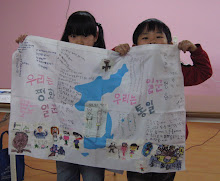
![[URGENT PLEA: In Update] EMERGENCY in GANGJEONG Since AUG. 24, 2011](https://blogger.googleusercontent.com/img/b/R29vZ2xl/AVvXsEiQvpaNf6EePZVucu97_JphYsFS5IgumnSiA4YAmen1PZcim6vMmW7XjZ7J6nLh-Cu36mwBN5n1evrA3ey0vYMpwlAGsgnSFggv6a1w4Qx9BvvqOB0hy0BIcBkL2Exfs3zIxBsBuDGa1kzg/s227/jejusit.jpg)


![[Solidarity from Japan for the Jeju] 253 individuals and 16 groups/organizations](https://blogger.googleusercontent.com/img/b/R29vZ2xl/AVvXsEivji7100kBkr0hzvqYfh4IBBilkZ6XgDIg89jOxS6kTssxsVKC6Wm-fZbKOEsiy3zcO-9gW6GHspD5R_2C9WsGx5S1Z5VPj_OVRF7H6dxdaT0S-2H1eqsDsYvIwOV26VscxTHnKmP5iZmh/s227/jeju_12_10j.jpg)

![[Translation] Korean organizations' statement: Immediately cancel the joint ROK-US drill Nov 26](https://blogger.googleusercontent.com/img/b/R29vZ2xl/AVvXsEgfKDMo-qyEjm5asUtHlREyJY_5Ou-2tyB8SH6aUxiViRbbKR-8W_rirFiGp5DYSoD_KaeNOPMWR0af0ZPUIbJKmR89ImDvADHsGAIqsJVBvJNBEIl5wLd3G_zhPDW3Z2SxsHXadOsXe8st/s227/1.jpg)
![HOT! [Hankyoreh Hani TV] Beneath the Surface: the investigation into the sinking of the Cheonan](https://blogger.googleusercontent.com/img/b/R29vZ2xl/AVvXsEh80rL3Qv9GnfHSqbYMfivdqX5gZN-1O_VQj3A_Gk3yjWdybHwJCsprA3l6cEQB0cYCP2oNeaLo2ohLGIy0Uqqkv_fRkBevGJ2f-qkKD5eP1ZGsKeQ-r-jHUUb79WvucIN7hpEtXza4xXCL/s227/HaniTV+Cheonan.gif)


![[Translation]Statement against illegal inspection and unjust lay-off by the Kunsan USAFK!(Nov_2010)](https://blogger.googleusercontent.com/img/b/R29vZ2xl/AVvXsEg3JlQ-lreusCIJo5Yv2e3ZrRwrSMUE7UQxlrDVjmBehl0Pa24QZIAbZ5vUpgnnExbkKL9PdCwxVYSHWJkr_XK0FM4EhU3CMFhqfborVNu_p4v3bEFpNm3ia-aEHnvMMuEBI27aB7_BETuJ/s227/gunsan+protest.gif)
![[Translation] Korean organizations' statement against dispatching special force to the UAE on Nov.](https://blogger.googleusercontent.com/img/b/R29vZ2xl/AVvXsEiU7TNhTDLLwZkKP0Z78JsCZKp6je-QSFll3_ThmLES_y_nPLXEzeakrsZXoNxhN5blopEhy6xGV2tneJrniPdTR-JvOQMmSLr_HhlucxFvbusxk4oKvvMO2laBOHSIkB9OOeOxrQlqCA0O/s227/antiwarpeace.jpg)
![[Translation] Stop, Joining MD!: South Korean activists' statement and writing on Oct. 25, 2010](https://blogger.googleusercontent.com/img/b/R29vZ2xl/AVvXsEggGIHVei8j7LCJPJB5HIrspd942q436daNTquP-pFd45Cl70Ml_1JFiFDHgKu6FcoqNgFVKIFqjeuSPau2k_BwGHhx0cqFFL2-4ybZSTlmua0_AsERBtKYQa7jZk7uNj41LX6rj2vksHbo/s227/StopMD.jpg)
![[In Update] People First, NO G-20 (Nov. 6 to 12, Korea)](https://blogger.googleusercontent.com/img/b/R29vZ2xl/AVvXsEhZl8VTqeL7o2ndliGIE-sZFCikbTgfB9KCc3AtZvDaYijBBEhdfultMEOpyrCaD5gzpH8mqfWjU20KXMbSUl-5KM7yQeHU6z3BWV8tiOy4UKaCudz9VKWoi5x58xdC_gQpJTjkR5u7O9xf/s227/left21_G20.jpg)
![[International Petition] Stop US helipad plan in Okinawa to save great nature](https://blogger.googleusercontent.com/img/b/R29vZ2xl/AVvXsEihgYmdb0N8ViPvTFC_5i-Psbt4eX_LnAUEOtZkUngv_pGvRyWag1r6W60NicLLyTgWq-sPT1hBxLY5SadEIVv5McfZQ5uIhe-W0VoflQNqojsYZjFW6AH-gB1jsmSDGnGuKIFk2UkvNbFG/s227/yanbaru_w.jpg)
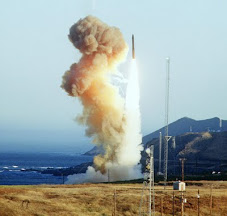
![[Global Network] against the first launch of Quasi-Zenith Satellite, Japan, on Sept. 11, 2010](https://blogger.googleusercontent.com/img/b/R29vZ2xl/AVvXsEj2sYpfodDDMIA7qXwuda0DmKapxXFB479fDnn8RKy7QNZqz0VEvWucNd-DleZ37hWNXC-Z8QtaqtM37VuPwac5SgclJ9_khBBSWOedvm19MRXIP1j1kcWrK6EW5IFjQdEEY2h7E6xuyNvC/s227/Qzss-45-0_09.jpg)
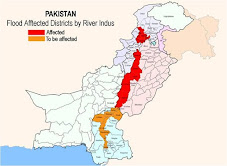
![[In update] Some collections on the Koreans’ protests against the sanction & war on Iran](http://4.bp.blogspot.com/_gnM5QlRx-4c/TJMvke6t8zI/AAAAAAAAFO4/tamQ8LUnOOA/S227/No+Sanction+on+Iran.jpg)
![[Three International Petitions] to End the Korean war and peace treaty(or peace resolution)](https://blogger.googleusercontent.com/img/b/R29vZ2xl/AVvXsEhlohLVYtpCg7iMsZhNYY4hBbhTi2dIheHMHWLDph9X2y78cjgZV1LeSfUJeu80elhJm70Q9E059q72lK-spSPvsRG4bPuCDIytltJB9IH3mWt9OG98HqhnTsPakwhvNeoCFUgF1xoxQ2EZ/s227/border.jpg)


![[Collection of Documents] No Base Learning and Solidarity Program_Korea(June 14 to 20, 2010)](https://blogger.googleusercontent.com/img/b/R29vZ2xl/AVvXsEix_HzjToh3nNGHBc-_5gasq-ykcaZ6GInLixILmZVyRJ5xoeHCxWOyYd9fSM7bmnuFsjSrYOGEPnQOwB1Dcyo-sN4Pw0cFPhUtKig_qlVnGL1Wi82ClvPqbEPWYhJiqdNF0DyzLIBETMB9/s227/No-Base-banner.jpg)
![Site Fwd:[John Hines] A U.S. Debate coach’s research trip on the Issues of Korea](https://blogger.googleusercontent.com/img/b/R29vZ2xl/AVvXsEg8yRra0zNhKHN74Auqhd3Nx9tZ7BWCGflRJHGH4CfzBT_yjhZ8Nl9b3OZuLpYWJ2exsjmR0oVl-Qq_cf832p2VdmOZhUi-lCFzCNeDSyVtweX1lWZPC-RlHmDMLtilHwHjNFTenBiM4Fk4/s227/Jeju-Peace-Tour.jpg)


![[News Update] Struggle Against the Jeju Naval Base since Jan. 18, 2010](https://blogger.googleusercontent.com/img/b/R29vZ2xl/AVvXsEhKfSTRC5QKBBSFIq_m7QIqXdlbL4-gF5GJYn9Q-pN__k7sV7uxGDcLY5L8xmU7QuWuUhBT_GhG-URBPO80RT3AfWfDrWJr06h1hFuZC6ZBVKe4U6PS1Cd7Kr6olO8TYQtk13Drox7IS6ea/s226/scrum1.jpg)


![[Urgent] Please spread the Letter!: There was no Explosion! There was no Torpedo! (May 26, 2010)](https://blogger.googleusercontent.com/img/b/R29vZ2xl/AVvXsEhSd2yWZ3xGwnJQXB73z5FgXCqSosAoB9_33-GLYprOmLqjmvgSAQp1BYI7e4slK1FDxHRi9KK4um-OpDaj8QOkXwAScVAgvvq6-ehbDA-hbkr96wT9oHNNmWnBPv8GU4hoZp9X8F9AZBX4/s227/grounded.jpg)
![Text Fwd: [Stephen Gowans]The sinking of the Cheonan: Another Gulf of Tonkin incident](https://blogger.googleusercontent.com/img/b/R29vZ2xl/AVvXsEi_L6hB3RZ1MovTXHe0A8yn_RfgMALGR0kM6poBuGp809xwvHtB_-PGWtS_WpyPWatyd9lB2pPqL2gOLc4dTCEdJ9sMvxJWEdapl-mMLm7WHAsV-jVpgqarVh8XBtdz_0c-Vohdh3HtJahD/s227/lee-myung-bak.jpg)
![[Japan Focus]Politics in Command: The "International" Investigation into the Sinking of the Cheonan](https://blogger.googleusercontent.com/img/b/R29vZ2xl/AVvXsEiHmTo8v-uCJnabRhMdnBAkC9J3s5bb2JsDKiT5leJHwbK8IDJHxfJmqQ_C0Is_bPC6UGMf05CA0exF2y4r2x9RhFUHT0kjsKviaME_MZXKnq775UyYAdb7w2SAzE75XvBfHp1al2q6i3cf/s227/wen_jiabao_and_lee_myungbak.png)
![[Japan Focus] Who Sank the SK Warship Cheonan? A New Stage in the US-Korean War and US-China](https://blogger.googleusercontent.com/img/b/R29vZ2xl/AVvXsEiKSS5ULT5QBaMGYpXXqBMX9jtwLwMLuK469b6Ku72GTJYKUObzTANaPjZqvvpPzYMJgPF53sjhvhK3DVa88ipYlggsJageykXlkxY6s8TW05xcU-_vfhf-pACUoaWuFbT-fsU1qEhm_yIi/s227/buoy_map.gif)
![[Updated on 12/13/10] [Translation Project] Overseas Proofs on the Damages by the Military Bases](https://blogger.googleusercontent.com/img/b/R29vZ2xl/AVvXsEikADE6JovUNspQyZUWVMTLAQg7yQNqXpVUbqZPk8f4uc_1723_xm1Cco6WAmstQXVPnaJAcb1mZA8Ny_3xONT_f5uh8MNLPnUhtqdGgy3HCtC1Vbbz4Q0ZY1Cssu-4cJEVNdrvznbS5UzO/s227/missile.jpg)
![[International Petition] Close the Bases in Okinawa](https://blogger.googleusercontent.com/img/b/R29vZ2xl/AVvXsEhNpQiHklwFbWVlFK7GDFXnBSOOSFEj3Il-We-N3uTDldKiidL2NGZs7X_LtTnatzTo_r8CexRkFe8NhfxYqmgp1knEEslROTfNjI5_mSb57cdbhPkftvanveYBaevAD9xuKDGoIxiTwoSb/s227/2.jpg)
![[In Update]Blog Collection: No Korean Troops in Afghanistan](https://blogger.googleusercontent.com/img/b/R29vZ2xl/AVvXsEjjEmCRXSNAG7_QBxKWbdksmxoWR4nyAovQTTdR1G2AuXh0jxtqNkI9OmYgYWRoLAJShvtBvE840QXuBWSVh3u3zMYqkNAFX6OWy3m5Nur4HM7uNK-pKT1ycyApJp-VLyhIFRRcoisYAh0E/s226/No-Troops-to--Afghanistan.jpg)


