* Text fwd from Rick Rozoff on March 9, 2011
JoongAng Daily
March 7, 2011
The power of trilateralism
By Michael Green
The writer is a senior advisor at the Center for Strategic and International Studies in Washington, D.C.
-In the 1990s, trilateral coordination began again in earnest, first with quiet trilateral defense and foreign ministerial meetings in Hawaii and then with a full-blown defense trilaterals in Seoul and Washington in 1997.
On the diplomatic side, William Perry inaugurated the Trilateral Coordination and Oversight Group to ensure alignment of U.S. approaches with Korea and Japan....
-[W]ithin parts of the Liberal Democratic Party and smaller conservative Japanese opposition parties there is a view that the government should take a stronger stand on Dokdo (which in Japan is called Takeshima).
***This stems not from any anti-Korean sentiment, but rather a frustration with how the DPJ government has let China and Russia push Japan around on the Senkaku and Kurile Islands disputes.***
The momentum behind trilateral U.S.-Korea-Japan security cooperation is strong.
By almost any measure we have reached the high water mark of trilateral cooperation among the United States, Korea and Japan. Japanese officers are now participating in U.S.-South Korea military exercises and South Korean officers are observing U.S.-Japan maneuvers.
The three countries'foreign ministers met Dec. 6 last year and are slated to have further meetings at the ASEAN Regional Forum this summer. The defense ministers will likely also meet on the margins of the Shangri-La defense forum in Singapore around the same time. Intelligence-sharing, diplomatic coordination and military dialogue are stronger than ever before.
This makes perfect sense, given the growing North Korean threat.....
Tighter trilateral coordination also puts indirect pressure on Beijing to hold Pyongyang accountable for its actions. As senior U.S. officials have been telling their Chinese counterparts: "We and our allies have to take steps to defend ourselves...you may have objections, but that is the consequence of China' passive response to the North' provocations."
Yes, Beijing has pressed Seoul and Washington to cease these measures, but we should point out to our Chinese colleagues that Beijing also engages in trilateral foreign ministerial meetings with India and Russia, and with Japan and Korea that exclude the United States. China also leads the Shanghai Cooperation Organization (SCO) which excludes the United States, Korea and Japan.
Trilateralism and minilateralism are part of the fabric of regional institution-building, together with broader inclusive forums like the East Asia Summit or the Asia Pacific Economic Cooperation (APEC) meetings. There is no need to apologize to Beijing and every reason to continue enhancing each of our security postures by coordinating between the U.S.-South Korea and U.S.-Japan alliances.
....
In 1969, President Richard Nixon coaxed from Japanese Prime Minister Eisaku Sato a public agreement that the defense of Korea is important to Japan, but the Japanese government refused to act on those words. In the 1990s, trilateral coordination began again in earnest, first with quiet trilateral defense and foreign ministerial meetings in Hawaii and then with a full-blown defense trilaterals in Seoul and Washington in 1997.
On the diplomatic side, William Perry inaugurated the Trilateral Coordination and Oversight Group to ensure alignment of U.S. approaches with Korea and Japan after the August 1998 North Korean Taepodong launch. But then trilateralism fell into disrepair after 2005 as President Roh Moo-hyun feuded with Tokyo over history issues and the U.S. negotiators in the six-party talks emphasized direct bilateral talks with the North unencumbered by trilateral (or often internal U.S.) coordination processes.
Public opinion polls in Korea and Japan today suggest a powerful convergence of views about both North Korea and China, and the governments in Seoul, Tokyo and Washington see trilateral coordination as a strong virtue.
....
There are...potential land mines ahead. In Japan, the Democratic Party has been relatively more sensitive to Korean views on history, but within parts of the Liberal Democratic Party and smaller conservative Japanese opposition parties there is a view that the government should take a stronger stand on Dokdo (which in Japan is called Takeshima).
***This stems not from any anti-Korean sentiment, but rather a frustration with how the DPJ government has let China and Russia push Japan around on the Senkaku and Kurile Islands disputes.*** It would be poor strategy for Japan to throw Korea in with the Russian and Chinese territorial disputes, but the current fluid political environment in Tokyo means anything is possible. Meanwhile, Russia has threatened to invite Chinese and Korean investment in the disputed Northern Territories in order to isolate Japan. Seoul should be extremely careful about enflaming Japanese nationalism by falling for this Russian ploy. Moscow, after all, benefits when Japan-Korea-U.S. ties are weaker.
In other words, the momentum behind trilateral U.S.-Korea-Japan security cooperation is strong and there are obvious benefits to all three nations -foreign and defense policies by staying on this course. But great vigilance and domestic diplomacy is necessary to ensure unwelcome irritants do not undercut the important solidarity....
====================================================================
Stop NATO e-mail list home page with archives and search engine:
http://groups.yahoo.com/group/stopnato/messages
Stop NATO website and articles:
http://rickrozoff.wordpress.com/
Showing posts with label Trilateral alliance. Show all posts
Showing posts with label Trilateral alliance. Show all posts
Thursday, March 10, 2011

Thursday, March 3, 2011
More Protest Photos: Stop the U.S.-SK Key Resolve Militray Exercise!
* See more photos by clicking the links
_______________________________
* Image source: Solidarity for Peace And Reunification of Korea, Feb. 28, 2011
평화와 통일을 여는 사람들, 2011년 2월 28일(클릭)
_______________________________
* Image source: Solidarity for Peace And Reunification of Korea, Feb. 28, 2011
평화와 통일을 여는 사람들, 2011년 2월 28일(클릭)


 _____________________________
* Image source: Solidarity for Peace And Reunification of Korea, March 2, 2011
평화와 통일을 여는 사람들, 2011년 3월 2일(클릭) No psychology warfare against North Korea!
_____________________________
* Image source: Solidarity for Peace And Reunification of Korea, March 1, 2011
평화와 통일을 여는 사람들, 2011년 3월 1일(클릭)


No ROK-Japan militray agreement! No US-Japan-ROK trilateral militray alliance!
________________________________________
* Image source: People's Solidarity for Participatory Democracy, Feb. 28, 2011 참여 연대, 2011년 2월 28일(클릭) 
 Stop the Key Resolve!
Thursday, January 20, 2011
Text Fwd: Obama, Hu call on N. Korea to stop provocations, abide by denuclearization commitment
Yonhap News
Obama, Hu call on N. Korea to stop provocations, abide by denuclearization commitment
By Hwang Doo-hyong
WASHINGTON, Jan. 19 (Yonhap) -- The United States and China Wednesday called on North Korea to stop provocations and abide by its denuclearization pledge.
Speaking at a joint press conference at the White House with Chinese President Hu Jintao, U.S. President Barack Obama said, "I told President Hu that we appreciated China's role in reducing tensions on the Korean Peninsula. And we agreed that North Korea must avoid further provocations. We agreed that the paramount goal must be complete denuclearization of the peninsula."
[..]
The dialogue extensively touched upon North Korea, Iran's nuclear ambitions, the Chinese currency yuan's revaluation, human rights and climate change, the leaders said.
Hu later attended a luncheon at the State Department hosted by Vice President Joe Biden and Secretary Hillary Clinton, and visited a new Chinese embassy complex before attending a state dinner at the White House. On Thursday, Hu will visit congressional leaders on Capitol Hill and give a speech at a luncheon meeting with business leaders before leaving for Chicago later in the day.
"North Korea's nuclear and ballistic missile program is increasingly a direct threat to the security of the United States and our allies," Obama said.
Obama was apparently referring to remarks by U.S. Defense Secretary Robert Gates, who said last week that North Korea's missiles and nuclear weapons will pose a threat to the U.S. within five years and urged the North to impose a moratorium on nuclear and missile testing to help revive the six-party nuclear talks.
READ MORE
Obama, Hu call on N. Korea to stop provocations, abide by denuclearization commitment
By Hwang Doo-hyong
WASHINGTON, Jan. 19 (Yonhap) -- The United States and China Wednesday called on North Korea to stop provocations and abide by its denuclearization pledge.
Speaking at a joint press conference at the White House with Chinese President Hu Jintao, U.S. President Barack Obama said, "I told President Hu that we appreciated China's role in reducing tensions on the Korean Peninsula. And we agreed that North Korea must avoid further provocations. We agreed that the paramount goal must be complete denuclearization of the peninsula."
[..]
The dialogue extensively touched upon North Korea, Iran's nuclear ambitions, the Chinese currency yuan's revaluation, human rights and climate change, the leaders said.
Hu later attended a luncheon at the State Department hosted by Vice President Joe Biden and Secretary Hillary Clinton, and visited a new Chinese embassy complex before attending a state dinner at the White House. On Thursday, Hu will visit congressional leaders on Capitol Hill and give a speech at a luncheon meeting with business leaders before leaving for Chicago later in the day.
"North Korea's nuclear and ballistic missile program is increasingly a direct threat to the security of the United States and our allies," Obama said.
Obama was apparently referring to remarks by U.S. Defense Secretary Robert Gates, who said last week that North Korea's missiles and nuclear weapons will pose a threat to the U.S. within five years and urged the North to impose a moratorium on nuclear and missile testing to help revive the six-party nuclear talks.
READ MORE
Wednesday, January 19, 2011
Text Fwd: N. Korea nurtured growing bond among S. Korea, U.S., Japan: official
 Derek Mitchell (L), U.S. principal deputy assistant secretary of defense for Asian and Pacific Security Affairs, speaks at a symposium in Seoul on Jan. 18. (Yonhap)
 Yonhap News
N. Korea nurtured growing bond among S. Korea, U.S., Japan: official
N. Korea nurtured growing bond among S. Korea, U.S., Japan: official SEOUL, Jan. 18 (Yonhap) -- A senior U.S. defense official said Tuesday that North Korea's warlike behavior was a catalyst for stronger ties to develop among some of the communist regime's nearest neighbors, as South Korea, the United States and Japan sought joint measures against North Korean threats.
"Certainly, North Korea has played a central role in facilitating the development of trilateral cooperation over the years," Derek Mitchell, principal deputy assistant secretary of defense for Asian and Pacific Security Affairs, said during a trilateral foreign policy symposium in Seoul that brought together officials and experts from the three allies.
N. Korea nurtured growing bond among S. Korea, U.S., Japan: official
N. Korea nurtured growing bond among S. Korea, U.S., Japan: official SEOUL, Jan. 18 (Yonhap) -- A senior U.S. defense official said Tuesday that North Korea's warlike behavior was a catalyst for stronger ties to develop among some of the communist regime's nearest neighbors, as South Korea, the United States and Japan sought joint measures against North Korean threats.
"Certainly, North Korea has played a central role in facilitating the development of trilateral cooperation over the years," Derek Mitchell, principal deputy assistant secretary of defense for Asian and Pacific Security Affairs, said during a trilateral foreign policy symposium in Seoul that brought together officials and experts from the three allies.
Trilateral coordination began in the 1990s with a focus on North Korea's nuclear and missile development, but the country's recent erratic behavior has added greater momentum to three-way activities, Mitchell said, blaming Pyongyang for the deadly sinking of a South Korean warship last March and the unprovoked shelling of a southern border island in November. Fifty South Koreans died in the two incidents.
"We have demonstrated repeatedly that far from dividing us, it has only strengthened our mutual resolve, unity and common purpose," he said.
The assistant secretary, however, stressed that trilateral cooperation should not be limited to security concerns in relation to North Korea, and called for constructive joint efforts in promoting sustainable economic development and energy production worldwide, preventing pandemic flu outbreaks and fighting piracy off the coast of Africa, among other issues.
In support of such ideas, one Japanese delegate proposed a venue for such three-way cooperation to reach higher levels.
"Some of the issues that the three countries could cooperate ... may include, first, hosting a trilateral foreign and defense ministers' meeting -- so-called 2+2+2," said Yasuhisa Shiozaki, an opposition party member of the Japanese House of Representatives.
His suggestion comes a week after the South Korean and Japanese defense chiefs agreed to work toward a military cooperation agreement during a meeting in Seoul, paving the way for the first pact of its kind since Tokyo's brutal occupation of Korea in the early 20th century.
Shiozaki stressed that South Korea and Japan will face an "existential threat" if North Korea continues to develop nuclear weapons under the protection of its chief ally and benefactor China.
hague@yna.co.kr
(END)
"We have demonstrated repeatedly that far from dividing us, it has only strengthened our mutual resolve, unity and common purpose," he said.
The assistant secretary, however, stressed that trilateral cooperation should not be limited to security concerns in relation to North Korea, and called for constructive joint efforts in promoting sustainable economic development and energy production worldwide, preventing pandemic flu outbreaks and fighting piracy off the coast of Africa, among other issues.
In support of such ideas, one Japanese delegate proposed a venue for such three-way cooperation to reach higher levels.
"Some of the issues that the three countries could cooperate ... may include, first, hosting a trilateral foreign and defense ministers' meeting -- so-called 2+2+2," said Yasuhisa Shiozaki, an opposition party member of the Japanese House of Representatives.
His suggestion comes a week after the South Korean and Japanese defense chiefs agreed to work toward a military cooperation agreement during a meeting in Seoul, paving the way for the first pact of its kind since Tokyo's brutal occupation of Korea in the early 20th century.
Shiozaki stressed that South Korea and Japan will face an "existential threat" if North Korea continues to develop nuclear weapons under the protection of its chief ally and benefactor China.
hague@yna.co.kr
(END)
Tuesday, January 18, 2011
Text Fwd: East Asia’s military buildup sparks concern
 * Image source: same as the link
_______________________________________
*Text thanks to Mr. Go Gwon-Il
* On the SPARK missile, see here
* 스파크 미사일에 대해서 여기를 보시길. (고권일 선생님 링크 제공)___________________________________________
Korea Times
East Asia’s military buildup sparks concern
Jan. 17, 2011
By Kang Hyun-kyung
Some defense watchers note that East Asian nations are becoming more conservative of late, voicing concern that this could raise the possibility of an arms buildup in the region.
They allege that an assertive China and provocative North Korea together are playing a role in changing the security landscape, adding this could motivate regional players to upgrade their weapons’ capability.
The concern was addressed days before U.S. President Barack Obama will meet with his Chinese counterpart Hu Jintao in Washington to discuss issues of mutual concern.
The Obama-Hu summit coincides with a growing concern in Seoul over the Cold War-like confrontations between the blocs of South Korea, the United States and Japan, and China and North Korea looming large on the Korean Peninsula.
“When China bashes Japan about the islands (Senkaku in Japanese and Daioyu in Chinese); that has a strong impact on Japanese behavior and also on Korean behavior,” a U.S. defense expert told The Korea Times last week on condition of anonymity.
“North Korea on the nuclear front especially prompts the Japanese to think that a missile defense system is good, but I think Chinese behavior is much more important in shaping the general need for security in the region.”
The expert noted that there was a possibility of an arms race in East Asia.
His remarks came days after photos and images of a Chinese radar-evading stealth fighter, the J-20, surfaced.
The Chinese version of “a show of force” came at a time when Seoul and Tokyo agreed to seek their first-ever bilateral military agreement after Washington called on the two sides to work closely to deter North Korean aggression.
Washington reportedly wants Japan’s Self-Defense Forces to take a larger role in regional security.
Upgrading missile defense
While seeking military ties with Japan, the South Korean military announced a plan to deploy Israeli-built precision-guided anti-tank missiles on Yeonpyeong Island in February. The island was devastated by a deadly North Korean attack last November.
The embryonic trilateral military partnership among South Korea, Japan and the United States appears to have made China uncomfortable.
William Tobey, senior fellow at the Harvard University Belfer Center for Science and International Affairs, told The Korea Times last week that some Chinese have complained that the ties were aimed at countering China.
Tobey travelled to China before arriving in Seoul. The former U.S. National Security Council staffer met with several academics there and made the point that China needed to do more to rein in North Korea as the latter’s provocations work against its interests.
Earlier, Japan unveiled plans to field three additional Patriot advanced missile interceptor units and expedite production of Aegis missile defense warships.
Although Japan said the plan was focused on North Korea after it sank the warship Cheonan in March, unveiled an enriched uranium program and shelled Yeonpyeong, China reacted nervously.
A Chinese diplomat was quoted as saying in December that China will have no other choice but to respond by enhancing its own military capabilities.
China’s unveiling of the new stealth fighter came while U.S. Defense Secretary Gates was visiting the country.
The U.S. defense chief told reporters that he learned “the test spin of the stealth fighter had absolutely nothing to do with the visit and had been a pre-planned test.”
However, Gates expressed worries over Beijing’s progress in developing anti-ship cruise and ballistic missiles as he believed this could potentially target U.S. vessels in East Asia.
Asked about Chinese motives behind the timing of the test of the fighter, William Tobey speculated there might be a rift among Chinese policymakers over the decision.
“It’s totally difficult to speculate on their motives. The Chinese government may not be united. It may be that some people wanted to point this out regardless of what President Hu wanted and took advantage of that timing to reveal their firepower,” he said.
Tobey stressed that North Korea’s bad behavior increases the need for missile defense and this makes for a continuing presence of U.S. troops on the Korean Peninsula.
It may increase the proliferation of nuclear weapons and other things that run counter to Chinese security interests, he noted, adding it was less North Korea but “the China factor” behind East Asian nations’ interests in missile systems.
“I think Chinese behavior last year has also been provocative. It’s not clear why. Whether the People’s Liberation Army has been enhanced or whether there is a succession crisis in Beijing. Everyone is moving to the right,” the U.S. expert said.
Xi Jinping, vice president of China, was appointed last October as one of the vice chairmen of the Central Military Commission, a move seen as a key step toward his succession in two year’s time.
Xi is reportedly on track to become Communist Party general secretary when President Hu Jintao’s term ends in 2012 and President in 2013.
Military buildup: 한중일, 미사일 방어체제 강화
한반도 긴장이 계속되면서 동아시아 국가들간 군비증강 움직임이 공통적으로 포착되고 있다. 미국 국방 전문가들은 한국, 중국, 일본에서 미사일 방위체제에 대한 관심이 증대되고 있는 점에 주목하고 있으며, 일부는 이러한 움직임이 탈냉전 시대에 군비경쟁으로 이어질 가능성도 배제할 수 없다고 지적한다.
한국은 스파이크 미사일을 연평도에 배치할 예정이며, 중국은 게이츠 미국방장관이 중국을 방문한 시점에 신형 스텔스 전투기를 선보이며 긴장을 조성한 바 있다.
일본은 작년 12월 북한의 도발에 대응하기 위해 미사일 체제를 강화할 것임을 밝힌 바 있다.
미국 전문가들은 북한의 한반도 도발과 중국이 작년 센카쿠 열도를 둘러싼 영토분쟁을 통해 보여준 공세적인 자세가 일본이 미사일 방어체제에 관심을 갖는 이유라고 분석한다.
Korea Times
East Asia’s military buildup sparks concern
Jan. 17, 2011
By Kang Hyun-kyung
Some defense watchers note that East Asian nations are becoming more conservative of late, voicing concern that this could raise the possibility of an arms buildup in the region.
They allege that an assertive China and provocative North Korea together are playing a role in changing the security landscape, adding this could motivate regional players to upgrade their weapons’ capability.
The concern was addressed days before U.S. President Barack Obama will meet with his Chinese counterpart Hu Jintao in Washington to discuss issues of mutual concern.
The Obama-Hu summit coincides with a growing concern in Seoul over the Cold War-like confrontations between the blocs of South Korea, the United States and Japan, and China and North Korea looming large on the Korean Peninsula.
“When China bashes Japan about the islands (Senkaku in Japanese and Daioyu in Chinese); that has a strong impact on Japanese behavior and also on Korean behavior,” a U.S. defense expert told The Korea Times last week on condition of anonymity.
“North Korea on the nuclear front especially prompts the Japanese to think that a missile defense system is good, but I think Chinese behavior is much more important in shaping the general need for security in the region.”
The expert noted that there was a possibility of an arms race in East Asia.
His remarks came days after photos and images of a Chinese radar-evading stealth fighter, the J-20, surfaced.
The Chinese version of “a show of force” came at a time when Seoul and Tokyo agreed to seek their first-ever bilateral military agreement after Washington called on the two sides to work closely to deter North Korean aggression.
Washington reportedly wants Japan’s Self-Defense Forces to take a larger role in regional security.
Upgrading missile defense
While seeking military ties with Japan, the South Korean military announced a plan to deploy Israeli-built precision-guided anti-tank missiles on Yeonpyeong Island in February. The island was devastated by a deadly North Korean attack last November.
The embryonic trilateral military partnership among South Korea, Japan and the United States appears to have made China uncomfortable.
William Tobey, senior fellow at the Harvard University Belfer Center for Science and International Affairs, told The Korea Times last week that some Chinese have complained that the ties were aimed at countering China.
Tobey travelled to China before arriving in Seoul. The former U.S. National Security Council staffer met with several academics there and made the point that China needed to do more to rein in North Korea as the latter’s provocations work against its interests.
Earlier, Japan unveiled plans to field three additional Patriot advanced missile interceptor units and expedite production of Aegis missile defense warships.
Although Japan said the plan was focused on North Korea after it sank the warship Cheonan in March, unveiled an enriched uranium program and shelled Yeonpyeong, China reacted nervously.
A Chinese diplomat was quoted as saying in December that China will have no other choice but to respond by enhancing its own military capabilities.
China’s unveiling of the new stealth fighter came while U.S. Defense Secretary Gates was visiting the country.
The U.S. defense chief told reporters that he learned “the test spin of the stealth fighter had absolutely nothing to do with the visit and had been a pre-planned test.”
However, Gates expressed worries over Beijing’s progress in developing anti-ship cruise and ballistic missiles as he believed this could potentially target U.S. vessels in East Asia.
Asked about Chinese motives behind the timing of the test of the fighter, William Tobey speculated there might be a rift among Chinese policymakers over the decision.
“It’s totally difficult to speculate on their motives. The Chinese government may not be united. It may be that some people wanted to point this out regardless of what President Hu wanted and took advantage of that timing to reveal their firepower,” he said.
Tobey stressed that North Korea’s bad behavior increases the need for missile defense and this makes for a continuing presence of U.S. troops on the Korean Peninsula.
It may increase the proliferation of nuclear weapons and other things that run counter to Chinese security interests, he noted, adding it was less North Korea but “the China factor” behind East Asian nations’ interests in missile systems.
“I think Chinese behavior last year has also been provocative. It’s not clear why. Whether the People’s Liberation Army has been enhanced or whether there is a succession crisis in Beijing. Everyone is moving to the right,” the U.S. expert said.
Xi Jinping, vice president of China, was appointed last October as one of the vice chairmen of the Central Military Commission, a move seen as a key step toward his succession in two year’s time.
Xi is reportedly on track to become Communist Party general secretary when President Hu Jintao’s term ends in 2012 and President in 2013.
Military buildup: 한중일, 미사일 방어체제 강화
한반도 긴장이 계속되면서 동아시아 국가들간 군비증강 움직임이 공통적으로 포착되고 있다. 미국 국방 전문가들은 한국, 중국, 일본에서 미사일 방위체제에 대한 관심이 증대되고 있는 점에 주목하고 있으며, 일부는 이러한 움직임이 탈냉전 시대에 군비경쟁으로 이어질 가능성도 배제할 수 없다고 지적한다.
한국은 스파이크 미사일을 연평도에 배치할 예정이며, 중국은 게이츠 미국방장관이 중국을 방문한 시점에 신형 스텔스 전투기를 선보이며 긴장을 조성한 바 있다.
일본은 작년 12월 북한의 도발에 대응하기 위해 미사일 체제를 강화할 것임을 밝힌 바 있다.
미국 전문가들은 북한의 한반도 도발과 중국이 작년 센카쿠 열도를 둘러싼 영토분쟁을 통해 보여준 공세적인 자세가 일본이 미사일 방어체제에 관심을 갖는 이유라고 분석한다.
Sunday, January 16, 2011
Photos Fwd: [SPARK] Stop the drive for ROK-Japan joint security statement! immediately resume the NK-Japan talk!
_____________________________________
* 2011년 1월 15일 한일 외교장관회담에 즈음한 정당사회단체 공동 기자회견문
: 한일 안보공동선언 추진 중단! 북일 대화 즉각 재개! (클릭)
* You can see the original Korean joint statement by the Korean parties and civic organizations upon the meeting by the foreign ministers of Japan and Korea on Jan. 15, HERE.
_____________________________________
* All the image source: Solidarty for Peace And Reunification of Korea, Jan. 15, 2011
평화와 통일을 여는 사람들, 2011년 1월 15일
 No JSDF into the Korean peninsula!
 No ROK-Japan joint security statement! Immediately resume the NK-Japan talks!
_______________________________
[SPARK upon the visit by Gates, Secretary of Defense, United States, on Jan. 14, 2011]Stop the Military Oppression against North Korea! Immediately enter the peace talks!
* 2011년 1월 15일 한일 외교장관회담에 즈음한 정당사회단체 공동 기자회견문
: 한일 안보공동선언 추진 중단! 북일 대화 즉각 재개! (클릭)
* You can see the original Korean joint statement by the Korean parties and civic organizations upon the meeting by the foreign ministers of Japan and Korea on Jan. 15, HERE.
_____________________________________
* All the image source: Solidarty for Peace And Reunification of Korea, Jan. 15, 2011
평화와 통일을 여는 사람들, 2011년 1월 15일

The banner reads:
Stop the drive for ROK-Japan joint security statement! Immediately resume the NK-Japan talk!
In front of the Ministry of Foreign Affairs and Trade, upon the visit by Seiji Maehara, Foreign Minister of Japan, Jan. 15, 2011
 No JSDF into the Korean peninsula!
 No ROK-Japan joint security statement! Immediately resume the NK-Japan talks!
_______________________________
* Related news
Japanese FM urges NK to take concrete action
Jan. 15, 2011
Japanese FM urges N. Korea to take concrete action, improve ties with S. Korea
Jan. 15, 2011
_______________________________
* Related blogs
* Related blogs
[SPARK upon the visit by Gates, Secretary of Defense, United States, on Jan. 14, 2011]Stop the Military Oppression against North Korea! Immediately enter the peace talks!
Text Fwd: Clinton urges China to vigorously implement sanctions on N. Korea
Yonhap News
Clinton urges China to vigorously implement sanctions on N. Korea
2011/01/15 02:04 KST
U.S. Secretary of State Hillary Clinton called on China Friday to faithfully implement sanctions on North Korea, imposed by U.N. resolutions, for the North's nuclear and missile tests in the past years.
In a speech at the State Department ahead of Chinese President Hu Jintao's visit here early next week, Clinton said, "Until North Korea demonstrates in concrete ways its intention to keep its commitments, China, along with the international community, must vigorously enforce the sanctions adopted by the Security Council last year."
North Korea will be among major topics when U.S. President Barack Obama meets with Hu for a summit meeting and a state dinner Wednesday, U.S. officials have said, in what is being called the most crucial Sino-U.S. summit in decades due to China's emergence as an economic and military power that will challenge U.S. supremacy.
Other issues high on the agenda include the revaluation of China's yuan currency, human rights, Iran's nuclear ambitions and improving bilateral ties.
[..]
Seoul and Washington insist that Pyongyang apologize for the provocations before any resumption of bilateral or multilateral talks.
"We are building momentum in support of North-South dialogue that respects the legitimate concerns of our South Korean ally and that can set the stage for meaningful talks on implementing North Korea's 2005 commitment to irreversibly end its nuclear program," Clinton said.
China, the North's staunchest ally, has called for an early, unconditional resumption of the six-party talks.
Clinton also expressed concerns over North Korea's nuclear and missile capabilities.
"North Korea's nuclear and ballistic missile programs are becoming a direct threat to the United States itself," she said. "So this is not just about peace and stability in Northeast Asia, nor standing with our allies; this is becoming, unfortunately, more of a national security challenge to our own shores."
She was echoing Defense Secretary Robert Gates, who said in Beijing Tuesday that North Korea's missiles and nuclear weapons will pose a threat to the U.S. within five years. Gates also urged North Korea to impose a moratorium on nuclear and missile testing to help revive the six-party nuclear talks.
The chief U.S. defense official met with South Korean officials in Seoul earlier Friday in the third and last leg of his three-nation tour of Beijing, Tokyo and Seoul.
[..]
Clinton urges China to vigorously implement sanctions on N. Korea
2011/01/15 02:04 KST
U.S. Secretary of State Hillary Clinton called on China Friday to faithfully implement sanctions on North Korea, imposed by U.N. resolutions, for the North's nuclear and missile tests in the past years.
In a speech at the State Department ahead of Chinese President Hu Jintao's visit here early next week, Clinton said, "Until North Korea demonstrates in concrete ways its intention to keep its commitments, China, along with the international community, must vigorously enforce the sanctions adopted by the Security Council last year."
North Korea will be among major topics when U.S. President Barack Obama meets with Hu for a summit meeting and a state dinner Wednesday, U.S. officials have said, in what is being called the most crucial Sino-U.S. summit in decades due to China's emergence as an economic and military power that will challenge U.S. supremacy.
Other issues high on the agenda include the revaluation of China's yuan currency, human rights, Iran's nuclear ambitions and improving bilateral ties.
[..]
Seoul and Washington insist that Pyongyang apologize for the provocations before any resumption of bilateral or multilateral talks.
"We are building momentum in support of North-South dialogue that respects the legitimate concerns of our South Korean ally and that can set the stage for meaningful talks on implementing North Korea's 2005 commitment to irreversibly end its nuclear program," Clinton said.
China, the North's staunchest ally, has called for an early, unconditional resumption of the six-party talks.
Clinton also expressed concerns over North Korea's nuclear and missile capabilities.
"North Korea's nuclear and ballistic missile programs are becoming a direct threat to the United States itself," she said. "So this is not just about peace and stability in Northeast Asia, nor standing with our allies; this is becoming, unfortunately, more of a national security challenge to our own shores."
She was echoing Defense Secretary Robert Gates, who said in Beijing Tuesday that North Korea's missiles and nuclear weapons will pose a threat to the U.S. within five years. Gates also urged North Korea to impose a moratorium on nuclear and missile testing to help revive the six-party nuclear talks.
The chief U.S. defense official met with South Korean officials in Seoul earlier Friday in the third and last leg of his three-nation tour of Beijing, Tokyo and Seoul.
[..]
Saturday, January 15, 2011
Photos Fwd: [SPARK] Stop the Military Oppression against North Korea! Immediately enter the peace talks!
* Image description comes later
_______________________________
평화와 통일을 여는 사람들 로버트 게이츠 미국 국방장관 방한 대응 기자회견문
: 대북 군사적 압박 중단하고 평화협정 협상에 즉각 나서라!
(* To see the Korean language statement, click above)
_______________________________
* All the image source: Solidarity for Peace And Reunification of Korea, Jan. 14, 2011
Press interview upon the visit by Robert Gates, Defense Secretary of the United States
:Stop the Military Oppression against North Korea! Immediately Enter the Peace talks!
In front of Ministry of National Defense, 1pm, Jan, 14, 2011
로버트 게이츠 미국 국방장관 방한 대응 기자회견
대북 군사적 압박 중단하고 평화협정 협상에 즉각 나서라!
- 2011년 1월 14일 오후 1시, 국방부 정문 앞 -
 Go Back! Gates who continues military oppression against North Korea!

One of the signs reads:
We denounce ROK-US authorities that drive for Missile Defense, under the pretext of threat from North Korea!
 “It seems that the mention of ‘necessary measure to protect the United States’ that the US government authority figures said contains the U.S. oppression with which she would enter for the establishment of MD, along with ROK and Japan, targeting China, in case China does not make pressure North Korea. That shows how the U.S. is abusing the intense situation of Korean peninsula in building blockage against China, not only against North Korea." (part transaltion from the SPARK statment)
___________________________________

See also
Yonhap News
Lee reminds Gates of urgency for denuclearizing N. Korea
2011/01/14 17:19 KST
_______________________________
평화와 통일을 여는 사람들 로버트 게이츠 미국 국방장관 방한 대응 기자회견문
: 대북 군사적 압박 중단하고 평화협정 협상에 즉각 나서라!
(* To see the Korean language statement, click above)
_______________________________
* All the image source: Solidarity for Peace And Reunification of Korea, Jan. 14, 2011
Press interview upon the visit by Robert Gates, Defense Secretary of the United States
:Stop the Military Oppression against North Korea! Immediately Enter the Peace talks!
In front of Ministry of National Defense, 1pm, Jan, 14, 2011
로버트 게이츠 미국 국방장관 방한 대응 기자회견
대북 군사적 압박 중단하고 평화협정 협상에 즉각 나서라!
- 2011년 1월 14일 오후 1시, 국방부 정문 앞 -
 Go Back! Gates who continues military oppression against North Korea!
One of the signs reads:
We denounce ROK-US authorities that drive for Missile Defense, under the pretext of threat from North Korea!
 “It seems that the mention of ‘necessary measure to protect the United States’ that the US government authority figures said contains the U.S. oppression with which she would enter for the establishment of MD, along with ROK and Japan, targeting China, in case China does not make pressure North Korea. That shows how the U.S. is abusing the intense situation of Korean peninsula in building blockage against China, not only against North Korea." (part transaltion from the SPARK statment)
___________________________________

See also
Yonhap News
Lee reminds Gates of urgency for denuclearizing N. Korea
2011/01/14 17:19 KST
Text Fwd: Gates: U.S. troops needed in Japan to keep China, North Korea in check
* Text sent by Mr. Lee Haeng-Woo and Bruce Gagnon on Jan. 14, 2011
Gates Signals U.S. Is Flexible on Moving Air Base in Japan
By MARTIN FACKLER and ELISABETH BUMILLER
Thank God men cannot fly, and lay waste the sky as well as the earth. ~Henry David Thoreau
Gates Signals U.S. Is Flexible on Moving Air Base in Japan
By MARTIN FACKLER and ELISABETH BUMILLER
TOKYO — Striking a conciliatory tone on an issue that has divided Japan and the United States, Defense Secretary Robert M. Gates said Thursday that the Obama administration would follow Tokyo’s lead in working to relocate an American air base on Okinawa.
During talks with Japanese leaders in Tokyo, Mr. Gates said he also discussed a sophisticated new antimissile system that the United States is jointly developing with the Japanese, and the two nations’ response to North Korea’s recent military provocations against the South.
But a top item on the agenda was the relocation of the United States Marine Corps Air Station Futenma, an emotional issue here that drove an uncharacteristic wedge between the allies last year when the prime minister at the time, Yukio Hatoyama, wavered on whether to keep the base on Okinawa.
While the two nations finally agreed in May to relocate the noisy helicopter base to a less populated part of Okinawa by 2014, local resistance has made that time frame look increasingly unrealistic.
On Thursday, Mr. Gates said the administration did not want the Futenma issue to overshadow the countries’ overall security alliance, which last year reached its 50th anniversary. He signaled that the United States was willing to be flexible in allowing Tokyo to resolve the domestic political resistance to the relocation plan.
“We do understand that it is politically a complex matter in Japan,” he said after meeting Defense Minister Toshimi Kitazawa. “And we intend to follow the lead of the Japanese government in working with the people of Okinawa to take their interests and their concerns into account.”
The softer tone is a departure from Mr. Gates’s visit to Tokyo in October 2009, when he pushed Mr. Hatoyama’s fledgling government to honor an earlier deal to relocate the base on Okinawa. Those pressure tactics backfired, creating resentment in the government that the United States was trying to bully it.
Mr. Hatoyama eventually stepped down amid criticism that he had mishandled the alliance. His successor, Prime Minister Naoto Kan, has worked to strengthen security ties with Tokyo’s traditional protector.
At Keio University in Tokyo on Friday, Mr. Gates said the rising tensions in the region, including North Korea’s pursuit of nuclear weapons and China’s expanding military, made it essential to fortify the security alliance between the United States and Japan. “Our alliance is more necessary, more relevant and more important than ever,” he said.
He said it was essential for American military forces to remain in Japan, particularly as a deterrent against North Korean aggression and the ever-bolder Chinese armed forces. Without the American presence, he said, “North Korea’s military provocations could be even more dangerous or worse.” China, he said, “might behave more assertively towards its neighbors.”
On Thursday, Mr. Gates and Mr. Kitazawa discussed one of the nations’ largest joint projects, the development of the antimissile system, which will be fired from ships to intercept larger ballistic missiles in midflight.
Washington wants to be able to sell the system, known as the SM-3, to other nations, including possibly South Korea. But that would require Japan to rewrite its tight restrictions on weapons exports, a pillar of the nation’s post-World War II pacifism.
While Mr. Gates said Washington hoped to defray development costs by exporting the system, he was aware that this was a delicate matter in Japan. “It makes economic sense to make it available to others,” he said of the new interceptor. “But we understand there are certain processes that have to be gone through here.”
Prime Minister Kan has called for a public debate on revising the restrictions, a step that many Japanese see as necessary for closer security cooperation with the United States in responding to China and North Korea.
Mr. Gates, whose next stop is South Korea, said he had asked Japan for help in pressuring the North not to strike South Korea again. He has said he is worried that South Korea might feel forced to make a strong retaliation after already suffering North Korean attacks last year on an island and a warship. Pyongyang has denied involvement in the sinking of the warship.
“It’s a longstanding principle that every country has the right to protect itself and defend itself against an unprovoked attack,” Mr. Gates said. “The objective that we all have in common is, how do we prevent another provocation from taking place?”
Global Network Against Weapons & Nuclear Power in Space
PO Box 652
Brunswick, ME 04011
(207) 443-9502
globalnet@mindspring.com
www.space4peace.org
http://space4peace.blogspot.com/ (blog)
PO Box 652
Brunswick, ME 04011
(207) 443-9502
globalnet@mindspring.com
www.space4peace.org
http://space4peace.blogspot.
Thank God men cannot fly, and lay waste the sky as well as the earth. ~Henry David Thoreau
Text Fwd: Gates, ministers agree on deepening alliance
* Text from Corazon Valdez Fabros on Jan. 14, 2011
The Yomiuri Shimbun
Gates, ministers agree on deepening alliance
Jan. 14, 2011
Prime Minister Naoto Kan and other Japanese leaders agreed Thursday with visiting U.S. Defense Secretary Robert Gates that the two countries will work together to deepen their alliance.
Gates met separately with Kan, Defense Minister Toshimi Kitazawa and Foreign Minister Seiji Maehara in the morning.
Given the increasingly uncertain situation on the Korean Peninsula as a result of North Korea's nuclear development program and its shelling of a South Korean island, they also reaffirmed the significance of U.S. forces' presence in the Asia-Pacific region and of defense cooperation between Japan, South Korea and the United States.
In addition, they agreed to work to strengthen the bilateral alliance by the time Kan is scheduled to visit the United States in spring.
"We'd like to make progress toward deepening the Japan-U.S. alliance," Kan told Gates at the start of their meeting at the Prime Minister's Office.
In response, Gates said he was looking forward to discussing what must be done to further solidify the two countries' ties.
In the meetings between Gates and the Japanese ministers, the two countries confirmed their policy of promoting the Japan-U.S. agreement in May over the relocation of the U.S. Marine Corps' Futenma Air Station in Okinawa Prefecture.
However, when it came to reducing the burden on Okinawa Prefecture of hosting U.S. military facilities, Gates stopped short of making any pledges.
When Maehara sought U.S. cooperation in resolving the issue, Gates replied that the matter was closely linked with the relocation of Futenma and that steps would be taken in line with progress on that point, according to government officials.
As a specific measure to reduce the burden on Okinawa, Kitazawa asked Gates to promote negotiations on a plan to move some training functions of F-15 fighters stationed at Kadena Air Base in the prefecture to the U.S. territory of Guam, the officials said.
After their meeting, Kitazawa and Gates held a joint press conference at the Defense Ministry, in which Gates indicated the United States would observe the development of negotiations between the central government and the Okinawa prefectural government.
They said the two countries had agreed on the importance of enhancing cooperation between Japan, South Korea and the United States in dealing with North Korea.
Gates sought cooperation from Japan on the provision to third countries of the Standard Missile-3 Block 2A, a next-generation sea-based missile interceptor jointly developed by Japan and the United States.
"It makes economic sense to make it available to others," Gates said.
Kitazawa said the government hopes to make a decision by the end of the year.
The Yomiuri Shimbun
Gates, ministers agree on deepening alliance
Jan. 14, 2011
Prime Minister Naoto Kan and other Japanese leaders agreed Thursday with visiting U.S. Defense Secretary Robert Gates that the two countries will work together to deepen their alliance.
Gates met separately with Kan, Defense Minister Toshimi Kitazawa and Foreign Minister Seiji Maehara in the morning.
Given the increasingly uncertain situation on the Korean Peninsula as a result of North Korea's nuclear development program and its shelling of a South Korean island, they also reaffirmed the significance of U.S. forces' presence in the Asia-Pacific region and of defense cooperation between Japan, South Korea and the United States.
In addition, they agreed to work to strengthen the bilateral alliance by the time Kan is scheduled to visit the United States in spring.
"We'd like to make progress toward deepening the Japan-U.S. alliance," Kan told Gates at the start of their meeting at the Prime Minister's Office.
In response, Gates said he was looking forward to discussing what must be done to further solidify the two countries' ties.
In the meetings between Gates and the Japanese ministers, the two countries confirmed their policy of promoting the Japan-U.S. agreement in May over the relocation of the U.S. Marine Corps' Futenma Air Station in Okinawa Prefecture.
However, when it came to reducing the burden on Okinawa Prefecture of hosting U.S. military facilities, Gates stopped short of making any pledges.
When Maehara sought U.S. cooperation in resolving the issue, Gates replied that the matter was closely linked with the relocation of Futenma and that steps would be taken in line with progress on that point, according to government officials.
As a specific measure to reduce the burden on Okinawa, Kitazawa asked Gates to promote negotiations on a plan to move some training functions of F-15 fighters stationed at Kadena Air Base in the prefecture to the U.S. territory of Guam, the officials said.
After their meeting, Kitazawa and Gates held a joint press conference at the Defense Ministry, in which Gates indicated the United States would observe the development of negotiations between the central government and the Okinawa prefectural government.
They said the two countries had agreed on the importance of enhancing cooperation between Japan, South Korea and the United States in dealing with North Korea.
Gates sought cooperation from Japan on the provision to third countries of the Standard Missile-3 Block 2A, a next-generation sea-based missile interceptor jointly developed by Japan and the United States.
"It makes economic sense to make it available to others," Gates said.
Kitazawa said the government hopes to make a decision by the end of the year.
Text Fwd: Gates: U.S. Troops, Missiles In Japan Needed Against China, N. Korea
* Texts sent by Rick Rozoff on Jan. 14, 2011
Stars and Stripes
January 13, 2011
Gates: U.S. troops needed in Japan to keep China, North Korea in check
By Kevin Baron
-In a sweeping assessment of the U.S.-Japan security stance, Gates said the two countries require “more effective” missile defense capabilities. He praised the existing system as “one of the most advanced of its kind in the world,” and hailed the advanced SM-3 interceptor’s ability to thwart a North Korean attack. Both countries will continue to share missile defense commands at Yokota Air Base.
TOKYO: The U.S. needs troops in Japan for the long term to keep China’s rising power in check and contain North Korea’s aggressive nuclear and missile aspirations, Defense Secretary Robert Gates said....
“On account of the scope, complexity and lethality of these challenges, I would argue that our alliance is more necessary, more relevant and more important than ever,” Gates said Friday in a keynote speech at Tokyo’s Keio University.
Without U.S. armed forces in Japan, Gates said North Korea’s military provocations could be “even more outrageous,” China might act more aggressively, disaster assistance would take longer, joint exercises would be harder to execute and the U.S. would have less intelligence on the region.
In a sweeping assessment of the U.S.-Japan security stance, Gates said the two countries require “more effective” missile defense capabilities. He praised the existing system as “one of the most advanced of its kind in the world,” and hailed the advanced SM-3 interceptor’s ability to thwart a North Korean attack. Both countries will continue to share missile defense commands at Yokota Air Base.
Gates made clear that the U.S. intends to move forward with Futenma relocation according to the newly agreed plan adopted last year, although he took a softer tone in remarks Thursday and at the defense ministry. That marked a change from past visits in which Gates had pressed Japan to get on with the move.
[He]warned that Chinese advances in cyber and anti-satellite warfare pose “a potential challenge” to U.S. military’s Pacific operations and communications “in ways that could inflict enormous damage to advanced, networked militaries and societies. Fortunately, the U.S. and Japan maintain a qualitative edge in satellite and computer technology.”
....
Speaking a week after introducing Pentagon plans to reduce the size of the U.S. military and pull back on costly weapons buys, Gates said Japan will need to take on more of its security responsibilities.
“In the United States, we are engaged in a robust debate about the size, composition and cost of our military,” Gates said. “... We will continue to maintain the military strength necessary to protect our interests, defend our allies and deter potential adversaries from acts of aggression and intimidation. To do this we need a committed and capable security partner in Japan.”
Gates praised Japan’s recent agreement to stand “shoulder-to-shoulder” with South Korea, saying their increased military activities around the world are a key rationale for recommending Japan join the United Nations Security Council.
For now, regional security remains wholly dependent on the U.S.
Yet as Gates openly advocates for negotiations with North Korea, he sounded clearly pessimistic heading to Seoul.
“Despite the hopes and best efforts of the South Korean government, the U.S. and our allies, and the international community,” he said, “the character and priorities of the North Korean regime have sadly not changed.”
__________________________
Gates: Japan Must Take Larger Military Role In Asia, Against China
Los Angeles Times
January 13, 2011
Japan must take broader military role in East Asia, Gates says
:The U.S. and Japan need to broaden their military alliance to deal with any threats from North Korea and China, Defense Secretary Robert M. Gates says. U.S. bases in Japan are a valuable deterrent, he says.
By David S. Cloud
General: U.S. Ready To "Demolish" North Korean Missile Sites
Arirang News
January 14, 2011
US Preparing to Strike N. Korea If ICBM Threats Increase
Choi You-sun
U.S., Japanese Defense Chiefs Plan Transfer Of Interceptor Missiles
Japan Times
January 14, 2011
Kitazawa, Gates to speed talks on SM-3
By MASAMI ITO
Stars and Stripes
January 13, 2011
Gates: U.S. troops needed in Japan to keep China, North Korea in check
By Kevin Baron
-In a sweeping assessment of the U.S.-Japan security stance, Gates said the two countries require “more effective” missile defense capabilities. He praised the existing system as “one of the most advanced of its kind in the world,” and hailed the advanced SM-3 interceptor’s ability to thwart a North Korean attack. Both countries will continue to share missile defense commands at Yokota Air Base.
TOKYO: The U.S. needs troops in Japan for the long term to keep China’s rising power in check and contain North Korea’s aggressive nuclear and missile aspirations, Defense Secretary Robert Gates said....
“On account of the scope, complexity and lethality of these challenges, I would argue that our alliance is more necessary, more relevant and more important than ever,” Gates said Friday in a keynote speech at Tokyo’s Keio University.
Without U.S. armed forces in Japan, Gates said North Korea’s military provocations could be “even more outrageous,” China might act more aggressively, disaster assistance would take longer, joint exercises would be harder to execute and the U.S. would have less intelligence on the region.
In a sweeping assessment of the U.S.-Japan security stance, Gates said the two countries require “more effective” missile defense capabilities. He praised the existing system as “one of the most advanced of its kind in the world,” and hailed the advanced SM-3 interceptor’s ability to thwart a North Korean attack. Both countries will continue to share missile defense commands at Yokota Air Base.
Gates made clear that the U.S. intends to move forward with Futenma relocation according to the newly agreed plan adopted last year, although he took a softer tone in remarks Thursday and at the defense ministry. That marked a change from past visits in which Gates had pressed Japan to get on with the move.
[He]warned that Chinese advances in cyber and anti-satellite warfare pose “a potential challenge” to U.S. military’s Pacific operations and communications “in ways that could inflict enormous damage to advanced, networked militaries and societies. Fortunately, the U.S. and Japan maintain a qualitative edge in satellite and computer technology.”
....
Speaking a week after introducing Pentagon plans to reduce the size of the U.S. military and pull back on costly weapons buys, Gates said Japan will need to take on more of its security responsibilities.
“In the United States, we are engaged in a robust debate about the size, composition and cost of our military,” Gates said. “... We will continue to maintain the military strength necessary to protect our interests, defend our allies and deter potential adversaries from acts of aggression and intimidation. To do this we need a committed and capable security partner in Japan.”
Gates praised Japan’s recent agreement to stand “shoulder-to-shoulder” with South Korea, saying their increased military activities around the world are a key rationale for recommending Japan join the United Nations Security Council.
For now, regional security remains wholly dependent on the U.S.
Yet as Gates openly advocates for negotiations with North Korea, he sounded clearly pessimistic heading to Seoul.
“Despite the hopes and best efforts of the South Korean government, the U.S. and our allies, and the international community,” he said, “the character and priorities of the North Korean regime have sadly not changed.”
__________________________
Gates: Japan Must Take Larger Military Role In Asia, Against China
Los Angeles Times
January 13, 2011
Japan must take broader military role in East Asia, Gates says
:The U.S. and Japan need to broaden their military alliance to deal with any threats from North Korea and China, Defense Secretary Robert M. Gates says. U.S. bases in Japan are a valuable deterrent, he says.
By David S. Cloud
General: U.S. Ready To "Demolish" North Korean Missile Sites
Arirang News
January 14, 2011
US Preparing to Strike N. Korea If ICBM Threats Increase
Choi You-sun
U.S., Japanese Defense Chiefs Plan Transfer Of Interceptor Missiles
Japan Times
January 14, 2011
Kitazawa, Gates to speed talks on SM-3
By MASAMI ITO
Friday, January 14, 2011
[Text Fwd: PSPD] S. Korea-Japan Military Pact should not be initiated, which will inevitably justify JSDF's military actions and bring a new Cold War
People's Solidarity for Participatory Democracy
S. Korea-Japan Military Pact should not be initiated, which will inevitably justify JSDF's military actions and bring a new Cold War in Northeast Asia.
- It neutralizes the Article 9 of the Peace Constitution of Japan
On 4 January 2011, the Daily Yomiuri reported that South Korean and Japanese governments are promoting a joint declaration of enforcing comprehensive military cooperation between them. While denying any review on this agreement, The Korean government said that it would discuss about signing ACSA(Acquisition and Cross-Servicing Agreement), GSOMIA(General Security of Military Information Agreement) and other issues at Korea-Japan Minister of National defence meeting next week. The government seems to monitor public opinion carefully while it emphasizes the military cooperation between two countries is being discussed at low level. However, this issue is not all about past history between Korea and Japan or national sentiment. It is dangerous to make any agreement or joint declaration for military cooperation between Korea and Japan because it could justify overseas operation of JSDF(Japanese Self-Defense Forces) and bring about the new Cold War in East Asia.
First of all, South Korea-Japan military cooperation agreement justifies Japan to maintain military forces and its usage which have been banned by the Japanese Constitution. Article 9 of the Japanese Constitution prohibits Japan from maintaining armed forces and an act of war by the state, playing a role of restricting expansion of Japanese military force and as fundamental principle for peace in Northeast Asia. As already known, however, the Japanese government showed its intention to amend this article in order to dispatch the JSDF overseas and get a right of collective self-defence from a long time ago. Therefore, if a military agreement or a joint declaration between South Korea and Japan is made in any form, it would mean that South Korean government consents to this move of Japan and contributes to expansion of its military forces by neutralizing article 9 of the constitution. It could also be an excuse for dispatching Japanese Self-Defense Forces into Korean peninsula. The Japanese Prime Minister's remark that JSDF could be sent to the Korean Peninsula on the pretext of contingency was controversial. It would become a reality, not just a happening.
Another problem is that it will necessarily bring about a new Cold War in Northeast Asia. The U.S. has taken Japan as an axis of alliance in Asia region for a long time as it had England in Europe, and at the same time, it has asked an increased military role to Japan. In this regard improvement of South Korea-Japan relation and military cooperation has been also required. The US Chairman of the Joint Chiefs of Staff Admiral Michael Mullen said "Korea and Japan should try to make South Korea-U.S-Japan trilateral military training to happen, advancing from their past history" As a series of similar actions JSDF observed South Korea-U.S. joint military training and warships and corvettes of JSDF participated in PSI exercise. This reinforced military cooperation between Korea, U.S. and Japan aims to blockade China, which is rapidly growing its power. Therefore, enforcing Korea-Japan military cooperation would cause new Cold War between one side of South Korea-U.S.-Japan and the other side of North Korea-Russia-China. This is highly inappropriate in current circumstance of Northeast Asia where constructive role of China is more required for peace on Korean peninsula.
It should be emphasized that a military cooperation between Korea and Japan is not appropriate regardless of its level. It just helps expansion of Japan's military power and boosts Cold War structure in Northeast Asia, which is not over yet. Korean peninsula also could be entangled in regional power conflict and confrontation. The Korean government should avoid this situation. Any form of military agreement or comprehensive declaration of military cooperation between Korea and Japan would be intolerable.
January 5, 2011
People's Solidarity for Participatory Democracy
S. Korea-Japan Military Pact should not be initiated, which will inevitably justify JSDF's military actions and bring a new Cold War in Northeast Asia.
- It neutralizes the Article 9 of the Peace Constitution of Japan
On 4 January 2011, the Daily Yomiuri reported that South Korean and Japanese governments are promoting a joint declaration of enforcing comprehensive military cooperation between them. While denying any review on this agreement, The Korean government said that it would discuss about signing ACSA(Acquisition and Cross-Servicing Agreement), GSOMIA(General Security of Military Information Agreement) and other issues at Korea-Japan Minister of National defence meeting next week. The government seems to monitor public opinion carefully while it emphasizes the military cooperation between two countries is being discussed at low level. However, this issue is not all about past history between Korea and Japan or national sentiment. It is dangerous to make any agreement or joint declaration for military cooperation between Korea and Japan because it could justify overseas operation of JSDF(Japanese Self-Defense Forces) and bring about the new Cold War in East Asia.
First of all, South Korea-Japan military cooperation agreement justifies Japan to maintain military forces and its usage which have been banned by the Japanese Constitution. Article 9 of the Japanese Constitution prohibits Japan from maintaining armed forces and an act of war by the state, playing a role of restricting expansion of Japanese military force and as fundamental principle for peace in Northeast Asia. As already known, however, the Japanese government showed its intention to amend this article in order to dispatch the JSDF overseas and get a right of collective self-defence from a long time ago. Therefore, if a military agreement or a joint declaration between South Korea and Japan is made in any form, it would mean that South Korean government consents to this move of Japan and contributes to expansion of its military forces by neutralizing article 9 of the constitution. It could also be an excuse for dispatching Japanese Self-Defense Forces into Korean peninsula. The Japanese Prime Minister's remark that JSDF could be sent to the Korean Peninsula on the pretext of contingency was controversial. It would become a reality, not just a happening.
Another problem is that it will necessarily bring about a new Cold War in Northeast Asia. The U.S. has taken Japan as an axis of alliance in Asia region for a long time as it had England in Europe, and at the same time, it has asked an increased military role to Japan. In this regard improvement of South Korea-Japan relation and military cooperation has been also required. The US Chairman of the Joint Chiefs of Staff Admiral Michael Mullen said "Korea and Japan should try to make South Korea-U.S-Japan trilateral military training to happen, advancing from their past history" As a series of similar actions JSDF observed South Korea-U.S. joint military training and warships and corvettes of JSDF participated in PSI exercise. This reinforced military cooperation between Korea, U.S. and Japan aims to blockade China, which is rapidly growing its power. Therefore, enforcing Korea-Japan military cooperation would cause new Cold War between one side of South Korea-U.S.-Japan and the other side of North Korea-Russia-China. This is highly inappropriate in current circumstance of Northeast Asia where constructive role of China is more required for peace on Korean peninsula.
It should be emphasized that a military cooperation between Korea and Japan is not appropriate regardless of its level. It just helps expansion of Japan's military power and boosts Cold War structure in Northeast Asia, which is not over yet. Korean peninsula also could be entangled in regional power conflict and confrontation. The Korean government should avoid this situation. Any form of military agreement or comprehensive declaration of military cooperation between Korea and Japan would be intolerable.
January 5, 2011
People's Solidarity for Participatory Democracy
Text Fwd: Korean orgs. joint statement: Withdraw from the ROK-Japan military pact that brings a new cold war in the North East Asia!
* About 13 Korean organizations including the Peace Network, and People' s Solidarity for Participatory(PSPD) had the press release and the joint statement on Jan. 14, 2011. Will inform if the English version is available.
보도자료
시민단체 공동성명 “동북아 신냉전 불어오는 한일 군사협정 계획 철회하라” 발표
-한일군사협정, 동북아 신냉전 불러오고 자위대의 한반도 개입 명분 주는 일
-언론과 국회는 한일 군사협정 추진과정과 문제점 면밀히 밝혀야
-한일군사협정, 동북아 신냉전 불러오고 자위대의 한반도 개입 명분 주는 일
-언론과 국회는 한일 군사협정 추진과정과 문제점 면밀히 밝혀야
1. 오늘(1/14) 12개 시민단체는 일본 자위대의 군사행동을 정당화하고 동북아에 신냉전을 불러올 한일 군사협정 계획을 즉각 철회할 것을 요구하는 공동성명을 발표했다.
2. 이들 시민단체들은 공동성명을 통해 지난 한일 국방장관 회담에서 추진하기로 합의한 상호군수지원협정이 본격적인 한일 군사협정으로 가는 신호탄이 될 것이라고 우려하였다. 이들은 한일 군사동맹을 통해 구축되는 한미일 삼각 군사동맹이 역내 군사적 대립과 군비경쟁을 가속화시켜 동북아의 신냉전을 초래할 것이며, 결국 한반도와 동북아 평화체제 전환의 큰 걸림돌이 될 것이라고 주장했다. 또한 이들은 군대 보유와 무력 사용을 금지하고 있는 일본 헌법 9조를 무력화하여 자위대의 해외 활동을 정당화하고 유사시 한반도 개입의 명분을 줄 수 있다는 점을 들어 한일 군사협정 계획을 철회할 것을 요구했다. 아울러 이들은 언론과 국회가 군사협정 추진과정과 문제점에 대해 자세히 밝혀야 하며, 특히 국회는 한반도와 동북아 평화를 저해하는 군사협정 계획을 철회시키는 데 모든 노력을 다할 것을 촉구했다.
3. 이번 공동성명에 참여한 시민사회단체는 경실련통일협회, 녹색연합, 민주사회를위한변호사모임, 민주언론시민연합, 사단법인통일맞이, 참여연대, 평택평화센터, 평화네트워크, 평화를만드는여성회, 평화박물관, 한국여성단체연합, 한국YMCA전국연맹 등 12개 단체이다. 끝.
▣ 별첨: 공동성명: 동북아 신냉전 불러오는 한일 군사협정 계획 철회하라
공동성명
동북아 신냉전 불러오는 한일 군사협정 계획 철회하라
동북아 신냉전 불러오는 한일 군사협정 계획 철회하라
불안한 한반도와 동북아 정세를 틈타 한일간의 군사협정 논의가 본격화되고 있다. 지난 10일 기타자와 도시미 일본 방위상과 김관진 국방장관간의 회담에 대해 국방부는 "한일 군사협정 체결의 공감대를 형성"하고, "유엔평화유지활동(PKO)과 인도적 지원 및 재난구호활동 등의 분야에서 물자, 식량, 연료를 서로 지원하는 상호군수지원협정 체결을 위해 구체적인 협의를 진행하기로 했다"고 밝혔다. 일본 언론에 의하면 김관진 국방장관이 “여론도 고려해야 하는 만큼 로키(낮은 자세)로 진전시켜 가자”고 발언한 것으로 알려지고 있다. 이 같은 정황들은 한일 당국간에 군사협정 논의가 이미 상당 수준 진척되어 왔으며, 현재 논의 중인 상호군수지원협정도 본격적인 군사협정으로 가기 위한 신호탄이라는 것을 보여준다. 하지만 한일간의 군사협정 체결은 그 수준이 어떠하든지 간에 일본 자위대의 군사행동을 정당화해주고 동북아에 신냉전을 고착화시키는 매우 위험한 일이 될 것이다. 우리는 한일 간의 군사협정 계획을 즉각 철회할 것을 요구한다.
우리는 한일 군사협정 체결이 필연적으로 동북아 신냉전을 초래하여 한반도와 동북아 평화체제 전환의 커다란 걸림돌이 될 것임을 우려하지 않을 수 없다. 한일 간의 군사협정은 미국이 동북아 군사전략 차원에서 지속적으로 추구해 온 한미일 삼각동맹으로 가기 위한 발판이 될 것이다. 한일 군사협력을 통해 한미일 연합훈련이 실현되도록 해야 한다는 마이클 멀린 미국 합참의장의 최근 발언을 언급하지 않더라도 한미일 삼각동맹 구축은 미국이 오랫동안 추구해 온 군사전략이다. 이 같은 삼각동맹은 중국을 군사적으로 압박하고 한반도와 아시아를 비롯한 세계 전역에서의 군사협력을 목적으로 하고 있다. 한미, 미일간의 합동 군사훈련에 이미 한국과 일본이 참여하고 있는 것이나 한국군과 일본 자위대가 해외 군사 활동을 전개하는 것도 그 일환이라고 할 수 있다. 일본 내 미군 기지들이 한반도 유사시를 대비한 후방기지의 역할을 하고 있다는 것도 주지의 사실이다. 연내 한일 양국이 체결하겠다는 상호군수지원협정이 단순히 인도적 목적을 위한 것이라는 정부 주장을 곧이곧대로 받아들일 수 없는 이유도 바로 이 때문이다. 분명한 것은 한일간에 군사협정이 역내 군사적 대립과 군비경쟁을 가속화시켜 동북아 냉전구도를 고착화시킬 것이라는 점이다. 우리는 이 같은 한일 군사협정을 추진하는 것이 과연 한반도 주민의 이해에 부합하는 것인지 묻지 않을 수 없다.
또한 우리는 한일간의 군사협정 논의가 군대보유와 무력사용을 금지하고 있는 일본 헌법 9조를 무력화하고 있는 것에 대해서도 크게 우려한다. 20세기 아시아 전역에 크나큰 고통과 상처를 남긴 일본의 제국주의와 호전적인 군사행동이 더 이상 가능하지 않도록 일본의 군사력 팽창을 억제해 온 장치가 바로 일본 헌법 9조이다. 이미 국제사회에는 비단 일본뿐만 아니라 아시아와 전 세계의 평화 정착을 위해 각 국가와 국제기구들이 헌법 9조를 기본원칙으로 채택해야 한다는 목소리가 높다. 그러나 이미 알려져 있듯이 일본과 미국은 일본의 군사적 역할을 강조하며 자위대의 해외 활동을 정당화하기 위한 법제도적 개정 시도를 지속해왔다. 이를 모르지 않는 한국 정부가 일본 자위대의 해외활동을 정당화하고 나아가 유사시 한반도 개입의 명분을 주는 군사협정을 추진하는 것은 납득할 수 없는 일이다.
한반도와 동북아에서 대립과 갈등이 지속되는 것을 원하는 것이 아니라면, 정부는 한일간의 군사협정 계획을 즉각 철회해야 한다. 지금은 그 어느 때보다 한반도와 동북아의 정세를 안정시키고 역내 평화정착을 위한 다각적인 모색이 요구되는 시점이다. 역내 평화구축에 전혀 도움이 되지 않는 한일 군사협정을 논의할 이유가 없다. 정부는 한일 군사협정이 초래할 동북아의 대립구도가 한반도 평화와 통일에 있어 스스로의 운신 폭을 좁히는 패착이 될 수 있다는 우려를 깊이 새겨들어야 한다. 우리는 각 언론들이 한일 군사협정의 함의와 그것이 초래할 문제점에 대해 국민들에게 충분히 알리는 역할을 수행하기를 기대한다. 아울러 우리는 국회가 나서서 군사협정 추진과정과 협정이 가져올 부작용 등을 밝히고 한반도와 동북아 평화를 저해하는 군사협정 계획을 철회시키는 데 모든 노력을 다할 것을 촉구한다.
2010년 1월 14일
경실련통일협회, 녹색연합, 민주사회를위한변호사모임, 민주언론시민연합, 사단법인통일맞이, 참여연대, 평택평화센터, 평화네트워크, 평화를만드는여성회, 평화박물관, 한국여성단체연합, 한국YMCA전국연맹
Thursday, January 13, 2011
Text Fwd: [Rick Rozoff] U.S. Recruits Japan As Global Military Partner
 * Image source: same as the link
* Text informed by Rick Rozoff and Corazon Valdez Fabros on Jan. 12, 2011
Rick Rozoff blog
U.S. Recruits Japan As Global Military Partner
Stop NATO
January 12, 2011
Rick Rozoff
During the preceding week the U.S.’s top military officer identified Asia as the central focus of the Pentagon’s attention in the world, U.S. warships joined Japanese counterparts in military maneuvers in the East China Sea for the second time in a month, and Defense Secretary Robert Gates arrived in East Asia on a trip that began in China and will end in Japan and South Korea on January 14.
Secretary of State Hillary Clinton met with Japanese Foreign Minister Seiji Maehara at the State Department on January 6 after summoning him and South Korean Foreign Minister Kim Sung-hwan to Foggy Bottom a month earlier and holding a joint press conference with Maehara in Hawaii in late October. Following the last-named event, Clinton toured the Joint Base Pearl Harbor-Hickam and met with Admiral Robert Willard, head of U.S. Pacific Command, before embarking on a trip to the Asia-Pacific region that took her to Vietnam, China, Cambodia, Malaysia, Papua New Guinea, New Zealand and Australia from October 27 to November 8. In the last two countries she renewed, strengthened and expanded military ties with her hosts. [1]
Clinton’s meetings with her Japanese and South Korean opposite numbers, dealing in large part as they did with the conflict on the Korean Peninsula, intentionally – indeed brazenly – circumvented the six-party talks format which also includes North Korea, China and Russia. On October 27 she assured the Japanese foreign minister the U.S. viewed the Chinese-Japanese dispute over the Senkaku/Diaoyu island chain as covered by the Article 5 military assistance clause of the 1960 U.S.-Japan Treaty of Mutual Cooperation and Security, and five days later her spokesman Philip Crowley referred to Russia’s South Kuril Islands as the Northern Territories, the term used by Japan, which lays claims to them. [2]
During the recent Clinton-Maehara meeting, the participants “agreed to boost security cooperation” and announced that “the goals for cooperation will be revealed during Japanese Prime Minister Naoto Kan’s visit to the U.S. in spring.” [3]
Chairman of the Joint Chiefs of Staff Admiral Michael Mullen visited the capitals of South Korea and Japan on December 8 and 9 where he campaigned for both a tighter and deeper trilateral military partnership with his hosts and the forging of a Japanese-South Korean defense alliance. He advocated that South Korea and Japan accelerate that cooperation without being “hung up on what’s happened in the past,” a reference to the hundredth anniversary of Japan’s post-invasion annexation of Korea in 1910. He also “proposed joint military drills among South Korea, Japan and the U.S….” [4]
At the beginning of this month the Japanese foreign minister affirmed his nation’s commitment to forming the first military links between Japan and South Korea, stating: “We hope to conclude an alliance with South Korea to ensure security.” [5]
At the same time an official at the South Korean Defense Ministry confirmed Maehara’s assertion in revealing that Seoul and Tokyo intend to sign a defense agreement. “The pact, if signed, will open a new chapter in the development of military relations between South Korea and Japan,” he stated.
The South Korean news source from which the above is extracted added that “the U.S. has been urging the two neighbors to build a stronger military relationship.” [6]
On January 10 the defense ministers of Japan and South Korea, Toshimi Kitazawa and Kim Kwan-jin, met in the South Korean capital to plan “future-oriented” joint military relations and to “start discussing two pacts designed to facilitate their ties.” [7]
The defense chiefs signed a General Security of Military Information Agreement and an Acquisition and Cross-Servicing Agreement, the first providing for the pooling of intelligence and the second for exchanging military supplies for so-called peacekeeping missions – which is how Japanese and South Korean troop deployments to Iraq after 2003 and military assistance for the war in Afghanistan (troops from South Korea and ships from Japan) have been characterized – and military exercises.
The efforts of Admiral Mullen, Secretary of State Clinton and Secretary of Defense Gates have borne fruit.
The U.S. has led almost monthly naval war games in East Asia since late last July, when Mullen, Clinton and Gates visited South Korea for the sixtieth anniversary of the beginning of the Korean War, with the last two traveling to the Demilitarized Zone separating the two Koreas.
READ MORE
Wednesday, January 12, 2011
Photos Fwd: [SPARK] No ROK-Japan military pact! No US-Japan-ROK trilateral Alliance!
_______________________________________________
국문 성명서:
136 차 자주 통일평화 행동 결의문 (클릭)
김성환 외교부 장관과 기타자와 도시미 일본 방위상 면담 대응 기자회견 일본의 한반도 재침략 길 터주는 한일 군사협정 체결 논의 중단하라!(클릭)
일본 재침략 길 터주는 한일 군사협정 체결 및 일본 방위상의 2함대 사령부 방문을 강력히 반대한다.(클릭)
_______________________________________________
More description comes later.
_______________________________________________
* Image source: Solidarity for Peace And Reunification of Korea
The 136th Self-reliance Unification Peace Action in front of the U.S. Embassy, Seoul, Jan. 11, 2011

ROK-Japan-US trilateral alliance
Resurrection of militarism in Japan
South Korean policy of unification through absorbing [North Korea]

_____________________________________
* Image source: Solidarity for Peace And Reunification of Korea, Jan. 11, 2011
Shadow protest action
In front of the Ministry of Foreign Affairs and Trade, 2:40pm, Jan. 11, 2011


______________________________________
* Image source: Solidarity for Peace And Reunification of Korea, Jan. 11, 2011
Shadow protest action
In front of the headquarter of the 2nd Fleet, Pyeongtaek, 11:30am, Jan. 11, 2011


국문 성명서:
136 차 자주 통일평화 행동 결의문 (클릭)
김성환 외교부 장관과 기타자와 도시미 일본 방위상 면담 대응 기자회견 일본의 한반도 재침략 길 터주는 한일 군사협정 체결 논의 중단하라!(클릭)
일본 재침략 길 터주는 한일 군사협정 체결 및 일본 방위상의 2함대 사령부 방문을 강력히 반대한다.(클릭)
_______________________________________________
More description comes later.
_______________________________________________
* Image source: Solidarity for Peace And Reunification of Korea
The 136th Self-reliance Unification Peace Action in front of the U.S. Embassy, Seoul, Jan. 11, 2011

ROK-Japan-US trilateral alliance
Resurrection of militarism in Japan
South Korean policy of unification through absorbing [North Korea]

_____________________________________
* Image source: Solidarity for Peace And Reunification of Korea, Jan. 11, 2011
Shadow protest action
In front of the Ministry of Foreign Affairs and Trade, 2:40pm, Jan. 11, 2011


______________________________________
* Image source: Solidarity for Peace And Reunification of Korea, Jan. 11, 2011
Shadow protest action
In front of the headquarter of the 2nd Fleet, Pyeongtaek, 11:30am, Jan. 11, 2011


"We also strongly oppose the conclusion of ROK-Japan military pact in the sense that the western sea area under the district of the 2nd fleet is becoming the sites for the militaristic clash between North and South Korea and for the power conflicts by the vicinity countries such as China and United States.
As the Pyeongtaek base including the headquarter of the 2nd fleet command is becoming fortified as the war power projection base for the USFK in preparation for the preemptive attack against North Korea and for the both banks conflicts, if ROK-Japan military pact is concluded, it is clear that Pyeongtaek will be not to mention, for the post for the USFK but also for the combined forces of ROK-Japan-US, with the JMSDF running frequently. If then, Pyeongtaek cannot be in the middle of the power conflicts between NK-China-Russia and ROK-US-Japan and the damage for it would be wholly in our part intact." (Part translation from the statement of SPARK, Pyeongtaek)
Tuesday, January 11, 2011
Photos Fwd: No Trilateral US-JAPAN-ROK Military Alliance
_______________________________________
[1/10] 평통사 한일 국방장관 회담 규탄 기자회견문(Click HERE)
_______________________________________
* Image source: Solidarity for Peace And Reunification of Korea, Jan. 10, 2011


 * Image source: Solidarity for Peace And Reunification of Korea, Jan. 10, 2011
 ________________________________________
* Related article

South Korean Defense Minister Kim Kwan-jin, left, and his Japanese counterpart Toshimi Kitazawa, shake hands before holding talks to bolster security ties between the two countries, at the Ministry of National Defense, Seoul, Monday. / Korea Times
Korea Times
01-10-2011 19:21
Seoul, Tokyo agree to seek military pact
Yonhap News
2011/01/10 18:30 KST
S. Korea, Japan build common understanding on military pact
[1/10] 평통사 한일 국방장관 회담 규탄 기자회견문(Click HERE)
_______________________________________
* Image source: Solidarity for Peace And Reunification of Korea, Jan. 10, 2011


 * Image source: Solidarity for Peace And Reunification of Korea, Jan. 10, 2011
 ________________________________________
* Related article

South Korean Defense Minister Kim Kwan-jin, left, and his Japanese counterpart Toshimi Kitazawa, shake hands before holding talks to bolster security ties between the two countries, at the Ministry of National Defense, Seoul, Monday. / Korea Times
Korea Times
01-10-2011 19:21
Seoul, Tokyo agree to seek military pact
Yonhap News
2011/01/10 18:30 KST
S. Korea, Japan build common understanding on military pact
Friday, January 7, 2011
Text Fwd: New ties set with India, U.S. / Govt entering 3-way partnership to tackle security, economic issues
* Text sent from Corazon Valdez Fabros on Jan. 6, 2011
The Yomiuri Shimbun
New ties set with India, U.S. / Govt entering 3-way partnership to tackle security, economic issues
Jan. 6, 2011
Japan, India and the United States will launch a trilateral strategic dialogue this year on security and economic issues, including measures to deal with China's expansion of its naval power, sources said.
The three countries are aiming to hold talks among top bureaucrats in the first half of this year, and ministerial talks as soon as possible after that, the sources said.
They will discuss a wide range of issues, including security, counterterrorism, economic cooperation and energy. They also plan to formulate international rules as soon as possible in such areas as sea lane security, development of outer space and use of the Internet.
The countries want to agree on rules and promote them as international standards in the future through multilateral frameworks such as the East Asia Summit talks, the sources said.
Sea lane security issues include measures to counter terrorist threats and deal with China's expanding naval power.
China is involved in disputes over territories in the South China Sea with Vietnam and the Philippines, and has sent naval ships to those waters in the name of defending Chinese fishing vessels operating there.
Japan, India and the United States will together urge China to observe international rules because Washington, which emphasizes the importance of free seas, is becoming increasingly concerned about China's naval activities in the region.
Tokyo and New Delhi are also involved in disputes with Beijing, in the East China Sea and the Indian Ocean respectively.
Officials of Japan, India and the United States will also exchange opinions on North Korea's nuclear development and the situations in Afghanistan and Pakistan, the sources added.
A senior Foreign Ministry official said some members of the government are considering using three triangular relationships--Japan, South Korea and the United States; Japan, Australia and the United States; and Japan, India and the United States--to deal with China's expanding influence in the region.
The Yomiuri Shimbun
New ties set with India, U.S. / Govt entering 3-way partnership to tackle security, economic issues
Jan. 6, 2011
Japan, India and the United States will launch a trilateral strategic dialogue this year on security and economic issues, including measures to deal with China's expansion of its naval power, sources said.
The three countries are aiming to hold talks among top bureaucrats in the first half of this year, and ministerial talks as soon as possible after that, the sources said.
They will discuss a wide range of issues, including security, counterterrorism, economic cooperation and energy. They also plan to formulate international rules as soon as possible in such areas as sea lane security, development of outer space and use of the Internet.
The countries want to agree on rules and promote them as international standards in the future through multilateral frameworks such as the East Asia Summit talks, the sources said.
Sea lane security issues include measures to counter terrorist threats and deal with China's expanding naval power.
China is involved in disputes over territories in the South China Sea with Vietnam and the Philippines, and has sent naval ships to those waters in the name of defending Chinese fishing vessels operating there.
Japan, India and the United States will together urge China to observe international rules because Washington, which emphasizes the importance of free seas, is becoming increasingly concerned about China's naval activities in the region.
Tokyo and New Delhi are also involved in disputes with Beijing, in the East China Sea and the Indian Ocean respectively.
Officials of Japan, India and the United States will also exchange opinions on North Korea's nuclear development and the situations in Afghanistan and Pakistan, the sources added.
A senior Foreign Ministry official said some members of the government are considering using three triangular relationships--Japan, South Korea and the United States; Japan, Australia and the United States; and Japan, India and the United States--to deal with China's expanding influence in the region.
Wednesday, December 15, 2010
Text Fwd: [Rick Rozoff] U.S. Builds Military Alliance With Japan, South Korea For War In East 미국, 일본, 남한과 동아시아에서의 전쟁을 위해 균사 동맹
Rick Rozoff blog
Dec. 14, 2010
U. S. Builds Military Alliance With Japan, South Korea For War In The EastRick RozoffLast week Secretary of State Hillary Clinton summoned her Japanese and South Korean counterparts, Foreign Ministers Seiji Maehara and Kim Sung-hwan, to Washington for trilateral talks on the Korean crisis in an open affront to China and Russia, which had called for a resumption of six-party discussions with both Koreas, themselves, the U.S. and Japan.Officiating over the December 6 gathering with her junior partners on her own turf, Clinton - rather than the foreign ministers of the two East Asian nations - stated, "North Korea’s provocative and belligerent behavior jeopardizes peace and stability in Asia." The imperial metropolis and its would-be global procurator pronounce on what constitutes threats to peace and stability on another continent; the perspective of countries in the region like China and Russia don't need to be taken into account and their concerns don't need to be addressed.
Two days later America's top military officer, chairman of the Joint Chiefs of Staff Admiral Michael Mullen, was in the South Korean capital and in that of Japan the day after. In Seoul he met with General Han Min-koo, chairman of the South Korean Joint Chiefs of Staff, and in Tokyo with Defense Minister Toshimi Kitazawa and Japanese Self-Defense Force (JSDF) chief of staff General Ryoichi Oriki. While in Japan, Mullen mentioned "the trilateral meeting on the part of our foreign ministers which occurred earlier this week in Washington" by way of indicating that his efforts paralleled those of Clinton. Soft versus hard power in the Washington vernacular, both serving the same ends.He also assured his Japanese opposite number General Oriki that "the United States is very much – is very involved in regions all over the world but none so much as this one in terms of its importance and its commitment." [1]
READ MORE
Dec. 14, 2010
U. S. Builds Military Alliance With Japan, South Korea For War In The EastRick RozoffLast week Secretary of State Hillary Clinton summoned her Japanese and South Korean counterparts, Foreign Ministers Seiji Maehara and Kim Sung-hwan, to Washington for trilateral talks on the Korean crisis in an open affront to China and Russia, which had called for a resumption of six-party discussions with both Koreas, themselves, the U.S. and Japan.Officiating over the December 6 gathering with her junior partners on her own turf, Clinton - rather than the foreign ministers of the two East Asian nations - stated, "North Korea’s provocative and belligerent behavior jeopardizes peace and stability in Asia." The imperial metropolis and its would-be global procurator pronounce on what constitutes threats to peace and stability on another continent; the perspective of countries in the region like China and Russia don't need to be taken into account and their concerns don't need to be addressed.
Two days later America's top military officer, chairman of the Joint Chiefs of Staff Admiral Michael Mullen, was in the South Korean capital and in that of Japan the day after. In Seoul he met with General Han Min-koo, chairman of the South Korean Joint Chiefs of Staff, and in Tokyo with Defense Minister Toshimi Kitazawa and Japanese Self-Defense Force (JSDF) chief of staff General Ryoichi Oriki. While in Japan, Mullen mentioned "the trilateral meeting on the part of our foreign ministers which occurred earlier this week in Washington" by way of indicating that his efforts paralleled those of Clinton. Soft versus hard power in the Washington vernacular, both serving the same ends.He also assured his Japanese opposite number General Oriki that "the United States is very much – is very involved in regions all over the world but none so much as this one in terms of its importance and its commitment." [1]
READ MORE
Tuesday, December 14, 2010
Photos Fwd:We denounce ROK-US-Japan military alliance that instigates war confrontation! 우리는 전쟁 대결 부추키는 한미일 군사 동맹 규탄한다!
____________________________________________________________
국문 성명서는 아래 클릭 (For Korean statement, click the below link)
평화와 통일을 여는 사람들: [12/14] 135차 자주통일평화행동 요구서한
____________________________________________________________
 * Image source: Cho Jung-Hoon, Tongil News, Dec. 14, 2010
ROK-US-Japan trilateral alliance
A state of emergency in North Korea JSDF's advance in the Korean peninsula
ROK-Japan security joint statement
ROK-Japan comprehensive military intelligence protection agreement

* Image source: Cho Jung-Hoon, Tongil News, Dec. 14, 2010
국문 성명서는 아래 클릭 (For Korean statement, click the below link)
평화와 통일을 여는 사람들: [12/14] 135차 자주통일평화행동 요구서한
____________________________________________________________
 * Image source: Cho Jung-Hoon, Tongil News, Dec. 14, 2010
ROK-US-Japan trilateral alliance
A state of emergency in North Korea JSDF's advance in the Korean peninsula
ROK-Japan security joint statement
ROK-Japan comprehensive military intelligence protection agreement
ROK-Japan goods & service co-provision agreement

* Image source: Cho Jung-Hoon, Tongil News, Dec. 14, 2010
A sign reads: We denounce ROK-US-Japan military alliance that instigates war confrontation!

*Image & caption source: Yonhap
Civic activists denounce Japanese PM's remarks 'Dec. 14, SEOUL, South Korea -- A group of civic activists holds a rally in front of the Japanese embassy in Seoul on Dec. 14, denouncing Japanese Prime Minister Naoto Kan's recent remarks on a possible dispatch of Japanese troops to the Korean Peninsula in case of contingencies. (Yonhap)'
*Image & caption source: Yonhap
Civic activists denounce Japanese PM's remarks 'Dec. 14, SEOUL, South Korea -- A group of civic activists holds a rally in front of the Japanese embassy in Seoul on Dec. 14, denouncing Japanese Prime Minister Naoto Kan's recent remarks on a possible dispatch of Japanese troops to the Korean Peninsula in case of contingencies. (Yonhap)'
____________________________________________________________
Civic organizations such as the Solidarity for Peace And Reunification of Korea, the Korean Council for the Women Drafted for Military Sexual Slavery by Japan, and Institute for Collaborationist Activities had the press interview to denounce the remarks by Naoto Kan, Prime Minister, in front of the Japanese embassy, Joonghak-dong, Seoul, Korea, at 1: 30 pm on Dec. 14. 2010.
They also demanded the withdrawl of remarks by the Prime Minister Kan, saying, "his remark that the Japanese Self Defense Force would carry the operation along with the ROk-US combined forces in the regions of North Korea in case of emergency affairs in North Korea shows that Japan's militarism ambition is being developed even into the plan of military-power intervention in the state of emergencies in North Korea."
Civic organizations such as the Solidarity for Peace And Reunification of Korea, the Korean Council for the Women Drafted for Military Sexual Slavery by Japan, and Institute for Collaborationist Activities had the press interview to denounce the remarks by Naoto Kan, Prime Minister, in front of the Japanese embassy, Joonghak-dong, Seoul, Korea, at 1: 30 pm on Dec. 14. 2010.
They also demanded the withdrawl of remarks by the Prime Minister Kan, saying, "his remark that the Japanese Self Defense Force would carry the operation along with the ROk-US combined forces in the regions of North Korea in case of emergency affairs in North Korea shows that Japan's militarism ambition is being developed even into the plan of military-power intervention in the state of emergencies in North Korea."
Before it, the civic organizations such as the SPARK, Solidarity Practice for NK-SK Joint Statement, and Association of the Family Movements for Democracy Practice, having the '135th Self-Reliance Unification Peace Action' rally' in front of the United States embassy, Gwanghwamoon, Seoul, opposed the ROK-US-Japan trilateral military alliance and Japanese Self-Defense Forces's Dispatchment.
Saying that, "the demand by Mike Mullen, Joint Cheifs of Staff, of JSDF's participation in the ROK-US joint drill and the remark by Naoto Kan, Prime Minister of Japan, of dispatching the JSDF in case are followed after long-time pressure and demand by the United States who pursues the Asian NATO, upon the chances in which confrontation consciousness against North Korea by the Cheonan ship incident and Yeonpyeong Island incident,' they claimed that "it is for the United States to maintain and strengthen her domination."
(*The above is the summary translation from the article by Cho Jung-Hoon, Tongil News, same link as the above, in this blog.)
____________________________________
* Related blogs 관련 블로그
* Related blogs 관련 블로그
남한, 미국, 일본, 3각 대화 소집
Subscribe to:
Posts (Atom)
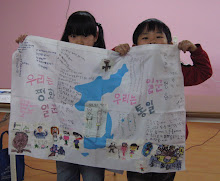
![[URGENT PLEA: In Update] EMERGENCY in GANGJEONG Since AUG. 24, 2011](https://blogger.googleusercontent.com/img/b/R29vZ2xl/AVvXsEiQvpaNf6EePZVucu97_JphYsFS5IgumnSiA4YAmen1PZcim6vMmW7XjZ7J6nLh-Cu36mwBN5n1evrA3ey0vYMpwlAGsgnSFggv6a1w4Qx9BvvqOB0hy0BIcBkL2Exfs3zIxBsBuDGa1kzg/s227/jejusit.jpg)


![[Solidarity from Japan for the Jeju] 253 individuals and 16 groups/organizations](https://blogger.googleusercontent.com/img/b/R29vZ2xl/AVvXsEivji7100kBkr0hzvqYfh4IBBilkZ6XgDIg89jOxS6kTssxsVKC6Wm-fZbKOEsiy3zcO-9gW6GHspD5R_2C9WsGx5S1Z5VPj_OVRF7H6dxdaT0S-2H1eqsDsYvIwOV26VscxTHnKmP5iZmh/s227/jeju_12_10j.jpg)

![[Translation] Korean organizations' statement: Immediately cancel the joint ROK-US drill Nov 26](https://blogger.googleusercontent.com/img/b/R29vZ2xl/AVvXsEgfKDMo-qyEjm5asUtHlREyJY_5Ou-2tyB8SH6aUxiViRbbKR-8W_rirFiGp5DYSoD_KaeNOPMWR0af0ZPUIbJKmR89ImDvADHsGAIqsJVBvJNBEIl5wLd3G_zhPDW3Z2SxsHXadOsXe8st/s227/1.jpg)
![HOT! [Hankyoreh Hani TV] Beneath the Surface: the investigation into the sinking of the Cheonan](https://blogger.googleusercontent.com/img/b/R29vZ2xl/AVvXsEh80rL3Qv9GnfHSqbYMfivdqX5gZN-1O_VQj3A_Gk3yjWdybHwJCsprA3l6cEQB0cYCP2oNeaLo2ohLGIy0Uqqkv_fRkBevGJ2f-qkKD5eP1ZGsKeQ-r-jHUUb79WvucIN7hpEtXza4xXCL/s227/HaniTV+Cheonan.gif)


![[Translation]Statement against illegal inspection and unjust lay-off by the Kunsan USAFK!(Nov_2010)](https://blogger.googleusercontent.com/img/b/R29vZ2xl/AVvXsEg3JlQ-lreusCIJo5Yv2e3ZrRwrSMUE7UQxlrDVjmBehl0Pa24QZIAbZ5vUpgnnExbkKL9PdCwxVYSHWJkr_XK0FM4EhU3CMFhqfborVNu_p4v3bEFpNm3ia-aEHnvMMuEBI27aB7_BETuJ/s227/gunsan+protest.gif)
![[Translation] Korean organizations' statement against dispatching special force to the UAE on Nov.](https://blogger.googleusercontent.com/img/b/R29vZ2xl/AVvXsEiU7TNhTDLLwZkKP0Z78JsCZKp6je-QSFll3_ThmLES_y_nPLXEzeakrsZXoNxhN5blopEhy6xGV2tneJrniPdTR-JvOQMmSLr_HhlucxFvbusxk4oKvvMO2laBOHSIkB9OOeOxrQlqCA0O/s227/antiwarpeace.jpg)
![[Translation] Stop, Joining MD!: South Korean activists' statement and writing on Oct. 25, 2010](https://blogger.googleusercontent.com/img/b/R29vZ2xl/AVvXsEggGIHVei8j7LCJPJB5HIrspd942q436daNTquP-pFd45Cl70Ml_1JFiFDHgKu6FcoqNgFVKIFqjeuSPau2k_BwGHhx0cqFFL2-4ybZSTlmua0_AsERBtKYQa7jZk7uNj41LX6rj2vksHbo/s227/StopMD.jpg)
![[In Update] People First, NO G-20 (Nov. 6 to 12, Korea)](https://blogger.googleusercontent.com/img/b/R29vZ2xl/AVvXsEhZl8VTqeL7o2ndliGIE-sZFCikbTgfB9KCc3AtZvDaYijBBEhdfultMEOpyrCaD5gzpH8mqfWjU20KXMbSUl-5KM7yQeHU6z3BWV8tiOy4UKaCudz9VKWoi5x58xdC_gQpJTjkR5u7O9xf/s227/left21_G20.jpg)
![[International Petition] Stop US helipad plan in Okinawa to save great nature](https://blogger.googleusercontent.com/img/b/R29vZ2xl/AVvXsEihgYmdb0N8ViPvTFC_5i-Psbt4eX_LnAUEOtZkUngv_pGvRyWag1r6W60NicLLyTgWq-sPT1hBxLY5SadEIVv5McfZQ5uIhe-W0VoflQNqojsYZjFW6AH-gB1jsmSDGnGuKIFk2UkvNbFG/s227/yanbaru_w.jpg)
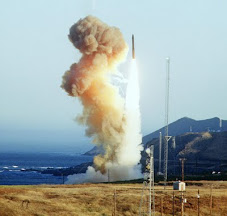
![[Global Network] against the first launch of Quasi-Zenith Satellite, Japan, on Sept. 11, 2010](https://blogger.googleusercontent.com/img/b/R29vZ2xl/AVvXsEj2sYpfodDDMIA7qXwuda0DmKapxXFB479fDnn8RKy7QNZqz0VEvWucNd-DleZ37hWNXC-Z8QtaqtM37VuPwac5SgclJ9_khBBSWOedvm19MRXIP1j1kcWrK6EW5IFjQdEEY2h7E6xuyNvC/s227/Qzss-45-0_09.jpg)
![[In update] Some collections on the Koreans’ protests against the sanction & war on Iran](http://4.bp.blogspot.com/_gnM5QlRx-4c/TJMvke6t8zI/AAAAAAAAFO4/tamQ8LUnOOA/S227/No+Sanction+on+Iran.jpg)
![[Three International Petitions] to End the Korean war and peace treaty(or peace resolution)](https://blogger.googleusercontent.com/img/b/R29vZ2xl/AVvXsEhlohLVYtpCg7iMsZhNYY4hBbhTi2dIheHMHWLDph9X2y78cjgZV1LeSfUJeu80elhJm70Q9E059q72lK-spSPvsRG4bPuCDIytltJB9IH3mWt9OG98HqhnTsPakwhvNeoCFUgF1xoxQ2EZ/s227/border.jpg)


![[Collection of Documents] No Base Learning and Solidarity Program_Korea(June 14 to 20, 2010)](https://blogger.googleusercontent.com/img/b/R29vZ2xl/AVvXsEix_HzjToh3nNGHBc-_5gasq-ykcaZ6GInLixILmZVyRJ5xoeHCxWOyYd9fSM7bmnuFsjSrYOGEPnQOwB1Dcyo-sN4Pw0cFPhUtKig_qlVnGL1Wi82ClvPqbEPWYhJiqdNF0DyzLIBETMB9/s227/No-Base-banner.jpg)
![Site Fwd:[John Hines] A U.S. Debate coach’s research trip on the Issues of Korea](https://blogger.googleusercontent.com/img/b/R29vZ2xl/AVvXsEg8yRra0zNhKHN74Auqhd3Nx9tZ7BWCGflRJHGH4CfzBT_yjhZ8Nl9b3OZuLpYWJ2exsjmR0oVl-Qq_cf832p2VdmOZhUi-lCFzCNeDSyVtweX1lWZPC-RlHmDMLtilHwHjNFTenBiM4Fk4/s227/Jeju-Peace-Tour.jpg)


![[News Update] Struggle Against the Jeju Naval Base since Jan. 18, 2010](https://blogger.googleusercontent.com/img/b/R29vZ2xl/AVvXsEhKfSTRC5QKBBSFIq_m7QIqXdlbL4-gF5GJYn9Q-pN__k7sV7uxGDcLY5L8xmU7QuWuUhBT_GhG-URBPO80RT3AfWfDrWJr06h1hFuZC6ZBVKe4U6PS1Cd7Kr6olO8TYQtk13Drox7IS6ea/s226/scrum1.jpg)


![[Urgent] Please spread the Letter!: There was no Explosion! There was no Torpedo! (May 26, 2010)](https://blogger.googleusercontent.com/img/b/R29vZ2xl/AVvXsEhSd2yWZ3xGwnJQXB73z5FgXCqSosAoB9_33-GLYprOmLqjmvgSAQp1BYI7e4slK1FDxHRi9KK4um-OpDaj8QOkXwAScVAgvvq6-ehbDA-hbkr96wT9oHNNmWnBPv8GU4hoZp9X8F9AZBX4/s227/grounded.jpg)
![Text Fwd: [Stephen Gowans]The sinking of the Cheonan: Another Gulf of Tonkin incident](https://blogger.googleusercontent.com/img/b/R29vZ2xl/AVvXsEi_L6hB3RZ1MovTXHe0A8yn_RfgMALGR0kM6poBuGp809xwvHtB_-PGWtS_WpyPWatyd9lB2pPqL2gOLc4dTCEdJ9sMvxJWEdapl-mMLm7WHAsV-jVpgqarVh8XBtdz_0c-Vohdh3HtJahD/s227/lee-myung-bak.jpg)
![[Japan Focus]Politics in Command: The "International" Investigation into the Sinking of the Cheonan](https://blogger.googleusercontent.com/img/b/R29vZ2xl/AVvXsEiHmTo8v-uCJnabRhMdnBAkC9J3s5bb2JsDKiT5leJHwbK8IDJHxfJmqQ_C0Is_bPC6UGMf05CA0exF2y4r2x9RhFUHT0kjsKviaME_MZXKnq775UyYAdb7w2SAzE75XvBfHp1al2q6i3cf/s227/wen_jiabao_and_lee_myungbak.png)
![[Japan Focus] Who Sank the SK Warship Cheonan? A New Stage in the US-Korean War and US-China](https://blogger.googleusercontent.com/img/b/R29vZ2xl/AVvXsEiKSS5ULT5QBaMGYpXXqBMX9jtwLwMLuK469b6Ku72GTJYKUObzTANaPjZqvvpPzYMJgPF53sjhvhK3DVa88ipYlggsJageykXlkxY6s8TW05xcU-_vfhf-pACUoaWuFbT-fsU1qEhm_yIi/s227/buoy_map.gif)
![[Updated on 12/13/10] [Translation Project] Overseas Proofs on the Damages by the Military Bases](https://blogger.googleusercontent.com/img/b/R29vZ2xl/AVvXsEikADE6JovUNspQyZUWVMTLAQg7yQNqXpVUbqZPk8f4uc_1723_xm1Cco6WAmstQXVPnaJAcb1mZA8Ny_3xONT_f5uh8MNLPnUhtqdGgy3HCtC1Vbbz4Q0ZY1Cssu-4cJEVNdrvznbS5UzO/s227/missile.jpg)
![[International Petition] Close the Bases in Okinawa](https://blogger.googleusercontent.com/img/b/R29vZ2xl/AVvXsEhNpQiHklwFbWVlFK7GDFXnBSOOSFEj3Il-We-N3uTDldKiidL2NGZs7X_LtTnatzTo_r8CexRkFe8NhfxYqmgp1knEEslROTfNjI5_mSb57cdbhPkftvanveYBaevAD9xuKDGoIxiTwoSb/s227/2.jpg)
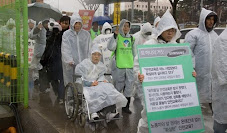
![[In Update]Blog Collection: No Korean Troops in Afghanistan](https://blogger.googleusercontent.com/img/b/R29vZ2xl/AVvXsEjjEmCRXSNAG7_QBxKWbdksmxoWR4nyAovQTTdR1G2AuXh0jxtqNkI9OmYgYWRoLAJShvtBvE840QXuBWSVh3u3zMYqkNAFX6OWy3m5Nur4HM7uNK-pKT1ycyApJp-VLyhIFRRcoisYAh0E/s226/No-Troops-to--Afghanistan.jpg)


